
Štrigova Guide
Wine hills and a wind-organ tower by the Slovenian border
1 selected
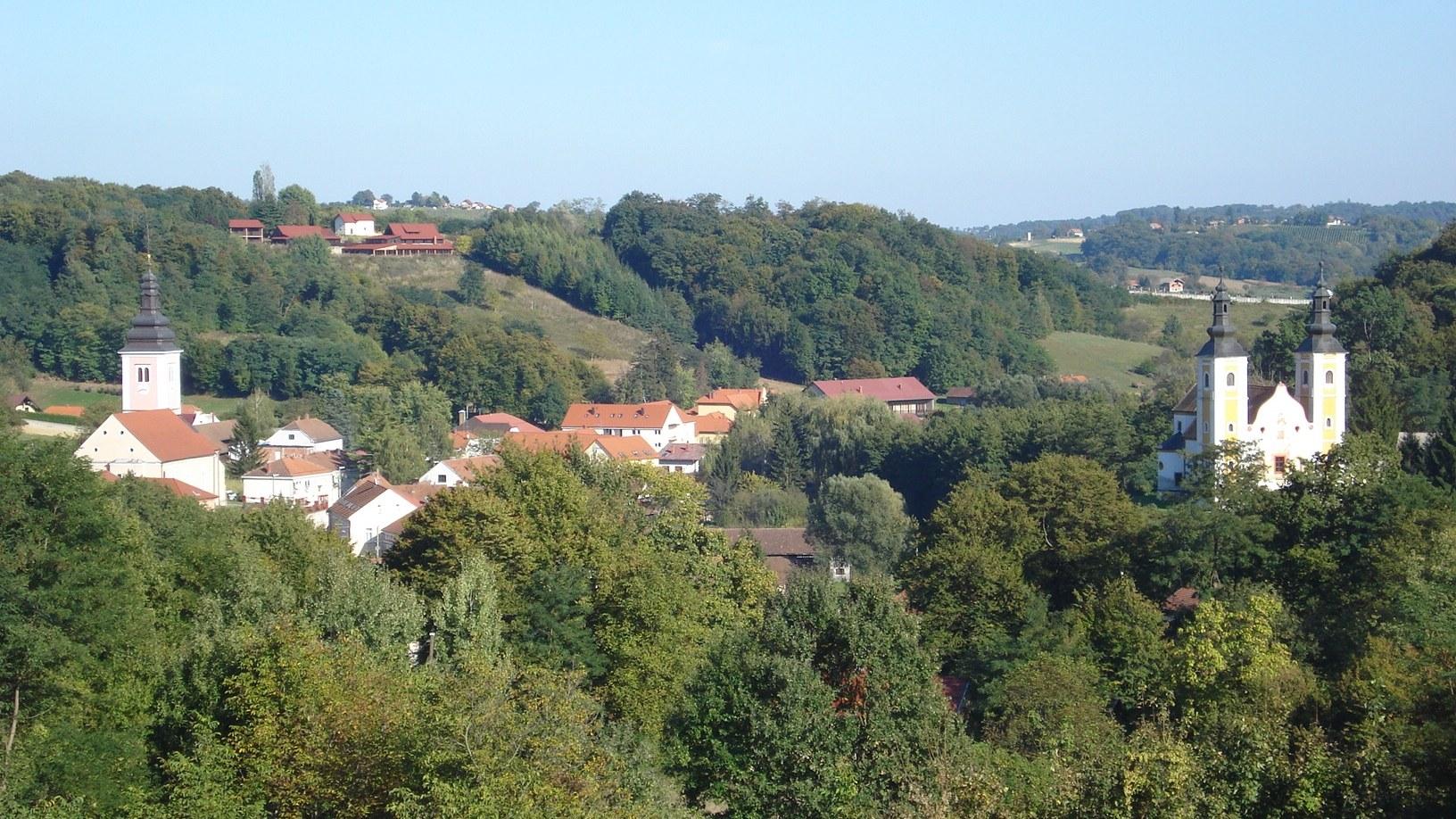
Štrigova is a village and municipality in Međimurje County, in northern Croatia, right by the border with Slovenia. People call it the wine capital of Međimurje. Rolling green hills surround it, planted with vineyards, orchards and groves, and dotted with villages and hamlets.
The landmark is the lookout tower on Mađerka Hill, a wooden-and-steel structure 27 m high. It is described as the most impressive tourist attraction in Međimurje. You climb 104 steps, with four resting spots on the way, to reach the rooftop platform at 361 m, the highest point in Međimurje. On clear days the view runs over Slovenia, Austria and Hungary, further across Croatia and even as far as Slovakia.
Inside the tower, wind-powered organs are built in. Their pipes play melodies of the wind and versions of the traditional međimurska popevka songs. Events on and around Mađerka hill fill the year: Saint Vincent's Day, a Saint Vincent's hiking tour, the Summer Solstice celebration, Jazz in the Vineyard and the Art Colony.
Two churches anchor the village. The Church of Saint Jerome stands on higher ground above the centre and has two towers, and its floor plan closely follows that of Saint Peter's Basilica in Rome. In the centre itself you find the parish church of Saint Mary Magdalene, with a Gothic ribbed vault over the sanctuary.
Art has a place here too. In Grabrovnik, near Štrigova, an international open-air sculpture collection is open to visitors year-round. Sculptor Vesna Osojnički curates it, and it shows her own ceramic sculptures beside works by artists from Canada, the United States, the United Kingdom, Thailand, Austria and other countries. The Pušipel Centre exhibit goes another way: a themed journey along the Međimurje Wine Road through vineyard and cellar work, tools, the local terroir and the grape varieties of Upper Međimurje.
The excursion sites around Štrigova are well maintained and easy to reach, and they suit picnics, relaxing and time with friends and pets. Cycling or hiking through vineyards and woodlands are the low-impact things to do, and the village is presented as a model of sustainable tourism. Upper Međimurje, the region around it, belongs to the UNESCO biosphere reserve Mura-Drava-Danube.
Stridon, Saint Jerome and the Pauline church of Štrigova
Štrigova is held to be the Stridon of Antiquity and the birthplace of Saint Jerome, who put down in 392 AD that he was born in Stridon on the border between Dalmatia and Pannonia. In 1447 Pope Nicholas V issued a papal bull that confirmed the village in Međimurje as his birthplace. The church there was dedicated to Jerome, and the village became a pilgrimage site. Jesuit Mihael Bombardi printed a transcription of that bull in 1718. The Pauline monk Josip Bedeković published it again in 1752. An earlier church on the site, probably wooden, burned down during the Turkish campaign on Vienna, and the Counts of Celje later built a new one. The present Church of Saint Jerome went up between 1738 and 1749, with the Pauline monastery alongside. The choir was finished in 1752, and the bell towers followed in 1761. Ivan Ranger, a painter and Pauline monk, adorned the walls with frescoes. A complex of the former Pauline monastery still stands near the church. The Gothic Church of Saint Mary Magdalene keeps wall paintings from the 15th century. A chapel of Saint Joseph was added beside its nave in the 17th century. The parish church was first mentioned in 1334. Two historical castles stand in the municipality: Banfi Manor, mostly built in the 18th century on Banfi hill, and Tkalec Castle on Kalec hill, built by local Paulines in the 18th century. The place itself first appears in 1271 as Castr. Strigo. It was a market town from the late Middle Ages until the beginning of the 20th century. In 1946 the former municipality was divided between Croatia and Slovenia, and Štrigova regained municipality status in 1992. Legend says the Romans planted the first vines on these hills, and burial mounds, pottery and fragments of Roman roads have turned up in the hamlet of Trnovčak. In Međimurje County as a whole, an earthquake in 1738 devastated Čakovec and nearby Šenkovec. Ten villages make up the municipality, and the locals are known as the Štrigovčani. The cultural association KUD Sveti Jeronim and the women's vocal group Stridone keep customs and church traditions alive. The authentic Štrigova subdialect is listed as Croatia's intangible cultural heritage, and local tales mention forest dwarves, dragons called pozoji and dark queens called črne kraljice.
Pušipel, gibanica and the Međimurje Wine Road
Štrigova sits on the Međimurje Wine Road, which was named best original tourist product of continental Croatia in 2007 and counts dozens of wineries across thirty tasting houses and wine cellars. Experts guide the tastings in these houses and cellars. A choice of traditional cold dishes comes alongside. Start close to the tower. The Štampar Winery lies 100 m west of the Mađerka lookout tower and offers an airy, scenic setting for tasting. Its tasting room ranks among the highlights of the excursion sites around Štrigova, together with the lookout on top of the hill. The star here is Pušipel, a white grape also known as Moslavac, Šipon or Furmint. It gives mostly dry or semi-dry wines, fresh and mineral, with citrus aromas. The name replaced Šipon in the late nineties, and a local winemakers' association set a minimum quality standard a wine must meet to carry it. Pušipel wine from Međimurje goes well with juicy pork dishes such as pork belly, with pan-fried chicken, with oysters and with fattier fish such as angler. A visit to the Pušipel Centre ends with a tasting along the Međimurje Wine Road, where sommeliers or winemakers introduce Pušipel, the region's signature wine and a protected brand. The World Pušipel Centre also has a sales corner for Međimurje wines and other local products. It presents the Društvo vinogradara i vinara Međimurja Hortus Croatiae as well. The glass is not only Pušipel. Award-winning whites of the region include sauvignon, chardonnay, rhenish riesling, pinot gris, traminer, sylvaner and yellow muscat, and the reds include pinot noir and cabernet sauvignon. Winemakers also make premium predicate wines from selected harvests, and ice wines. Winemaking drives the local economy, with many privately owned cellars and one large communally owned one. Small family wineries in Upper Međimurje pour Sauvignon, Welschriesling, Rhine Riesling, Gewürztraminer, Chardonnay and Pinot Noir. On the plate, Upper Međimurje is known for gibanica made of poppy seeds, cheese, walnuts and apples, for meat from tibilice, for turoš cheese and for zander fish. Međimurje also has a name for potatoes, pumpkin seed oil and buckwheat porridge. Trganci are pieces of torn dough served with savoury accompaniments. Souvenirs worth looking for are pumpkin seed oil, local honey and Međimurje wines. Cyclists on the Pušipel Trail find wine tasting rooms, restaurants and coffee bars, local artisans and picnic spots along the way. Upper Međimurje received the EDEN European destination of excellence title for the theme Tourism and local gastronomy.
Reaching Štrigova from Zagreb and Čakovec
Štrigova lies some 110 km north of Zagreb, on the road connecting the county seat Čakovec with the Slovenian town of Ljutomer. The municipality has two border crossings with Slovenia, called Banfi and Bukovje. Zagreb Franjo Tuđman Airport is the nearest major airport to Čakovec, the base town for Štrigova. From Zagreb, travellers hire a car or take a bus or train to Čakovec. Drivers leave Zagreb on the A4 motorway towards Varaždin and Goričan and follow the signs for Čakovec. The vineyard hills of Štrigova are reached from that town. Coming from Hungary, the M7 joins the A4 at the Goričan border crossing. From Varaždin, the D3 is a direct route across the Drava to Čakovec in Međimurje. Čakovec has rail connections with Varaždin and Kotoriba. For trains from Zagreb, search via Varaždin, and expect that some journeys need a change. Buses from Zagreb and regional services arrive at the Čakovec bus station. For trips to nearby villages such as Štrigova, check the return timetable before you leave. Međimurje County borders Slovenia in the north-west and Hungary in the east. Its closest cities include Varaždin and Koprivnica in Croatia and Maribor, Lendava and Murska Sobota in Slovenia.
Bikes, trails and cars in the Štrigova vineyard hills
Štrigova has a bike rest point at the Mađerka lookout tower, where cyclists can service their bikes. The Cyclist Welcome network in the region lists dirt, gravel and paved routes. They lead past bike-friendly accommodations, restaurants, coffee bars and other facilities for cyclists. The foothills of the vineyard slopes around Štrigova suit light family rides and casual cyclists. Steeper ascents through vineyards, hills, forests and villages are there for athletes and pro cyclists. Across Međimurje, a bicycle suits the flatter parts. The vineyard roads towards Štrigova have more climbs. A car is convenient for combining wineries, viewpoints and riverside stops in one day. The Pušipel Trail is a circular cycling route through the landscapes of the Međimurje Wine Road, and it is 53.9 km long. It forms part of the international Mura–Drava Bike trail and runs near Čakovec and the Sveti Martin Spa Resort. Hiking around Štrigova uses marked trails and woodland paths over rolling vineyard hills. The local word for walking is cipelcug. Štrigova and Mađerkin breg are vineyard hills northwest of Čakovec with wineries and a lookout tower. Sveti Martin na Muri has thermal pools, and Žabnik has a floating mill on the Mura. From Čakovec, a second day can go to the vineyard hills around Štrigova or to the Mura near Sveti Martin na Muri. The LifeClass Terme Sveti Martin Spa in Međimurje is suggested for relaxing after a tour of wineries, old river mills, oil mills and tourist farms in Upper Međimurje.
Practical tips for Štrigova's wine hills and weather
Entry to the World Pušipel Centre in Štrigova is free, and the space is accessible to people with disabilities. Where do I park for the Pušipel Centre? A car park sits next to the Dom kulture Štrigova, the building that houses the centre. Where are the wineries? Wineries and tasting houses on the Štrigova wine road are spread over hamlets including Železna Gora, Sveti Urban, Banfi, Dragoslavec, Jurovčak and Vučetinec, as well as Štrigova itself. Where can I stay? Private rooms, apartments and houses for rest are on offer in the Štrigova area. Visits to wine cellars and tasting rooms can be arranged alongside. Where do I get maps and information? The Čakovec Tourist Information Office offers local maps and information on sights, events, accommodation and trips around Međimurje. That includes routes to Štrigova. What are summers like? Međimurje County has a continental climate. Summer daily temperatures usually sit between 20°C and 30°C and reach up to 40°C in July and August. A stormy period falls between mid-June and mid-July. And the rest of the year? Winters in Međimurje County can be severe, with daily temperatures between -10°C and 10°C, and January is the coldest month. Snow usually falls between late October and early March. Springs and autumns are usually calm, and fog is common in the early morning between late summer and early spring.
FAQ
What is covered in the Štrigova guide?
Discover Štrigova, wine capital of Međimurje: climb the 27 m Mađerka lookout tower, taste Pušipel and plan a ride along the Međimurje Wine Road. It includes 1 recommendations across 1 gallery.
Next →How many places are in the Štrigova guide?
The Štrigova guide lists 1 places: 1 gallery.
Next →Where is Štrigova?
Štrigova is in Štrigova, Međimurje County, Croatia (46.5011, 16.2850).
Next →How do you get to Štrigova?
Štrigova lies some 110 km north of Zagreb, on the road connecting the county seat Čakovec with the Slovenian town of Ljutomer. The municipality has two border crossings with Slovenia, called Banfi and Bukovje. Zagreb Franjo Tuđman Airport is the nearest major airport to Čakovec, the base town for Štrigova. From Zag…
Next →What should you eat in Štrigova?
Štrigova sits on the Međimurje Wine Road, which was named best original tourist product of continental Croatia in 2007 and counts dozens of wineries across thirty tasting houses and wine cellars. Experts guide the tastings in these houses and cellars. A choice of traditional cold dishes comes alongside. Start close…
Next →Is there camping in Štrigova?
No camping listings in this pack yet — we do not invent venues. Entries will appear once verified.
Next →Can you rent a bike in Štrigova?
No bike rental listings in this pack yet. Verified shops will be added when available.
Next →What are recommended gallery in Štrigova?
Highlighted gallery in the Štrigova guide: Štrigova panorama.
Next →Highlighted places
- Štrigova panorama — Panorama of Štrigova with its two church towers above the vineyards of the Međimurje hills.
Explore on the map
Tap a pin to highlight its place card
All
1 spots
Recommended places
Gallery
1 · 1 selected
Štrigova panorama
gallery
Related guides
Browse nearby destinations
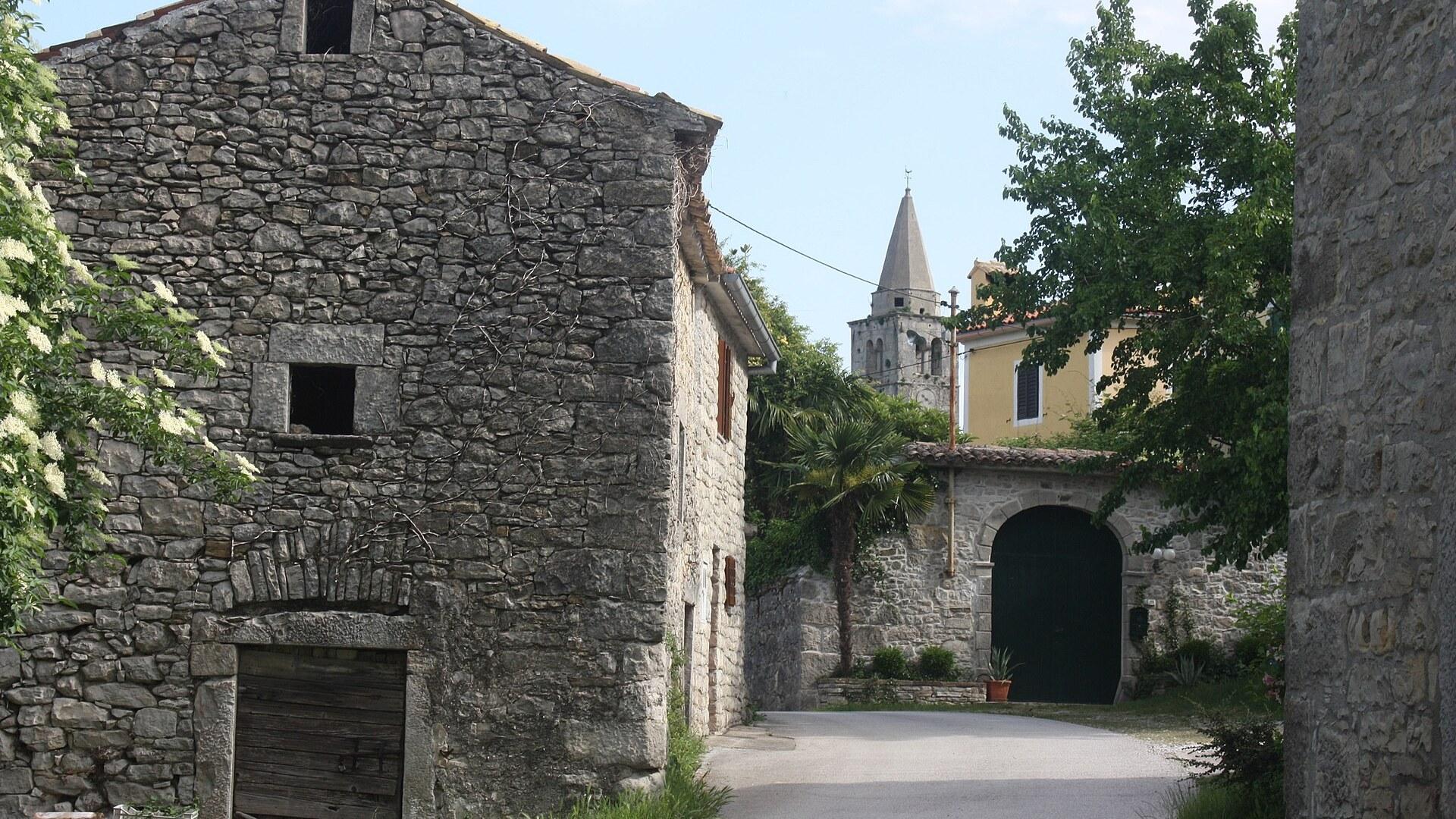
Boljun Guide
Istria County, Croatia
A castle town above the Boljunčica valley
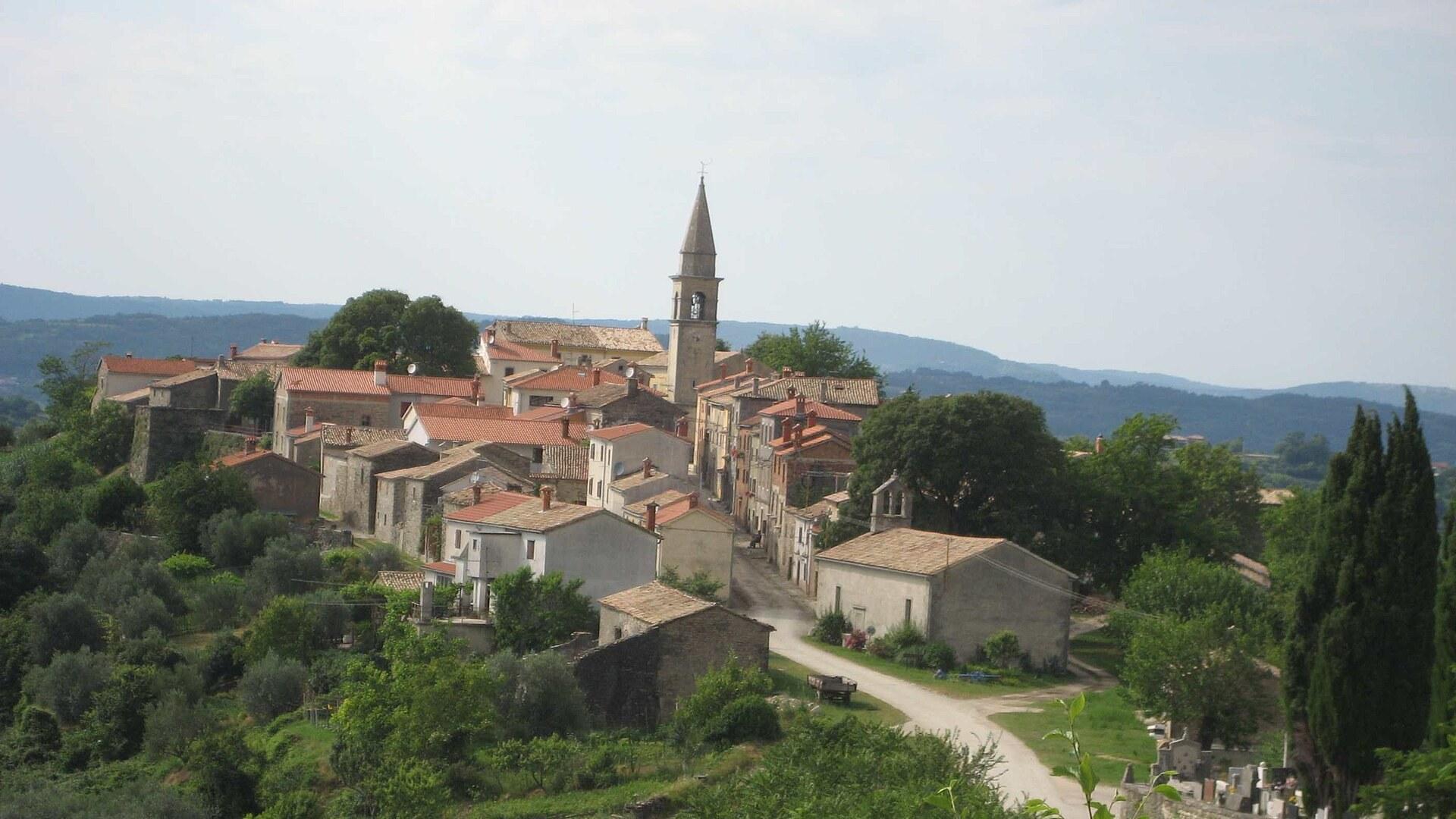
Draguć Guide
Istria County, Croatia
Fresco churches on an inland Istrian ridge
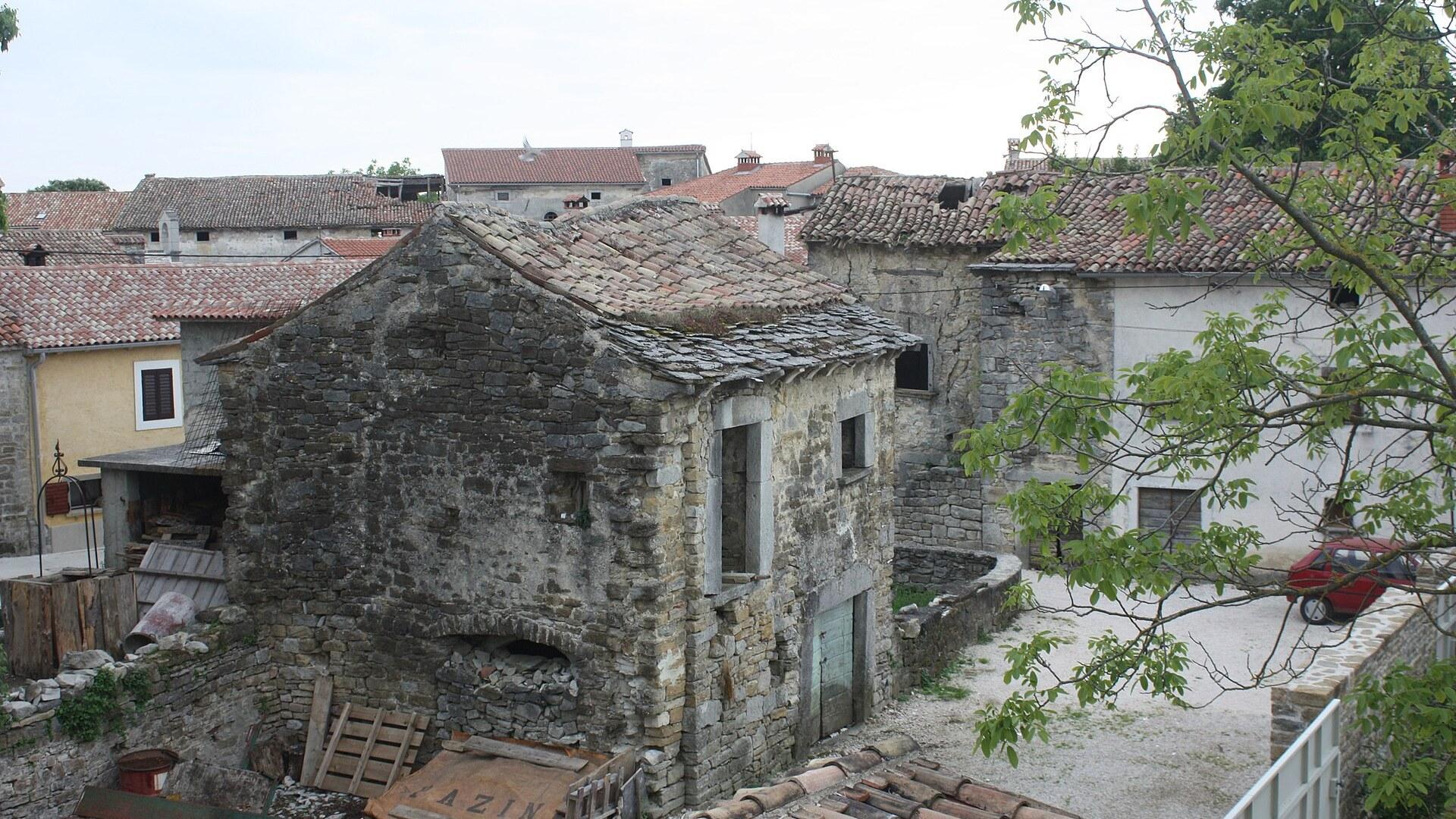
Gračišće Guide
Istria County, Croatia
A protected medieval hill village in inland Istria
Mošćenice Guide
Primorje-Gorski Kotar County, Croatia
Stone lanes above the Kvarner Gulf
Pićan Guide
Istria County, Croatia
A hilltop former diocese town in inland Istria
Plomin Guide
Istria County, Croatia
Stone lanes and sea views above Plomin Bay

Save these places to your list
Copy the spots you picked into your list — maps and notes included.