
Draguć Guide
Fresco churches on an inland Istrian ridge
1 selected
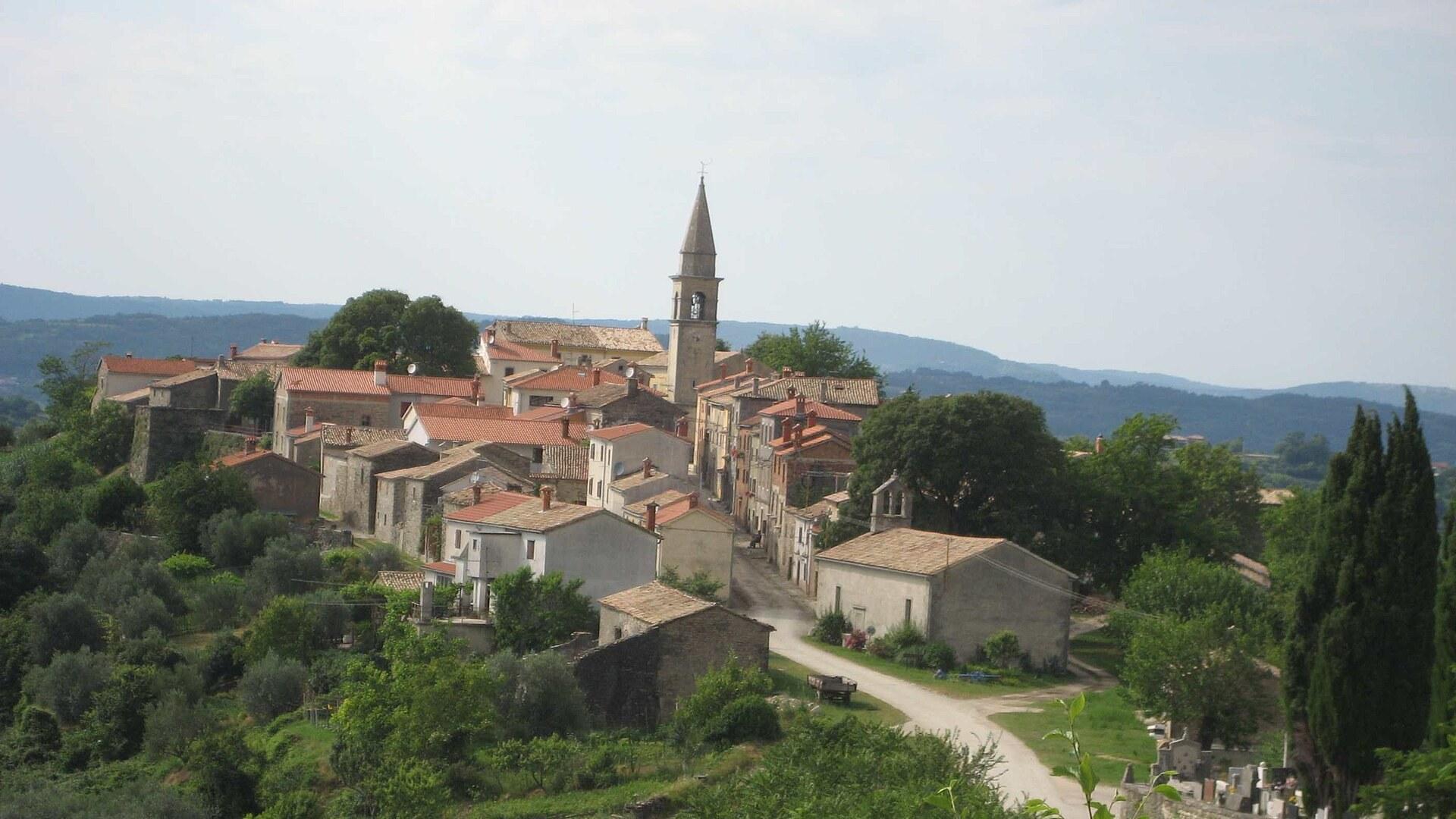
Draguć sits on a hilltop ridge in Istria County, Croatia, halfway between Pazin and Buzet, and the first thing you notice is how little of it there is. Grey stone houses line a single main street, the old castle has been swallowed by later buildings, and the hills fold away in every direction.
That main street is edged with Baroque and Classicist facades, among them the house of the Captain of Draguć. Walk it slowly and it opens into a roomy square with a bell tower from 1844, a fountain from 1888 and old hackberry trees shading a stone table. It is a good place to sit before you go looking for the churches.
From the south-western corner of the square the view runs out over Grimalda and Butoniga Lake. The best spot is the Renaissance tower that the Venetian provveditore Francesco Basadonna built in the 15th century. Across the water you can pick out Kašćerga, the village that comes up again when you look at the frescoes.
Film crews found all this long before visitors did. The preserved stone architecture has made Draguć a regular location for domestic and foreign films and TV shows, and people call it the Istrian Hollywood. You will see why as soon as you step onto the lanes.
There are four churches here: St. Elisha, the Lady of Rosary, the Holy Cross and St. Rocco. St. Eliseus stands in the cemetery among cypresses, its bare facade made of alternating rows of darker and lighter sandstone, a bit like a miniature Tuscan Romanesque church.
The Istrian coast fills with package tourists in high season, while the interior is quiet and dotted with walled hill towns. Draguć belongs to that inland side. Istria is good country for hiking and biking, in the hills as much as along the sea, so the village slots easily into a day of wandering.
A castle from 1102, a Venetian lion and plague frescoes
Draguć grew around a medieval castle first mentioned in 1102, and the village still wears layers of Venetian rule, Romanesque painting and local pride. The castle is now almost completely built into later houses, but visible remains survive near the Church of the Holy Cross, which leans against a ruined castle tower. Beside the steps of the Basadonna tower you can find the provveditore's coat of arms, a dedication thanking him for building the defence walls, and a relief of St. Mark's lion, the symbol of Venice. Look for it before you climb up for the view. The oldest church is St. Eliseus at the entrance, built in the late 12th century. Its two-coloured stone layers are unique in Istria and hint at Byzantine influence. The 13th-century frescoes inside were covered with white paint after the Church Council of the 16th century and came to light again in the late 1940s. Restoration ran from 1986 to 1988 and turned up an even older layer of paintings. The altar stand proved to be a Roman monument. The Crucifixion on the northern wall is the best preserved scene, and the chivalric battle on the velarium is the only one of its kind in Istria. St. Rocco, on the northern side, was built at the start of the 16th century at the old village entrance, where the saint was believed to keep plague away. Master Antun from Padova, who came from Kašćerga, painted its interior in 1529 and 1537. Nobody painted over it, so the colours are almost intact, apart from white lead that turned black from moisture. One fresco remembers the plague victims. The Church of the Holy Rosary dates from 1641. The surgeon Antonio Grossich, who introduced tincture of iodine in 1908, was born in the house facing the entrance of the Holy Cross church.
Prsut, fusi and truffles: eating inland Istria
Eating around Draguć means inland Istrian cooking, where air-cured ham called prsut and sausages come before anything from the sea. Pasta, gnocchi, risotto and polenta fill out the rest of the menu. Look for fusi, the home-made pasta that arrives as a starter or side dish with a sauce. Istrian jota is a thick mix of sauerkraut and beans, made without potatoes and served with polenta. Fritaja is the local egg dish, and it can be made with ham, bacon, asparagus, mushrooms, truffles or cheese. If a menu offers one with truffles, that is the one to order. Truffles are the pride of Istria. The season begins in late September, and pasta with truffles or truffle olive oil is the dish people recommend most. Time your trip after that date if you want the full experience, and note that the House of Frescoes closes in mid-September, so the two plans pull slightly in different directions. For picnic supplies, use the open-air markets that run in almost every Istrian town. Fresh vegetables and Istrian peppers are cheap there. Pazin, 17 km away, is the nearest larger town, so it makes sense to stock up on the way before you reach the ridge and spend the afternoon with a bench and a view.
The 17 km road from Pazin to Draguć
Draguć lies 17 km from Pazin on the Cerovlje-Buzet road, above Lake Butoniga, so the practical way to arrive is to head for Pazin first and drive on from there. Pazin is the administrative centre of Istria and the nearest larger town. On the map the village sits halfway between Pazin and Buzet, deep in the inland part of the peninsula. It belongs to the municipality of Cerovlje, which is dotted with old hilltop towns and ruined castles such as Belaj, Posert, Paz, Gologorica and Gradinje. If you have a car, you can link several of them into one slow loop. The road climbs above the lake and the village appears on a ridge, packed tight behind seven hills. This is the Istria that sits away from the coast, where the package tourism of the high season rarely reaches. That makes the approach feel quieter than the shoreline, but it also means you should plan your arrival around the road rather than around a station or a harbour. Plan the visit for when the House of Frescoes is open, from 1 July to 15 September. It holds the key to the Chapel of St. Eliseus, and the chapel is the first building you reach at the very entrance to the village.
Walking the ridge from St. Eliseus to the square
Draguć is a walking village: everything of interest sits along one main street and a few lanes, so once you have arrived, you will be on foot. The ridge is narrow, and the village is packed onto it. Start at the entrance, where the cemetery chapel of St. Eliseus stands among the cypresses. From there the main street leads up between Baroque and Classicist houses, past the house of the Captain of Draguć and the birth house of Josip Šestan, to the square with its hackberry trees, fountain and bell tower. Take your time on the way up; the houses reward a second look. The Church of the Holy Cross stands near the visible remains of the castle, and the Church of St. Rocco sits on the northern side, at the old village entrance. The Basadonna tower in the south-western part of the square is where you turn around, with the lake view as your reward. If you want to stretch your legs further, Istria is a fine region for hiking and biking, as much in the mountainous inland as on the coast. Pazin, 17 km away, is the larger town to use as a base, while the walk around Draguć itself is short and unhurried.
Language, markets and the House of Frescoes
Draguć is a village of one main street, so most practical errands happen in Pazin, the administrative centre and the nearest larger town. Plan what you need before you drive up the 17 km to the ridge. Language is easy. Croatian is the official language in Istria, Italian is understood nearly everywhere and German is widely spoken, so you can usually find a way to talk to people. The village was once called Draguccio in Italian, and that Italian layer is still part of the region. If you need help with the churches, the House of Frescoes acts in summer as a tourist information point about the churches with medieval frescoes. It is open from 1 July to 15 September, 10:00-13:00 and 14:00-18:00, and closed on Mondays. It is also where the key to the Chapel of St. Eliseus is kept. Food costs are easy to keep down if you shop where locals do. The open-air markets found in almost every Istrian town sell fresh vegetables and Istrian peppers cheaply, which suits a picnic on the square under the hackberry trees.
Practical answers for visiting Draguć
Draguć is small enough that a few questions cover most of what you need to know before you go. The answers below come down to timing, the key to the frescoes and the language you will use. How do I get inside St. Eliseus? The key to the Chapel of St. Eliseus is kept in the House of Frescoes in Draguć. Collect it there before you walk to the cemetery chapel at the entrance. When is the House of Frescoes open? It is listed with summer hours from 1 July to 15 September, 10:00-13:00 and 14:00-18:00, closed on Mondays. Outside those dates, do not count on finding it open. Which languages will I need? Croatian is the official language in Istria, Italian is nearly universally understood and German is widely spoken. When is the best time to go? The coast is crowded in high season, while the interior stays quiet. Summer gives you the information point and open hours, and late September brings the start of the truffle season. How many churches are there? Four: St. Elisha, the Lady of Rosary, the Holy Cross and St. Rocco. St. Eliseus is the oldest, and St. Rocco has the frescoes that were never painted over. Is there anything to do besides the churches? You can climb the Basadonna tower for the view over Butoniga Lake, or use the village as a stop on a hiking or biking day in inland Istria.
FAQ
What is covered in the Draguć guide?
Discover Draguć in Istria County, Croatia: a fortified hill village with medieval frescoes, four churches and a Venetian tower above Butoniga Lake. It includes 1 recommendations across 1 gallery.
Next →How many places are in the Draguć guide?
The Draguć guide lists 1 places: 1 gallery.
Next →Where is Draguć?
Draguć is in Draguć, Istria County, Croatia (45.3167, 14.0000).
Next →How do you get to Draguć?
Draguć lies 17 km from Pazin on the Cerovlje-Buzet road, above Lake Butoniga, so the practical way to arrive is to head for Pazin first and drive on from there. Pazin is the administrative centre of Istria and the nearest larger town. On the map the village sits halfway between Pazin and Buzet, deep in the inland p…
Next →What should you eat in Draguć?
Eating around Draguć means inland Istrian cooking, where air-cured ham called prsut and sausages come before anything from the sea. Pasta, gnocchi, risotto and polenta fill out the rest of the menu. Look for fusi, the home-made pasta that arrives as a starter or side dish with a sauce. Istrian jota is a thick mix o…
Next →Is there camping in Draguć?
No camping listings in this pack yet — we do not invent venues. Entries will appear once verified.
Next →Can you rent a bike in Draguć?
No bike rental listings in this pack yet. Verified shops will be added when available.
Next →What are recommended gallery in Draguć?
Highlighted gallery in the Draguć guide: Draguć on its ridge.
Next →Highlighted places
- Draguć on its ridge — The fortified hill village of Draguć in central Istria, with its bell tower and cemetery at the entrance.
Explore on the map
Tap a pin to highlight its place card
All
1 spots
Recommended places
Gallery
1 · 1 selected
Draguć on its ridge
gallery
Related guides
Browse nearby destinations
Boljun Guide
Istria County, Croatia
A castle town above the Boljunčica valley
Gračišće Guide
Istria County, Croatia
A protected medieval hill village in inland Istria
Pićan Guide
Istria County, Croatia
A hilltop former diocese town in inland Istria
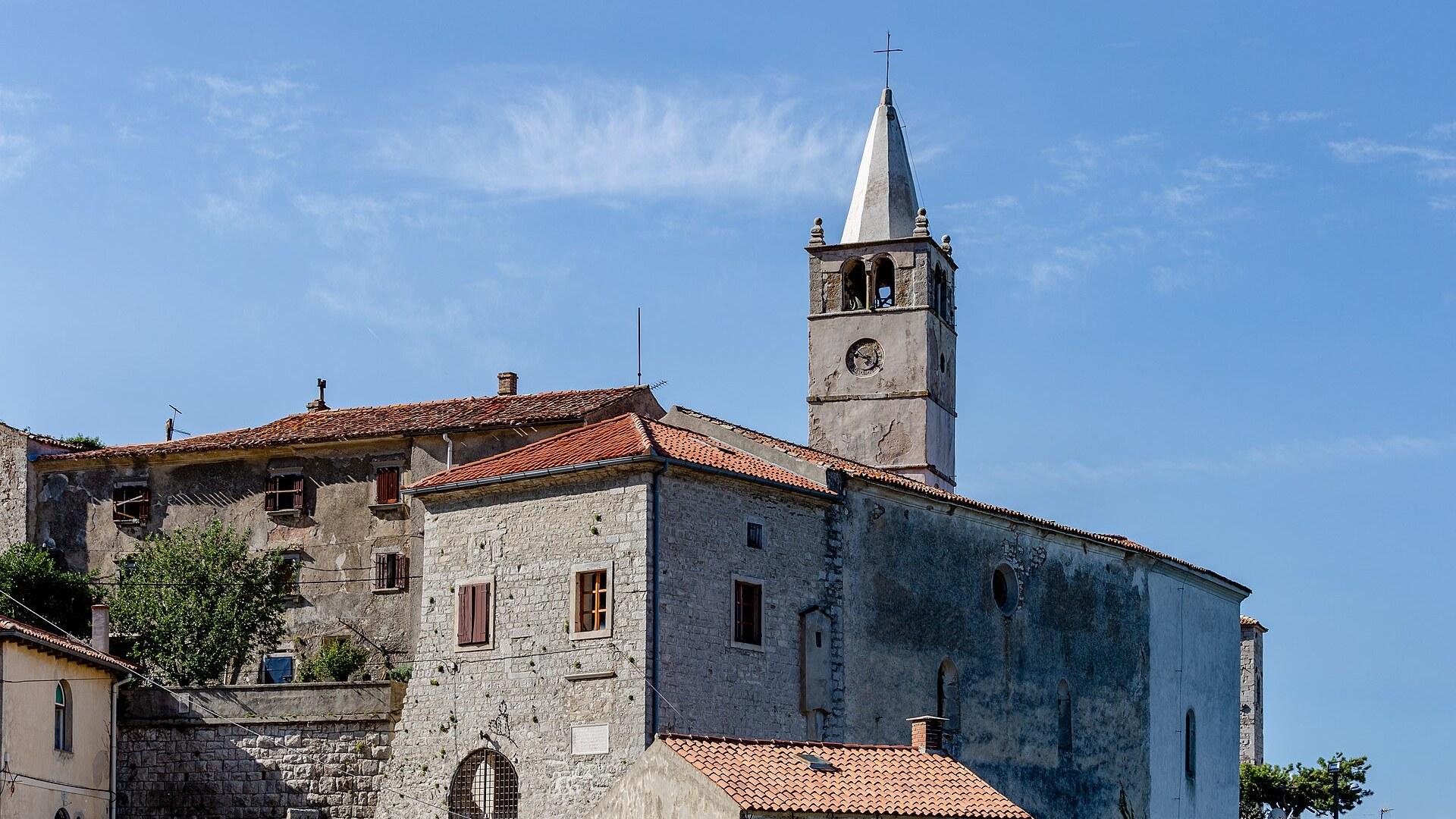
Plomin Guide
Istria County, Croatia
Stone lanes and sea views above Plomin Bay
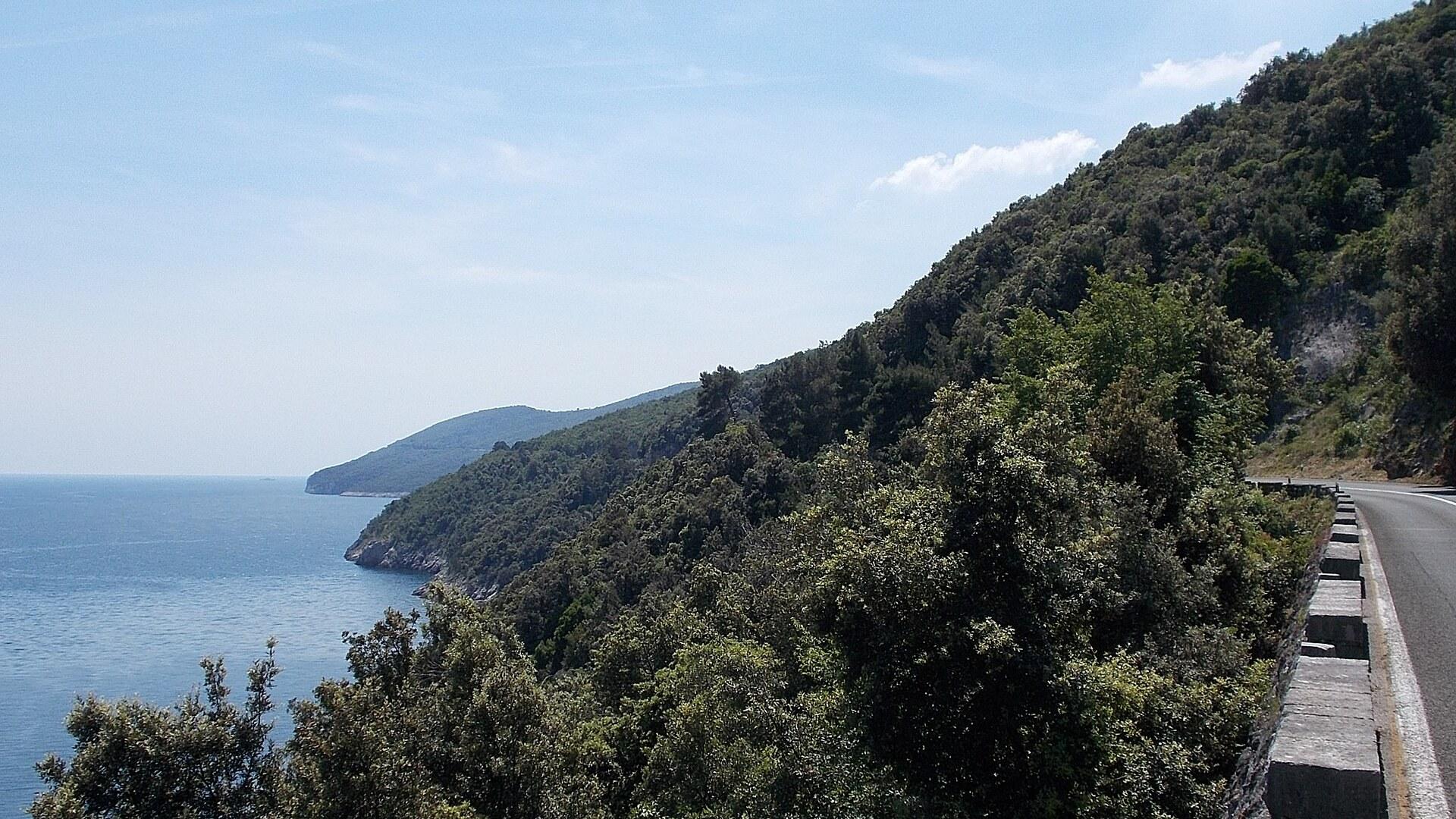
Mošćenice Guide
Primorje-Gorski Kotar County, Croatia
Stone lanes above the Kvarner Gulf
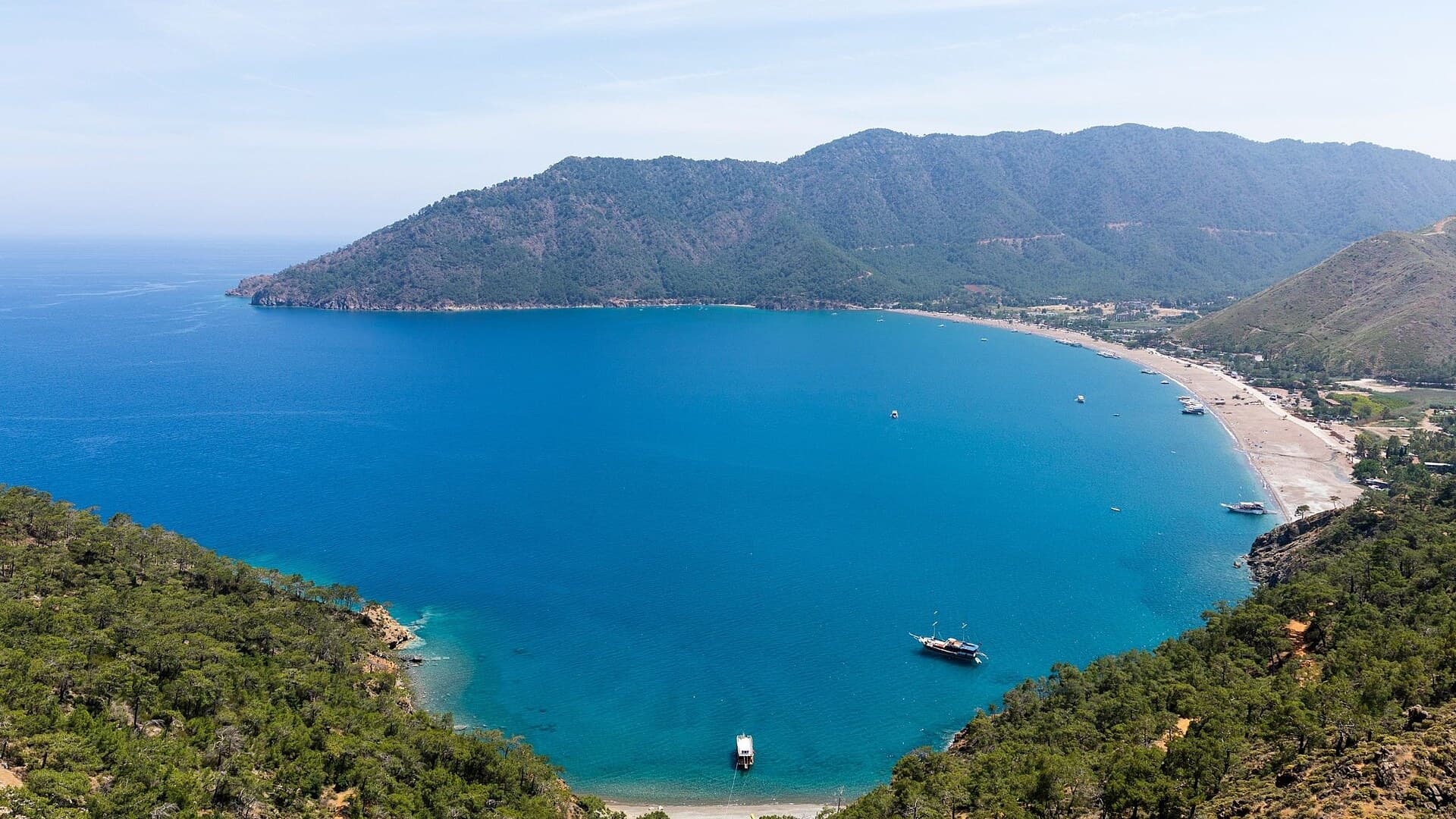
Adrasan
Antalya, TR
A pine-backed bay where the days move slowly

Save these places to your list
Copy the spots you picked into your list — maps and notes included.