
Pićan Guide
A hilltop former diocese town in inland Istria
1 selected
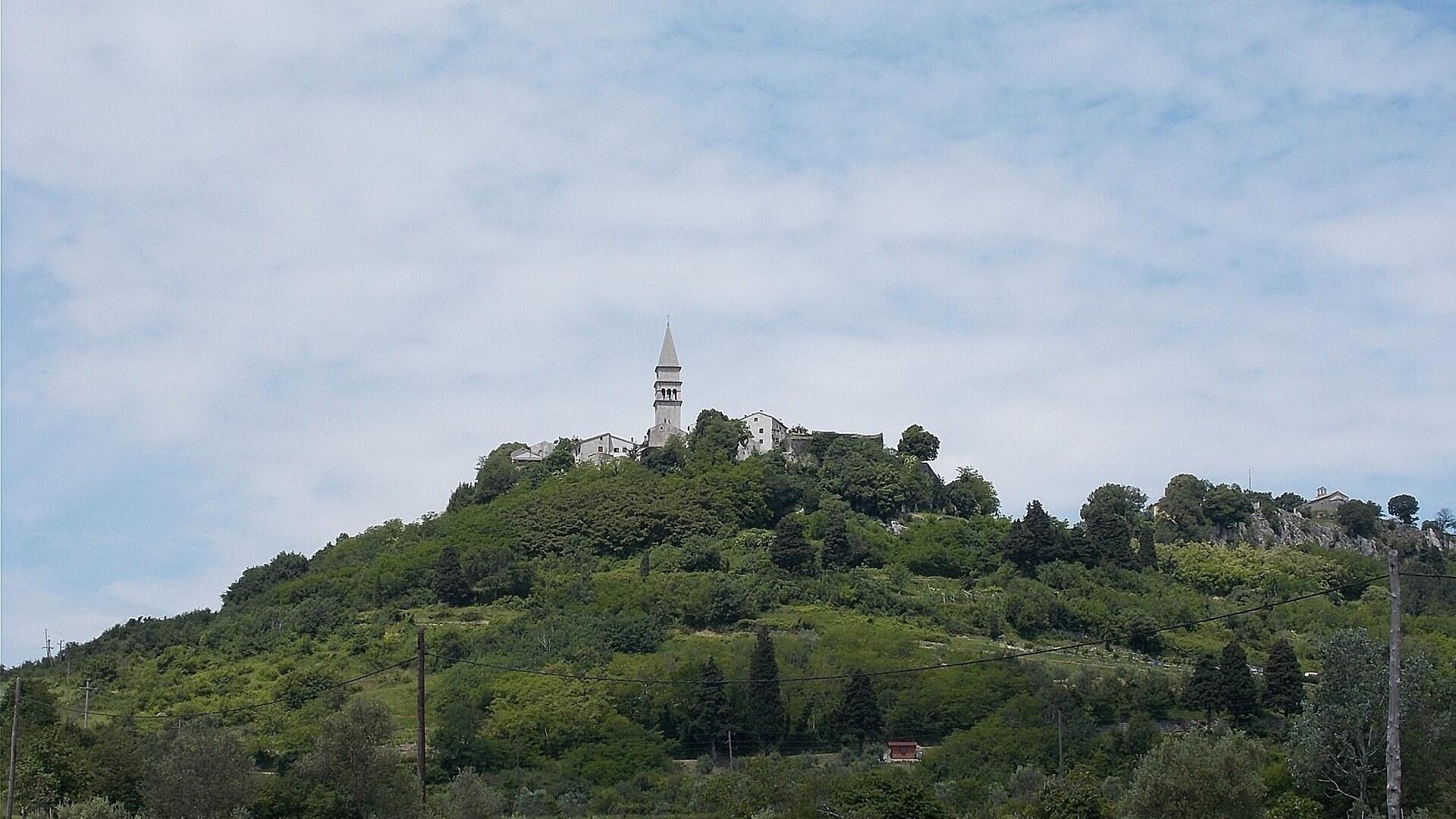
Pićan is a hilltop town in Istria County, Croatia, and it feels like the opposite of the crowded coast. In the high season Istria's seaside fills up with package tourists, while the interior stays unspoiled and dotted with walled hilltop towns. Pićan belongs to that second group, about 12 km southeast of Pazin. Pazin is the administrative seat of Istria County and sits in the geographical centre of the peninsula, with Gračišće and Pićan to its southeast, which tells you how far inland you are.
The land around it is farmed, not staged for visitors. The fertile Čepićko Polje region produces wine, pumpkins and tomatoes, and agriculture and livestock breeding are still the main occupations. So the view from the edge of the old town is of working fields rolling away toward the horizon, which is the real reason to climb up here.
The landmark is the bell tower. It stands apart from the church, rises 48 m, counts as the third highest in Istria and gives a good view over the hills. The church beside it is the Cathedral of the Annunciation of the Blessed Virgin Mary, a grand name for a village and a reminder that Pićan once had its own bishop.
For wider views, head for the two lookouts at opposite ends of town. Franz Ferdinand's Viewpoint looks over the undulating landscape of central Istria. The viewpoint of St. Helena lies at the other end and is named after a church that once stood there. Walking from one to the other takes you across the whole town.
In the park at the entrance you will find a statue of St. John Nepomucene from 1714, with the church of St. Roch right beside it. At the far end, abandoned old houses show rustic lintels and staircases carved into the living rock. They are quiet and a little worn, which suits slow photographs.
If you want more than looking, Istria is a fine region for hiking and biking, inland as well as on the coast, and Pićan fits neatly into a day on foot or by bike. The Our Lady of the Rocks chapel in Beram, in the Pazin area, is known for magnificent frescoes and makes a sensible second stop. Older maps may show the town under its Italian name, Pedena.
From Roman Petina to a Bishop's Seat on the Hill
Pićan has been a hilltop stronghold for a very long time, from a Histri fort on Calvary Hill through Roman Petina to the seat of one of the smallest dioceses in the Christian world. The oldest settlement stood north of today's town, and Celts of the Secusa tribe probably moved in afterwards. Under Byzantine rule Pićan was the administrative centre of central Istria. Some authors link the town to Pucinium, a fortification mentioned by Pliny and Ptolemy and famed for the wine that Livia, wife of Emperor Augustus, credited for her long life. The only visible Roman trace is an inscription on a stone in the doorpost of the house facing the bell tower, naming a Lucius Caonalius of the family Pupinia. From Late Antiquity to the end of the 18th century Pićan was a bishop's seat. Jurij Slatkonja, later first bishop of Vienna, is recorded here from 1506 as administrator and from 1513 as bishop. Antonio Zara became bishop at 27 and wrote his encyclopaedic Anatomia ingeniorum here, printed in Venice in 1615. The town gate dates from the 14th century and was renovated in 1613 for him. In 1653 the cathedral and the Bishop's Palace were devastated in the largest peasant revolt in Istria, when about three thousand people led by Mate Bolka marched from Gračišće to Pićan. Many local bishops are buried in the church nave,. Outside the walls, near the cemetery, the church of St. Michael is known for frescoes from the first half of the 15th century. For the best-preserved stretch of wall, go through the small passage by the former People's Reading Room into the gardens. Matko Brajša Rašan, who composed the official Istrian anthem Krasna zemljo in 1912, was born in a house opposite the parish church. Residents are still nicknamed Thorndancers, after a legend in which Saint Nicephorus cursed them to walk on thorns.
Truffles, Ham and Pumpkin Fields Around Pićan
Food around Pićan follows the inland Istrian pattern: air-cured ham called prsut, sausages, pasta, and whatever the Čepićko Polje fields give, from wine to pumpkins and tomatoes. Order the simple things first and let the season decide the rest. Istrian kitchens lean on home-made fusi pasta, polenta and gnocchi. Istrian jota is made from sauerkraut and beans without potatoes, and fritaja, the egg dish, can come with truffles or asparagus. Wild asparagus grows in the spring months, from mid-March to mid-May, so a fritaja then may taste quite different from one eaten in autumn. Truffles are the gastronomic pearl of Istria. After the season begins in late September they appear in many dishes, and pasta with truffles is especially recommended. Olive oil with truffles is a typical product of the region and travels well as a souvenir. Open-air markets in almost every Istrian town sell vegetables cheaply, and Pazin, 12 km away, is the larger town to ask about. Since the fields around Pićan grow pumpkins and tomatoes, buying vegetables at a market on the way fits the landscape you are driving through. A simple way to eat well is to pick one Istrian classic per meal, say jota at lunch and fusi at dinner, and to ask what comes with truffles or asparagus that day. If your dates allow it, an Olive Oil Exhibition of Eastern Istria is listed on the Pićan tourist page for 28 November 2026.
Reaching Pićan by Road, with Buses to Pazin
Pićan sits on the D64 state road, which runs from Pazin through Kršan to Vozilići, so the drive from Pazin is a straight run of about 12 km to the southeast. If you have a car, that road is the natural way in, and it keeps you in the Istrian interior the whole way. Public transport is easier to Pazin than to the village itself. Buses run from Trieste in Italy, Zagreb and other major cities to Pazin in the centre of Istria, and most continue to Pula in the south. If you come from further away, think of Pazin as the real arrival point and Pićan as the last leg. That last 12 km is the part to work out before you set off. Pićan has a railway station, but it stands on the former Lupoglav-Raša railway, so treat the road as your way in and out. Buses to Pazin plus a car or a lift for the final stretch are the dependable combination. Pazin makes a practical base. It is the administrative seat of Istria County and sits in the geographical centre of the peninsula, with Gračišće and Pićan southeast of it. It is also known for the medieval Pazin Castle, former residence of the Istrian margraves, which is worth a stop before or after the hill, and its central position makes it a handy place to get your bearings.
On Foot Across Pićan and Out to Pazin and Beram
Pićan is laid out along the top of its hill, so the sights follow each other in a line, from the park at the entrance to the viewpoint of St. Helena at the far end. Expect an uphill approach, because this is a hilltop town. Start at the park with the statue of St. John Nepomucene and the church of St. Roch, whose cornerstone was laid by Bishop Gašpar Bobek during a plague epidemic. Then continue to the 48 m bell tower and the parish church. Franz Ferdinand's Viewpoint comes next, and the passage by the former People's Reading Room leads into the gardens along the best-preserved wall. The church of St. Michael stands outside the walls near the cemetery, so allow a separate stretch for it. Sturdy shoes help, since the abandoned houses at the far end have staircases carved into living rock. On the way in you pass the monumental town gate from the 14th century, and the parish church is said to keep the right hand of its patron saint, Saint Nicephorus. Beyond the town you will want a car, a bike or good boots. Istria is a fine region for hiking and biking, and Pazin lies 12 km to the northwest. Beram, with its Our Lady of the Rocks chapel, is in the Pazin area, so the two fit into the same outing.
Markets, Languages and Where to Stock Up Near Pićan
Pićan is a farming village, not a resort, so plan your shopping and bigger errands around Pazin, 12 km to the northwest. It is the administrative seat of Istria County and the larger town nearby, so anything you need for the day is best sorted out there before you head up the hill. Open-air markets in almost every Istrian town sell vegetables cheaply, which suits a region where the Čepićko Polje around Pićan grows wine, pumpkins and tomatoes. Pick up vegetables for a picnic at a market; the fields you pass on the way are where they come from. Truffle olive oil is a typical Istrian product if you want something to carry home. Language is rarely a problem. Croatian is the official language of Istria, Italian is nearly universally understood and German is widely spoken. Most restaurants in the main towns have an English speaker, though in a small village like Pićan you may lean on Italian or German. On Italian-language maps and older signs the town appears as Pedena, which helps if you are cross-checking a route to the 48 m bell tower. Place names can differ between Croatian and Italian, so search for both spellings before you set off. Inland Istria is unspoiled, while the coast is crowded with package tourists in the high season, so a market stop here feels more like a local errand.
Pićan Questions: Seasons, Languages, Shoes and Weather
Pićan works best as a slow day in inland Istria, and a few details decide how comfortable it is. The coast is where the crowds go; Pićan is for people who want views, old stones and farmland. These are the questions that come up most. When is the best time to visit Pićan? Spring from mid-March to mid-May brings wild asparagus, and the truffle season starts in late September. Both give you a reason to eat well in the area, and the Olive Oil Exhibition of Eastern Istria listed for 28 November 2026 is another late-year one. How hot or cold does it get? At the weather station in Pazin the record high is 39.5°C (3 August 2017) and the record low is -18.7°C (8 January 1985). Plan for strong sun in summer and real cold in winter. Do I need to speak Croatian? Croatian is official, but Italian is nearly universally understood and German is widely spoken. Most restaurants in the main towns have an English speaker. How far is Pićan from Pazin? About 12 km to the southeast, along the D64 state road. Buses reach Pazin from Trieste and Zagreb, so the last stretch is the one to plan. What should I wear on my feet? Shoes with grip. The town sits on a hill, and the abandoned houses at the far end have staircases carved into the rock. Will it be crowded? The coast of Istria is crowded with package tourists in the high season, while the interior around Pićan is unspoiled.
FAQ
What is covered in the Pićan guide?
Discover Pićan, a walled hilltop town 12 km from Pazin with a 48 m bell tower, two viewpoints and a former diocese. Plan a quiet day in inland Istria. It includes 1 recommendations across 1 gallery.
Next →How many places are in the Pićan guide?
The Pićan guide lists 1 places: 1 gallery.
Next →Where is Pićan?
Pićan is in Pićan, Istria County, Croatia (45.2000, 14.0500).
Next →How do you get to Pićan?
Pićan sits on the D64 state road, which runs from Pazin through Kršan to Vozilići, so the drive from Pazin is a straight run of about 12 km to the southeast. If you have a car, that road is the natural way in, and it keeps you in the Istrian interior the whole way. Public transport is easier to Pazin than to the vi…
Next →What should you eat in Pićan?
Food around Pićan follows the inland Istrian pattern: air-cured ham called prsut, sausages, pasta, and whatever the Čepićko Polje fields give, from wine to pumpkins and tomatoes. Order the simple things first and let the season decide the rest. Istrian kitchens lean on home-made fusi pasta, polenta and gnocchi. Ist…
Next →Is there camping in Pićan?
No camping listings in this pack yet — we do not invent venues. Entries will appear once verified.
Next →Can you rent a bike in Pićan?
No bike rental listings in this pack yet. Verified shops will be added when available.
Next →What are recommended gallery in Pićan?
Highlighted gallery in the Pićan guide: Pićan on its hill.
Next →Highlighted places
- Pićan on its hill — The hilltop town of Pićan with its bell tower, in central Istria, Croatia.
Explore on the map
Tap a pin to highlight its place card
All
1 spots
Recommended places
Gallery
1 · 1 selected
Pićan on its hill
gallery
Related guides
Browse nearby destinations
Boljun Guide
Istria County, Croatia
A castle town above the Boljunčica valley
Draguć Guide
Istria County, Croatia
Fresco churches on an inland Istrian ridge
Gračišće Guide
Istria County, Croatia
A protected medieval hill village in inland Istria
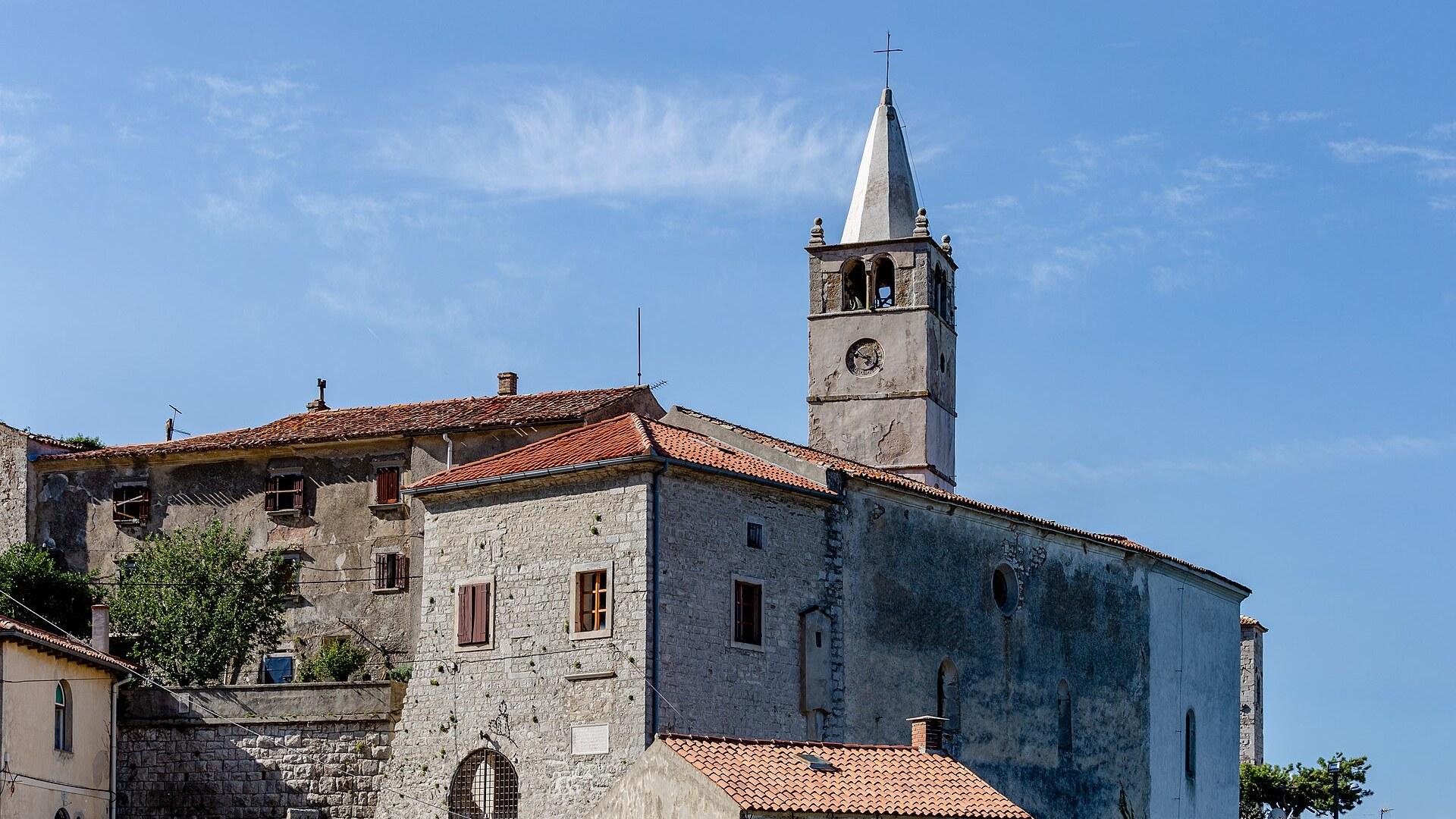
Plomin Guide
Istria County, Croatia
Stone lanes and sea views above Plomin Bay
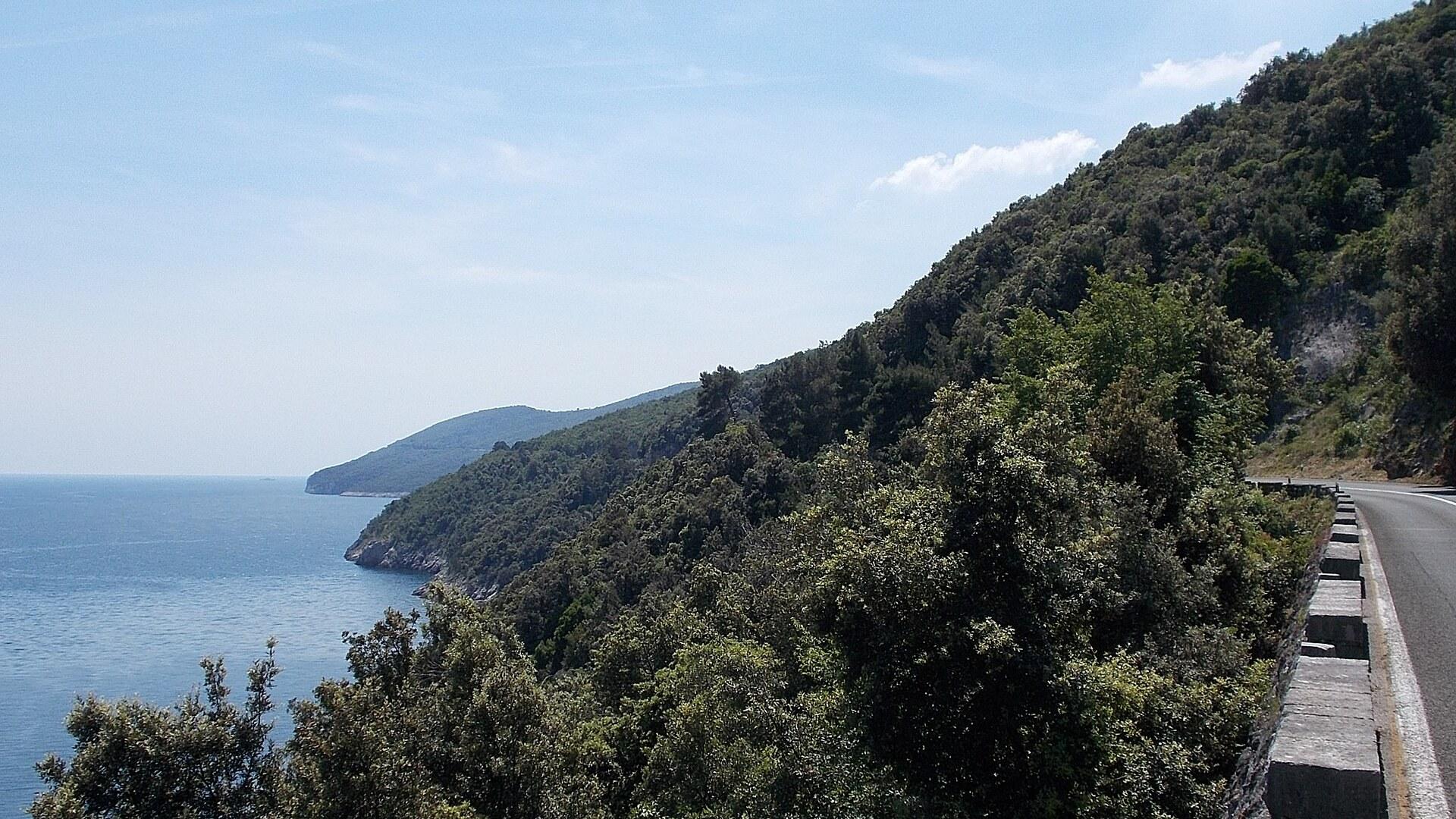
Mošćenice Guide
Primorje-Gorski Kotar County, Croatia
Stone lanes above the Kvarner Gulf
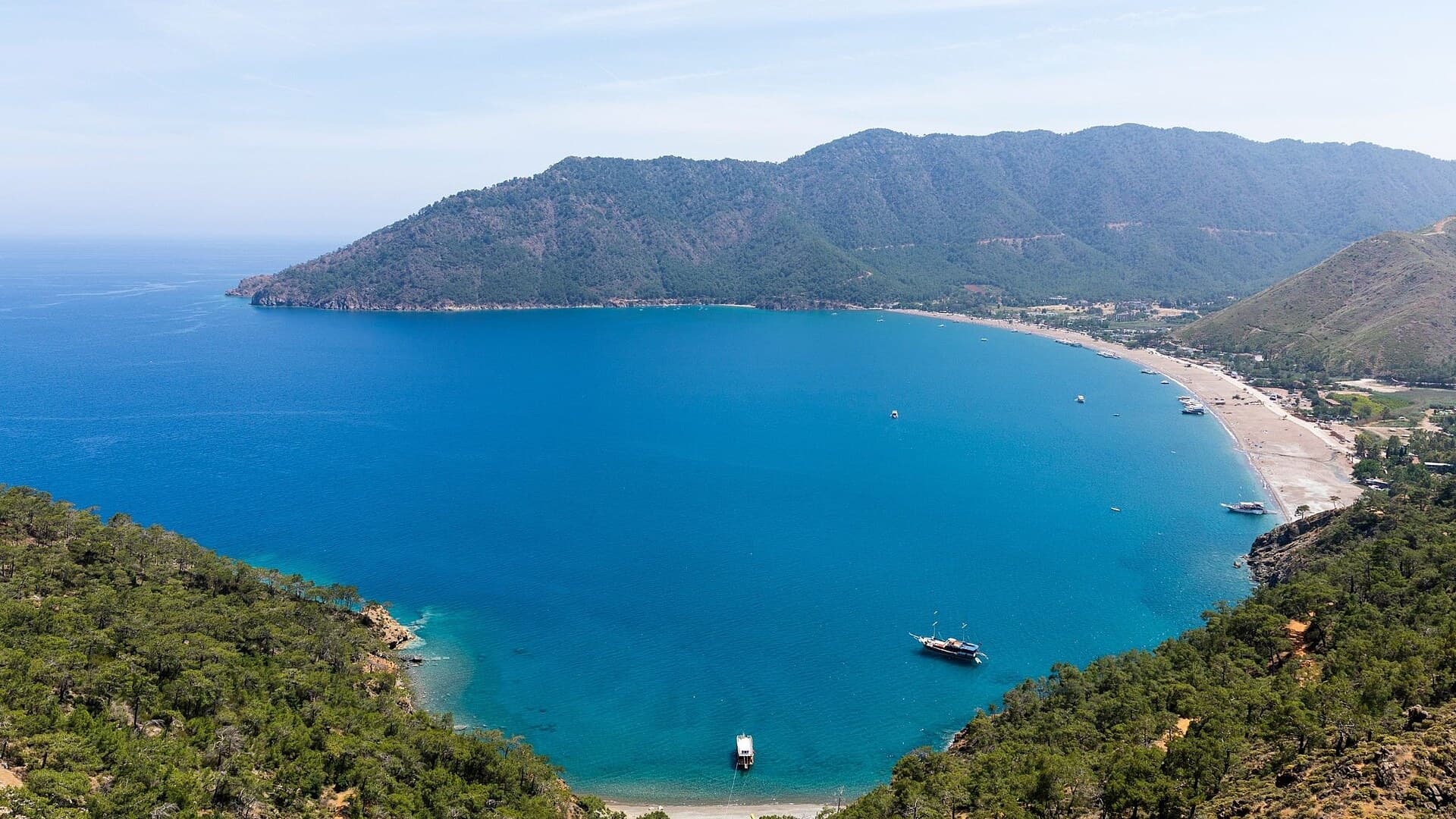
Adrasan
Antalya, TR
A pine-backed bay where the days move slowly

Save these places to your list
Copy the spots you picked into your list — maps and notes included.