
Boljun Guide
A castle town above the Boljunčica valley
1 selected
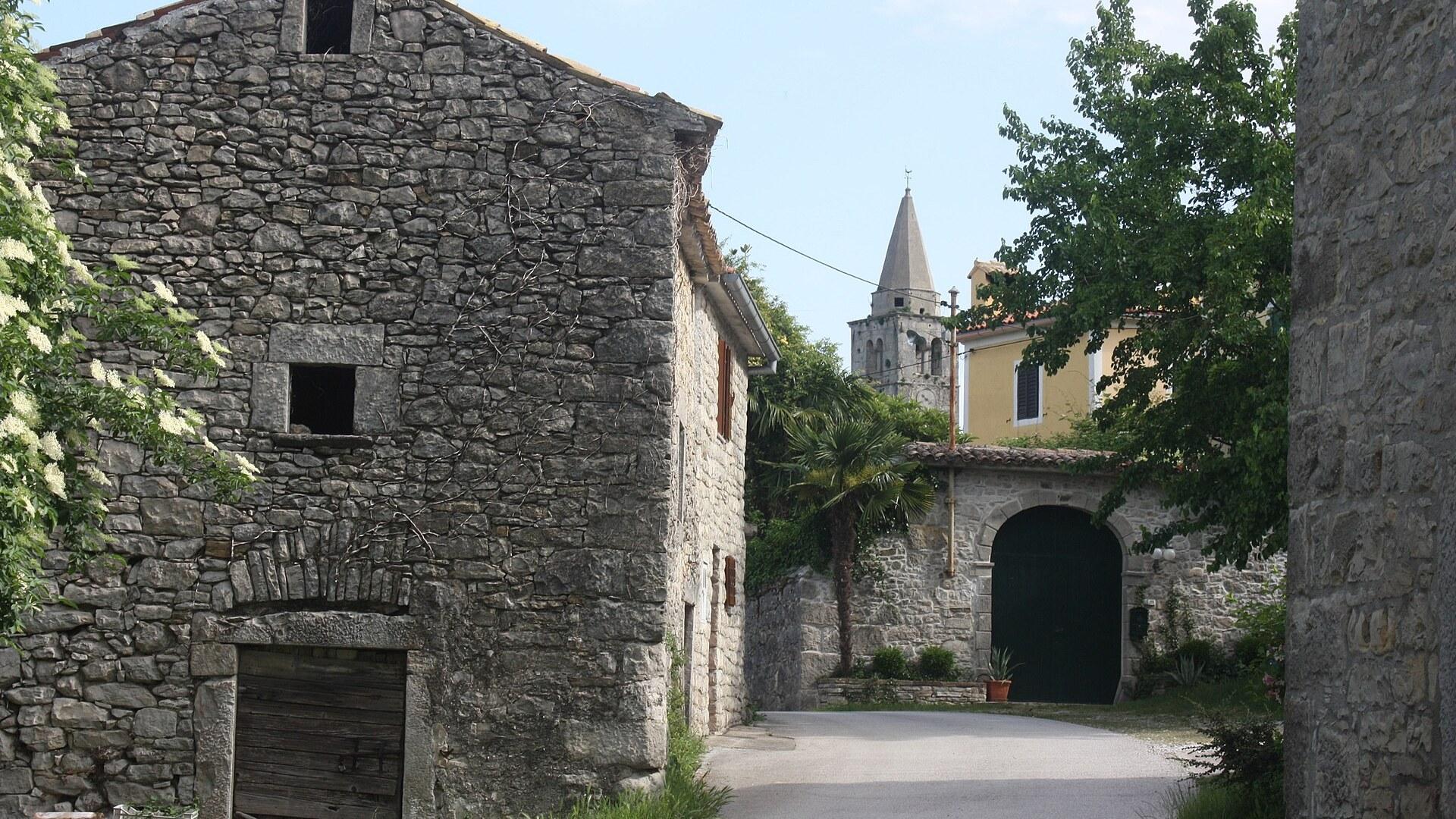
Boljun sits in the northeast of Istria County, Croatia, in the Lupoglav Municipality, and everything here gathers around a well-preserved medieval castle. There is no seafront and no promenade. What you get is a hill town with a handful of lanes, a konoba and a pace that nobody has tried to speed up.
The first thing to do is walk to the edge of the settlement and look out. From Boljun the view runs wide over the Boljunčica Valley toward the Učka mountain range, and the ridge stands at the end of the plain like a wall. The river itself rises between Lesišćina and Lupoglav, flows south and enters the plain called Boljunsko Polje right at the town.
Water is a quiet theme around Boljun. Near the town the stream Vranjska Boljunčica joins the main river from the left, with a larger pond shortly before the confluence. Further down, the river runs southeast through a wooded gorge, and that is where the Letaj dam stands, built in 1970.
The dam is 35 m high and 90 m long, yet it never achieved its aims, because water seeped away into the rock beneath it. It is an odd little piece of engineering history, and the gorge around it is a good reason to look beyond the town walls.
Out in the plain, about 4 km downstream, the Boljunčica reaches the Čepićko Polje, a flat stretch at the western foot of the Učka mountains that is now intensively farmed. The river does not end there. Since 11 December 1932 it has been sent through a 4550 m tunnel to the Kvarner bay, and it finally meets the sea at Uvala Plomin.
The villages around the valley, among them Brdo, Gradinje, Grobnik, Jesenovik, Letaj, Nova Vas and Šušnjevica, speak a Romanian-Istrian dialect, which tells you this corner of Istria has a voice of its own. Above the village of Lupoglav, in the same municipality, stands a castle that belonged to the Herberstein family and later to the counts Brigido, so the fortress of Boljun is not the only one in the area.
Expect peace rather than events. Comfortable accommodation, intact nature and the konoba are the pieces of a stay in Boljun, and nothing pulls you away from them. A good day here is slow: the castle and the lanes in the morning, a long lunch at the konoba, and an evening at the edge of town looking over the Čepićko Polje, which the village also overlooks.
Glagolitic Stones, a Loggia and an Old Castle
Boljun grew around a castle that was built and extended between the 11th and 17th centuries, and the town peaked from the 15th to the end of the 17th century. It had a judge, town mayors and altars cared for by fraternities. Walk to the Loggia, where the mayors and judges used to meet, and then look at the kašća behind it, the granary that held grain and farm products the inhabitants paid to their masters. The castle mattered most when trouble came. In times of war it sheltered the people of Boljun and the surrounding area, for example in 1332 and 1612. Its courtyard once held a pond in the centre, now filled in and used for performances, and a small gate sits next to the northern corner. The village also keeps the remains of an earlier castelliere. Boljun was a centre of Glagolitic literacy in Istria, where the script was used and taught. Original Glagolitic inscriptions are engraved in stone around the town, and the 17th-century Chronicle of Boljun was found here. At the Parish Church of St. George, with its Late Gothic polygonal sanctuary, look for the inscriptions inside, and for the Latin one of 1645 on the bell tower, which suggests it is among the oldest in Istria. Two churches go back to the 12th century, St. Cosmas and Damian and St. Fabian and Sebastian. A Glagolitic inscription of 1543 is built into the sacristy wall of the second. Close by stands a Roman votive altar of Gaius Valerius Priscus, a fabric merchant from Aquileia, found near Boljun and once used as a flag post under Italian government, from 1921 to 1943. The župan's table next to it recalls the time when the town had its own government.
Truffles, Prsut and Fritaja in a Boljun Konoba
Food in Boljun comes down to the local konoba, the tavern where local specialities are served, and to the dishes inland Istria is known for. Start there and let the menu lead you. In inland Istria, air-cured ham, called prsut, and sausages are the highlights. Istrian fusi pasta arrives as a starter or side dish, so order with that in mind rather than expecting a main course. A sensible sequence is fusi or a fritaja first, then prsut and sausages, and truffle pasta kept for a visit after late September. Fritaja is the typical Istrian egg dish, and it can be prepared with ham, bacon, asparagus, mushrooms, truffles or cheese. It is a good choice when you want something lighter between bigger meals, and because it comes in so many versions it pays to ask which one the kitchen makes before you choose. Truffles are the gastronomic pearl of Istria. They turn up with any dish and sauce once the season begins in late September, and pasta with truffles is the one most often recommended. Before then the season has not started, so a truffle menu in early autumn is worth asking about. Open-air markets in almost every Istrian town sell high-quality vegetables at a cheap price. A stop at one on the way to Boljun is easy to fit in, and the vegetables go well with the ham and sausages you will meet at the table.
Reaching Boljun via Pazin and the Valley Road
Boljun lies in the northeast of Istria, and the sensible way to approach it is through Pazin, the town in the centre of Istria that buses reach from Trieste in Italy, from Zagreb and from other major cities. Most of those buses also continue to Pula in the south, which makes Pula and Pazin the two obvious places to start. From either, you are heading toward the Lupoglav Municipality and the western foot of the Učka mountains, so plan the last stretch into the hills yourself rather than assuming a bus stops in the village. The Boljunčica river gives you your bearings. It enters the plain called Boljunsko Polje at Boljun, and about 4 km downstream it reaches the Čepićko Polje, the farmed plain below the Učka mountains. If you can see the Učka range ahead of you, you are on the right side of Istria. The final approach is a road that climbs from the valley to the town. It brings you to the Church of St. Fabian and Sebastian at the entrance of the place, next to the former main gate, which was destroyed after World War I to allow large vehicles in. Today that gap is the way into Boljun, so you arrive at the old town edge rather than in a car park far from the lanes.
On Foot from the Castle Gate to Studenac
Once you are in Boljun, your feet do the work, and the lanes between the Loggia, the Parish Church of St. George and the castle are quickly covered. A sensible route starts at the Church of St. Fabian and Sebastian by the former gate, climbs to the Loggia and ends in the castle courtyard. Walking through the town reveals details such as Mašinarija, the house Pataj and rustic dwellings of medieval and rural architecture. Take your time over them, because they are not signposted attractions so much as things you notice when you stop. The Calvary of 1914 on the left side of the parish church makes a natural turning point for a loop. The best short outing is a five-minute walk outside Boljun to the water source Studenac and to Perila, near the ruins of the church of St. Peter. Fragments of ornaments from the 9th century found at those ruins are now kept in the Historical and maritime museum in Rijeka, so what you see on site is the place they came from. For longer days, remember that Istria is a fine region for hiking and biking, in the mountainous inland as well as on the coast. Boljun sits in that inland country, with the Boljunčica Valley below and the Učka range behind, and the wooded gorge toward the Letaj dam, 35 m high, gives a goal for a walk with some shade.
Cash, Cards and Quiet Evenings in a Small Town
Boljun is a small place, and the things you will pay for here are few: a table at the konoba, a room, and whatever you pick up at a market on the way. Because the town is quiet, it is wise to settle money questions in a larger Istrian town before you arrive. Pazin, which the long-distance buses reach, is a better place to sort out cash and shopping than the village itself, and you will not have to hunt for services once you are up in the hills. Food is where most of your spending goes. The konoba serves local specialities, and the open-air markets in nearby Istrian towns sell vegetables cheaply, so buying produce there and eating a proper meal in the village keeps a stay simple. Eating in Boljun means choosing between ham, sausages, fusi and fritaja, simple dishes that rarely need more planning than a seat at the table. Connectivity is a matter of habit more than of apps. Boljun offers peace and intact nature, and the point of coming is to look out over the Boljunčica Valley rather than at a screen. Ask your host about wifi when you book, and plan any route you need before you leave the larger towns behind. If you want to shop for something particular, do it in Pazin or another larger town, since Boljun itself is built around the castle, the churches and the konoba, not around shops.
Boljun Questions: Language, Season, Walks and Pace
Boljun is calm, so the practical questions are few, and the answers below cover the ones that most affect a visit to this corner of Istria, from language to the best weeks for food. Each answer sticks to what is actually known about the town and the region around it. Which language will I need? Croatian is the official language in Istria. Italian is nearly universally understood and German is also widely spoken, so you can manage in any of the three. When does the truffle season start? It begins in late September, and after that truffles appear with any dish and sauce. Pasta with truffles is the dish most often recommended. Is Boljun good for walking? Yes. Istria is a fine region for hiking and biking, and from the town a five-minute walk takes you to the spring Studenac. The wooded gorge below Boljun, with the Letaj dam, is the natural longer outing. Is there much going on in town? Little. Life in Boljun has almost stopped since its peak in the 15th to 17th centuries, yet the town has not collapsed. The castle courtyard is now used for performances, so ask your host whether one is planned. What should I look at first? The castle, the Loggia and the Parish Church of St. George, where the Glagolitic inscriptions are. Then walk to the edge of town for the view over the Boljunčica Valley toward the Učka mountains. Does Boljun have a beach? No, it is an inland hill town. The nearest water on foot is the spring Studenac, 5 min away, and the Boljunčica only reaches the sea at Uvala Plomin after its 4550 m tunnel.
FAQ
What is covered in the Boljun guide?
Explore Boljun, a medieval castle town in northeast Istria with Glagolitic stones, a village konoba and wide views to the Učka mountains. Plan your visit. It includes 1 recommendations across 1 gallery.
Next →How many places are in the Boljun guide?
The Boljun guide lists 1 places: 1 gallery.
Next →Where is Boljun?
Boljun is in Boljun, Istria County, Croatia (45.3019, 14.1219).
Next →How do you get to Boljun?
Boljun lies in the northeast of Istria, and the sensible way to approach it is through Pazin, the town in the centre of Istria that buses reach from Trieste in Italy, from Zagreb and from other major cities. Most of those buses also continue to Pula in the south, which makes Pula and Pazin the two obvious places to…
Next →What should you eat in Boljun?
Food in Boljun comes down to the local konoba, the tavern where local specialities are served, and to the dishes inland Istria is known for. Start there and let the menu lead you. In inland Istria, air-cured ham, called prsut, and sausages are the highlights. Istrian fusi pasta arrives as a starter or side dish, so…
Next →Is there camping in Boljun?
No camping listings in this pack yet — we do not invent venues. Entries will appear once verified.
Next →Can you rent a bike in Boljun?
No bike rental listings in this pack yet. Verified shops will be added when available.
Next →What are recommended gallery in Boljun?
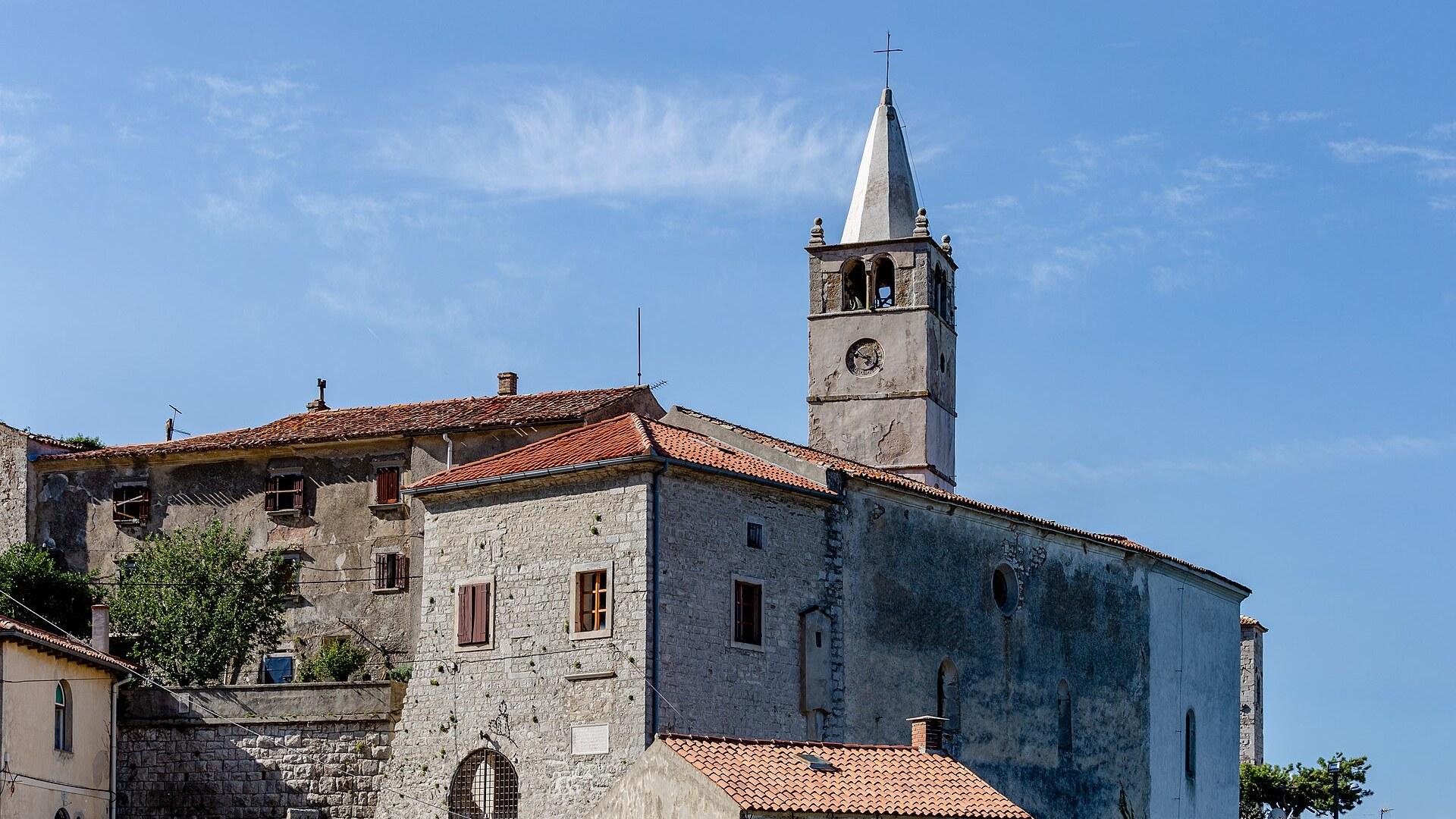
Highlighted gallery in the Boljun guide: Stone houses and bell tower in Boljun.
Next →Highlighted places
- Stone houses and bell tower in Boljun — Stone houses and the church bell tower at the entrance of Boljun, a hill town in northeastern Istria.
Explore on the map
Tap a pin to highlight its place card
All
1 spots
Recommended places
Gallery
1 · 1 selected
Stone houses and bell tower in Boljun
gallery
Related guides
Browse nearby destinations
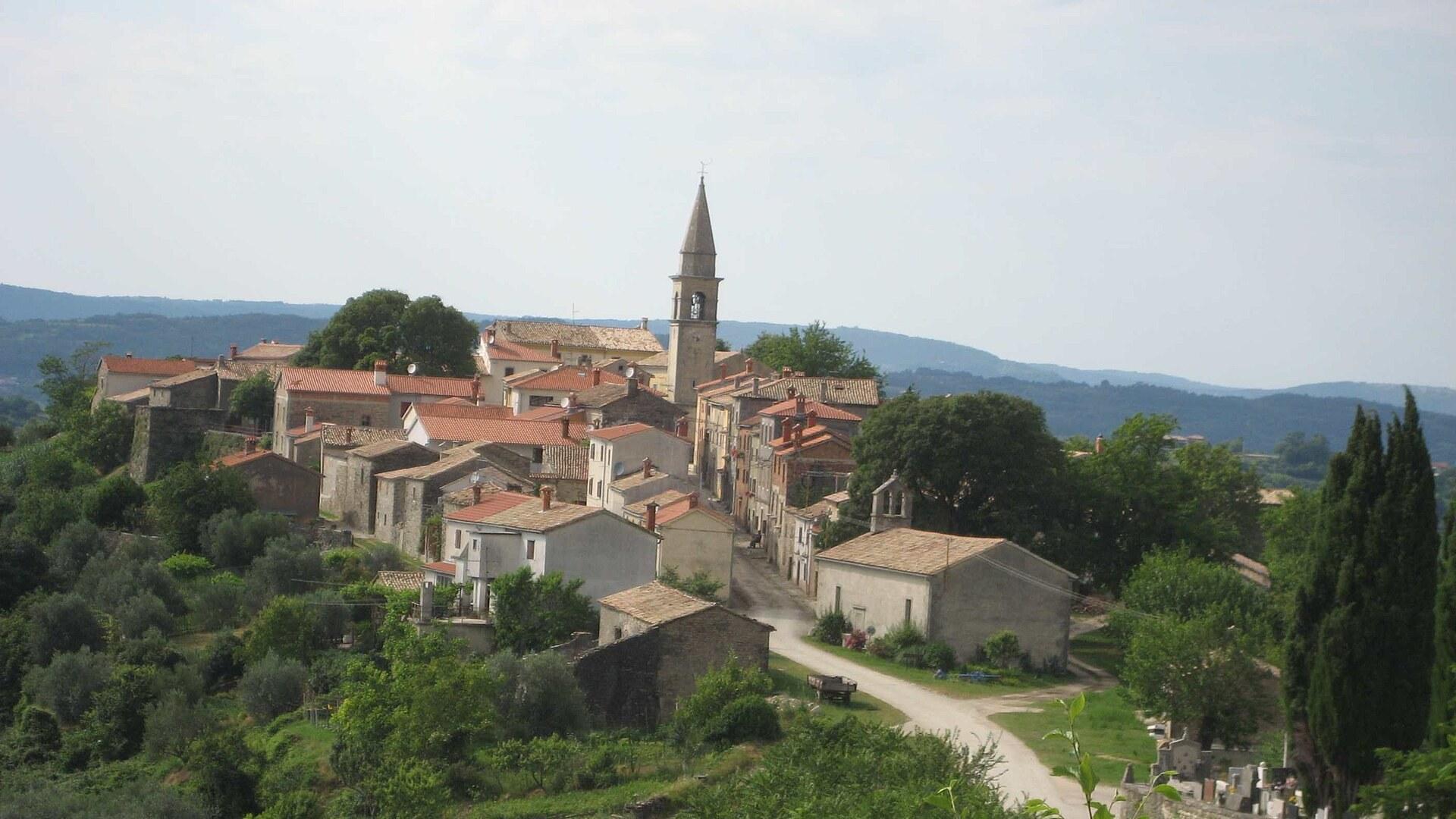
Draguć Guide
Istria County, Croatia
Fresco churches on an inland Istrian ridge
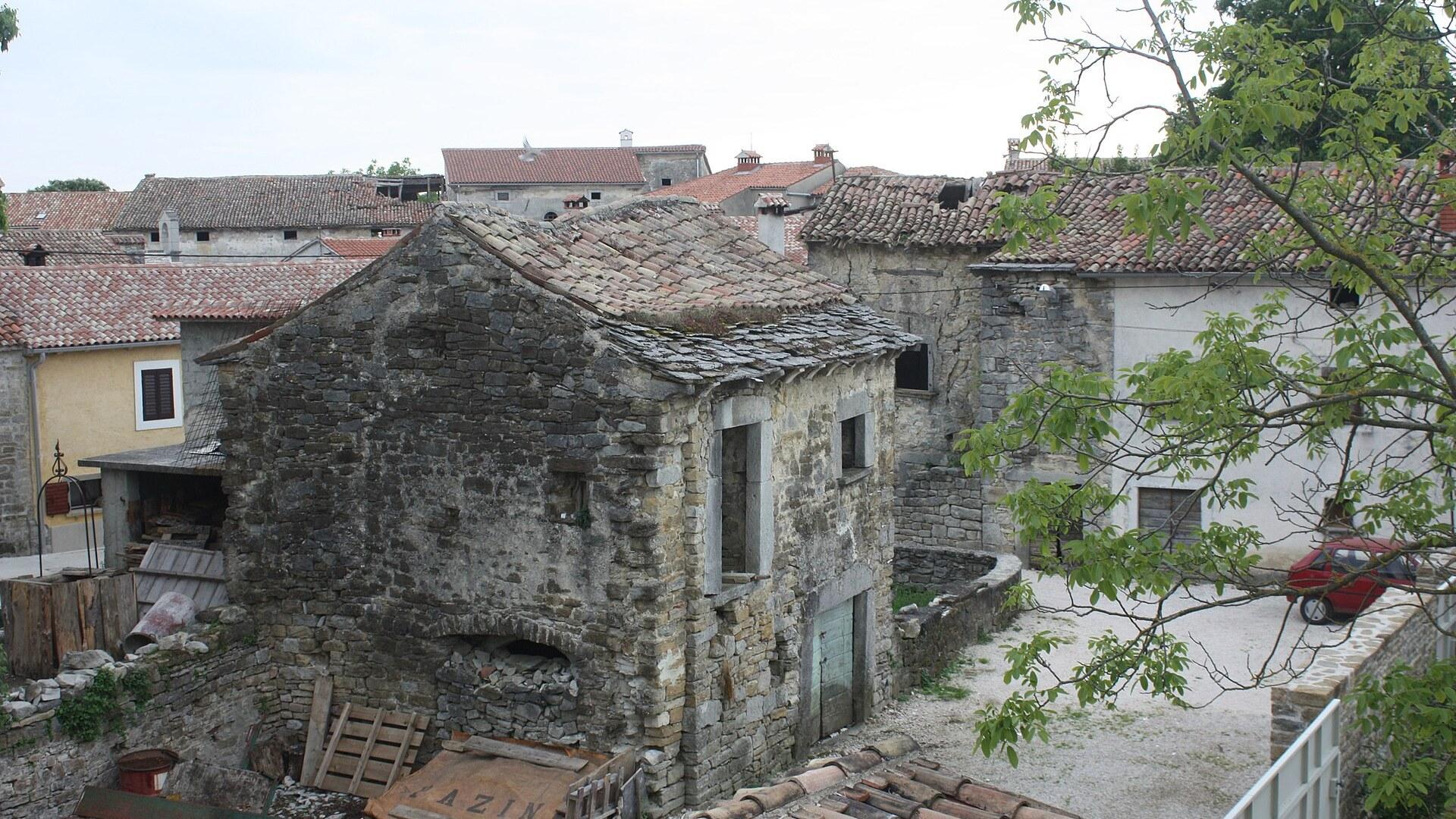
Gračišće Guide
Istria County, Croatia
A protected medieval hill village in inland Istria
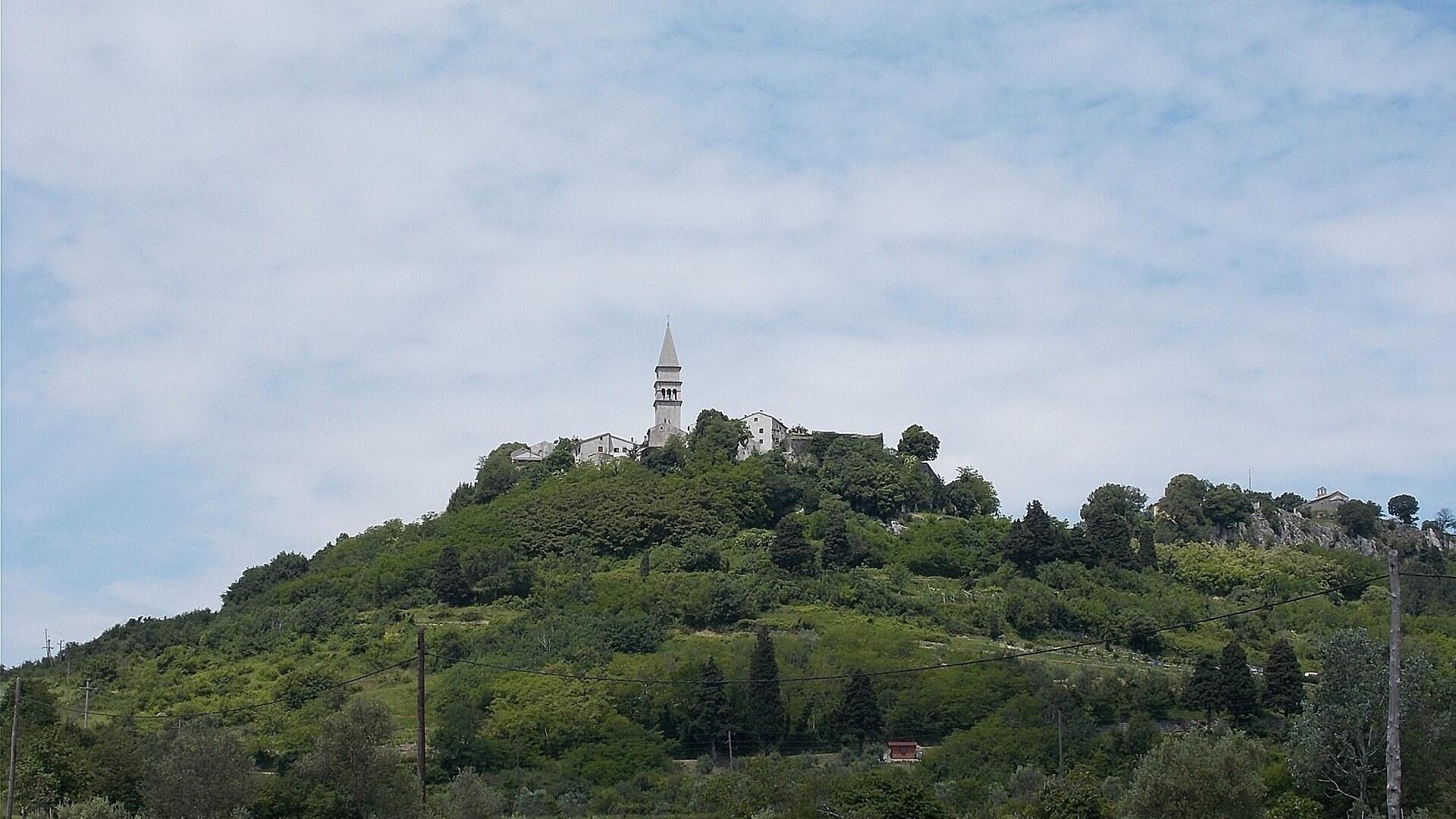
Pićan Guide
Istria County, Croatia
A hilltop former diocese town in inland Istria
Plomin Guide
Istria County, Croatia
Stone lanes and sea views above Plomin Bay
Mošćenice Guide
Primorje-Gorski Kotar County, Croatia
Stone lanes above the Kvarner Gulf
Adrasan
Antalya, TR
A pine-backed bay where the days move slowly

Save these places to your list
Copy the spots you picked into your list — maps and notes included.