
Gračišće Guide
A protected medieval hill village in inland Istria
1 selected
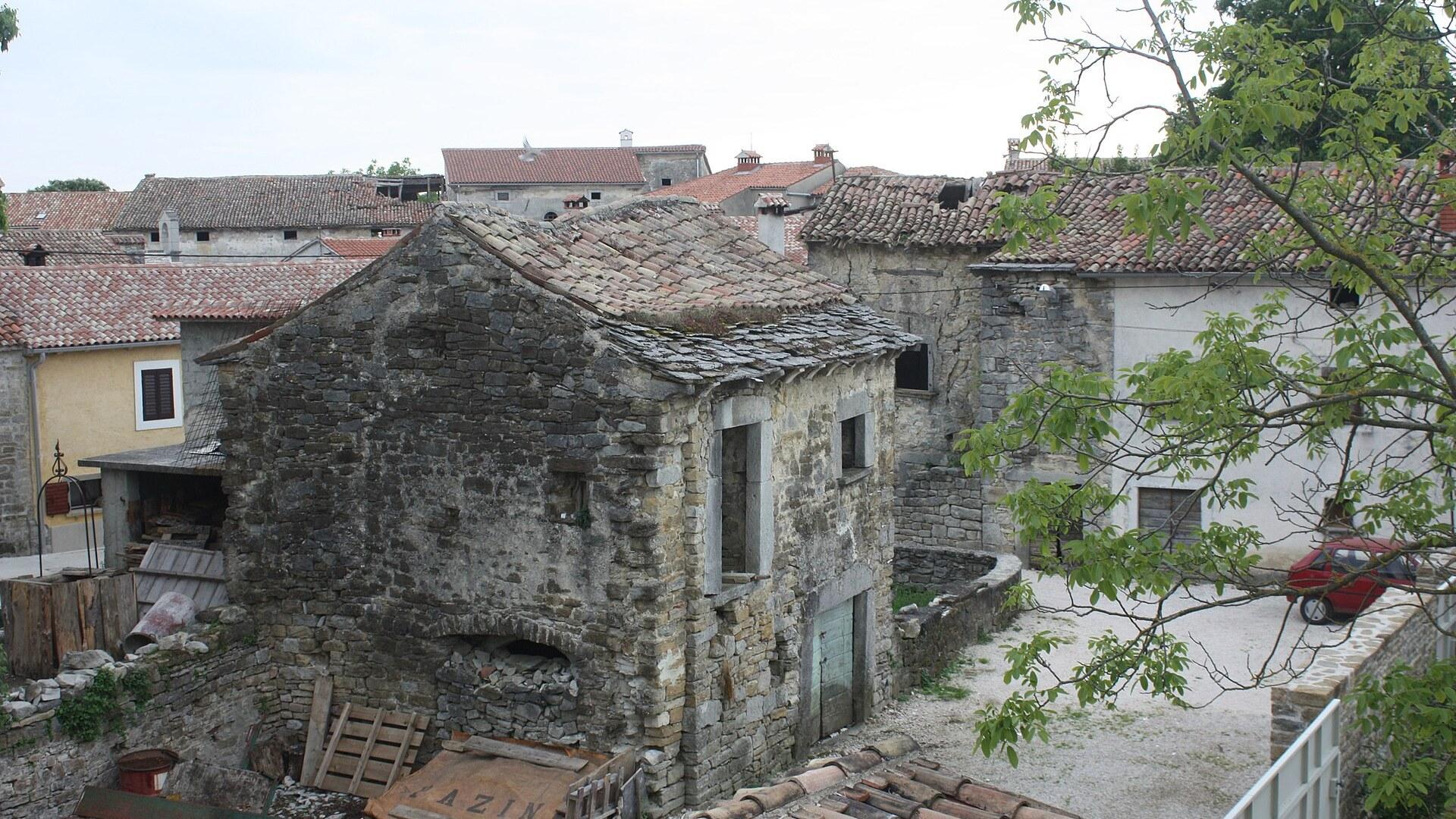
Gračišće sits on top of a hill in Istria County, Croatia, and from a distance the whole village reads as one piece of stone. Its Italian name is Gallignana, and its look is that of a typical medieval Istrian town. The entire village stands under monumental protection, so what you see is meant to stay as it is.
Istria's coast is where package tourists pile in during the high season, and its beaches are rocky rather than sandy. The interior plays by other rules. Ancient walled towns crown the hills there, with fertile fields spread out below them. Gračišće belongs to that second Istria, about 8 km east of Pazin on the road towards Kršan and Vozilići.
The view is the first thing worth walking for. Head to the old cemetery in front of St. Vitus Church and look out over inner Istria. To the east the Učka mountain range closes the horizon, and to the north the sight line runs all the way to the Julian Alps and the Dolomites. Give it a few minutes before you wander on, because nothing else in the village opens up this wide.
Between Gračišće and Pićan the land itself is protected, 1475 ha of it since 1973. Erosion of marl, sandstone and limestone shaped it, which is why soft brook valleys in marl cut between hills of harder limestone. That contrast between valley floor and stony ridge is the main scenery, and you walk straight into it as soon as you leave the village on foot.
For a walk with a destination, follow the red-and-white markings of the Path of St. Simon. It starts at the western edge of the village and leads to several points of interest, among them the Sopot waterfall, counted among the most beautiful in Istria. In spring the same path passes an exceptionally rich orchid flora. Istria in general is good hiking and biking country, in the mountainous inland as well as on the coast.
Do not expect an attraction machine. The municipality lives mostly from agriculture, with grapes, wheat and fruit, plus livestock, and rural tourism is only beginning to emerge. That keeps Gračišće a working village first, and it suits an unhurried visit in which the views, the trail and the old houses are the whole programme.
From Gallinianum to a Gothic palace: Gračišće's past in stone
Gračišće was first mentioned in written sources in 1199 as Gallinianum, and it grew quite prosperous in the 14th and 15th centuries, which is why so much of that period is still standing. Even earlier, the Romans knew the site as castrum Callinianum, just southeast of Pazin. Start with the churches. St. Euphemia was built in 1383 and holds an impressive 13th-century crucifix and a golden Baroque altar; later reconstructions never changed its medieval character. The Church of The Mother of God at the Square, Crkva majke božje na placu, followed in 1425, and the small Church of St. Anthony of Padova stands in the village as well. The parish church of St. Vitus is the youngest, built in 1769. The secular buildings tell the same story. The Palace of Salamon is the only example of a Gothic residence in this part of Istria, and the village once held the summer residence of the Pićan bishop. Look up at the doorways as you walk: many houses date from the 15th century, and the dates are inscribed on their portals. In the Middle Ages fortifications encircled the village. One of the towers and the main municipal gate still stand. A free-standing tower has a Romanesque doorway in its lowest stage, which suggests it may be one of the earliest buildings here. A much later footnote: Emperor Karl I of Austria-Hungary visited on 6 April 1918, and court photographer Heinrich Schumann documented the visit. A good order for the walk is to enter through the main gate, read the portal dates house by house, and finish at the cemetery in front of St. Vitus for the view.
Inland Istrian table: prsut, truffles, fusi and fritaja
Around Gračišće and across inland Istria, air-cured ham (prsut) and sausages are the highlights, while truffles are the gastronomic pearl of the whole region. Ask for them at the start of a meal and let the rest of the order follow from there. The truffle season begins in late September, and after that truffles accompany many dishes. Pasta with truffles is especially recommended, and olive oil with truffles is a typical product to take home. Istrian olive oils in general have been regarded since Roman times as among the best, thanks to the special Mediterranean climate. Beyond the truffle, look for the everyday dishes. Home-made pasta such as fusi, polenta and gnocchi turn up on menus, and so does Istrian minestrone made with corn, fennel and barley. Fritaja is an egg dish that can contain ham, asparagus, mushrooms or truffles, which makes it a good first order when you cannot decide. For fresh produce, go to an open-air market. Almost every Istrian town has one, and vegetables are sold cheaply there. Istrian peppers have international recognition, so they are worth looking for. Since the Gračišće municipality lives from grapes, wheat, fruit and livestock, what lands on the table here is closely tied to the surrounding fields. If you are planning around food, aim for the weeks after late September, when the truffle season is open and the dishes change with it.
Reaching Gračišće via Pazin and the Kršan road
Gračišće village lies about 8 km east of Pazin, the Istria County seat, on the road to Kršan and Vozilići, so Pazin is the town to aim for first. Everything else is simple geometry: reach Pazin, then head east. Pazin is the nearest town to Gračišće and lies in the geographical centre of the Istrian peninsula. That central position helps: wherever on the peninsula you start, you work your way towards Pazin and then turn east. The town has its own reason to stop, the medieval Pazin Castle, the former residence of the Istrian margraves, which was first mentioned as Castrum Pisinum in a 983 deed. If you come from the coast, you leave behind one of the most developed tourist stretches in Croatia, where package tourists crowd the high season. The interior is unspoiled by comparison, and the change shows quickly once the road climbs away from the sea towards the hill villages. On the last stretch, follow the signs for Kršan and Vozilići and cover the 8 km out of Pazin. Gračišće stands on top of a hill, so the final approach goes uphill, and you reach the village from below rather than from a flat plain. Plan a stop in Pazin before you continue, because the castle and the town centre deserve more than a glance from the car window, and give the last kilometres your full attention, since the road is taking you up into an old hill village.
On foot around Gračišće: the old core and the St. Simon trail
Walking is the natural way to move around Gračišće, because the village sits on top of a hill and its historic core stands under monumental protection. Do the village slowly and the trail separately, since they are two different kinds of walk. The most obvious longer walk starts at the western edge of the village. The red-and-white marked Path of St. Simon leads to several points of interest, including the Sopot waterfall, one of the most beautiful in Istria. Follow the markings rather than guessing, and expect the route to cross the brook valleys and limestone hills typical of the area. The cemetery in front of St. Vitus is a natural turning point when you want a view without a long hike. Between Gračišće and Pićan lies the protected landscape of 1475 ha, and that stretch is where hiking and biking make most sense. Istria as a whole is a fine region for both, in the mountainous inland as well as on the coast. Because the village is on a hilltop, every return from a valley is a climb, so plan the harder legs for the outward part of the day. For anything bigger than a walk, Pazin is 8 km away, and the road out of the village runs towards Kršan and Vozilići. Keep that in mind when you plan: the village is for walking, and the wider area rewards a car or a bike.
Markets, languages and what spending looks like in Gračišće
Money in Gračišće goes where the village's own economy is: agriculture, livestock and a rural tourism that is only starting to emerge. Do not expect a resort economy built around visitors; the village is set up first for the people who farm here. That shapes what there is to buy. Fresh vegetables are sold cheaply at the open-air markets present in almost every Istrian town, and Istrian peppers are known well beyond the region. Olive oil with truffles is a typical product, and ham and sausages are the highlights of the inland kitchen, so these are the things to carry home. Istrian olive oils have been reckoned among the best since Roman times, so a bottle of plain oil is as good a souvenir as the truffle one. Language is the other practical matter. Croatian is the official language of Istria, Italian is nearly universally understood and German is widely spoken. Most restaurants in the main towns have an English speaker on staff, so in Pazin you can rely on English more easily than in a village like Gračišće. A greeting in Croatian or Italian costs nothing and works well in a small place where tourism is still new. Because the village economy is built on farming, treat shopping as a way to meet the producers rather than as a quick stop.
Practical questions about visiting Gračišće, answered
Most questions before a trip to Gračišće concern the season, the language and the walking. These answers stay close to what the village and the region are actually like. When is the best time to go? In spring the Path of St. Simon passes an exceptionally rich orchid flora. If food is your reason, the truffle season begins in late September. The coast is crowded in the high season, while the interior stays unspoiled. Which language will I need? Croatian is the official language, Italian is nearly universally understood and German is widely spoken. Most restaurants in the main towns have an English speaker on staff. How far is it from Pazin? About 8 km to the east, on the road towards Kršan and Vozilići. Pazin is the Istria County seat and the nearest town. Where do I get the best view? The old cemetery in front of St. Vitus Church looks over inner Istria, up to the Učka range in the east and to the Julian Alps and the Dolomites in the north. What should I wear for the trail? The Path of St. Simon is marked in red and white and leads to the Sopot waterfall, with brook valleys and limestone hills on the way, so sturdy walking shoes are sensible. Is there anything to watch out for in the village? The whole village stands under monumental protection, so look at the portals and towers without touching or climbing on them, and keep to the marked path outside the village.
FAQ
What is covered in the Gračišće guide?
Explore Gračišće, a protected medieval hill village near Pazin in inland Istria: old churches, wide views, an orchid trail and truffle season food. It includes 1 recommendations across 1 gallery.
Next →How many places are in the Gračišće guide?
The Gračišće guide lists 1 places: 1 gallery.
Next →Where is Gračišće?
Gračišće is in Gračišće, Istria County, Croatia (45.2292, 13.9511).
Next →How do you get to Gračišće?
Gračišće village lies about 8 km east of Pazin, the Istria County seat, on the road to Kršan and Vozilići, so Pazin is the town to aim for first. Everything else is simple geometry: reach Pazin, then head east. Pazin is the nearest town to Gračišće and lies in the geographical centre of the Istrian peninsula. That c…
Next →What should you eat in Gračišće?
Around Gračišće and across inland Istria, air-cured ham (prsut) and sausages are the highlights, while truffles are the gastronomic pearl of the whole region. Ask for them at the start of a meal and let the rest of the order follow from there. The truffle season begins in late September, and after that truffles acc…
Next →Is there camping in Gračišće?
No camping listings in this pack yet — we do not invent venues. Entries will appear once verified.
Next →Can you rent a bike in Gračišće?
No bike rental listings in this pack yet. Verified shops will be added when available.
Next →What are recommended gallery in Gračišće?
Highlighted gallery in the Gračišće guide: Gračišće old town.
Next →Highlighted places
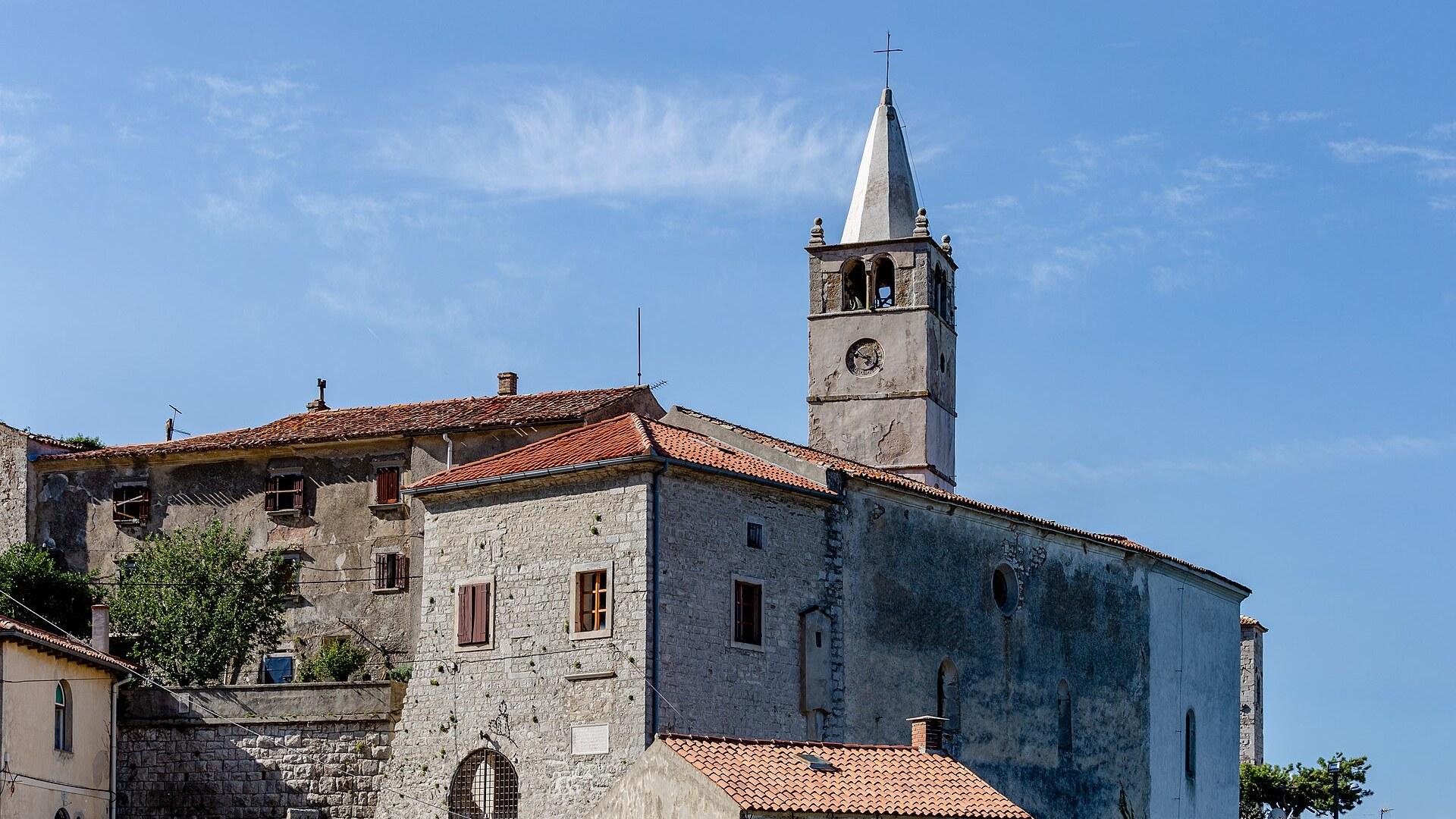
- Gračišće old town — Stone houses and tiled roofs in the old town of Gračišće, a hill village in central Istria.
Explore on the map
Tap a pin to highlight its place card
All
1 spots
Recommended places
Gallery
1 · 1 selected
Gračišće old town
gallery
Related guides
Browse nearby destinations
Boljun Guide
Istria County, Croatia
A castle town above the Boljunčica valley
Draguć Guide
Istria County, Croatia
Fresco churches on an inland Istrian ridge
Pićan Guide
Istria County, Croatia
A hilltop former diocese town in inland Istria
Plomin Guide
Istria County, Croatia
Stone lanes and sea views above Plomin Bay
Mošćenice Guide
Primorje-Gorski Kotar County, Croatia
Stone lanes above the Kvarner Gulf
Adrasan
Antalya, TR
A pine-backed bay where the days move slowly

Save these places to your list
Copy the spots you picked into your list — maps and notes included.