
Marialva Guide
Explore Marialva’s granite citadel, historic railway views, and peaceful countryside – a perfect 1‑2 day stop in Guarda’s scenic highlands.
4 selected
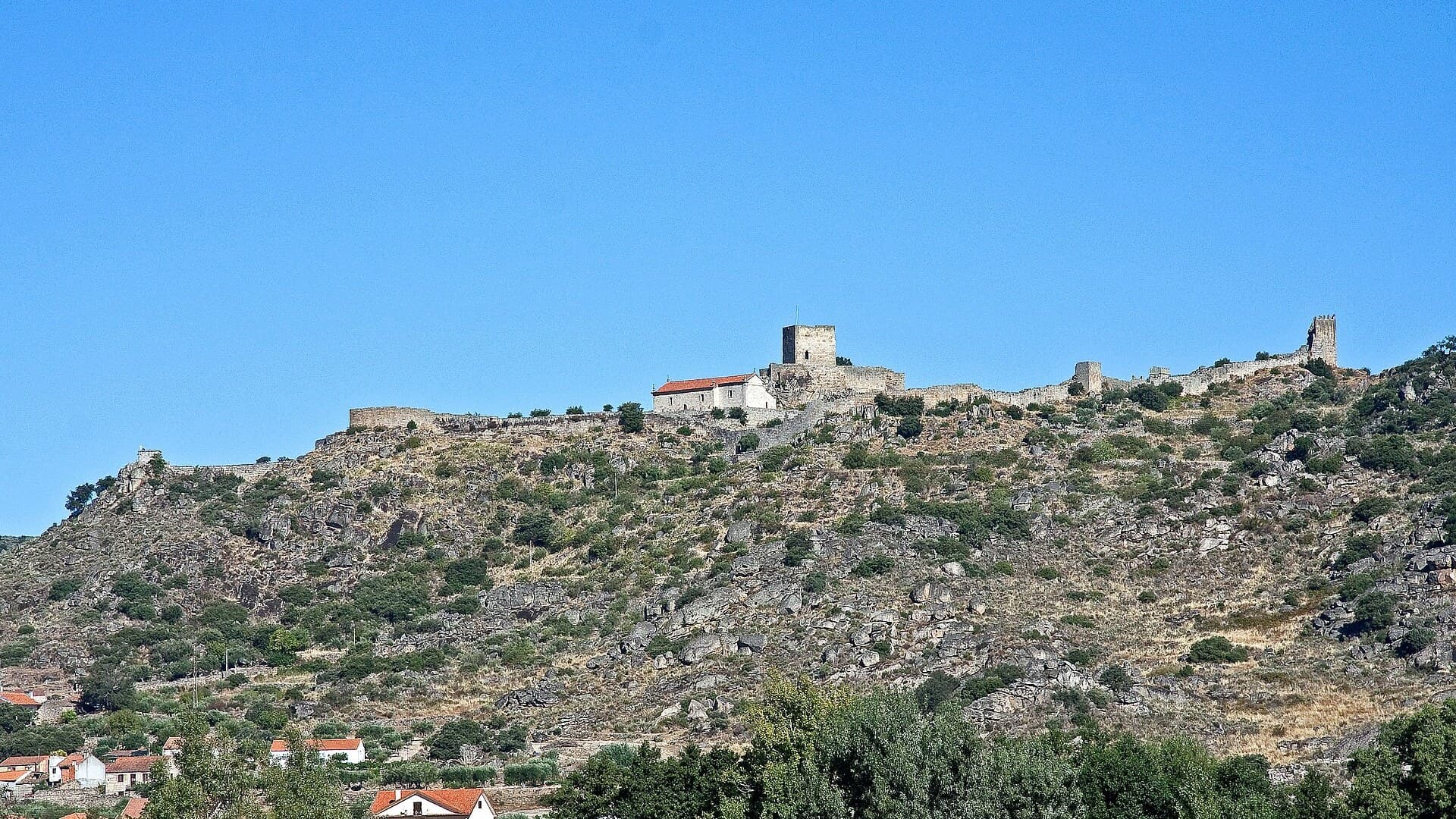
Marialva Guide · 4 spots · Guarda, Portugal
·Last updated:
·Curated by Shlau
Explore by category
Browse hotels, restaurants, and more in this guide
Marialva lies seven kilometres south of Mêda on the left bank of the Ribeira de Marialva in the district of Guarda, Portugal. It is one of the country’s twelve historic villages and is divided into three distinct levels: the citadel inside the medieval castle walls, the Arrabalde that spills north of the wall, and the Devesa, the lower ground to the south that sits above the remains of an older Roman city. The granite architecture gives the village a rugged, almost fortress‑like appearance, unlike Monsanto where houses sit under boulders.
The citadel is largely empty today, but its walls, keep, pillory square, and the Church of Santiago offer a quiet walk through history. Visitors can stroll the citadel walls, explore the keep, and enjoy panoramic views of the Serra da Estrela from the high points of the village. The Arrabalde and Devesa contain traditional granite homes and remnants of Roman occupation.
A half‑day visit is enough to walk the citadel and explore the surrounding areas. If you wish to stay overnight, Mêda is only a short drive away and offers accommodation, allowing you to experience both the ruined citadel by day and the nearby municipal centre by night. May to October is the best season, with warm weather for comfortable walking and lush scenery; avoid the rainy months of November and December when trails can become slippery.
There is no train station within the citadel. The most convenient way to reach Marialva is by car: take the A25 to Celorico da Beira, then follow the IP2 south to Marialva. From Celorico da Beira you can also catch a regional bus on the Beira Alta line to Vila Franca das Naves, but the final kilometre still requires a taxi or rental car. Once in the citadel, all lanes are granite and not suitable for wheeled luggage; visitors should leave bags at the gate before entering.
From Marialva you can easily continue south along the IP2 to explore other historic villages in Guarda, or head north toward the Serra da Estrela for hiking and scenic drives. The village’s position on the old Côa frontier makes it a convenient base for exploring the wider region of Beira Alta.
Marialva: A Medieval Gem in the Guarda District of Portugal
Aldeias Históricas traces the Devesa to the community of the Aravos and to Civitas Aravorum, rebuilt under Trajan and Hadrian on the imperial road from Guarda toward Numão. Treat sixth-century BC foundation stories as tradition. Goths are said to have used the name São Justo; Muslim garrisons, Malva. Fernando Magno of León took the hill in 1063. Afonso Henriques found it empty and gave a foral. The surviving charter is undated; the network and the municipality use 1179. Afonso II confirmed it in 1217. Do not promote the Maria Alva love story as a register. Sancho I, around 1200, pushed the wall and the Arrabalde. Dinis rebuilt in the Alcanices years and created a three-day monthly fair in 1286. Manuel I issued a new foral in 1512. Afonso V made Vasco Coutinho Count of Marialva in 1440. Afonso VI made António Luís de Menezes first Marquis in 1675. The concelho died in 1855, passed through Vila Nova de Foz Côa, and joined Mêda in 1872. The intramural town emptied; people stayed in the Arrabalde and the Devesa. The castle and urban wall became a National Monument on 12 September 1978. The settlement was made a vila again in 1999.
Marialva Food Guide: Traditional Portuguese Cuisine and Local Delicacies
Food in Marialva Marialva’s culinary scene reflects the interior of Portugal. The village’s most celebrated dishes are simple, hearty, and rooted in the land: rustic bread, locally produced olive oil, regional wines, boiled potatoes, and a thick, comforting stew that often incorporates pork or beef with seasonal vegetables. These staples are typically served in family‑run taverns where the atmosphere is as warm as the food. If you’re visiting during late July, don’t miss the annual Santiago fair on 25 July. The fair celebrates Saint James (Santiago) and features stalls selling local produce, cured meats, cheeses, and traditional sweets. It’s a lively event that offers a taste of Marialva’s cultural heritage and an opportunity to mingle with locals. When dining in Marialva, bring a bottle of water—many eateries do not provide free tap water. The best times to enjoy the village’s cuisine are during the late afternoon or early evening, when the communal tables are most lively and the local stew is at its peak flavor. A short walk from the town centre leads you to the traditional kitchens that keep their doors open until the evening, offering a genuine taste of interior Portuguese hospitality.
Getting there – Drive via the unpaved N-151 from Guarda; an SUV or crossover is recommended, especially between May and October when the road is most passable.
Fly into Porto or Lisbon and drive east on the A‑25 to Celorico da Beira. From there, rent a car and follow the IP‑2 straight into Marialva; the road is paved but can be narrow in places, so a small SUV or crossover is advisable. If you prefer public transport, the CP rail network stops at Celorico da Beira (Beira Alta line) and at Vila Franca das Naves; from either station you can take a local bus or taxi to Marialva, though the last kilometre still requires a car. The municipality’s website notes that the IP‑2 is the main link to Marialva and Trancoso, and that Rede Expressos buses call at Rabaçal in the surrounding area.
Getting Around Marialva – Best Transport Tips & Routes
Cars are not allowed inside the citadel; park outside and walk. The main entrance is marked by the Porta do Anjo da Guarda, linked to the Porta do Monte by an old calçada that winds through the historic core. Inside you’ll find the pillory, the seventeenth‑century Casa da Câmara (which once served as court and jail), the keep, a cistern, the Church of Santiago, and the Capela do Senhor dos Passos with its painted coffered ceiling. The Arrabalde is the living street that surrounds the fortress, while the Devesa is the lower ground that preserves an older Roman floor—though not every stone there is a labelled site. The municipal tourist desk sits at the castle entrance and offers guided walks; check cm‑meda.pt for the schedule during your visit. For day trips, the A25 (Serra sentry) leads to Castelo Mendo in Almeida, Idanha‑a‑Velha lies on the A23, and Trancoso is another IP2 Historic Village reachable by car.
Money & Connectivity in Marialva
Portugal’s currency is the euro (€). In larger towns such as Mêda you can use debit or credit cards at most shops and restaurants, but many small cafés, markets and rural guesthouses still prefer cash. It’s wise to carry some euros in cash for places that do not have a till, especially if you plan to visit the quieter villages around Marialva. The country uses standard European plugs: type C and type F, 230 V. Most hotels, hostels and B&Bs provide power sockets, but if you’re staying in a more remote agritourism farm you may need a small adapter. For emergencies dial 112 – this number works throughout the EU. Portuguese is the official language; most municipal offices and tourist information centres offer some English, particularly in peak season. Mobile coverage is generally good in towns, but on the granite‑folded hills around Marialva it can be spotty, so a local SIM or roaming plan may be useful if you need reliable data. Tap water is supplied by the municipal system and is safe to drink. Nevertheless, many walkers still bring refillable bottles when exploring the ruins and trails.
Marialva Practical Guide – Explore the historic hilltop town in Guarda, Portugal (May–October, best accessed by SUV)
Marialva is a historic village in Portugal’s Guarda district, situated on the Ribeira de Marialva. The town’s medieval citadel and narrow stone streets give it a distinctive charm that attracts visitors looking for a quiet, culturally rich stop. Late spring and September are ideal for walking the granite paths, when the weather is dry and temperatures hover around 20 °C in July and August, with only about 14 mm of rain in those summer months. Winter brings cooler temperatures—January averages 4 °C—and up to 32 frost days a year, making it less suitable for outdoor exploration. A car is essential to reach Marialva, especially if you wish to visit the nearby citadel and the town of Mêda. The local roads can be tricky in wet conditions, so an SUV or crossover is recommended. Once there, parking is available near the historic centre, and a guided walk can be arranged at the municipal desk; check cm‑meda.pt for opening hours and any special events. Plan one to two days in Marialva: spend the first day exploring the citadel, strolling along the riverbank, and sampling local cuisine in the village’s traditional restaurants. On the second day, consider a short drive to Mêda to see its historic sites or return to Guarda for a broader cultural experience.
FAQ
What is covered in the Marialva guide?
Marialva is a deserted historic village in Mêda, Portugal, situated on the IP2. The best time to visit is May to October, and a two‑to‑three‑night stay lets you explore its ancient streets. A car from Celorico is recommended for access. It includes 4 recommendations across 3 hotels, 1 gallery.
Next →How many places are in the Marialva guide?
The Marialva guide lists 4 places: 3 hotels, 1 gallery.
Next →Where is Marialva?
Marialva is in Guarda, Portugal (40.9096, -7.2310).
Next →How do you get to Marialva?
Fly into Porto or Lisbon and drive east on the A‑25 to Celorico da Beira. From there, rent a car and follow the IP‑2 straight into Marialva; the road is paved but can be narrow in places, so a small SUV or crossover is advisable. If you prefer public transport, the CP rail network stops at Celorico da Beira (Beira A…
Next →What should you eat in Marialva?
Food in Marialva Marialva’s culinary scene reflects the interior of Portugal. The village’s most celebrated dishes are simple, hearty, and rooted in the land: rustic bread, locally produced olive oil, regional wines, boiled potatoes, and a thick, comforting stew that often incorporates pork or beef with seasonal ve…
Next →Is there camping in Marialva?
No camping listings in this pack yet — we do not invent venues. Entries will appear once verified.
Next →Can you rent a bike in Marialva?
No bike rental listings in this pack yet. Verified shops will be added when available.
Next →What are recommended hotels in Marialva?
Highlighted hotels in the Marialva guide: Casas Do Coro; Casa Das Freiras; Quinta Do Nobre.
Next →Highlighted places
- Marialva citadel — The empty Historic Village ring, Mêda.
- Casas Do Coro — This B & B provides a warm atmosphere for guests, with friendly staff at the reception ready to assist with any inquiries. Wireless internet access in public areas…
- Casa Das Freiras — This B & B features French-speaking staff ready to assist guests. Internet access in public areas ensures that visitors can stay connected during their stay. A supermarket on-site…
- Quinta Do Nobre — The property features a restaurant, bar, and a TV room for guests. Wireless internet access is available, and there are facilities for guests with disabilities. Additionally, the farm…
Explore on the map
Tap a pin to highlight its place card
All
1 spots
Recommended places
Hotels
3 · 3 selected · View all Hotels
Casas Do Coro
Casas Do Coro offers comfortable accommodation with 24 rooms in Marialva. Guests can enjoy wireless internet access and various dining options.
Casa Das Freiras
Casa Das Freiras warmly welcomes guests in Marialva, offering amenities such as internet access, a TV room, and a supermarket.
Quinta Do Nobre
Quinta Do Nobre is a farm offering accommodation in Marialva. It provides various amenities and services for its guests.
Gallery
1 · 1 selected
Marialva citadel
gallery
Related guides
Browse nearby destinations
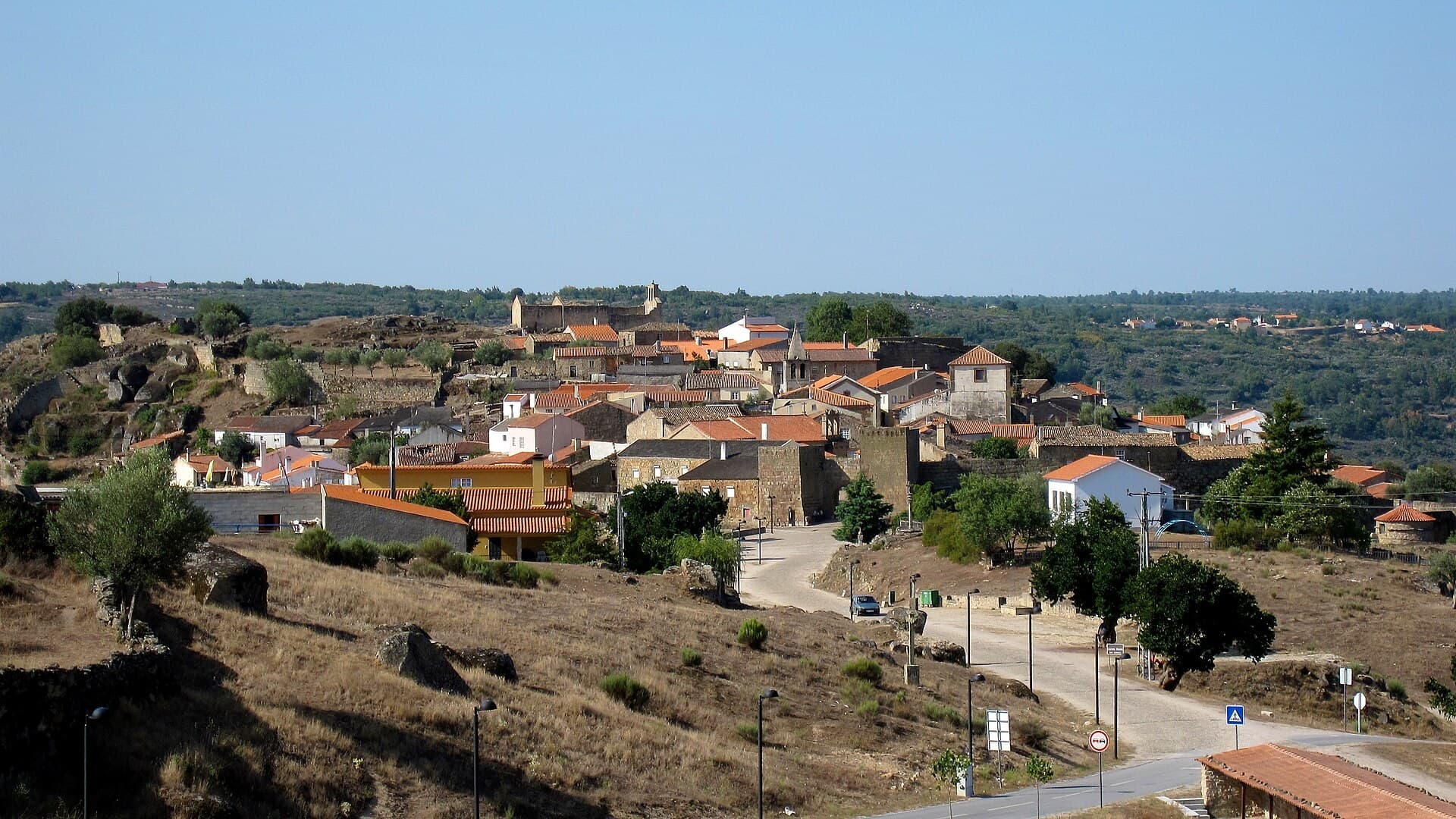
Castelo Mendo Guide
Guarda, Portugal
A walled medieval village on Portugal's Spanish frontier
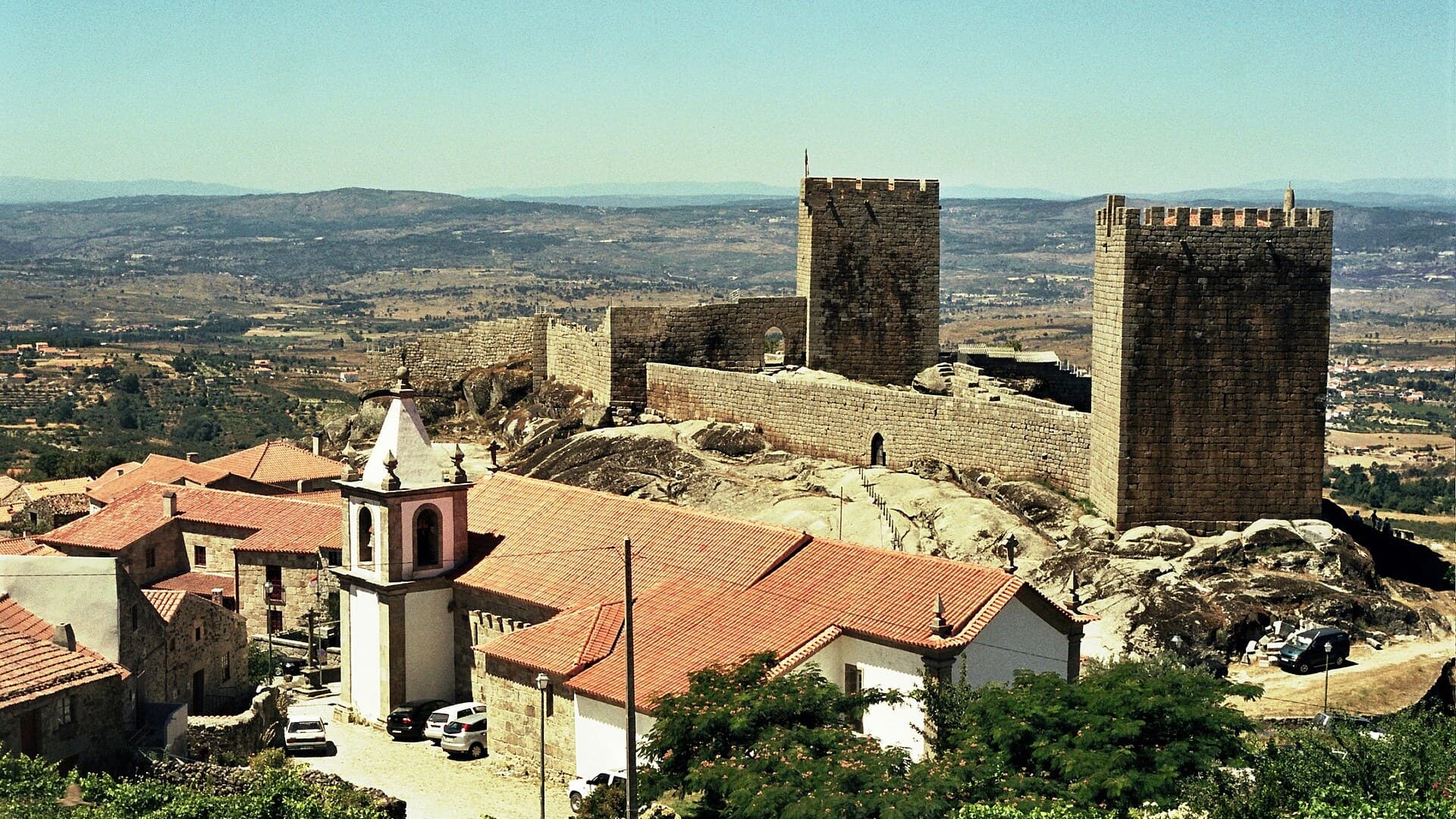
Linhares da Beira Guide
Guarda, Portugal
Explore Linhares da Beira: historic charm, nearby Serra da Estrela, ideal for 2‑3 days of culture and nature.
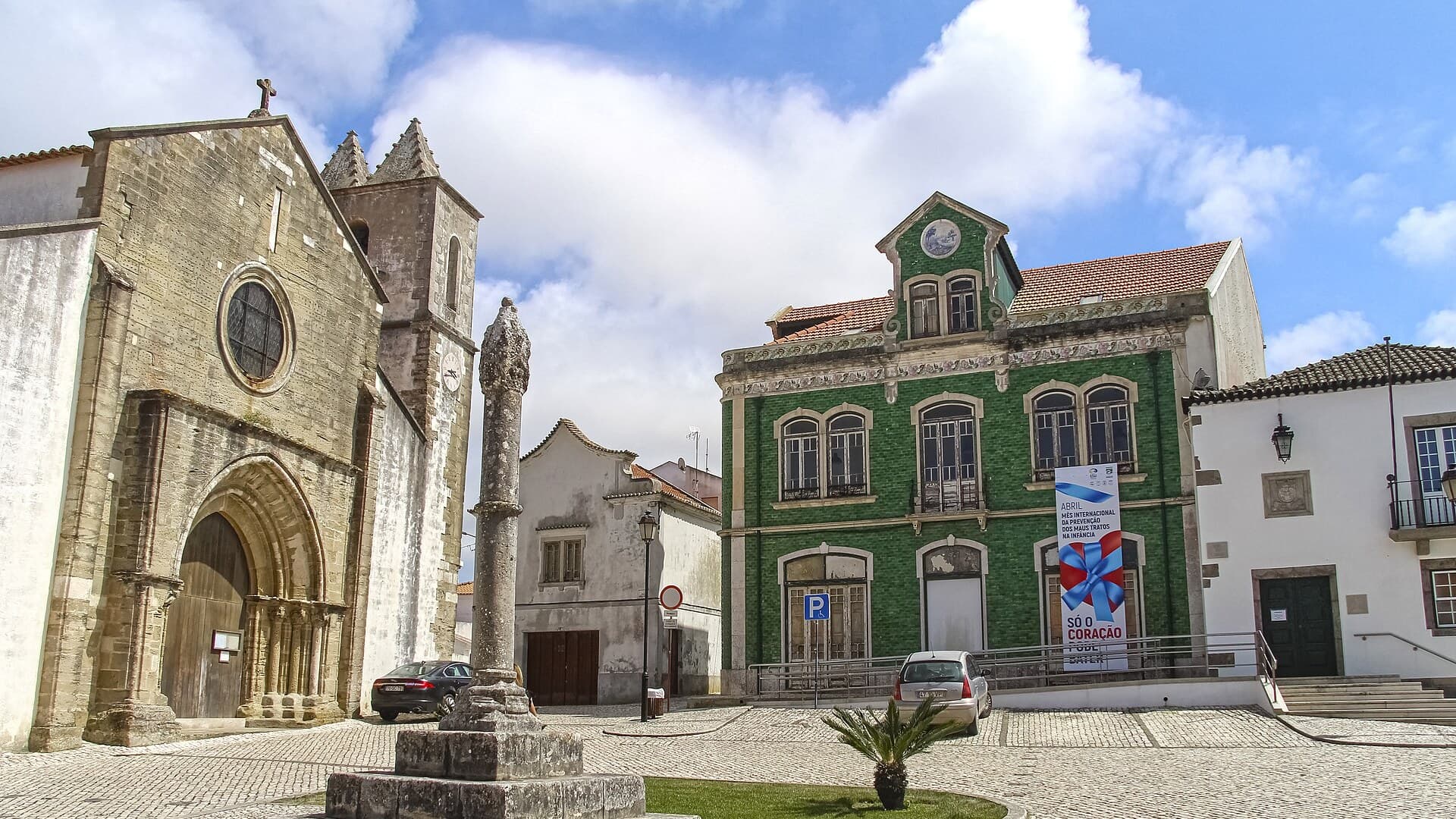
Atouguia da Baleia
Leiria, Portugal
A village named for whales, minutes from the Atlantic

Castelo Novo Guide
Castelo Branco, Portugal
A granite village in the heart of the Gardunha
Ferrel Guide
Leiria, Portugal
A quiet village behind Baleal's beaches and Atlantic surf
Foz d'Égua Guide
Coimbra, Portugal
Explore the tranquil river village of Foz d'Égua near Coimbra – a hidden gem with stone bridges, calm waters, and easy hikes to nearby Piódão.

Save these places to your list
Copy the spots you picked into your list — maps and notes included.