
Castelo Novo Guide
A granite village in the heart of the Gardunha
1 selected

Castelo Novo sits in the heart of the Serra da Gardunha, in the Castelo Branco region of Portugal, and it feels like a village that has never been in a hurry. The houses are built of granite, and the whole scene is painted in shades of green and grey. Arrive here and your own pace drops a gear.
This is a small town with traditional homes and a traditional way of life. Nothing about it is staged. You walk, you look up at the stone walls, and the day slowly sorts itself out around you. There are no ticket queues and no loud attractions to tick off. What you get instead is the quiet pleasure of a place that carries on with its own life while you look around.
The village lies in a natural amphitheatre, and the mountains curve around it like a shell. That shelter creates a microclimate gentle enough for fruit crops, citrus included. Step beyond the last houses and you meet olive groves, rainfed fields and patches of oak, with the Serra do Açor rising in the distance across the plain.
Water is part of the story as well. Springs gush out of the granite, and they inspired the architecture of the place. At the entrance to Castelo Novo you find a river beach on the Ribeira de Alpreade, the stream that gave the village its first name. Castelo Novo keeps that sound close at every turn.
Slow down and let the afternoon stretch. The shades of green and grey soften as the light changes, and the sound of running water is never far away. It is the kind of moment when you stop checking the time and simply sit, taking it all in with no particular plan. The plain around the village belongs to the Geopark Naturtejo, known for its interesting geological formations. You do not need to be a geologist to enjoy it. Walk slowly, look at the rocks, and let the landscape explain itself.
That is the real charm here. Stone, water, mountains and fields share one small frame, and the village holds them together. Castelo Novo rewards anyone who is happy to wander without a plan and to notice the small things as they come. Come with a little curiosity and no schedule, and Castelo Novo will do the rest.
Castle towers, Templars and a Manueline square
Castelo Novo, in Portugal's Castelo Branco region, carries its history in stone, and the oldest piece is the Gothic and Manueline-style castle that goes back to the 12th century. The square tower that remains was built then and abandoned in the 17th century. A belfry now sits on its top. The land first belonged to lands donated by Portuguese monarchs to the Order of the Templars, and later to the Order of Christ. The aim was to secure territories conquered from Muslims in the 13th century. In the 16th century King Manuel I granted a foral to the village, and his interventions are still evident in its medieval architecture. Walk down to the Largo do Pelourinho and you find the Casa da Câmara e Cadeia and the Pelourinho, both from the Manueline period. The Chafariz D. João V, a Baroque fountain, stands in the same square. The layout of the village stays medieval, with Manueline touches from the 16th century and Baroque ones from the 18th century. Three churches complete the picture: the Capela de Santo António from the 16th century, the Igreja da Misericórdia from the 17th century and the Igreja Matriz from the 18th century. Then go to the castle site for the story under the ground. Excavations between 2002 and 2004 uncovered hundreds of traces of medieval occupation, among them coins from King Sancho I (1169-1210) to King João III (1521-1557), iron and copper artefacts and pieces of ceramics. The finds are displayed at the Castelo Novo Museum in the old Town Hall, so make it your last stop.
Toasted rice, green eggs and squash pies in Castelo Novo
Castelo Novo, in the Castelo Branco region of Portugal, has a table as honest as its granite lanes, and toasted rice is one of its culinary specialties. Ask for it first, then see where the rest of the menu takes you. The main courses read like a village inventory: green eggs, codfish pastries, battered vegetables, fried pumpkin and goat cheese. Look out for the Picas de S. Brás too, a local name worth saying out loud when you order. None of this is fancy, and that is the point. These are dishes of a mountain village, built from what the surrounding fields and kitchens have always offered. Eat slowly, share plates if you are with company, and let each course set the rhythm for the next. A meal here is less an event than a quiet part of the day. Save room for the confectionery. Squash pies, baked custard and sponge cake are the highlights, and they suit the slow rhythm of the place perfectly. For a drink in the open air, head back to the river beach at the village entrance. It has a bar with an esplanade, picnic tables, dressing rooms and a large lawn, so a coffee or a cold drink can easily turn into a long afternoon. Pick one dish from the main courses, one sweet from the list above, and finish at the esplanade.
Reaching Castelo Novo along the EM525 and the Gardunha trail
Reaching Castelo Novo, in Portugal's Castelo Branco region, means following the roads and trails that wind through the Serra da Gardunha, so this section sticks to the route itself. The trail to the village follows the EM525, the road that connects the villages of Partida and São Vicente da Beira. It also passes through Partida, so the name is a good landmark to look for on your map. Paths and roads in this part of the Serra da Gardunha tend to link one village to the next, so each name you pass is a small confirmation that you are heading the right way. Before that, the route descends into the valley of the Partida stream and heads on to Pereiros. Later it follows the stream of Bogas until near Malhada Velha, and it passes the EM512 road near São Jorge da Beira. Do not rush this part of the journey. Every bend brings a slightly different view of the mountains, the plain and the villages scattered across it, and the approach is part of what makes arriving in Castelo Novo feel earned. Stop when something catches your eye, look back at the way you have come, and then carry on towards the village with the sense that you have already seen something worthwhile. High on the way you pass the geodetic mark of Baldeira, a historic surveying point at 909 m. It makes a natural pause before the road drops towards the plain and the village. Take your time here, because the views reward you.
On foot through the Gardunha: rest points and stream crossings
Once you reach Castelo Novo, the way to explore this granite village in Portugal's Castelo Branco region is the oldest way of all: on your own feet, following the same trail that brought you here. The trail passes through the villages of S. Jorge da Beira, Unhais-o-Velho and Póvoa da Raposeira, and these offer potential rest points. Plan your breaks around them rather than pushing on without a pause. Those villages are the natural places to catch your breath, look at the map and decide how far to go next. Along the way you cross a vast area of pine forest before reaching the geodetic vertex of Bafareira. The path also passes the Tripeiro River near the village of Ribeira de Eiras, and it goes near Descoberto, which lies north of the stream of Bogas. There is a rhythm to walking this country. Stream, forest, village, stream again: each stretch has its own sound and its own light. You are never far from water, and the trees give way to open ground often enough that you can see where you are heading. Keep your pace even, drink in the views, and remember that the point of the walk is the walk itself. Near Baldeira the descent turns into a zigzag, so watch your footing there. The last stretch brings you down to the plain and the village below, where the lanes are best enjoyed slowly.
What a night in Castelo Novo costs
Money matters in Castelo Novo, in Portugal's Castelo Branco region, are simple to sum up, because the one firm price available is for a bed. Everything else is best checked on arrival. A country house in the village charges from 71 € to 99 € per night. That range is the figure to plan your budget around, and it gives you a feel for how modest a stay here can be. What this means in practice is a calm, low-stakes approach. You do not need to worry about complicated pricing or long lists of charges, because the village is small and its offer is simple. Decide what matters most to you, whether that is a bed, a table by the river or a long walk, and spend your attention there. A modest budget and an open mind suit this place well. There are no further prices to quote for meals, tickets or transport, so it would be a mistake to guess. Treat any other cost as unknown until you see it on a menu or a sign. If you want to confirm something in person, the tourist office in the village is the place to ask, and its opening hours are listed in the practical section. A little curiosity goes a long way in a village this size, where people are used to explaining things to visitors. Ask before you commit to a plan, and you will rarely be caught out.
Practical questions about visiting Castelo Novo
A few practical notes make Castelo Novo, in Portugal's Castelo Branco region, easier to enjoy, and most of them come from the tourist office and the trail that leads to the village. Here are the questions a visitor is most likely to ask, answered from what is known about the place. Nothing here needs a complicated plan. The answers are short on purpose, because the place is small and the facts are few, and it is better to say a little that is true than a lot that is not. Read them in any order, depending on what you want to know first. When is the tourist office open? The Posto de Turismo de Castelo Novo, at Largo do Adro, is open from 09:30 to 12:30 and 14:30 to 18:00 from May to September. From October to April it opens from 09:00 to 12:30 and 14:30 to 17:30. How hard is the trail to the village? It is physically demanding and suits experienced hikers who want panoramic mountain views. Plan it as a serious hike, not a stroll. The climbs and descents are what make it demanding, so be honest about your own experience before you commit to it. Is the countryside protected? Yes. The trail to Castelo Novo lies within the Serra da Gardunha Regional Protected Landscape, which gives you protected natural scenery. The Alpreade stream runs near the village, with alder trees, willows and narrow-leaved ash along its banks. What wildlife can I spot? Birds around the village include the Eurasian tree sparrow, corn bunting, stonechat, black redstart and blue rock thrush. The endemic plant Asphodelus bento-rainhae grows only on the northern slope of Serra da Gardunha. Both are good reasons to look closely at the countryside around the village.
FAQ
What is covered in the Castelo Novo guide?
Discover Castelo Novo, a granite village in the Serra da Gardunha, Castelo Branco, Portugal: Manueline streets, a castle tower and mountain trails. It includes 1 recommendations across 1 gallery.
Next →How many places are in the Castelo Novo guide?
The Castelo Novo guide lists 1 places: 1 gallery.
Next →Where is Castelo Novo?
Castelo Novo is in Castelo Branco, Portugal (40.0780, -7.4954).
Next →How do you get to Castelo Novo?
Reaching Castelo Novo, in Portugal's Castelo Branco region, means following the roads and trails that wind through the Serra da Gardunha, so this section sticks to the route itself. The trail to the village follows the EM525, the road that connects the villages of Partida and São Vicente da Beira. It also passes thr…
Next →What should you eat in Castelo Novo?
Castelo Novo, in the Castelo Branco region of Portugal, has a table as honest as its granite lanes, and toasted rice is one of its culinary specialties. Ask for it first, then see where the rest of the menu takes you. The main courses read like a village inventory: green eggs, codfish pastries, battered vegetables,…
Next →Is there camping in Castelo Novo?
No camping listings in this pack yet — we do not invent venues. Entries will appear once verified.
Next →Can you rent a bike in Castelo Novo?
No bike rental listings in this pack yet. Verified shops will be added when available.
Next →What are recommended gallery in Castelo Novo?
Highlighted gallery in the Castelo Novo guide: Granite Historic Village on Gardunha.
Next →Highlighted places
- Granite Historic Village on Gardunha — Castelo Novo, Fundão, Portugal.
Explore on the map
Tap a pin to highlight its place card
All
1 spots
Recommended places
Gallery
1 · 1 selected
Granite Historic Village on Gardunha
gallery
Related guides
Browse nearby destinations
Idanha-a-Velha Guide
Castelo Branco, Portugal
Roman Egitânia on the Ponsul, almost empty of crowds
Atouguia da Baleia
Leiria, Portugal
A village named for whales, minutes from the Atlantic
Castelo Mendo Guide
Guarda, Portugal
A walled medieval village on Portugal's Spanish frontier
Ferrel Guide
Leiria, Portugal
A quiet village behind Baleal's beaches and Atlantic surf
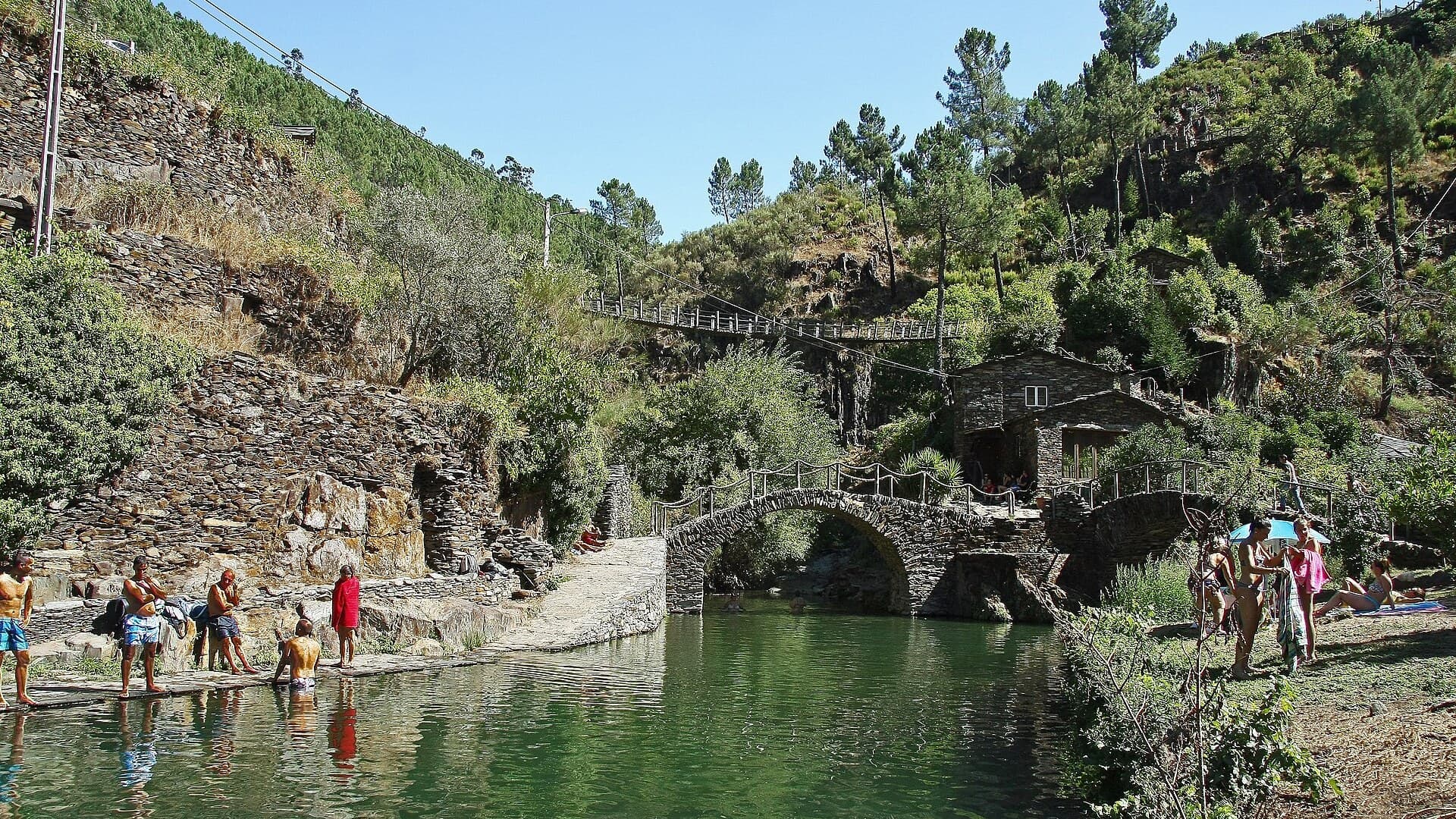
Foz d'Égua Guide
Coimbra, Portugal
Two streams, a dam pool and schist bridges
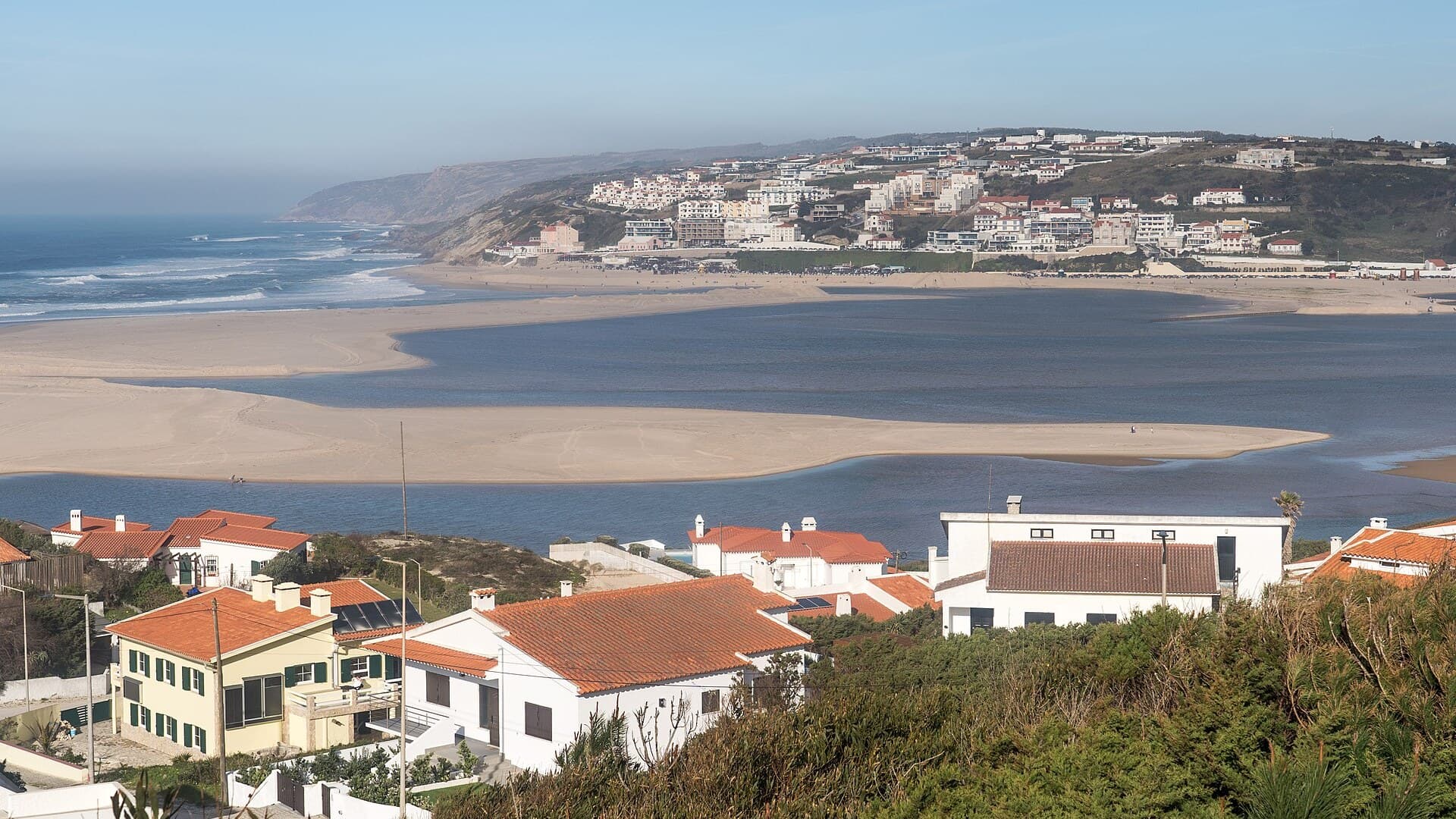
Foz do Arelho Guide
Leiria, Portugal
Two beaches, one lagoon, one Atlantic coast, one easy village

Save these places to your list
Copy the spots you picked into your list — maps and notes included.