
Explore on the map
Tap a pin to highlight its place card
All
1 spots
Recommended places
Hotels
7 · 7 selected · View all Hotels
- hotels
Surfers Lodge Peniche
Surfers Lodge Peniche is located in Ferrel and offers a variety of amenities. It is equipped with facilities suitable for guests with disabilities.
- hotels
Captain's Log House
Captain's Log House is a hostel located directly on the beach in Ferrel, offering various amenities for guests.
- hotels
Green House Surfcamp
Green House Surfcamp is a youth hostel located in Ferrel. It offers amenities such as wireless internet, a safe, and laundry services for guests.
- hotels
Castaway
Castaway is an ideal youth hostel for guests looking to stay in Ferrel.
- hotels
Ethic'Surf House
Ethic'Surf House is a B & B offering accommodation in Ferrel. It provides amenities such as wireless internet and a TV room for guests.
- hotels
The Ocean House
The Ocean House is a B & B offering accommodation in Ferrel. Guests can take advantage of the various amenities provided by the establishment.
- hotels
Ahoy Surf House
Ahoy Surf House is a youth hostel that welcomes guests in Ferrel, offering a comfortable stay with various amenities.
Gallery
1 · 1 selected
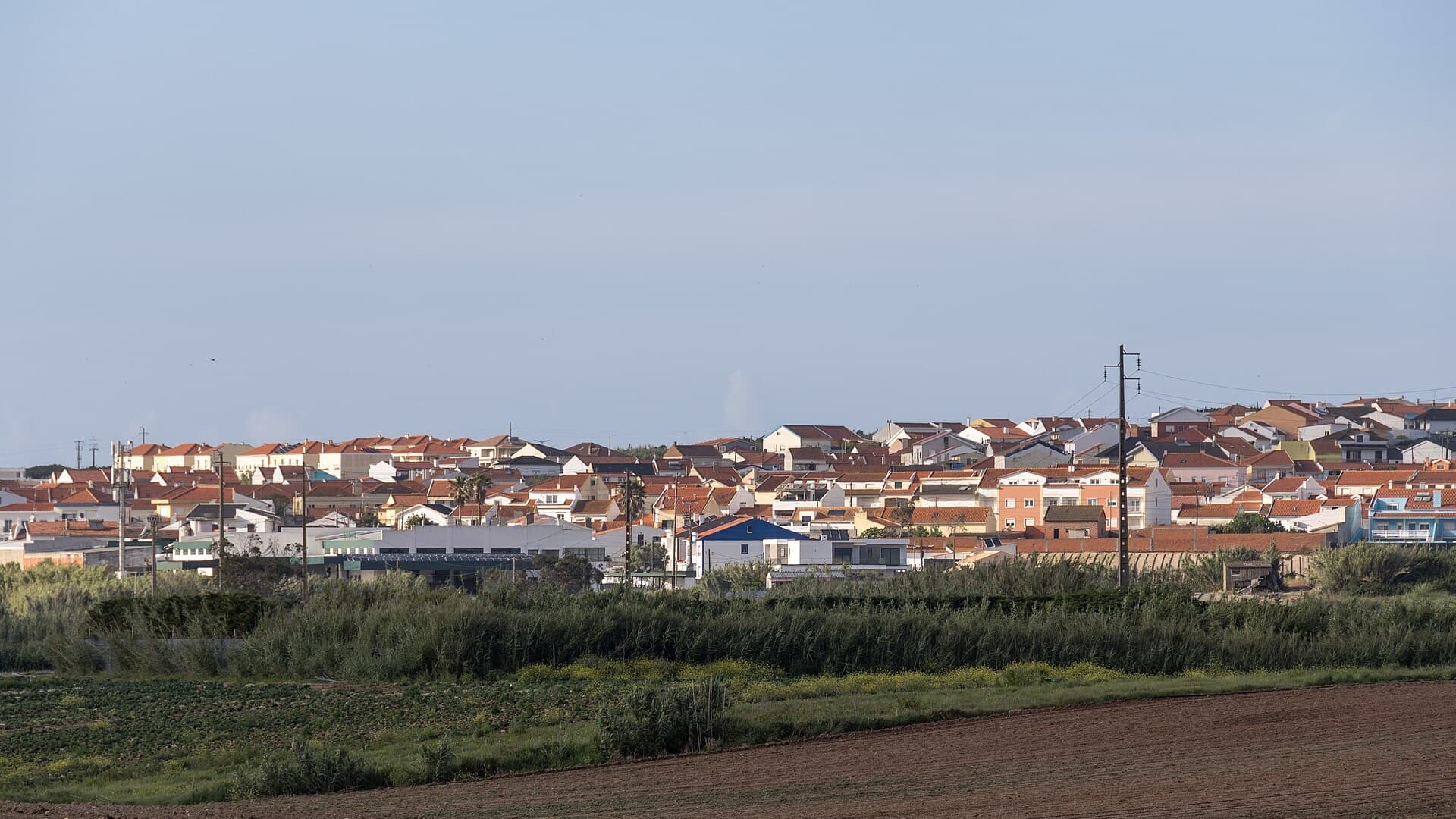
Ferrel coast
gallery
Related guides
Browse nearby destinations
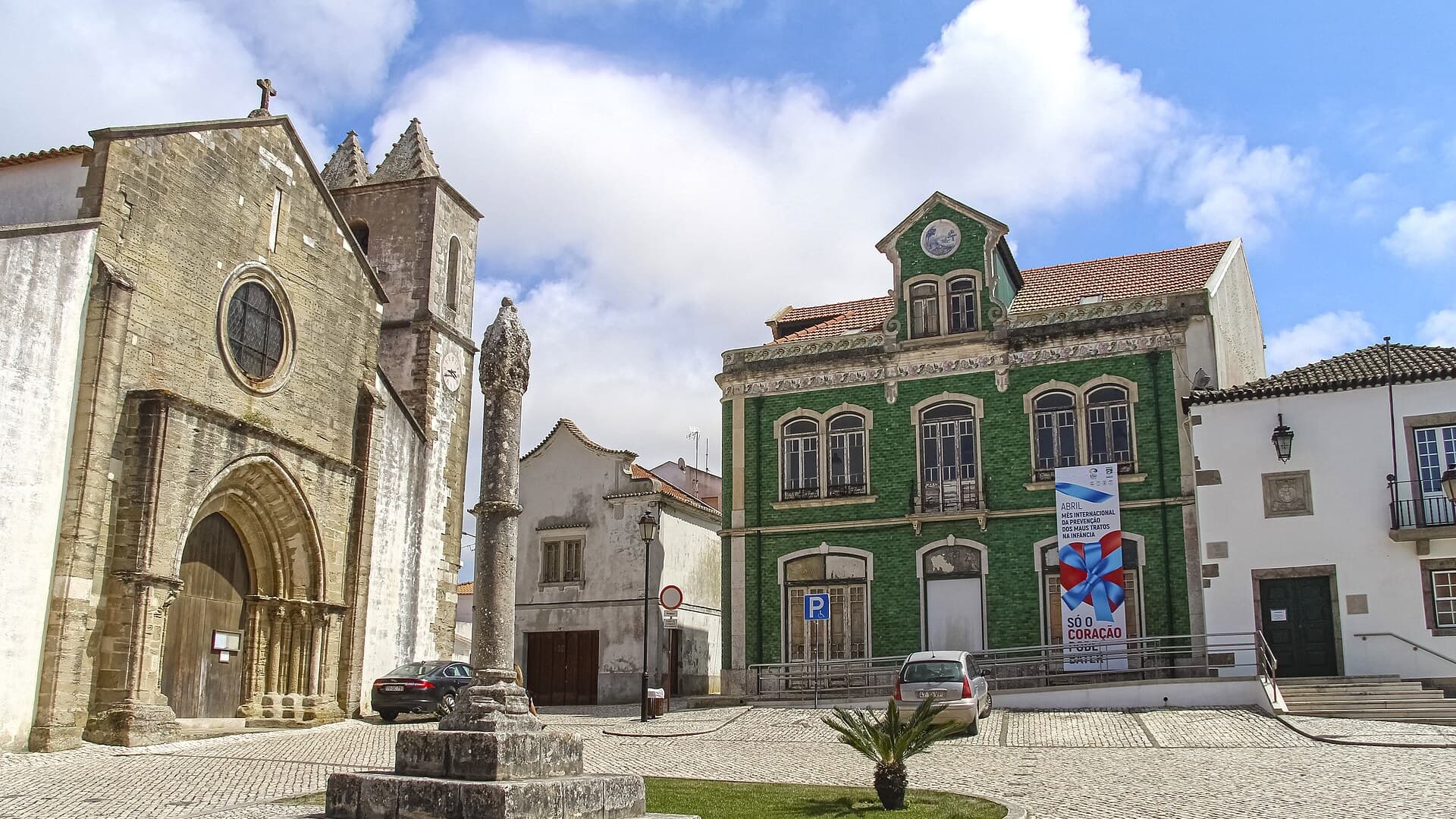
Atouguia da Baleia
Leiria, Portugal
Older Peniche parish: church, castle scraps, Consolação on the sand
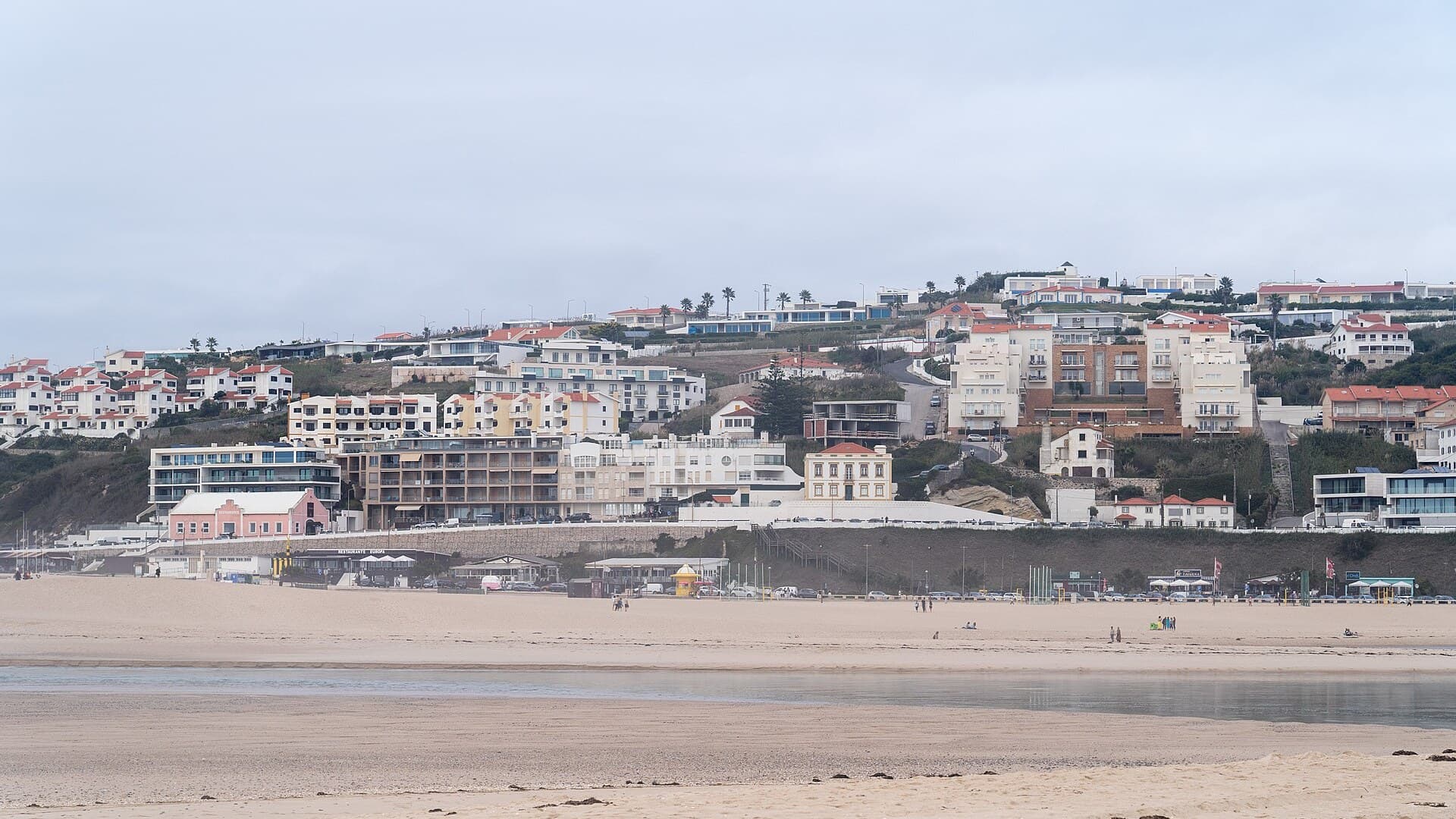
Foz do Arelho Guide
Leiria, Portugal
Where the Óbidos lagoon meets the Atlantic, west of Caldas da Rainha
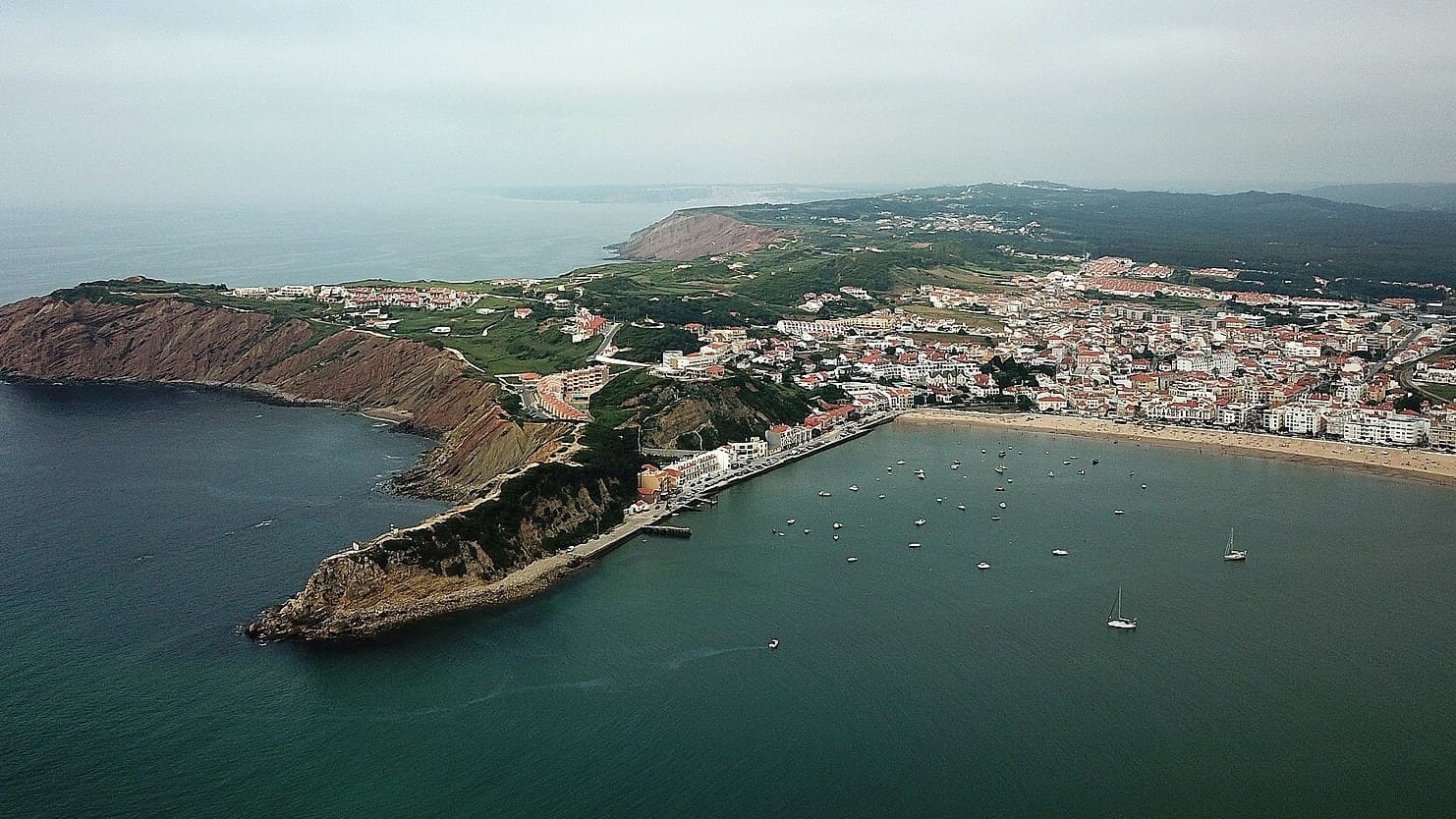
Sao Martinho do Porto Guide
Leiria, Portugal
Crescent bay on the Silver Coast, calmer than Nazare
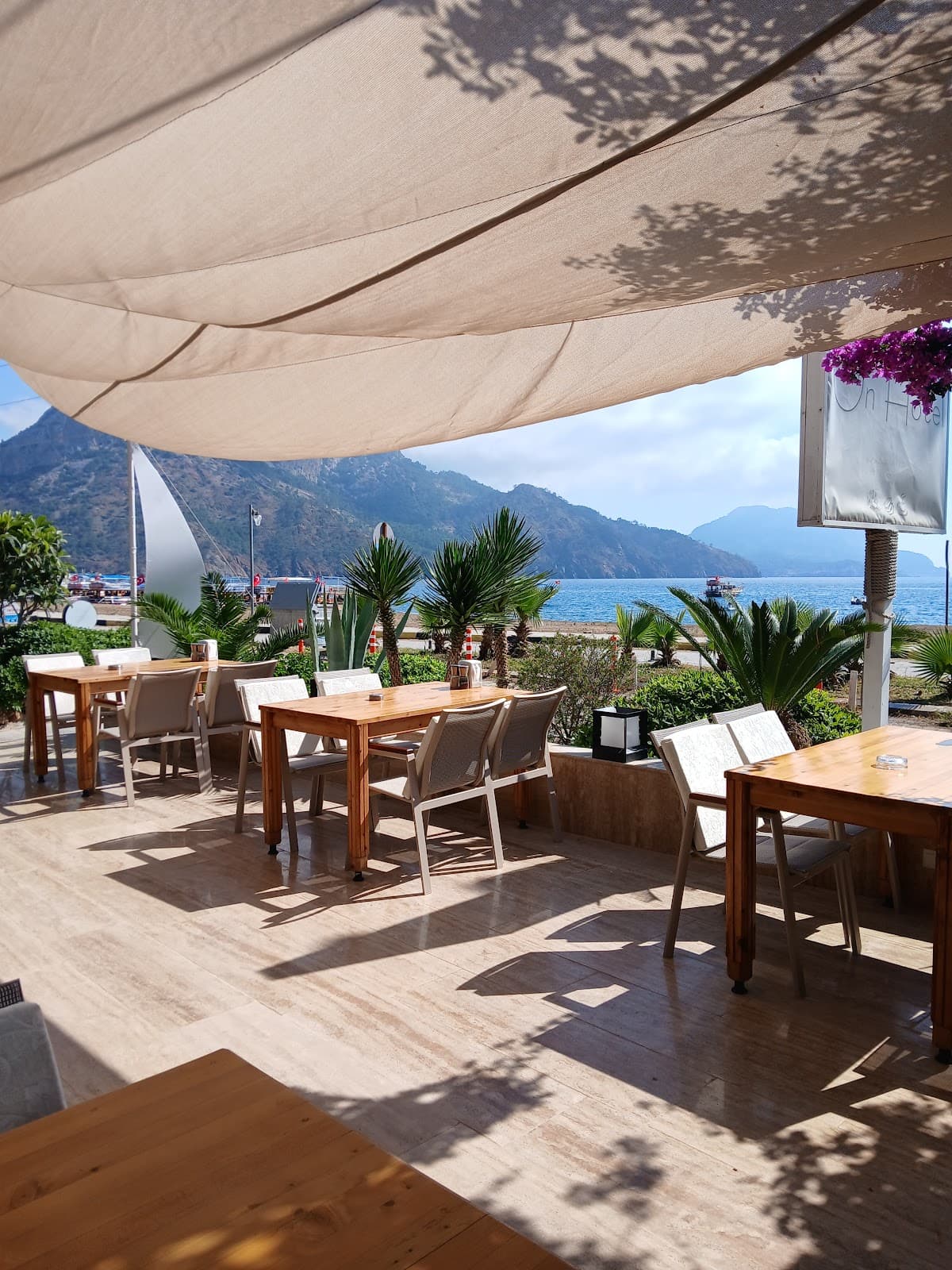
Adrasan
Antalya, TR
A long bay south of Antalya, quieter than the big resort towns
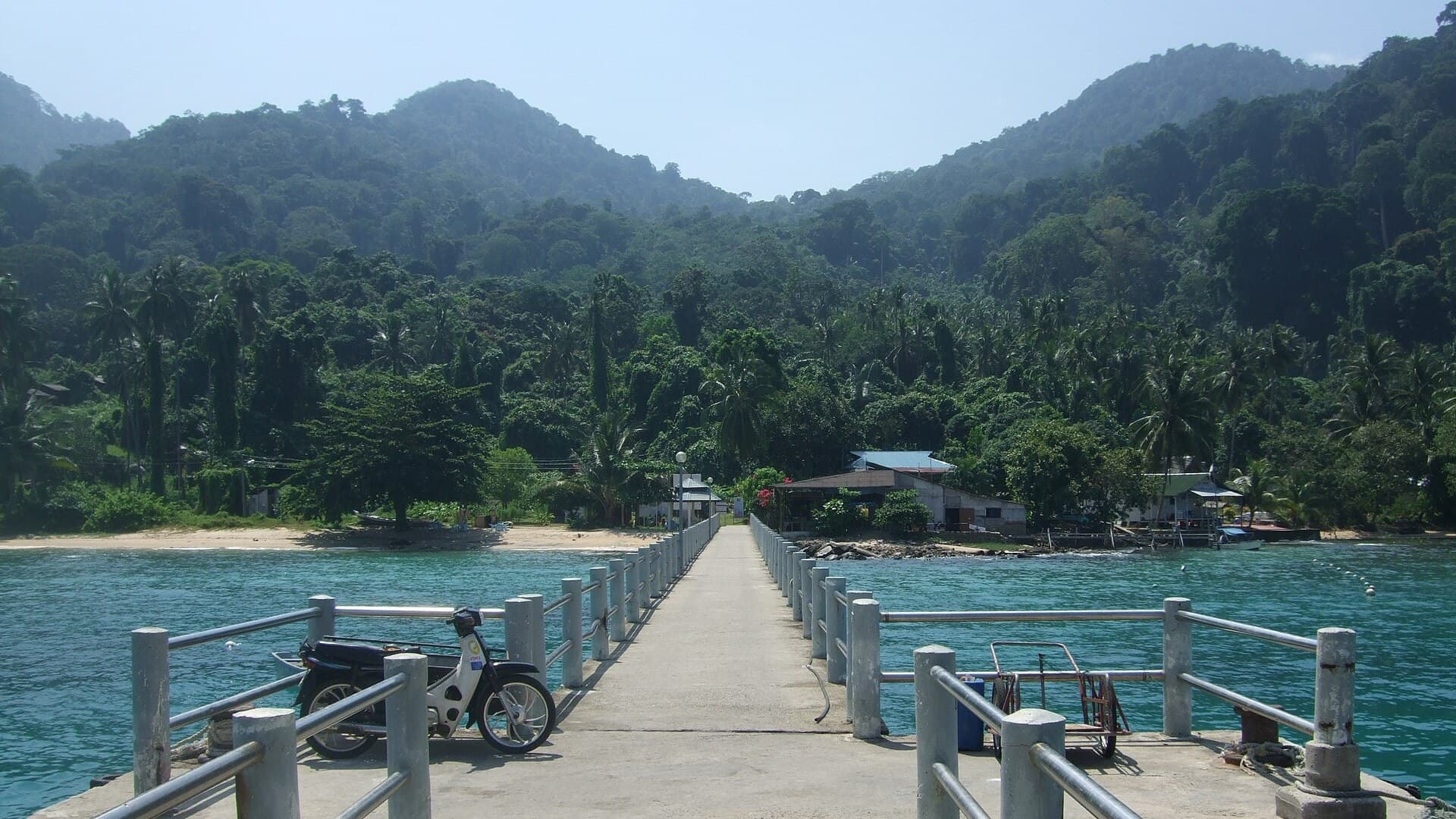
Air Batang
Pahang, Malaysia
A west-coast dive village on Tioman, not Tekek and not Juara
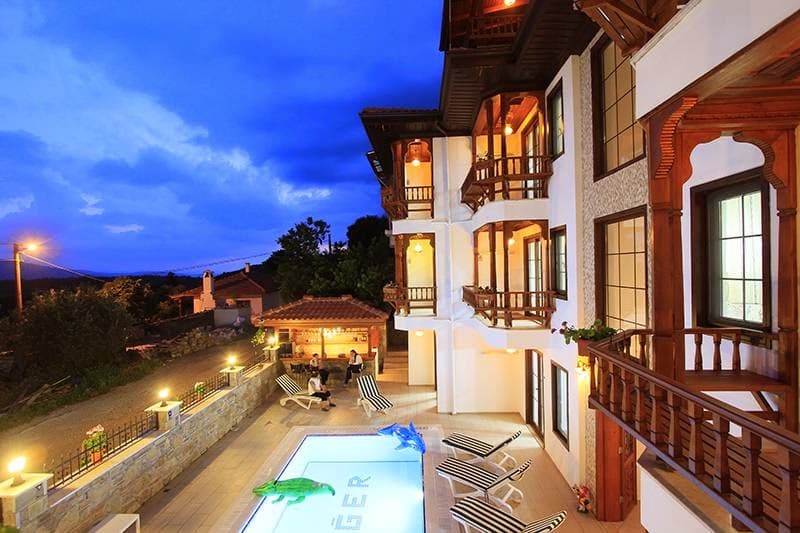
Akyaka
Muğla, Türkiye
A Cittaslow village at the eastern end of Gökova Bay

Save these places to your list
Copy the spots you picked into your list — maps and notes included.