
Castelo Mendo Guide
A walled medieval village on Portugal's Spanish frontier
1 selected
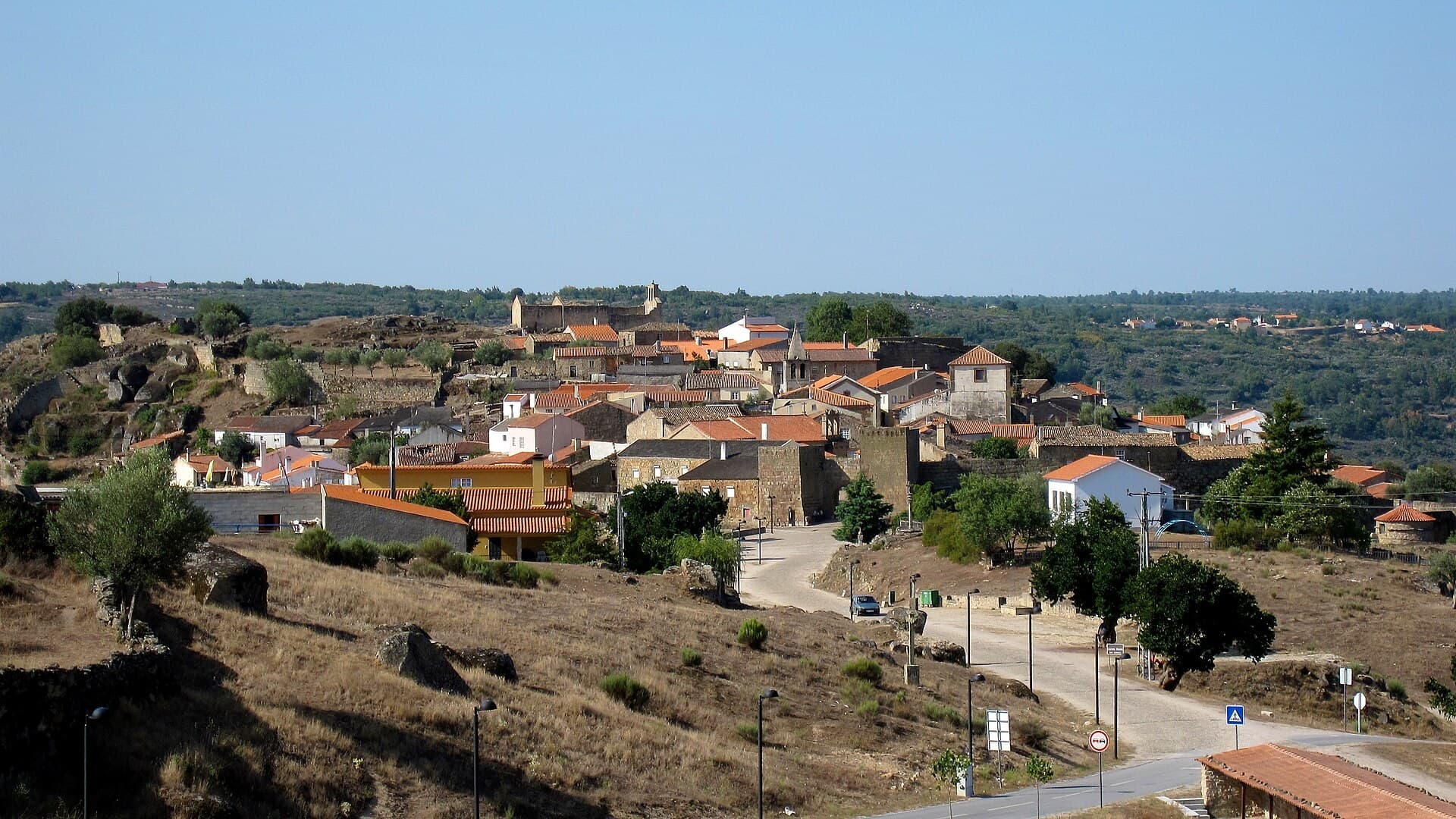
Castelo Mendo is a walled hilltop village in the Guarda district of Portugal. It sits so close to the Spanish border that its old stones once did real guard duty. Inside the medieval wall sit a ruined church, a crumbling castle, and a knot of narrow lanes making up the old town. Just outside, a separate walled quarter, the Suburb of S. Pedro, grew up under King Dinis. Nothing here has been rebuilt into a theme-park version of the Middle Ages; the place simply stopped growing.
You enter past two weathered stone boars, called berrões. They have guarded the main gate since long before anyone wrote the village's history down. Head for the Castle Gate and you're facing the old central square. The town hall and pillory still stand a little higher up the slope. The Town Gate, flanked by two round turrets, is the grandest of the four openings in the outer wall. A fourth gate was quietly bricked up back in the 16th century, and it has stayed sealed ever since.
Follow Castelo Mendo's outer wall and the details start piling up. There are Gothic touches from King Dinis's builders, carved initials in the brickwork, and square turrets set at intervals. There are also more doorways than you'd expect for a village this size. One gate, the São Miguel Gate, once guarded a river crossing on the Côa, a ford used for centuries before anyone thought to fortify it. Elsewhere, the Guard Gate hands you off to the Sun Gate, which drops down toward the old river landing at Porto de São Miguel.
Inside Castelo Mendo's walls, Pillory Square is the heart of the old town. It's anchored by a house with a covered balcony, already old when it was remodelled in the late 1600s. A short walk away stand the Manueline Houses on Rua do Forno. Built back to back, two floors apiece, with plain rectangular footprints, their wide doors are cut with a slanted lintel - a particular kind of 16th-century craft.
Ask why it's called Castelo Mendo and you get an actual answer. A governor named D. Mendo Mendes, appointed in 1295, left his name stuck to the place for good. It's a small detail, but it's the kind that turns stones into a story you remember.
Wander it slowly and Castelo Mendo starts to feel less like a monument and more like a village that simply paused. Gates still open where they always did. A square has outlived the buildings around it. Walls were built by three different kings, for three different reasons. That's the pull of the place: everything you see still does the job it was built for, centuries later.
The Village Behind the Walls
Castelo Mendo's story runs from a Bronze Age settlement to a royal charter, three kings' worth of wall-building, and two long centuries of near-abandonment. Its layout goes back to a Neolithic hillfort and a Roman settlement ringed by three lines of walls. Roman roads to Almeida once ran through here. The oldest surviving document naming the place is a seal from 1202. The real charter came from King Sancho II on 15 March 1229. It reveals a castle already standing and a settlement growing north around the S. Pedro Church. The first castle here had gone up even earlier, at the end of the 12th century. That charter did more than grant land. It set a weekly Sunday market inside the castle, plus a fair held three times a year for eight days each - one of the oldest medieval fairs recorded in Portugal. Walls here were never finished business. King Dinis remodelled the castle in 1285 and pushed the walls further out. That work mattered enough to the crown that the two enclosures stood as a frontier post against León. They held that role until the Alcanizes Treaty settled the border on 12 September 1297. King Fernando ordered another round of repairs late in the 14th century, on walls already rebuilt more than once. By the 1500s a new church, S. Vicente, rose beside the Town Gate. After King Manuel I's charter of 1 June 1510, a pillory, a town hall and a prison followed. The village had earlier fallen into ruin after barbarian and Muslim invasions, and it later played a role in conflicts with Castile and in the 19th-century French invasions and Liberal Wars. Worth knowing before you go: this is why so much still stands. The castle became a protected monument in 1946. The village was classified a Place of Public Interest in 1984. Since 1998, Castelo Mendo has counted among Portugal's twelve official Historic Villages.
A Quiet Meal in a Border Village
Eating in Castelo Mendo comes down to one restaurant, built from the same local schist as the village around it, serving the kind of hearty dishes this border region is known for. Inside and out, it's built the traditional way, in stone quarried from these same hills. The menu leans into regional classics, not anything invented for visitors. Chanfana à Fontinha, bucho de porco recheado, trutas d'Piódão, and bacalhau d'avó all show up - the sort of slow-cooked, hearty cooking this part of Portugal has served for generations. Don't expect a restaurant scene, because there isn't one. Castelo Mendo is a small village, and dining options stay limited to this single kitchen, not a strip of cafés to choose between. That's not a complaint, just a fact worth planning around. Treat a meal here as part of a longer day exploring the walls and gates, not as the reason you came. Don't assume there's a backup option if a particular dish has run out. There's no produce market or food festival tied to Castelo Mendo in the facts available. If street food or market browsing is what you're after, save it for a larger town nearby. Treat this village purely as a place for one solid, unhurried sit-down meal. Come with an appetite for the regional dishes on offer, not a craving for something specific. The honest, home-style cooking that stone kitchen turns out won't disappoint you, especially after an hour spent walking the walls.
Reaching Castelo Mendo, Near the Border
Getting to Castelo Mendo means covering the last stretch yourself, by road, after reaching the wider region through the nearby hub of Guarda. Castelo Mendo itself sits on the regional road network, with Almeida as its nearest major town. That road is an old one: Roman roads linking to Almeida ran through this same ground long before asphalt existed. There's no train line or bus route that reaches the village directly. A car, or a taxi arranged from a larger town, covers that final leg. Guarda, the nearest proper transport hub, does the heavy lifting. Its train station sits about 3.2 km from the city centre. Trains run to Lisbon via Coimbra three to five times a day, with a separate line to Porto by way of Viseu. An overnight service all the way from Irun, on the French border, rolls into Guarda around 06:00 - useful if you're arriving from much further afield. By road, the A25 motorway is the backbone linking Guarda to the rest of Portugal and across into Spain. That makes driving in from either direction fairly straightforward. If you're coming by long-distance bus instead, a one-way ticket from Salamanca runs about 25 euros. Guarda's bus station sits centrally, near the top of the hill the city is built on. Inside Guarda, a local bus connects that bus station to the train station for a fare of 0.95 euros. That tells you the city itself is easy enough to cross on foot or by a quick ride. From there, though, plan on a hired car or a pre-arranged taxi for the final push out to Castelo Mendo itself. None of the facts point to a direct bus or train covering that last stretch.
On Foot Inside the Walls
Castelo Mendo is small enough that you see the whole village on foot, one gate and one lane at a time. The one route the village hands you without any guesswork is the walk down from the Guard Gate. It leads on to the Sun Gate, and from there descends toward the old river landing at Porto de São Miguel. That descent still runs over its original medieval paving. You're walking on the actual stones the whole way down, which makes it as much a sight as a way to get somewhere. There's no public transport network to speak of inside a village this size, and you won't need one. Everything worth seeing, from the pillory square to the outer gates, sits within a short walk of everything else. Comfortable, sturdy shoes matter far more here than any timetable. The old paving and the slope down toward the river can get slippery underfoot, especially after rain. If you're staying in a larger base like Guarda and coming out for the day, plan on moving around entirely on foot once you arrive. No local buses, taxis or rental points are set up inside Castelo Mendo itself. Build in a little extra time for the walk back up from the river landing, too. It's a gentler village to walk down into than to climb back out of.
Money and Connectivity in a Small Village
Money matters in Castelo Mendo are simple, mainly because there's so little to spend money on once you're inside the walls. Portugal uses the euro, and Castelo Mendo is no exception. Don't expect to find a card machine or a cash point inside the village itself. None of the facts point to a bank or an ATM on site, so carrying some cash before you arrive is the sensible move. Small villages like this one rarely keep pace with card readers the way bigger towns do, so a little planning goes a long way. For a sense of regional price levels, rather than anything specific to the village, a long-distance bus into the area from Salamanca, across the Spanish border, runs about 25 euros one way. A short local hop within Guarda, by contrast, costs as little as 0.95 euros. That's a useful reminder of how much prices swing between a cross-border journey and a five-minute ride around town. Treat both figures as a rough sense of scale for the wider region, not as anything Castelo Mendo charges directly, since the village itself has no listed prices of its own. Sort out cash and mobile data before you leave a larger town like Guarda, rather than counting on finding either once you're inside Castelo Mendo. Keep a small buffer of euros on hand for the one restaurant in the village and any small purchases along the way. Mobile coverage in rural border areas can be patchy, so it's worth saving maps or directions before you set off. A little preparation here goes further than it would in a bigger, better-connected town.
Before You Visit Castelo Mendo
Castelo Mendo rewards a short, unhurried visit rather than a multi-day stay. Think half a day of walking the walls and gates, not a home base for exploring the wider region. Keep expectations realistic about facilities, pack for the weather, and you'll get the most out of it. When's the best time to visit? The area has a continental climate, with cold winters and warm summers. Pick your season based on how well you handle temperature swings, rather than expecting mild weather year-round. What should you pack? Bring clothing for genuine seasonal extremes: warm layers for winter, lighter and breathable clothes for the summer heat. The weather here shifts hard between the two. Is Castelo Mendo accessible for visitors with disabilities? The village has accessibility features in place for visually impaired visitors. It's still worth checking current provisions directly if you have specific access needs, since a medieval hilltop village has real physical limits. What is the village like today? Castelo Mendo sits within the Beiras and Serra da Estrela tourism region, close to the Spanish border. It has counted among Portugal's twelve Historic Villages since 1998, and its local economy now rests on traditional crafts and hospitality rather than the trade that once filled its streets. What else is worth seeing nearby? Guarda makes a natural base for pushing on further: the castles of the Riba-Côa region, the Douro Valley, and the Serra da Estrela. All of them work well as onward trips once you've settled into the wider area.
FAQ
What is covered in the Castelo Mendo guide?
Discover Castelo Mendo, a walled hilltop village in Guarda, near Spain's border, one of Portugal's twelve Historic Villages worth exploring today. It includes 1 recommendations across 1 gallery.
Next →How many places are in the Castelo Mendo guide?
The Castelo Mendo guide lists 1 places: 1 gallery.
Next →Where is Castelo Mendo?
Castelo Mendo is in Guarda, Portugal (40.5945, -6.9486).
Next →How do you get to Castelo Mendo?
Getting to Castelo Mendo means covering the last stretch yourself, by road, after reaching the wider region through the nearby hub of Guarda. Castelo Mendo itself sits on the regional road network, with Almeida as its nearest major town. That road is an old one: Roman roads linking to Almeida ran through this same g…
Next →What should you eat in Castelo Mendo?
Eating in Castelo Mendo comes down to one restaurant, built from the same local schist as the village around it, serving the kind of hearty dishes this border region is known for. Inside and out, it's built the traditional way, in stone quarried from these same hills. The menu leans into regional classics, not anyth…
Next →Is there camping in Castelo Mendo?
No camping listings in this pack yet — we do not invent venues. Entries will appear once verified.
Next →Can you rent a bike in Castelo Mendo?
No bike rental listings in this pack yet. Verified shops will be added when available.
Next →What are recommended gallery in Castelo Mendo?
Highlighted gallery in the Castelo Mendo guide: Castelo Mendo on the ridge.
Next →Highlighted places
- Castelo Mendo on the ridge — The double-walled Historic Village in Almeida, district of Guarda.
Explore on the map
Tap a pin to highlight its place card
All
1 spots
Recommended places
Gallery
1 · 1 selected
Castelo Mendo on the ridge
gallery
Related guides
Browse nearby destinations
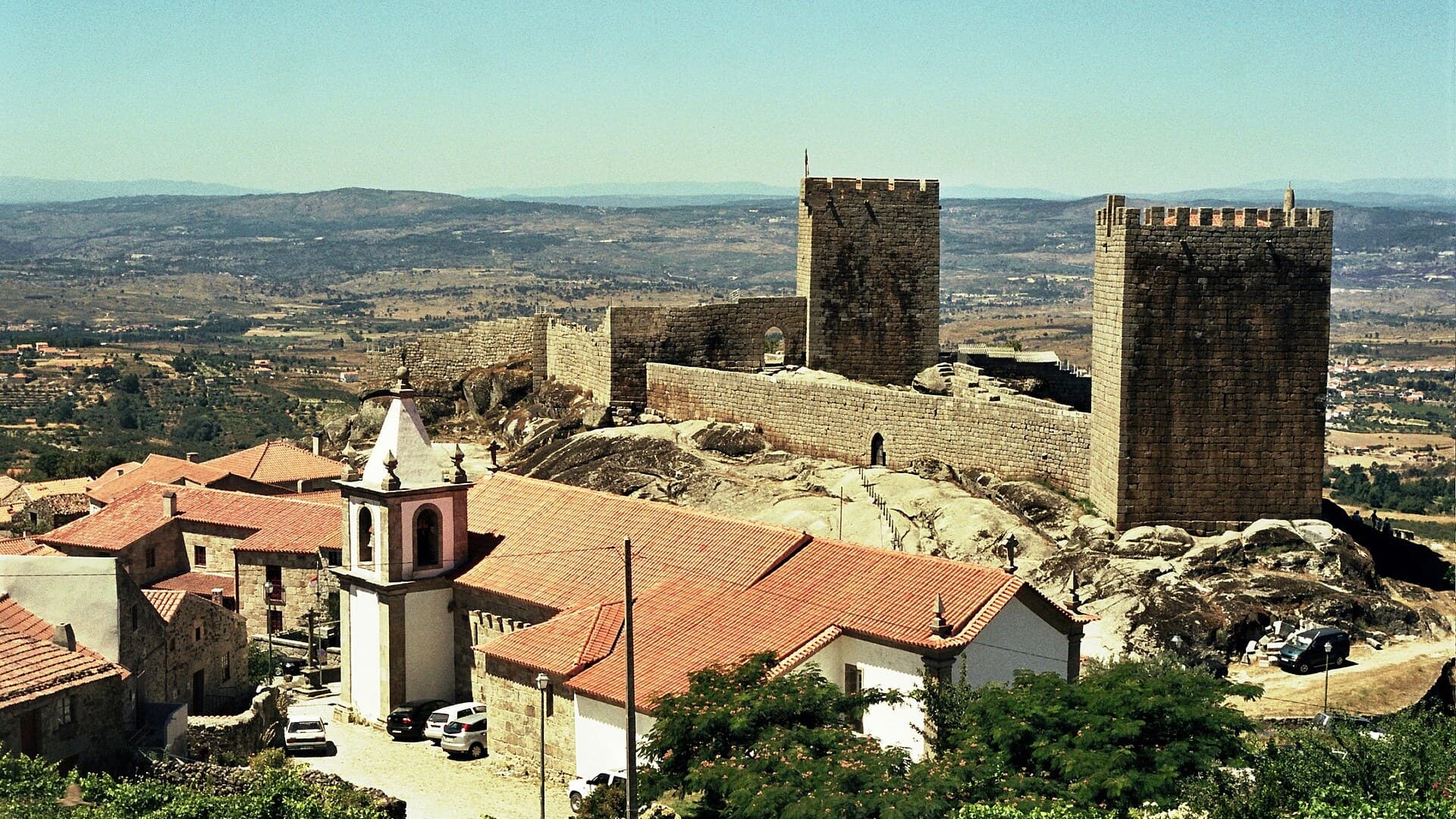
Linhares da Beira Guide
Guarda, Portugal
Explore Linhares da Beira: historic charm, nearby Serra da Estrela, ideal for 2‑3 days of culture and nature.
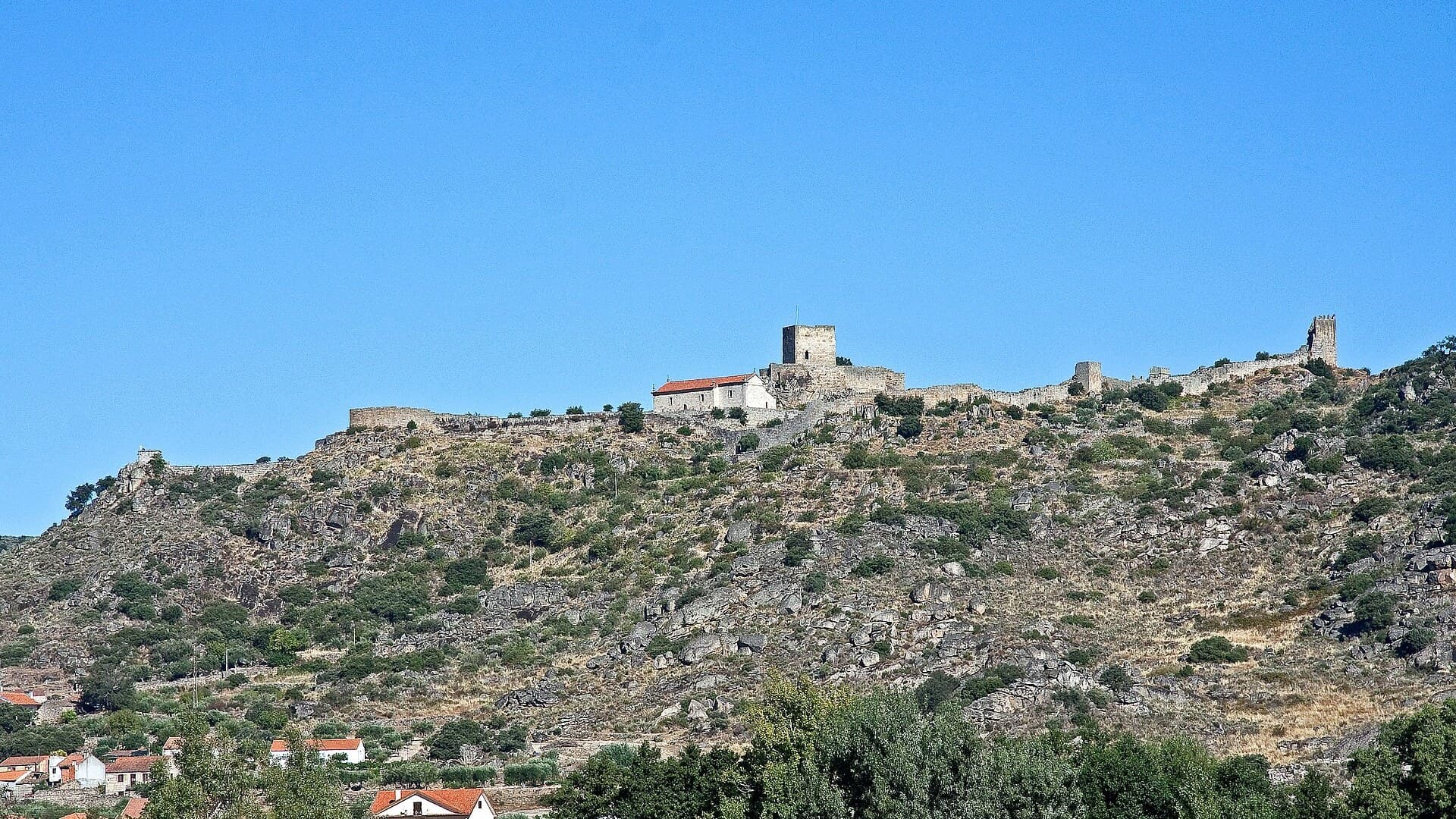
Marialva Guide
Guarda, Portugal
Explore Marialva’s granite citadel, historic railway views, and peaceful countryside – a perfect 1‑2 day stop in Guarda’s scenic highlands.
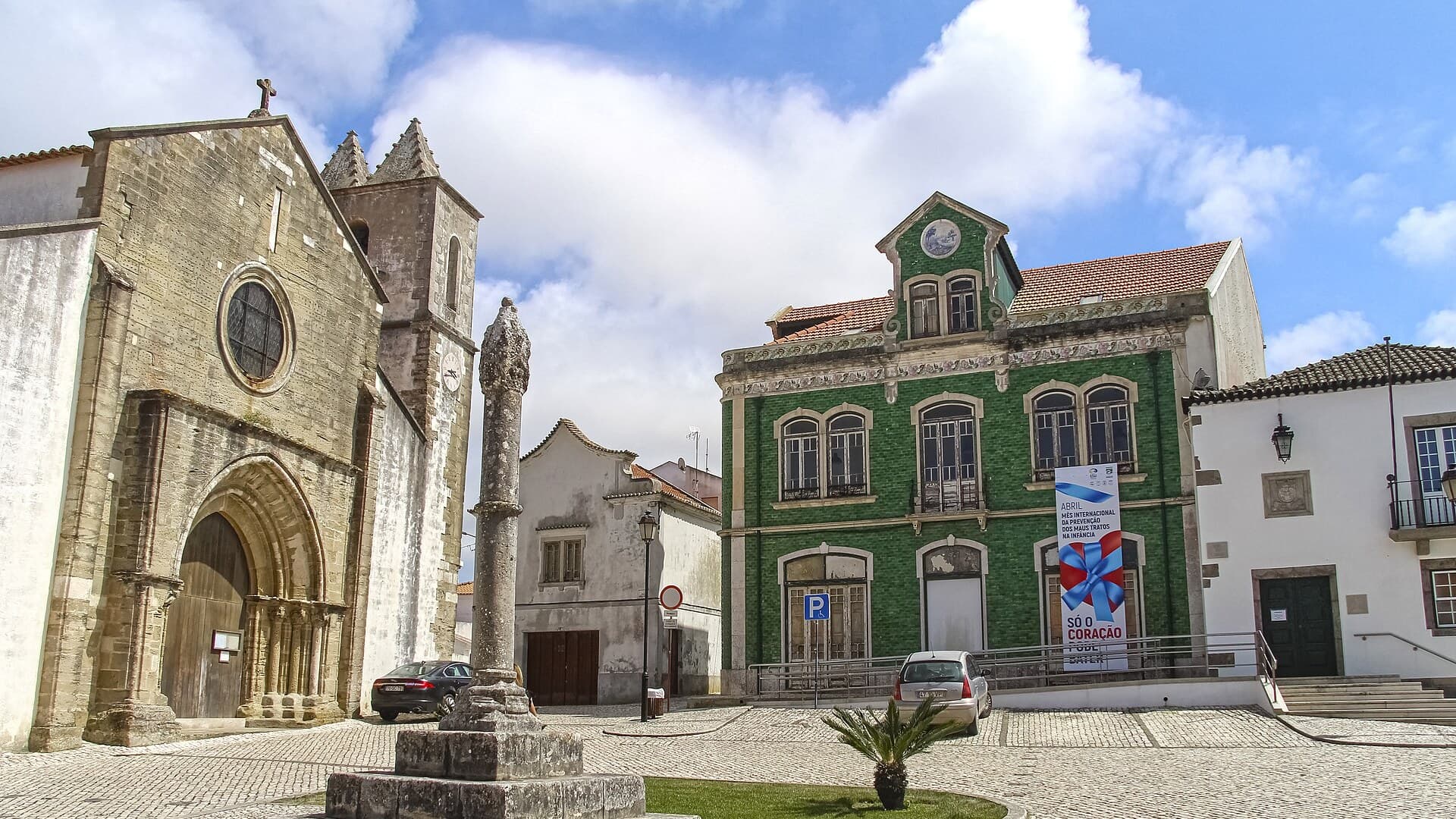
Atouguia da Baleia
Leiria, Portugal
A village named for whales, minutes from the Atlantic

Castelo Novo Guide
Castelo Branco, Portugal
A granite village in the heart of the Gardunha

Ferrel Guide
Leiria, Portugal
A quiet village behind Baleal's beaches and Atlantic surf
Foz d'Égua Guide
Coimbra, Portugal
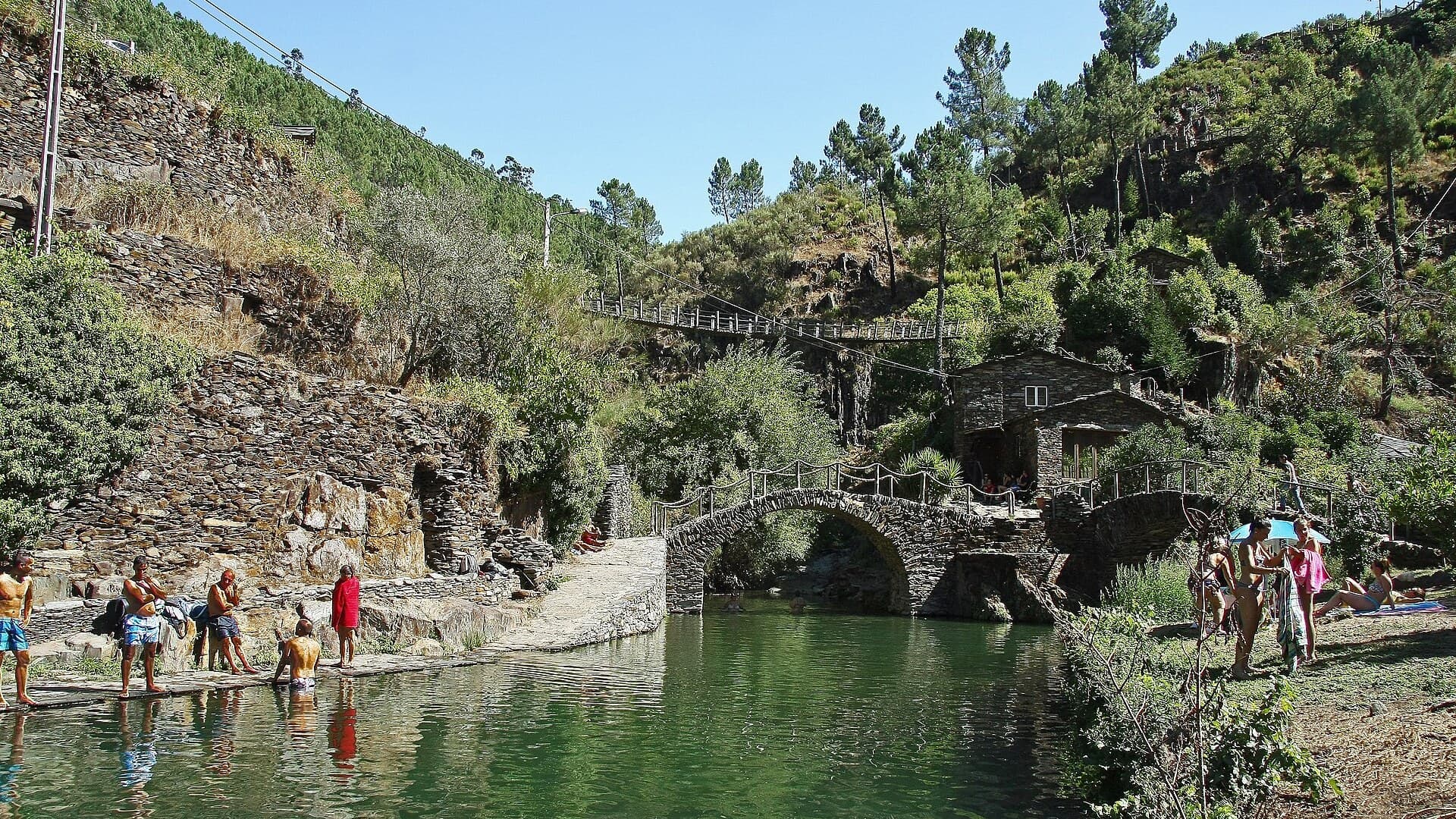
Explore the tranquil river village of Foz d'Égua near Coimbra – a hidden gem with stone bridges, calm waters, and easy hikes to nearby Piódão.

Save these places to your list
Copy the spots you picked into your list — maps and notes included.