
Linhares da Beira Guide
Explore Linhares da Beira: historic charm, nearby Serra da Estrela, ideal for 2‑3 days of culture and nature.
1 selected
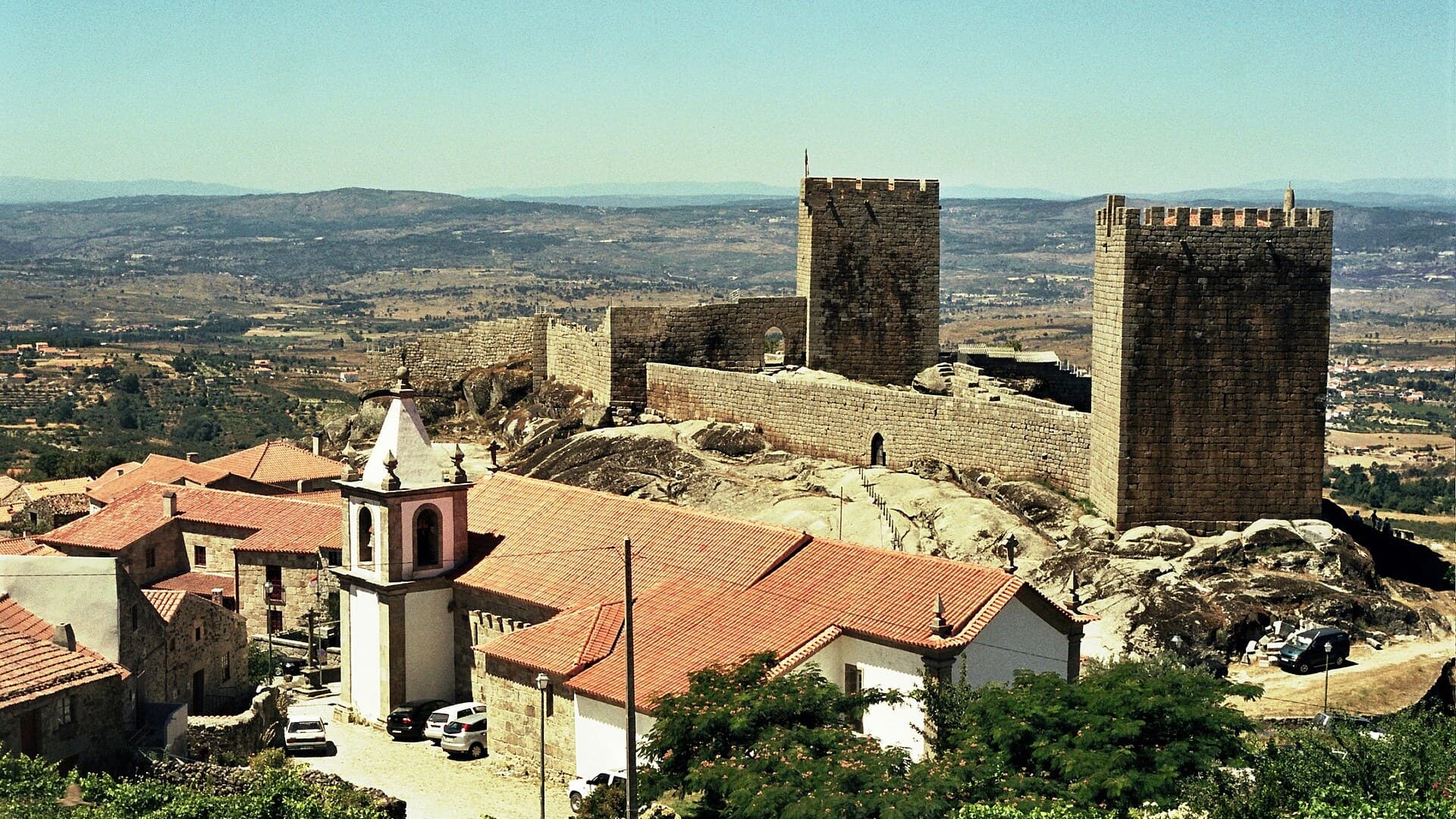
Linhares da Beira sits on the western slopes of Serra da Estrela in the municipality of Celorico da Beira, Guarda district. The village is perched 800 metres above sea level, and its granite castle—now a National Monument—offers sweeping views over the Mondego valley. Inside the walls, the medieval forum at the pillory square anchors the town, surrounded by traditional granite houses that have stood for centuries.
The lanes of Linhares da Beira are narrow and steep, best explored on foot; wheeled luggage is discouraged in the narrow passages. The two castle rings, the pillory square, and the surrounding granite streets give visitors a genuine sense of Portugal’s medieval past without the crowds of larger cities.
Why visit? The village’s elevated position provides dramatic vistas, and its proximity to Serra da Estrela makes it an ideal base for exploring the region’s natural beauty and culinary specialties, especially the renowned Queijo da Serra cheese. A two‑day stay—one day in the village itself and a second day sampling cheese in nearby Celorico da Beira—offers a balanced experience.
What to do: walk the castle rings and climb to the keep for panoramic views; visit the medieval forum and pillory square, where local artisans sometimes display crafts; take a short drive to Celorico da Beira to taste Queijo da Serra and explore its own castle; hike in the nearby Serra da Estrela for scenic trails and wildlife spotting.
The best times to visit are late spring (May–June) and early autumn (September–October), when temperatures are mild and the surrounding forests are either in full bloom or turning golden. Winter offers spectacular snow‑covered scenery but can be cold and windy, so dress warmly if you plan to hike.
Transport: there is no train station within the village. The most convenient way to reach Linhares da Beira is by car: take the A25 motorway to the last signed road into the parish. From Celorico da Beira, a short drive (about 10 km) brings you to the village’s gates. Public transport options are limited; a rental car or a guided tour with a driver is recommended for flexibility.
From Lisbon, the A1 and A25 highways provide direct access to Guarda district, with a drive of roughly three hours. The Beira Alta railway line reaches Celorico da Beira after its 2025 rebuild, but travelers still need a short car ride or taxi to reach the village itself.
History of Linhares da Beira
VisitPortugal treats the slope as a probable Lusitanian hill fort in the old Montes Hermínios, the local name for the Serra. Flax, linho, is the origin it gives for Linhares: a flax field. Romans, Visigoths and Muslim garrisons are on the written record as users of the lookout. The fortified town you walk is a Reconquista town. Afonso Henriques gave a foral in 1169, on the Salamanca model. Afonso II confirmed it in 1217. Manuel I issued a new charter in 1510; the granite pillory with the armillary sphere belongs to that thinning vila. The castle already existed in the first years of Sancho I. Aldeias Históricas dates a Dinis rebuild to 1291. Two granite rings remain: the higher alcáçova with the keep, the lower circuit that once held the early town, four gates, two cisterns. VisitPortugal records a 1189 raid from León and Castile on Celorico, and Linhares hitting the rear; tradition puts a new moon on the arms because of that night. In 1373 Castilian troops took the place on the Almeida to Viseu road. In 1384 the Master of Avis gave the lordship to Egas Coelho; in spring 1385 men of Linhares fought at Trancoso. The clock in the second tower is seventeenth century. Public works from the 1940s rebuilt merlons and roofs after the 17 June 1922 National Monument decree. The old town as a whole is a Site of Public Interest under Portaria 279/2013. The concelho died in 1855.
Linhares da Beira Food | Traditional Cheese & Local Delicacies in Central Portugal
Food in Linhares da Beira Linhares da Beira is a granite‑strewn village in the heart of Portugal’s Beira Interior, where the cuisine is as rugged and authentic as the surrounding landscape. The local fare centers on simple, hearty ingredients that reflect the region’s pastoral heritage: freshly baked bread, high‑quality olive oil, goat meat, and the celebrated PDO mountain cheese from Serra da Estrela. A typical meal might feature a thick goat stew (caldo de cabrito) simmered with herbs and served alongside slices of the aged cheese, accompanied by crusty bread. Olive oil is used liberally in dressings and for finishing dishes, giving everything a bright, fruity finish. The food is unpretentious, often prepared in family kitchens that open their doors to visitors during festival weekends. While dining, you’ll also find yourself near the historic Santa Eufémia parish church. The Romanesque‑style building, rebuilt in the seventeenth century, houses three panels attributed to Grão Vasco and offers a quiet backdrop to your culinary experience. Why go? The village’s cuisine is a direct expression of its rural culture, offering travelers an unfiltered taste of Beira Interior traditions. The combination of local produce, simple preparation, and historic setting makes for an immersive gastronomic adventure that can be enjoyed in a single day or as part of a longer stay in the surrounding Serra da Estrela region.
How to get to Linhares da Beira – by car, train or bus from Lisbon, Coimbra and other nearby cities.
Fly into Porto or Lisbon and drive east on the A25 motorway. From the A25 a short detour takes you onto the N120, which runs through the historic villages of Castelo Mendo and Almeida before reaching Linhares da Beira. The parish is about 15 km from the municipal seat of Celorico da Beira, so a car or a pre‑booked lift is required for the final stretch. If you prefer public transport, the Beira Alta railway line serves Celorico da Beira. Passenger services between Mangualde and Celorico resumed on 6 April 2025, and the full Pampilhosa–Vilar Formoso route reopened on 28 September 2025. Check CP’s timetable a week before you travel; from the station you will still need a car or a local taxi for the last kilometres to the village. Rede Expressos and other coach operators run routes to Celorico da Beira and Guarda, but they do not serve the spur that leads directly into Linhares da Beira. A municipal bus (EM 553) is available, though its schedule is irregular; it is safer to rely on a car or a private transfer for reliable access.
Getting Around – One Day in Linhares da Beira and Two to Three Nights Exploring Serra da Estrela and Nearby Villages
Cars are discouraged inside Linhares da Beira’s medieval streets; the best way to explore is by foot. Park your vehicle on the outskirts of the village and stroll through the historic core, which is laid out in a triangular shape around the castle. The main public spaces are: Largo da Misericórdia – the entrance to the old town. Largo de São Pedro (Cimo da Vila) – the high‑point square overlooking the castle keep. Largo da Igreja – adjacent to the church and the castle’s keep. Corredoura – a common that runs along the riverbank. Largo do Pelourinho – the civic square, noted by VisitPortugal for its unique stone table, bench, town arms, and a spring beneath them; next to it stands the 16th‑century pillory. The castle itself consists of two concentric rings at about 820 m above sea level. Inside you’ll find the keep, a clock tower, cisterns, and a granite “adarve” (stone wall). The surrounding streets are paved with the Almocreves pavement – roughly 1 300 m of wide granite slabs that descend toward the Ribeira de Linhares. For those who prefer a guided walk or a longer excursion, the municipality offers the PR11‑CLB (Trilho do Voo Livre), a 12.5‑km loop that starts in the village and leads to a paragliding launch point. The trail is well marked and suitable for hikers of moderate fitness. If you arrive by car from nearby towns such as Guarda or Coimbra, take the A23 or A25 to the nearest exit and then follow local roads into the village. Public buses run from Guarda to Linhares da Beira twice daily; however, the bus stops outside the historic centre, so a short walk is still required. A day trip is sufficient to see the main sights, but staying one night allows you to wander the streets at dusk and enjoy local cuisine in the surrounding countryside.
Money & Connectivity in Linhares da Beira
Portugal’s currency is the euro (€). In Linhares da Beira most shops, restaurants and hotels accept credit cards, but small cafés, local markets and some rural inns may only take cash. ATMs are scarce in the village itself; the nearest machines are in Guarda or Celorico da Beira, so it’s wise to carry a modest amount of euros on hand. For mobile connectivity, the country uses the standard 2G/3G/4G networks operated by the main providers (MEO, NOS, Vodafone). Coverage is generally good in the town and surrounding countryside, though signal can drop in deep valleys. EU roaming works as usual, and you can buy a local SIM if you need data for navigation or booking. The emergency number is 112, and the public language is Portuguese; English is understood by many locals, especially near the castle and during festival season. Plug sockets are Type C and F, 230 V. Tap water is supplied municipally, but many visitors still bring reusable bottles when hiking on the granite trails.
Practical guide to visiting Linhares da Beira – best days, sights, transport, and nearby Serra da Estrela routes.
Linhares da Beira is a small historic village perched on a spur of the Serra da Estrela in the Guarda district of central Portugal. Its stone‑clad streets and medieval keep make it an ideal base for exploring the highlands and nearby historic towns such as Celorico da Beira. The village offers a rare blend of mountain scenery, traditional architecture and outdoor adventure. In late spring and September the weather is perfect for walking: the granite is dry, the slopes are not scorching, and the castle’s paths are accessible. Key activities include exploring the keep, which sits at about 820 m above sea level and provides sweeping views over the Serra da Estrela and the Mondego valley; hiking the granite trails that start from the village; visiting Celorico da Beira, a short drive away, where a well‑preserved medieval centre and a lively festival calendar await (check cm-celoricodabeira.pt for dates); and trying paragliding, as the municipality promotes the area as the “Cathedral of Paragliding” with local operators offering tandem flights. A single full day is enough to see the main sights in Linhares da Beira, but two to three nights are recommended if you wish to explore Serra da Estrela itself or nearby villages such as Belmonte and Sortelha. Late spring (May–June) and early autumn (September) offer comfortable temperatures, with average highs of 20–26 °C in July/August and around 4 °C in January. Rainfall is low in the summer months (July ~14 mm, August ~11 mm), though a higher fire risk on the Serra means it’s wise to check IPMA and ICNF advisories before heading out. Linhares da Beira is accessible by car from major cities: from Lisbon take the A1 north to Coimbra, then the N120 east to Guarda, and finally the local roads to the village; from Porto drive south on the A3 to Coimbra and follow the same route. A car is essential if you plan to visit the keep, Celorico da Beira, or the surrounding highland trails, as public transport options are limited. The village lies near the N120, which connects Guarda to Covilhã and the rest of the Serra da Estrela region. From there you can access the national park’s main roads and the famous “Cathedral of Paragliding” launch sites. Linhares da Beira offers a quiet, authentic mountain experience for travelers who appreciate history, hiking, and the rugged beauty of Portugal’s highest range.
FAQ
What is covered in the Linhares da Beira guide?
Explore Linhares da Beira, a historic village on the Serra da Estrela ridge. Visit the 12th‑century Dinis Castle and its medieval forum, then stroll the surrounding high‑land scenery. A two‑to‑three‑night stay is recommended; reach it by car from the A25 motorway. It includes 1 recommendations across 1 gallery.
Next →How many places are in the Linhares da Beira guide?
The Linhares da Beira guide lists 1 places: 1 gallery.
Next →Where is Linhares da Beira?
Linhares da Beira is in Guarda, Portugal (40.5407, -7.4612).
Next →How do you get to Linhares da Beira?
Fly into Porto or Lisbon and drive east on the A25 motorway. From the A25 a short detour takes you onto the N120, which runs through the historic villages of Castelo Mendo and Almeida before reaching Linhares da Beira. The parish is about 15 km from the municipal seat of Celorico da Beira, so a car or a pre‑booked l…
Next →What should you eat in Linhares da Beira?
Food in Linhares da Beira Linhares da Beira is a granite‑strewn village in the heart of Portugal’s Beira Interior, where the cuisine is as rugged and authentic as the surrounding landscape. The local fare centers on simple, hearty ingredients that reflect the region’s pastoral heritage: freshly baked bread, high‑qu…
Next →Is there camping in Linhares da Beira?
No camping listings in this pack yet — we do not invent venues. Entries will appear once verified.
Next →Can you rent a bike in Linhares da Beira?
No bike rental listings in this pack yet. Verified shops will be added when available.
Next →What are recommended gallery in Linhares da Beira?
Highlighted gallery in the Linhares da Beira guide: Linhares da Beira castle.
Next →Highlighted places
- Linhares da Beira castle — The Historic Village keep over the Mondego, Celorico da Beira.
Explore on the map
Tap a pin to highlight its place card
All
1 spots
Recommended places
Gallery
1 · 1 selected
Linhares da Beira castle
gallery
Related guides
Browse nearby destinations
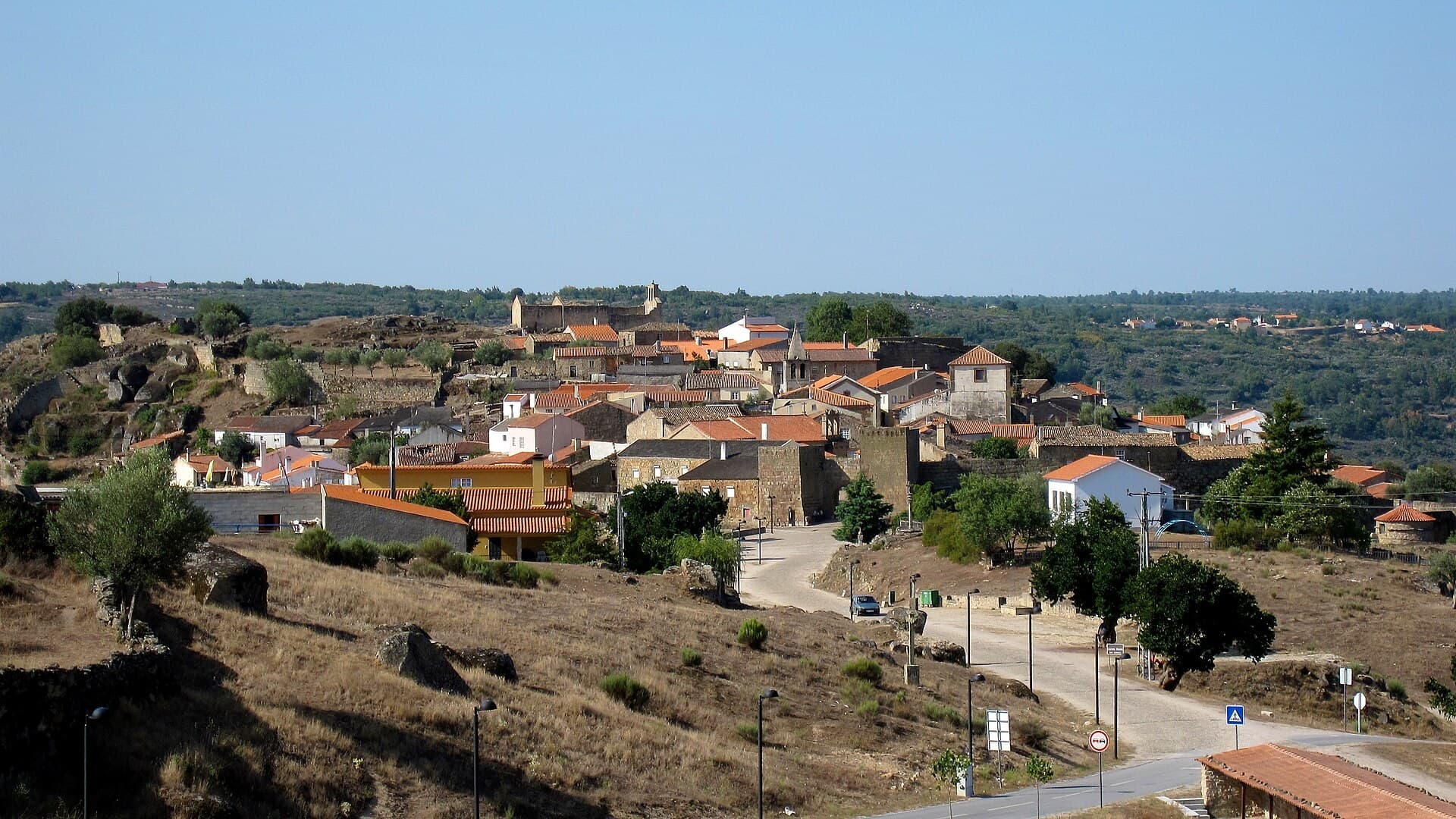
Castelo Mendo Guide
Guarda, Portugal
A walled medieval village on Portugal's Spanish frontier
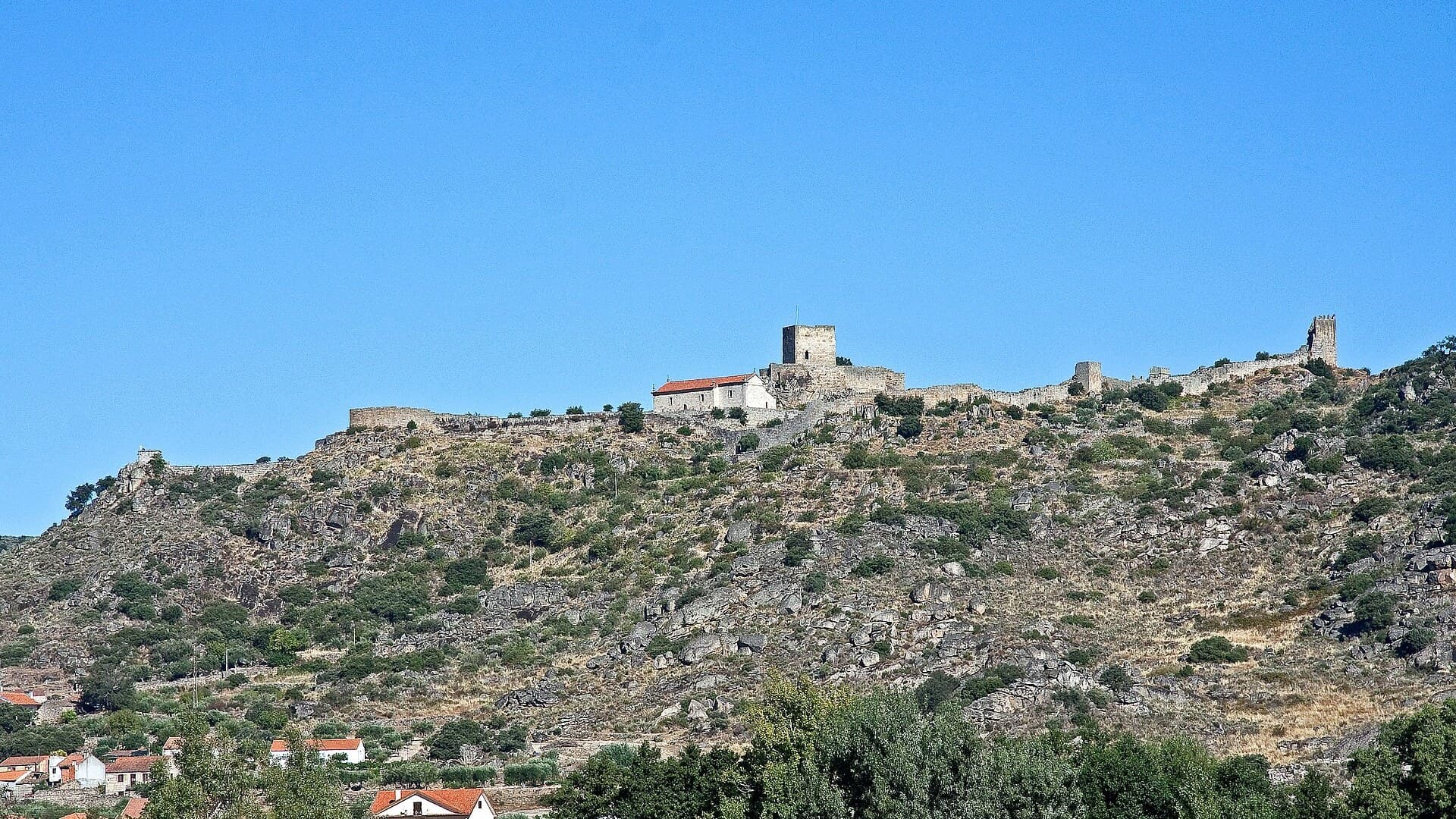
Marialva Guide
Guarda, Portugal
Explore Marialva’s granite citadel, historic railway views, and peaceful countryside – a perfect 1‑2 day stop in Guarda’s scenic highlands.
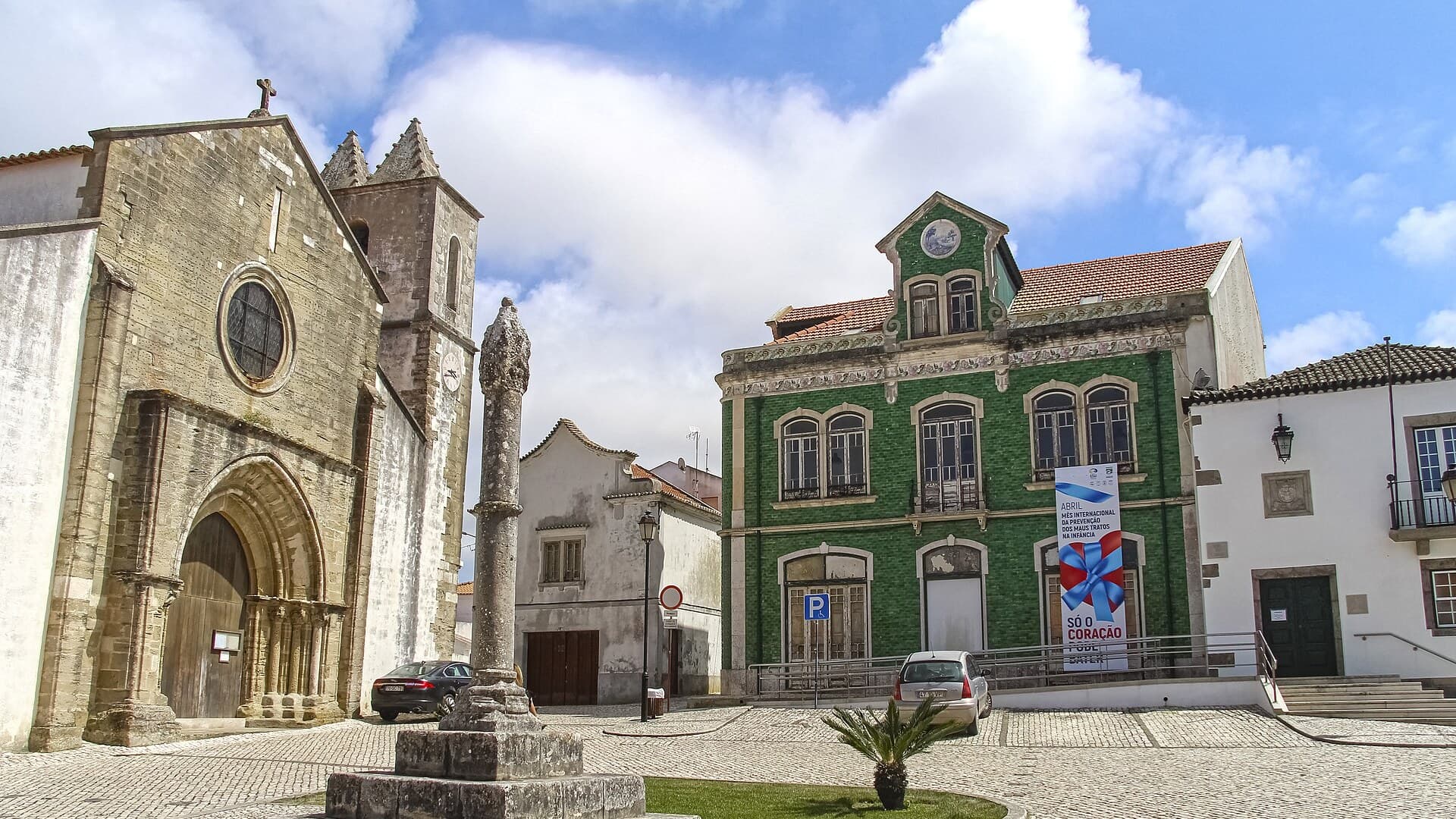
Atouguia da Baleia
Leiria, Portugal
A village named for whales, minutes from the Atlantic

Castelo Novo Guide
Castelo Branco, Portugal
A granite village in the heart of the Gardunha

Ferrel Guide
Leiria, Portugal
A quiet village behind Baleal's beaches and Atlantic surf
Foz d'Égua Guide
Coimbra, Portugal
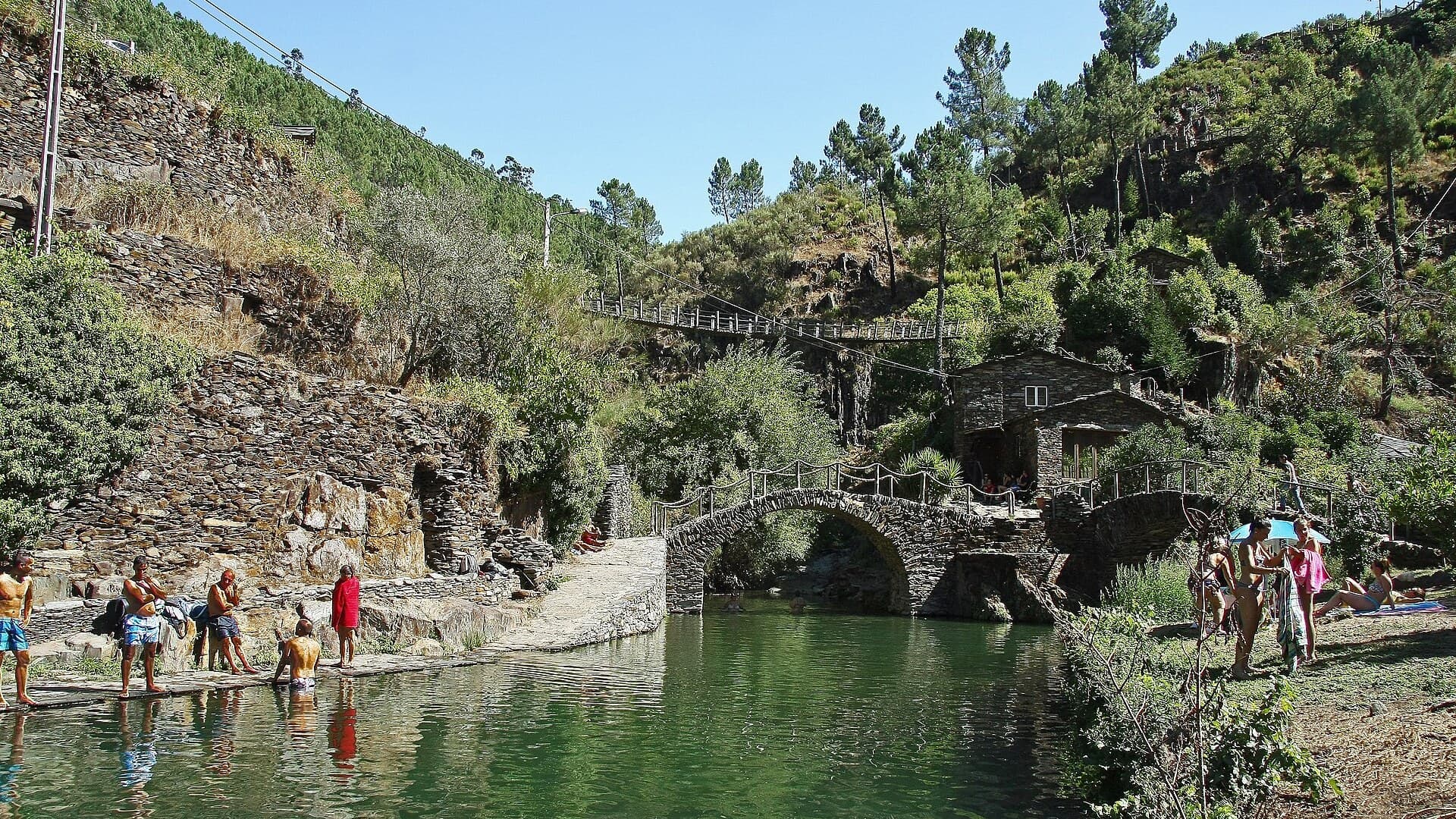
Explore the tranquil river village of Foz d'Égua near Coimbra – a hidden gem with stone bridges, calm waters, and easy hikes to nearby Piódão.

Save these places to your list
Copy the spots you picked into your list — maps and notes included.