
Idanha-a-Velha Guide
A Roman municipium and Visigothic see on the Pônsul, not Monsanto
1 selected
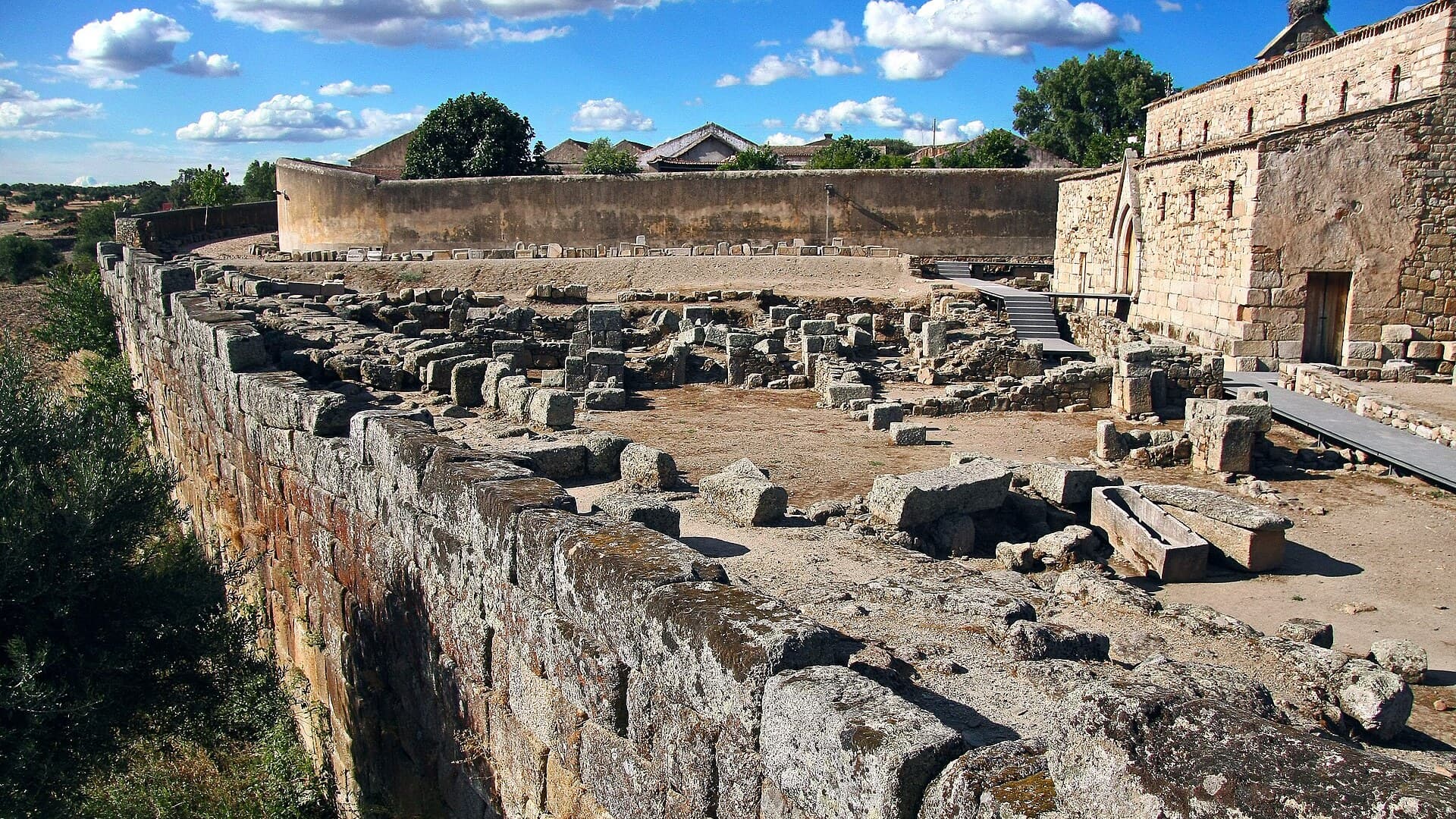
Idanha-a-Velha sits in a Pônsul meander, between three low hills, in the municipality of Idanha-a-Nova, district of Castelo Branco. The present lanes are a modest village. Under them is Civitas Igaeditanorum, a Roman municipium of the Flavians, then the Suebi-Visigothic see of Egitânia. It is one of the twelve Historic Villages of Portugal. The architectural and archaeological ensemble is a National Monument. This is not Monsanto. Monsanto, in the same union parish, is the granite boulder village. Here the floor is Roman, the wall is late-imperial spolia, and the tower on the forum is Templar.
The village itself is a slow morning if you only walk the wall, the old cathedral, the epigraphic archive and the Pônsul bridge. Stay overnight in Idanha-a-Nova if the point is this floor plus Monsanto the next day. A week inside these lanes has nowhere to spend it. Do not treat the place as a dining street, and do not assign the 2021 union census of 766 people to this hill. That number includes Monsanto. The old parish counted 63 residents in 2011.
There is no station at the north gate. The chain that works is a hire car from Castelo Branco on the A23, then N233 toward Idanha-a-Nova and the signed last road to the Pônsul. Aldeias Históricas lists the A23 as the access for both this village and Monsanto. The Beira Baixa line reaches Castelo Branco. From there a bus toward Idanha-a-Nova still leaves you short of the meander. Once you are in, you walk. The lanes are granite. Bags on wheels stop at the gate.
A municipium under the lanes
The Historic Villages network dates the foundation to the late first century BC: an oppidum stipendiarium under Augustus, then Civitas Igaeditanorum and a municipium in the Flavian years, 69 to 96. The forum still shows a temple podium on a cryptoporticus; the network reads imperial cult, not a certainty of Venus. In the third and fourth centuries a reduced wall went up from columns, epigraphs and friezes of the high-imperial city, with circular towers and gates north and south. Baths and the bridge over the Pônsul sit outside that circuit. Mid-sixth century the see of Egitânia was created. In 585 the Suebi kingdom ended and the Visigothic one began. Two baptisteries survive from that Christian floor, among the oldest in the territory. In 715 the city was taken by Muslim armies; how long they stayed is not clear. Sancho II held it and gave a foral in 1229. The Templars took the ridge soon after and built the tower on the old podium. The Order of Christ kept the commenda until 1834. Manuel I issued a new foral in 1510; the pillory belongs to that thinning vila. A small municipality existed from 1821 to 1836, then the place passed to Idanha-a-Nova. In 2013 the parish merged with Monsanto. Local tradition names Pope Damasus and King Wamba here. Treat that as tradition, not as a proven birth register.
Oil from the lagar, tables in the new town
Idanha-a-Velha is an archaeology floor, not a dining street. The old olive press now holds the epigraphic archive. That tells you what the fields still pay: oil, a public oven, a Casqueiro festival on the third Sunday of October. Carry water. If a shutter is open, treat it as luck. The kitchens that keep hours sit in Idanha-a-Nova, or, if you insist on granite and a view, in Monsanto. Do not invent a second restaurant row inside the late wall. Beira Baixa food when you do sit down is bread, oil, goat, a heavy stew. The parish feast of Nossa Senhora da Conceição falls on the third Sunday of May. Out of those weekends the meander goes quiet early. This is not Lisbon prices and it is not a food crawl.
How to reach Idanha-a-Velha
Fly into Lisbon or Porto, then reach Castelo Branco. From there a hire car is the chain that works. Aldeias Históricas puts Idanha-a-Velha and Monsanto on the A23. Leave toward Idanha-a-Nova on the N233, then follow the signs down to the Pônsul. There is no useful drop at the north gate. The Beira Baixa line serves Castelo Branco from Lisbon. From the station a bus toward Idanha-a-Nova still leaves the last kilometres to the meander. Confirm CP and Rede Expressos the week you travel. Do not treat a blog hour as a timetable. From Spain the EX-A1 at Monfortinho is the Historic Villages door; that still ends in a car on the last road.
Walk the late wall, then the bridge
Cars do not belong in the archaeology. Park outside the circuit and walk. The late wall is the route: reused stone, circular towers, the north gate, the south gate recently found again. Inside: the Santa Maria cathedral palimpsest, two baptisteries, the forum podium and the Templar tower on top of it, the epigraphic archive in the old lagar (86 of 210 stones on show). Outside the wall: the public baths and the bridge over the Pônsul. That is granite and low steps. Wheels fail here. Monsanto is the other Historic Village in this parish, up the granite. It is a drive, not a coffee stroll. Castelo Mendo, already on this site, is another Historic Village: two walls on the old León line, in Almeida, not a neighbour you walk to. Municipal visits to the monumental complex may need a booking; check cm-idanhanova.pt the week you travel.
Euro on a thin archaeology till
Portugal uses the euro. Cards are ordinary in Idanha-a-Nova and Castelo Branco. Inside the late wall you should not count on a till. Carry cash if a shutter is even open. This is not Lisbon prices, and it is not a square with ATMs. Plugs are Type C and F, 230 V. The emergency number is 112. Portuguese is the public language; some English appears at the archive in season. EU roaming works as in the rest of the country. Mobile coverage in the Pônsul fold is usable, not an office. Tap water is the municipal supply; walkers still carry bottles on the granite.
When to go, and what this floor is not
Spring and October are the walking months: the Casqueiro weekend fills the oven, the granite is dry enough, the Pônsul is not a furnace. IPMA 1991-2020 normals for Castelo Branco, the nearest published table, sit at 386 metres: July and August means around 25 C with daytime highs near 32.5 C, January means around 8 C, and a very dry summer (July and August about 7 mm each). The meander is Beira Baixa heat. Midday in August is a reason to use the wall's shade, not a reason to invent a village climate station. Do not come without a car if this floor plus Monsanto are why you booked. Do not treat Idanha-a-Velha as Monsanto. Do not quote the Spanish Alcántara bridge as if it stood on the Pônsul. Book the monumental complex through the municipality if the archive hours matter, and check cm-idanhanova.pt the week you travel. Idanha-a-Velha is an Idanha-a-Nova Historic Village on the Pônsul, district of Castelo Branco.
FAQ
What is covered in the Idanha-a-Velha guide?
Visit Idanha-a-Velha in Idanha-a-Nova: Roman floor and Visigothic see on the Pônsul, how many nights, car from A23, not Monsanto. Updated 2026. It includes 1 recommendations across 1 gallery.
Next →How many places are in the Idanha-a-Velha guide?
The Idanha-a-Velha guide lists 1 places: 1 gallery.
Next →Where is Idanha-a-Velha?
Idanha-a-Velha is in Castelo Branco, Portugal (39.9968, -7.1438).
Next →How do you get to Idanha-a-Velha?
Fly into Lisbon or Porto, then reach Castelo Branco. From there a hire car is the chain that works. Aldeias Históricas puts Idanha-a-Velha and Monsanto on the A23. Leave toward Idanha-a-Nova on the N233, then follow the signs down to the Pônsul. There is no useful drop at the north gate. The Beira Baixa line serves…
Next →What should you eat in Idanha-a-Velha?
Idanha-a-Velha is an archaeology floor, not a dining street. The old olive press now holds the epigraphic archive. That tells you what the fields still pay: oil, a public oven, a Casqueiro festival on the third Sunday of October. Carry water. If a shutter is open, treat it as luck. The kitchens that keep hours sit i…
Next →Is there camping in Idanha-a-Velha?
No camping listings in this pack yet — we do not invent venues. Entries will appear once verified.
Next →Can you rent a bike in Idanha-a-Velha?
No bike rental listings in this pack yet. Verified shops will be added when available.
Next →What are recommended gallery in Idanha-a-Velha?
Highlighted gallery in the Idanha-a-Velha guide: Idanha-a-Velha on the Pônsul.
Next →Highlighted places
- Idanha-a-Velha on the Pônsul — The Historic Village over Civitas Igaeditanorum, Idanha-a-Nova.
Explore on the map
Tap a pin to highlight its place card
All
1 spots
Recommended places
Gallery
1 · 1 selected
Idanha-a-Velha on the Pônsul
gallery
Related guides
Browse nearby destinations
Atouguia da Baleia
Leiria, Portugal
Older Peniche parish: church, castle scraps, Consolação on the sand
Castelo Mendo Guide
Guarda, Portugal
A double-walled Historic Village on the old León line, not Monsanto
Ferrel Guide
Leiria, Portugal
Quiet Peniche parish next to Baleal
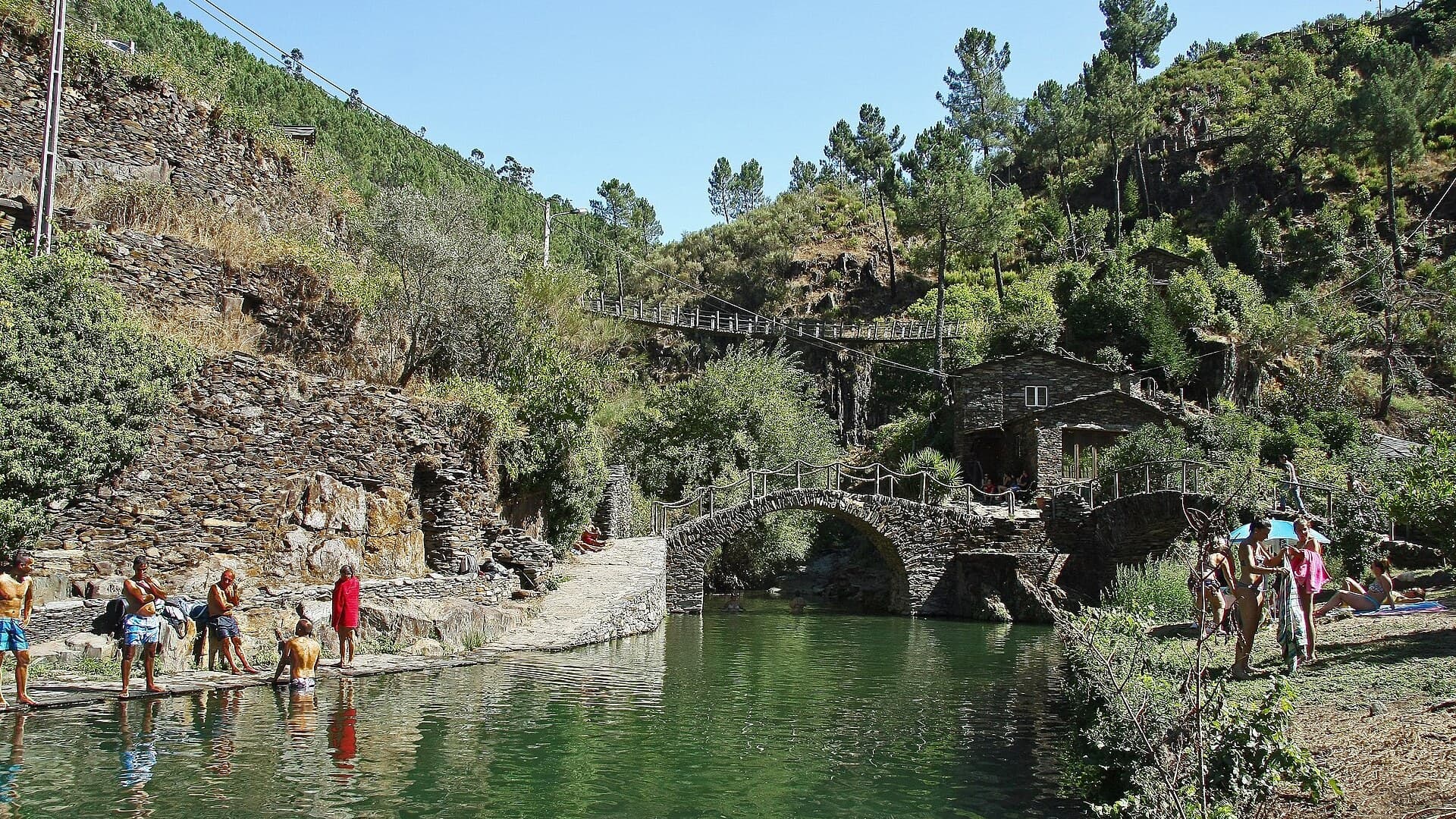
Foz d'Égua Guide
Coimbra, Portugal
A Serra do Açor schist hamlet and river pool below Piódão, not Foz do Arelho
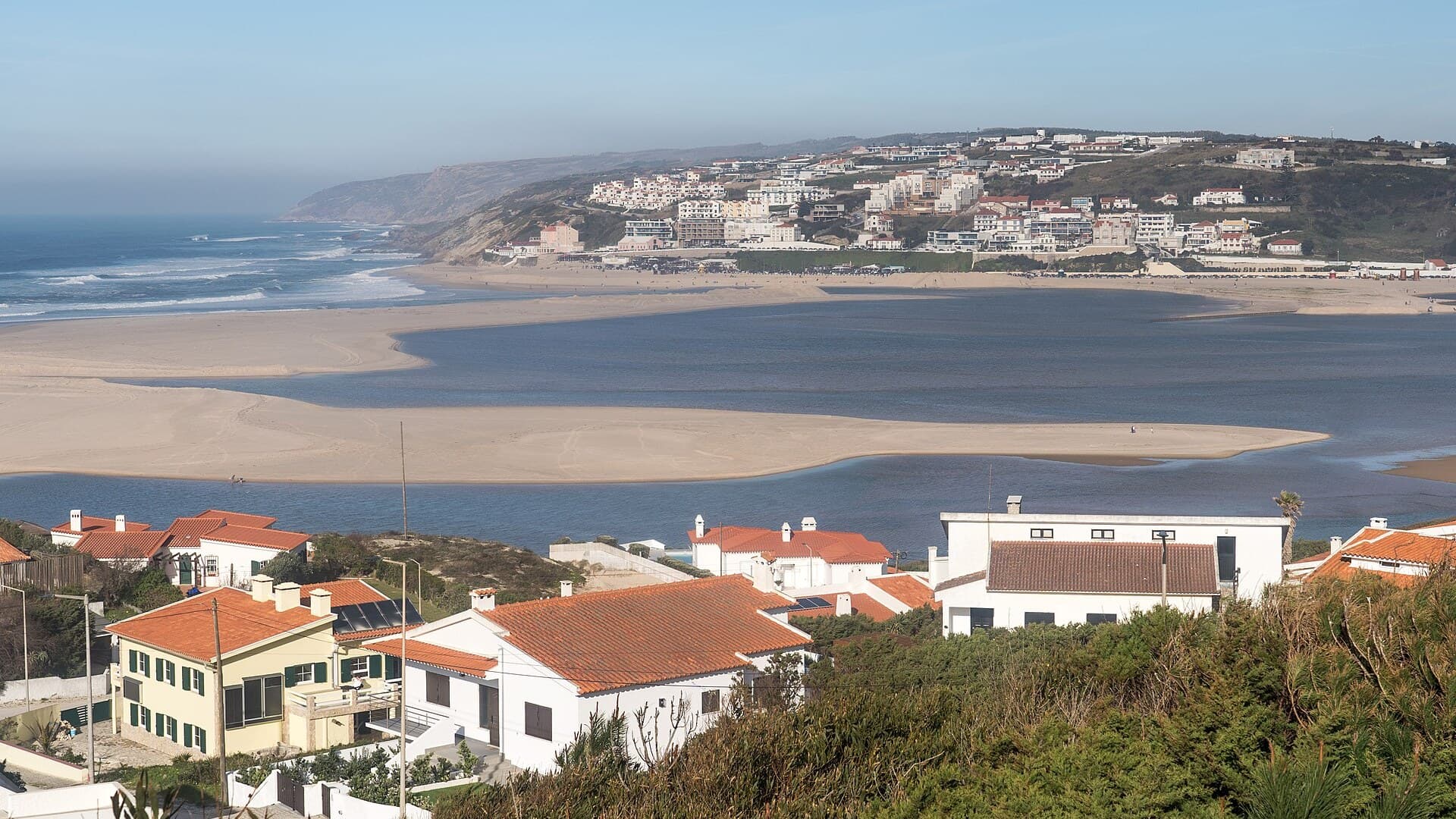
Foz do Arelho Guide
Leiria, Portugal
Where the Óbidos lagoon meets the Atlantic, west of Caldas da Rainha
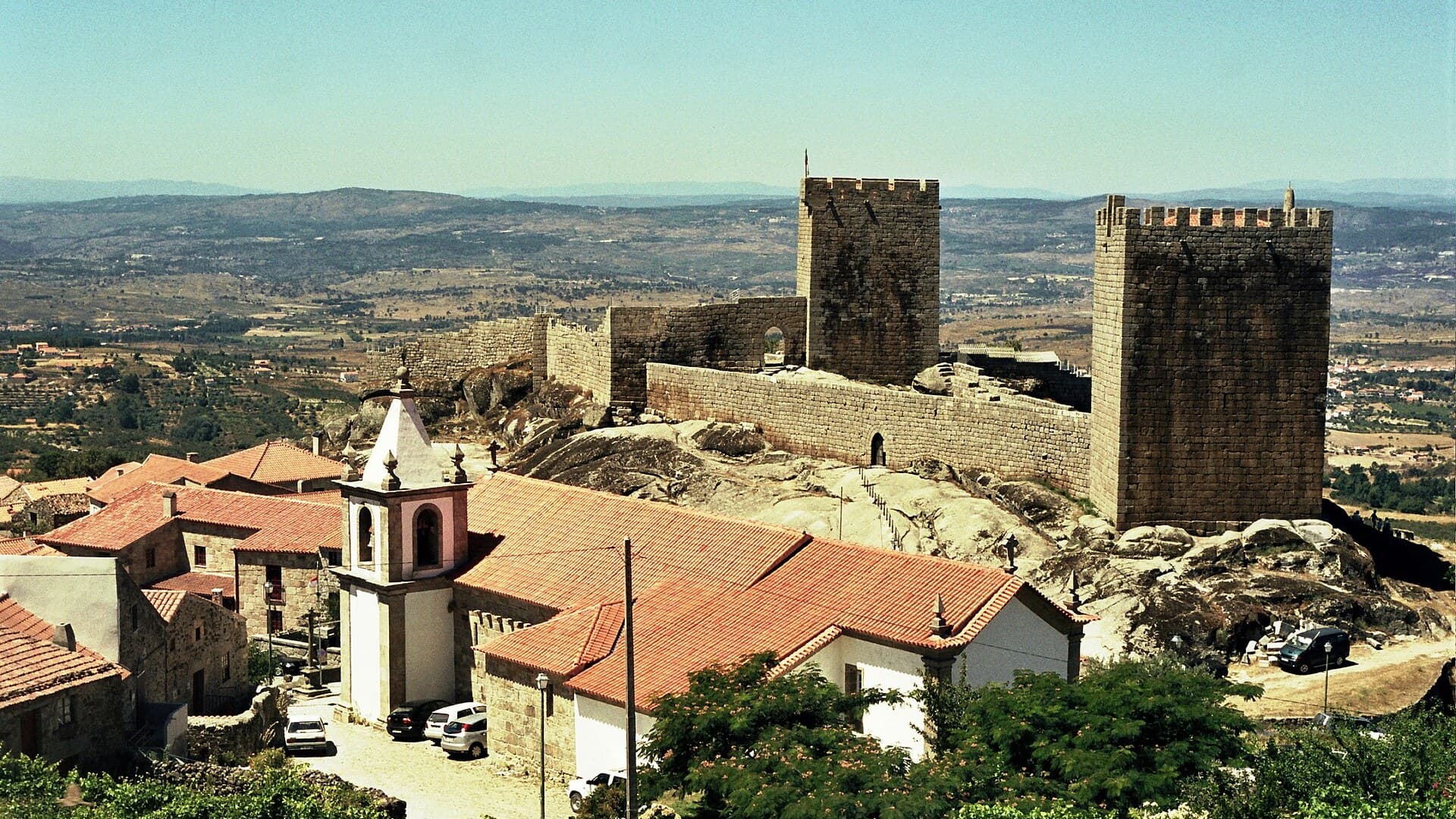
Linhares da Beira Guide
Guarda, Portugal
A Serra da Estrela sentry village with a Dinis keep and a medieval forum

Save these places to your list
Copy the spots you picked into your list — maps and notes included.