
Zhuge Bagua Village Guide
Ming clan village on a bagua plan in Lanxi, Zhejiang, not the Anhui Huizhou pair
1 selected
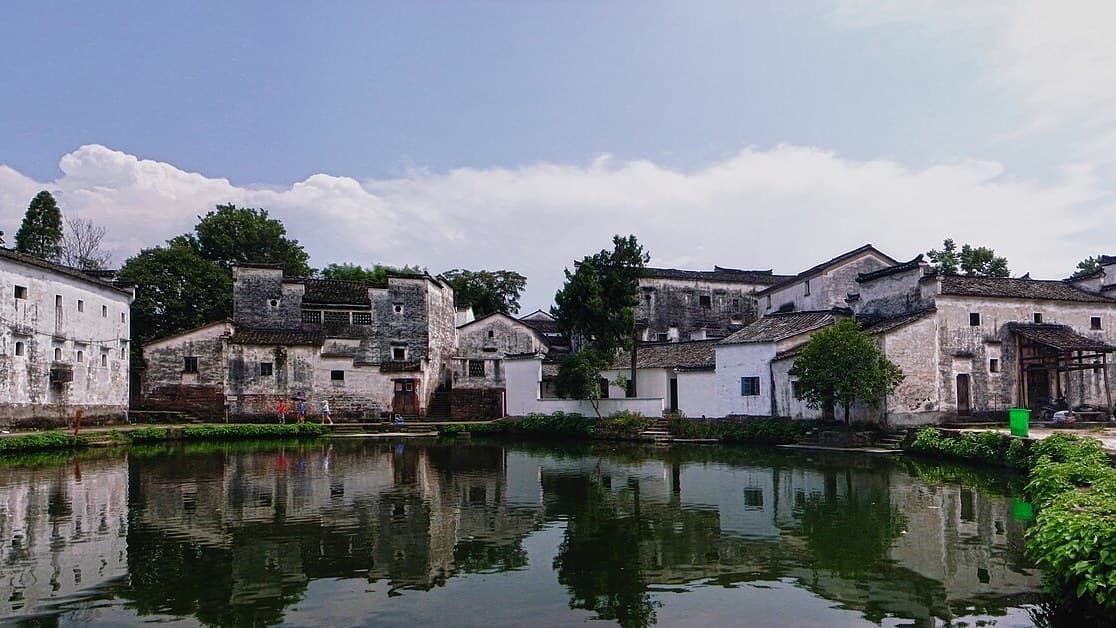
Zhuge Village, Zhugecun, sits in Zhuge Town, Lanxi, a county-level city under Jinhua, in west-central Zhejiang, China. The visitor centre for the scenic area sits near 29.25 N, 119.30 E. The village lies next to Jiande and Longyou, about two kilometres from Changle village. This is the Zhejiang bagua village, not a generic Jiangnan water town, and not Hongcun or Xidi in Anhui.
Population counts vary: a 1992 survey gave about 890 families and 2,900 people; more recent local figures speak of about 350 houses and 2,500 people; older travel notes sometimes put 4,000. Treat the live headcount as unpublished. The residents claim descent from Zhuge Liang of Shu Han, through his grandson Zhuge Jing, and as one branch of a larger clan numbering thousands in later generations.
The plan is the reason to come. Buildings follow bagua and feng shui lines. A Bell Pond sits at the centre, eight lanes radiate out, and eight hills ring the site, an inner and outer trigram. Local tradition attributes the skyline to Zhuge Dashi in the Southern Song. The village was Gaolong, then took the Zhuge name in the Ming when the surname filled the lanes. From the Ming, the side trade was Chinese medicinal herbs, and money went into ancestral halls and houses.
Hongcun and Xidi, in Yi County, Huangshan, Anhui, are the UNESCO pair of 2000, the Huizhou villages that English itineraries actually name. This is a different province and a different clan story. English destination writing barely covers Lanxi. That is the honest pitch.
One full day from Lanxi covers the pond, a circuit of lanes, and two or three halls. A second night only earns its keep if you add Changle, which shares the 1996 national heritage listing, or you are already moving between Jinhua and Jiande. A week in the village is too much village. The site carries a national 4A scenic rating. Current ticket prices and winter hours are not stable in published English. Check the gate the week you travel. Do not invent a price.
The lanes are a walk and a maze. There is no metro and no tram. You do not need a car inside the bagua. You do need a plan for Lanxi, the county-level city on the Lan River. Published last-kilometre timetables are thin. Arrive as far as Lanxi or Jinhua, then confirm a local bus or a hired car. Families who want a flat lakeside boardwalk should look at a different Zhejiang town. Heat, a ticketed gate, and a closed hall on a thin weekday are the practical problems.
The bagua plan, the Zhuge halls, a day off the Anhui circuit: yes. A substitute Hongcun, a canal-town week, a laptop month: no. Do not file this under Wuzhen, Zhouzhuang, or any unnamed ancient town.
From Gaolong to a listed bagua village
Historians date the settlement to the Yuan and the old name to Gaolong. Most residents were already Zhuge. They call themselves descendants of Zhuge Jing, grandson of Zhuge Liang. In the mid-Ming the village took the clan name. From then the side trade was medicinal herbs, and the halls and houses of the Ming and Qing are what you walk through. Local tradition credits the skyline to Zhuge Dashi in the Southern Song, built to remember Zhuge Liang. Keep both lines. The plan is older than the Ming rename; the standing fabric is mostly Ming and Qing. In 1996 the houses of Zhuge and nearby Changle were jointly listed in the fourth batch of National Key Cultural Relics Protection Units. The site also carries a national 4A scenic rating. Older travel writing spoke of more than 200 Ming and Qing sites and of a structure that had lasted some 700 years. Do not turn that into a foundation year of 1300 without a better source. This is not the Huizhou story. Hongcun and Xidi, inscribed together in 2000, sit under Huangshan in Anhui. They are the English-language default for a preserved village in eastern China. Zhuge is a Lanxi clan village with a bagua street plan. File it there.
Eating in Zhuge Village
The village is not a restaurant town. The sources do not describe a cuisine that belongs only to these lanes. You are in inland Zhejiang. Rice, a vegetable, tea, and whatever a ticketed scenic village puts next to the gate: that is the pattern, not a dining map. Arrive hungry late on a thin weekday and you will eat in Lanxi, not in a hall. If you walk the eight lanes, take water. There is no picnic culture published for the ancestral courtyards, and the courtyards are not a canteen.
How to get to Zhuge Village
The door is Lanxi, under Jinhua, on the Lan River, a tributary toward the Fuchun and Hangzhou Bay. Published timetables to Zhuge Town are thin. The village sits next to Jiande and Longyou. High-speed rail exists in the Jinhua prefecture. Whether your train is Lanxi or Jinhua is a live ticket, not a sentence in this guide. From Hangzhou or Shanghai the last step is local. No bus number here can be trusted for 2026 without checking on the ground. Hire from Lanxi or confirm the town bus the morning you go. Do not treat a twenty-year-old travel page as a clock. There is no useful English-language airport in Lanxi. Yiwu, Hangzhou, and the other Zhejiang fields are city arrivals. A day without a night near Lanxi is a long day of transfers.
Moving around Zhuge Village
The village is a walk and a puzzle. Eight lanes leave the pond and do not behave like a grid. The alleys read as a labyrinth. You do not need a bus inside the bagua. You do need an offline map or a willingness to retrace. There is no metro and no tram. A hired car waits at the visitor centre, not in a courtyard. If heat, steps, or a ticketed one-way flow are a problem, the village is already hard. The pond is the flat ground. The rest is a Ming street plan that was not drawn for wheelchairs or for a stroller at noon in August. Changle, about two kilometres away, is a second listed cluster, not a second itinerary unless you have time and a vehicle.
Money and staying connected
China pays in renminbi (CNY), yuan at the till. Mobile pay is ordinary in Zhejiang cities. A ticketed village is a poor place to discover that your foreign card is theatre and the QR code is the till. Bring a working mainland payment method from Hangzhou or Jinhua. Nobody publishes a Zhuge daily budget. The line you cannot price from an English table is the gate ticket, which the sources here do not quote. Mobile coverage in a 4A village is usually fine. Café Wi-Fi is not an office. Download an offline map before Lanxi. Plugs are Type A, Type C and Type I, 220 V. Emergency number 110 for police, 120 ambulance, 119 fire. China keeps a single civil time, UTC+8. Do not drink an unknown tap in a village courtyard. Buy sealed water in Lanxi.
Weather, manners, and what goes wrong
Inland Zhejiang is hot and wet in summer, raw in winter, and crowded at national holidays. The sources used here do not publish a village climate table. Hangzhou and Jinhua weather is the usable proxy. October and April are the months that hurt less if you came to walk lanes. A National Day week is the month that looks good on a calendar and feels like a queue. People live in those halls. It is a clan village with a ticket gate, not a film set. Ask before you photograph faces and altars. Keep voices down in ancestral rooms. Pay at the gate in yuan. The usual errors: filing this under Hongcun. Expecting a canal and a night market. Arriving without a mainland payment app. Pricing a 4A ticket from a blog as if it were a tariff. Treating China.org.cn hours from twenty years ago as today’s board. Violent crime against visitors is not the story the sources tell. Heat, a closed hall, a missed last bus to Lanxi, and a maze you did not download are. Check the gate time twice. Carry water. This is Lanxi, Zhejiang, the Zhuge bagua village. Postal details for the scenic area are not stable across the English pages. Use Lanxi as the address.
FAQ
What is covered in the Zhuge Bagua Village guide?
Visit Zhuge Village in Lanxi, Zhejiang: bagua lanes, the 1996 listing, how it differs from Hongcun and Xidi, and how to reach Lanxi. Updated 2026. It includes 1 recommendations across 1 gallery.
Next →How many places are in the Zhuge Bagua Village guide?
The Zhuge Bagua Village guide lists 1 places: 1 gallery.
Next →Where is Zhuge Bagua Village?
Zhuge Bagua Village is in Zhejiang, China (29.2475, 119.2991).
Next →How do you get to Zhuge Bagua Village?
The door is Lanxi, under Jinhua, on the Lan River, a tributary toward the Fuchun and Hangzhou Bay. Published timetables to Zhuge Town are thin. The village sits next to Jiande and Longyou. High-speed rail exists in the Jinhua prefecture. Whether your train is Lanxi or Jinhua is a live ticket, not a sentence in this…
Next →What should you eat in Zhuge Bagua Village?
The village is not a restaurant town. The sources do not describe a cuisine that belongs only to these lanes. You are in inland Zhejiang. Rice, a vegetable, tea, and whatever a ticketed scenic village puts next to the gate: that is the pattern, not a dining map. Arrive hungry late on a thin weekday and you will eat…
Next →Is there camping in Zhuge Bagua Village?
No camping listings in this pack yet — we do not invent venues. Entries will appear once verified.
Next →Can you rent a bike in Zhuge Bagua Village?
No bike rental listings in this pack yet. Verified shops will be added when available.
Next →What are recommended gallery in Zhuge Bagua Village?
Highlighted gallery in the Zhuge Bagua Village guide: Zhuge Village, Lanxi.
Next →Highlighted places
- Zhuge Village, Lanxi — Listed clan lanes in Zhuge Town, Zhejiang.
Explore on the map
Tap a pin to highlight its place card
All
1 spots
Recommended places
Gallery
1 · 1 selected
Zhuge Village, Lanxi
gallery
Related guides
Browse nearby destinations
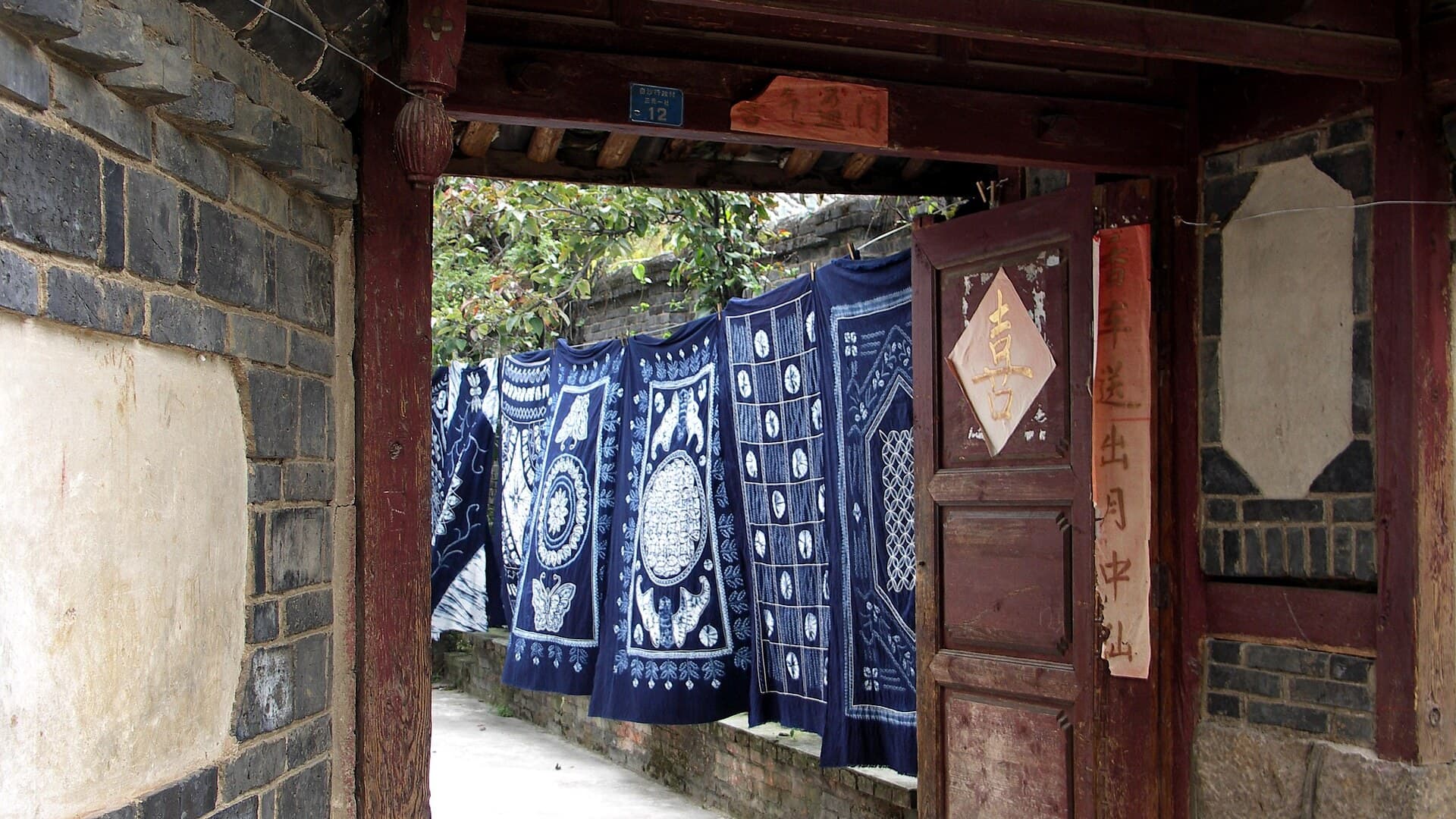
Baisha
Yunnan, China
Naxi town 12 km north of Lijiang Old Town, quieter than Dayan

Riwa Guide
Sichuan, China
Shangri-La Town in Daocheng County, the usual overnight before Yading
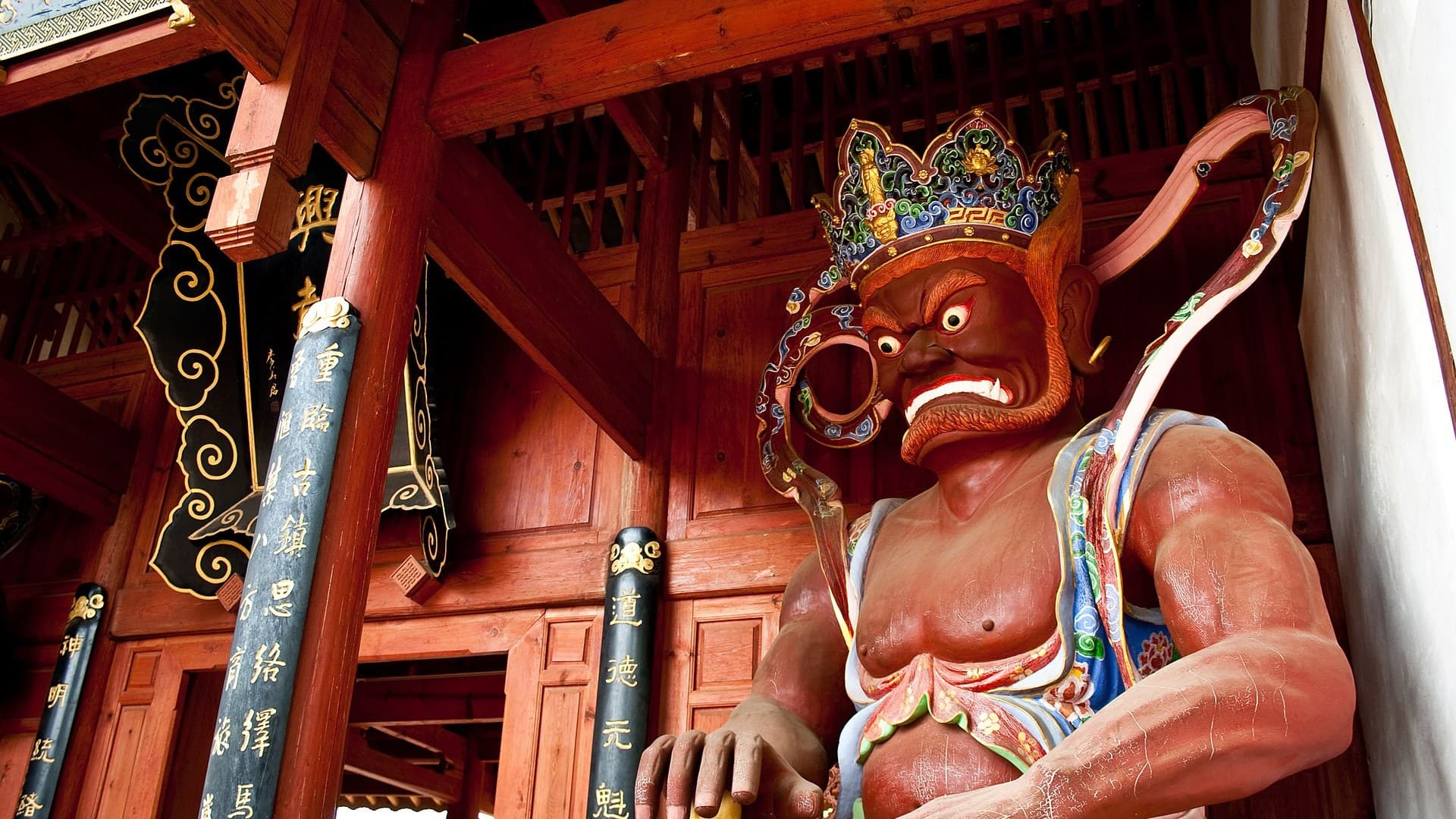
Shaxi Guide
Yunnan, China
Walk Sideng square between Dali and Lijiang, not the old town grid of Dayan
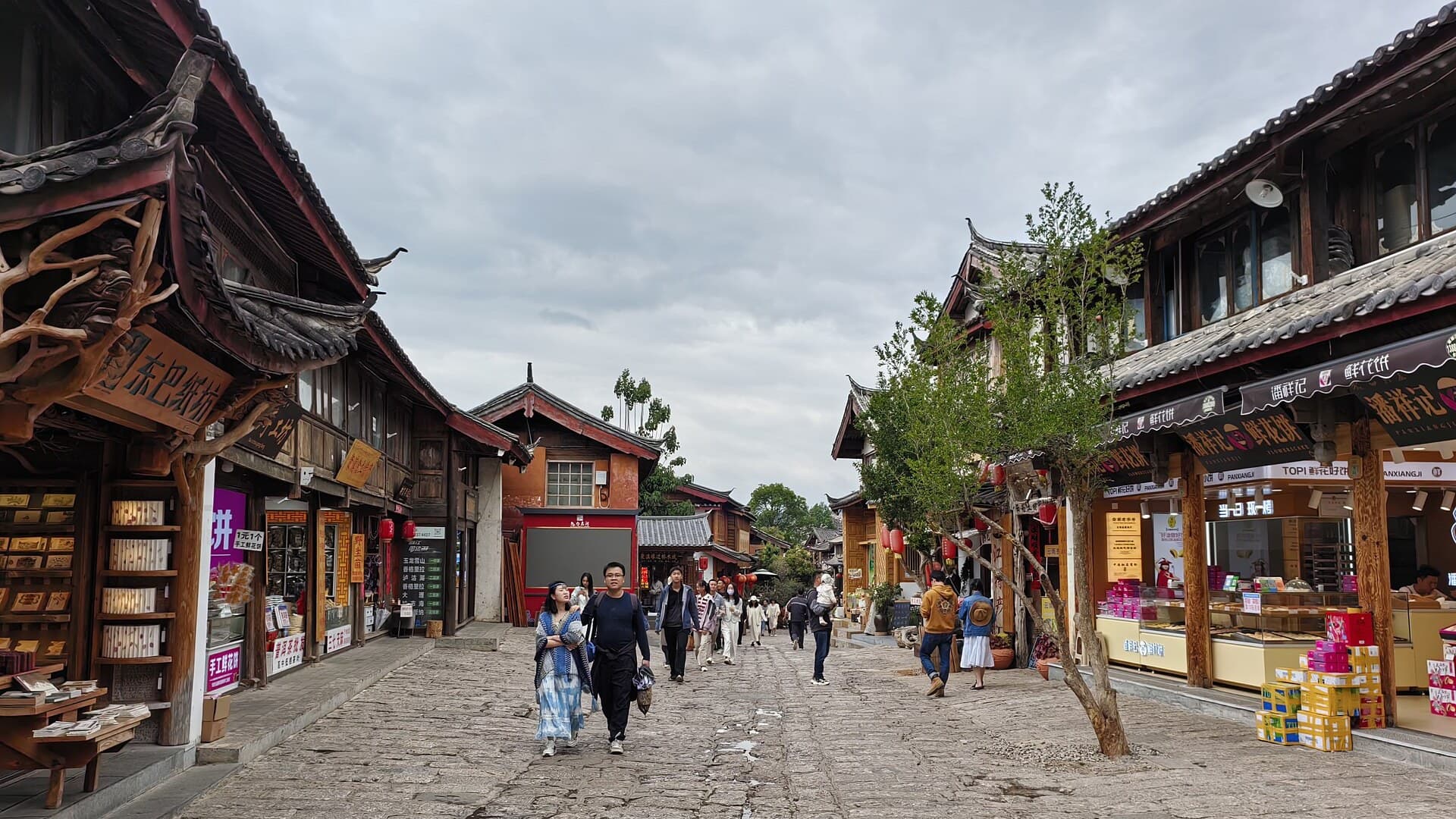
Shuhe Guide
Yunnan, China
Canal town west of Lijiang Old Town, not Baisha and not Shaxi
Tagong Guide
Sichuan, China
Kham grassland town between Kangding and Litang, with a Sakya monastery

Yubeng Guide
Yunnan, China
Twin villages under Meili Snow Mountains, a hiking base in Deqin County

Save these places to your list
Copy the spots you picked into your list — maps and notes included.