
Shaxi Guide
Walk Sideng square between Dali and Lijiang, not the old town grid of Dayan
6 selected

Explore on the map
Tap a pin to highlight its place card
All
1 spots
Recommended places
Hotels
5 · 5 selected · View all Hotels
- hotels
Shaxi Cato's Inn
Shaxi Cato's Inn offers comfortable accommodation with a range of services and amenities for a relaxing stay.
- hotels
Dengfeng Qingjing Courtyard Hotel
Dengfeng Qingjing Courtyard Hotel offers accommodation in Shaxi. Guests can take advantage of the various amenities provided by the hotel.
- hotels
Tourist Courtyard
Tourist Courtyard welcomes guests in Shaxi, offering a range of services.
- hotels
Shaxi Aoding Courtyard
Shaxi Aoding Courtyard welcomes guests in Dali, offering complimentary wireless internet and various dining options.
- hotels
Old Theatre Inn
Old Theatre Inn is located in Shaxi and offers various amenities for its guests.
Gallery
1 · 1 selected
Sideng square
gallery
Related guides
Browse nearby destinations
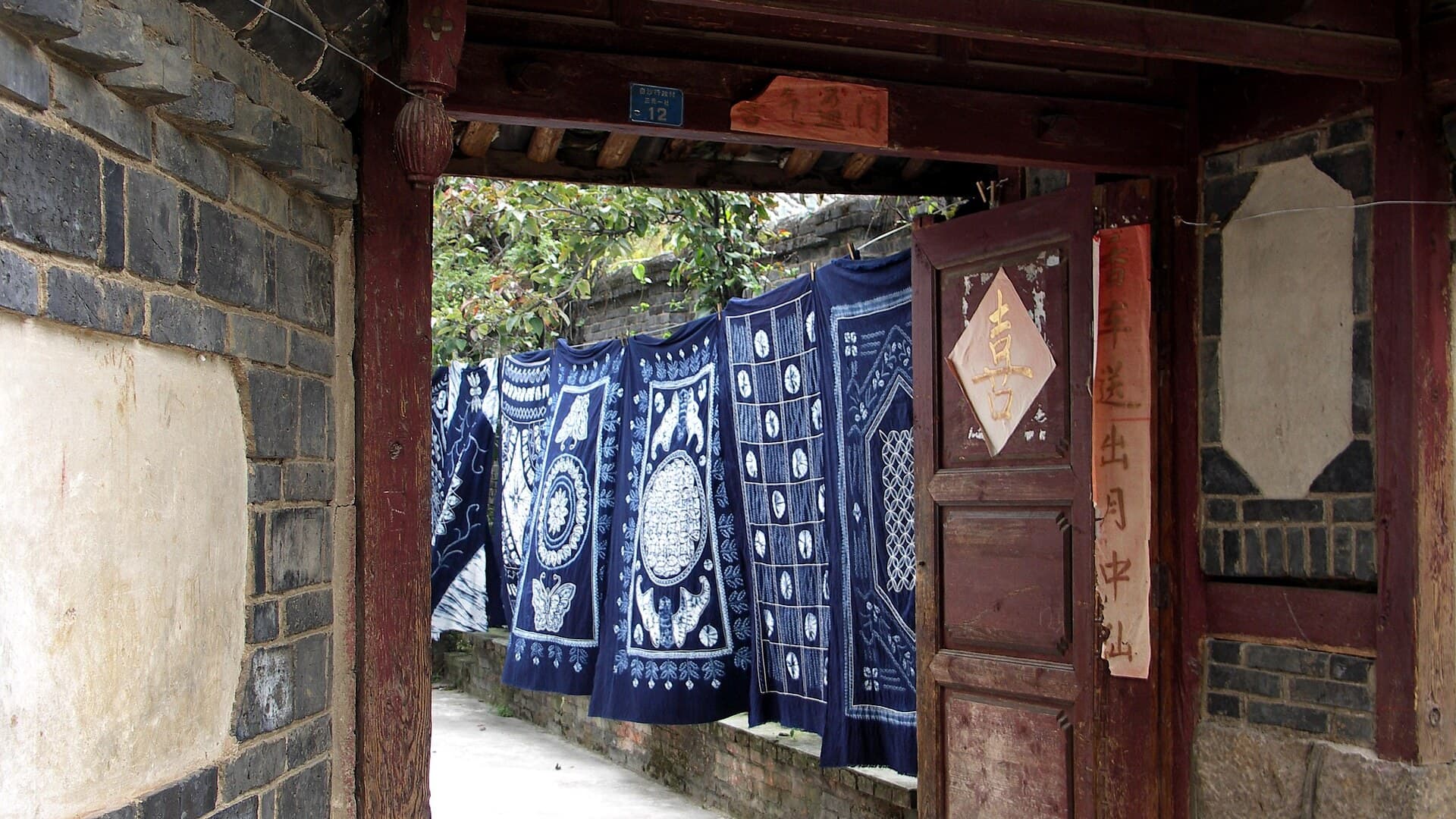
Baisha
Yunnan, China
Naxi town 12 km north of Lijiang Old Town, quieter than Dayan
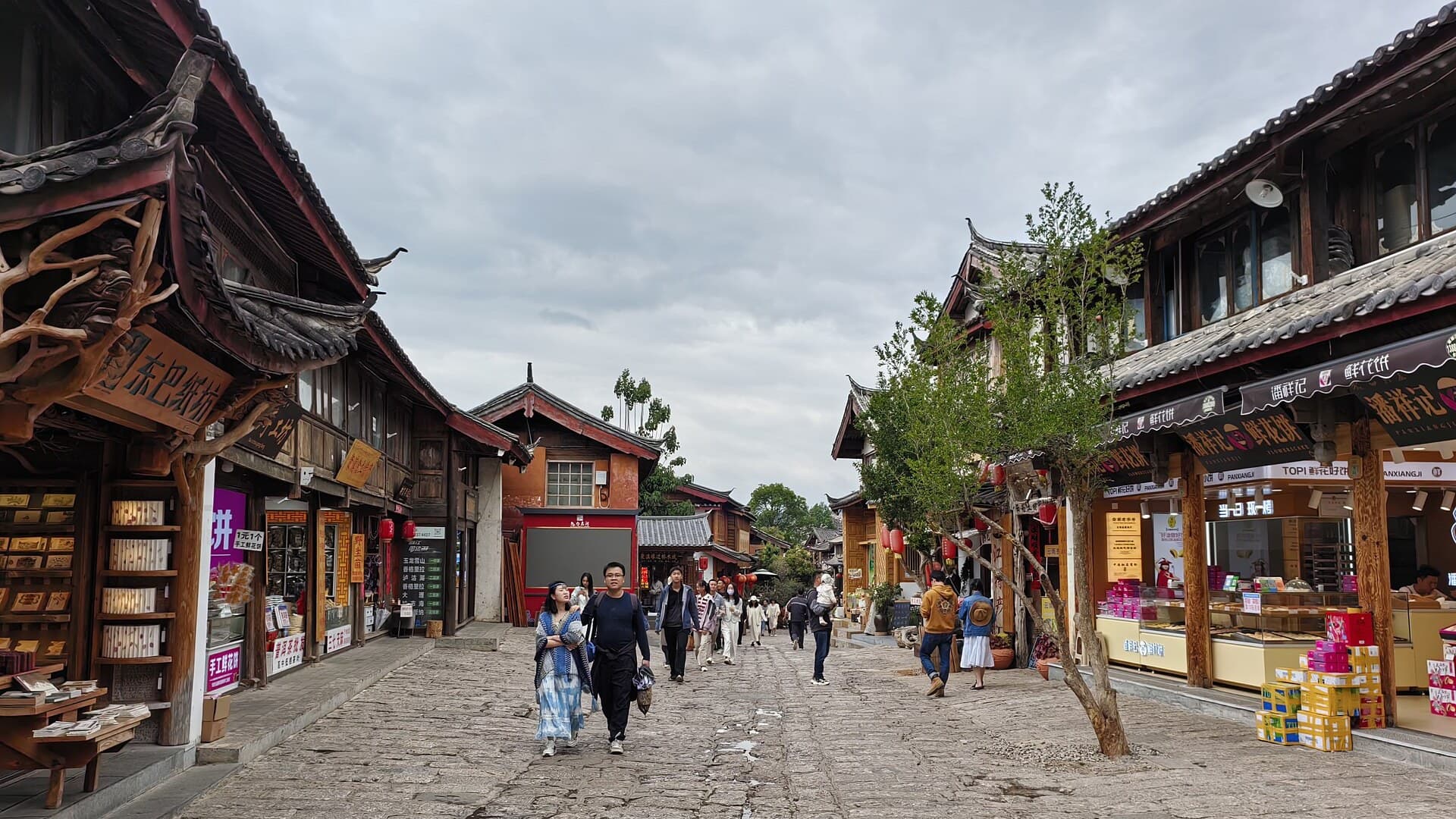
Shuhe Guide
Yunnan, China
Canal town west of Lijiang Old Town, not Baisha and not Shaxi

Yubeng Guide
Yunnan, China
Twin villages under Meili Snow Mountains, a hiking base in Deqin County

Riwa Guide
Sichuan, China
Shangri-La Town in Daocheng County, the usual overnight before Yading
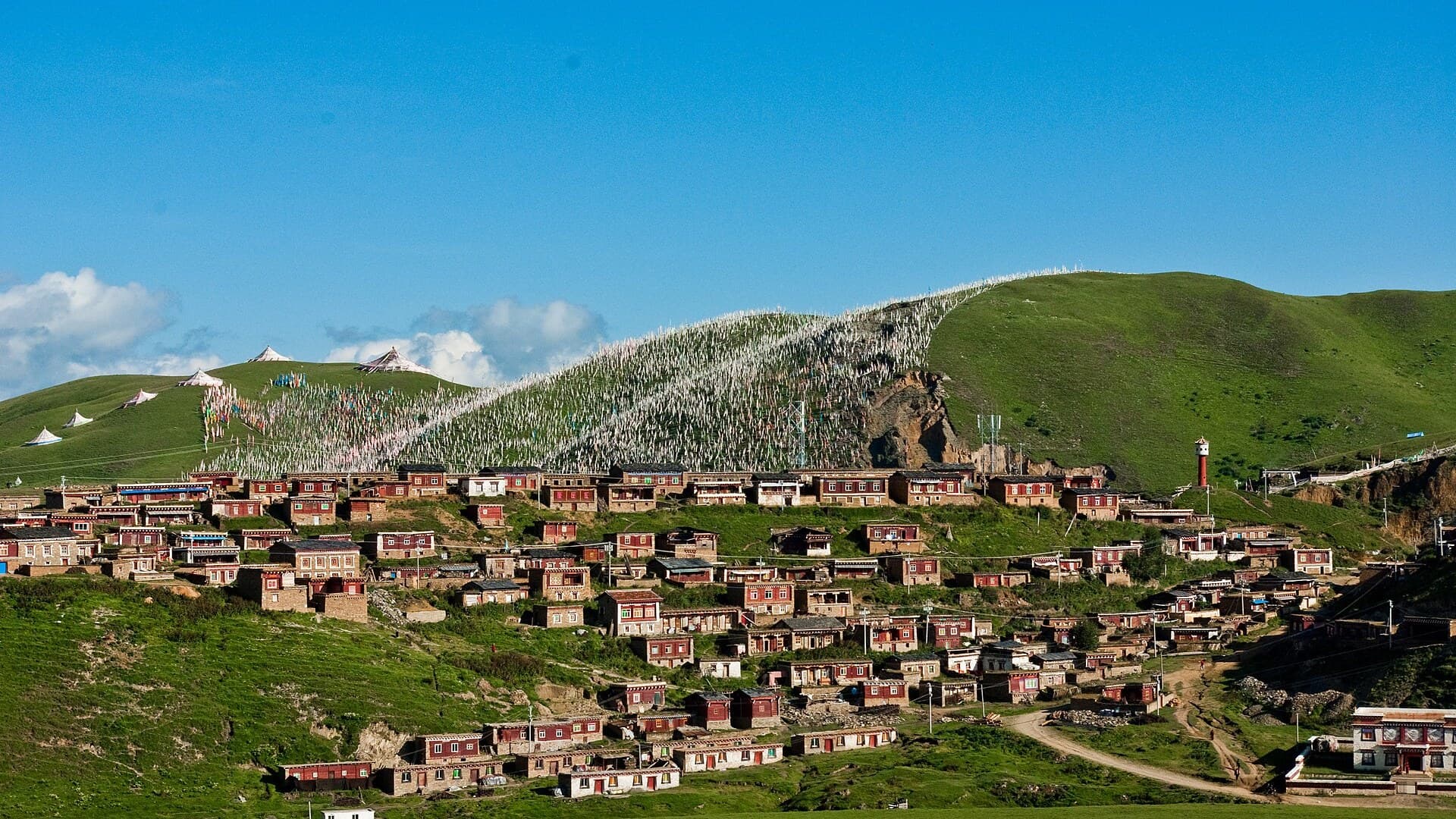
Tagong Guide
Sichuan, China
Kham grassland town between Kangding and Litang, with a Sakya monastery
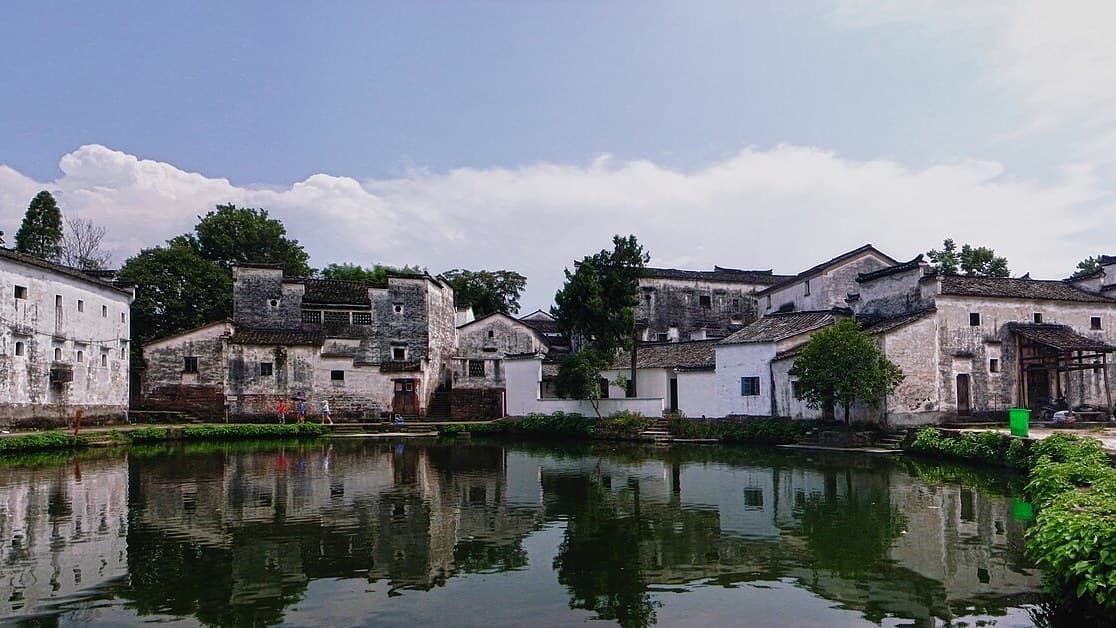
Zhuge Bagua Village Guide
Zhejiang, China
Ming clan village on a bagua plan in Lanxi, Zhejiang, not the Anhui Huizhou pair

Save these places to your list
Copy the spots you picked into your list — maps and notes included.