
Shuhe Guide
Explore Shuhe: a tranquil canal town west of Lijiang Old Town, perfect for a relaxed day trip with scenic lanes, historic architecture, and local tea culture.
1 selected
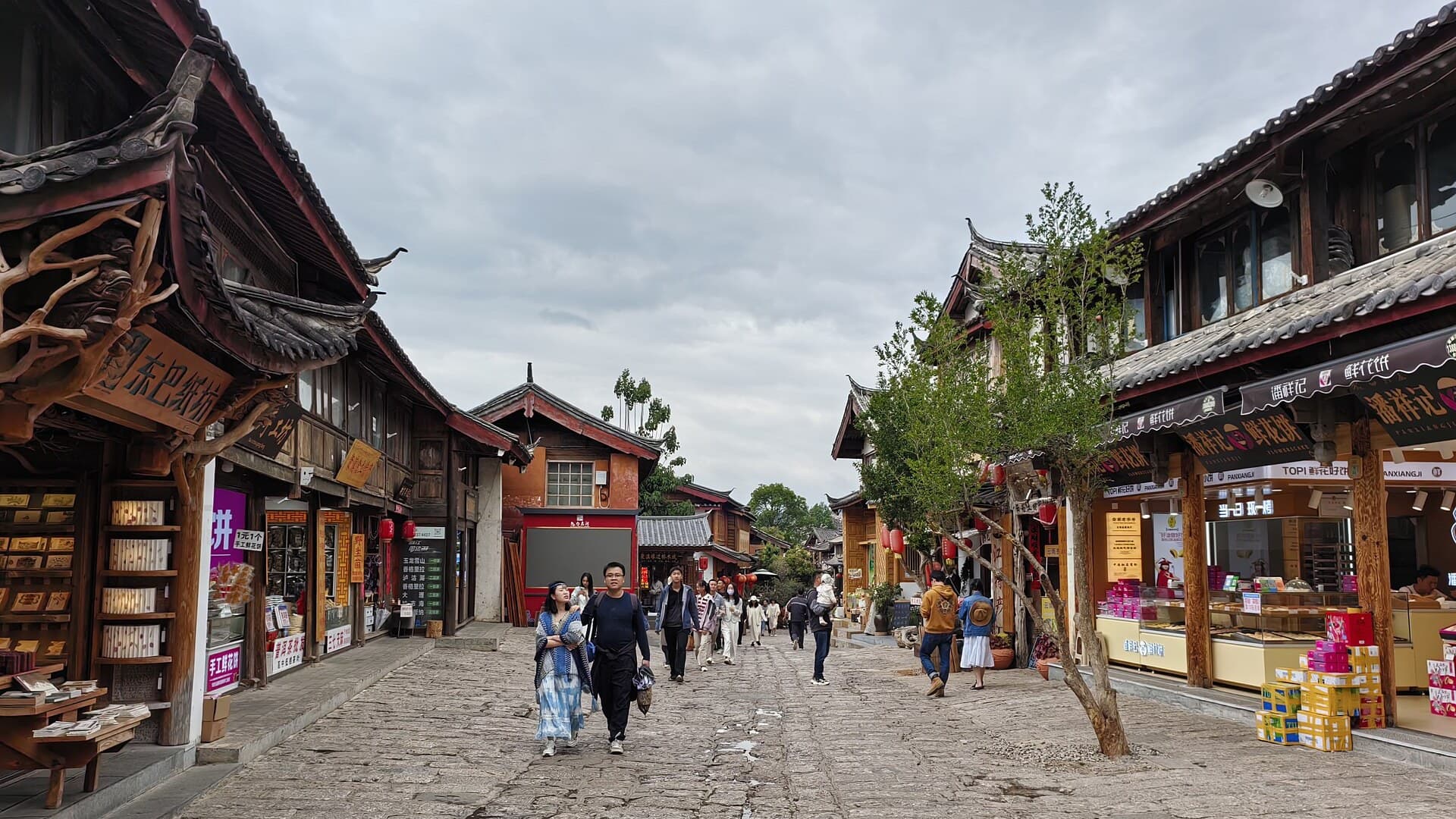
Shuhe is a quiet canal town in Gucheng District, Lijiang, Yunnan, best visited as a one‑day or overnight stop after exploring Dayan Old Town. Its narrow water‑lit lanes, Ming‑era murals and Tea Horse Road museum offer a calm contrast to the bustling Bar Street of Dayan.
Shuhe sits at 26.92 N, 100.20 E, about eight kilometres west of Lijiang’s UNESCO‑listed Dayan Old Town. The town is part of a 122 km² subdistrict that had roughly 9,600 residents in 2023. It is one of the earliest Naxi settlements and was a historic market on the Tea Horse Road.
The best way to reach Shuhe from Lijiang is by city bus: routes 5a, 5b, 6 or 11 depart from Dayan Old Town and take under thirty minutes. Taxis also stop at the town gates, and bicycles can be rented in Dayan for a more intimate walk along the canals. No car is needed inside Shuhe; the streets are narrow and best explored on foot.
A single afternoon is enough to wander the canal network, visit the Tea Horse Road museum (located in a former temple at the north gate – opening hours vary seasonally), and admire the Ming‑era murals that trace the Naxi transition from farming to trade. If you prefer a night beside the water, book a guesthouse on the western side of the town; an overnight stay lets you wake to the gentle flow of the canals instead of Dayan’s bar street.
For those who want to combine Shuhe with other nearby sites, add a day at Baisha (ten kilometres north, known for its murals) or a short trip to Shaxi (halfway between Dali and Lijiang). A week in Shuhe alone would be excessive; one or two nights are sufficient unless you plan to explore the broader basin.
Shuhe sits at about 2 400 m altitude. The first night after a low‑land flight can feel high‑altitude, so bring a light jacket and stay hydrated. The town’s streets become slick when wet, so wear suitable footwear. Bus schedules change seasonally, so check the latest timetable before you travel.
Transport - From Lijiang city centre: take bus 5a/5b/6/11 from Dayan Old Town to Shuhe (≈30 min). - From Lijiang Sanyi Airport: taxi or shuttle to Dayan, then bus to Shuhe. - Within Shuhe: walk; no car needed.
When to Go The best months are March‑May and September‑November when the weather is mild and the canals are clear. Summer can be hot and humid, while winter brings cold winds that can make the high altitude feel harsher.
How Long to Stay Day trip: 4–6 hours (including travel). Overnight: 1 night (recommended for a relaxed canal evening). Two nights: add Baisha or a mountain excursion.
Shuhe Ancient Town – A Quiet Lijiang Gem for a One‑Day Cultural Escape
History Shuhe’s origins date back to the Ming dynasty, when it grew into a bustling Naxi trading hub along the Tea Horse Road. The town’s architecture reflects this heritage: Dajue Palace, built in the Ming era, and Sansheng Palace, from the Qing period, stand as key landmarks. In 2013, Longquan village—part of Shuhe’s subdistrict—was added to China’s list of traditional villages. The Yunnan‑Tibet Tea Horse Road, established in the late sixth century, linked Pu’er tea country through Dali and Lijiang to Lhasa. Shuhe served as one of the market stops on this ancient trade route, though it was not the entire road. UNESCO recognized Shuhe, along with Dayan and Baisha, as a single World Heritage site in 1997. After the mid‑1990s earthquake, reconstruction followed strict heritage guidelines, but many original residents moved away, leaving the historic houses to be repurposed as shops and guesthouses.
Food in Shuhe: Traditional Yunnan Dishes & Local Street Eats to Try on Your Visit
Shuhe isn’t a culinary destination in the way Lijiang’s Old Town is; it follows the typical guest‑house model, offering simple local fare—rice, Naxi ham, grilled meat, tea, and Yunnan coffee at modest prices similar to those in Dayan. There are no dishes that exist only in Shuhe. Arriving on a weekday after the weekend buses have left means fewer options and a quieter atmosphere. Walking along the canals is a good way to stay hydrated, as the high altitude can be dehydrating. For a fuller culinary experience, consider a day trip to Lijiang Old Town or Dayan, where a wider range of local specialties and street food are available.
Getting to Shuhe in Yunnan, China
Getting there Shuhe is a short ride from Lijiang’s historic centre. Fly into Lijiang Sanyi Airport (LJG) or take the high‑speed train from Kunming, which takes about three to three‑and‑a‑half hours. From the airport or train station, hop on city bus lines 5a or 5b that depart from Lijiang Old Town, line 6 from Xiangshan Market, or line 11 from the main bus station; the journey takes under 30 minutes on recent schedules. For a more direct route to the northern villages, minibuses are available for a few yuan each. Shuhe itself has no airport, and taxis cannot enter the old street, so it is best to agree on a gate or use a local bus. If you’re up for a bit of exercise, a bicycle from Dayan can get you into town, provided you’re comfortable with the altitude and distance.
Getting Around Shuhe
Shuhe’s narrow lanes are short enough to stroll entirely on foot; the cobbled streets and stone walls soak up rain, giving the town a quiet, almost timeless feel. From Lijiang’s Old Town it takes about 1½ hours by bus or car, and the journey is often taken as part of a day trip to the surrounding villages of Dayan, Baisha and the nearby mountain scenery. If you prefer a more flexible pace, local buses run regularly into Shuhe, and bicycles can be rented for a leisurely ride around the town’s canals and square. A car—especially one with an English‑speaking driver—offers the most convenient way to reach the higher‑altitude sites and to hop between Shuhe and its sister UNESCO‑listed towns. Horse rides are still available, but they are more of a nostalgic attraction than a practical transport option.
Money & Staying Connected in Shuhe, Yunnan (Travel Guide)
China’s currency is the yuan. Mobile payments such as Alipay and WeChat Pay are common in Lijiang, but it’s a good idea to keep some small‑denomination cash on hand for street stalls and cafés that may not accept digital payments. Bring a few yuan notes from your accommodation in Lijiang Old Town; there isn’t a set daily budget for Shuhe. The cheapest way to reach Shuhe is by bus from Lijiang Old Town, which takes about an hour and a half. If you prefer a more comfortable or private transfer, hiring a car with an English‑speaking driver is popular and can double as a guide. Nighttime canal tours in Shuhe are available but tend to be pricier than daytime strolls. Shuhe’s historic houses have largely been turned into shops and guesthouses, so the village offers a mix of traditional architecture and modern commerce. Emergency contacts: 110 for police, 120 for ambulance, 119 for fire. Electrical outlets use Chinese Type A, C, and I plugs at 220 V. Wi‑Fi is available in cafés but not in offices; download an offline map of Lijiang beforehand, and a local eSIM will work wherever there is cellular coverage.
Shuhe Guide | Yunnan Ancient Town in Lijiang (1‑Day Visit)
Shuhe sits at about 2 400 m in Yunnan’s Lijiang prefecture, a quiet ancient town just 1½ hours from Lijiang Old Town by road. Its stone‑canal streets and traditional Naxi houses offer a slower, less crowded alternative to the bustling tourist hub. A day trip is enough: wander the narrow lanes, watch water glide beneath stone bridges, and browse local craft shops. Taste Naxi specialties like “shui jiao” (water dumplings) at roadside stalls, then relax on a terrace overlooking the canals as night falls cool. Spring (March‑May) and autumn (September‑November) are best for mild weather and fewer crowds. Take a local bus from Lijiang—check the morning schedule—or hire a private car with an English‑speaking driver; the ride takes about 90 minutes. From other cities reach Lijiang by train or flight, then transfer to Shuhe. The town is also a convenient stop on a broader tour of Yunnan, linking Lijiang Old Town, Shaxi, Dali, and Shangri‑La.
FAQ
What is covered in the Shuhe guide?
Shuhe near Lijiang: canal town west of Dayan, overnight by the water, and how it differs from Baisha and Shaxi. It includes 1 recommendations across 1 gallery.
Next →How many places are in the Shuhe guide?
The Shuhe guide lists 1 places: 1 gallery.
Next →Where is Shuhe?
Shuhe is in Yunnan, China (26.9235, 100.2036).
Next →How do you get to Shuhe?
Getting there Shuhe is a short ride from Lijiang’s historic centre. Fly into Lijiang Sanyi Airport (LJG) or take the high‑speed train from Kunming, which takes about three to three‑and‑a‑half hours. From the airport or train station, hop on city bus lines 5a or 5b that depart from Lijiang Old Town, line 6 from Xian…
Next →What should you eat in Shuhe?
Shuhe isn’t a culinary destination in the way Lijiang’s Old Town is; it follows the typical guest‑house model, offering simple local fare—rice, Naxi ham, grilled meat, tea, and Yunnan coffee at modest prices similar to those in Dayan. There are no dishes that exist only in Shuhe. Arriving on a weekday after the wee…
Next →Is there camping in Shuhe?
No camping listings in this pack yet — we do not invent venues. Entries will appear once verified.
Next →Can you rent a bike in Shuhe?
No bike rental listings in this pack yet. Verified shops will be added when available.
Next →What are recommended gallery in Shuhe?
Highlighted gallery in the Shuhe guide: Shuhe canals.
Next →Highlighted places
- Shuhe canals — Old street in Gucheng District, Lijiang, Yunnan.
Explore on the map
Tap a pin to highlight its place card
All
1 spots
Recommended places
Gallery
1 · 1 selected
Shuhe canals
gallery
Related guides
Browse nearby destinations
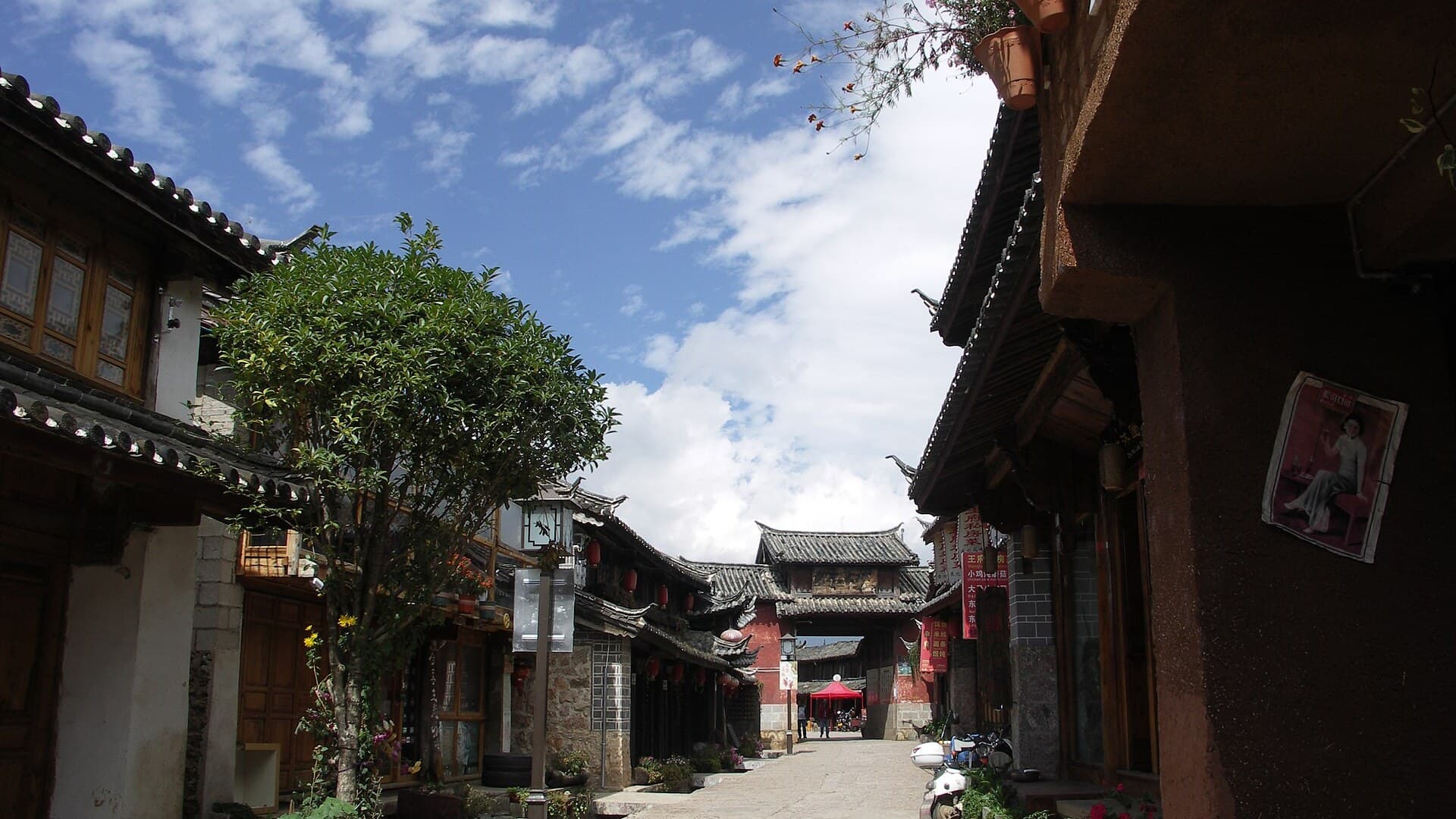
Baisha
Yunnan, China
Explore Baisha’s quiet Naxi murals, historic streets and nearby waterfalls – a perfect 3‑day detour from Lijiang.
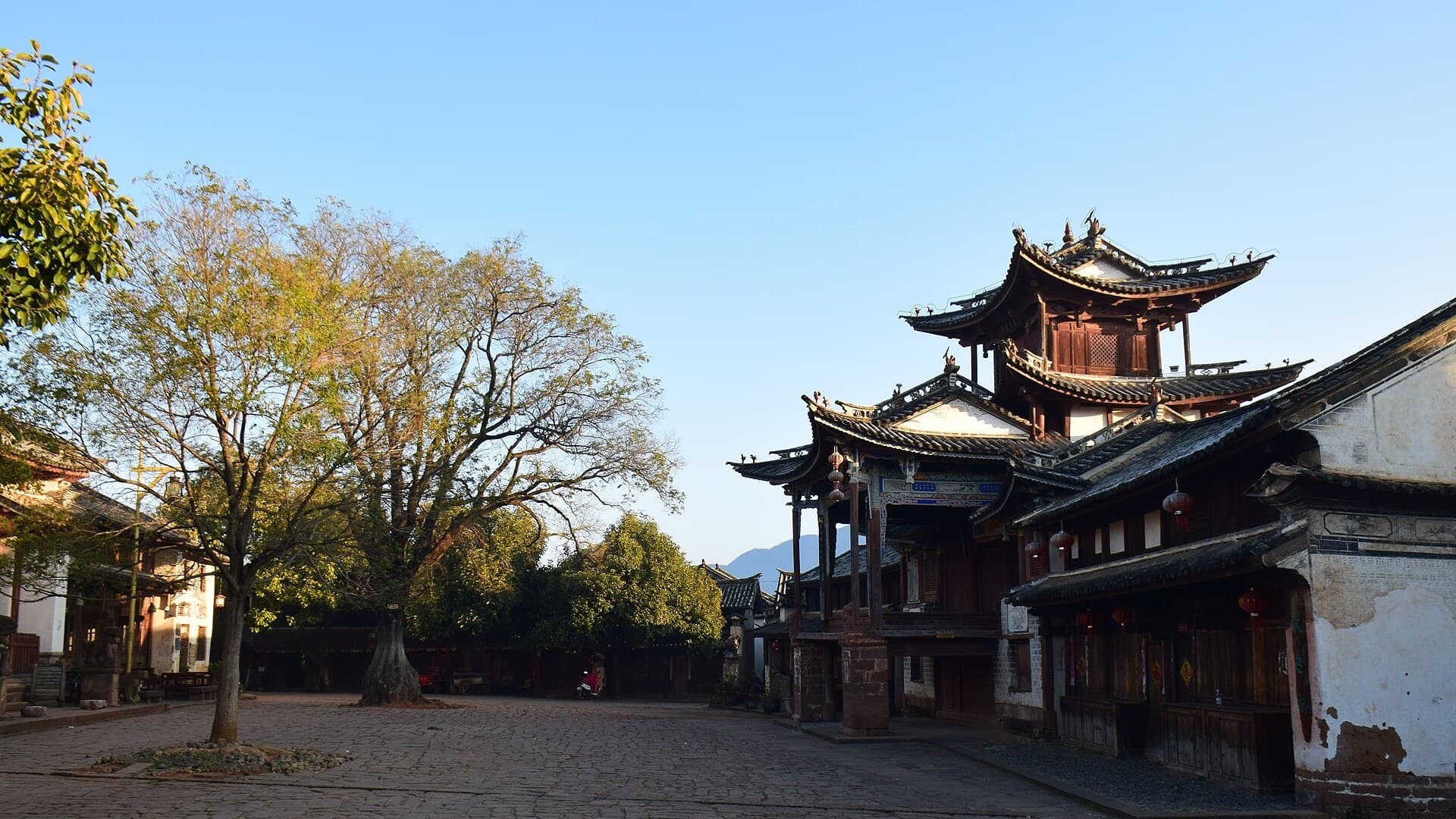
Shaxi Guide
Yunnan, China
Explore Shaxi’s Tea Horse Road charm – 2‑3 days of historic streets, local markets, and scenic drives from Dali or Lijiang.

Yubeng Guide
Yunnan, China
Explore Yubeng’s twin villages, the ideal spring‑autumn trekking hub near Meili Snow Mountain.

Riwa Guide
Sichuan, China
A small Sichuan town at the edge of Yading's sacred peaks.
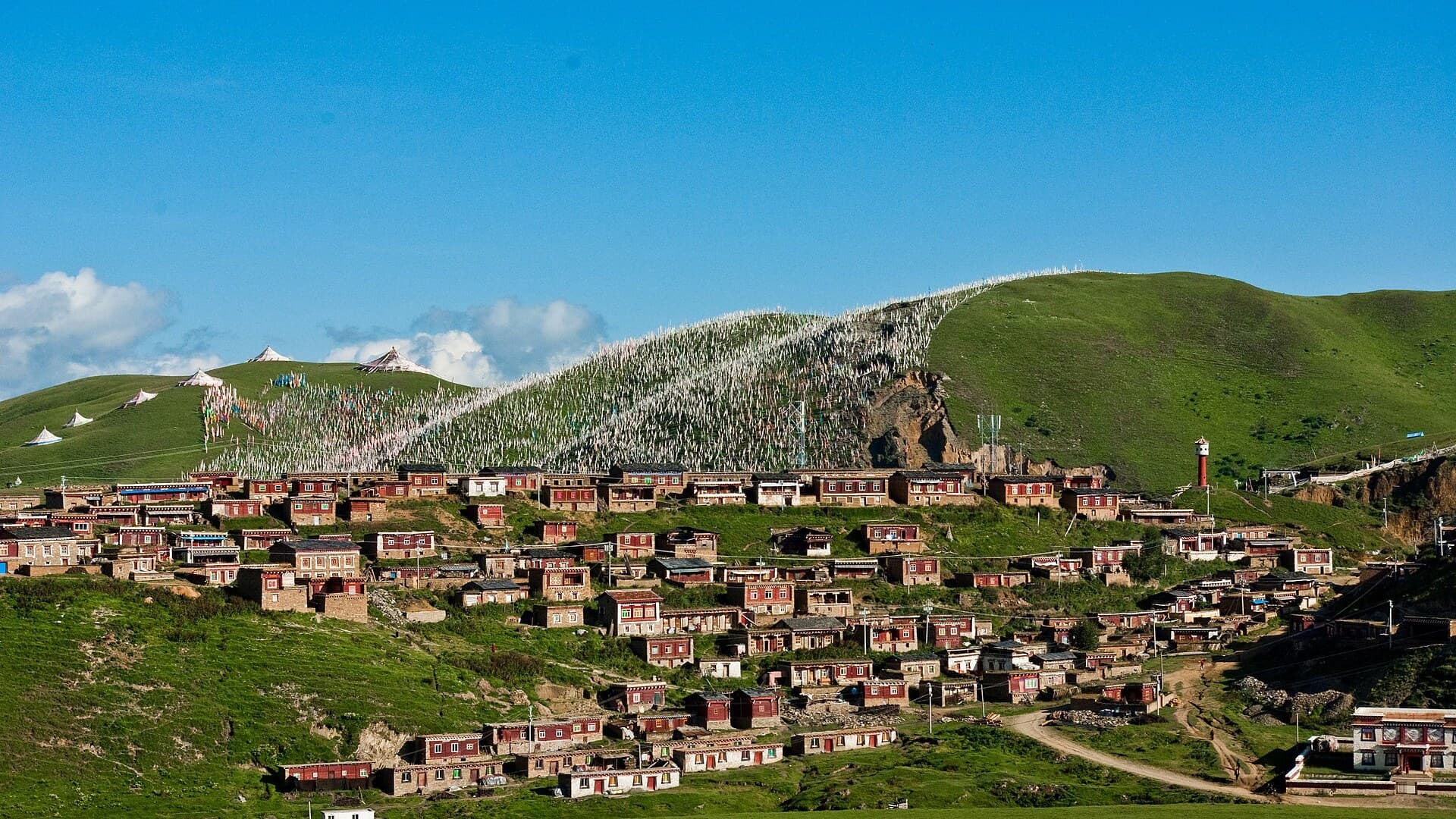
Tagong Guide
Sichuan, China
Tagong – a Kham grassland town between Kangding and Litang, home to the historic Sakya monastery and ideal for 1–2 day trekking trips in spring or autumn.

Yangjiatang Guide
Zhejiang, China
Songyang rammed-earth terraces, not Chenjiapu

Save these places to your list
Copy the spots you picked into your list — maps and notes included.