
Baisha
Explore Baisha’s quiet Naxi murals, historic streets and nearby waterfalls – a perfect 3‑day detour from Lijiang.
1 selected
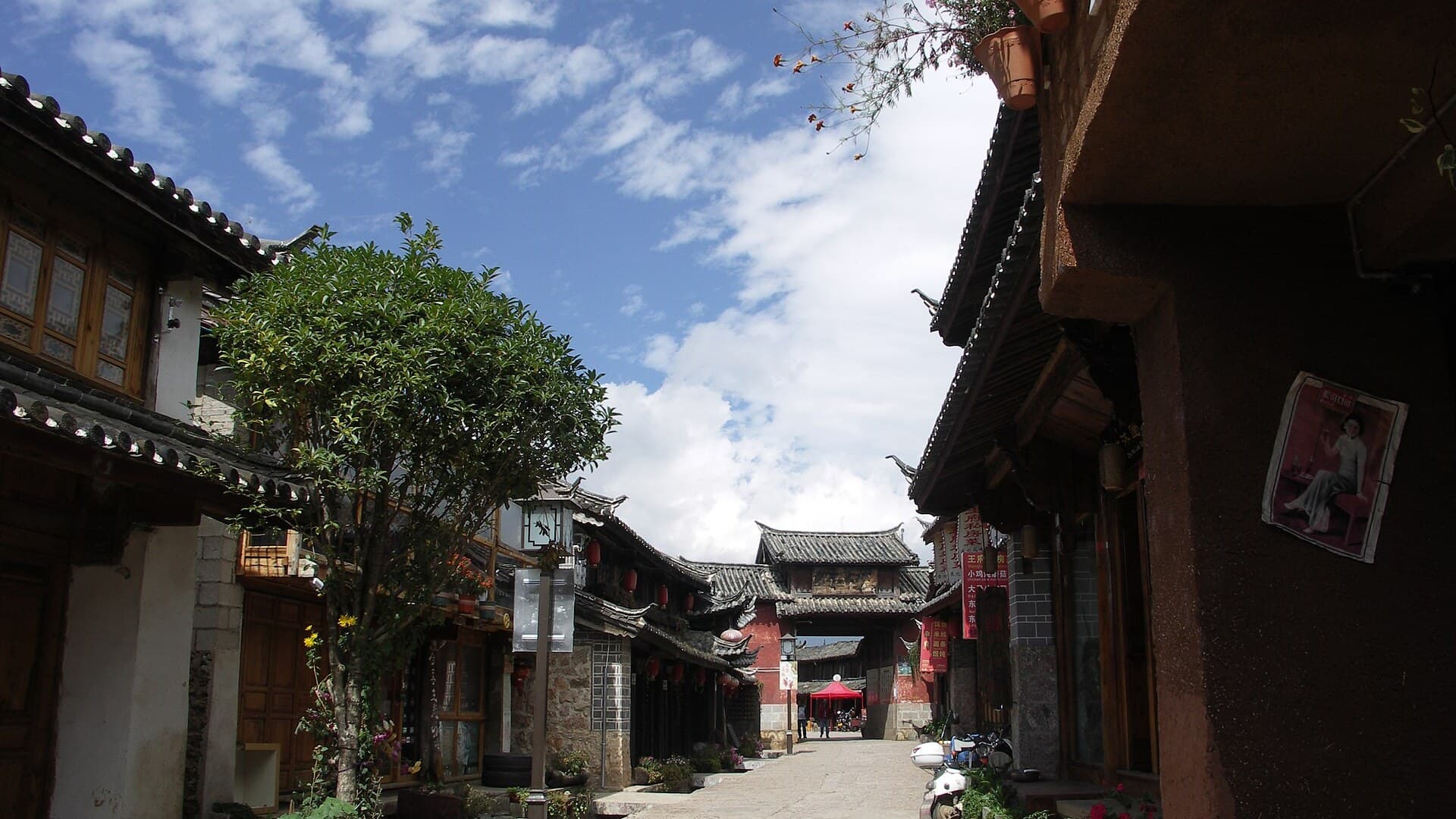
Baisha (白沙镇) lies in Yulong Naxi Autonomous County, about 12 km north of Lijiang’s Old Town (Dayan). The township sits at roughly 2 400 m on the foothills of Jade Dragon Snow Mountain and covers around 246 km² with a population near 8 000. It is part of the UNESCO‑listed Greater Lijiang area, which also includes Dayan and Shuhe.
The village attracts visitors who want a quieter stone‑street experience than the crowded Old Town and who are keen to see the famous Naxi murals that date back to the 12th century. A walk along Baisha Street and a visit to the mural courtyard usually take about an hour, but the surrounding villages—five under township administration—offer a glimpse of traditional Naxi life.
Three full days is the minimum recommended stay; four days allows time for a short hike to Lashihai or a trip up Jade Dragon Snow Mountain. A single day can suffice if you’re only after the murals and a quick stroll. The best times to visit are March–May and September, when the weather is mild and crowds are smaller. Avoid June–August, when rain can make roads slippery.
From Lijiang Old Town you can take Bus 6 from the north gate of Black Dragon Pool (≈¥1) for a 40‑minute ride. Bicycles are also available for the same route if you’re comfortable with the altitude, and taxis or ride‑hailing services are an alternative. No car is needed within Baisha; the streets are walkable.
Lijiang Sanyi Airport is about 40 minutes by road, and the railway station lies south of the Old Town, connecting to other parts of Yunnan. Baisha offers a quiet, culturally rich stop for travelers who want authentic Naxi murals and a break from Lijiang’s bustling tourist scene.
Baisha Ancient Town History
Baisha is a Naxi settlement in the Lijiang valley that dates back roughly two thousand years. It served as the capital of the Naxi kingdom from 658 to 1107, after which the administrative centre moved to Dayan. The ancient Tea Horse Road—Yunnan’s historic caravan route to Tibet—ran through this basin, and Naxi traders used the perilous overland link toward Lhasa. The town’s most famous feature is its murals, which blend Han and Tibetan painting styles with traditional Naxi motifs. The murals are housed in a courtyard opposite the town offices; they are open from about 08:00 to 17:30 and cost roughly 30 yuan for entry (prices may vary). Baisha, together with nearby Shuhe, was added to the UNESCO World Heritage List on 4 December 1997 after an earthquake had already prompted extensive reconstruction. Tourism has since grown rapidly, leading many residents to rent out homes or relocate.
Baisha Food Guide: Must‑Try Local Dishes and Where to Eat in Yunnan's Ancient Town
Baisha Ancient Town, nestled in Lijiang’s Naxi district, is a quiet stone‑walled village best explored in spring or autumn. A stay of three to four days lets you wander the famed wall murals, sample local rice dishes with Naxi ham or yak pork, and taste the distinctive “Naxi pie” and Yunnan coffee on Baisha Street—all at a relaxed pace. Public shuttles from Lijiang’s main bus station connect the town easily, while taxis and ride‑hailing services offer flexible travel to nearby sights such as Jade Dragon Snow Mountain or the Black Dragon Pool.
From Lijiang: shuttle, taxi or ride‑hailing to Baisha
Getting there Baisha is a short walk from Lijiang’s historic centre, so the town itself has no airport or railway station. The most convenient way to reach it is by first arriving at Lijiang Sanyi International Airport (LJG). From the airport you can take a taxi—about 40 minutes—to the city centre, or hop on the airport bus that stops near the Old Town and then catch a short local bus. If you’re coming from Kunming, the high‑speed train departs from Kunming Railway Station and takes roughly three to three‑half hours to reach Lijiang. The train station is located south of the Dayan area; from there you can transfer to the local bus network. Once in Lijiang, the most common route to Baisha is Bus 6, which departs from a stop near the Black Dragon Pool (Baisha’s main gateway). A single ride costs about 1 yuan (as of March 2019), and the journey takes around 30 minutes. Alternatively, you can take a taxi or use a ride‑hailing app for a quicker, more direct trip. Because Baisha is a small village, there are no dedicated airports or cable‑car terminals in the town itself—Jade Dragon Snow Mountain’s cable car is a separate attraction located further up the mountain.
Getting Around Baisha
Getting around Baisha Baisha Ancient Town is compact and walk‑friendly, so you can explore its stone streets and mural‑covered walls on foot. The main thoroughfare is narrow but paved, making it easy for pedestrians—even those with mobility concerns—to navigate the historic lanes. If you want to visit nearby attractions such as Dayan, Shuhe, Lashihai, or the mountain gate, a short ride is necessary. Local minibuses (often called “tourist buses”) and public buses share the same route numbers on their windshields, but their departure points differ. A day‑hire taxi or a ride‑hailing app (e.g., Didi) can take you to these sites in under 30 minutes each way. Plan at least three full days in Baisha; four days allows time for leisurely strolls and a visit to the surrounding villages without rushing. The best months to travel are March to May and September, when the weather is mild and crowds are thinner. From Lijiang city you can take a local bus or hire a private car to reach Baisha in roughly 1½ hours.
Money & Staying Connected in Baisha, Yunnan (How to Pay, Currency, and Mobile Access)
China’s official currency is the renminbi, also called yuan. In Lijiang most shops and hotels accept cash, but credit cards are increasingly accepted in larger establishments. It’s wise to carry small‑denomination notes for street vendors and local markets. For mobile payments, Alipay and WeChat Pay dominate; both work in Lijiang, though you may need a Chinese SIM or an eSIM that covers Yunnan to use them reliably. If you prefer cash, ATMs are plentiful in the city centre and at the airport. Emergency numbers: 110 (police), 120 (ambulance), 119 (fire). Power plugs are Type A, C, and I, with a standard voltage of 220 V. Wi‑Fi is widely available in cafés and hotels, but downloading an offline map of Lijiang beforehand is advisable for areas with spotty coverage.
Baisha Guide | Yunnan Ancient Town Exploration
Baisha Ancient Town sits on the western outskirts of Lijiang city in Yunnan province, China, at an altitude of about 2 400 metres. The climate mirrors that of Lijiang: cool nights, sunny days in winter, and a wetter summer season. The best time to visit is between March and May or September, when the weather is mild and crowds thinner. Baisha offers a rare glimpse into Naxi heritage through its well‑preserved stone houses, ancient murals, and traditional street layout. The town’s murals—painted on the walls of old homes—are a must‑see for art lovers and cultural enthusiasts alike. Its quiet streets provide an authentic contrast to Lijiang’s bustling Old Town. Walk the narrow lanes lined with stone houses, many still inhabited by families who have lived there for generations. Spend at least an hour admiring the murals that tell stories of local life. Before photographing people or private courtyards, ask permission; respect local customs—remove shoes when invited into homes and pay in yuan. Try Naxi dishes such as “baisha rice noodles” at small family restaurants. Three full days is the minimum recommended to soak in Baisha’s atmosphere comfortably; four days allows a relaxed pace and optional day trips to nearby attractions like Jade Dragon Snow Mountain or Shuhe Ancient Town. Walking is the best way to experience the town’s narrow lanes; bicycles can also be rented in Lijiang and taken to Baisha. Baisha lies on the same highland corridor that leads to Shangri‑La and Jade Dragon Snow Mountain, making it easy to combine a visit with other nearby sites. Bring layers for cooler nights, carry water and snacks, and check the local bus schedule on the day of travel as routes may have changed since 2019. Baisha offers a quiet, culturally rich escape from tourist crowds, making it a worthwhile stop for anyone exploring Yunnan’s highland heritage.
FAQ
What is covered in the Baisha guide?
Visit Baisha near Lijiang, Yunnan: the Naxi town 12 km north of Dayan, murals, the bus, and how it differs from other places named Baisha. It includes 1 recommendations across 1 gallery.
Next →How many places are in the Baisha guide?
The Baisha guide lists 1 places: 1 gallery.
Next →Where is Baisha?
Baisha is in Yunnan, China (26.9572, 100.2172).
Next →How do you get to Baisha?
Getting there Baisha is a short walk from Lijiang’s historic centre, so the town itself has no airport or railway station. The most convenient way to reach it is by first arriving at Lijiang Sanyi International Airport (LJG). From the airport you can take a taxi—about 40 minutes—to the city centre, or hop on the ai…
Next →What should you eat in Baisha?
Baisha Ancient Town, nestled in Lijiang’s Naxi district, is a quiet stone‑walled village best explored in spring or autumn. A stay of three to four days lets you wander the famed wall murals, sample local rice dishes with Naxi ham or yak pork, and taste the distinctive “Naxi pie” and Yunnan coffee on Baisha Street—a…
Next →Is there camping in Baisha?
No camping listings in this pack yet — we do not invent venues. Entries will appear once verified.
Next →Can you rent a bike in Baisha?
No bike rental listings in this pack yet. Verified shops will be added when available.
Next →What are recommended gallery in Baisha?
Highlighted gallery in the Baisha guide: Baisha Street.
Next →Highlighted places
- Baisha Street — Naxi town north of Dayan, Yulong County, Lijiang.
Explore on the map
Tap a pin to highlight its place card
All
1 spots
Recommended places
Gallery
1 · 1 selected
Baisha Street
gallery
Related guides
Browse nearby destinations
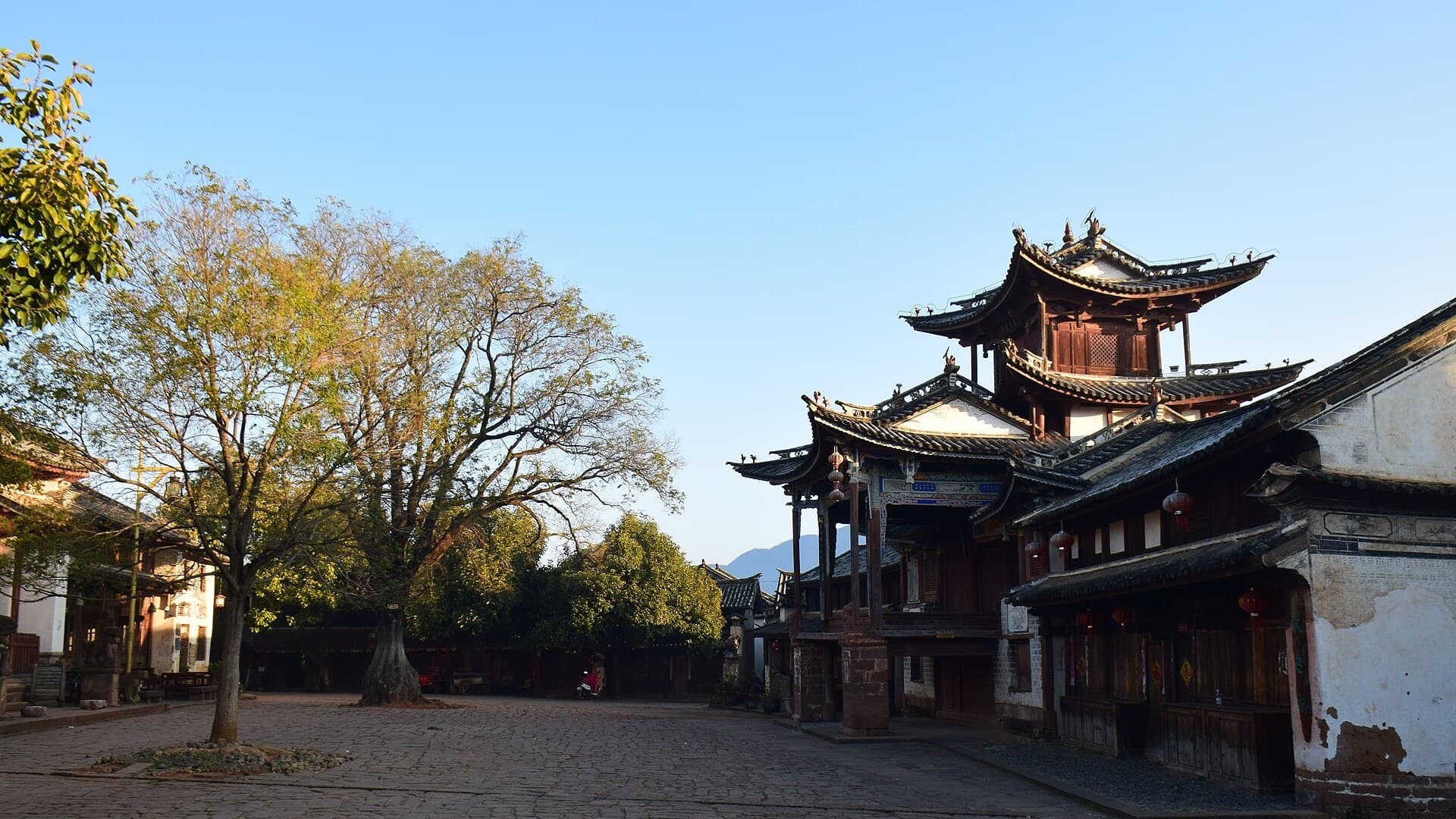
Shaxi Guide
Yunnan, China
Explore Shaxi’s Tea Horse Road charm – 2‑3 days of historic streets, local markets, and scenic drives from Dali or Lijiang.
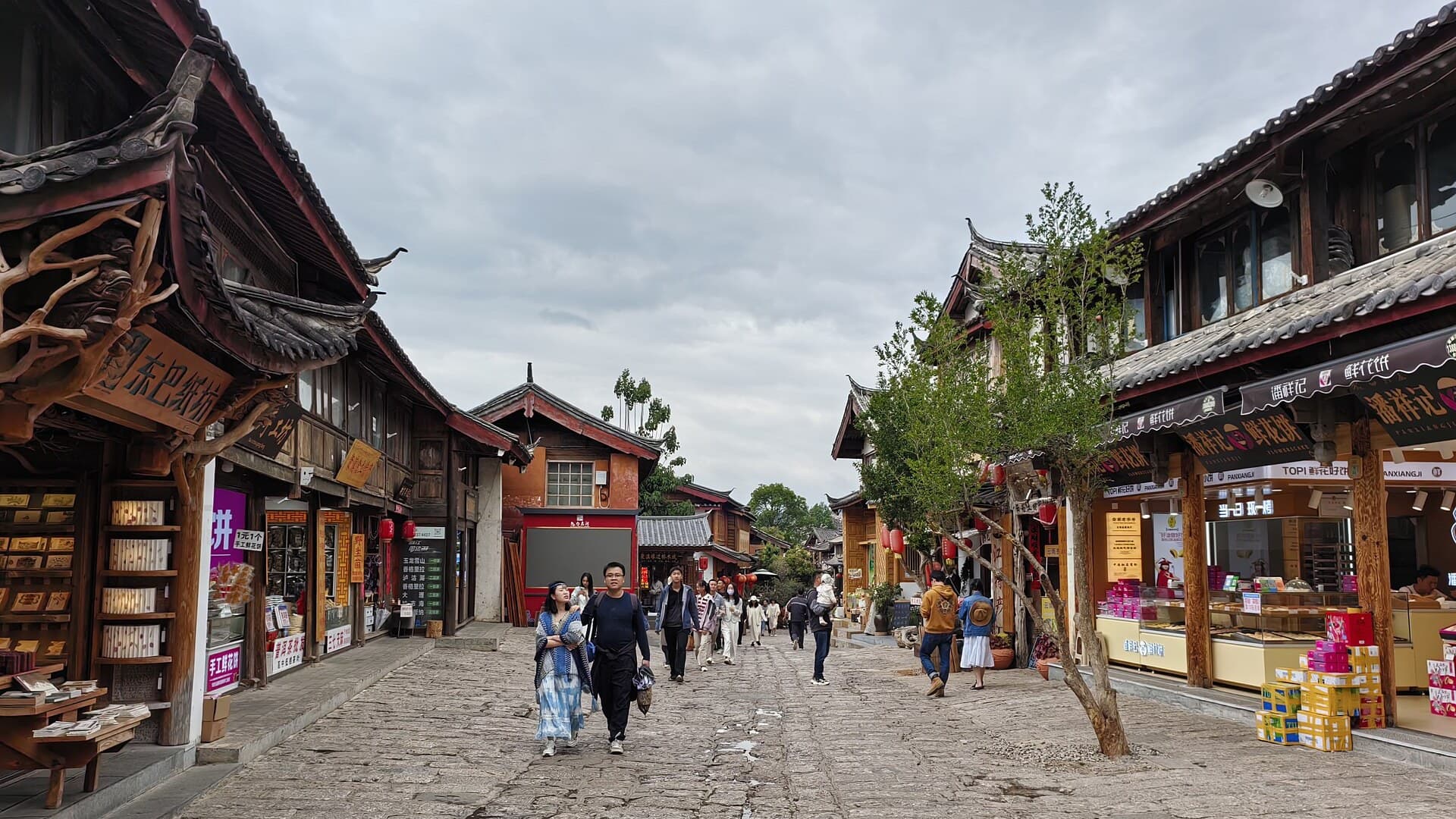
Shuhe Guide
Yunnan, China
Explore Shuhe: a tranquil canal town west of Lijiang Old Town, perfect for a relaxed day trip with scenic lanes, historic architecture, and local tea culture.

Yubeng Guide
Yunnan, China
Explore Yubeng’s twin villages, the ideal spring‑autumn trekking hub near Meili Snow Mountain.

Riwa Guide
Sichuan, China
A small Sichuan town at the edge of Yading's sacred peaks.
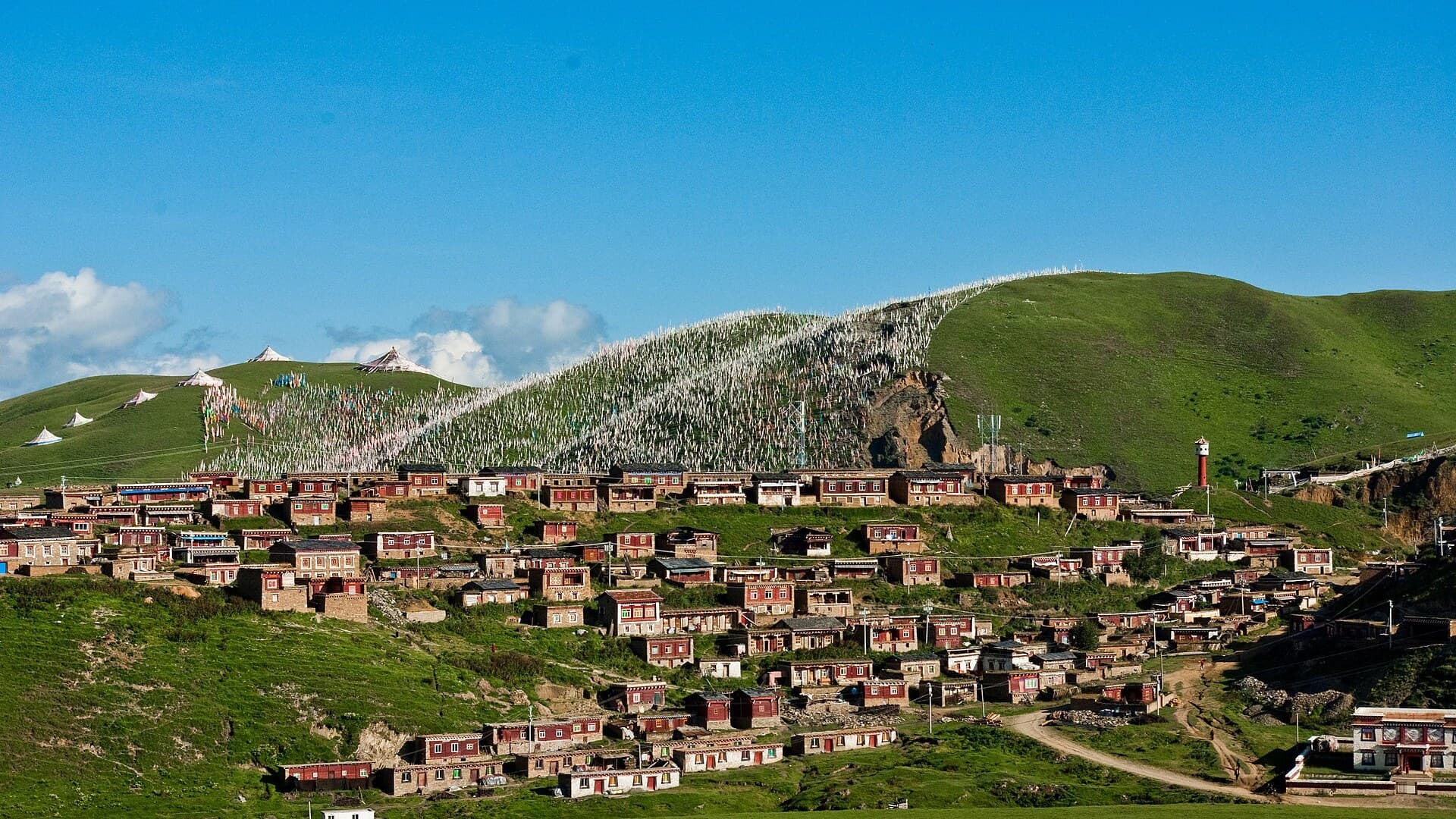
Tagong Guide
Sichuan, China
Tagong – a Kham grassland town between Kangding and Litang, home to the historic Sakya monastery and ideal for 1–2 day trekking trips in spring or autumn.

Yangjiatang Guide
Zhejiang, China
Songyang rammed-earth terraces, not Chenjiapu

Save these places to your list
Copy the spots you picked into your list — maps and notes included.