
Riwa Guide
Shangri-La Town in Daocheng County, the usual overnight before Yading
1 selected
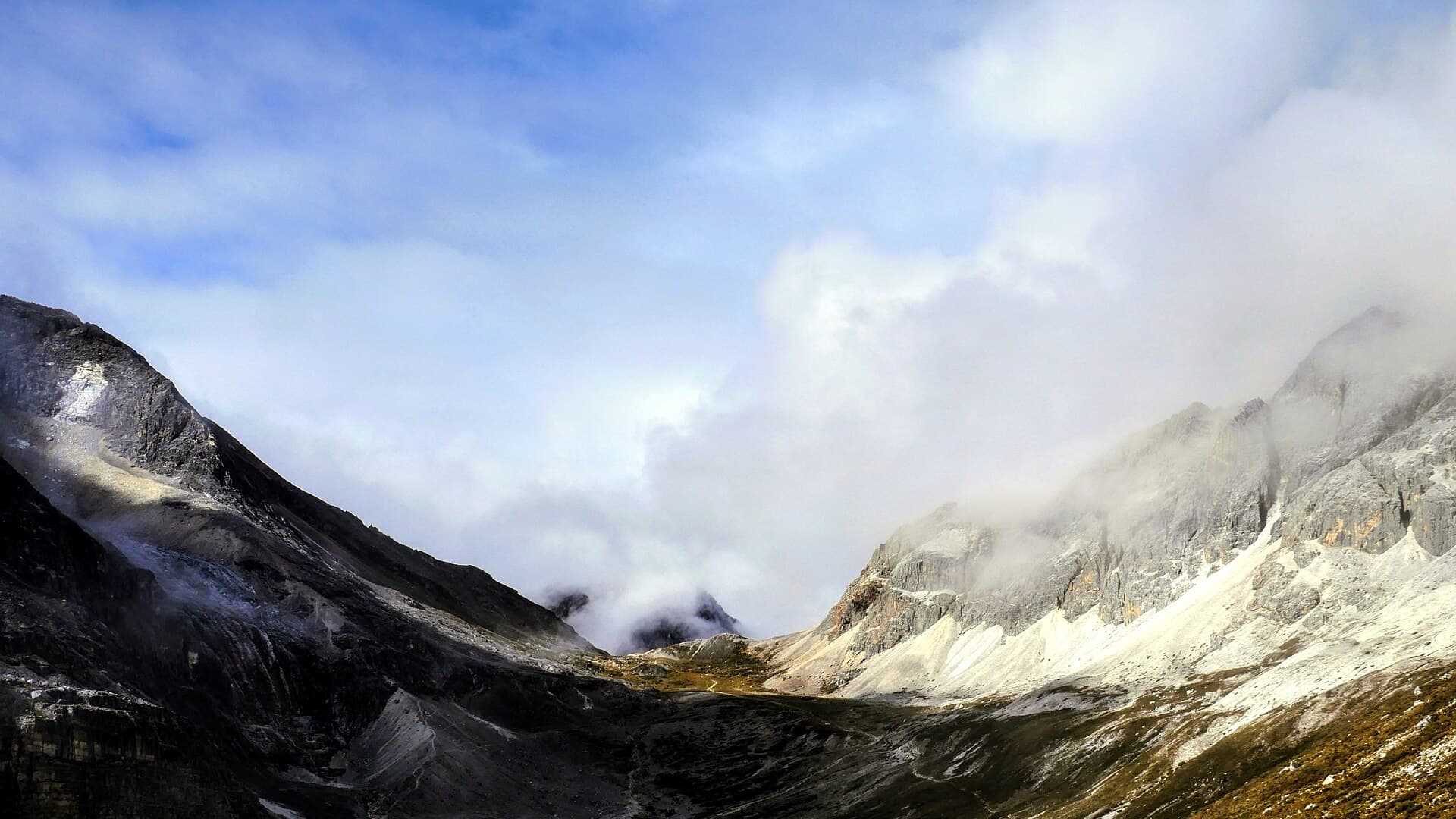
Shangri-La Town sits in Daocheng County, Garzê Tibetan Autonomous Prefecture, western Sichuan. In Chinese you will see 香格里拉镇 on the signs. Travelers also call it Riwa. The 2010 census counted 3,031 people in the town; treat that as a dated figure, not a live headcount. The county lists the place as Shambala Town, Xianggelila in pinyin, one of five towns in Daocheng.
Do not confuse it with Shangri-La city in Yunnan. That county-level city, once Zhongdian, was renamed in 2001 after Hilton's novel and sits in Diqing Prefecture. The Chinese characters are the same. The province is not, and neither is the job of the place.
You come because Yading is next door: three sacred peaks, a major Tibetan pilgrimage, Chenrezig, Jampelyang at 6,032 metres, and Chanadorje. The town is where you sleep. The reserve has its own tickets, buses, and path rules, which you confirm the week you go. Daocheng's county town sits further north on the Litang and Xiangcheng roads; that urban area sits around 3,750 metres. Airport coaches run toward both. If the three peaks are why you came, Shangri-La Town is the closer overnight. If you want a first night at county-town altitude, that is the other Daocheng.
One night covers arrival and a morning toward the park. Two or three nights fit if weather or thin air holds you, or if you want a rest day in town rather than a trail day. A week only on these streets is too much town. This guide is not a walking map of Yading.
The streets themselves are small enough to walk. You fly into Daocheng Yading Airport (DCY), often called the world's highest, about 50 kilometres north of the county urban area. Overland coaches still work the high road from Litang, Kangding, and Chengdu. The Xiangcheng approach climbs a col near 4,800 metres. Fare tables from 2007 to 2015 are not a timetable. Shared minibuses (面的) and airport coaches move people; check the destination in the window, and check the price the morning you travel.
You come for the gateway night and a morning in the park. You will not find Yunnan's renamed city, a beach, or a long idle stay. You do not need a car inside the streets. You do need a plan for the airport bus, cash in yuan, and a first day that does not start with a fast climb.
History
Joseph Rock left Lijiang in 1928 and came through this county. After the Qing collapsed, Xiangcheng and Daocheng slipped into local rule. Chiefs based in Daoba and the Gangkarling country held the ground from the 1930s into the 1950s. Yading, Nyidên in Tibetan, is the mountain sanctuary the Fifth Dalai Lama sanctified as three bodhisattva peaks: Chenrezig, Jampelyang, Chanadorje. Jampelyang is the highest at 6,032 metres. The town is where you sleep. The peaks are the pilgrimage.
Eating
Kitchens here follow a highland Tibetan and Sichuan road pattern: barley, yak, a bowl of noodles, butter tea, a soup when a kitchen is still running. Notes you will find about Daocheng food usually describe the county town, and many of those notes are old. If you arrive after dark, do not count on a choice of tables. Eat earlier, or carry something from the last town. If you enter the reserve, pack food. Thin air makes a skipped meal harder than it looks from a lowland kitchen. You will not find a dish that exists only on this street.
Getting there
The usual way in by air is Daocheng Yading Airport (DCY), often called the world's highest, about 50 kilometres north of Daocheng's urban area. As of December 2018 a travel note listed two daily Chengdu flights, Guangzhou flights that paused in Chengdu, and extra seats in peak season. Airport coaches run toward the urban area and toward Shangri-La Town. Check the desk the week you fly. Overland, coaches still run from Litang, Kangding, and Chengdu, and the Xiangcheng approach climbs a col near 4,800 metres. Ticket figures you will find from 2007 to 2015 are not a timetable. Shared minibuses (面的) fill the same corridors; check the destination in the window. Fares change. Ask the morning you travel.
Getting around
The town is small enough to walk. You do not need a bus to cross it. You do need a park transfer, a hired car, or an airport coach to leave it. On foot in the streets, then a published park or road service beyond them. If hills or thin air are a problem, the reserve is already a hard day. Give yourself a night before you start climbing toward the peaks.
Money and connection
In China you pay in yuan (CNY). Phone pay is common in county towns. Bring cash from Chengdu or Kangding, because a small till may still want notes. Emergency numbers are 110 for police and 120 for ambulance. Plugs follow the Chinese Type A, C, and I pattern at 220 V. Download an offline map before the last city with a stable tower. Signal is weak in gorges and on high cols. The postcode is 627700.
When to go
Start with the altitude. The published climate table is for Daocheng's county town at 3,728 metres, not a separate table for this gateway. It describes a monsoon-influenced highland year: wet summers, dry cold winters, more snow in spring and autumn than in midwinter. July is the wet month on that table. Acclimatise. Fly in and walk hard the same afternoon and you will pay for it. Ask before you photograph people and courtyards. Shoes off if you are invited in. Putonghua or Tibetan at counters. Evenings in this lived-in village stay quiet. Watch dogs on grassland roads as a practical note. What usually goes wrong is mixing Yunnan's Shangri-La city with this town, treating the county town as the Yading overnight, quoting 2012 bus times, assuming a published altitude for these streets, and starting the reserve the hour you land. Check the desk twice.
FAQ
What is covered in the Riwa guide?
Visit Shangri-La Town in Daocheng County, Sichuan: the Yading gateway, Daocheng Yading Airport, and how it differs from Shangri-La city in Yunnan. Updated 2026. It includes 1 recommendations across 1 gallery.
Next →How many places are in the Riwa guide?
The Riwa guide lists 1 places: 1 gallery.
Next →Where is Riwa?
Riwa is in Sichuan, China (28.5618, 100.3481).
Next →How do you get to Riwa?
The usual way in by air is Daocheng Yading Airport (DCY), often called the world's highest, about 50 kilometres north of Daocheng's urban area. As of December 2018 a travel note listed two daily Chengdu flights, Guangzhou flights that paused in Chengdu, and extra seats in peak season. Airport coaches run toward the…
Next →What should you eat in Riwa?
Kitchens here follow a highland Tibetan and Sichuan road pattern: barley, yak, a bowl of noodles, butter tea, a soup when a kitchen is still running. Notes you will find about Daocheng food usually describe the county town, and many of those notes are old. If you arrive after dark, do not count on a choice of table…
Next →Is there camping in Riwa?
No camping listings in this pack yet — we do not invent venues. Entries will appear once verified.
Next →Can you rent a bike in Riwa?
No bike rental listings in this pack yet. Verified shops will be added when available.
Next →What are recommended gallery in Riwa?
Highlighted gallery in the Riwa guide: Shangri-La Town, Daocheng.
Next →Highlighted places
- Shangri-La Town, Daocheng — County gateway streets in Garzê Prefecture, Sichuan.
Explore on the map
Tap a pin to highlight its place card
All
1 spots
Recommended places
Gallery
1 · 1 selected
Shangri-La Town, Daocheng
gallery
Related guides
Browse nearby destinations
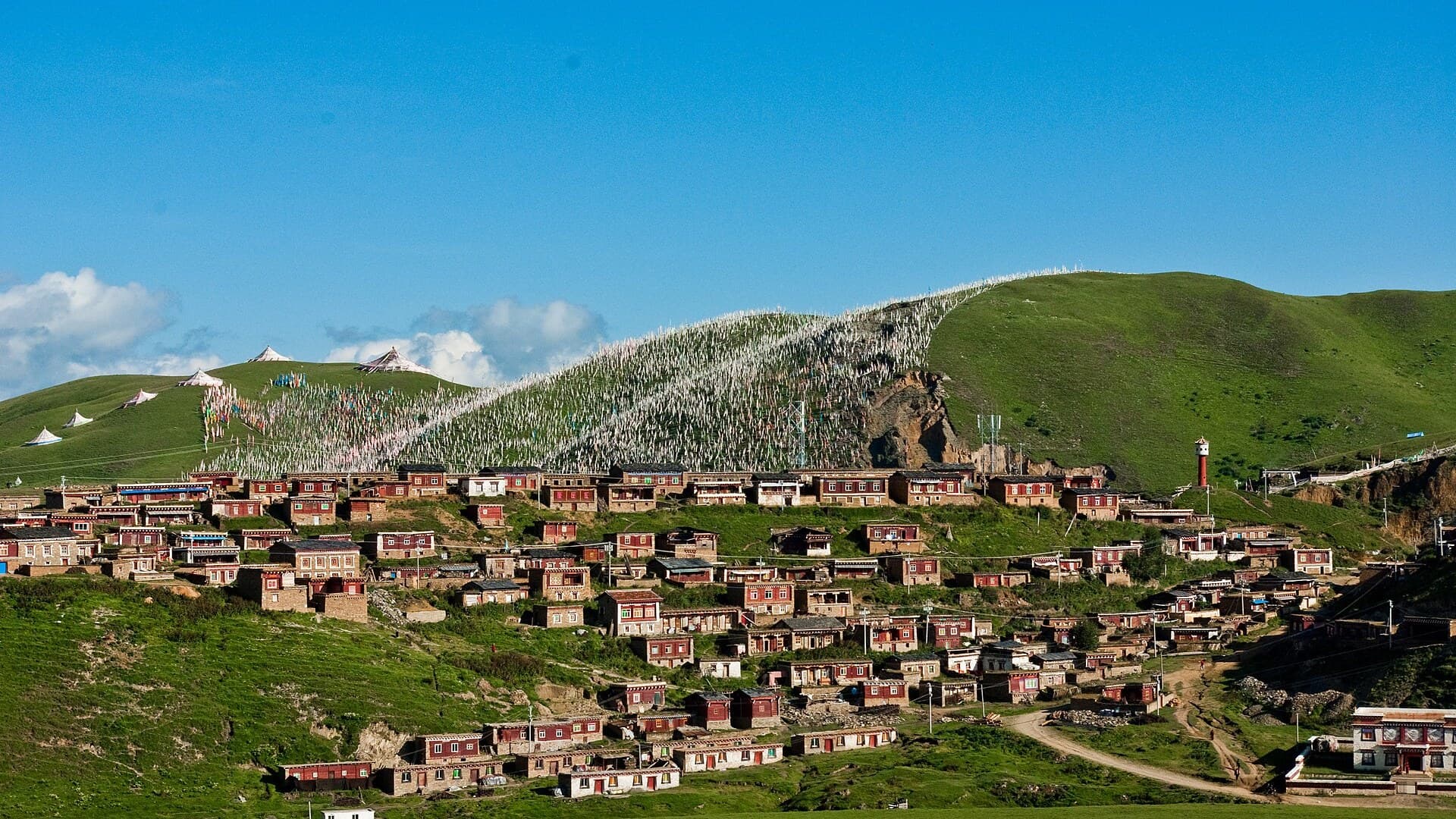
Tagong Guide
Sichuan, China
Kham grassland town between Kangding and Litang, with a Sakya monastery
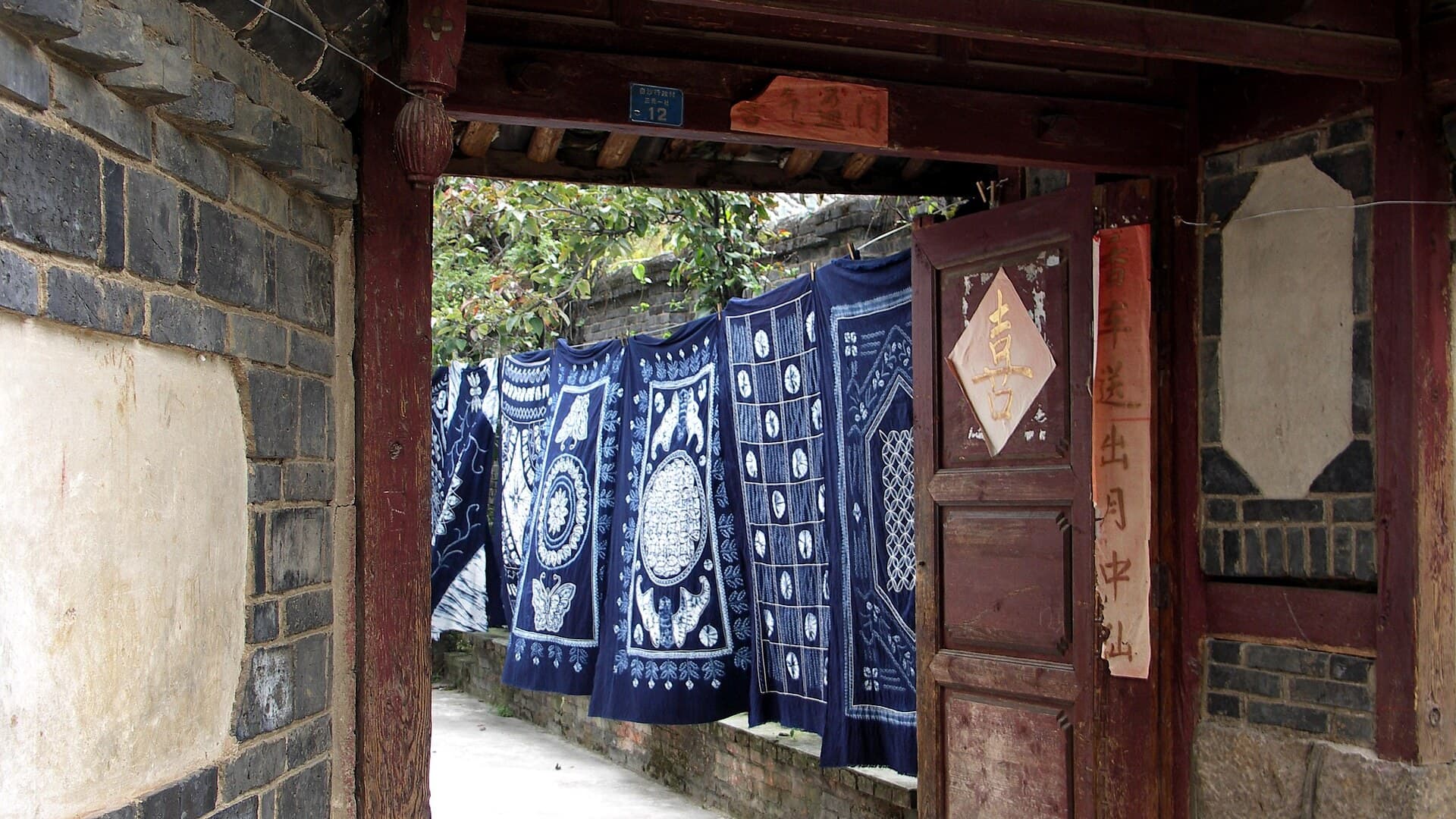
Baisha
Yunnan, China
Naxi town 12 km north of Lijiang Old Town, quieter than Dayan

Shaxi Guide
Yunnan, China
Walk Sideng square between Dali and Lijiang, not the old town grid of Dayan
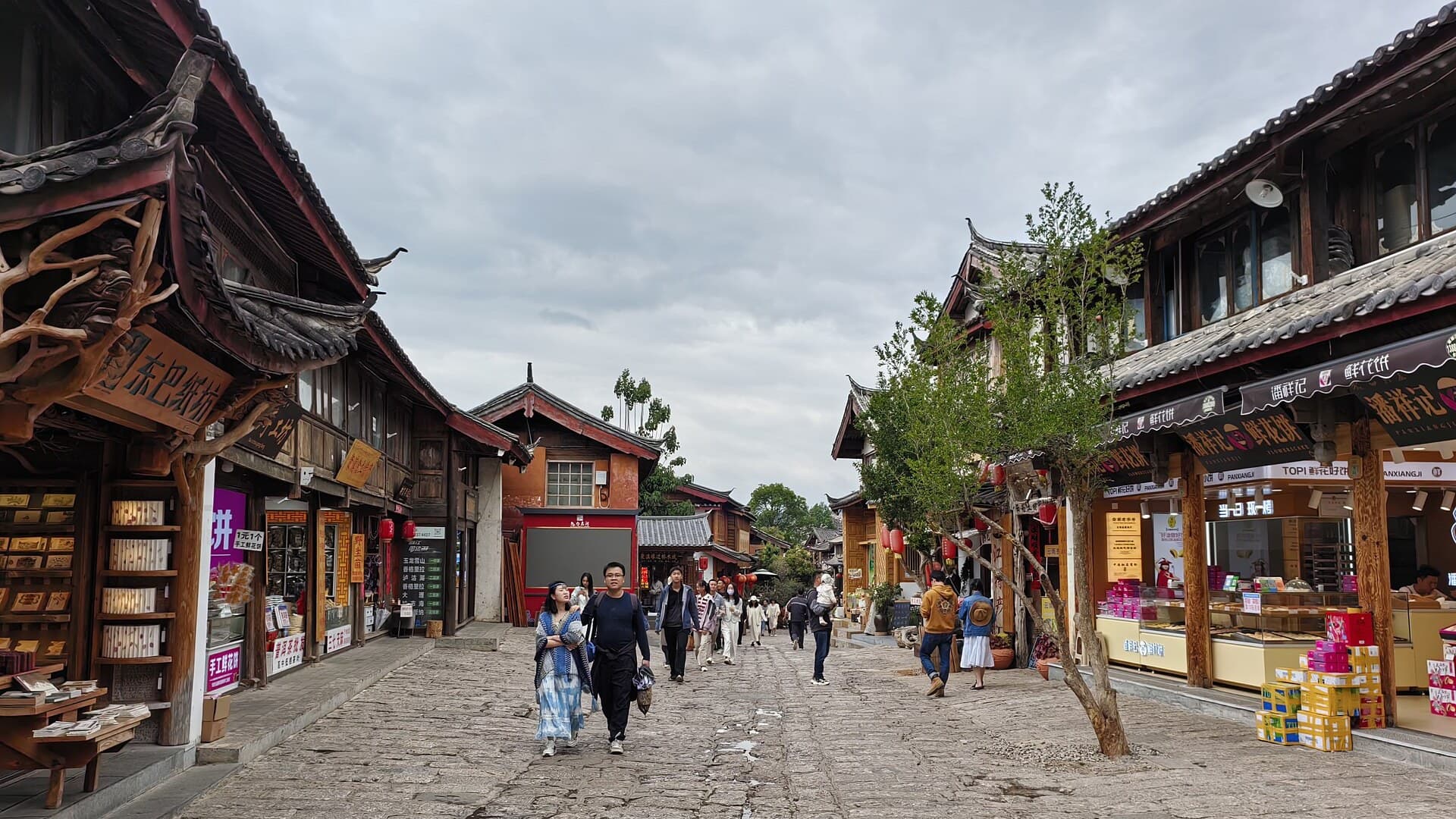
Shuhe Guide
Yunnan, China
Canal town west of Lijiang Old Town, not Baisha and not Shaxi

Yubeng Guide
Yunnan, China
Twin villages under Meili Snow Mountains, a hiking base in Deqin County
Zhuge Bagua Village Guide
Zhejiang, China
Ming clan village on a bagua plan in Lanxi, Zhejiang, not the Anhui Huizhou pair

Save these places to your list
Copy the spots you picked into your list — maps and notes included.