
Yubeng Guide
Explore Yubeng’s twin villages, the ideal spring‑autumn trekking hub near Meili Snow Mountain.
1 selected

Yubeng, Yunnan – A Guide for the Serious Hiker
Where it is Upper and Lower Yubeng are twin villages in Deqin County, Diqing Tibetan Autonomous Prefecture, Yunnan Province, China. They sit at about 3,300 m above sea level, roughly twenty minutes’ walk apart across a steep gorge. The villages lie on the approach to the Meili Snow Mountains (Kawa Karpo), whose highest peak, Kawagarbo, rises to 6,740 m and remains unclimbed.
Why go Yubeng is the most common base for trekking the Meili range. From here you can visit the sacred waterfall of Yubeng, the crystal‑clear ice lake, and the ancient wall that surrounds the valley. The villages offer a rare glimpse of high‑altitude Tibetan life and a quiet, remote setting far from the usual tourist trails.
What to do - Waterfall day – Hike to the waterfall in the morning; the walk takes about 2–3 hours round‑trip. - Ice lake – A short trek leads to a high‑altitude lake that glows turquoise in spring and autumn. - Wall walks – The ancient stone wall encircles the valley; walking it gives panoramic views of the surrounding peaks. - Village stay – Overnight in Upper or Lower Yubeng lets you experience local hospitality, try Tibetan dishes, and watch sunrise over the snow‑capped mountains.
How long to stay A minimum of three days is recommended: Day 1: Arrive from Deqin (bus or taxi), settle into the village, short walk to the waterfall. Day 2: Full day of hikes – ice lake, wall, and optional short climbs. Day 3: Leisurely return to Deqin or onward travel. Five to six days allows a more relaxed pace and extra time for side walks such as Feilai Si terrace or a longer trek into the gorge.
When to visit Spring (March–April) and autumn (September–October) offer the best weather: clear skies, mild temperatures, and vibrant alpine scenery. Summer can be wet and cooler; winter is too harsh for most visitors.
Getting there From Shangri‑La take a bus to Deqin; travel time ranges from 3 to 6 hours depending on road conditions and the new tunnel. From Deqin a local taxi or shared jeep can take you to Xidang, the last motorable point before Yubeng. From Xidang the final approach is a walk of about 1–2 hours; no car is needed once inside the gorge. Jeep fares and road closures change frequently; confirm current prices and road status in Deqin before you depart. As of October 2025, the Xidang road was reported closed to traffic, so hikers must use the remaining walk from Ninong.
Practical tips Bring plenty of cash in yuan; small vendors and taxis accept only cash. Pack layers, a good hiking boot, and sun protection – the high altitude means strong UV even on cloudy days. Start hikes early to avoid afternoon weather changes. Respect local customs: dress modestly, ask permission before photographing people, and be mindful of the sacred sites.
Nearby routes From Yubeng you can extend your trek into the Meili Snow Mountains for a 5–7 day round‑trip from Deqin, or return to Shangri‑La for a longer Yunnan itinerary that includes Lijiang, Dali, and Kunming.
Yubeng: From Ancient Trade Hub to Modern Trekking Destination
Yubeng sits in Deqin County, Yunnan Province, at the base of Meili Snow Mountain, part of the Hengduan range that stretches between the Nujiang River to the west and the Lancang (Mekong) River to the east. The mountain’s highest peak, Kawagarbo, reaches 6,740 m and is considered sacred; most of its major summits remain unclimbed. The villages that now form Yubeng—Upper and Lower Yubeng—were founded by Tibetan settlers in the early 20th century. Local legend speaks of a stranger who bought grain in Xidang, spilled millet to mark a path, and lifted a rock that revealed the site for the new hamlets; while the tale is part of oral tradition rather than documented history, it reflects the community’s close relationship with the surrounding landscape. Deqin County’s Tibetan name means “auspicious place,” underscoring the area’s spiritual significance, and the villages lie beneath an ancient wall that once protected settlers from harsh weather and avalanches.
Eating in Yubeng
Yubeng’s cuisine reflects its high‑altitude setting and Tibetan influence. The staple dishes are simple yet hearty: steamed rice, thick noodle soups, and yak meat or milk products. Because everything must be hauled up from the valley floor, prices are noticeably higher than in lower‑lying towns, and there is no published menu or fixed tariff. A local specialty is barley wine (baijiu), brewed in the valley’s small cooperatives. It is customary to sample a small cup before ordering a full jug. If you arrive late in the day, most eateries will have closed; it is safer to eat earlier or bring packed food from Deqin. When trekking to the waterfall or the ice lake, carry snacks and water, as the thin air makes skipping a meal more difficult than it appears.
Getting there to Yubeng: take an early‑morning bus from Deqin (≈¥80–¥230) and prepare for a 5‑7 day trek; plan at least 2–3 nights in the village.
Start from Shangri-La in Yunnan, then Deqin. Several buses run that corridor, three to six hours depending on the road and the tunnel. Feilai Si is a short hop from the county town. From Deqin or Feilai Si you continue to Xidang, then hike or take a vehicle toward the villages. Older pages quoted an entrance fare and a jeep fare in August 2020. Those figures age. Confirm locally, and do not treat a 2020 fare as a timetable. As of October 2025 the Xidang road was reported closed to traffic and hikers, with the remaining approach from Ninong, no jeeps on that line. Access moves. There is no airport in the gorge. Shangri-La is the nearest useful air and rail door.
Getting Around Yubeng – From Shangri‑La or Deqin by bus or car (departing 8 a.m.), plan at least 2–3 full days to explore the Upper and Lower villages and nearby hikes.
Getting around Yubeng Yubeng lies in the upper Deqin County of Yunnan and is accessed from the nearby town of Deqin by a local bus or shared taxi that takes about an hour and a half. From Deqin you arrive at Lower Yubeng, where the two main villages—Upper and Lower—are separated by a steep gorge that can be crossed on foot in roughly twenty minutes. Once in Yubeng, all movement is on foot. The lower village is the starting point for the sacred waterfall trek (four‑to‑five hours round‑trip to a 3,600 m waterfall) and the longer holy lake route (ten hours, ending at a meadow near 4,300 m). From Upper Yubeng you can begin the ice lake and base camp walks (five‑to‑eight hours, with the lake at about 3,900 m). Because of the high altitude and rugged terrain, it is advisable to spend a night in the lower village before tackling the waterfall hike. If crossing the gorge or dealing with thin air is a concern, stay in Deqin for a day or two before heading into Yubeng. Local guides can arrange horse‑back rides on older routes, but most visitors rely on walking and trekking poles. The best seasons are late spring (April–May) and autumn (September–October), when the weather is milder and skies clearer for these high‑altitude walks.
Money & Connectivity in Yubeng, Yunnan (How to Pay & Stay Connected)
Money matters in Yubeng are straightforward but require planning. The local economy operates almost entirely in yuan. While Alipay and WeChat Pay are ubiquitous in larger towns, the narrow gorges and remote villages often lack reliable internet, so phone‑based payments can fail. It is safest to carry cash from nearby hubs such as Shangri‑La or Deqin; a small till may still insist on notes rather than cards. Emergency services are accessible by dialing 110 for police and 120 for ambulance. Power plugs in Yunnan follow the Chinese Type A, C, and I patterns at 220 V, so bring appropriate adapters if you’re coming from abroad. Because mobile coverage is patchy in the villages and along the gorge trails, download an offline map of the area before you leave Deqin. This will help you navigate the winding paths and locate the few service points that remain.
Yubeng Guide | Yunnan hiking & culture
Yubeng sits at roughly 3,200 m in Deqin County near Sichuan. The village splits into Lower and Upper sections: Lower Yubeng is a quiet Tibetan hamlet, while Upper Yubeng lies closer to Meili Snow Mountain and hosts the Sacred Waterfall (Buddha’s Tears) and the Ice Lake. The area is famed for dramatic alpine scenery, clear turquoise lakes, and rare snow lotus in spring. The Sacred Waterfall, a 30‑metre cascade that glows at sunrise, is a must‑visit; its rainbow appears at dawn. The Ice Lake trail from Upper Yubeng takes 5–7 days round trip from Deqin, but experienced trekkers can do a day‑trip. A minimum of three days is advised: one day to reach Yubeng from Shangri‑La or Deqin, and two more for hikes. For a relaxed stay, plan four to six days, with at least two nights in Upper Yubeng to acclimatise and enjoy the high‑altitude views. Late spring (April–May) and early autumn (September–October) offer mild temperatures, clear skies, and blooming alpine flowers. Rain peaks from June to September; winter brings heavy snowfall that can block the highway and make trails slippery. From Shangri‑La, take a bus or hire a car to Deqin (≈3 h). From Deqin, a local taxi or shared jeep reaches Lower Yubeng; Upper Yubeng is accessible by a short hike or a 4×4 if the road is open. For flexible day trips. Acclimatise properly; avoid strenuous activity on arrival. Check road conditions in winter, as the highway may close. Respect local customs: remove shoes when invited into homes, ask before photographing people, and speak basic Tibetan or Mandarin at counters. Yubeng offers a blend of high‑mountain adventure and cultural immersion that rewards those willing to spend a few days in this remote corner of Yunnan.
FAQ
What is covered in the Yubeng guide?
Explore Yubeng’s Upper and Lower villages in Yunnan, the gateway to Meili Snow Mountain. Trek to a sacred waterfall and ice lake from Deqin or Xidang. Ideal visits fall or late spring; plan 3‑4 days from Shangri‑La or 5‑6 from Deqin for a relaxed experience. It includes 1 recommendations across 1 gallery.
Next →How many places are in the Yubeng guide?
The Yubeng guide lists 1 places: 1 gallery.
Next →Where is Yubeng?
Yubeng is in Yunnan, China (28.3926, 98.7927).
Next →How do you get to Yubeng?
Start from Shangri-La in Yunnan, then Deqin. Several buses run that corridor, three to six hours depending on the road and the tunnel. Feilai Si is a short hop from the county town. From Deqin or Feilai Si you continue to Xidang, then hike or take a vehicle toward the villages. Older pages quoted an entrance fare an…
Next →What should you eat in Yubeng?
Yubeng’s cuisine reflects its high‑altitude setting and Tibetan influence. The staple dishes are simple yet hearty: steamed rice, thick noodle soups, and yak meat or milk products. Because everything must be hauled up from the valley floor, prices are noticeably higher than in lower‑lying towns, and there is no publ…
Next →Is there camping in Yubeng?
No camping listings in this pack yet — we do not invent venues. Entries will appear once verified.
Next →Can you rent a bike in Yubeng?
No bike rental listings in this pack yet. Verified shops will be added when available.
Next →What are recommended gallery in Yubeng?
Highlighted gallery in the Yubeng guide: Yubeng villages.
Next →Highlighted places
- Yubeng villages — Upper and Lower hamlets in Deqin County, Yunnan.
Explore on the map
Tap a pin to highlight its place card
All
1 spots
Recommended places
Gallery
1 · 1 selected
Yubeng villages
gallery
Related guides
Browse nearby destinations
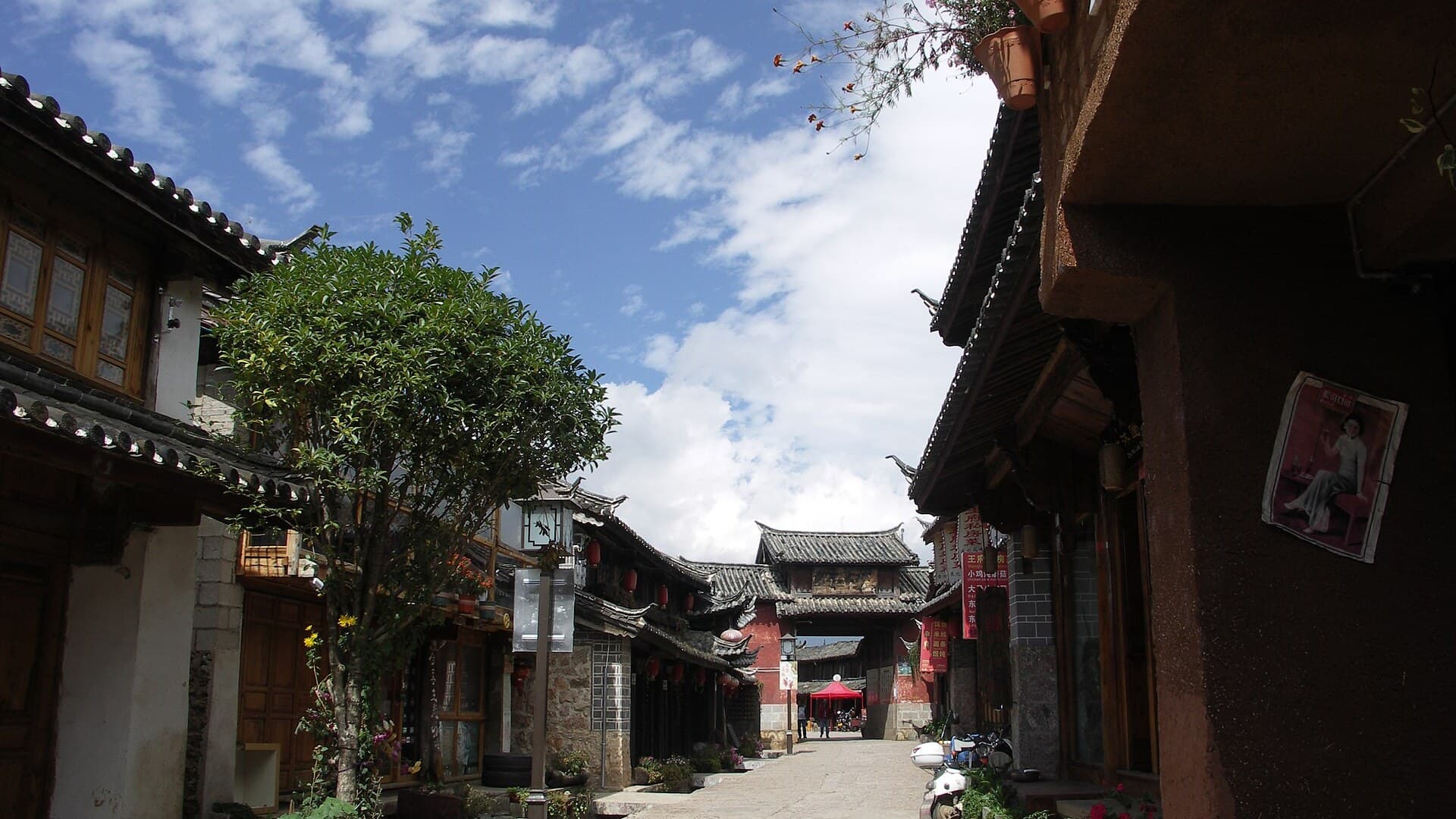
Baisha
Yunnan, China
Explore Baisha’s quiet Naxi murals, historic streets and nearby waterfalls – a perfect 3‑day detour from Lijiang.
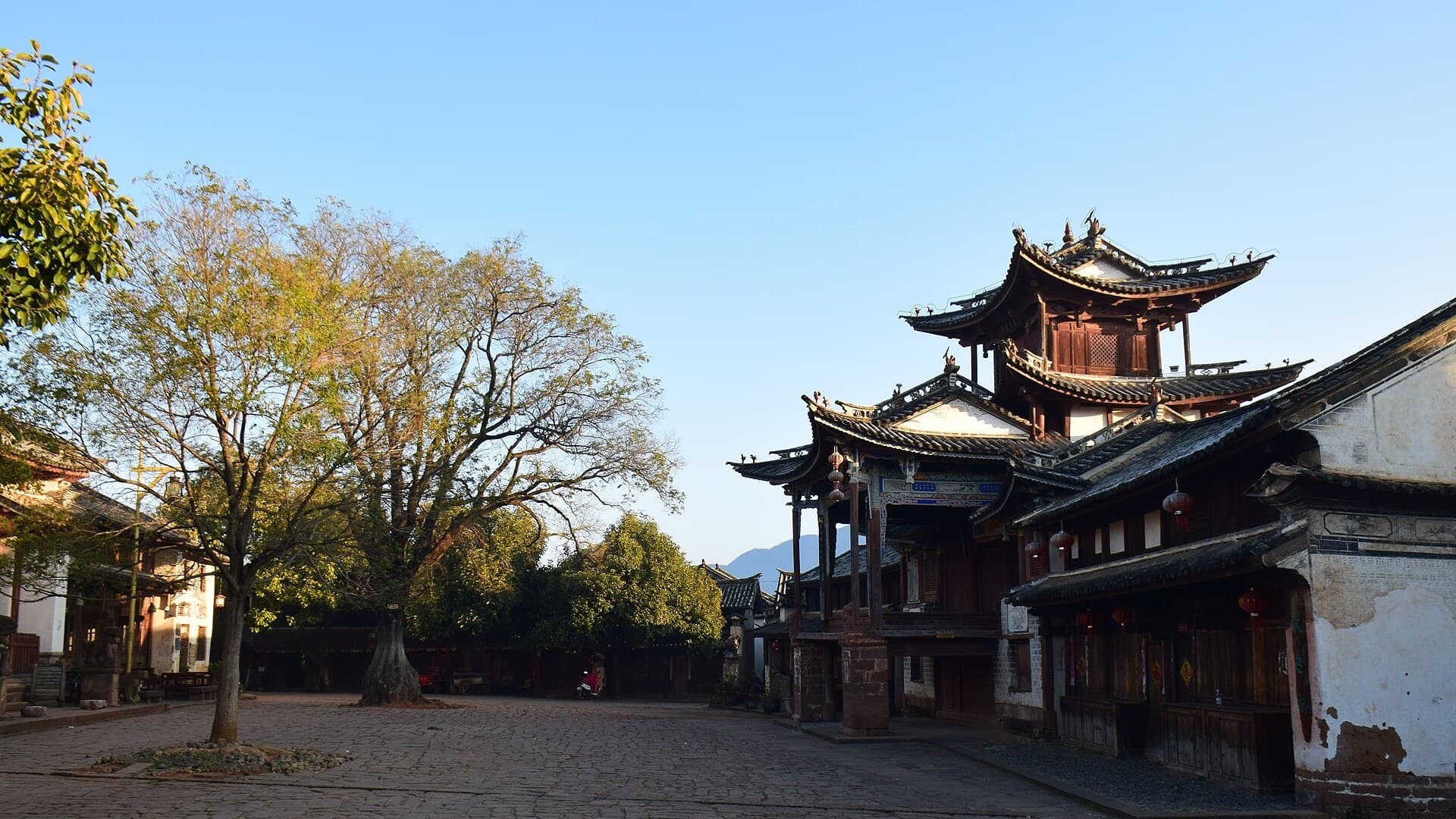
Shaxi Guide
Yunnan, China
Explore Shaxi’s Tea Horse Road charm – 2‑3 days of historic streets, local markets, and scenic drives from Dali or Lijiang.
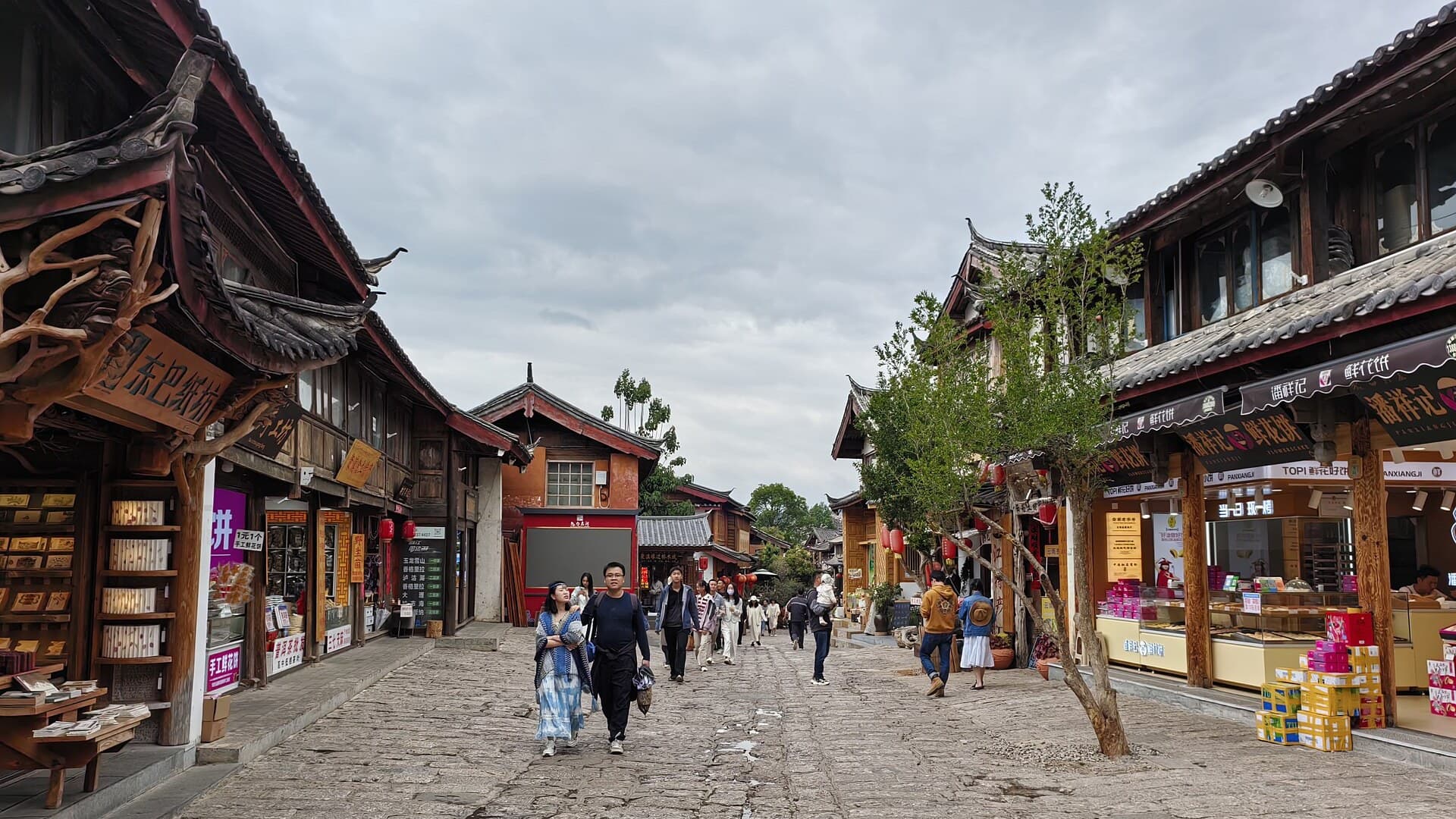
Shuhe Guide
Yunnan, China
Explore Shuhe: a tranquil canal town west of Lijiang Old Town, perfect for a relaxed day trip with scenic lanes, historic architecture, and local tea culture.
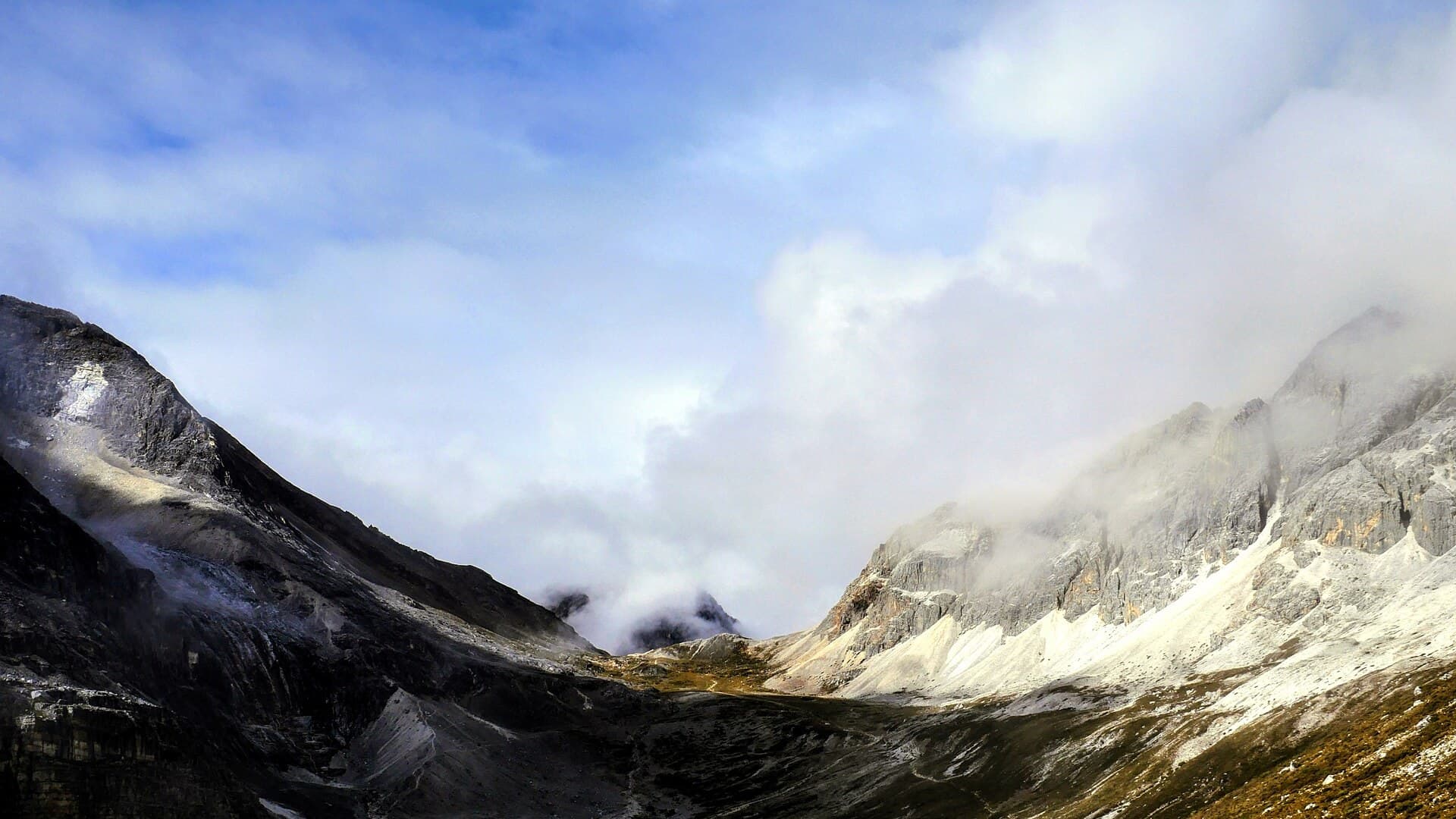
Riwa Guide
Sichuan, China
A small Sichuan town at the edge of Yading's sacred peaks.
Tagong Guide
Sichuan, China
Tagong – a Kham grassland town between Kangding and Litang, home to the historic Sakya monastery and ideal for 1–2 day trekking trips in spring or autumn.

Yangjiatang Guide
Zhejiang, China
Songyang rammed-earth terraces, not Chenjiapu

Save these places to your list
Copy the spots you picked into your list — maps and notes included.