
Binggou Danxia Guide
Red cliffs and two quiet valleys near Zhangye
1 selected
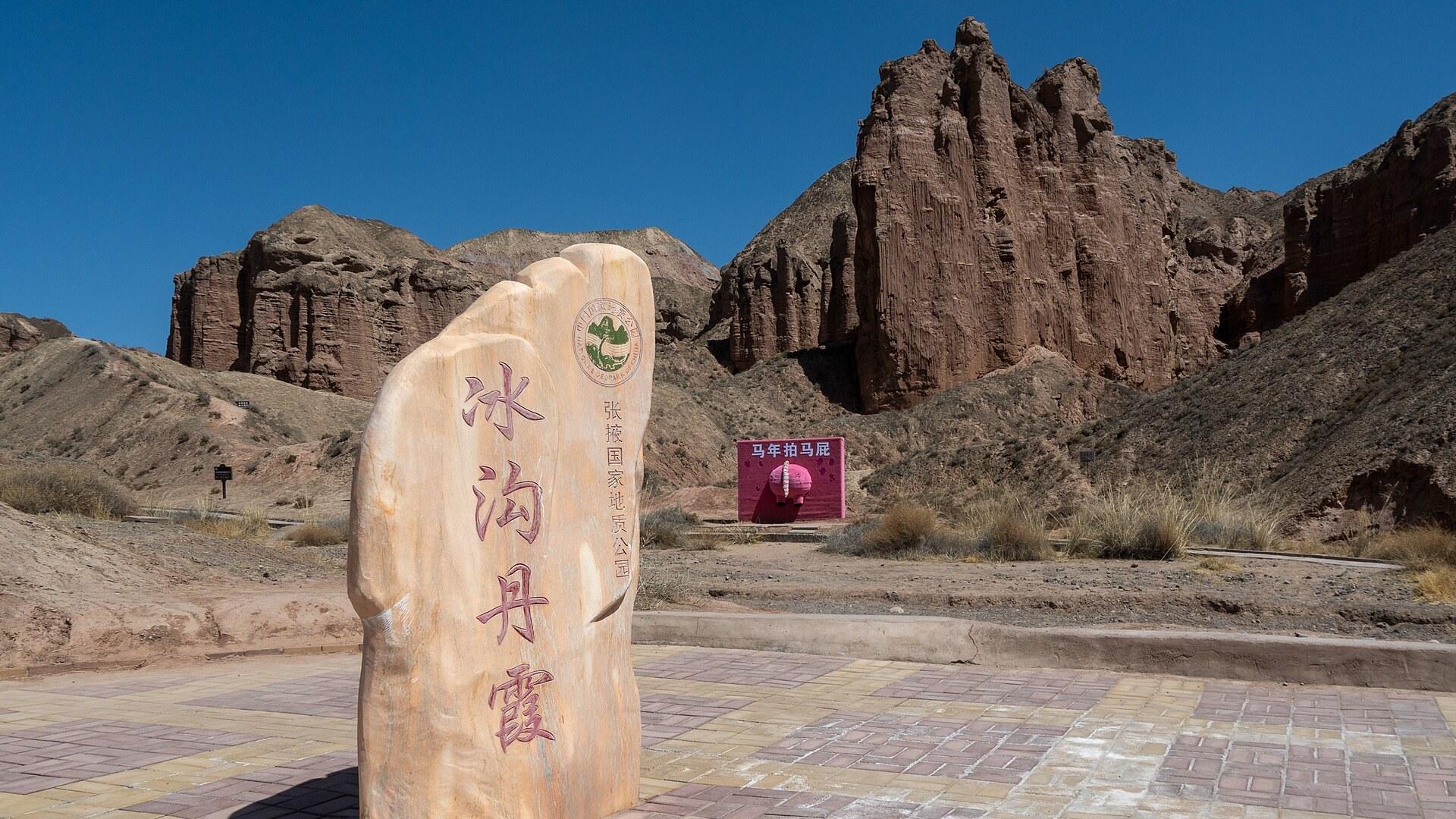
Binggou Danxia lies in Gansu, China, on the north bank of the Liyuan River. It is the second scenic area of Zhangye National Geopark. The area belongs to Sunan Yugur Autonomous County, Zhangye, and its name is often translated as Ice Valley.
The landscape is a Danxia canyon of red sandstone palace-style cliffs and intricate window-lattice formations. Narrow gorges and sculpted rock faces run between them. Binggou Danxia is less colourful than the famous Qicai Danxia in Linze, and what you get instead is columns of red rock with some white bands in two valleys.
A network of trails reaches viewpoints in and around those two valleys. Visitors to Binggou Danxia typically explore the core viewing areas on foot, along short trails and platforms. There are two main sections to walk through, and both come with many stairs to climb.
Binggou Danxia is described as quieter than the Linze Danxia rainbow mountains, with easy walking and hiking. Trips here are commonly combined with the nearby Zhangye Danxia Rainbow Mountains in Linze, so that you can compare the differing Danxia forms.
Private tours from Zhangye combine Binggou Danxia, Zhangye Danxia Geo Park and the Mati Temple Grottoes in a 2-day trip. At Mati Si Temple, 65 km south of Zhangye, visitors can take a 2 h horse tour or hike.
Linze Danxia Scenic Area is the most developed and most visited part of Zhangye National Geopark. Hot air balloons and helicopter flights are available at Zhangye Danxia Geopark in Linze for visitors who prefer not to climb the walkways.
From 24 million years of sandstone to a 2014 opening
The Binggou scenic area of Zhangye Danxia National Geological Park, which holds Binggou Danxia, was officially inaugurated on 3 August 2014. Binggou is the second scenic area of Zhangye National Geopark, which also includes Sunan Danxia Scenic Area, a third area located in Ganjun, south of Linze. The colours near Linze and Binggou come from sandstone and mineral deposits laid down over 24 million years. Tectonic forces that helped raise the Himalayas then tilted these layers. Wind, rain and time sculpted the rock into towers, pillars and ravines, with formations several hundred meters tall. Recognition came in steps. In 2009 Chinese National Geography magazine chose Zhangye Danxia as one of the six most beautiful landforms in China. Zhangye National Geopark was formally designated a national geopark on 16 June 2016, and it became a UNESCO Global Geopark in 2019. The city that serves as the base has its own long story. Zhangye, formerly known as Ganzhou, was part of the Western Xia dynasty until it was conquered by Kublai Khan in 1227.
Noodles, skewers and jujube in Zhangye city
Food for a Binggou Danxia trip comes from Zhangye, where Luopangzi Noodle Restaurant serves Gansu-style firecracker noodles and pork plates. Xianhuo Barbecue in Zhangye serves barbecued meat and vegetables on skewers. It is one of the top-rated places in the city on Dianping. Zhangye jujube is known as the sweet gift of the Silk Road, thanks to the area's abundant sunshine and fertile soil. Other local specialty products include green barley wine, handmade sheep's-milk yogurt with honey, nuts or raisins, and licorice slices, powders or tea bags.
By bus from Zhangye Bus Station, plus trains and flights
Binggou Danxia is reached by bus from Zhangye Bus Station, while the city itself has an airport, two railway stations and expressway links. Zhangye is served by the G30 Expressway and China National Highways 227 and 312. Zhangye Ganzhou Airport opened in 2011 and lies 13 km south of Zhangye. It has flights to Xi'an, Lanzhou, Shanghai, Beijing, Chengdu, Chongqing and Urumqi. Many of these stop en route, run only on certain days and do not operate over the winter. Zhangye West Railway Station is a high-speed station in the southwest of town. It opened on 26 December 2014 as part of the Lanzhou-Urumqi High-Speed Railway. D-trains run to Urumqi in 8.5-9.5 h, to Xining in 2 h, to Lanzhou in 3-3.5 h and to Xi'an in 6.5-7 h. Zhangye Station, 6.5 km northeast of the city center, serves slower conventional trains to Beijing, Chongqing, Chengdu, Urumqi and Lanzhou. Zhangye also has frequent high-speed rail connections from Lanzhou via Xining, and both of those cities have much larger airports than Zhangye. Other sights near Zhangye work as distance markers. Linze Danxia Scenic Area is 30 km west of downtown Zhangye and 20 km south of the seat of Linze County. Zhangye Danxia National Geological Park (Qicai Danxia) is 40 km west of Zhangye and also reached by bus from Zhangye Bus Station. Pingshanhu Grand Canyon lies 60 km northeast of Zhangye, reached by bus from Zhangye East Bus Station.
Private cars, taxis and city buses around Zhangye
A private car is the way to tour sites outside Zhangye such as Binggou and Linze Danxia, and you can book one via a travel agency or at the reception of most hotels. Both DiDi and taxis are readily available in Zhangye, and taxis will likely be somewhat cheaper than DiDi. Zhangye has three bus stations: Zhangye Bus Station (West Bus Station) on West Ring Road, Zhangye East Bus Station on East Ring Road and Zhangye South Bus Station on South Ring Road. Zhangye city buses require a Chinese ID number to register a city bus card in Alipay, so foreigners are limited to cash payments with correct change. The #4 bus stops in front of the Holiday Inn Express on West Huancheng Road and runs to the city center. On foot, Zhangye is sprawling: a single city block may take nearly 10 min to walk, and extreme temperatures make walking arduous. At Linze Danxia the rules differ. You cannot walk in the park except on the 4 dedicated wooden structures and staircases, and a frequent shuttle service runs between each viewing spot inside the Qicai Danxia park, west of Zhangye.
Banks and cash in Zhangye
Money for a Binggou Danxia trip is sorted out in Zhangye, which has several banks near the center including Bank of Lanzhou and ICBC. Foreign visitors in Zhangye are limited to cash on city buses, because Alipay bus cards need a Chinese ID number.
Weather, stairs and timing at Binggou Danxia
Binggou Danxia is visited from Zhangye, which has a cold desert climate with very warm summers and cold, very dry winters, with a mean annual temperature of 7.8°C. What are the temperatures like? Average maximum temperatures in Zhangye reach 31°C in July and fall to 0°C in January, with January lows around -10°C. When does it rain? Zhangye gets annual rainfall of 132.6 mm, almost all of it from May to September, and July is the wettest month. What should I bring to Binggou? Bring water and a hat that will not blow away, because wind can be strong at the top of the hills. When should I arrive? Arrive early to miss the crowds and the afternoon heat. Zhangye is on Beijing time although it lies more than two hours of longitude west, so noon local sun falls around 10:00 on the clock. How demanding is the walk? Binggou Danxia has two main sections to walk through, with many stairs to climb. It is described as quieter than the Linze Danxia rainbow mountains, with easy walking and hiking. What about Linze Danxia? At Linze Danxia noon overhead sun washes out the colors, so come early or late in the afternoon, and the colors are stronger after rain. Each of the four viewpoints has bathroom facilities and places to buy water or eat, and some platforms need about 100 steps to climb. The park is commercialized, with shops, touts and crowd-herding chutes, but you can re-enter the next morning before 08:00 by registering fingerprints at a scanner at one of the stops. How far does the county stretch? Sunan Yugur Autonomous County, home to Binggou, spans over 650 km east to west along the northern foot of the Qilian Mountains.
FAQ
What is covered in the Binggou Danxia guide?
Discover Binggou Danxia in Gansu: red sandstone cliffs, two valleys and quiet trails near Zhangye. Plan the bus ride, the walk and the right timing. It includes 1 recommendations across 1 gallery.
Next →How many places are in the Binggou Danxia guide?
The Binggou Danxia guide lists 1 places: 1 gallery.
Next →Where is Binggou Danxia?
Binggou Danxia is in Binggou Danxia, Gansu, China (38.9156, 100.1332).
Next →How do you get to Binggou Danxia?
Binggou Danxia is reached by bus from Zhangye Bus Station, while the city itself has an airport, two railway stations and expressway links. Zhangye is served by the G30 Expressway and China National Highways 227 and 312. Zhangye Ganzhou Airport opened in 2011 and lies 13 km south of Zhangye. It has flights to Xi'an…
Next →What should you eat in Binggou Danxia?
Food for a Binggou Danxia trip comes from Zhangye, where Luopangzi Noodle Restaurant serves Gansu-style firecracker noodles and pork plates. Xianhuo Barbecue in Zhangye serves barbecued meat and vegetables on skewers. It is one of the top-rated places in the city on Dianping. Zhangye jujube is known as the sweet g…
Next →Is there camping in Binggou Danxia?
No camping listings in this pack yet — we do not invent venues. Entries will appear once verified.
Next →Can you rent a bike in Binggou Danxia?
No bike rental listings in this pack yet. Verified shops will be added when available.
Next →What are recommended gallery in Binggou Danxia?
Highlighted gallery in the Binggou Danxia guide: Entrance stone at Binggou Danxia.
Next →Highlighted places
- Entrance stone at Binggou Danxia — The entrance stone of Binggou Danxia with red sandstone towers rising behind it.
Explore on the map
Tap a pin to highlight its place card
All
1 spots
Recommended places
Gallery
1 · 1 selected
Entrance stone at Binggou Danxia
gallery
Related guides
Browse nearby destinations
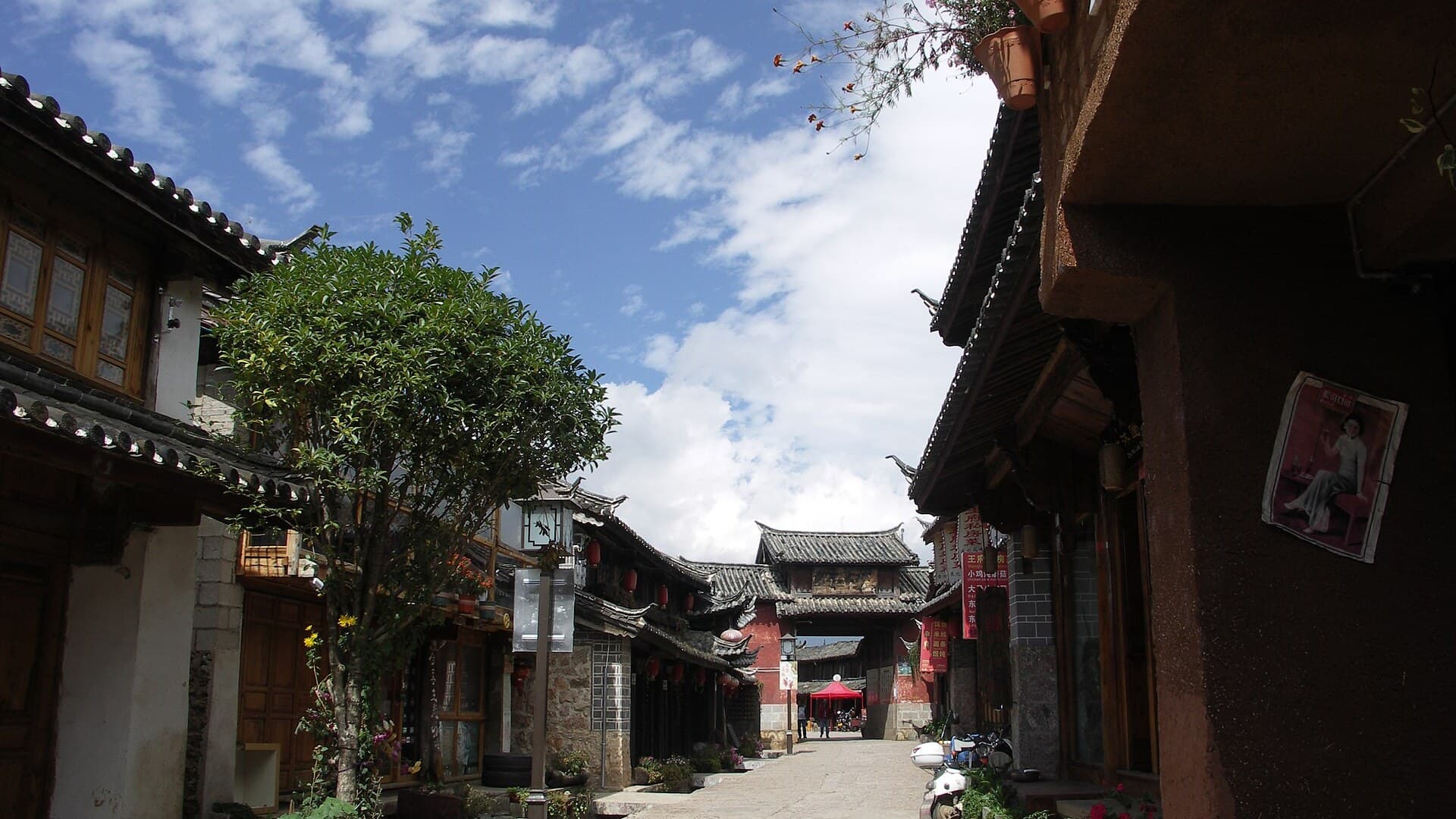
Baisha
Yunnan, China
Ming frescoes and quiet Naxi streets north of Lijiang
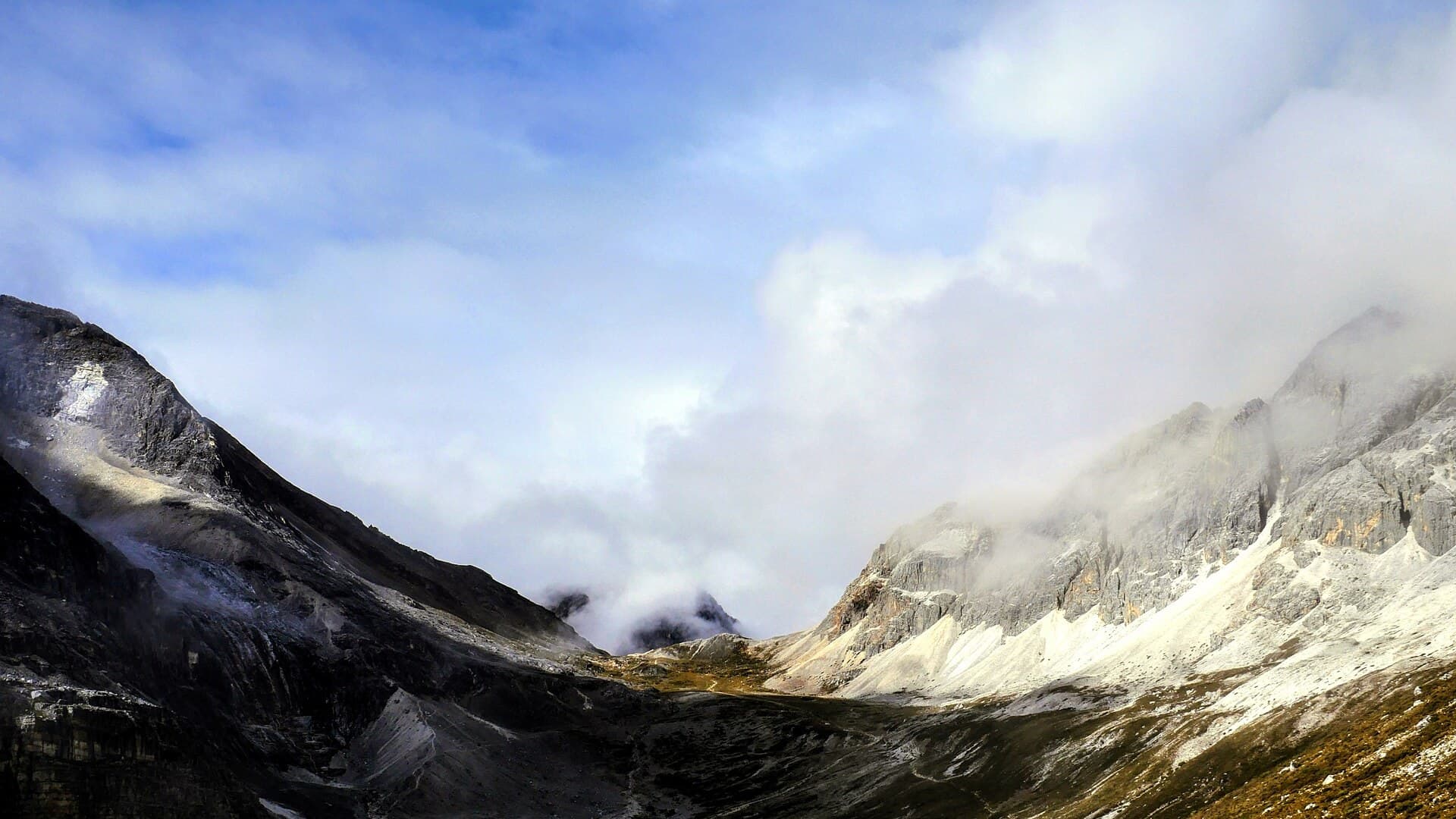
Riwa Guide
Sichuan, China
A small Sichuan town at the edge of Yading's sacred peaks.
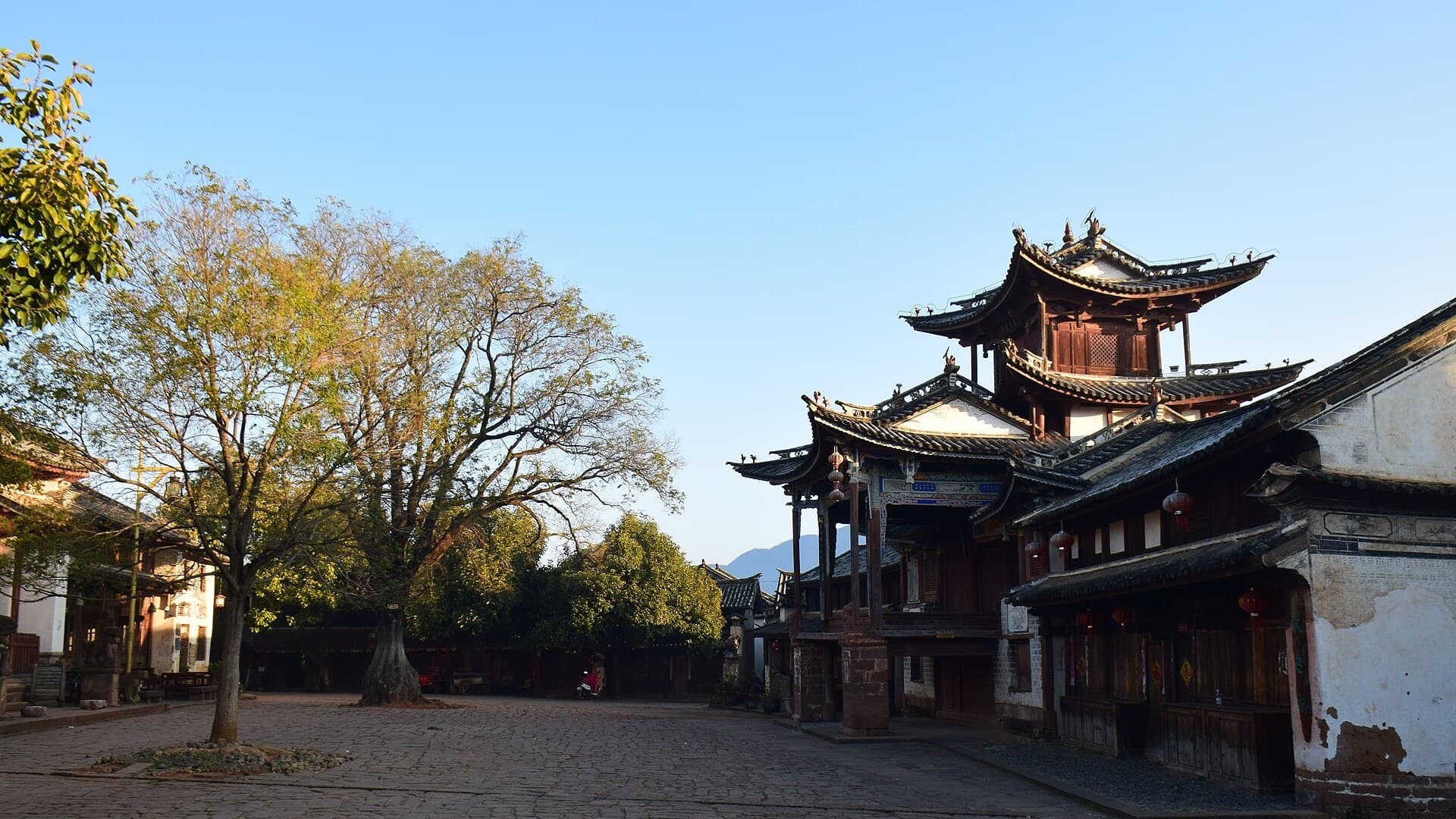
Shaxi Guide
Yunnan, China
Tea Horse Road market town between Dali and Lijiang
Shuhe Guide
Yunnan, China
Canals and Naxi houses, 4 km from Lijiang's busy old town
Tagong Guide
Sichuan, China
Open grassland, a golden monastery and long Tibetan skies

Yangjiatang Guide
Zhejiang, China
A tea-field village under 500-year-old camphor trees

Save these places to your list
Copy the spots you picked into your list — maps and notes included.