
Las Negras Guide
Seaside village with 1970s looks and coves toward Agua Amarga
1 selected
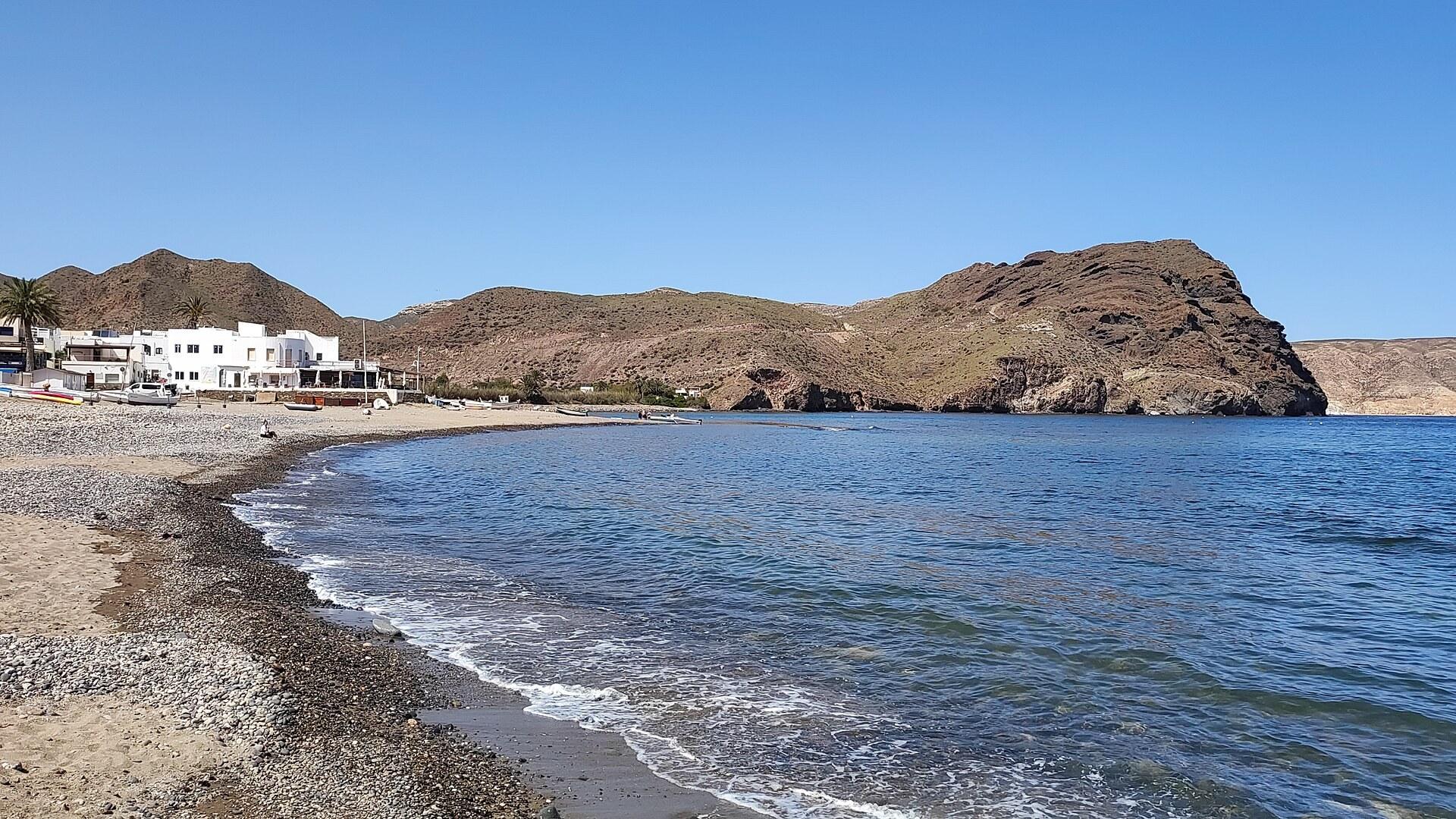
Las Negras is a small seaside village in Andalusia, Spain, lying towards the eastern end of Cabo de Gata-Níjar Natural Park, just west of Agua Amarga. It belongs to the municipality of Níjar in the province of Almería. The houses have a distinctly 1970s look, because the village was built in a more modern style than the other villages of the park.
The village beach is sheltered by the houses themselves. Las Negras counts as one of the best-looking villages of the Cabo de Gata area, and the landscape around it has plenty of charm. For such a small place it keeps a lively night-life: you can eat, drink and catch live music, and the crowd leans bohemian.
Walk or sail along the coast between Agua Amarga and Las Negras and the coves come one after another: Cala de Enmedio, Cala del Plomo, Cala de San Pedro and finally the playazo of Las Negras. That playazo closes the chain of coves that begins at Playa de los Muertos in the east. Playa de los Muertos itself lies on the northern edge of the park, on the road to Agua Amarga, with white gravel for sand and a huge rock at its right end.
Cala San Pedro is not very well known and you reach it from Las Negras. Naturism is practised in some of these coves. Few people make it there, since the way in means more than 3 km on dirt paths.
Under water, Las Negras and San José each have several dive centres that run guided dives, hire out kit, fill tanks and teach courses. Snorkelling is excellent because the sea around Cabo de Gata is exceptionally clear. Kayaking and freediving are popular across the park, and most operators sell boat trips that show the geology from the water and call at inaccessible coves.
After dark you can join the Ruta de Luna Llena, a night walk from Las Negras to El Playazo done in absolute darkness, so every constellation stands out. A suggested walking route strings together Níjar, Cortijo del Fraile, Rodalquilar's mining village, Las Negras, Cala San Pedro, Cala del Plomo, Cala de Enmedio, Agua Amarga and Playa de los Muertos. Rodalquilar, in the middle of the park, shelters local artists, with independent galleries of painting, photography, pottery and ceramics.
The park around Las Negras is the largest protected coastal area in Andalusia. Its jagged cliffs reach 100 m and are cut by gullies, which makes the many small coves and white-sand beaches. El Fraile is the highest peak of the Sierra del Cabo de Gata. Níjar is known for crafts such as ceramics, jarapas carpet weaving and baskets, hats and shoes of esparto grass.
Pirates, gold mines and a Lorca setting around Las Negras
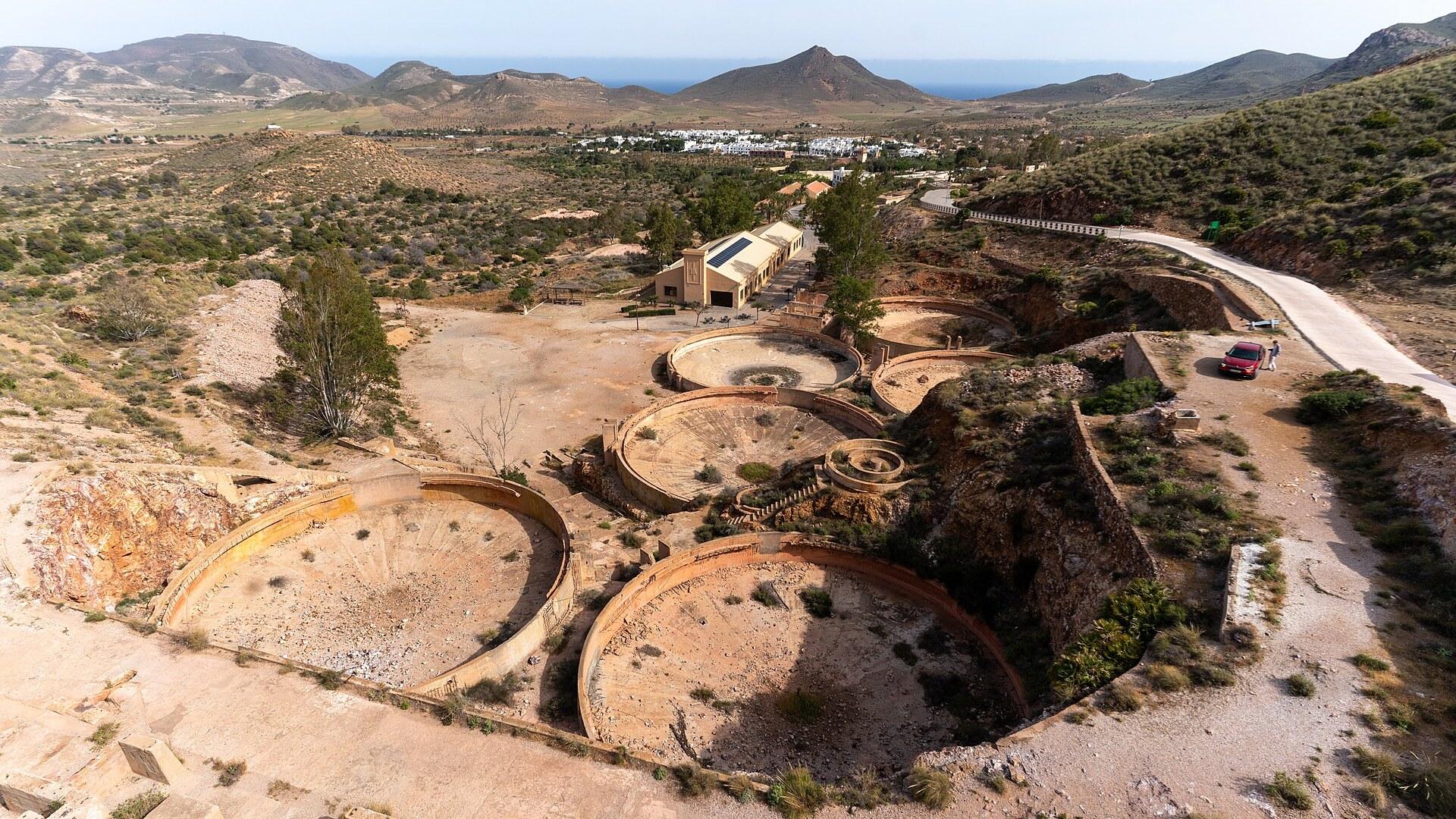
Las Negras was a former pirate refuge, and the old watch buildings at El Playazo de Rodalquilar were raised to defend against pirate attacks. The San Ramón Battery and the Torre de los Alumbres tower guard that beach. Saint Ramon's Castle nearby dates from the 18th century and let the coast of Almería defend itself from attacks by sea. Rodalquilar was the townsite of the Rodalquilar Gold Mine, which worked on and off from Roman times. Its mines were the most important gold mines in Europe. Restored red-brick miners' houses stand there today, next to a thematic centre that works as a museum of the mines and the miners' lives. The ruins of other miners' houses go back to the late 19th-century gold rush. The deserted mining villages around Rodalquilar and Cortijo del Fraile still stand as landmarks of the park. Cortijo del Fraile lies near Los Albaricoques, on the way from Níjar to Rodalquilar, and it is the setting of Federico García Lorca's play Bodas de Sangre (Blood Wedding). Los Albaricoques, about 15 km from Níjar town, played the pueblo of Agua Caliente in Sergio Leone's spaghetti Westerns. Hostal Alba, one of its two bars, pays tribute to that film history. Beside the crystal-clear water of Cala San Pedro you find the ruins of San Pedro and a hippy village, one of the last hippy redoubts in Spain. The Ruta Geológica begins at the Hoyazo de Níjar and drops past the coral reefs of Cala del Cuervo to the mines and museum of Rodalquilar. A visit to the gold mines and abandoned miner villages near Rodalquilar belongs on any trip to the park, which became a UNESCO Biosphere Reserve in 1997.
Fried fish, red prawns and local produce near Las Negras
Las Negras has places to eat, drink and hear live music in the evening, and Isleta del Moro, a small fishing village near it, is where you can order pescaíto, fried fish. The fish dishes of the Cabo de Gata area include salmonete de roca (rock red mullet), calamar de potera (squid), gallopedro, red prawns and lenguado de estero (estuary sole) from the Salinas del Cabo de Gata. Cabo de Gata village has a typical restaurant for fish, and restaurants near the Salinas serve sole. San José has several restaurants and tapas bars, while Rodalquilar has some very nice places to eat. Níjar has many reasonably priced bars and restaurants with local dishes. Los Albaricoques is much smaller, with only one shop and two bars. Shops in Níjar and the park villages sell local produce: olive oil, wine, almonds and tomatoes.
Getting to Las Negras: Almería Airport, the A-7 and the M-203 bus
The M-203 bus serves the eastern settlements of the park, Las Negras and Níjar among them, but as of March 2022 it ran only a few times a day. Almería Airport is the closest to the park, about 30 km from San José. Low-cost airlines from the UK and northern Europe use it most, along with domestic flights by Iberia and Vueling. Municipal bus route #30 runs from the airport to Almería city centre and to the bus and train station. Granada, Murcia, Málaga and Alicante airports can also get you to the park. Málaga Airport is 214 km from Almería city, and ALSA buses from Málaga to Almería city take between 3 and 5 h. The train from Madrid to Almería takes almost 7 h. Almería's Intermodal Station, where buses and trains arrive, lies southeast of the city centre, a 10 to 15 min walk past El Cable. The toll-free A-7 highway links Almería with the rest of the Spanish Mediterranean coast, and the toll-free A-92 links it with Granada and inner Andalusia. San José, a small fishing port in the centre of the park, is easy to reach from the airport and the A-7 autovia.
Getting around Las Negras: footpaths, boats, cars and 4x4 tracks
Cala de San Pedro can be reached from Las Negras on foot along a footpath or by boat. Another account describes going on foot from Las Negras, or driving part of the way and walking the rest. Cala del Plomo, a small beach of sand and stones, is isolated from any settlement but can be reached by car. The trek to Cala de Enmedio from Agua Amarga takes about 30 min on difficult dirt paths. The M-202 bus connects Almería city, from the Estación Intermodal, via Retamar with Cabo de Gata village and the beaches and salinas in the southwest of the park every two hours. Hiring a car makes a trip around the park much easier, with the usual operators at Almería Airport. Book an automatic in advance, since most cars are manual. The park has numerous 4x4 routes and tracks, and most people join organised trips, because most rental 4x4s are just SUVs. Most operators also run boat trips. From Las Negras, the Ruta de Luna Llena leads on foot to El Playazo.
Money and mobile signal: no park fees, 4G and 5G in Almería
Las Negras lies inside Cabo de Gata-Níjar Natural Park, which charges no fees or permits for entry, while Almería city has 4G from Orange and Vodafone as of June 2022. The same city has 5G from MasMovil/Yoigo and Movistar as of June 2022.
Practical tips: weather, rubbish and park basics near Las Negras
Las Negras lies towards the eastern end of a park that is one of the driest regions in Europe, with an average annual rainfall of about 156 mm. Visitors come mainly in the spring and summer months. How hot does it get? In the park the mean daily maximum is 29.6 °C in August and 16.8 °C in January, and winters are among the mildest in Europe. In Almería city summers often reach and exceed 40 °C in the shade in July and August. Are the nights warm? The park has on average 119 tropical nights per year, common in summer. Can I throw rubbish away at Playa de los Muertos? There are no litter bins on Playa de los Muertos, so you must take your rubbish with you. The beach lies at the northern boundary of the park, very close to a concrete factory. Is Las Negras a good base? It is a popular base for visitors who want to focus on the park, and it has a varied choice of accommodation. Which quiet beaches are nearby? Cala de Enmedio, near Agua Amarga, has crystal-clear water, excellent sand and few swimmers. Cala del Cuervo is an isolated beach with a campsite and low occupancy, in the area near Rodalquilar. Cala de Media Luna is a small sandy cove without services. What else is worth seeing? El Playazo de Rodalquilar is a fine sandy beach 400 m long and 30 m wide. Los Genoveses stretches over 1 km. The Salinas de Cabo de Gata are working salt works where flamingos gather in varying numbers. The Caldera de Majada Redonda trail leads to the centre of an ancient volcano caldera.
FAQ
What is covered in the Las Negras guide?
Explore Las Negras in Almería: the village beach, coves toward Agua Amarga, dive centres and a night walk to El Playazo. Plan your Cabo de Gata-Níjar trip. It includes 1 recommendations across 1 gallery.
Next →How many places are in the Las Negras guide?
The Las Negras guide lists 1 places: 1 gallery.
Next →Where is Las Negras?
Las Negras is in Las Negras, Andalusia, Spain (36.8802, -2.0045).
Next →How do you get to Las Negras?
The M-203 bus serves the eastern settlements of the park, Las Negras and Níjar among them, but as of March 2022 it ran only a few times a day. Almería Airport is the closest to the park, about 30 km from San José. Low-cost airlines from the UK and northern Europe use it most, along with domestic flights by Iberia a…
Next →What should you eat in Las Negras?
Las Negras has places to eat, drink and hear live music in the evening, and Isleta del Moro, a small fishing village near it, is where you can order pescaíto, fried fish. The fish dishes of the Cabo de Gata area include salmonete de roca (rock red mullet), calamar de potera (squid), gallopedro, red prawns and lengu…
Next →Is there camping in Las Negras?
No camping listings in this pack yet — we do not invent venues. Entries will appear once verified.
Next →Can you rent a bike in Las Negras?
No bike rental listings in this pack yet. Verified shops will be added when available.
Next →What are recommended gallery in Las Negras?
Highlighted gallery in the Las Negras guide: Las Negras beach.
Next →Highlighted places
- Las Negras beach — The beach at Las Negras, with the white houses of the village and the rocky headland of Cabo de Gata-Níjar Natural Park.
Explore on the map
Tap a pin to highlight its place card
All
1 spots
Recommended places
Gallery
1 · 1 selected
Las Negras beach
gallery
Related guides
Browse nearby destinations
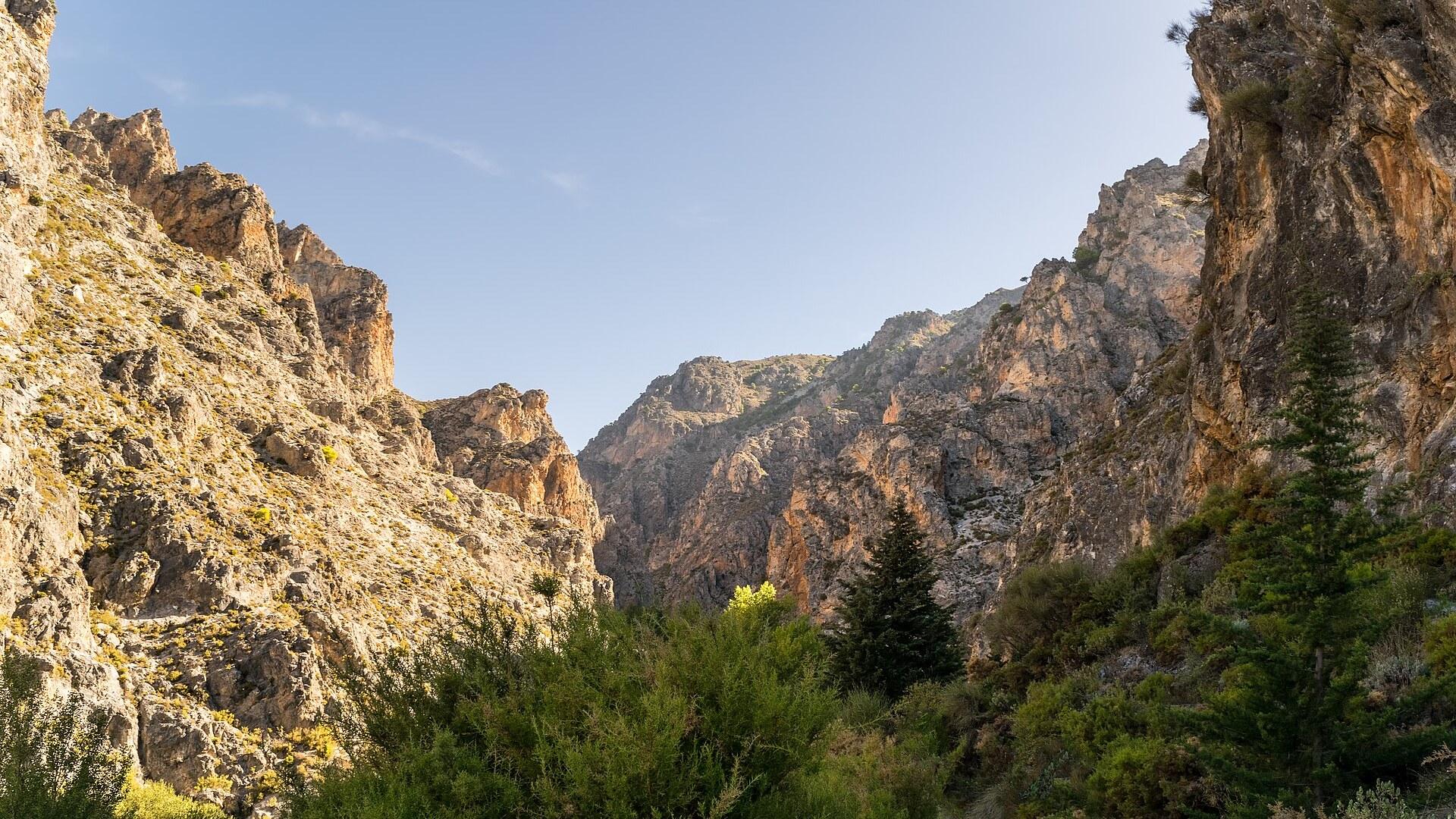
Dúrcal Guide
Andalusia, Spain
Walks along the Río Dúrcal in the Lecrín Valley
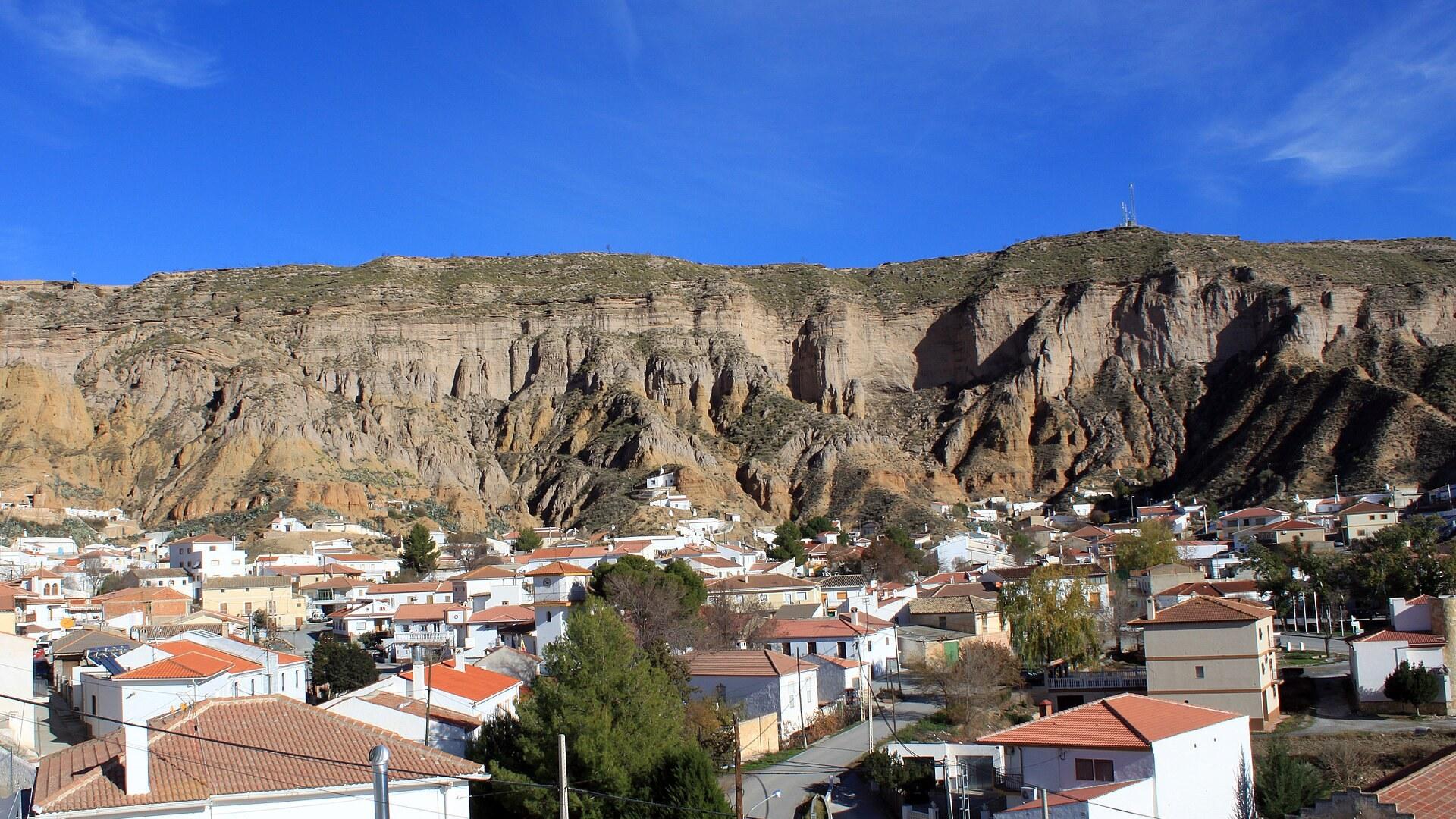
Gorafe Guide
Andalusia, Spain
Dolmens, cave houses and a desert of badlands
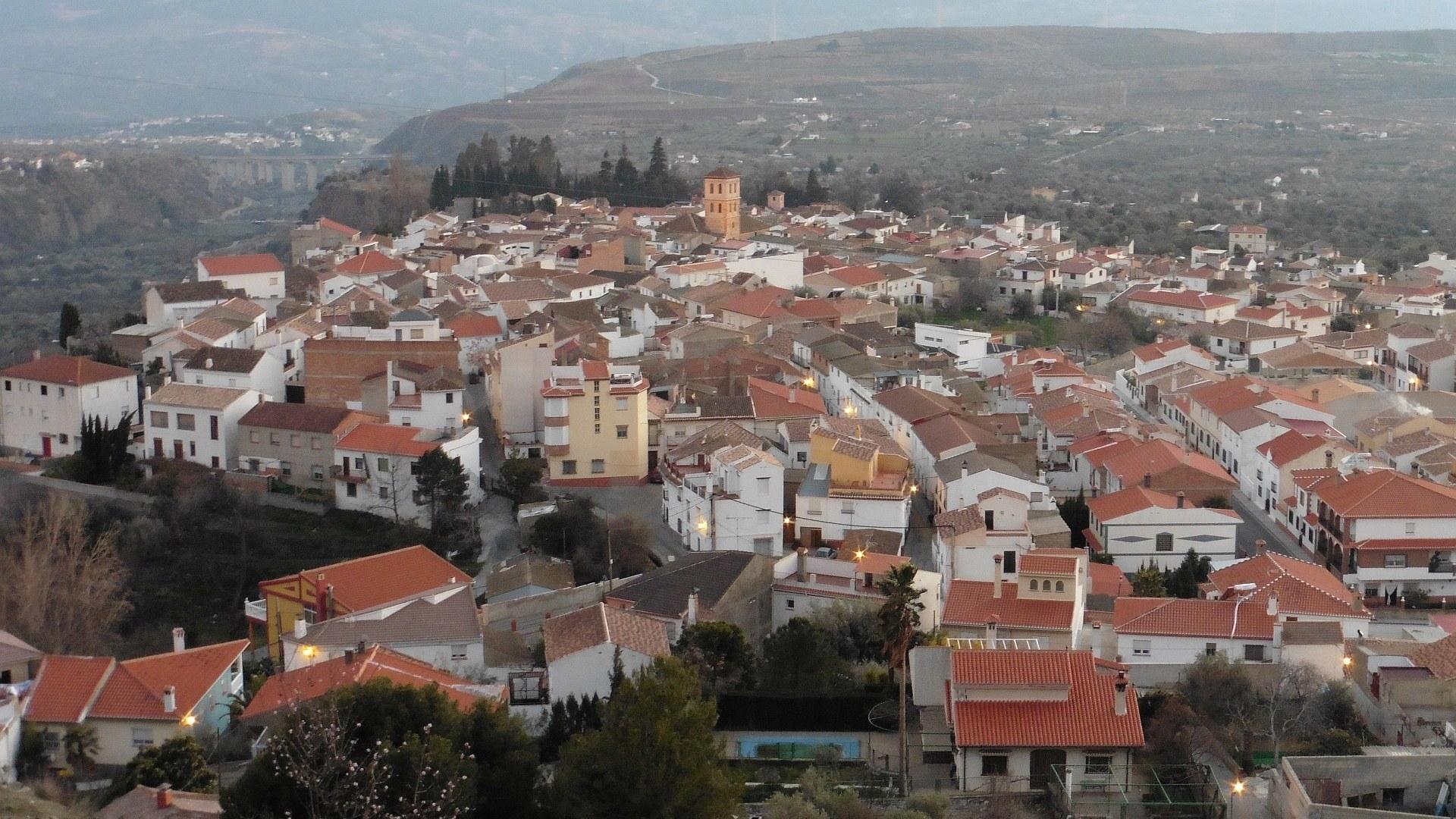
Nigüelas Guide
Andalusia, Spain
The balcony of the Lecrín Valley
Rodalquilar Guide
Andalusia, Spain
Gold-mine ruins and a desert beach in Andalusia
Sorbas Guide
Andalusia, Spain
A town of red clay above a sparkling gypsum underworld
Biniaraix Guide
Mallorca, Spain
Stone steps, olive terraces and a gorge above Sóller

Save these places to your list
Copy the spots you picked into your list — maps and notes included.