
Cromarty Guide
Georgian lanes and dolphins at the Black Isle's tip
1 selected
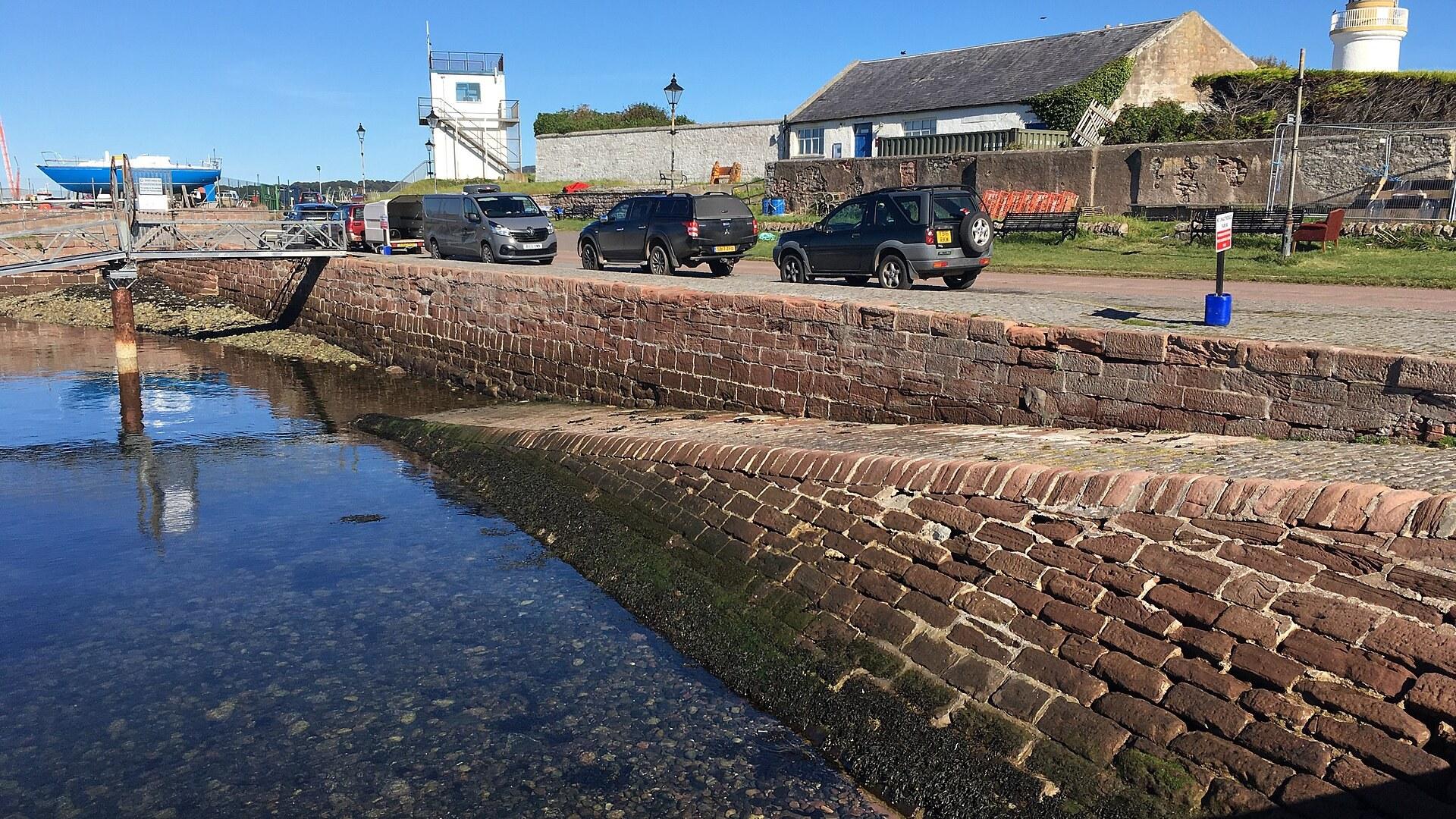
Cromarty sits at the tip of the Black Isle in Highland, United Kingdom, where the peninsula runs out against the mouth of the Cromarty Firth. This former royal burgh faces Invergordon across the water, 8 km away, and two steep headlands called the Sutors guard the entrance. The town is low and compact, and it looks out to sea far more than it looks inland.
Georgian merchant houses, Forsyth House among them, stand beside Victorian and older fishermen's cottages built in the local style. Architects describe the place as an outstanding example of an 18th and 19th century burgh, and Britannica calls it perhaps the best-preserved 18th-century town in the Highlands. Slow down and look at the doorways and rooflines, because that is where the town shows its age.
Rainy hours are easy to fill. Cromarty Courthouse, the old town house on Church Street, was restored and re-opened as a museum in 1991, and its displays include Sir Thomas Urquhart. Hugh Miller's birthplace cottage is a National Trust for Scotland museum. There is also a purpose-built cinema with regular weekly screenings, and the Cromarty Arts Trust is a haven for local artists.
The real draw is offshore. With Chanonry Point just round the coast, Cromarty is one of the best places in Europe to see bottlenose dolphins close to the shore, and wildlife boat operators in Cromarty and Avoch run trips to meet them. The Firth is a Special Protection Area for harbour porpoises, grey seals and harbour seals, minke whales pass through seasonally, and sunfish or basking sharks turn up on occasion.
On land, a short beach-front walk leads from the small boats harbour to the lighthouse and the research centre. Good views over the Firth open up from the Sutors and from Cnoc Fyrish, and oil rigs sitting in the water give the horizon an industrial streak next to the cottages.
Chanonry Point is a beach between Rosemarkie and Fortrose, and Avoch is another Black Isle village close by, so a day along the peninsula fits easily around your time in town. Evenings centre on the two pubs and the cinema, which keeps the day close to the water from the first walk to the last.
Pilgrims, Merchants and Warships: The Story of Cromarty
Cromarty has always been a place people crossed water to reach, and its past runs from a royal pilgrim stop to a wartime anchorage. The name may come from the Gaelic crom and bati, the crooked bay, or from àrd, the bend between the heights of the Sutors. Cromarty Castle was the seat of the Urquharts, hereditary sheriffs, and in 1513 King James IV stayed one night there on a pilgrimage. The ferry to Nigg belonged to that royal route north to Tain. The castle is gone, but Cromarty House now stands on its site, built partly from the old stone and timbers. After winter storms in 2012 eroded the shoreline, local archaeologists identified the mediaeval burgh, dating to at least the 12th century, and a community dig began in 2013 on the eastern edge of town. Cromarty remained the county town of Cromartyshire until 1890. Much of what you walk through was shaped in the late 18th century by George Ross, who built the harbour and set up a brewery and cloth and lace factories. The Town House followed in spring 1773, with an octagonal cupola, and its clock by John Ross of Tain was added in 1782. In September 1843 a crowd from Resolis broke in to free Margaret Cameron, a milkmaid jailed for protesting against an unpopular new minister. In the 19th century the main roads and railways bypassed the town, and its economy declined. Sir Thomas Urquhart, the first English translator of Rabelais, was born here, and so was Hugh Miller in 1801, in the thatched cottage on Church Street that is now the last thatched building in town. Start at Cromarty Courthouse, whose museum covers Urquhart's life, then walk to Miller's cottage. Even the local Black Isle dialect of Scots is part of the story: it died out in October 2012 with its last native speaker, Bobby Hogg.
Pubs, Local Produce and a Harbour That Landed Herring
Eating in Cromarty is a small-town affair, with two lively pubs serving craft beers and a handful of cafes and restaurants that make a point of local produce. Local shops and food outlets fill the gaps, which helps when you want something simple to carry down to the beach front. The sea explains a lot about the local table. The harbour began as a ferry port and a place to land herring, and boats worked salmon stations along the coast, so fish is the natural thing to look for on a menu. George Ross even set up a brewery in the late 18th century, which means beer in town has older roots than the craft labels suggest. Plan meals around your days rather than the other way round. After a morning on a dolphin boat or inside Cromarty Courthouse, a cafe makes an easy lunch stop. Save a pub for the evening, ideally after a weekly cinema screening or a walk out to the lighthouse. If you are staying at Cromarty Camping, buy supplies in the local shops and use the beach-front path to reach the harbour and the pubs on foot. Ask what is local when you sit down; the places here pride themselves on it, so the question is welcome. Cafes, shops and pubs all sit within the same compact town, so you can move between them without a plan, and a picnic from the local shops suits the Sutors or Chanonry Point better than a table does.
Driving to the Tip of the Black Isle and the Nigg Ferry
Getting to Cromarty is mostly a matter of driving to the far end of the Black Isle, the peninsula that the A9 crosses on modern bridges over the Cromarty and Beauly Firths. The road does not continue beyond the town, so you drive out along the peninsula and back the same way. Oil rigs parked in the Firth are often the first thing you notice as you approach, a reminder that this water is a working harbour with facilities for cruise ships, oil processing and bulk cargo. The North Coast 500 scenic route crosses the base of the peninsula, which makes Cromarty a natural side trip for anyone driving it. The town links the Black Isle with the east coast stretch of the NC500, and a local ferry crosses from here to Easter Ross. Invergordon sits 8 km seaward on the opposite shore, yet the ferry is no everyday shortcut. It is the last ferry left on the Black Isle, it runs as a summer service, and it takes just four cars. Treat it as a bonus on a good day, not as the backbone of your plan. People have left Cromarty by water for a long time. In 1818 the poet John Keats and his friend Charles Brown boarded a boat here to return to London after their tour of Scotland. You will arrive more comfortably, but the Firth still feels like the town's real front door.
On Foot, by Beach-Front Path and by Boat Around Cromarty
Getting around Cromarty is mostly a matter of walking between the Georgian lanes, the harbour and the shore, with a small summer ferry as the only real transport. From Cromarty Camping a short beach-front walk leads to the small boats harbour, the lighthouse and the research centre, so the whole waterfront can be strung together on foot. Church Street holds both Cromarty Courthouse and Hugh Miller's cottage, which saves any travelling between the two museums. For views, the Sutors and Cnoc Fyrish are the places to aim for; from either you look over the Cromarty Firth and its oil rigs. Across the water, Nigg Energy Park, opened in 1972 with a dry dock for repairing and fabricating oil platforms, is the industrial counterpart to Cromarty's cottages. By water, wildlife boat operators in Cromarty and Avoch run dolphin trips, and the summer ferry to Nigg carries four cars. Chanonry Point lies just round the coast between Rosemarkie and Fortrose, so a car or a lift is the practical way to reach it. Plan your day so the walking comes first and the longer hop second. Rosemarkie, Fortrose and Avoch are villages and towns on the Black Isle near Cromarty, and they make the natural next stops once you have walked the town. Cromarty itself takes a morning to do properly, with the museums, the harbour and the shore, which leaves the afternoon for a boat trip. Wear shoes suited to the shoreline.
Paying for Cromarty: Pounds, Boat Trips and What Costs Nothing
Money in Cromarty is simple: you pay in pounds sterling, and much of what makes the town worth visiting is free to walk, watch and look at. The Georgian lanes, the beach-front walk to the lighthouse, the views from the Sutors and Cnoc Fyrish, and dolphin watching from the shore at Chanonry Point cost nothing. Money goes on the boat trips run by wildlife operators in Cromarty and Avoch, the summer ferry to Nigg, a cinema evening, and meals in the pubs and cafes. The boat trip is likely your one big-ticket item, so look at what the operators in Cromarty and Avoch offer before you commit. Museum entry at Cromarty Courthouse or Hugh Miller's cottage is a smaller decision, and both sit on Church Street. For data and wifi, count on cafes, pubs and your accommodation rather than the open headlands and viewpoints, where a signal is not something to bet on. If you stay at Cromarty Camping, ask there about connection before you settle in. Since the museums, boat trips and ferry are the main paid items, a day in Cromarty can be built to suit most budgets. Pubs and cafes are the flexible part: the town has two pubs with craft beers and a handful of cafes and restaurants that stress local produce, so you can eat simply or sit down to a proper meal. Where you sleep is the other decision, and Cromarty Camping, with eight pitches on the Firth, is the motorhome option.
Cromarty Practicalities: Ferry, Dolphins, Camping and Wet Days
Cromarty is easy to plan, but a few details decide how good your visit is: the ferry season, where to watch dolphins and where to sleep. When does the ferry to Nigg run? It is a summer service and the last ferry left on the Black Isle. It takes only four cars, so do not build a tight schedule around it. Where can I see dolphins? Cromarty and Chanonry Point, between Rosemarkie and Fortrose, count among the best places in Europe to see bottlenose dolphins from the shore. Boat operators in Cromarty and Avoch run trips if you want to get closer. Can I stay in a motorhome? Cromarty Camping is a community-run site on the edge of the Firth, with eight pitches and open year-round. It opened in summer 2023 and has shower rooms, a washing-up area and powered bays, with views across the water to Ben Wyvis, Easter Ross, Caithness and Sutherland. What if it rains? Cromarty Courthouse and Hugh Miller's birthplace cottage are both museums, and the local cinema has regular weekly screenings. Is there anything left of the wars? The Firth was a British naval base in both World Wars. HMS Natal blew up close to Cromarty on 30 December 1915 with heavy loss of life, and on 26 January 1940 HMS Durham Castle hit a mine 11 nautical miles east of the town. What else is nearby? Rosemarkie, Fortrose and Avoch are Black Isle neighbours. Across the Firth, Invergordon was once a major base for the Royal Navy's Home Fleet and the scene of the Invergordon Mutiny in 1931. Can I look for fossils? The local stone is the Old Red Sandstone that Hugh Miller wrote about, and many fossils can be found in the rocks along the coast.
FAQ
What is covered in the Cromarty guide?
Discover Cromarty on the Black Isle: Hugh Miller's cottage, the Courthouse museum, bottlenose dolphins off the shore and a summer ferry to Nigg. It includes 1 recommendations across 1 gallery.
Next →How many places are in the Cromarty guide?
The Cromarty guide lists 1 places: 1 gallery.
Next →Where is Cromarty?
Cromarty is in Cromarty, Highland, United Kingdom (57.6806, -4.0372).
Next →How do you get to Cromarty?
Getting to Cromarty is mostly a matter of driving to the far end of the Black Isle, the peninsula that the A9 crosses on modern bridges over the Cromarty and Beauly Firths. The road does not continue beyond the town, so you drive out along the peninsula and back the same way. Oil rigs parked in the Firth are often t…
Next →What should you eat in Cromarty?
Eating in Cromarty is a small-town affair, with two lively pubs serving craft beers and a handful of cafes and restaurants that make a point of local produce. Local shops and food outlets fill the gaps, which helps when you want something simple to carry down to the beach front. The sea explains a lot about the loc…
Next →Is there camping in Cromarty?
No camping listings in this pack yet — we do not invent venues. Entries will appear once verified.
Next →Can you rent a bike in Cromarty?
No bike rental listings in this pack yet. Verified shops will be added when available.
Next →What are recommended gallery in Cromarty?
Highlighted gallery in the Cromarty guide: Cromarty harbour.
Next →Highlighted places
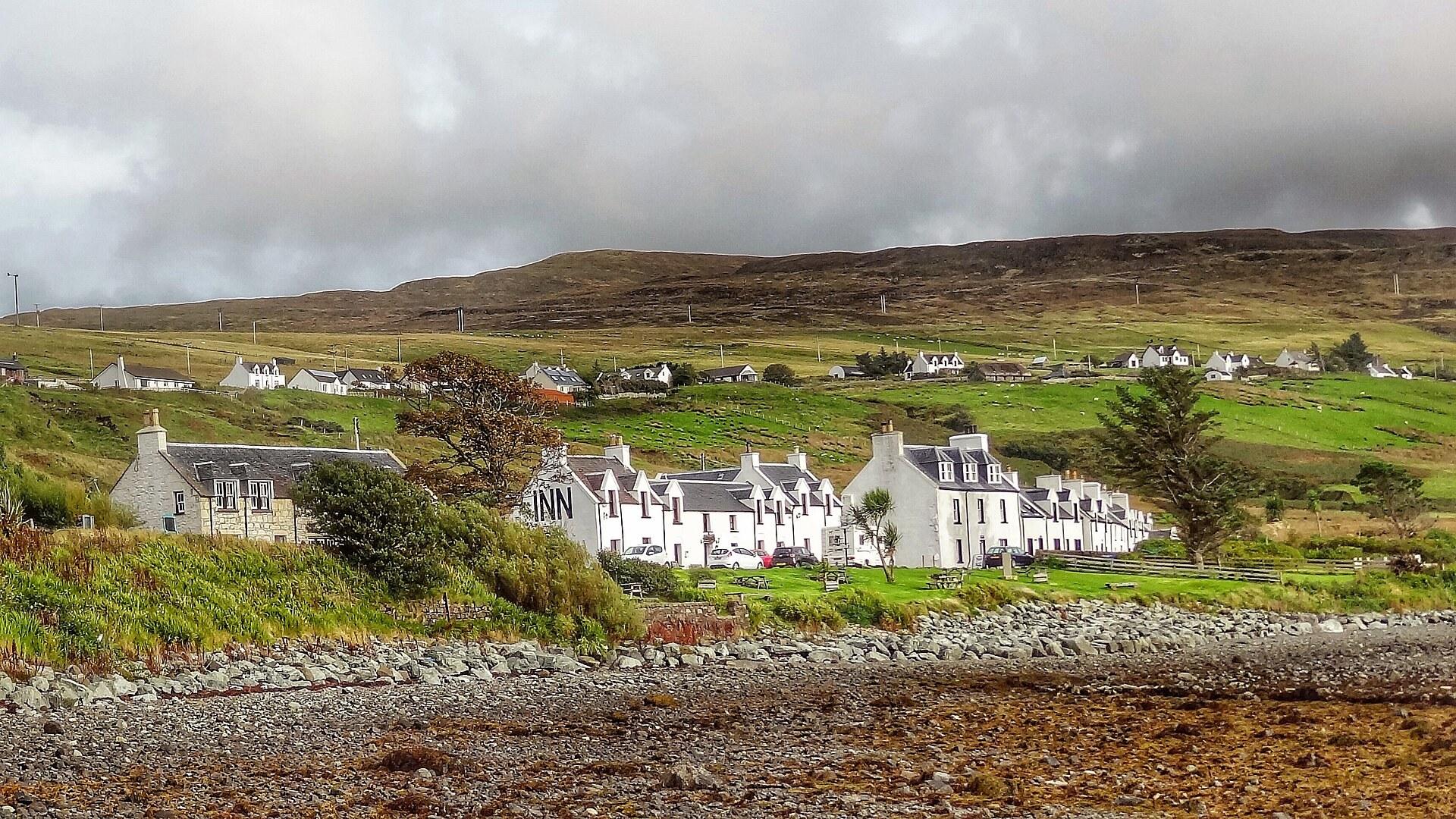
- Cromarty harbour — The harbour of Cromarty at the tip of the Black Isle in the Scottish Highlands.
Explore on the map
Tap a pin to highlight its place card
All
1 spots
Recommended places
Gallery
1 · 1 selected
Cromarty harbour
gallery
Related guides
Browse nearby destinations
Aylesford Guide
Kent, United Kingdom
Priory, megaliths and an old bridge on the Medway
Charmouth Guide
Dorset, United Kingdom
A fossil hunter's village on Dorset's Jurassic Coast

Low Newton-by-the-Sea Guide
Northumberland, United Kingdom
Rockpools, birds and a pub on the Northumberland coast
Port Sunlight Guide
Merseyside, United Kingdom
Soap workers' model village with an art gallery

Seaham Guide
County Durham, United Kingdom
Sea glass, cliff walks and a proud harbour
Stein Guide
Isle of Skye, United Kingdom
Waternish's quiet crofting village on Loch Bay

Save these places to your list
Copy the spots you picked into your list — maps and notes included.