
Aylesford Guide
Priory, megaliths and an old bridge on the Medway
1 selected
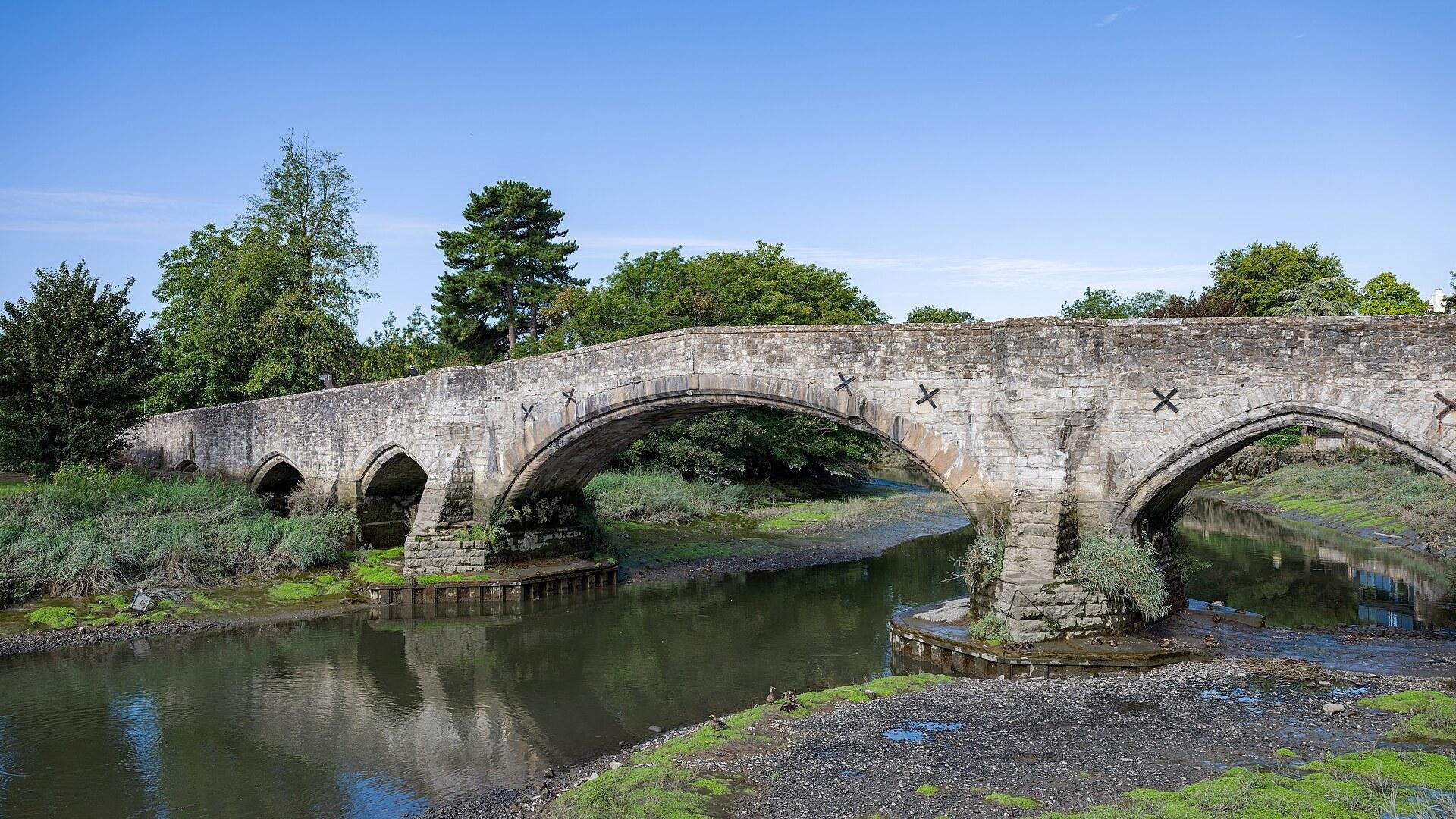
Aylesford is a village in Kent, in the south-east of the United Kingdom, strung along the River Medway 6 km northwest of Maidstone. The old riverside core is tiny: a high street with two pubs and a village shop, and water never far from your elbow. What draws people is the ground around it. Priory, bridge and prehistoric stones all lie within a short walk or drive, so the day more or less arranges itself.
Begin at The Friars, Aylesford's Carmelite priory and pilgrimage complex that still takes visitors for walks, chapel visits and quiet. Cloisters lead on to four chapels, and the Pilgrims' Hall stands beside the river. The newer buildings mix English Gothic and Tudor touches, with traditional peg tiles on the roofs and walls faced in Kentish ragstone, so the whole site reads as one family of buildings.
Art turns up everywhere in the grounds. The ceramics of Adam Kossowski line the Rosary Way behind the Shrine and appear again inside the chapels, while the Peace Garden nearby gives you somewhere to sit. Aylesford Pottery, founded by David Leach, still works in the precincts, and a restored 17th-century barn by the main entrance holds the tea room and gift shop.
Back in Aylesford itself, cross the old bridge. Traffic now uses a modern one close by, so the medieval crossing belongs to pedestrians. Up the hill at the southern end, the Norman church of St Peter and St Paul keeps a memorial to the Culpeper family, and it is a short climb from the high street.
The second half of the day leaves the river. Above Aylesford, about 2.4 km north, Kit's Coty House stands on the hillside: three huge sarsen uprights under a massive capstone, circled by iron railings, with views over the Medway valley from the North Downs. Little Kit's Coty House, a similar structure known as the Countless Stones, sits lower on the same slope. Both belong to the Medway Megaliths, the most southeasterly group of megalithic monuments in the British Isles, and the Coffin Stone and White Horse Stone on Blue Bell Hill complete the eastern group.
Tombs, battles and Carmelite friars: the story of Aylesford
Aylesford has been lived in since Neolithic times, and the stones, bridge and priory around the village still tell that story in layers. Kit's Coty House, 2.4 km to the north, was built around 4000 BCE as a chambered long barrow and survives in ruins. In 1886 an Iron Age cemetery turned up in the village; Sir Arthur Evans excavated it, and a bronze jug, a pan and a bucket with human-face handles from it are now in the British Museum. Then came the fighting. The Anglo-Saxon Chronicle places the Battle of Aylesford nearby in 455, when Hengest fought Vortigern and Horsa is said to have fallen. Alfred the Great beat the Danes here in 893, as did Edmund II Ironside in 1016. The name, recorded in the tenth century as Æglesforda, simply means Ægel's ford. The river made Aylesford a crossing and a port. Its bridge is among the earliest over the Medway, believed to date from the 14th century, although the wide central span is later. Until 1740 the Medway was navigable as far as Maidstone, and the wharf here handled corn, fodder, fruit, stone and timber. The Carmelites arrived in the early 1240s from Mount Carmel. Aylesford hosted the first General Chapter of the order outside the Holy Land, which turned hermits into mendicant friars, and Simon Stock was elected Prior General in 1254. The friars were forced out in 1538, the site passed to Sir Thomas Wyatt of Allington Castle, and a fire in the 1930s destroyed the main house. The order bought it back in 1949. Much of what you see at The Friars grew from that return. The Shrine was begun in 1958 and rededicated in 1965 to designs by Adrian Gilbert Scott, and Adam Kossowski made about one hundred pieces here between 1950 and 1972. Walk the medieval cloisters first, then the modern Shrine, and the gap between the two explains the place.
Pubs, a village shop and a tea room: eating in Aylesford
Eating in Aylesford is a small-scale affair built around two pubs, a village shop on the high street and the tea room at The Friars. Do not expect a row of restaurants. Eat simply, then walk it off along the river or up the hill. The tea room is the natural pause of the day. It sits in one of two restored barns by the main entrance of The Friars, next to the gift shop, in a building from the 17th century that is described as thatched. Come here after the Rosary Way and the chapels rather than before, when you have walked the grounds and want to sit down. For something more social, the pubs on the high street are where the village gathers, and the Chequers Inn is among the oldest buildings in this part of Aylesford. A pint beside the Medway after the climb to Kit's Coty House and back makes the obvious reward. The village shop is the place to pick up a sandwich and water before you head up to the stones. Fruit, corn and fodder once left from the wharf here by barge, and that trading past is still visible in the way the village sits on the river. For a bigger choice of restaurants, Maidstone is 6 km away. A loose plan works best here. Spend the morning at The Friars, which is open 365 days a year, stop for tea in the barn, and carry a sandwich from the village shop up the track to Kit's Coty House. Come down in time for a pub on the high street, and the day has a beginning, a middle and a sit-down at the end.
By train on the Medway Valley Line, or by car along the A20
Getting to Aylesford is simple by rail: the station on the Medway Valley Line has been open since 18 June 1856 and links Strood with Maidstone West and Paddock Wood. It gives you connections for Maidstone and London, so the village works well as a day trip. Maidstone is the nearest town, 6 km to the southeast, and Aylesford sits on the same line, which means you can pair the two in one outing. If you start from London, look at the connections through Maidstone or Strood, the line's northern end, and plan the final stretch along the Medway Valley Line. Drivers reach Aylesford along the A20 London Road, which passes the Royal British Legion Village south of the old village. The Legion Village was founded after the First World War to help injured soldiers from the nearby Preston Hall hospital, and the Poppy Appeal headquarters moved there in 1972. A modern bridge now carries road traffic across the Medway beside the old one. Whichever way you come, finish on foot. Crossing the old bridge, now open to pedestrians only, is the best way to enter the village, and it puts you right where the oldest buildings begin. A sensible order for the day is The Friars first, then the old bridge and the high street, then the 2.4 km up to Kit's Coty House once your legs are warm. The Friars is open 365 days a year, so the order holds in any season, and the walk back down the hill leaves you beside the Medway again.
On foot from the old bridge up to Kit's Coty House
Aylesford is a village you cover on foot: the old bridge, the high street and the church on the hill are all within a few minutes of each other, and The Friars stands beside the river. There is little reason to need anything else for the village itself. Begin by crossing the old bridge, which carries pedestrians only because a modern bridge has taken over the road traffic. Walk through the oldest parts of the village on both banks and you pass the Chequers Inn, the George House, once a coaching inn, and the almshouses. The church of St Peter and St Paul is on the hill in the southern part, so expect an uphill finish. Kit's Coty House is the longer walk, 2.4 km north of the village. A track appears at the junction where the Pilgrim's Way meets Rochester Road, and it leads to the stones. Go in sturdy shoes, because the track climbs and the ground is nothing like the paved high street. Little Kit's Coty House lies lower down the same hillside, roughly 2 km from the larger monument. If you are only doing one, choose Kit's Coty House: the chamber, circled by iron railings, gives the views over the Medway valley that justify the effort. Inside The Friars you walk too, and the order is easy to follow. The two walks of the Cloisters and the Prior's Hall are medieval, the Cloister Chapel and the Courtyard with the Pilgrims' Hall lie beside the River Medway, and beyond the cloisters come the Choir Chapel, St Joseph's, St Anne's and the Relic Chapel. Behind the Shrine, the Rosary Way runs near the Peace Garden.
Free chapels, paid tea: what a day in Aylesford costs
Money matters little in Aylesford, because the main sights ask nothing at the gate. The Friars has free entry and is open 365 days a year, and walking the Rosary Way, the cloisters and the chapels costs nothing. Kit's Coty House is owned by English Heritage and open to visitors all year round. What you do spend goes on small things: tea and something to eat in the barn tea room, a gift from the shop, a pint in one of the two pubs. Aylesford Pottery, founded in 1953 by David Leach, still works in the precincts and is one of the few surviving commercial craft potteries in the southeast of England, so a handmade piece makes a lasting souvenir. Pay in pounds sterling. The village is small, with two pubs and one shop on the high street, so for a bigger shop or a wider choice, Maidstone is 6 km away. Plan to do any larger purchasing there. Entry that costs nothing makes Aylesford a cheap day out compared with most heritage sites. Your main expense is likely to be the train fare along the Medway Valley Line, so work out your route before you leave. Think of the day in three stops. The barn tea room at The Friars is the first, the gift shop and the pottery in the precincts the second, and a pub on the high street the third. Everything else, from the cloisters to the 2.4 km walk up to Kit's Coty House, asks only for your time and a pair of shoes that can handle a hill.
Before you go: opening, shoes and manners at The Friars
Aylesford is easy to visit at any season, because both of its main sights stay open all year, but a few things are worth knowing before you set out. Is The Friars open all year? Yes. It is open 365 days a year with free entry, and it offers walks, pilgrimage and chapel visits. What should I wear to walk up to Kit's Coty House? Sturdy shoes, because the track from the Pilgrim's Way and Rochester Road junction climbs. Pick a clear day, since the view over the Medway valley from the North Downs is the reason to go, and leave the stones before the light fades on the way down. How should I behave at The Friars? It is a working religious site, so keep your voice down in the chapels. The Relic Chapel houses the remains of St Simon Stock, installed there in July 1951. What will I actually see at Kit's Coty House? Three large sarsen uprights capped by a massive stone in an H-shaped arrangement, circled by iron railings. English Heritage owns it and it is open all year round, about 2.4 km from the village, so allow time for the walk there and back. Is the Friars only for pilgrims? No. Entry is free for everyone, and you can wander the grounds, the Rosary Way and the Peace Garden without taking part in anything religious. Can I drive across the old bridge? No. A modern structure nearby has replaced it, and the old Aylesford bridge remains in use for pedestrians.
FAQ
What is covered in the Aylesford guide?
Plan a day in Aylesford, Kent: a working Carmelite priory, a medieval bridge for walkers only and Neolithic tombs on the hill above the River Medway. It includes 1 recommendations across 1 gallery.
Next →How many places are in the Aylesford guide?
The Aylesford guide lists 1 places: 1 gallery.
Next →Where is Aylesford?
Aylesford is in Aylesford, Kent, United Kingdom (51.3025, 0.4767).
Next →How do you get to Aylesford?
Getting to Aylesford is simple by rail: the station on the Medway Valley Line has been open since 18 June 1856 and links Strood with Maidstone West and Paddock Wood. It gives you connections for Maidstone and London, so the village works well as a day trip. Maidstone is the nearest town, 6 km to the southeast, and…
Next →What should you eat in Aylesford?
Eating in Aylesford is a small-scale affair built around two pubs, a village shop on the high street and the tea room at The Friars. Do not expect a row of restaurants. Eat simply, then walk it off along the river or up the hill. The tea room is the natural pause of the day. It sits in one of two restored barns by…
Next →Is there camping in Aylesford?
No camping listings in this pack yet — we do not invent venues. Entries will appear once verified.
Next →Can you rent a bike in Aylesford?
No bike rental listings in this pack yet. Verified shops will be added when available.
Next →What are recommended gallery in Aylesford?
Highlighted gallery in the Aylesford guide: Aylesford old bridge.
Next →Highlighted places
- Aylesford old bridge — The medieval bridge over the River Medway at Aylesford in Kent.
Explore on the map
Tap a pin to highlight its place card
All
1 spots
Recommended places
Gallery
1 · 1 selected
Aylesford old bridge
gallery
Related guides
Browse nearby destinations
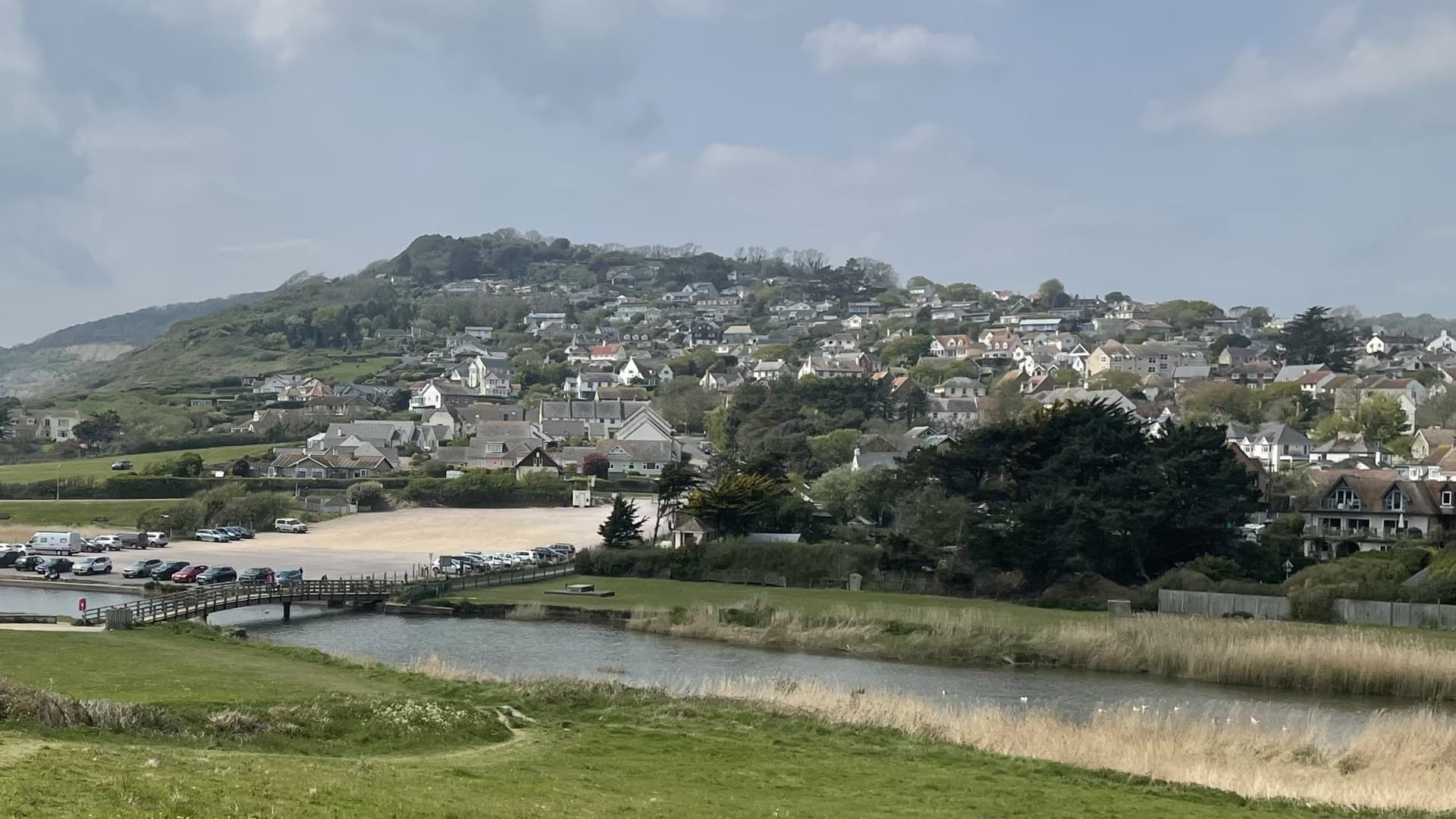
Charmouth Guide
Dorset, United Kingdom
A fossil hunter's village on Dorset's Jurassic Coast
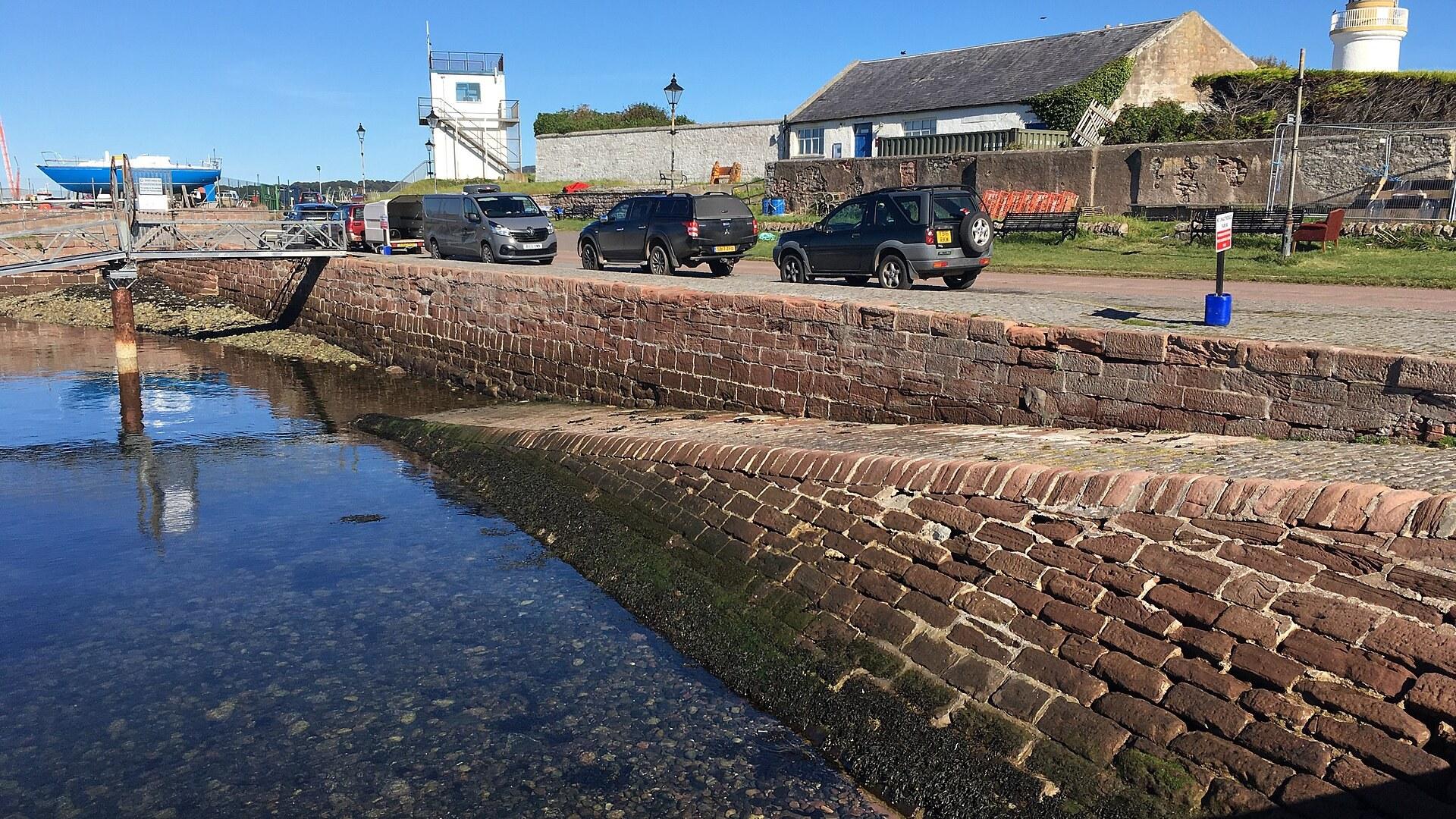
Cromarty Guide
Highland, United Kingdom
Georgian lanes and dolphins at the Black Isle's tip

Low Newton-by-the-Sea Guide
Northumberland, United Kingdom
Rockpools, birds and a pub on the Northumberland coast
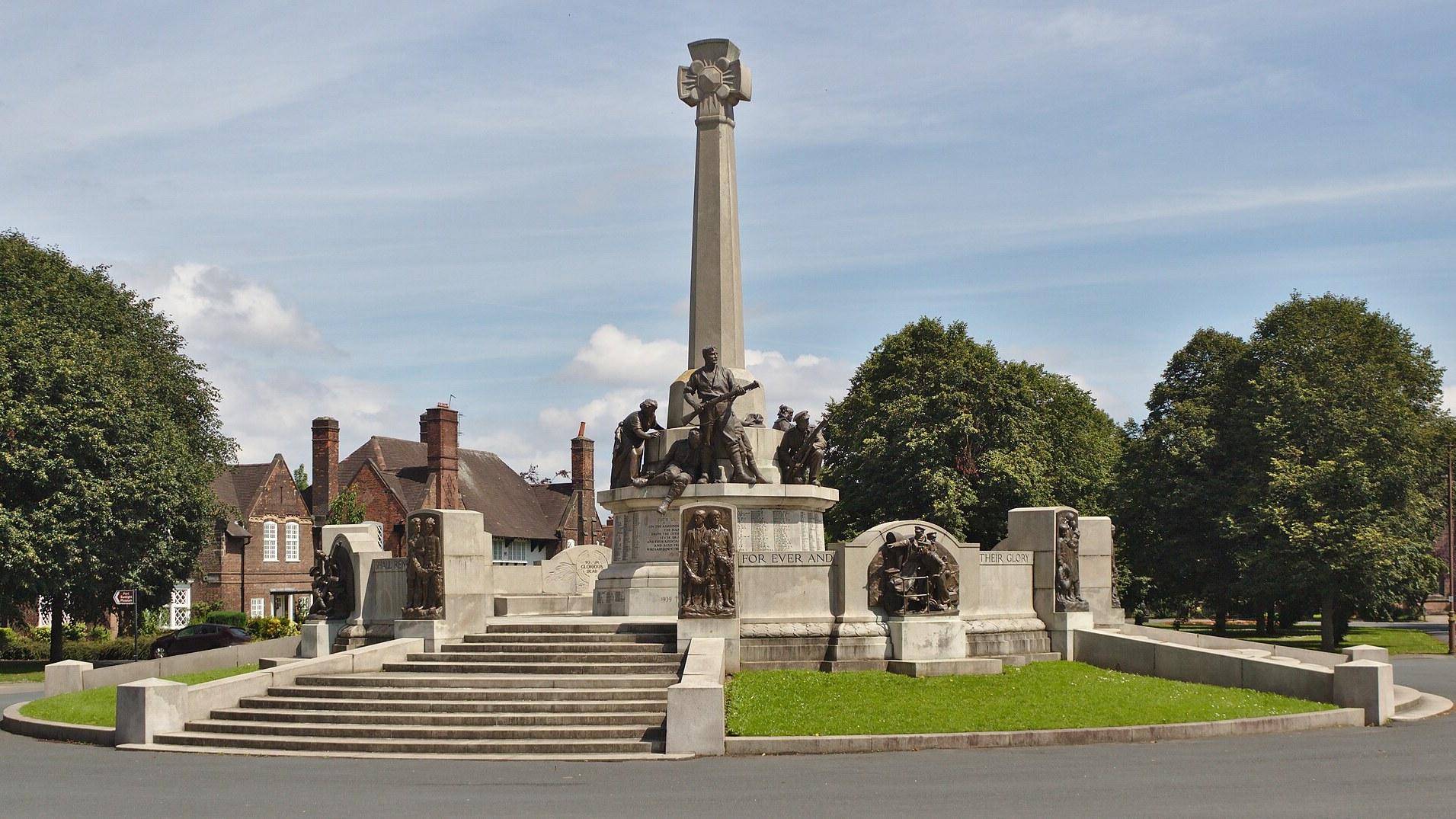
Port Sunlight Guide
Merseyside, United Kingdom
Soap workers' model village with an art gallery

Seaham Guide
County Durham, United Kingdom
Sea glass, cliff walks and a proud harbour
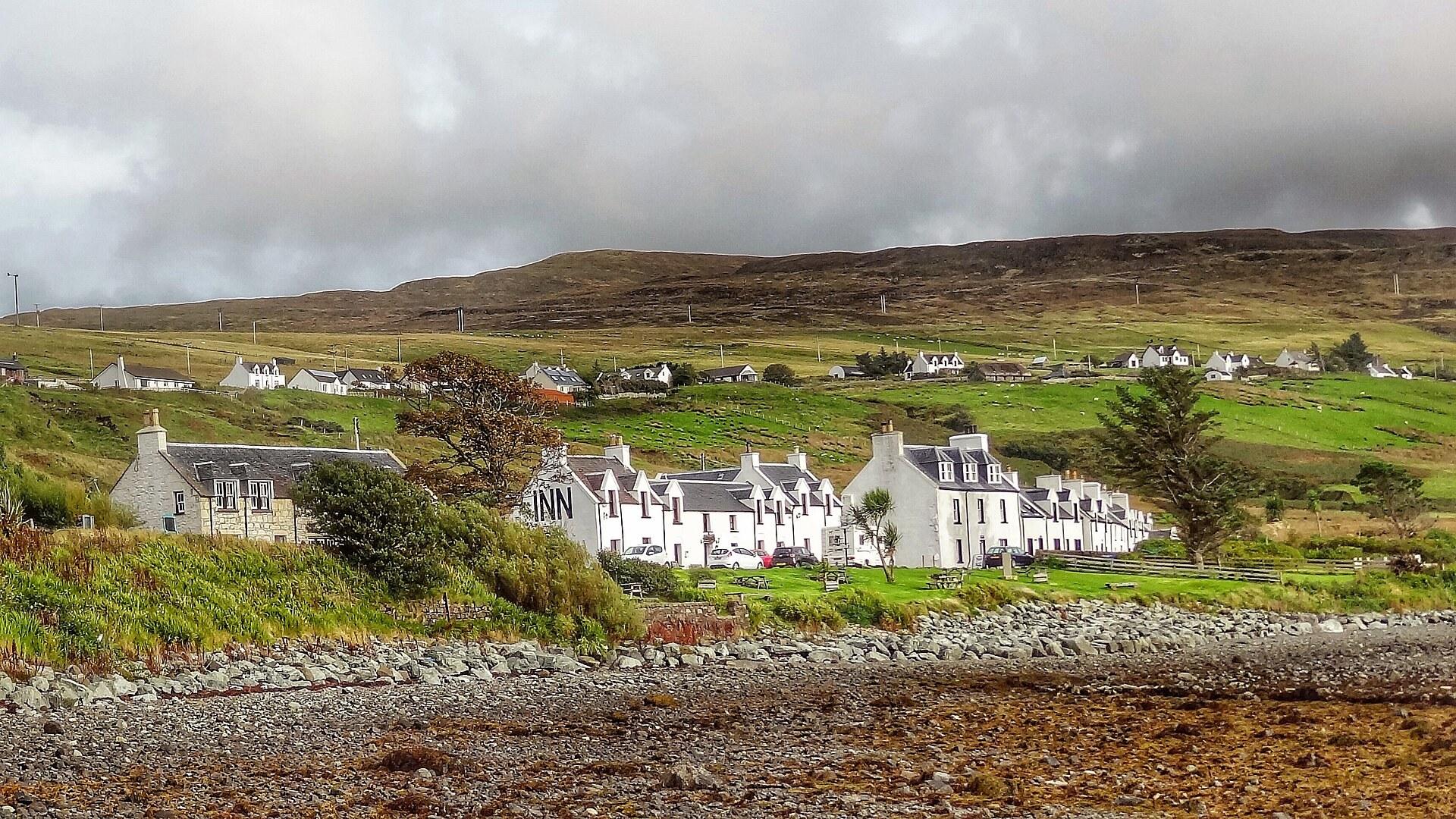
Stein Guide
Isle of Skye, United Kingdom
Waternish's quiet crofting village on Loch Bay

Save these places to your list
Copy the spots you picked into your list — maps and notes included.