
Charmouth Guide
A fossil hunter's village on Dorset's Jurassic Coast
4 selected
Charmouth Guide · 4 spots · Dorset, United Kingdom
·Last updated:
·Curated by Shlau
Explore by category
Browse hotels, restaurants, and more in this guide
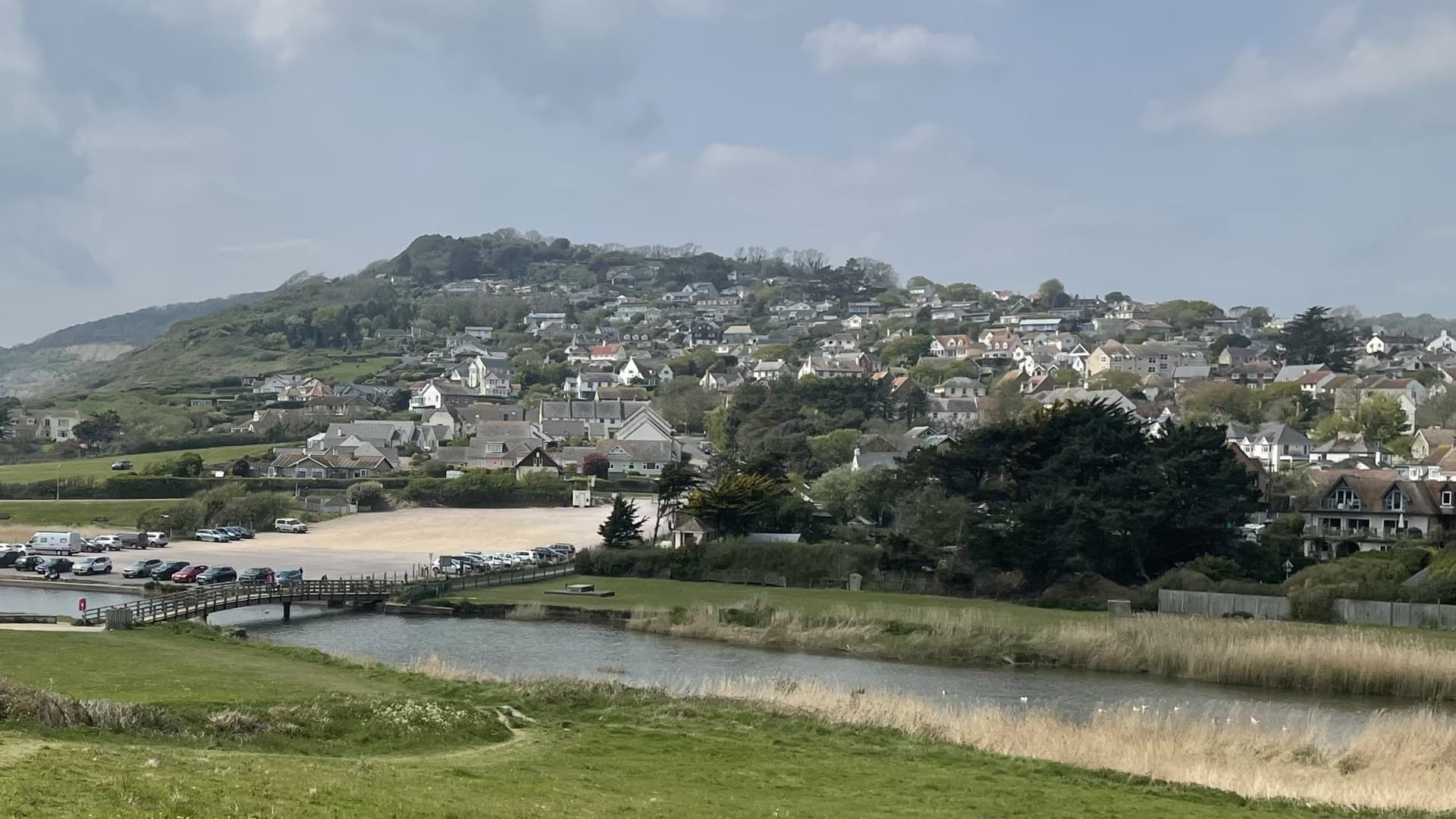
Charmouth is a coastal village in Dorset, United Kingdom. It gathers around the mouth of the River Char, right where the river meets Lyme Bay. Steep hills fold down towards the water, and the village sits on a slope just west of the river, close to the English Channel. Lyme Regis is only 2 km down the coast. The whole stretch belongs to the Jurassic Coast, a World Heritage Site.
This coastline runs for around 155 km. Charmouth is one of its quieter, more unspoilt corners. It sits inside an Area of Outstanding Natural Beauty, and it forms part of England's only UNESCO Natural World Heritage Site. Jane Austen once called it a nice place for sitting in unwearied contemplation. That same calm still greets families looking to escape the hustle of modern life. The National Trust owns much of the land nearby, which keeps the hills and shoreline looking much as they always have.
The cliffs above Charmouth's beach rise to 191 m. They are the whole reason people come here. Fossils genuinely wash out of that rock and land on the gravel and shingle below, especially after a winter storm. Thousands of fossilised marine reptiles are locked into these cliffs. Finds range from tiny fragments up to 1 m across. The beach itself has picked up serious praise too: it is the only UK entry in National Geographic's 21 Best Beaches in the World. On a clear day, the views along the Jurassic Coast are hard to beat. Toilets, a café and picnic spots sit right by the sand.
Fossil hunting is the reason most people plan a trip to Charmouth in the first place. The local motto sums it up well: the worse the weather, the better the fossil hunting. Ammonites and belemnites turn up most often, alongside sea urchins and fossilised fish. Every so often someone finds part of an ichthyosaurus or plesiosaurus skeleton. The Charmouth Heritage Coast Centre is the best place to start, and it runs guided walks suitable for the whole family. A typical guided walk lasts 2 hours. It opens with a 20 minutes talk before everyone heads down to the beach.
That centre sits inside a long-disused cement factory right on the foreshore. Inside, you will find a free museum packed with fossil specimens, alongside videos and exhibits on the local geology. Entry is free, and the staff are happy to point out where to look. If fossils are not quite your thing, the Seashore Safari explores rockpool creatures and comes with lunch included. The South West Coast Path gives you a proper walk along the clifftops whenever you fancy going further.
Charmouth manages to feel both wild and welcoming at once. Steep hills sit behind you, and an ever-shifting beach stretches out in front. The village pace never seems to rush. Spend an hour scanning the shingle, then wander back up for a coffee. You will understand exactly why people keep coming back.
The Story Behind Charmouth's Cliffs
Charmouth's history stretches from an Iron Age settlement through Danish raids and a Georgian resort boom to a single clifftop discovery that reshaped science. Long before tourism took hold, the Durotriges, a Celtic tribe, settled here in the Iron Age. Centuries later, Danish fleets landed on this coast. They fought Saxon forces here during the 8th and 9th centuries. Abbots House, once known as The Queens Armes Hotel, is a Grade II listed building. It dates from the early 16th century and was refaced in the 18th. The inn sheltered the fugitive King Charles II on 22 September 1651, while he waited for a boat to France. Cottages from the 17th and 18th centuries still line the main street, and many of them are listed buildings today. The parish church of St Andrew was rebuilt in 1836, on the site of an earlier building from around 1503. By the 18th and 19th centuries, Charmouth had become a fashionable resort. Visitors included the novelist Jane Austen, who admired its quiet cliffs and sea air. That reputation for scenery took on new meaning in the early 1800s. Pioneering fossil collector Mary Anning worked this same coastline and uncovered the first identified ichthyosaur skeleton. It was a discovery that changed how scientists understood prehistoric life. She combed cliffs that still rise to 191 m today, and those same cliffs keep shedding fossils onto the beach below with every storm. That fossil legacy is exactly why the Charmouth Heritage Coast Centre was founded in 1985. Local residents set out to protect the cliffs from careless collectors. It is a fitting way for a small village to guard the story that made it famous.
Where to Eat in Charmouth
Eating in Charmouth stays wonderfully simple, built around a couple of pubs, a fish bar and cafés on the main street or right by the beach. The main street and the seafront each have their own cluster of shops. Look out for a proper fossil shop, bakers, an ironmonger and two pubs, where a pint waits at the end of a day on the shingle. For something more filling, choose between takeaway meals and a sit-down café-restaurant in the village centre. The fish bar is the place for fresh, simple seafood. Cafés right on the beach are the easiest stop once you have finished combing the shingle. They save you the walk back into the village before you have even had a coffee. Several of Charmouth's holiday parks run their own bars and restaurants. Most welcome non-residents as well as guests staying on site. Seadown Holiday Park is one example. Its restaurant makes a relaxed dinner stop on an evening when cooking after a long beach day is the last thing you want to do. None of this changes much with the seasons, which suits Charmouth's slower pace. The same pubs and cafés open whether you have come for a spring fossil hunt or a quieter autumn walk along the coast path. Book nothing in advance, and you will still eat perfectly well, whatever the month.
Getting to Charmouth by Road, Rail and Bus
Reaching Charmouth usually means driving the A35, arriving by train through Axminster, or riding the coastal X53 bus. From Exeter, the standard route follows the A30 to Honiton, then the A35 past Axminster towards Charmouth. The whole drive from Exeter takes about 1 hour and 15 minutes. If you are coming from further afield, Charmouth sits roughly 3 hours by car from either London or Birmingham, depending on traffic. Coming from Dorchester, you follow the A35 towards Honiton and pass through Bridport. Watch for the Charmouth turn-off on the left. From Lyme Regis, the drive is shorter still, only about 5 km along the same A35. A local bus covers the same short stretch if you would rather not drive. The nearest railway station is Axminster, on the line running all the way to London Waterloo. A direct train from the capital is entirely possible. Axminster is also the nearest town to Charmouth, about 8 km away. It is served by trains on the same Exeter to Waterloo route. Once you reach Axminster, the X51 and X53 buses both continue on to Charmouth. The X53 is the more scenic choice, tracing the Jurassic Coast for much of its route. Either way, you arrive without ever needing a car of your own. That makes Charmouth an easy add-on to a longer Dorset trip.
Finding Your Way Around Charmouth
Charmouth is small enough to explore entirely on foot, with taxis and a couple of bus routes on hand for anything further. The Charmouth Heritage Coast Centre sits right on the foreshore. That makes it an easy walk from almost anywhere in the village. Walking is also by far the best way to search the beach for fossils, rather than driving between spots along the shore. Taxis are available if you would rather not walk everywhere. The same X51 and X53 buses that bring visitors in from Axminster double as a simple way to reach the coast further along. The X51 continues to Dorchester, and the X53 runs on to Weymouth. Either service saves you arranging a car for a single afternoon out. Charmouth also runs a free parking scheme for visitors. It's worth knowing about if you are staying just outside the village rather than in its centre. For the beach itself, head to the pay-and-display car park at the end of Lower Sea Lane, signposted from the main road. There tends to be ample space even on a busy summer day. None of this needs much planning. Charmouth rewards wandering, whether that means a slow loop of the main street's shops or a longer stretch of the coast path. On one side sits the sea, and on the other the cliffs. Bring comfortable, grippy shoes, and you will rarely need anything else to get around.
Money and Staying Connected in Charmouth
Money matters in Charmouth stay refreshingly simple: pounds sterling, widely accepted cards and wifi wherever you need it. The local currency is the British pound. Credit cards are accepted at the Charmouth Heritage Coast Centre, as well as most tourist facilities across Dorset, so you rarely need to carry much cash. It is still worth keeping a little change on you, for smaller stalls or an honesty box at a farm gate, the kind of thing a card machine cannot always handle. Mobile data and wifi both work well in the village's tourist spots, including the heritage centre itself and the museums nearby. That makes it easy to check tide times, or look up a fossil you have just found. Signal away from the village, out along the cliffs and coast path, tends to be patchier. It is worth downloading maps or tide tables in advance. One practical tip worth knowing: many rooms in and around Charmouth can be booked directly with the owner. That skips the high commission that big .com booking sites usually add onto the price. The White House Hotel is a good example of somewhere worth contacting directly rather than booking through a third party. The saving can be worth the extra effort of a phone call or an email, and many visitors say the small effort more than pays for itself.
Before You Go: Timing, Safety and Where to Stay
Planning a trip to Charmouth comes down to picking the right season, packing sensible shoes and knowing the coastline's few firm safety rules. Beyond that, this is a relaxed, small-scale village that rewards a slower visit rather than a packed itinerary. When's the best time for fossil hunting? Spring is often best, once winter storms have already loosened fossils from the cliffs. Locals swear by the storms themselves too, following the old motto that the worse the weather, the better the fossil hunting. What should I pack? Bring sturdy, grippy footwear. The beach here is loose gravel and shingle rather than soft sand, and it can be harder going underfoot than it looks. What are the safety rules on the beach and cliffs? Never hammer the cliffs, since this coastline is part of a protected World Heritage Site. Never climb them or walk on the mud flows, both of which are genuinely dangerous and forbidden. Only search for fossils when the tide is going out, and check tide tables first so you are never caught out by the water coming back in. The local Fossil Hunting Code is simple: do not dig or climb, and only collect loose fossils you find lying on the beach. When is the Stonebarrow information centre open? It runs seasonally, from Easter through to October. Time a visit outside that window and you will find it closed. Where can I stay? Options range from quiet self-catering cottages and B&Bs to holiday parks and hotels. The White House Hotel and Hensleigh House, a B&B with 8 rooms, both sit in the village itself. Seadown Holiday Park offers a more self-contained stay just outside it. What about everyday shopping? Charmouth has shops for daily essentials, books and gifts, plus a pharmacy for anything else you might need.
FAQ
What is covered in the Charmouth guide?
Discover Charmouth, the Dorset village where fossils wash from Jurassic Coast cliffs onto a gravel beach, and plan your own fossil hunt today. It includes 4 recommendations across 3 hotels, 1 gallery.
Next →How many places are in the Charmouth guide?
The Charmouth guide lists 4 places: 3 hotels, 1 gallery.
Next →Where is Charmouth?
Charmouth is in Dorset, United Kingdom (50.7380, -2.9066).
Next →How do you get to Charmouth?
Reaching Charmouth usually means driving the A35, arriving by train through Axminster, or riding the coastal X53 bus. From Exeter, the standard route follows the A30 to Honiton, then the A35 past Axminster towards Charmouth. The whole drive from Exeter takes about 1 hour and 15 minutes. If you are coming from furthe…
Next →What should you eat in Charmouth?
Eating in Charmouth stays wonderfully simple, built around a couple of pubs, a fish bar and cafés on the main street or right by the beach. The main street and the seafront each have their own cluster of shops. Look out for a proper fossil shop, bakers, an ironmonger and two pubs, where a pint waits at the end of a…
Next →Is there camping in Charmouth?
No camping listings in this pack yet — we do not invent venues. Entries will appear once verified.
Next →Can you rent a bike in Charmouth?
No bike rental listings in this pack yet. Verified shops will be added when available.
Next →What are recommended hotels in Charmouth?
Highlighted hotels in the Charmouth guide: The White House Hotel; Hensleigh House; Seadown Holiday Park.
Next →Highlighted places
- Charmouth beach — Foreshore on Lyme Bay, west Dorset.
- The White House Hotel — The hotel offers essential amenities for a relaxing stay. Guests can benefit from wireless internet access in public areas. Additionally, there is a bar on-site, and the garden…
- Hensleigh House — Located near Exeter Airport (EXT), Hensleigh House features English-speaking staff ready to assist guests. The hotel offers amenities such as wireless internet access, a bar, and free parking.…
- Seadown Holiday Park — The hotel provides a range of amenities to ensure a comfortable experience for guests. Laundry service and wireless internet access are available in public areas. Additionally, a supermarket…
Explore on the map
Tap a pin to highlight its place card
All
1 spots
Recommended places
Hotels
3 · 3 selected · View all Hotels
The White House Hotel
Guests come here for a relaxed stay with a genuinely comfortable welcome in the heart of Charmouth.
Hensleigh House
This bed and breakfast offers a comfortable stay across 8 rooms, right in Charmouth.
Seadown Holiday Park
This holiday park offers a comfortable stay with a variety of amenities for every kind of guest.
Gallery
1 · 1 selected
Charmouth beach
gallery
Related guides
Browse nearby destinations

Low Newton-by-the-Sea Guide
Northumberland, United Kingdom
Rockpools, birds and a pub on the Northumberland coast

Seaham Guide
County Durham, United Kingdom
Sea glass, cliff walks and a proud harbour
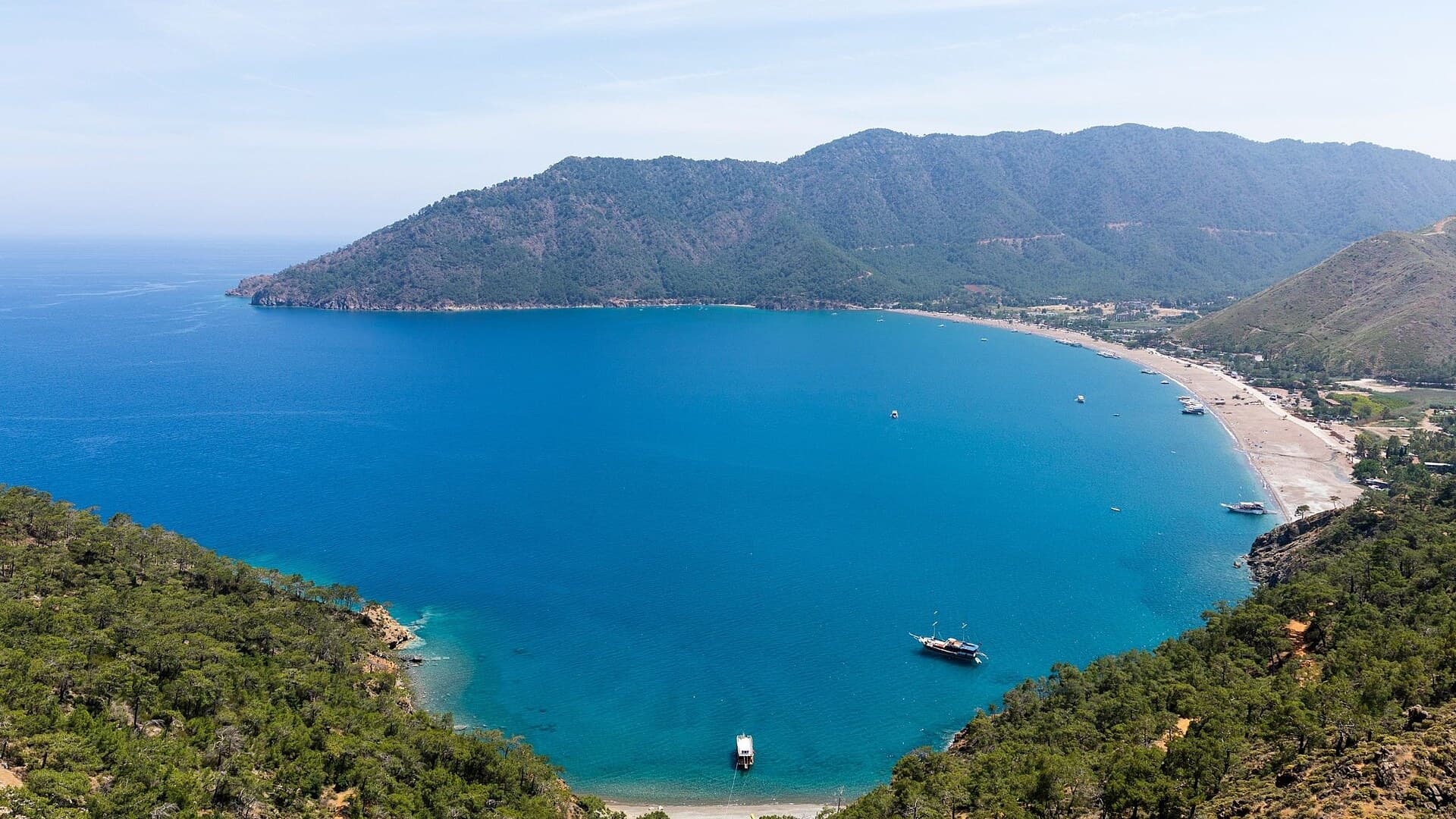
Adrasan
Antalya, TR
A pine-backed bay where the days move slowly
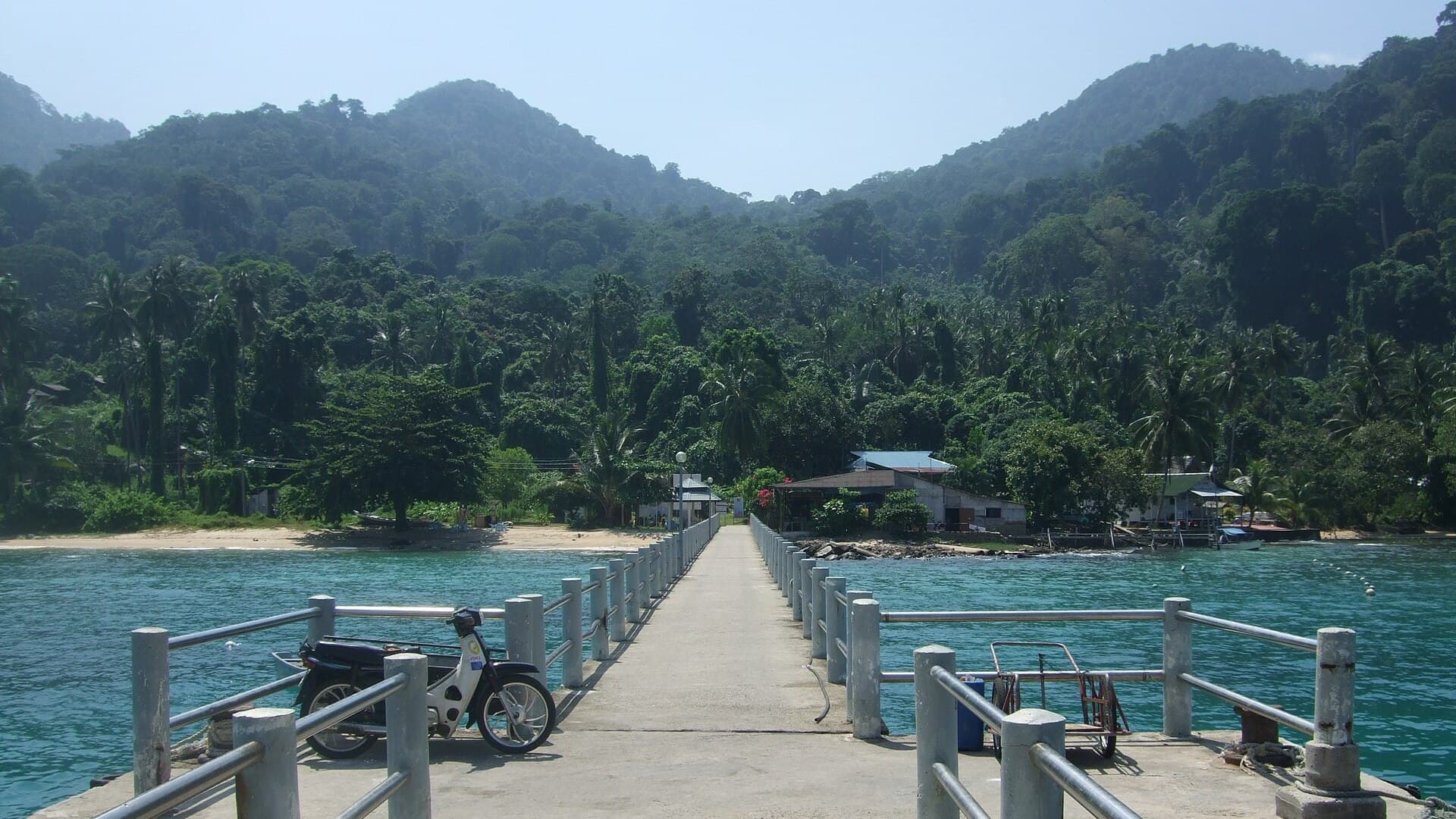
Air Batang
Pahang, Malaysia
A tranquil west‑coast village on Tioman Island, perfect for snorkeling, diving, and short beach stays.
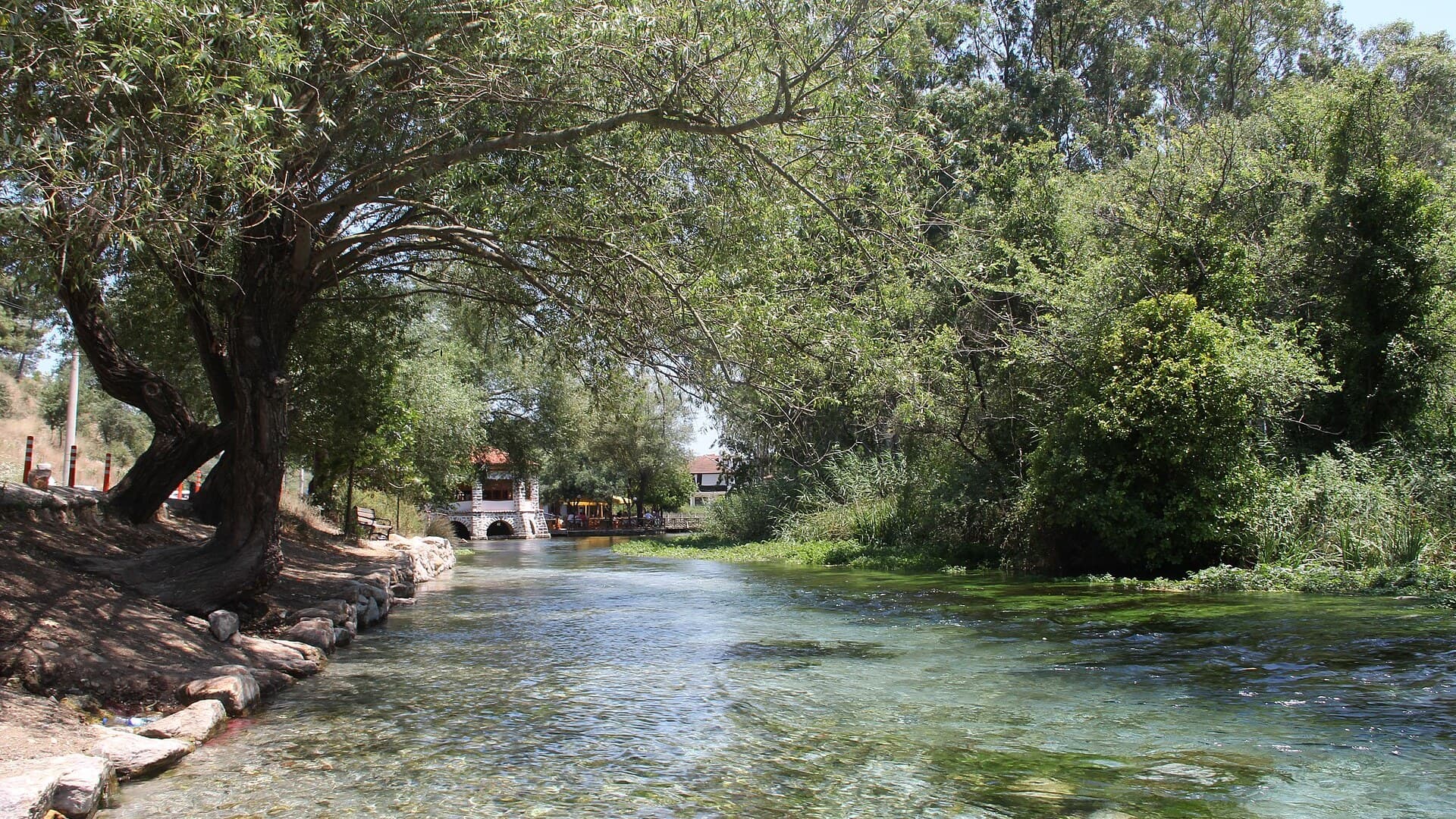
Akyaka
Muğla, Türkiye
A quiet riverside gem where boat rides, river swims and relaxed cafés make a perfect day or overnight stay.
Aralsk Guide
Kyzylorda, Kazakhstan
The sea left, the ships stayed

Save these places to your list
Copy the spots you picked into your list — maps and notes included.