
Uzgen Guide
A 2,000-year-old river town guarding an 11th-century minaret
1 selected

Uzgen sits in Kyrgyzstan's Osh Region, on the banks of the Kara-Darya river at the far eastern edge of the Ferghana Valley. The town lies upstream of the point where the river spills into the valley's main body. Everything here still feels tied to that water. You notice it the moment you arrive: a modest, workaday town wrapped around a river that has shaped its whole history.
Uzgen is one of the oldest settlements in Central Asia, with more than 2,000 years of history behind it. It grew up as a trade post on the route from the Ferghana Valley to Kashgar. For a while in the 12th century, it served as the second capital of the Karakhanid state. That past is easy to forget on a quiet afternoon here, until you turn a corner and find it standing right in front of you.
That history is most visible in the Karakhanid minaret and mausoleums at the edge of town. It is a rare early Islamic monument that survived the Mongol conquest almost intact. The minaret itself is slender and brick-built. Its cupola was added centuries after the original tower went up, and it is the kind of sight that makes you stop and just look for a while. Locals treat it as a normal part of the skyline. You will probably treat it as the reason you came to Uzgen in the first place.
Away from the minaret, Uzgen settles into its everyday rhythm. There is a city park with a scattering of Soviet-era monuments. A small Russian Orthodox church doubles as an informal meeting point, with cafes close by. A museum courtyard hides a medieval bathhouse behind its walls. None of it is dressed up for visitors, which is exactly what makes wandering through it feel honest.
If you want a slower day, head just outside town to the Kara-Shoro recreation area. A natural spring here has long been valued for its healing water. A small tourist centre called Salam-Alik keeps things simple for anyone passing through.
Put it all together and Uzgen feels like a place where deep history and ordinary daily life share the same streets. The old stones are not sealed off behind glass. They are just part of the town, the way a market stall or a bus stop is part of any other town. That mix is what stays with you after you leave.
Uzgen's Karakhanid Minaret and 2,000 Years on the River
Uzgen's story stretches back more than 2,000 years, from a trade post on the Kashgar route to a brief spell as a Karakhanid capital and the minaret still standing at its edge today. The Kara-Darya, on whose bank Uzgen stands, runs for about 177 km before crossing into Uzbek territory to the west. The city grew up in the 2nd and 1st centuries BC as a customs stop on the Ferghana-to-Kashgar road. By the 12th century Uzgen was the second Karakhanid capital, and a Samanid ruler based here in 999 conquered Bukhara and Samarkand. After the Karakhanids, the city passed from empire to empire: the Mongols from 1219, the Timurids from 1370, then the Khanates of Bukhara and Kokand, before Uzgen joined the Russian Empire in 1876. Ethnic unrest struck the town in June 1990, a difficult chapter locals still remember. The clearest link to that Karakhanid past is the minaret and mausoleum complex on the edge of town, one of the few early Islamic monuments to survive the Mongol conquest. Built of brick at the start of the 12th century, the tower rises 27.5 m above the ground. Its base measures 8.5 m across. It narrows to just 6.2 m at the top. The lowest section alone reaches 5 m. The complex now sits on Kyrgyzstan's UNESCO tentative list, and visiting cost 50 som as of April 2024. Smaller traces of that history are scattered around town too. The 19th-century mosques are well preserved, alongside fortress remains, mazars and graves of saints from the 11th and 12th centuries. Near the centre, the Uzgen Archaeology-Architecture Museum preserves further medieval buildings, its courtyard hiding a bathhouse from the same era. Toktogul, the city park, carries monuments to the Great Patriotic War, the Chernobyl disaster and the 2010 unrest, and sits about 200 m north of the football stadium. A small Russian Orthodox church nearby is a relaxed meeting spot with cafes.
The Rice Uzgen Is Named For
Uzgen's real culinary claim to fame is its own version of paloo, the region's classic rice dish, made with rice grown in the surrounding district. Locals call it Uzgen paloo. The rice itself is grown right in the Uzgen district, and that is what sets it apart from the plov you will find elsewhere in the valley. It is simple, hearty food, built around one idea: good rice makes a good dish. Time your visit right and you can also try fresh kymyz, the classic Kyrgyz drink of fermented mare's milk. It starts appearing from around May, once the mares are producing enough milk. By August, though, the season is over. You will have to look elsewhere for it until the following year. Ask locally when it is in season if you are planning a summer trip. For an actual place to sit down, look near the small Russian Orthodox church. A cluster of cafes there doubles as one of the town's few reliable dining spots. It is a low-key corner rather than a food destination, but it is honest and easy to find. Beyond that, expect simple, unnamed local eateries rather than a developed restaurant scene. Treat that as part of Uzgen's charm, not a letdown. If you want the dish that put the town on the culinary map, ask for Uzgen paloo by name. Do not settle for a generic plov somewhere else in the region.
Reaching Uzgen via Osh
Getting to Uzgen almost always means arriving in Osh first, then covering the short final stretch by road. From Osh's New Bus Station, marshrutkas run very frequently and go straight to Uzgen. Fares were 80 som as of April 2024. The 50 km hop follows the A370 national highway, crossing the Kara-Darya river just before reaching the city. Osh itself is the real gateway. Most travellers reach it from Bishkek first. The road trip covers about 702 km. By overnight bus that takes roughly 12 to 14 hours. Flying cuts it down to about 40 minutes instead. Osh's own airport sits about 9 km from the city centre. It has daily domestic flights to Bishkek and a handful of international connections, mainly to Russia. There is also an overland alternative from Balykchy, on the shore of Issyk-Kul. It reaches Osh via Karakol and the Ak-Tal pass. That route runs about 629 km in total. The Ak-Tal stretch alone covers 258 km, and winter snow can close the higher sections of the pass. Coming from the other direction works too. Uzgen also lies about 30 km southeast of Jalal-Abad, an easy stop if you are already exploring that side of the valley. If you break your journey in Osh, it is worth knowing about its historic bazaar. The market recently moved off the site it had used for about 2,000 years, onto a modern site a few kilometres to the north.
Getting Around a Small Ferghana Valley Town
Getting around Uzgen rarely takes much planning, since the O-Bus network and a scattering of marshrutki cover most of what a visitor needs. The O-Bus runs roughly every 10 minutes during the day. Soviet-style marshrutki on three-digit routes and regular buses on two-digit ones back it up. Between them, you can reach most corners of a fairly compact town without much waiting around. Locals use the same routes you will, so it is easy to just fall in line and follow the crowd toward the centre. Taxis are the other obvious option, though some drivers quote inflated rates to visitors who do not know any better. Checking a ride-hailing app like Yandex Taxi first gives you a fair benchmark price before you agree to anything. It is worth doing even for a short hop across town. It only takes a minute to compare. That saves the slightly awkward haggling that can otherwise eat into your first impression of the place. On foot is often the nicest way to see Uzgen anyway, especially around the minaret complex. The pace naturally slows down there, and there is no reason to rush between one corner and the next. Wide, quiet streets make walking easy outside the busiest stretches near the bus station. You will rarely need to cover much distance to get where you are going. In short, this is a town built for getting around on foot or by a short marshrutka ride. It does not expect visitors to rent a car or plan elaborate transfers, and that simplicity is honestly part of the appeal.
Som, Cash and Staying Connected in Uzgen
Money in Uzgen runs on the Kyrgyzstani som, the currency behind every price you will come across, from a bus fare to the minaret's entry ticket. It is the only currency you will need day to day. Carry enough of it rather than assume cards will get you far in a small regional town like this. Kyrgyzstan also keeps a single time zone nationwide, UTC+6, with no seasonal clock changes to track. Once you have adjusted on arrival, you will not need to think about it again for the rest of your trip. That is one less thing to juggle if you are arriving from a country that shifts its clocks twice a year. Beyond that, do not expect much in the way of documented card machines or fast mobile data here. This is the kind of place where cash and a bit of patience serve you better than relying on plastic. Bring enough som for a couple of days at a time. Do not count on finding a machine exactly when you need one, especially once you are outside the town centre. None of this makes Uzgen difficult to visit. It just means treating it like the small, unhurried town it actually is. Pack a little extra cash, keep your expectations modest about connectivity, and let the rest sort itself out once you are there.
Before You Head to Uzgen
Uzgen is a small, historic Ferghana Valley town, and visiting it works best with realistic expectations about what is developed for tourism and what genuinely is not. Plan your time around the minaret complex, keep the rest of your itinerary simple, and you will come away with an easy, unhurried trip through the Ferghana Valley. When's a good time to visit? Uzgen runs warmest in July. Its coldest month is January, so pick your season based on how you handle heat versus cold, and pack layers either way. What does it cost to see the minaret and mausoleums? Entry to the minaret and mausoleum complex cost 50 som, according to the most recent record. That is a modest price for the town's single unmissable sight. What currency will I need? You will need Kyrgyzstani som, the only currency in everyday use here. Plan to carry cash rather than lean on cards. Is there a best time to try kymyz? Fresh kymyz is a seasonal treat, available roughly from May to August. A summer visit gives you the best shot at trying it fresh. What time zone is Uzgen on? The whole country runs on a single time zone, UTC+6, with no clock changes throughout the year. There is nothing extra to track once you have landed. How should I get around once I'm there? Uzgen's O-Bus network and marshrutki cover most local trips. It is worth checking a ride-hailing app before agreeing to any taxi fare, especially near the minaret complex.
FAQ
What is covered in the Uzgen guide?
Discover Uzgen, a 2,000-year-old town in Kyrgyzstan's Osh Region where an 11th-century minaret still stands beside its Karakhanid mausoleums. It includes 1 recommendations across 1 gallery.
Next →How many places are in the Uzgen guide?
The Uzgen guide lists 1 places: 1 gallery.
Next →Where is Uzgen?
Uzgen is in Osh Region, Kyrgyzstan (40.7688, 73.2987).
Next →How do you get to Uzgen?
Getting to Uzgen almost always means arriving in Osh first, then covering the short final stretch by road. From Osh's New Bus Station, marshrutkas run very frequently and go straight to Uzgen. Fares were 80 som as of April 2024. The 50 km hop follows the A370 national highway, crossing the Kara-Darya river just befo…
Next →What should you eat in Uzgen?
Uzgen's real culinary claim to fame is its own version of paloo, the region's classic rice dish, made with rice grown in the surrounding district. Locals call it Uzgen paloo. The rice itself is grown right in the Uzgen district, and that is what sets it apart from the plov you will find elsewhere in the valley. It i…
Next →Is there camping in Uzgen?
No camping listings in this pack yet — we do not invent venues. Entries will appear once verified.
Next →Can you rent a bike in Uzgen?
No bike rental listings in this pack yet. Verified shops will be added when available.
Next →What are recommended gallery in Uzgen?
Highlighted gallery in the Uzgen guide: Uzgen Minaret.
Next →Highlighted places
- Uzgen Minaret — Uzgen, Osh Region, Kyrgyzstan.
Explore on the map
Tap a pin to highlight its place card
All
1 spots
Recommended places
Gallery
1 · 1 selected
Uzgen Minaret
gallery
Related guides
Browse nearby destinations
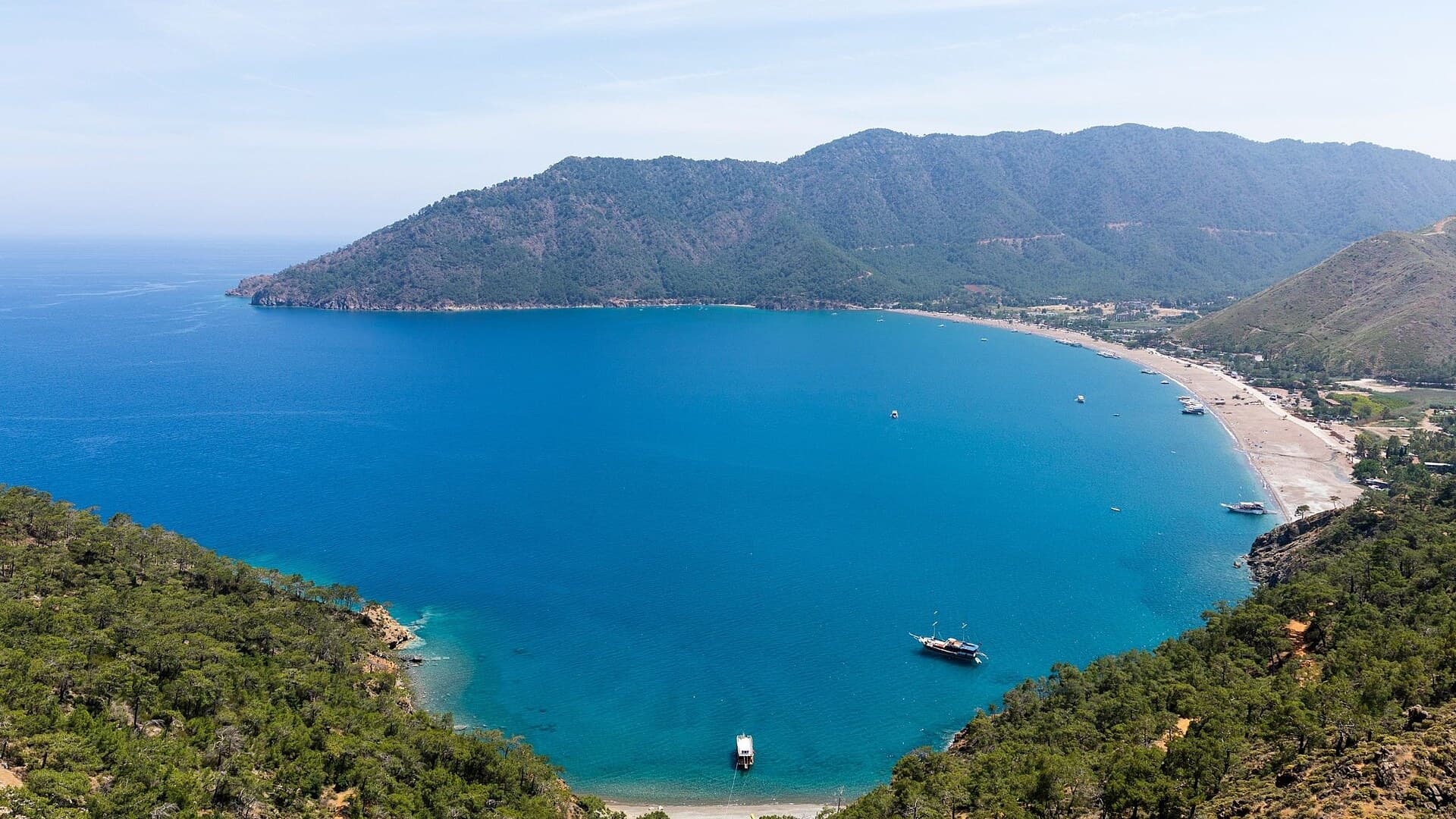
Adrasan
Antalya, TR
A pine-backed bay where the days move slowly
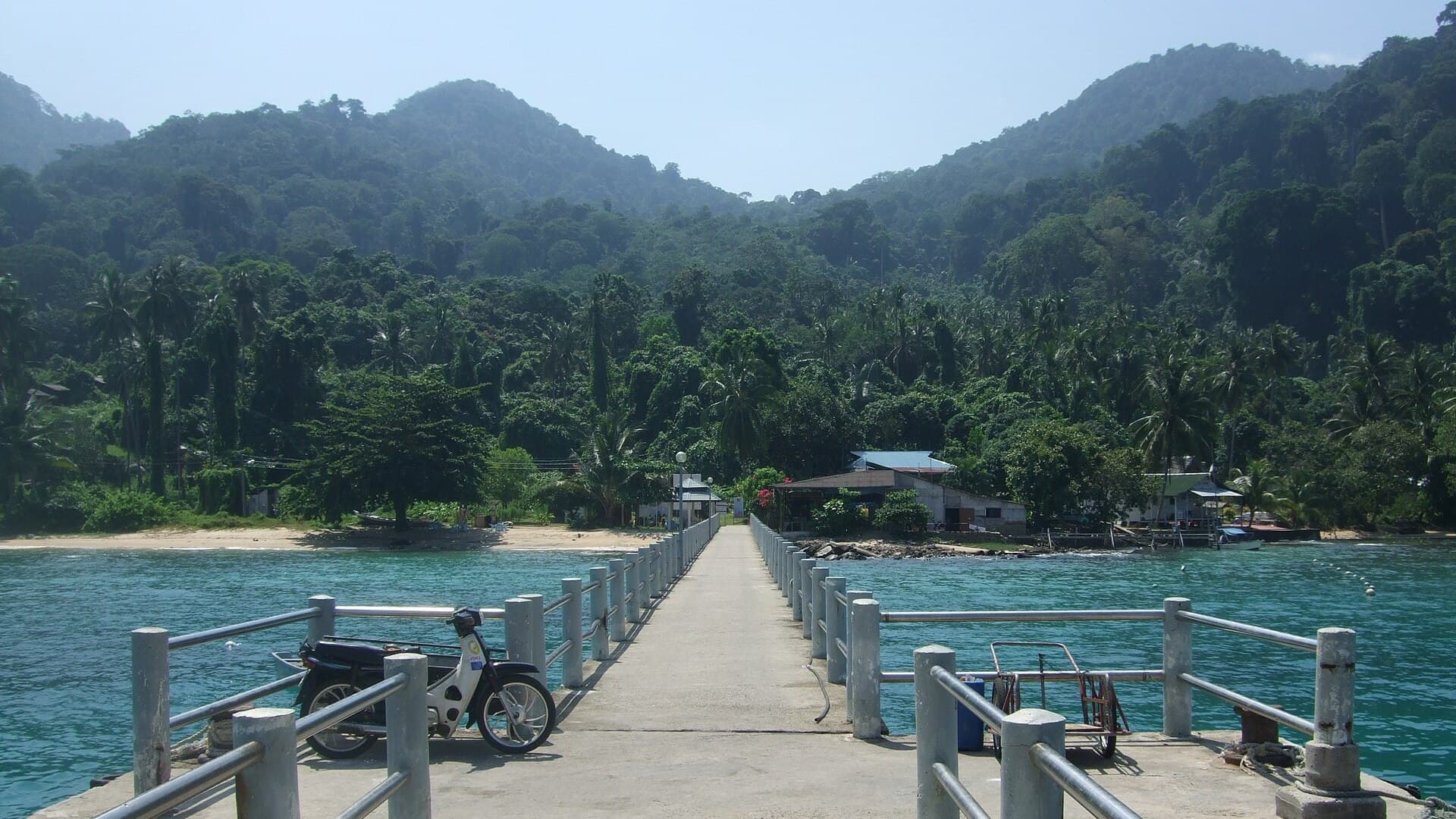
Air Batang
Pahang, Malaysia
A car-free Tioman village for divers and walkers
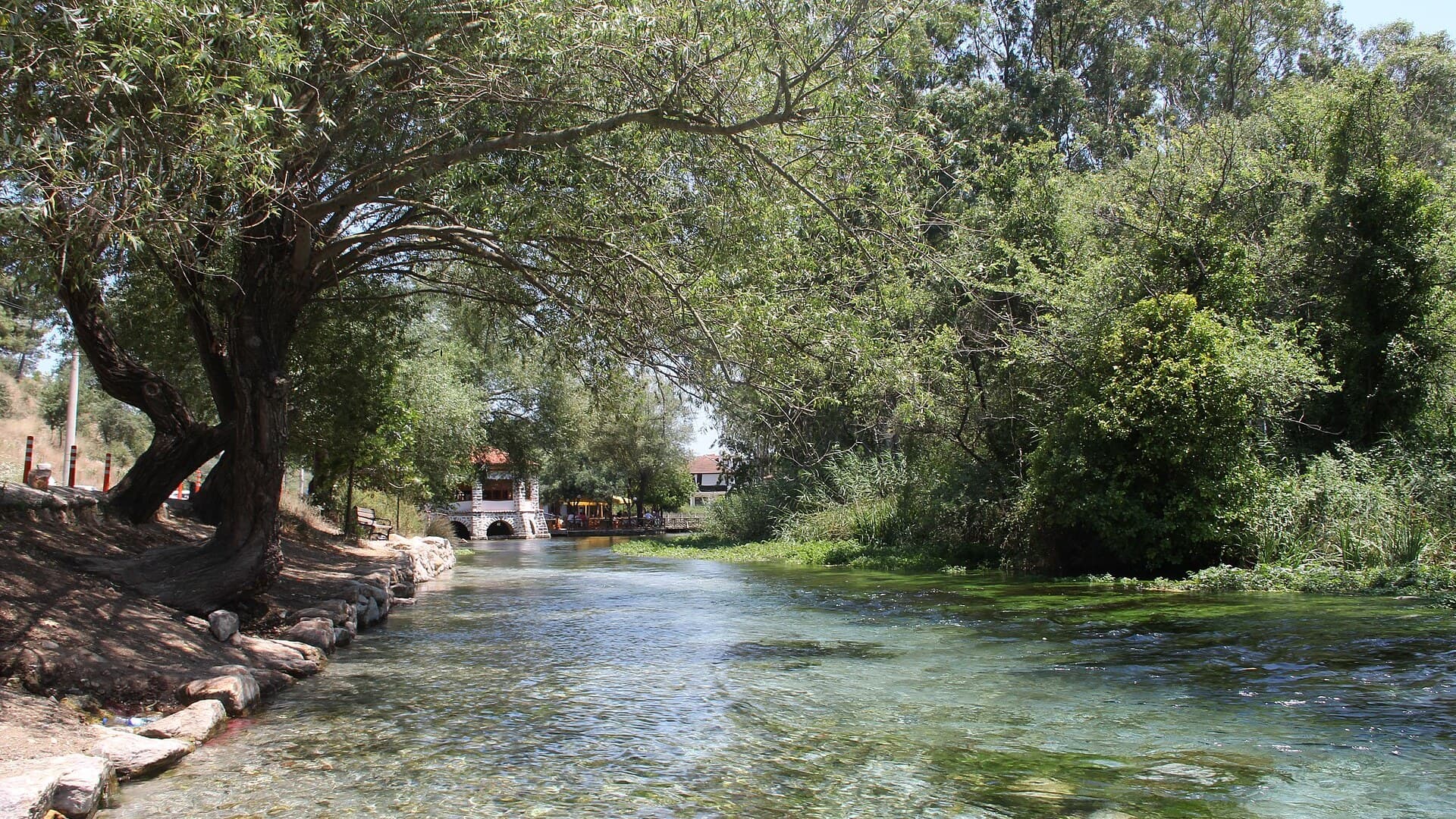
Akyaka
Muğla, Türkiye
Azmak boats, kitesurf wind and wooden balconies
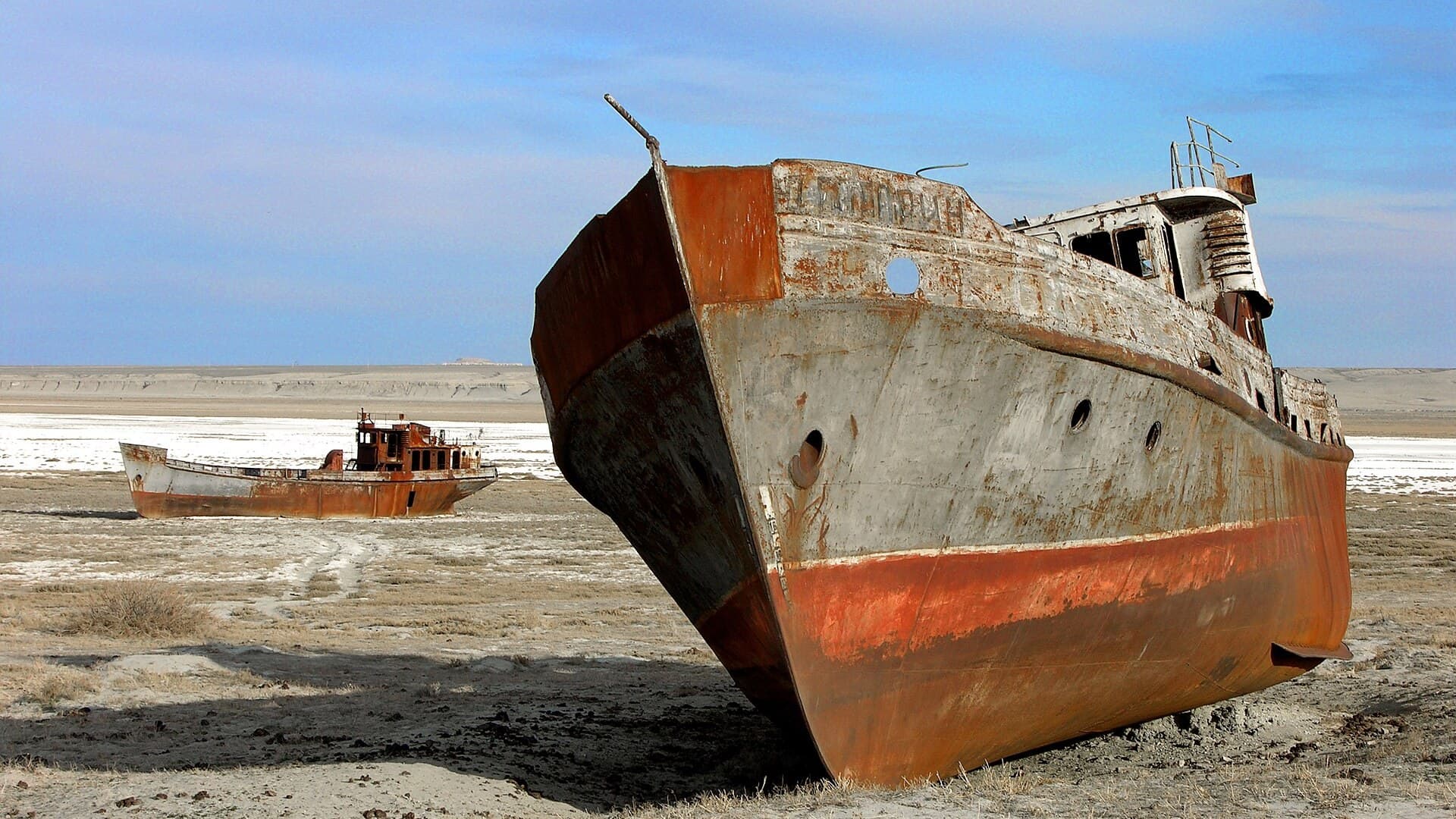
Aralsk Guide
Kyzylorda, Kazakhstan
The sea left, the ships stayed
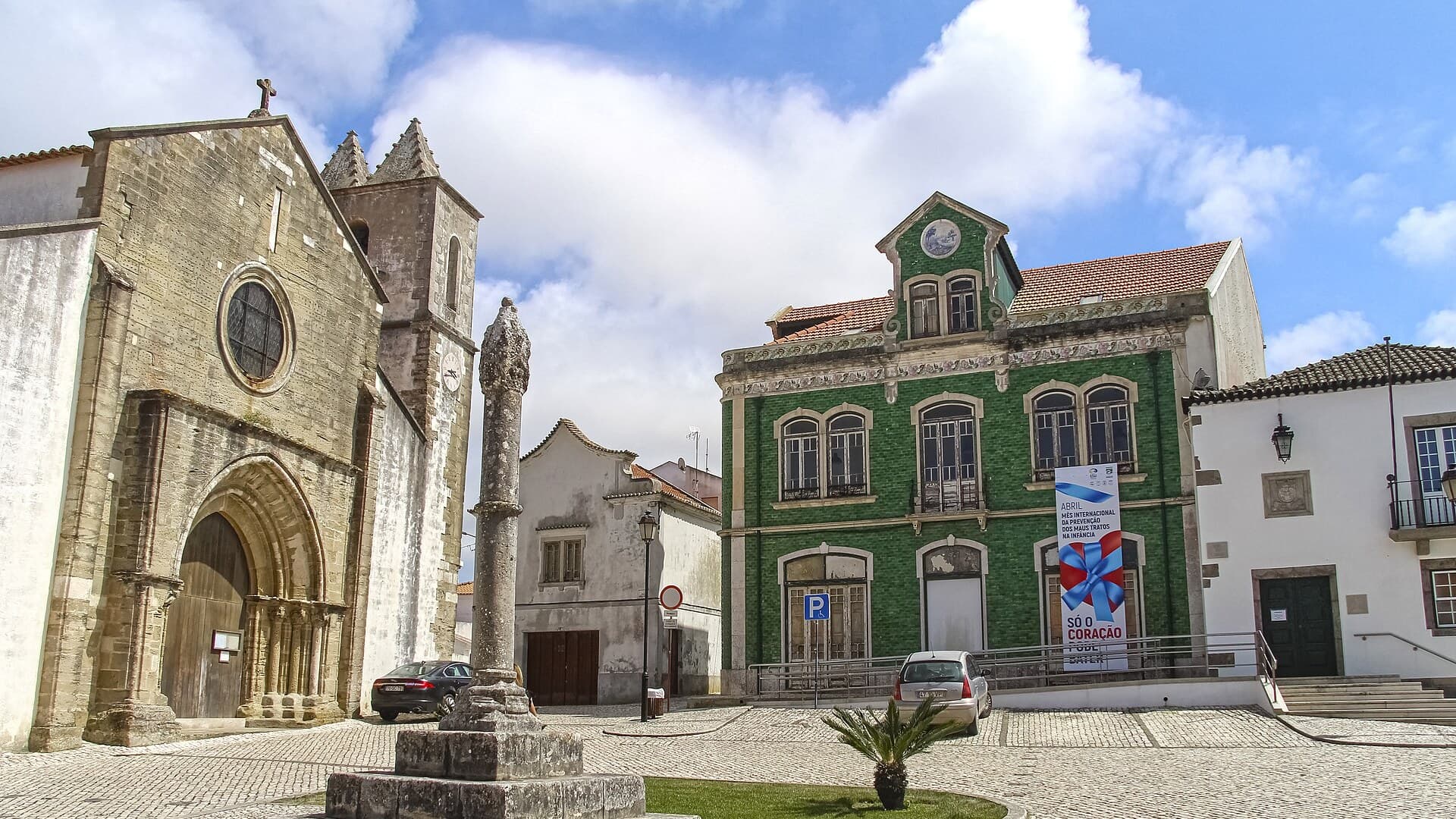
Atouguia da Baleia
Leiria, Portugal
A village named for whales, minutes from the Atlantic
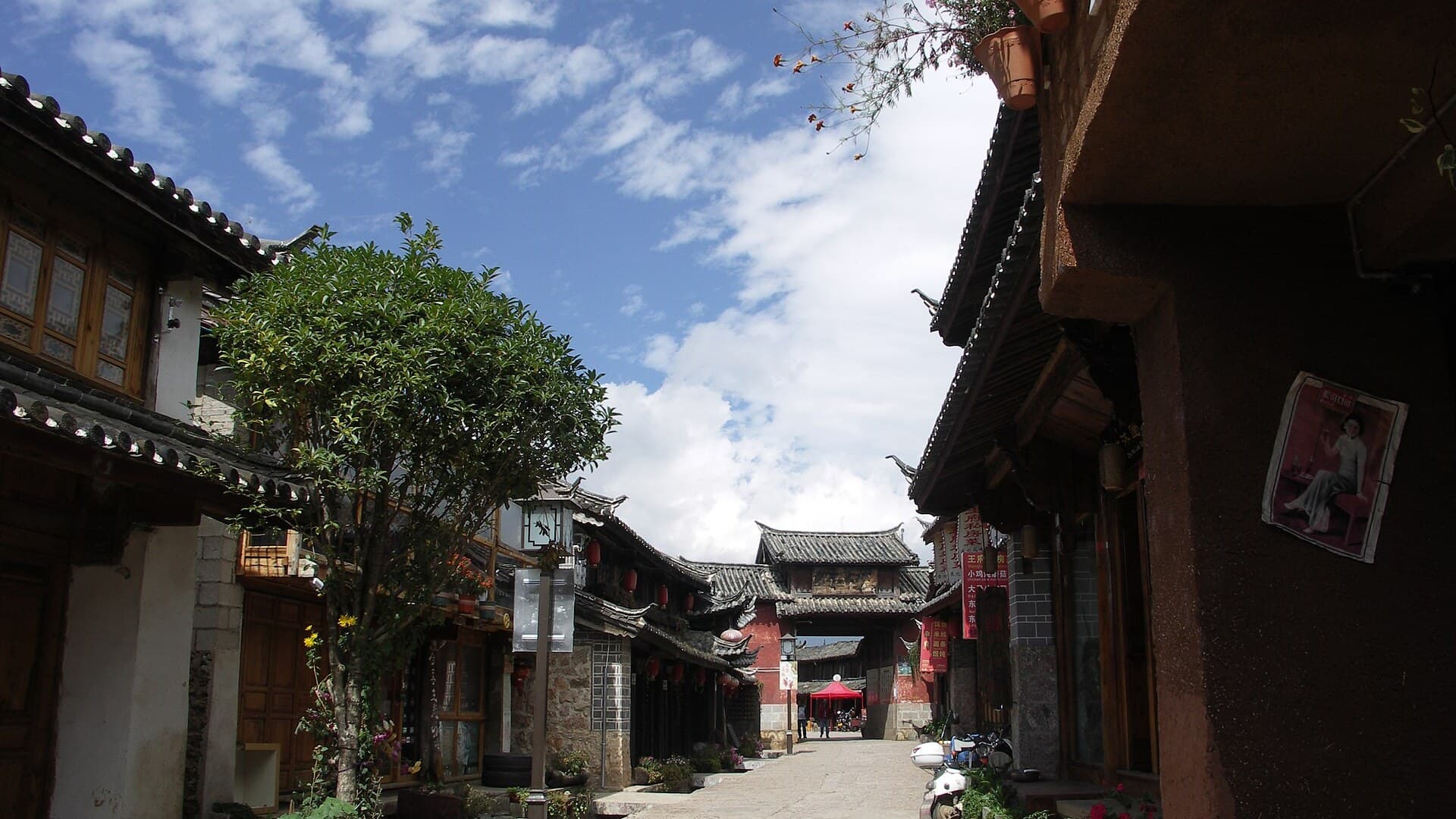
Baisha
Yunnan, China
Explore Baisha’s quiet Naxi murals, historic streets and nearby waterfalls – a perfect 3‑day detour from Lijiang.

Save these places to your list
Copy the spots you picked into your list — maps and notes included.