
Trebujeni Guide
Cave monastery above the Raut in Orhei, Moldova
1 selected
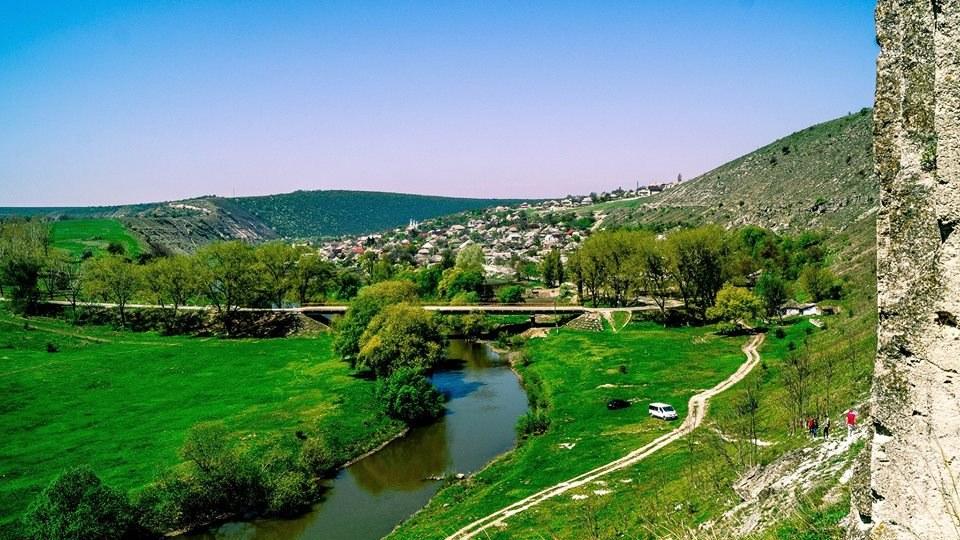
Trebujeni sits in Orhei District in Moldova, and the commune covers three villages along the banks of the Raut: Butuceni, Morovaia and Trebujeni itself. The reason to come is Orheiul Vechi, the Old Orhei complex, which lies within Trebujeni and forms the core of Orhei National Park.
The scenery hits you first. Steep limestone cliffs rise above the Raut, and cave churches and a rock-hewn Orthodox monastery are cut straight into them. At Orheiul Vechi the river is only 15 to 20 m wide and winds between two hills that run east to west. The Butuceni hill pushes out as a promontory 3 km long, and the whole area stretches roughly 3.5 km east to west and 1.5 km north to south around a double narrow loop of the river.
Most people explore on foot. Viewpoints and walking trails are the main activity, and the cave monastery is often reached on foot from the neighbouring villages of Trebujeni and Butuceni. Marked trails tie together cliff-top churches, medieval fortifications and museum exhibits above the valley. Trebujeni village itself runs for over 2 km along the river, north of the bridge.
Monks still live at the monastery. A handful of them look after the church at the top of the hill, and the caves continue to work as chapels. Local children sometimes hold out carvings they have made for passing visitors.
Up on the ridge at Butuceni stands the Ascension of St Mary church, a twin-spired building from 1905 that has been restored recently. Butuceni also has two museums. One sits near the bridge in the Orheiul Vechi Exhibition Centre and shows archaeological finds, while a small ethnographic museum waits in the village proper.
More lies beyond the cliffs. Parts of a 15th-century defense wall still surround the monastery, and recently opened caves across the valley can be reached on a hike. Curchi Monastery, a peaceful 19th-century monastery 15 km west of Orhei city, can be combined with Orheiul Vechi and Tipova.
From Geto-Dacian hill fort to Tatar-Mongol city and cave monks
Trebujeni and the Old Orhei complex beside it hold layers of history that reach from Geto-Dacian times to the Tatar-Mongol era. Old Orhei alone contains Geto-Dacian fortress remnants from the 6th to 1st centuries BC, the Golden Horde fort Shehr al-Jedid from the 14th century, a Moldavian fort from the 14th to 16th centuries and an Orthodox monastery dating to around the 14th century. The Tatar-Mongols named their settlement near Old Orhei Sehr al-Djedid, meaning New City. Under their rule the town gained two inns, a mosque, three oriental-style public baths and a new stone fortress, and it was destroyed after the Tatar-Mongol army was defeated in 1362. Crimean Tatars plundered Old Orhei in 1499 and Tatars burned it in 1508, and Trebujeni, Butuceni and Morovaia were established nearby afterwards. Older layers show up in the ground too. The Geto-Dacian hill fortress at Butuceni measured 3000×100 m and had an oval wooden fence 215 m long. At the Scoc site, 1.5 km north of the centre of Trebujeni, excavators found over 300 buildings from the 6th to 10th centuries, along with 41 pottery kilns and 17 iron forges. Digs at Orheiul Vechi ran mainly from 1947 to 1962 and again from 1996 to 1998, led at first by Gheorghe Smirnov. The monks come into the story next. Cave hermitages at Orheiul Vechi are historically confirmed from the 11th century, though another account says Orthodox monks dug the cliff monastery in the 13th century. Up to 400 monks are said to have lived in the rock caves between the 14th or 15th century and the early 19th century. Old Church Slavonic inscriptions from the 1690s testify that hajduks sheltered in the caves from the Ottoman authorities. Later chapters are easier to date. The Ascension of St Mary church on the Butuceni ridge went up in 1905, and the Soviets shut it in 1944. Orheiul Vechi has been a state-recognised cultural and nature reserve since 2009. Coming in from the west, the Tatar bathhouse walls and the remains of the late medieval fortress on the Pestere promontory are the first sights on the road.
Mamaliga, wine and a lunch stop on the Orhei bus loop
Trebujeni works as a lunch stop on the Old Orhei bus loop, because the return leg to Chisinau starts from the village and the afternoon bus leaves after you have eaten. Moldovan cooking in general leans on Mamaliga, Zeama and Placinta, and much of what people eat across the country came originally from Russia or Romania. Wine is the other big draw. Moldova is famous for it, and high-quality wine at inexpensive prices is its main tourist attraction. Branesti, a smaller and reasonably priced wine cellar, lies close to Orheiul Vechi Monastery and pairs well with a monastery tour. Orhei town is the nearest town to Trebujeni, and it has the sit-down options. Dolce Vita, an Italian restaurant, and Restaurant Versailles are both there. Bere Bună, a bar in Orhei town, pours more than 15 types of beer, all served in 1 l plastic bottles. Closer to the cliffs, the tourist centre up the road from Chisinau offers a small museum, a restaurant and a hotel.
Reaching Trebujeni from Chisinau by bus, car or minibus
Trebujeni lies roughly 50 to 60 km north-east of Chisinau on the Raut, and about 20 to 30 km from the district town of Orhei. Orhei town itself is about 40 km north of Chisinau on the road to Soroca. By car, take the M2 expressway towards Orhei and Soroca, then turn east onto the R28 side road through Ivancea and Branesti. That route covers about 50 km from Chisinau to Orheiul Vechi, and one description calls it a drive of roughly half an hour. Marshrutky to Butuceni leave from a bus stand roughly opposite the Central Bus Station entrance in Chisinau. The ride takes 1¼ h, with five or six departures daily. Another account counts around 6-7 services each way for Trebujeni buses from Gara Centrala and says to buy tickets beforehand at the ticket office. Buses to Orhei town go to a different, nearby place. Orheiul Vechi is also called a one-hour bus ride from the capital and one of the most visited sites outside Chisinau. A recent reviewer describes the public bus as one anticlockwise loop around Old Orhei: Chisinau, the Old Orhei visitor centre, Butuceni village, Trebujeni, and back to Chisinau. The return leg starts from Trebujeni and does not double back to the visitor centre. By air, Chisinau International Airport (RMO) is Moldova's main international airport. The airports at Iasi and Bacau in Romania are nearby alternatives.
On foot through the Orheiul Vechi cliffs and trails
Exploring Trebujeni and the Orheiul Vechi complex is done entirely on foot, and seeing everything takes about half a day. From the Butuceni bridge over the Raut, a trailhead leads on a 15 min hike up to the Cave Monastery of Orheiul Vechi. A steep shortcut drops from the Ascension of St Mary church on the ridge down to Vila Etnica in Butuceni village proper. Reaching the monastic cells does not have to be strenuous either: you can drive a track to the clifftop and then negotiate a goat path. Huge cliffs around Orheiul Vechi hide another six complexes of interlocking caves, and you are strongly advised to explore them with an experienced guide. The remains of a Turkish bath house stand just off the river. Beyond the village, buses are the most reliable way to get around Moldova, with Chisinau as the main hub and three bus stations serving every city and town. Minibuses seat around 15 people. In Chisinau, trolleybuses are state-run, and minibuses called rutiere (marshrutka) operate in most Moldovan cities, with the driver paid on boarding.
Lei, bani and what to know about money around Trebujeni
Money around Trebujeni is counted in the Moldovan leu, plural lei, ISO code MDL, which is divided into 100 bani. Transnistria, in eastern Moldova, runs its own government and currency, separate from the leu. Moldova is one of the least visited countries in Europe, so tourist information desks are still very rare near Trebujeni and elsewhere. Online maps can be unreliable in rural areas.
Climate, dress code, beds and visa notes for Orheiul Vechi
Trebujeni and the surrounding commune have a continental temperate climate, with warm and long summers, colorful autumns and mild winters. When does it rain around Orheiul Vechi? Average annual rainfall is 500 mm, falling mainly in June and July. How hot or cold does Moldova get? July averages across Moldova are about 19 to 23 °C, and January seldom drops below about -3 °C. Winters are described as cold and snowy, springs and autumns as mild, and summers as warm to hot despite the Black Sea. What should I wear at the monastery? Dress appropriately: long skirts or pants for women, long shorts or trousers for men, and no tank tops. Where can I stay? The Orheiul Vechi Exhibition Centre has some basic rooms, though guesthouses in Butuceni proper are the advised choice. Trebujeni has four boarding houses: Casa de sub stanca, Casa din Luncă, Casa Verde and Vila Roz. Do I need a visa for Moldova? Citizens of Canada, CIS countries, the EU, Japan, Norway, Switzerland, the UK and the US do not need a visa and can stay up to 90 days within a six-month period. Which language will I need? The official language of Moldova is Romanian and Russian is widely spoken, while few Moldovans speak English well enough for a full conversation.
FAQ
What is covered in the Trebujeni guide?
Plan a trip to Trebujeni in Orhei, Moldova: explore the Orheiul Vechi cave monastery, cliff trails above the Raut and how to get there from Chisinau. It includes 1 recommendations across 1 gallery.
Next →How many places are in the Trebujeni guide?
The Trebujeni guide lists 1 places: 1 gallery.
Next →Where is Trebujeni?
Trebujeni is in Trebujeni, Orhei, Moldova (47.3136, 28.9750).
Next →How do you get to Trebujeni?
Trebujeni lies roughly 50 to 60 km north-east of Chisinau on the Raut, and about 20 to 30 km from the district town of Orhei. Orhei town itself is about 40 km north of Chisinau on the road to Soroca. By car, take the M2 expressway towards Orhei and Soroca, then turn east onto the R28 side road through Ivancea and B…
Next →What should you eat in Trebujeni?
Trebujeni works as a lunch stop on the Old Orhei bus loop, because the return leg to Chisinau starts from the village and the afternoon bus leaves after you have eaten. Moldovan cooking in general leans on Mamaliga, Zeama and Placinta, and much of what people eat across the country came originally from Russia or Rom…
Next →Is there camping in Trebujeni?
No camping listings in this pack yet — we do not invent venues. Entries will appear once verified.
Next →Can you rent a bike in Trebujeni?
No bike rental listings in this pack yet. Verified shops will be added when available.
Next →What are recommended gallery in Trebujeni?
Highlighted gallery in the Trebujeni guide: Trebujeni above the Raut valley.
Next →Highlighted places
- Trebujeni above the Raut valley — The village of Trebujeni in the green Raut valley, seen from the limestone cliffs of Orheiul Vechi.
Explore on the map
Tap a pin to highlight its place card
All
1 spots
Recommended places
Gallery
1 · 1 selected
Trebujeni above the Raut valley
gallery
Related guides
Browse nearby destinations
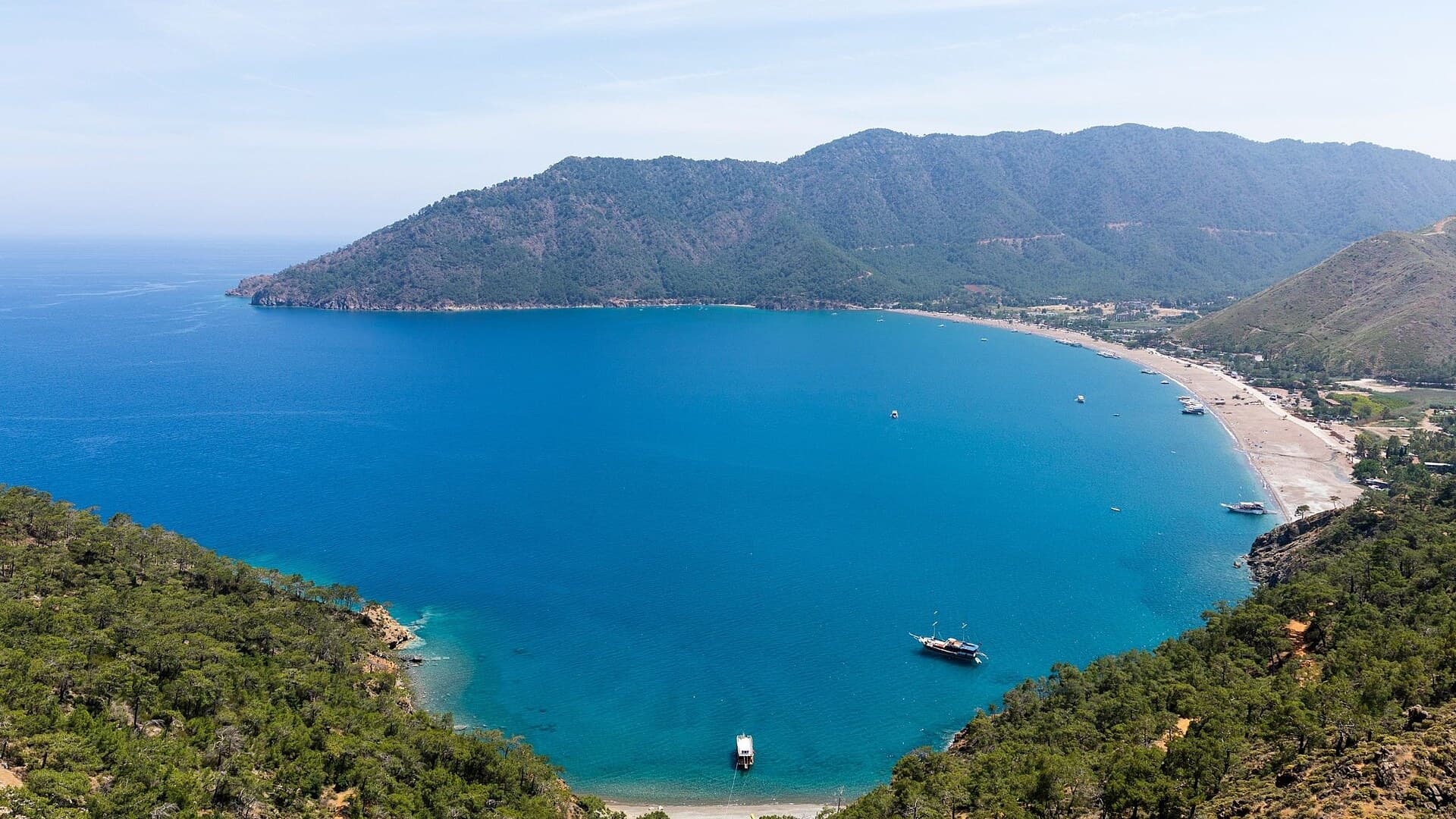
Adrasan
Antalya, TR
A pine-backed bay where the days move slowly
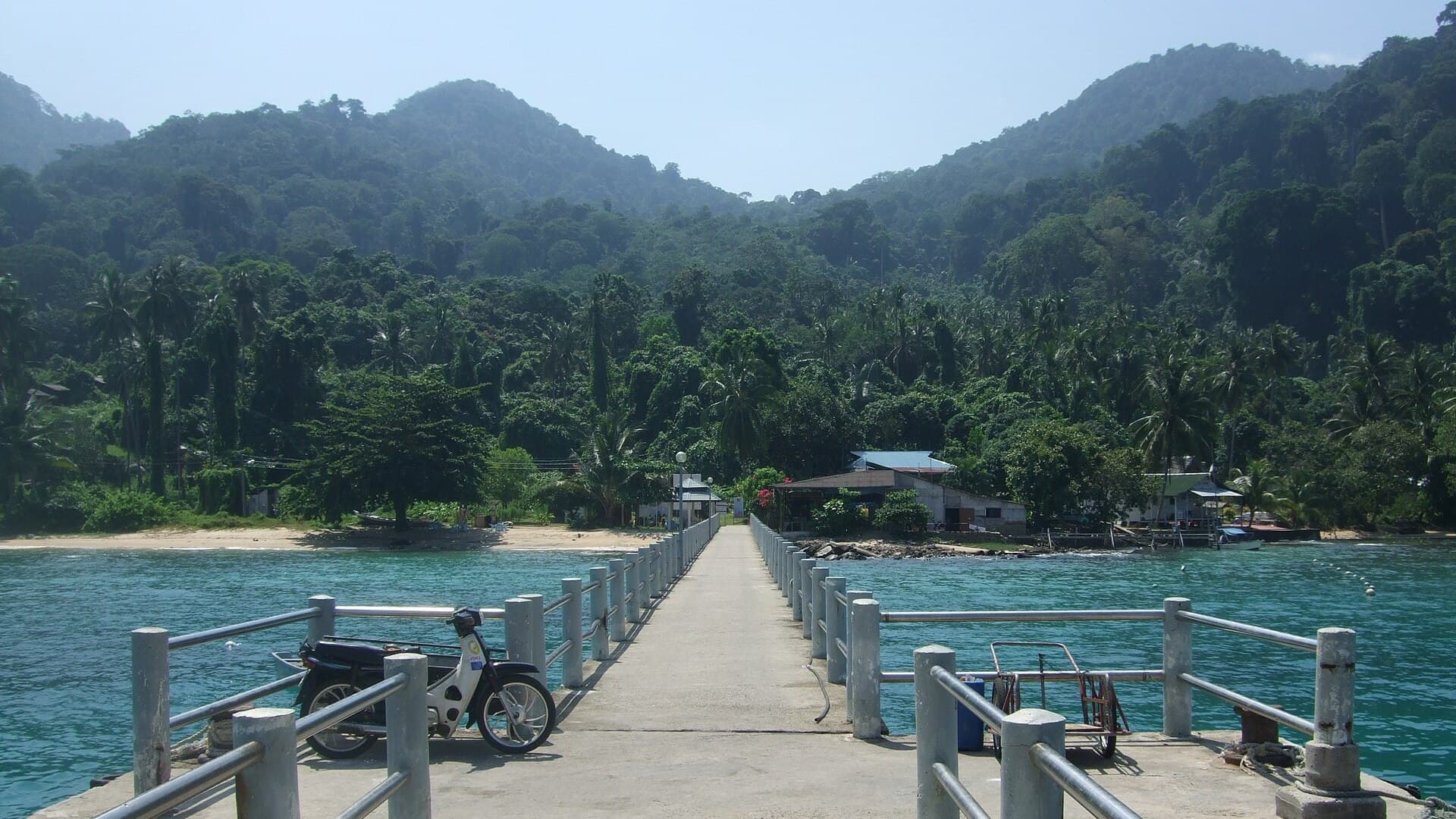
Air Batang
Pahang, Malaysia
A car-free Tioman village for divers and walkers
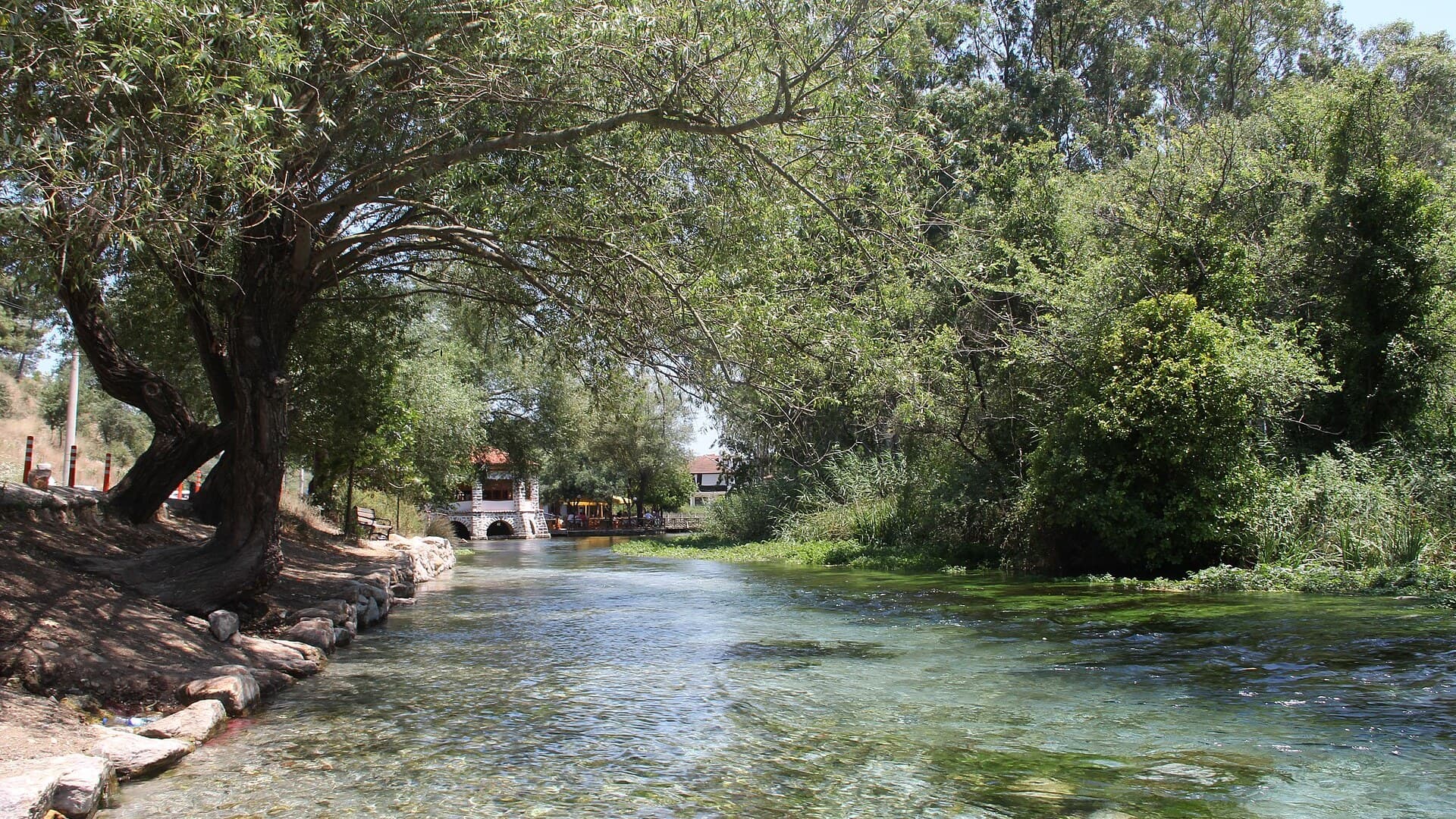
Akyaka
Muğla, Türkiye
Azmak boats, kitesurf wind and wooden balconies
Aneityum Guide
Tafea, Vanuatu
Beaches, reef and quiet in Vanuatu's far south
Angastaco Guide
Salta, Argentina
Torrontés wine and red hills in Salta's Calchaquí valley
Aralsk Guide
Kyzylorda, Kazakhstan
The sea left, the ships stayed

Save these places to your list
Copy the spots you picked into your list — maps and notes included.