
Thorn Guide
Limburg's white abbey town on the Maas, a few hours not a week
1 selected
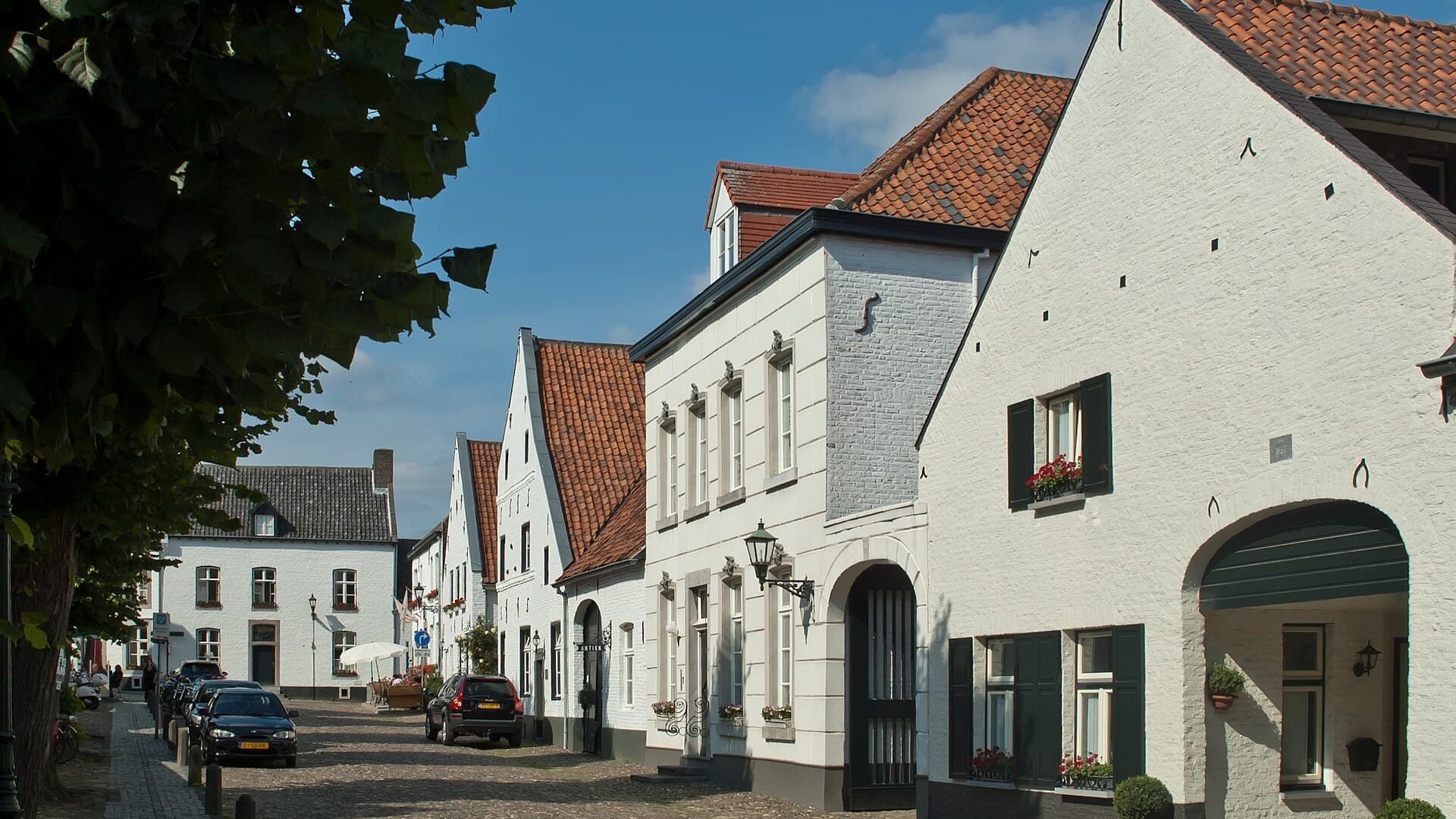
Thorn sits in the Dutch municipality of Maasgouw, in central Limburg, on the Maas and the Witbeek and almost on the Belgian line at Kessenich. About 2,460 people lived here in 2023. The houses of the old core are whitewashed brick; locals call it the Witte Stadje, and in Limburgish the place is Toear or Thoear. Roermond, Weert, Echt and Maaseik are the nearby towns. This is not a second Maastricht.
A morning covers the white streets and the abbey church if you walk slowly. The official city tour is 1.6 kilometres and twenty-one buildings. Stay into the afternoon if you want the municipal museum on the Wijngaard, the lime-tree chapel just outside the core, or the Koningssteen meadows toward the Grensmaas. Overnight only makes sense if the Maasplassen lakes, built from gravel pits, are the rest of the trip. Three days in the white streets alone will feel like a loop.
The white paint is not a branding exercise. After French troops arrived in 1794, a window tax pushed poorer households, then living in oversized canoness houses, to brick up openings. Limewash hid the scars. The abbey principality that had been run by noblewomen was already finished. What you walk is that aftermath: Maas cobbles, a Gothic abbey church that Pierre Cuypers later reworked, and a core listed as a protected townscape in 1973.
Most visitors arrive by car on the A2 (exits 41 Grathem/Ittervoort or 42 Wessem) or by Arriva bus 73 between Weert and Roermond NS stations. There is no railway in Thorn. The white streets are closed to through traffic; park outside them. Once you are in, you walk. The cobbles are hard on wheels and on sore ankles. If that is a problem, keep to the wider approaches and the church square.
Come if you want a short, specific Limburg stop: an abbey town you can read at walking speed, then a bike or a swim on the Maasplassen. Skip it as a week-long base, a nightlife town, or a digital-nomad desk. It is also the wrong Thorn if you meant the English village of the same spelling.
Abbey town, then white streets
Count Ansfried founded a Benedictine nunnery here around 975, on drained ground beside the old Maastricht-Nijmegen road. From the twelfth century the house became a secular stift for unmarried high nobility. An abbess and a chapter of canonesses ran a tiny imperial principality, with its own law and, for a time, its own coin. The Land of Thorn took in nearby places such as Ittervoort, Grathem, Baexem, Stramproy, Ell and Haler. Thirty-three princess-abbesses are counted in the local story. French troops arrived in the winter of 1794-95; the abbey was abolished in 1797. The stift buildings came down. The church became the parish church after the older parish church was demolished in 1817. Cuypers restored it in the nineteenth century and raised the tower. A town fire in 1645 had already reset much of the housing. The whitewash belongs to the French tax years, not to the abbesses' court. In 1839, when Limburg was split, Thorn stayed Dutch. The old core became a nationally protected townscape in 1973. On 1 January 2007 the municipality of Thorn, then about 6.6 square kilometres, was merged into Maasgouw with Heel and Maasbracht.
What you eat in a town this small
The white core is a terrace grid, not a food destination with a separate dining quarter. You eat Limburg food: vlaai, a coffee, a plate of the day's kitchen. Thornse knapkoek is the local hard biscuit sold as a souvenir, not a meal. In the late nineteenth century there was a syrup works here; apple syrup still belongs to this Maas belt, even if you buy it elsewhere in the province. If you walk out to Koningssteen or stay on the lakes, take water and a snack. Mondays and deep winter midweeks, kitchens in a town of this size go quiet. Do not plan dinner on a name you have not checked the same week.
How to reach Thorn
There is no station in Thorn. The public chain that actually works is an NS train to Weert or Roermond, then Arriva bus 73, which stops at Thorn Centrum, Thorn Trippaardstraat, Thorn Ittervoorterweg and Thorn Heerbaan. On weekdays the line is often twice an hour; on Saturdays and Sundays it is typically hourly, with a later start. Check 9292 or Arriva the week you travel. From Eindhoven Airport the practical sequence is bus or taxi into Eindhoven, NS to Weert, then 73. Maastricht Aachen Airport looks closer on a map; the bus-and-train combination is usually messier. From the south, Roermond station is the better rail node. By car, Thorn sits on the A2 between Weert and Echt. Use exit 41 (Grathem, Ittervoort) onto the N273, or exit 42 (Wessem). From the A73, the Maasbracht exit and then the A2 is the usual cut-across. Do not drive the white streets as a through route.
On foot, by bike, not by circling bus
The white core is a short walk. You do not need a local bus to cross it. You do need decent shoes: the streets are paved with Maas cobbles, which the VVV city tour treats as a fully hard surface and which still punish narrow wheels and weak ankles. The abbey church sits above the lanes on the Kerkberg. Kapel onder de Linden, built in 1673 for a canoness's Marian devotion, is a little outside that core and is the usual extra twenty minutes on foot. Cycling is the way to use the rest of Maasgouw. Junction-network maps are sold at the VVV desk in the museum building on the Wijngaard. Koningssteen, one of the older nature projects on the Grensmaas, sits just south-east; RivierPark Maasvallei runs from Maastricht up to Thorn on both banks. Confirm opening hours for the church and museum the same week. Mondays are a common closed morning for both.
Euro, cards, a small-town signal
The Netherlands uses the euro. Cards and contactless are ordinary; a working debit or credit card is enough for almost every till. A day here is a cafe bill and maybe a museum ticket, not Amsterdam prices, still a northern eurozone day rather than a cheap inland stop. Plugs are Type F, 230 V. The emergency number is 112. Dutch is the public language; you will hear Limburgish in shops. English is widely understood in the tourist core. EU roaming works as elsewhere in the country. Mobile coverage along the Maas is normal; do not expect cafe Wi-Fi to replace an office. Tap water is the municipal supply.
When to go, and the usual mistakes
Late spring through early autumn is when the white walls and window boxes do the work you came for. KNMI normals for Maastricht, the nearest published climate table, put July means around 19 C with daytime highs near 24 C, January means around 3 C, and about 760 mm of rain spread through the year, with April often the driest month and August the wettest. Shoulder weeks are kinder if you dislike coaches. Winter is grey lime and short daylight; the streets still photograph, the terraces do not. Park at the signed lots outside the core, including the day-beach car park at De Grote Hegge and the pitch on Ittervoorterweg; do not hunt for a space on Hofstraat. Do not treat Thorn as a three-night city. Do not mix it up with Thorn in England. Check bus 73 before you rely on a Sunday evening return. If you cannot manage cobbles, this is the wrong town, however short the map looks. Thorn is a Maasgouw abbey town in Dutch Limburg, on the Belgian Maas border.
FAQ
What is covered in the Thorn guide?
Visit Thorn in Dutch Limburg: whitewashed abbey streets in Maasgouw, how many hours to stay, Arriva bus 73 from Weert or Roermond, and when to go. Updated 2026. It includes 1 recommendations across 1 gallery.
Next →How many places are in the Thorn guide?
The Thorn guide lists 1 places: 1 gallery.
Next →Where is Thorn?
Thorn is in Limburg, Netherlands (51.1611, 5.8403).
Next →How do you get to Thorn?
There is no station in Thorn. The public chain that actually works is an NS train to Weert or Roermond, then Arriva bus 73, which stops at Thorn Centrum, Thorn Trippaardstraat, Thorn Ittervoorterweg and Thorn Heerbaan. On weekdays the line is often twice an hour; on Saturdays and Sundays it is typically hourly, with…
Next →What should you eat in Thorn?
The white core is a terrace grid, not a food destination with a separate dining quarter. You eat Limburg food: vlaai, a coffee, a plate of the day's kitchen. Thornse knapkoek is the local hard biscuit sold as a souvenir, not a meal. In the late nineteenth century there was a syrup works here; apple syrup still belon…
Next →Is there camping in Thorn?
No camping listings in this pack yet — we do not invent venues. Entries will appear once verified.
Next →Can you rent a bike in Thorn?
No bike rental listings in this pack yet. Verified shops will be added when available.
Next →What are recommended gallery in Thorn?
Highlighted gallery in the Thorn guide: Thorn white streets.
Next →Highlighted places
- Thorn white streets — Whitewashed brick houses on Hofstraat in Thorn, Limburg.
Explore on the map
Tap a pin to highlight its place card
All
1 spots
Recommended places
Gallery
1 · 1 selected
Thorn white streets
gallery
Related guides
Browse nearby destinations
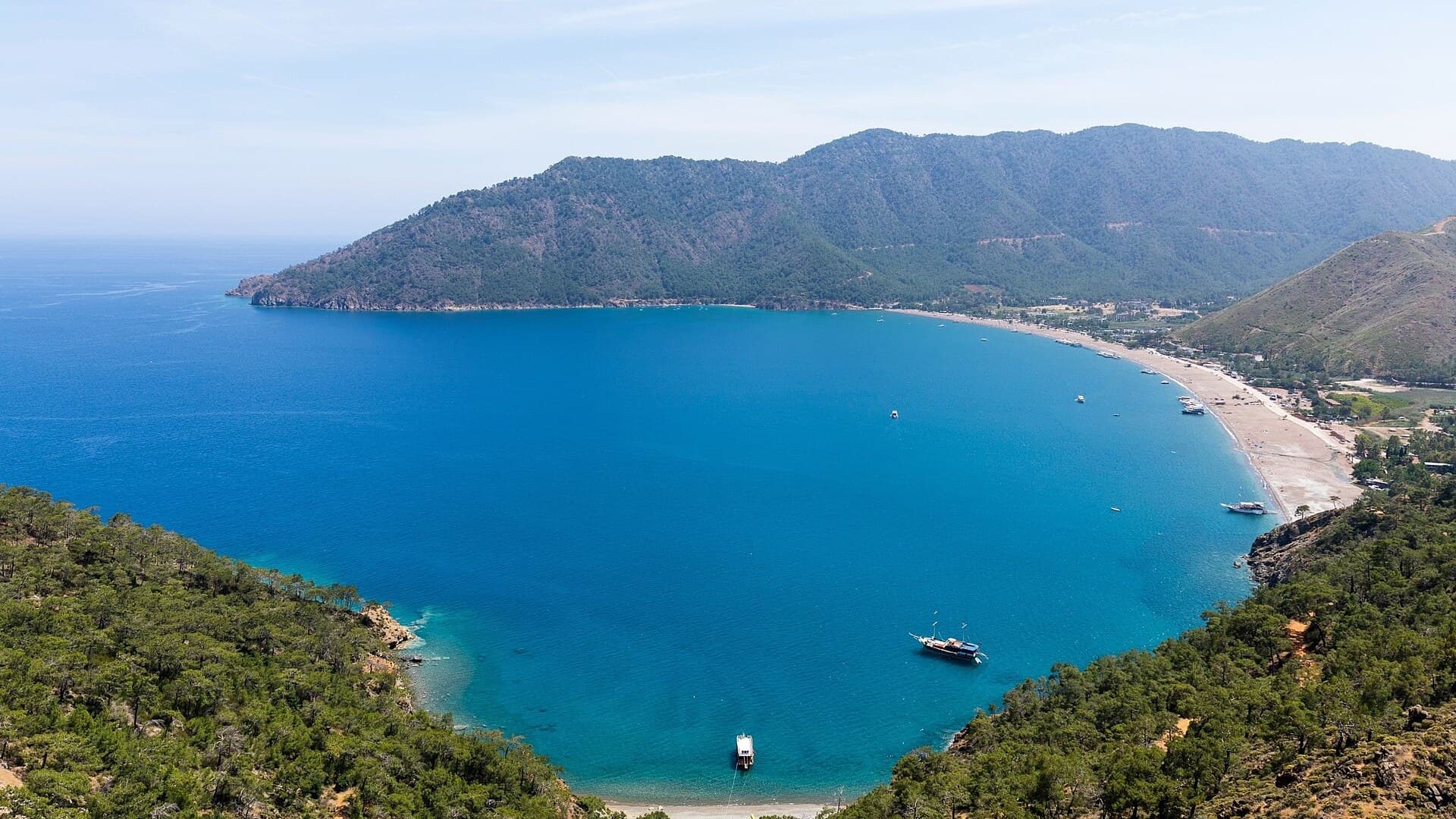
Adrasan
Antalya, TR
A long bay south of Antalya, quieter than the big resort towns
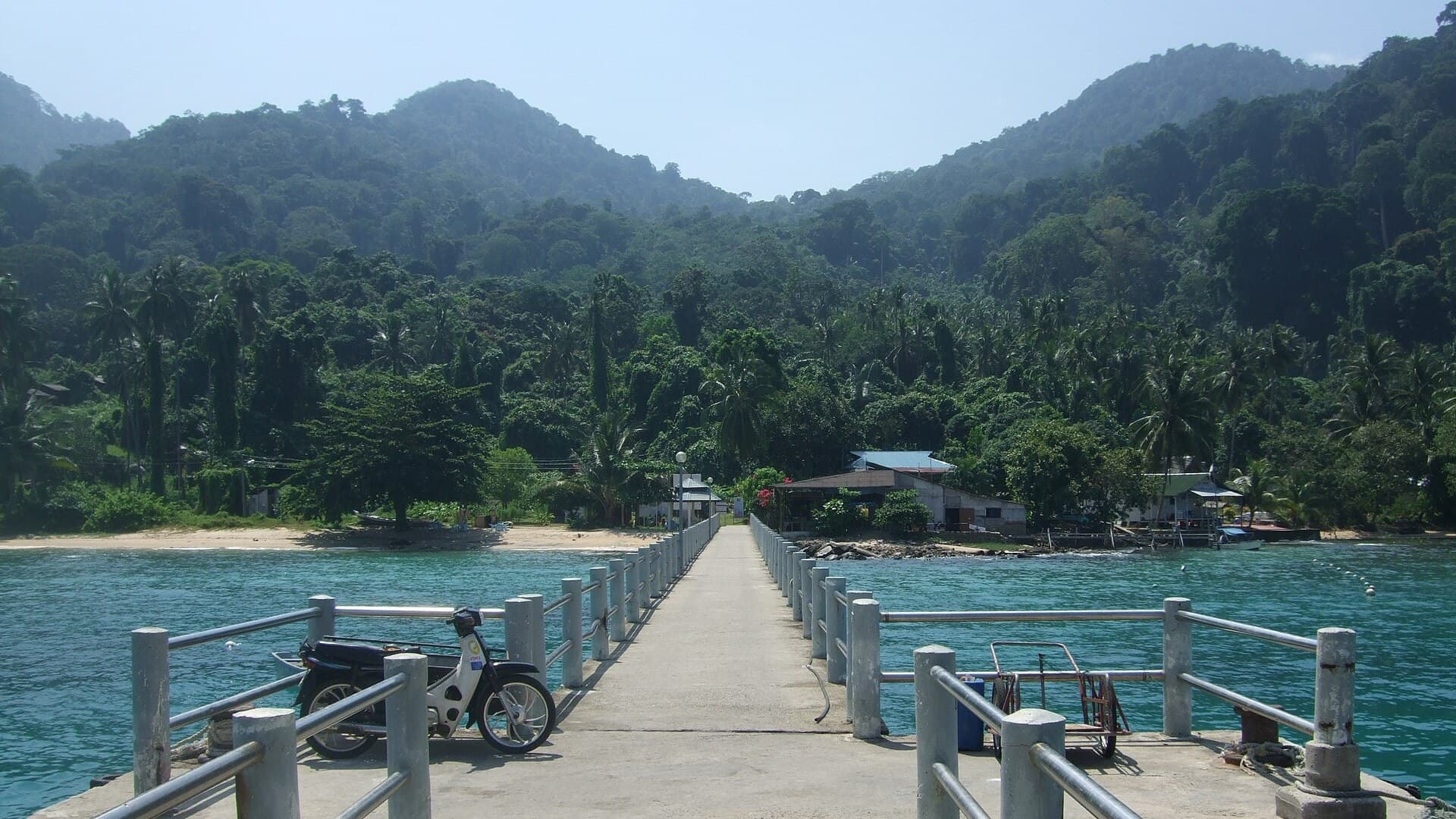
Air Batang
Pahang, Malaysia
A west-coast dive village on Tioman, not Tekek and not Juara
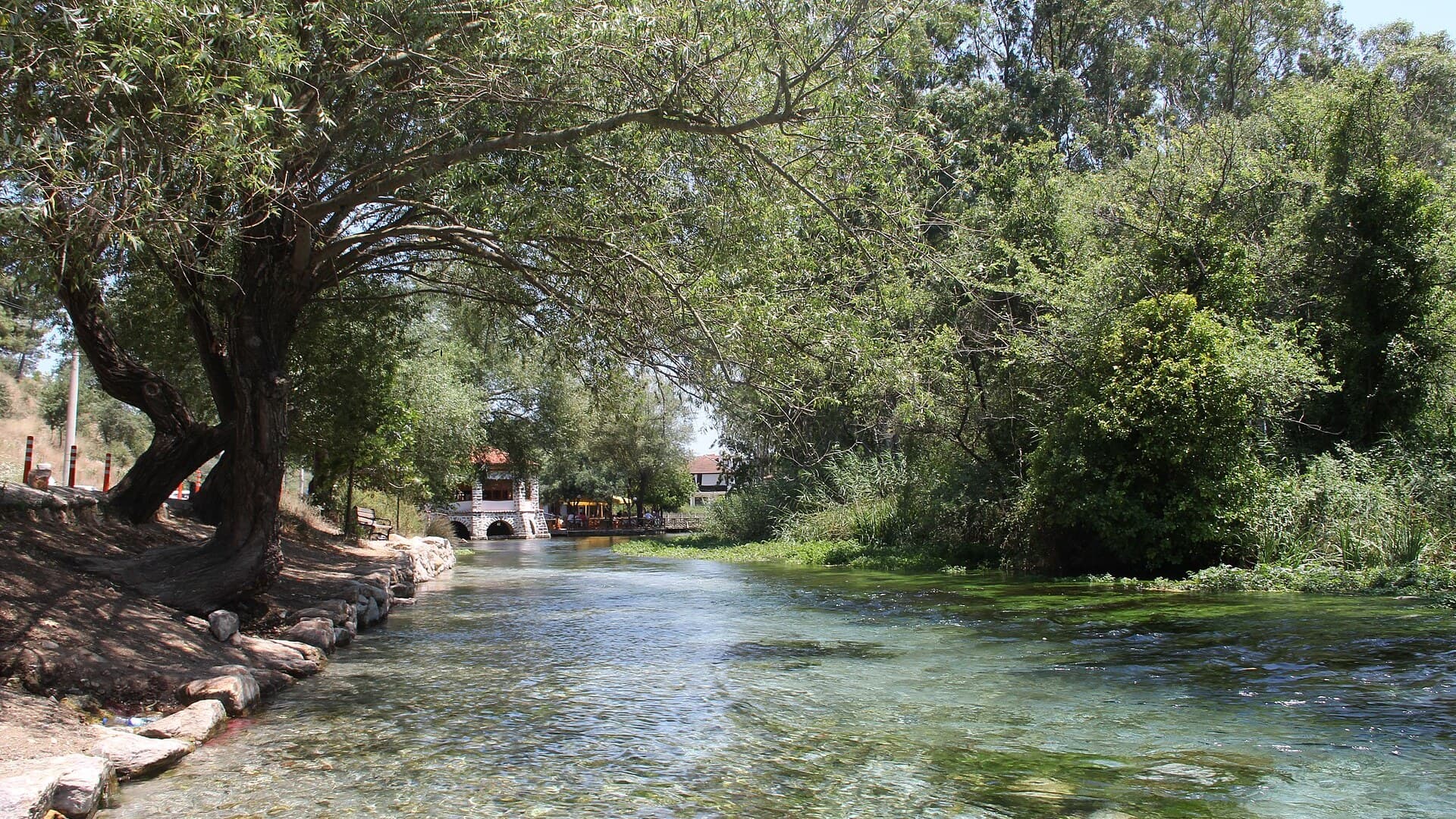
Akyaka
Muğla, Türkiye
A Cittaslow village at the eastern end of Gökova Bay
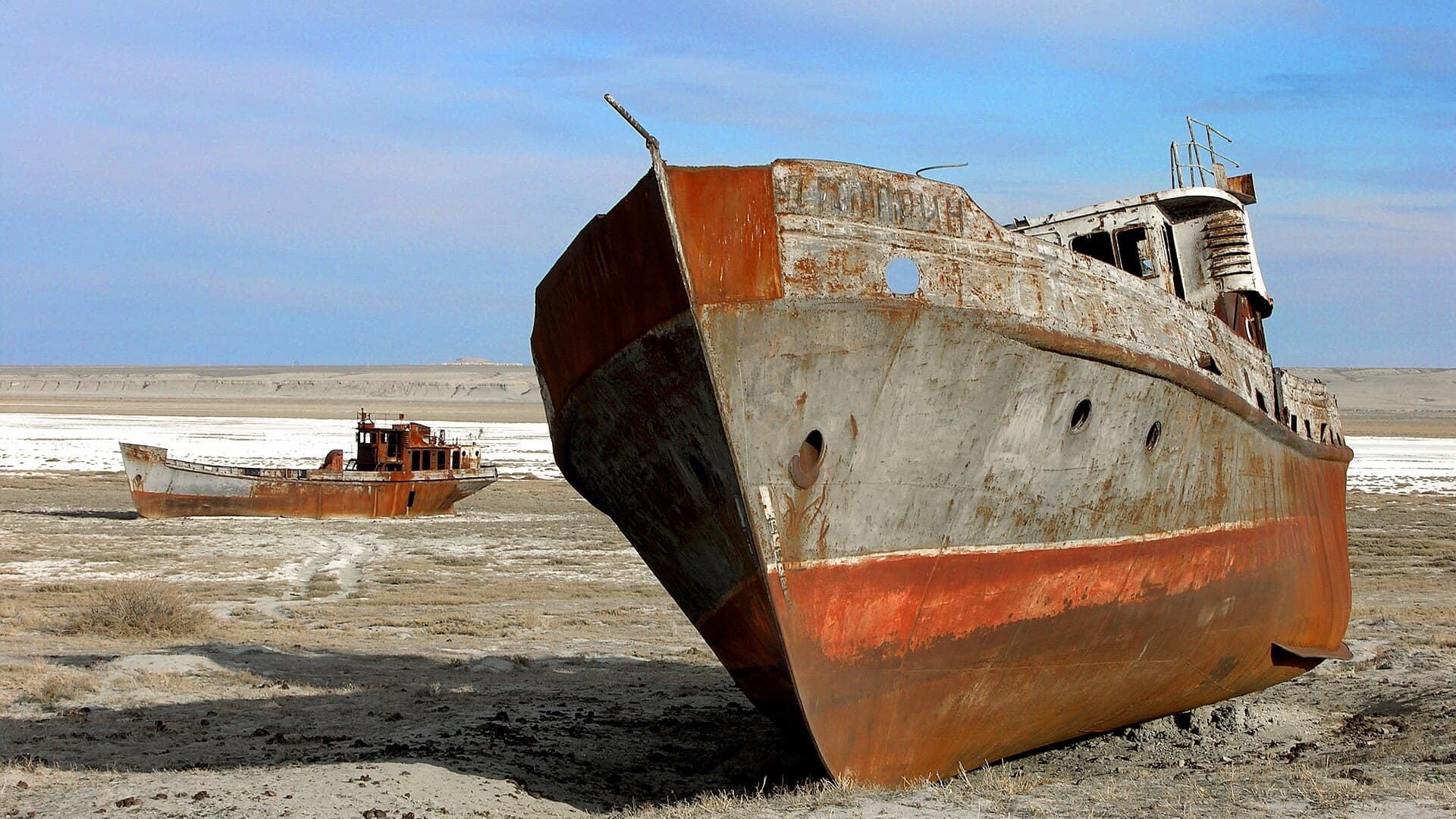
Aralsk Guide
Kyzylorda, Kazakhstan
Former Aral Sea port in Kyzylorda Region, now a rail stop on dry ground
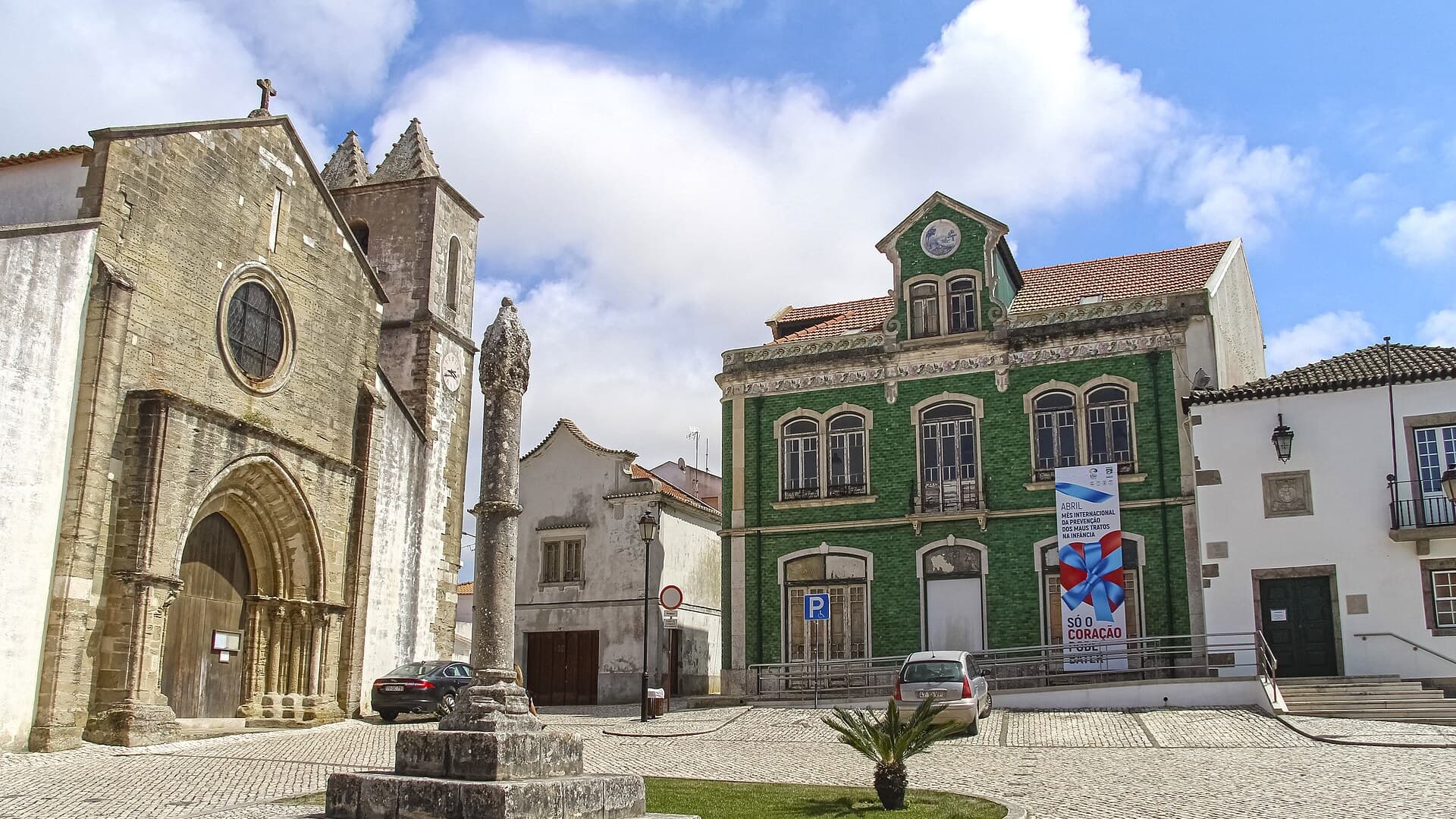
Atouguia da Baleia
Leiria, Portugal
Older Peniche parish: church, castle scraps, Consolação on the sand
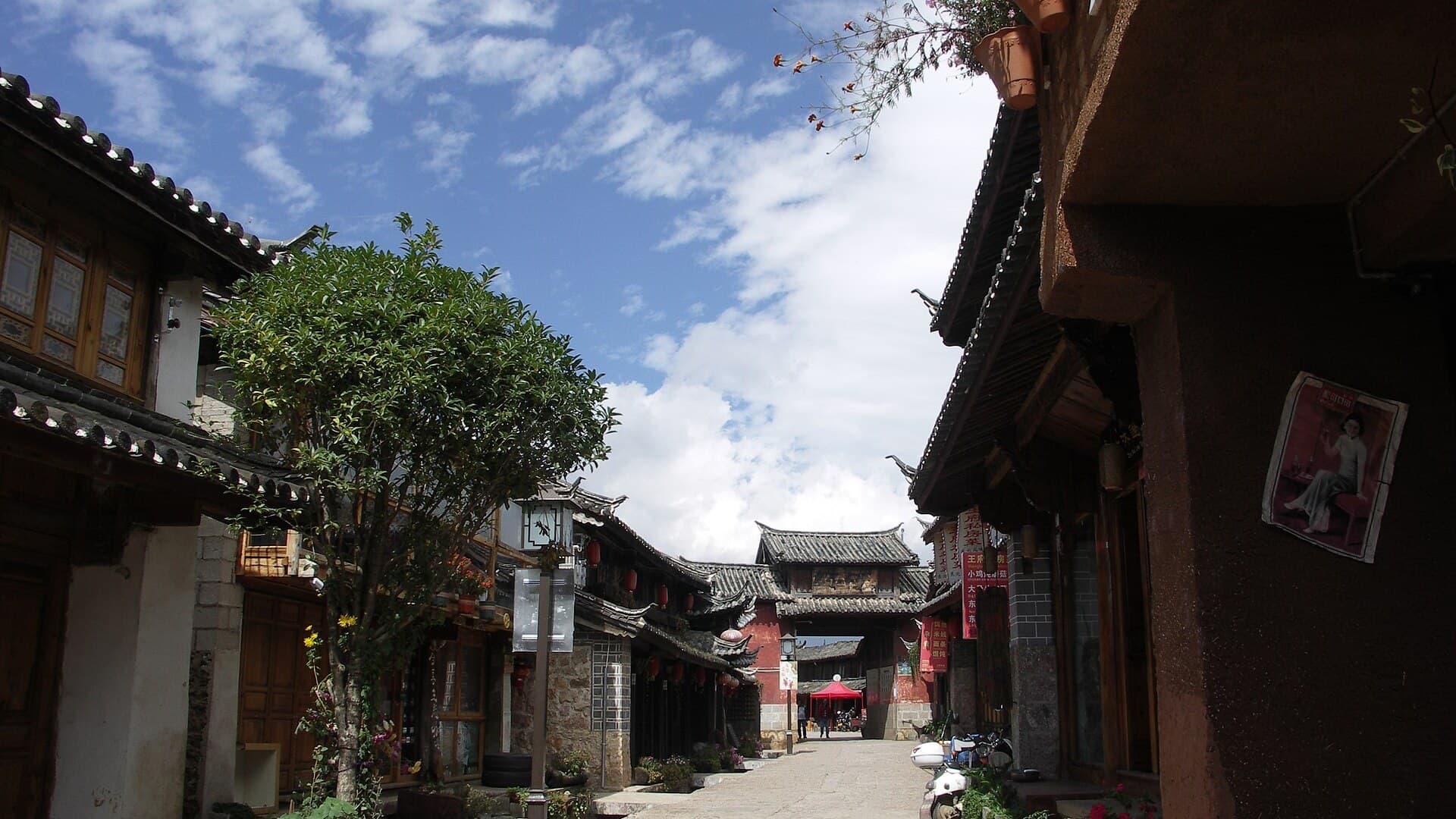
Baisha
Yunnan, China
Naxi town 12 km north of Lijiang Old Town, quieter than Dayan

Save these places to your list
Copy the spots you picked into your list — maps and notes included.