
Sayaxché Guide
A Petén river town with boats to the Maya ruins
1 selected
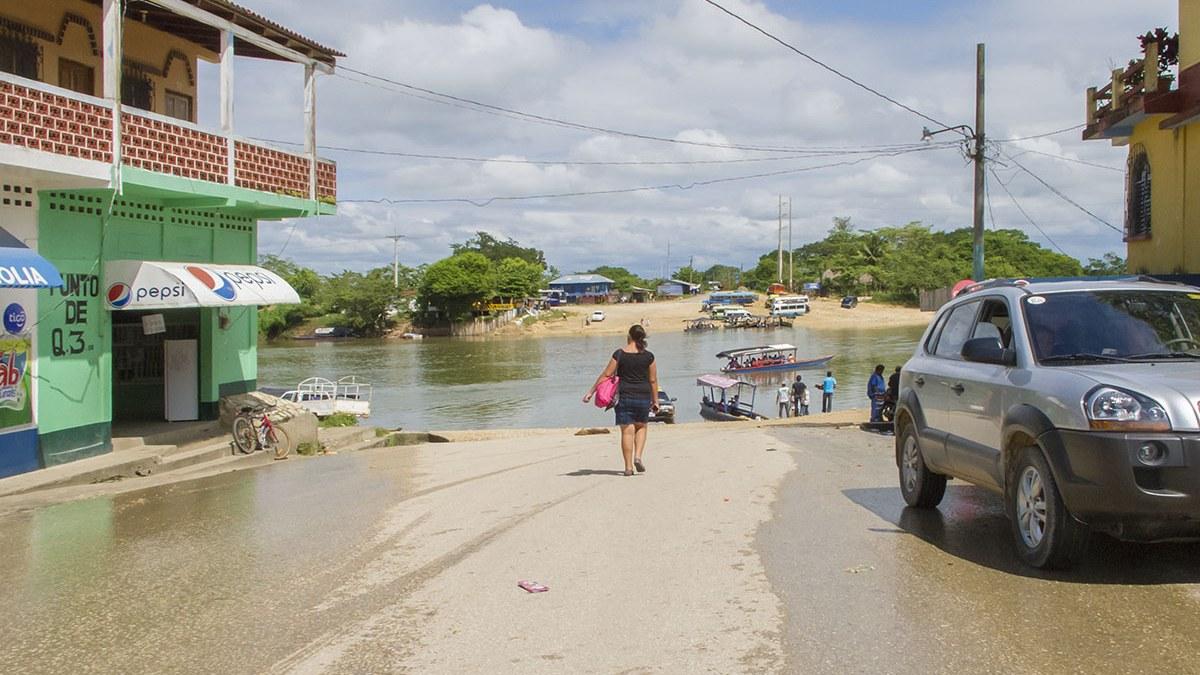
Sayaxché is a riverfront town in the Petén department of northern Guatemala, and the Río de la Pasión runs right past it. A ferry crosses the water here. The town makes a good base for Maya ruins in western Petén, and most trips to them go by river.
Most tourists who stop in Sayaxché are only changing microbuses between Cobán and Flores. The municipality itself counts thirty-two archaeological locations. El Ceibal, Dos Pilas and El Duende, Aguateca and Cancuén are the ones that draw the most visitors.
Ceibal is a small Maya ruin near town: one temple and a lot of carved stelae. Aguateca lies downriver from Sayaxché and ranks as a peer of Dos Pilas. It stands on a 90 m limestone bluff above Petexbatún Lagoon, and a defensive wall system over 4.8 km long surrounds it. At Aguateca you are more likely to meet archaeologists at work than other tourists.
Dos Pilas sits about 28 km southwest of Sayaxché. Two crystalline creeks and Maya sculptures in excellent condition are what it is known for. Cancuén has an enormous palace with 3 levels, 170 rooms and 11 courtyards. The city lies on the border of the La Pasión River, close to Chisec in Alta Verapaz.
Laguna Petexbatún lies about 10 km south of Sayaxché, with swamps to its south. Crystalline water and virgin jungle surround the lagoon, which suits fishing, water sports and animal studies. Around it, together with Aguateca and Dos Pilas, stretches a protected area. El Rosario National Park, on the eastern edge of Sayaxché, used to be a state-owned finca under the National Forestry Institute (INAB). Its small lake grows much larger in the rainy season than in the dry season.
A day trip to Ceibal from Flores via Sayaxché is possible, with a tour agent arranging the boat. Tours to Aguateca and Dos Pilas are offered as well.
In Sayaxché you can also hire dugout canoes to reach the ruins of Aguateca.
Logging settlement, Maya capitals and a collapse around 900
Sayaxché began in 1874 as a settlement for forest workers of the Jamet Sastré logging company, and it became a municipality in 1929. Later, National Highway 5 to Flores turned it into a trade and transport centre. The Classic Maya civilization of the Petén collapsed around the year 900. No new temples went up after that, and jungle reclaimed the old cities. The Pasión river basin is an archaeological region with centres such as Dos Pilas, Tamarindito, Altar de Sacrificios, Aguateca, Seibal and Machaquila. Inside the Sayaxché municipality you also find Cancuén, Punta Chimino and San Juan Acul. Dos Pilas was founded in AD 629 by an offshoot of the dynasty of Tikal, and it offers an important glimpse into the rivalry between Tikal and Calakmul. People left it in 761 AD, so it existed for little more than a century. Between the Pasión and Salinas rivers, about 8 km east of the Mexican border, it became a National Monument on 12 June 1970. Together with Aguateca, it became one of the twin capitals of the Petexbatún kingdom. Aguateca was occupied from about 200 BC. An attack ended it so abruptly that household objects stayed scattered across the floors of elite residences. Seibal, called El Ceibal in Spanish, was the largest city of the Pasión River region and stands on bluffs about 100 m above the river. In AD 735 the king of Dos Pilas attacked it, and it won back its independence in the late 8th century. Scholars from Harvard University restored the site between 1963 and 1968. The Petexbatún State, which also counted Itzan, Tamarindito and Punta de Chimino, was the first to be abandoned in the Late Classic Maya collapse.
Licuados, Gallo beer and the farmland around Sayaxché
Sayaxché sits in farmland that yields maize, beans, rice, fruit and vegetables, and the town also makes spices and raises cattle. Cafe Maya stands across the street from Hotel Casa Grande in downtown Sayaxché. Licuados are on the menu at most restaurants in Guatemala: smoothie-style drinks blended from fresh fruit in many flavours. For beer, Gallo and Moza are the two good Guatemalan options, each with 5% alcohol. Smaller towns will probably stock only Gallo, whereas Moza is a flavorful bock. Over in Flores, Jaguar Inn Hotel puts a typical Guatemalan breakfast on the table: beans and tortillas.
Buses, microbuses and a ferry: the way to Sayaxché
Sayaxché lies roughly halfway along Highway 5, about 70 km from both Flores and Alta Verapaz. The road runs from Flores via La Libertad through town and on into Alta Verapaz. Flores has Guatemala's secondary airport, which receives flights from Guatemala City and neighbouring Belize and Mexico, so it is the usual air gateway for the area. La Aurora International Airport in Guatemala City is the main airport, with international flights arriving mostly from other Central American countries, the United States, Mexico, Colombia and Spain. Coming from Guatemala City, you take a bus to Cobán and then a bus or microbus on to Sayaxché. A change of microbus at Raxruja may be needed. The Guatemala City to Flores route via Cobán takes about 12 hours by bus and is more scenic than the 8-10 hours via Poptún. You leave the capital on Monja Blanca and switch to a minivan in Cobán. Three first class bus companies, Linea Dorada and Autobuses del Norte among them, serve the faster Poptún route. From Flores, you board a bus to Libertad and another one on to Sayaxché. Microbuses from Cobán drop you at the ferry dock on the Río de la Pasión in the central part of town. Going the other way, microbuses to Flores depart from the parking lot on the far shore, so you cross by small ferry first. Many tour agents in Flores sell a day trip by bus direct to Sayaxché, which includes the boat to Ceibal, lunch and the return to Flores. Thefts have been reported on the microbus from Cruces to Sayaxché, so keep an eye on your bags there.
Ferries, boatmen and canoes along the Río de la Pasión
In Sayaxché small ferries shuttle people across the Río de la Pasión between the ferry dock and the parking lot on the far shore. A separate ferry carries vehicles from one bank to the other. For Ceibal, you walk down to the river and ask the boatmen; the trip takes about 1 h each way. Bargain with a motor launch to take you upriver. Aguateca lies on the same river but in the opposite direction, and boats go there too. A motor launch can be negotiated for it, and dugout canoes can be hired as well. The motor canoe takes a few hours, and the last stretch winds through very narrow swampland, so you dodge weeds brushing the boat and the pole the guide steers with. Dos Pilas works differently. Most travel agencies sell a multi-day trip using river and mules, while a single-day trip is possible if you ask around Sayaxché for 4WD transport. The boatmen at the river can also run you to Aguateca or Ceibal. Chiminos Island Lodge on Laguna Petexbatún can be booked through a recognised tour operator, who arranges boat transport to and from the property plus a guide. San Juan Acul, a small lagoon that is practically unexplored, lies 14 km from Sayaxché by land or 16 km by boat. Arroyo El Pucte has crystalline water that lets you see the bottom, and it is 36 km by boat across the La Pasión River from Sayaxché.
Rain, roads and rules: practical questions for Sayaxché
Sayaxché has a tropical monsoon climate, with mean daily maximums running from 26.7 C in January to 32.4 C in May. About 1,840 mm of rain falls in a year, and each month from June to October averages more than 200 mm. The town patron is San Antonio de Padua, whose festival runs from 5 to 13 June. Which months are driest and wettest? March is the driest, with about 42 mm of rain. September brings 268 mm and October 251 mm, which makes them the wettest. When does the rainy season start, and when is the weather mildest? Around Sayaxché the rains begin in late May or early June and last to October, with frequent showers and more mosquitoes. From November through February the weather is most mild, although nights can get a bit cool. Lowland days stay hot all year. Can I go to the remote ruins at any time? Roads to the remote Petén sites are poor, so trips there are best made in the dry season, February until June. Much Petén forest has been cleared for ranching, leaving little shade, so carry plenty of water and wear a suitable hat. Is it better to come by tour or by local bus? A tour company is the better choice, since backpacks tied on the roof of local transport can go missing. Local microbuses can also be badly overcrowded: one traveller reported being crammed in with 29 people, a box of chickens and 6 men on the roof. What should I know about walking in the jungle? It is easy to get lost on unknown jungle paths in out-of-the-way places, so stay on the beaten path and go with a group. Around the Ceibal ruins you may see palms, turtles, monkeys and ant-eaters, along with many mosquitoes. Do I need a visa for Guatemala? Nationals of many countries, including all EU states, the UK, the US, Canada and Australia, need no visa for up to 90 days. A valid passport is required.
FAQ
What is covered in the Sayaxché guide?
Plan a trip to Sayaxché, the riverside town in Petén where boats leave for the Maya ruins of Ceibal and Aguateca. Discover the routes, rivers and rainy months. It includes 1 recommendations across 1 gallery.
Next →How many places are in the Sayaxché guide?
The Sayaxché guide lists 1 places: 1 gallery.
Next →Where is Sayaxché?
Sayaxché is in Sayaxché, Petén, Guatemala (16.5170, -90.1830).
Next →How do you get to Sayaxché?
Sayaxché lies roughly halfway along Highway 5, about 70 km from both Flores and Alta Verapaz. The road runs from Flores via La Libertad through town and on into Alta Verapaz. Flores has Guatemala's secondary airport, which receives flights from Guatemala City and neighbouring Belize and Mexico, so it is the usual ai…
Next →What should you eat in Sayaxché?
Sayaxché sits in farmland that yields maize, beans, rice, fruit and vegetables, and the town also makes spices and raises cattle. Cafe Maya stands across the street from Hotel Casa Grande in downtown Sayaxché. Licuados are on the menu at most restaurants in Guatemala: smoothie-style drinks blended from fresh fruit…
Next →Is there camping in Sayaxché?
No camping listings in this pack yet — we do not invent venues. Entries will appear once verified.
Next →Can you rent a bike in Sayaxché?
No bike rental listings in this pack yet. Verified shops will be added when available.
Next →What are recommended gallery in Sayaxché?
Highlighted gallery in the Sayaxché guide: River landing.
Next →Highlighted places
- River landing — The river landing in Sayaxché on the Río de la Pasión, where ferries and boats cross the water.
Explore on the map
Tap a pin to highlight its place card
All
1 spots
Recommended places
Gallery
1 · 1 selected
River landing
gallery
Related guides
Browse nearby destinations

San Antonio Palopó Guide
Sololá, Guatemala
Indigo weaving and quiet lanes on Lake Atitlán
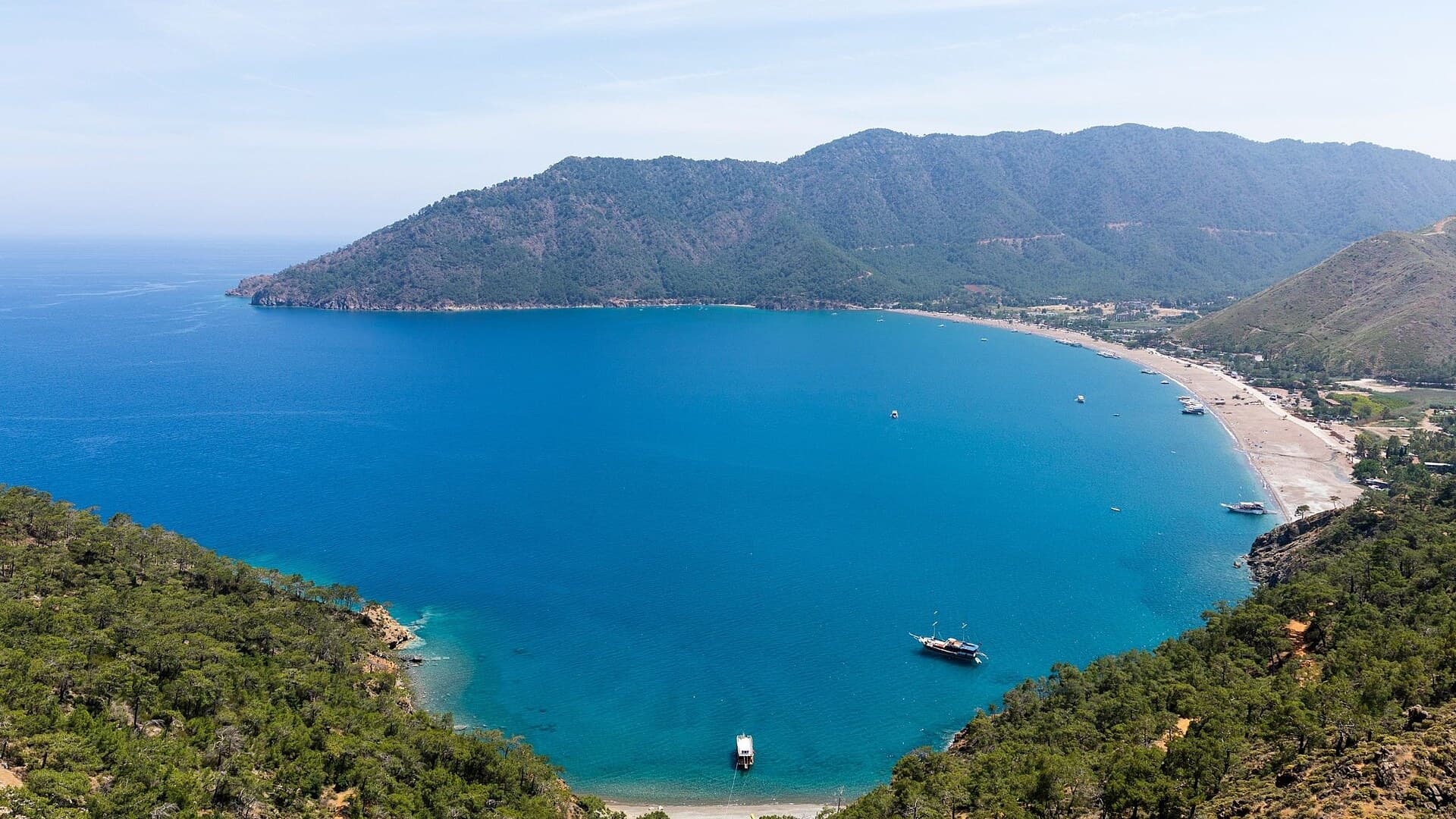
Adrasan
Antalya, TR
A pine-backed bay where the days move slowly
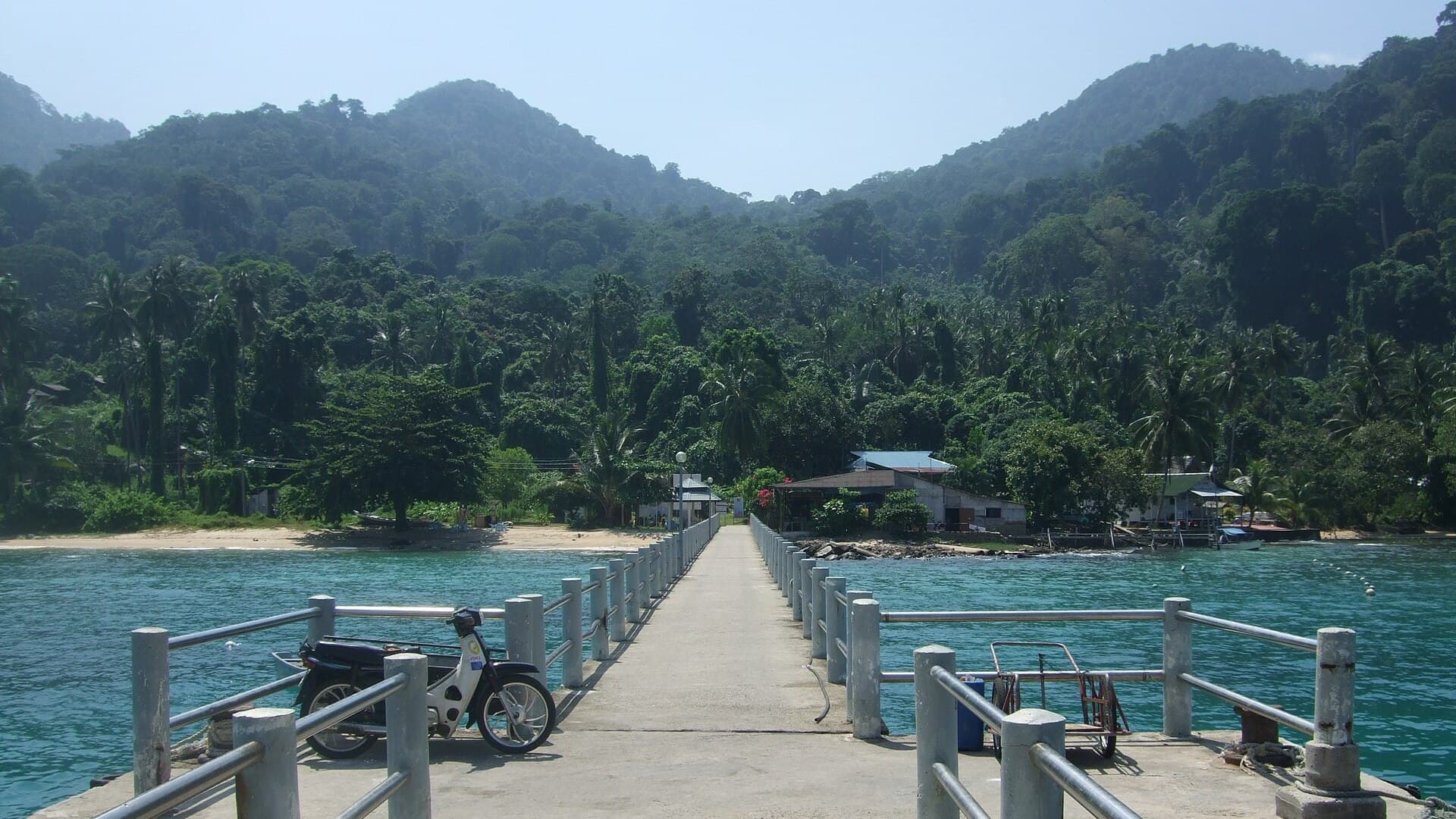
Air Batang
Pahang, Malaysia
A car-free Tioman village for divers and walkers
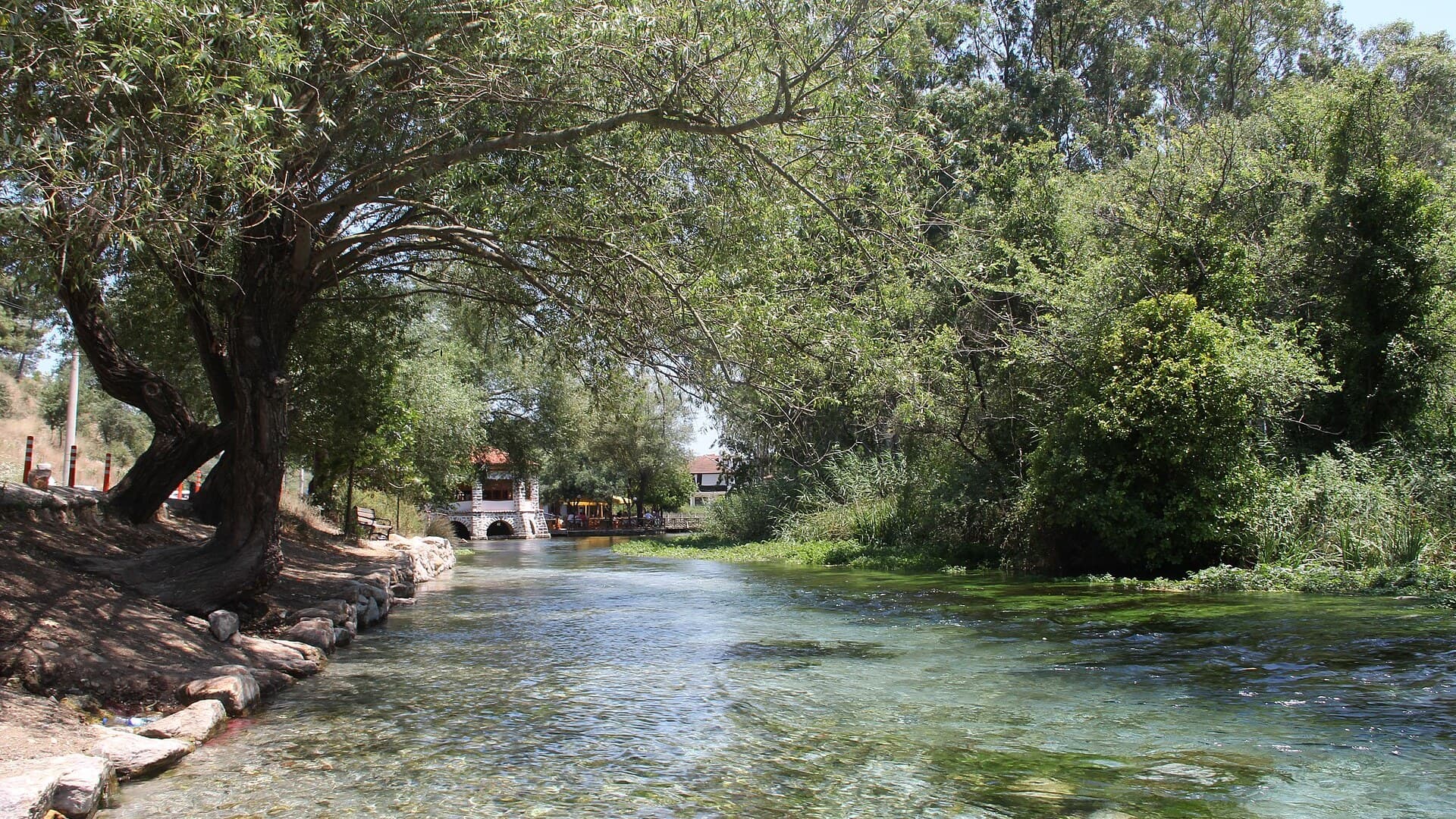
Akyaka
Muğla, Türkiye
Azmak boats, kitesurf wind and wooden balconies
Aneityum Guide
Tafea, Vanuatu
Beaches, reef and quiet in Vanuatu's far south
Angastaco Guide
Salta, Argentina
Torrontés wine and red hills in Salta's Calchaquí valley

Save these places to your list
Copy the spots you picked into your list — maps and notes included.