
San Antonio Palopó Guide
Quiet Atitlán ceramics village, not San Pedro
1 selected

Explore on the map
Tap a pin to highlight its place card
All
1 spots
Recommended places
Gallery
1 · 1 selected
Terraces above Lake Atitlán
gallery
Related guides
Browse nearby destinations
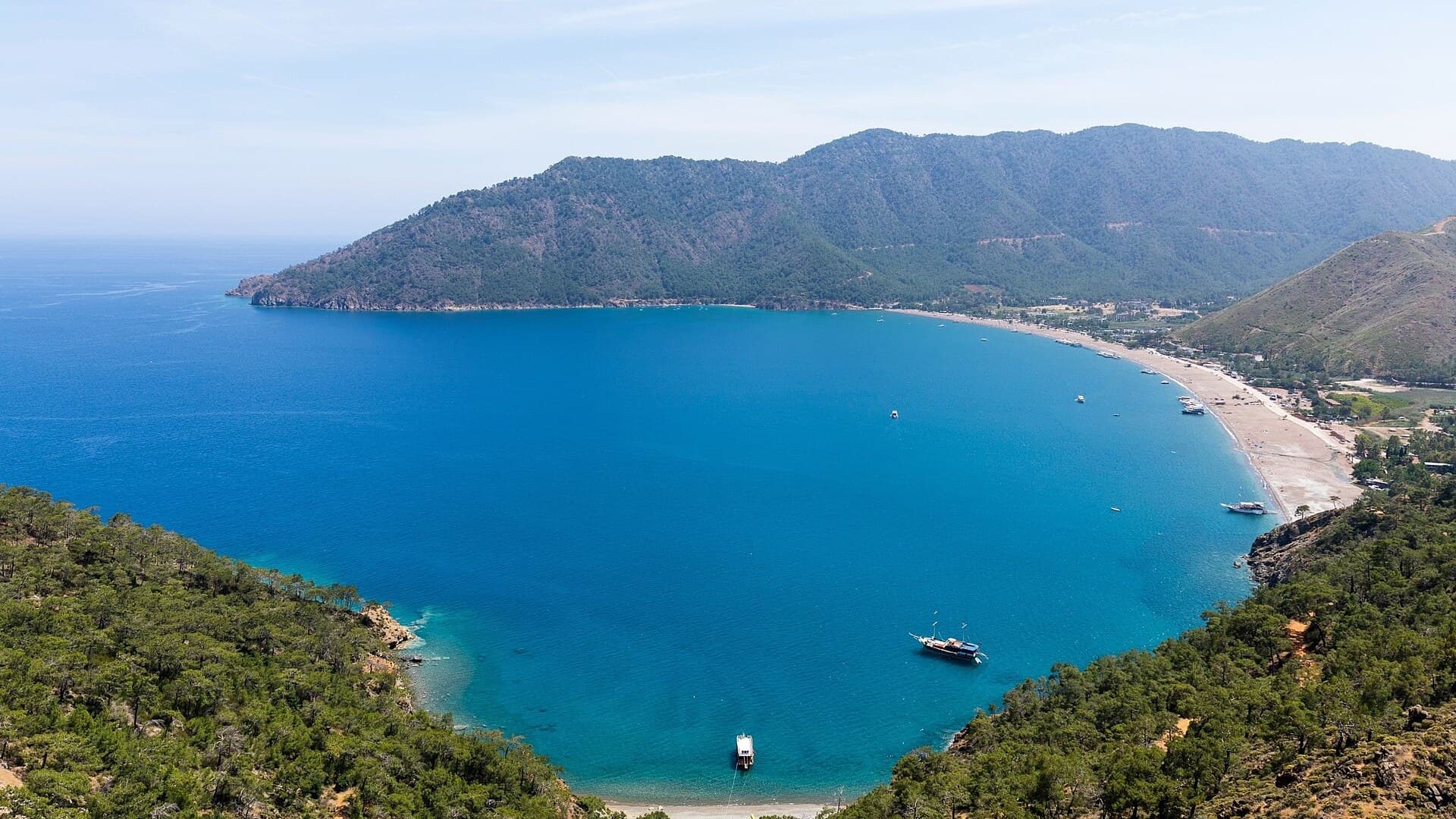
Adrasan
Antalya, TR
A long bay south of Antalya, quieter than the big resort towns
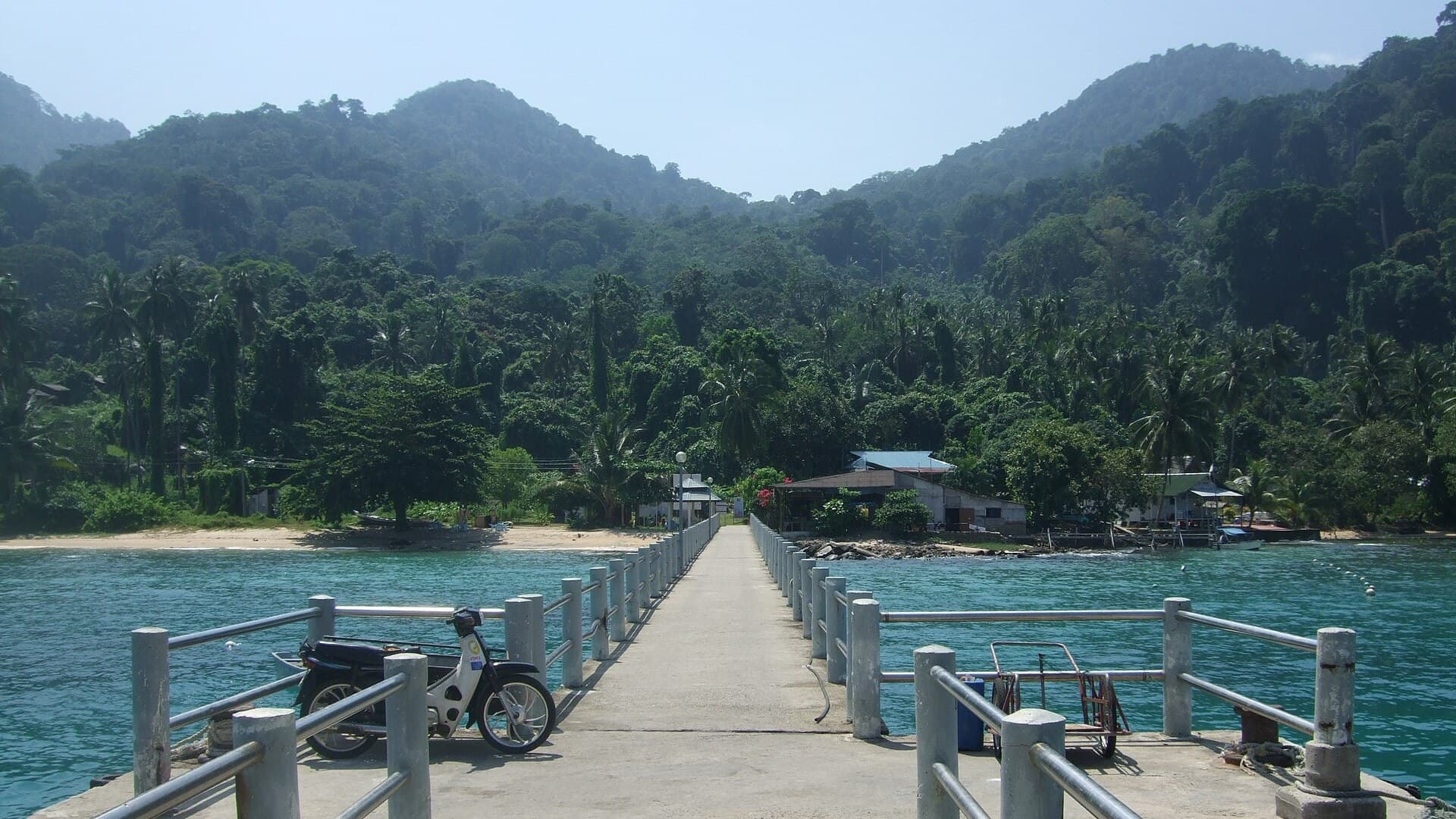
Air Batang
Pahang, Malaysia
A tranquil west‑coast village on Tioman Island, perfect for snorkeling, diving, and short beach stays.
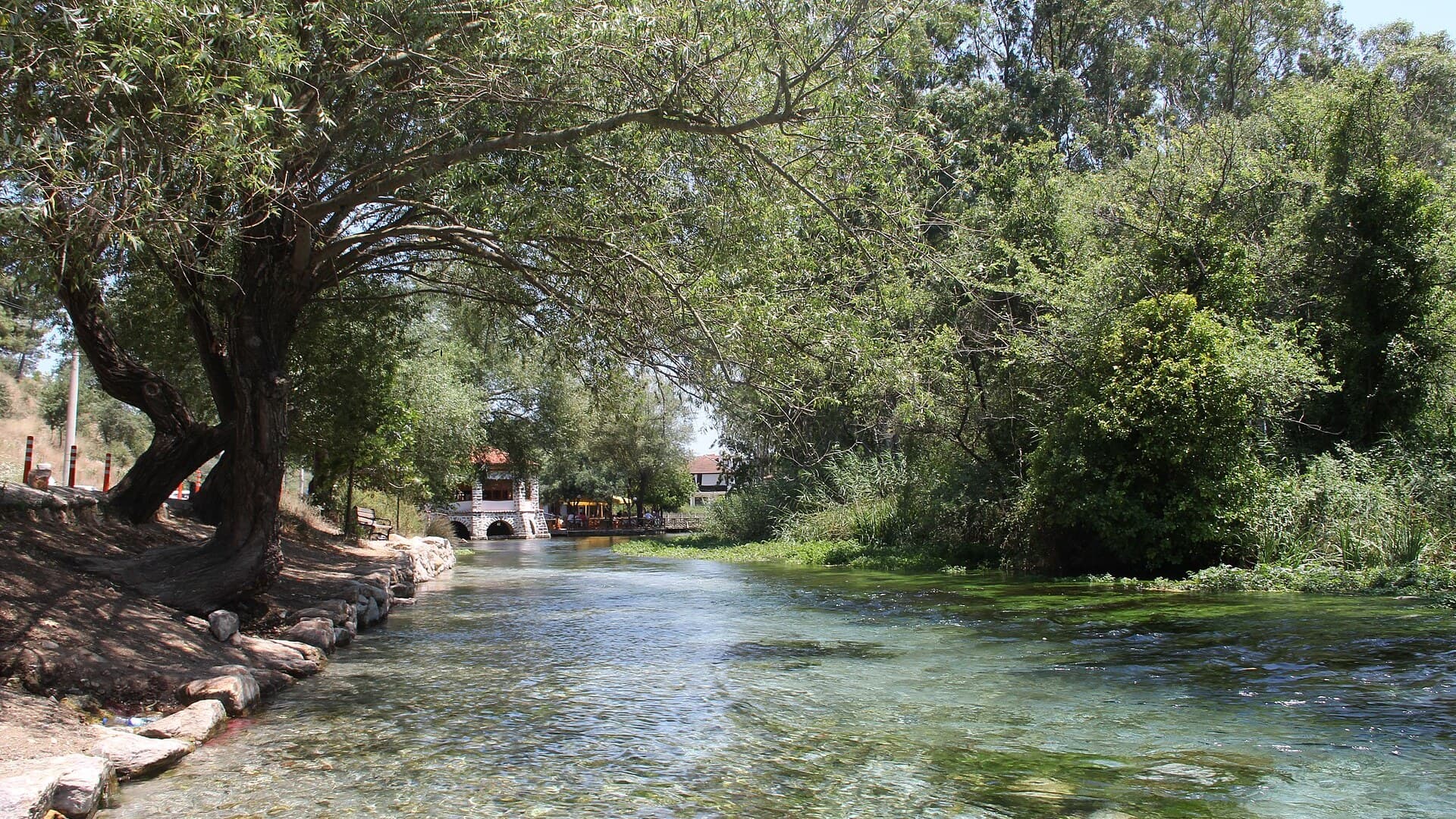
Akyaka
Muğla, Türkiye
A quiet riverside gem where boat rides, river swims and relaxed cafés make a perfect day or overnight stay.
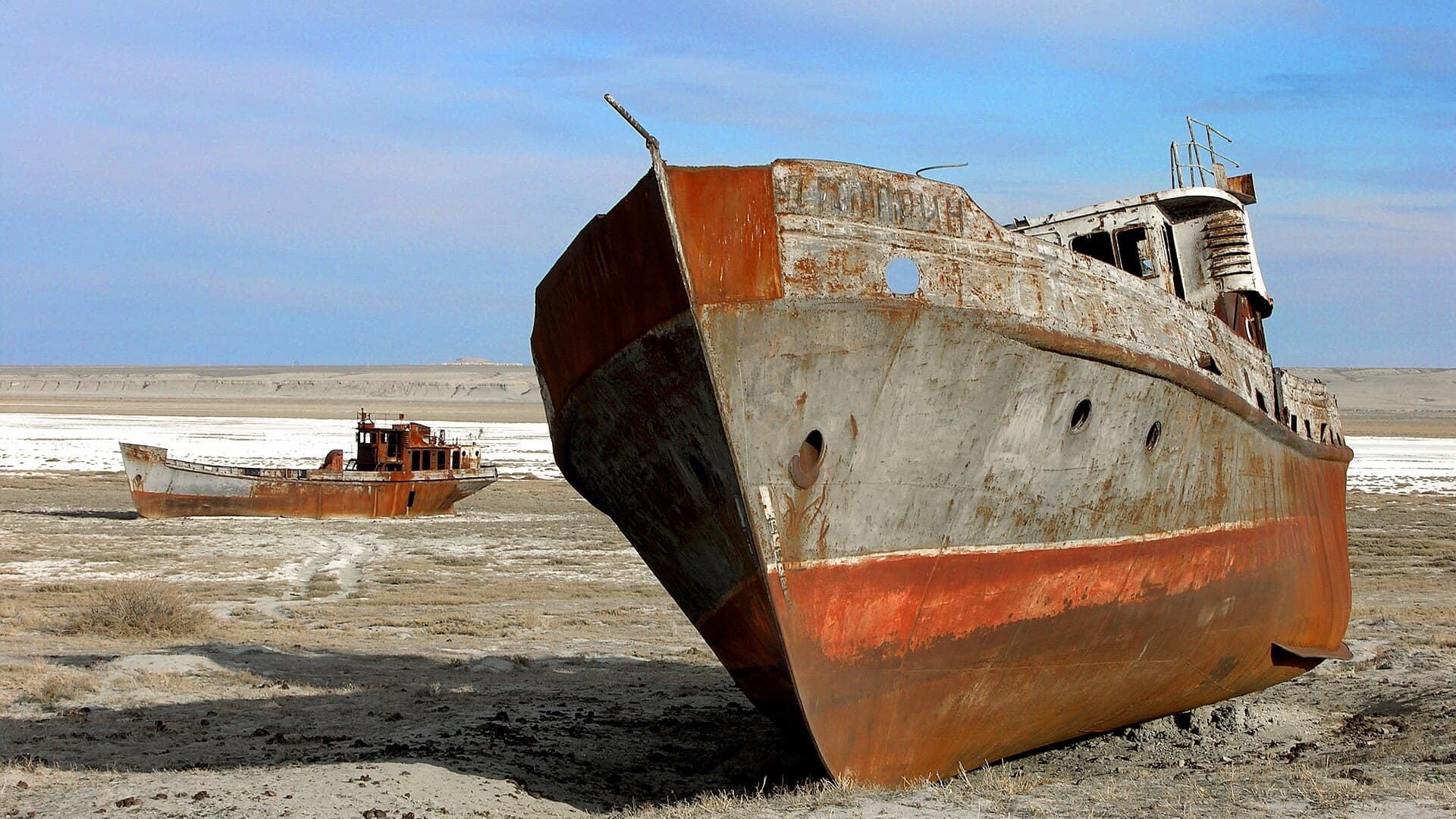
Aralsk Guide
Kyzylorda, Kazakhstan
Explore Aralsk’s quiet rail‑stop charm, historic Aral Sea sights, and nearby Kyzylorda attractions in 2–3 days.
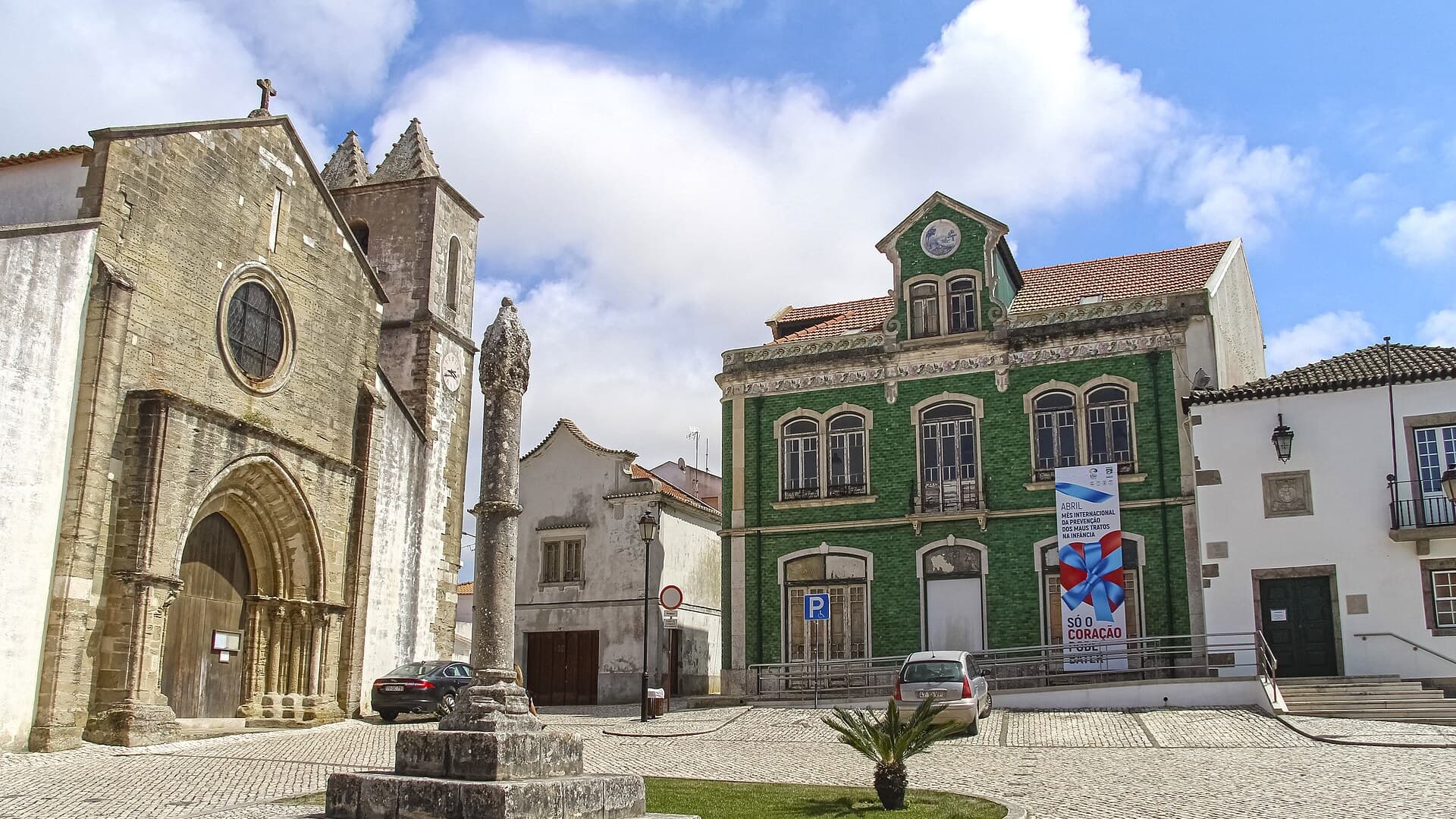
Atouguia da Baleia
Leiria, Portugal
Explore historic churches, seaside cliffs, and local seafood in Atouguia da Baleia – a charming coastal town near Peniche.
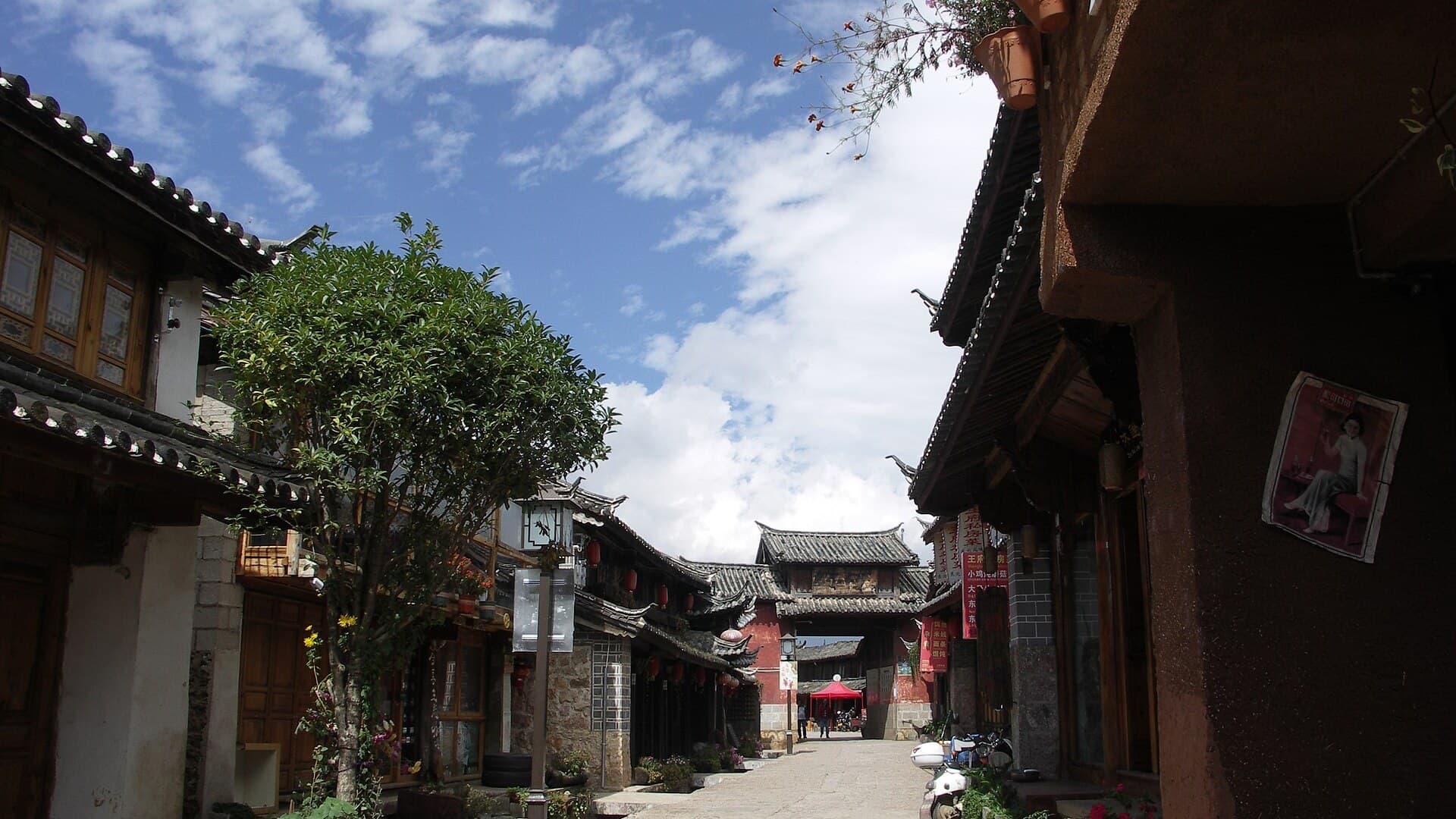
Baisha
Yunnan, China
Explore Baisha’s quiet Naxi murals, historic streets and nearby waterfalls – a perfect 3‑day detour from Lijiang.

Save these places to your list
Copy the spots you picked into your list — maps and notes included.