
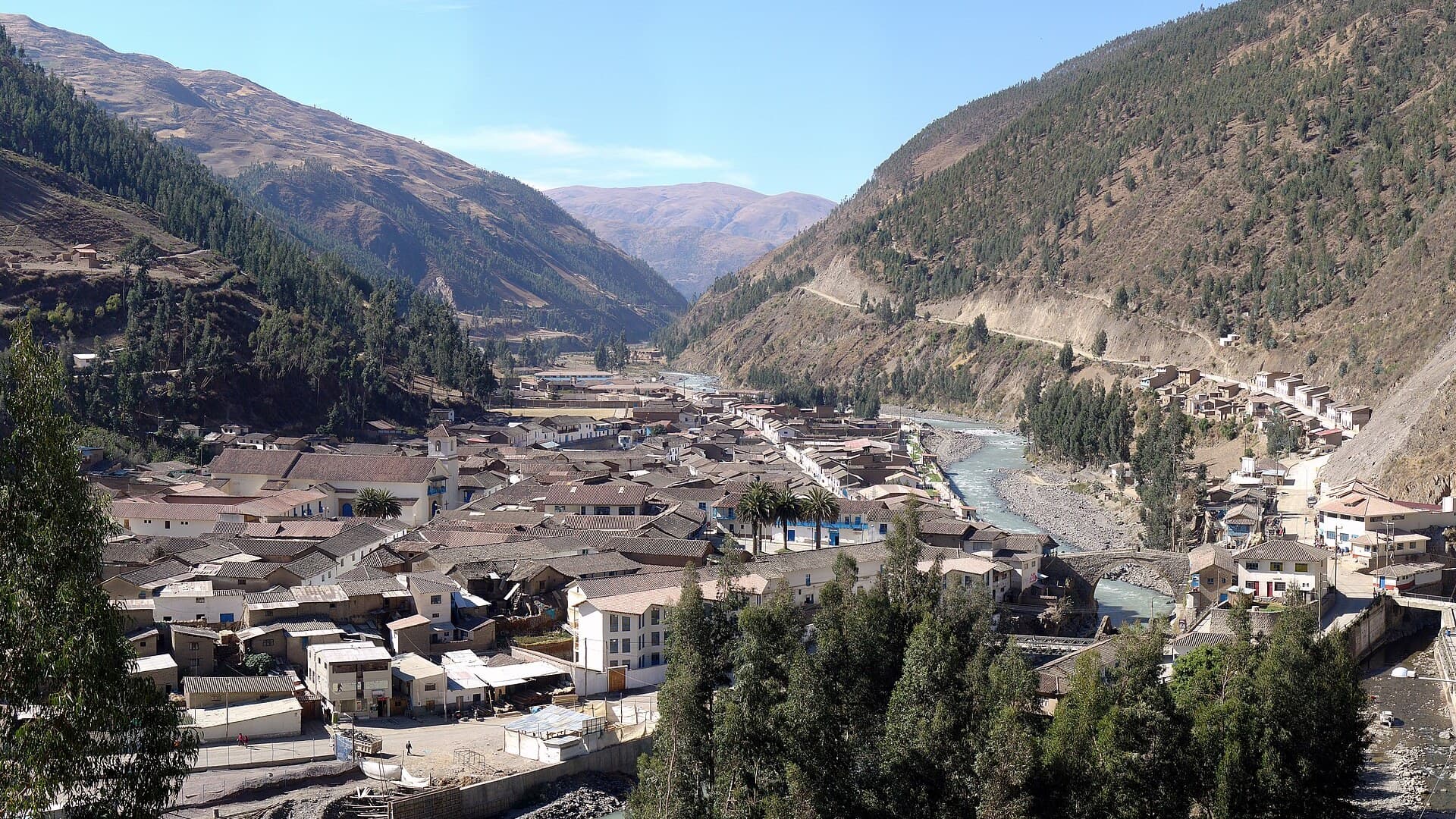
Paucartambo is a town in the Cusco Region of Peru, capital of the province and district of the same name. In Quechua the name is Pawqar Tampu, coloured tambo. The town sits near 13.32 south, 71.60 west at about 2,906 metres, home to a few thousand people. The plaza and streets were declared historic monuments of Peru on 23 July 1980. This is the folklore town east of Cusco, not a second Cusco, and not the Manu lodge circuit by itself.
The festival of the Virgen del Carmen, Mamacha Carmen, runs from 15 to 18 July, with 16 July as the central day. The three-day fiesta is one of the biggest street parties in Peru and draws tens of thousands, almost all Peruvian. The Ministry of Culture listed the festivity as Cultural Heritage of the Nation in 2006. From Cusco the paved road is about 110 kilometres, about two hours.
Tres Cruces sits farther on, on the road toward Manu National Park, reached via Abra Acjanaco. Pass height figures disagree: about 3,550 metres in one account, about 3,800 or 4,000 in others. Treat the pass as high puna, well above town, and the viewpoint as a predawn excursion, not a stroll from the plaza.
People who actually use the town come for July, or for a night on the way to Tres Cruces or the Kosñipata road. Colonial houses and the river, Paucartambo, also called Mapacho, are the rest of the year. Nightlife, a week of museums, a café with all-day power: Cusco. Anyone hoping to work from here will last a day and then hunt a signal.
One full day from Cusco covers the drive, the plaza, and the river streets. A second night only earns its keep in mid-July, or if you have already arranged a vehicle for Tres Cruces before dawn. A third night in the ordinary week is padding. Outside the fiesta there is little reason for a week.
The town is walkable and high. There is no metro and no tram. You do not need a car inside the plaza grid. You do need one, or a shared seat, for Acjanaco and Tres Cruces. Quechua is widely spoken; most district residents learned it first, Spanish second.
Families who want a flat, warm street should not come in July without a booked bed, and should not come to Tres Cruces without warm clothes. Altitude, a packed fiesta, and a cold night at the pass are the practical problems. Solo travel works if you can stand 2,900 metres and a Spanish or Quechua counter.
The fiesta, the plaza, a Tres Cruces dawn with a plan: yes. A substitute Cusco week, a jungle lodge sold as the town, a laptop month: no. Do not confuse the town with the larger province, or Tres Cruces with a viewpoint you walk to after lunch.
A tambo between Andes and forest
Under the Inca the town sat in Antisuyo, then from 1565 as a corregimiento. In both periods it lay on trade between the Andes and the forest: coca, gold, cloth. The Libertador Simón Bolívar's decree of 21 June 1825 created the district. The plaza and streets became national historic monuments on 23 July 1980. The image of the Virgen del Carmen, the town's patron, is the reason July fills. Some accounts place the image in the seventeenth century, others the cult from the second half of the sixteenth. The festival dates agree: 15 to 18 July, central day 16. Comparsas fill the streets. Saqras work the roofs. The night of the 17th holds the staged guerrilla. The 2006 heritage listing is the firm state line. Tres Cruces, the balcony toward the Amazon cloud, belongs to the same road, not to the plaza. The Kosñipata valley and Manu begin after the pass. That is a different day and a different height.
Eating in Paucartambo
You are in the high Cusco east: potato, maize, soup, tea, maybe a roast when a kitchen is running. In July the fiesta feeds dancers and guests in houses, not on a published restaurant street. Arrive hungry late on a quiet evening and you may find little open, or you will have brought food from Cusco. If you leave before dawn for Tres Cruces, take food and water. There is no café row at the pass.
How to get to Paucartambo
The road from Cusco is the way in, about 110 kilometres and about two hours on asphalt. An older route runs via Huambutio, Huancarani and Paucartambo, then onward Paucartambo, Acjanaco, Pilcopata toward Manu. Colectivos and hired cars leave Cusco in the morning. There is no passenger railway and no airport. Cusco is the international door, usually via Alejandro Velasco Astete airport. The last step is road. In mid-July the same road carries the fiesta. Book the bed before you book the seat. In the wet season the onward dirt toward Manu is a different problem than a travel-agency hour on paper. Tres Cruces is not on the plaza. It is a second vehicle, often leaving in the night, via Acjanaco. Pass height figures disagree. Warm clothes and a predawn start do not.
Moving around Paucartambo
The town is small enough to walk and high enough that the walk is work. The plaza is the flat ground. Streets drop to the Mapacho. You do not need a bus to cross Paucartambo. You do need a vehicle for Tres Cruces and for anything toward Manu. There is no metro and no tram. Shared cars and hired vans are the public mode on the Cusco road. Quechua opens a door. Spanish opens the other. A printed street name from 2010 may still match; the fiesta crowds will not. If stairs, cobbles, or 2,900 metres are a problem, the town is already hard. The pass is harder and colder. The viewpoint is not a flat wheelchair plan.
Money and staying connected
Peru pays in soles (PEN), not dollars at the ordinary till. Bring cash from Cusco. A fiesta town of a few thousand is a poor place to discover that the only machine is empty. The line you cannot price from a European table is the July bed and the predawn vehicle to Tres Cruces. Mobile coverage in town is usually usable. It thins toward the pass. Café Wi-Fi is not an office. Download an offline map in Cusco. Plugs are Type A and Type C, 220 V. Emergency numbers include 105 for police, 116 for fire, 117 for ambulance. Peru keeps PET, UTC-5. Altitude is the connection that fails first. Water sealed. Coca tea is custom, not a medical plan. If you came from the coast the same day, the 2,900 metres will already work on you before the pass.
Weather, manners, and what goes wrong
At about 2,931 metres, mean daily maxima sit near 21 °C all year and mean July minima near 4 °C. Annual rainfall runs about 636 millimetres, wettest in January and February, driest in June. June and July are the dry window for Tres Cruces and the fiesta. The pass is colder than the plaza. Pack warm clothes. People live here. In July the town belongs to dancers and returning families. Ask before you photograph faces and costumes. Keep processions clear. Pay in soles. Shoes off if you are invited in. The usual errors: arriving on 15 July without a bed. Treating Tres Cruces as a sunset viewpoint. Mixing the town with the Manu fly-in. Drinking the tap. Climbing from Cusco and the pass in one sleep-deprived night without water. Altitude, a packed street, a night without a reservation, and a cold wait at Acjanaco are what you plan around. Check the road twice in the wet months. The folklore capital is a working provincial town for fifty weeks and a crush for four days. That is the visit.
FAQ
What is covered in the Paucartambo guide?
Visit Paucartambo in Peru: the July fiesta, the road from Cusco, Tres Cruces via Acjanaco, altitude, and who the town suits. It includes 1 recommendations across 1 gallery.
Next →How many places are in the Paucartambo guide?
The Paucartambo guide lists 1 places: 1 gallery.
Next →Where is Paucartambo?
Paucartambo is in Cusco, Peru (-13.3176, -71.5960).
Next →How do you get to Paucartambo?
The road from Cusco is the way in, about 110 kilometres and about two hours on asphalt. An older route runs via Huambutio, Huancarani and Paucartambo, then onward Paucartambo, Acjanaco, Pilcopata toward Manu. Colectivos and hired cars leave Cusco in the morning. There is no passenger railway and no airport. Cusco i…
Next →What should you eat in Paucartambo?
You are in the high Cusco east: potato, maize, soup, tea, maybe a roast when a kitchen is running. In July the fiesta feeds dancers and guests in houses, not on a published restaurant street. Arrive hungry late on a quiet evening and you may find little open, or you will have brought food from Cusco. If you leave b…
Next →Is there camping in Paucartambo?
No camping listings in this pack yet — we do not invent venues. Entries will appear once verified.
Next →Can you rent a bike in Paucartambo?
No bike rental listings in this pack yet. Verified shops will be added when available.
Next →What are recommended gallery in Paucartambo?
Highlighted gallery in the Paucartambo guide: Paucartambo.
Next →Highlighted places
- Paucartambo — Provincial town on the Mapacho, Cusco Region.
Explore on the map
Tap a pin to highlight its place card
All
1 spots
Recommended places
Gallery
1 · 1 selected
Paucartambo
gallery
Related guides
Browse nearby destinations
Cabanaconde Guide
Arequipa, Peru
Colca Canyon rim village in Arequipa, the overnight instead of Chivay
Adrasan
Antalya, TR
A long bay south of Antalya, quieter than the big resort towns
Air Batang
Pahang, Malaysia
A west-coast dive village on Tioman, not Tekek and not Juara
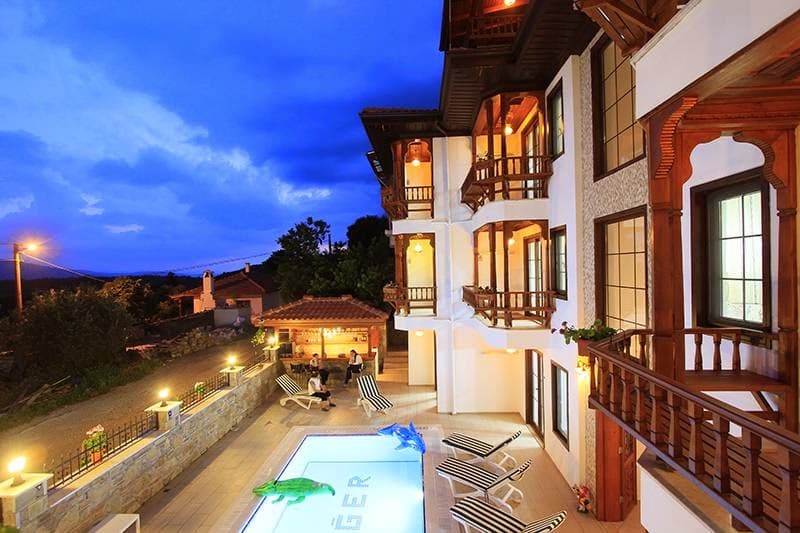
Akyaka
Muğla, Türkiye
A Cittaslow village at the eastern end of Gökova Bay
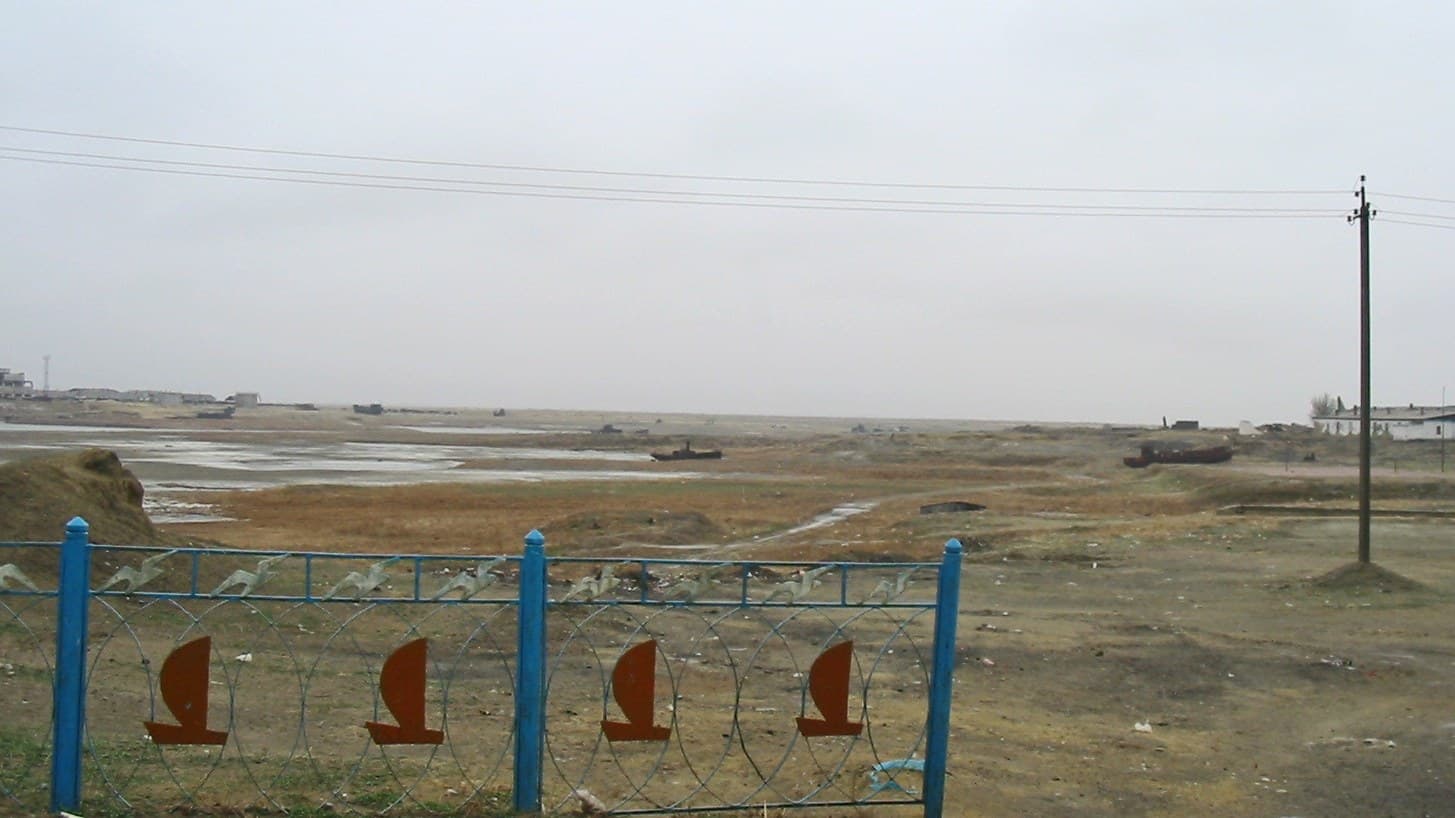
Aralsk Guide
Kyzylorda, Kazakhstan
Former Aral Sea port in Kyzylorda Region, now a rail stop on dry ground
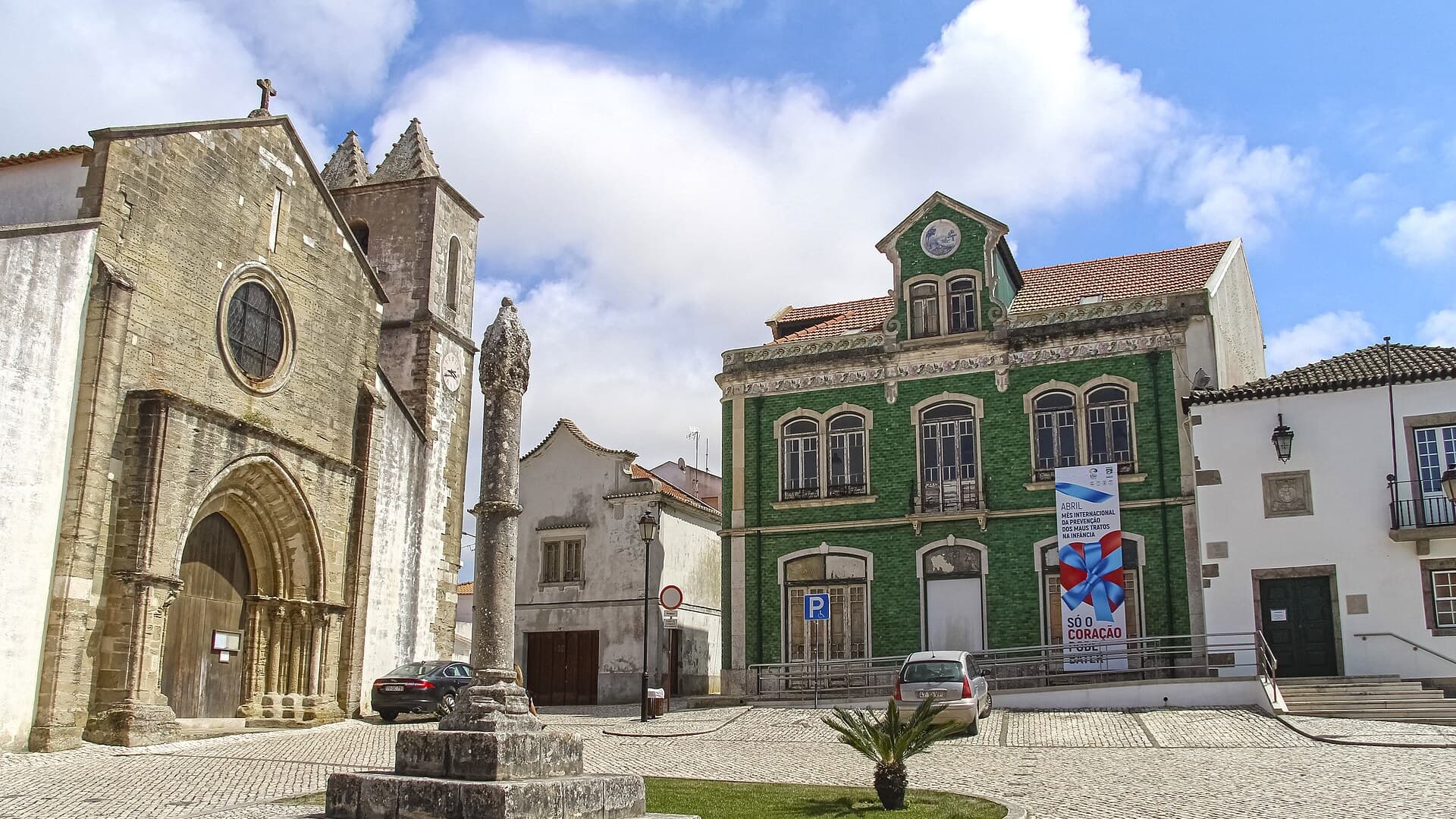
Atouguia da Baleia
Leiria, Portugal
Older Peniche parish: church, castle scraps, Consolação on the sand

Save these places to your list
Copy the spots you picked into your list — maps and notes included.