
Cabanaconde Guide
Explore Cabanaconde – the gateway to Colca Canyon, ideal for multi‑day hikes and stunning Andean views.
1 selected
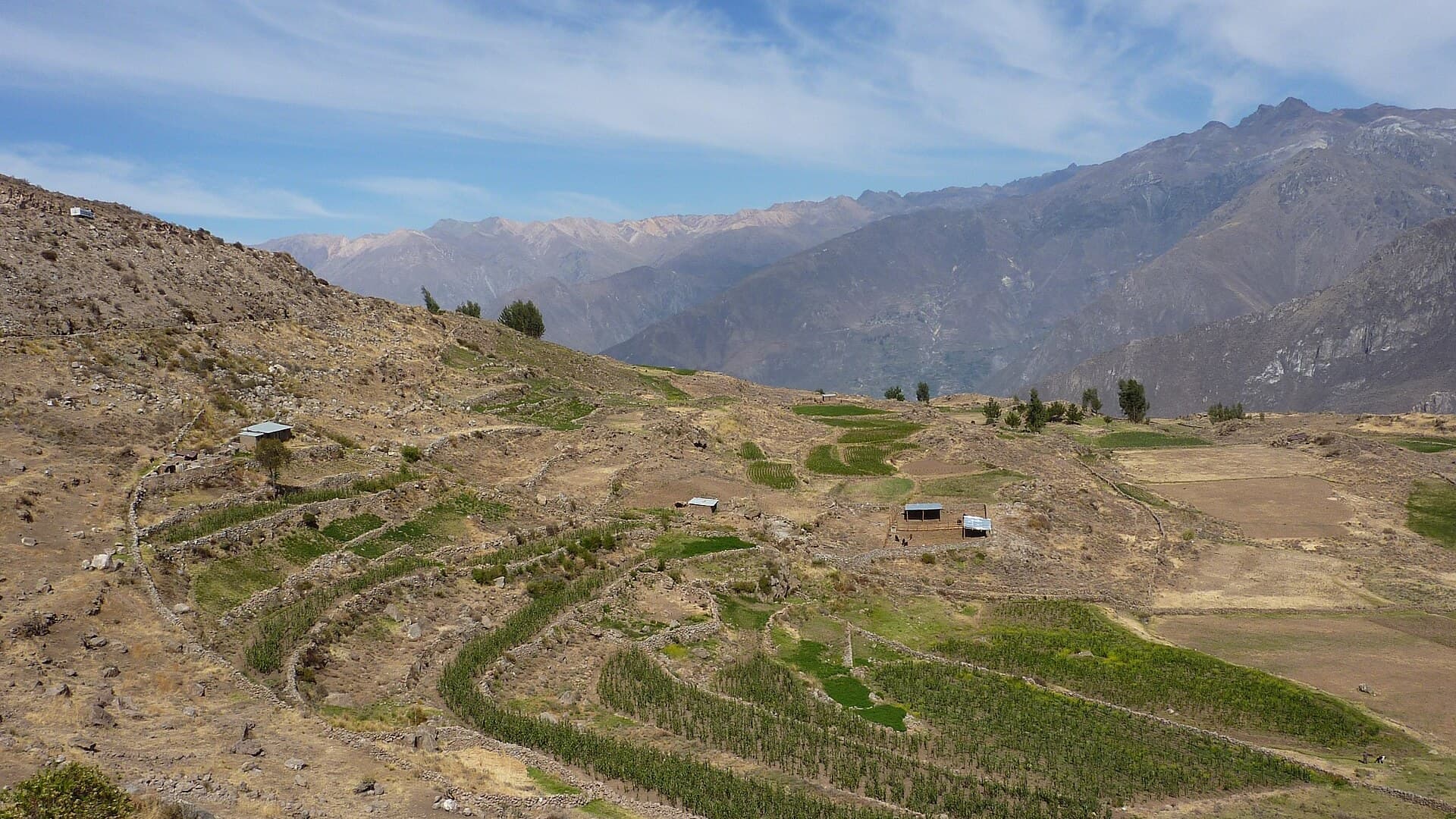
Cabanaconde sits on the rim of Colca Canyon in Caylloma Province, Arequipa Region, Peru, at an altitude of 3 296 m. The village’s historic plaza, declared a national monument in 1980, is walkable and offers a quiet high‑altitude atmosphere. Most visitors stay in Chivay, the valley hub two hours down the unpaved road, where buses, hot springs and a tourist ticket desk are available.
The main attraction for trekkers is the short bus ride from Cabanaconde to Cruz del Condor, the viewpoint that shows the canyon’s dramatic drop and the Andean condors in flight. From there, hikers can descend to Sangalle or continue along the rim villages. A single night in Cabanaconde allows a sunrise walk to the condor rim and a return bus to Chivay or Arequipa. Two or three nights fit longer hikes toward Sangalle or along the canyon’s edge.
Public buses run the canyon road from Chivay roughly every 90 minutes, costing about five soles. Direct buses from Arequipa take five to six hours and usually stop in Chivay. There is no airport or rail service; taxis and trucks can be hired for short trips. Spanish and Quechua are spoken locally; English is limited.
The best time to visit is during the dry season (May–October) when trails are clear and condors are most active. Altitude sickness can be a concern, so acclimatise in Chivay or take it slow on the first day. A 2‑day itinerary—arrival in Chivay, transfer to Cabanaconde, hike to Cruz del Condor, overnight stay, and return—provides a balanced experience without the need for a car inside the village.
History of Cabanaconde – From colonial outpost to gateway for Colca Canyon trekking.
The first people of this district were the Cabanas, Quechua speakers known for maize, who told origin stories from the snow peak Hualca Hualca. The name is read from Quechua qhawana, a lookout. Late Intermediate and Late Horizon sites sit on the ridges Umawasi, Antisana, Achachiwa and Kallimarka. The Inca took the valley by marriage more than by war, around the fourteenth century. Toledo's reductions in the 1570s pulled scattered households into a few towns that still structure the valley. The district itself was created on 2 January 1857 under Ramón Castilla. From 1895 to 1935 the plateau sent wool through Mollendo. The plaza streets became historic monuments in 1980. The walkers arrived later, after the canyon road.
Eating in Cabanaconde: a quick taste of Andean staples at the canyon’s gateway.
Cabanaconde is not a culinary hotspot, but it offers a taste of Andean high‑altitude cuisine that reflects the region’s agricultural heritage. The local fare revolves around staples such as maize, potato, and quinoa, often served in hearty soups or grilled meats seasoned with native herbs. A traditional “cabanita” maize dish—corn cooked in a clay pot—is a specialty tied to the district. A typical meal on the canyon rim costs about twelve soles (≈US$3), while dishes near the canyon floor can reach around twenty soles (≈US$5). Prices are approximate and vary by vendor. Because the area is high‑altitude, it’s wise to carry bottled water; tap water at Sangalle contains high levels of sulfur and is not recommended even with purification tablets. When trekking through the Colca Canyon, plan your meals around the trail schedule rather than hotel rooms, and enjoy the simple, nourishing flavors that sustain hikers in this rugged landscape.
Getting to Cabanaconde
Getting there The gateway to Cabanaconde is Arequipa, Peru’s second‑largest city. From the Arequipa bus terminal a direct coach departs roughly every hour and takes about five to six hours to reach Cabanaconde, costing between 17 – 18 soles (≈ $4–5). The journey usually includes a brief stop in Chivay; from there the canyon buses cover the remaining two to two‑and‑a‑half hours on unpaved roads. If you prefer a more scenic route, you can travel up the Majes valley via Huambo, but check the timetable for that week as schedules vary. There is no commercial airport in the Colca Valley; the nearest air service is the small Cruz del Condor bus that runs from Arequipa’s Plaza de Armas in the morning. For most visitors, the bus from Arequipa is the most convenient and economical option. Once you arrive in Cabanaconde, local taxis or shared rides can take you to nearby trailheads such as Sangalle or San Juan de Chucco. If you plan a multi‑day trek, consider staying overnight in Chivay or Cabanaconde to break up the drive and acclimatise to the high altitude.
Getting Around in Cabanaconde
Getting around From Arequipa you can take a bus that leaves the city in the late afternoon and arrives in Chivay the next morning. From Chivay another bus or a shared truck heads to Cabanaconde, arriving around 10 am. Once in Cabanaconde the village is compact enough to explore on foot; you’ll need to walk uphill to reach the trailheads, so bring sturdy shoes and plenty of water. If you prefer more flexibility taxis and local trucks can be hired for the Chivay‑Cabanaconde leg or for a direct trip to Cruz del Condor. There is no metro or tram service in the area. The main constraints on the trek are afternoon heat on the descent and altitude on the climb, not the distance on a map. Plan your day so you start early, stay hydrated, and allow extra time for the winding paths that can be easy to miss without a guide.
Money and staying connected while trekking Cabanaconde: grab a local SIM for reliable data, use the regular bus from Arequipa to Chivay then a short ride to Cabanaconde, and keep cash handy for small vendors and emergencies.
Peruvian currency is the sol (PEN), written S/. It’s best to bring cash from Arequipa, as ATMs are sparse in Cabanaconde and many local shops accept only cash. There is no published daily budget for the village; an extra night at altitude or a delayed start can add unplanned costs. Emergency services: 911 (general), 105 (police), 106 (ambulance), 116 (fire). Electrical plugs are Peruvian type A and C, 220 V. Wi‑Fi is available in cafés but is unreliable; download offline maps before you reach the canyon. eSIM coverage follows the high‑land pattern of Arequipa when a tower is present, but it often drops off in the canyon’s lower reaches.
Cabanaconde Practical Guide – How to Plan Your Colca Canyon Trek (3–5 Days)
Cabanaconde is a small town on the rim of Peru’s Colca Canyon, about 3 200 m high in the Arequipa Region. It’s the most common starting point for hikes down into the canyon, especially the route that passes Llahuar and Sangalle before reaching the canyon floor. The town has a modest plaza, a colonial church, and a few hostels and restaurants that cater to trekkers. The climate is dry in summer and cold in winter, with temperatures ranging from 3 °C at night to 20 °C during the day. The best time to walk is late April through early December; the rainy season (December–March) makes trails slippery. A typical itinerary begins with a bus from Arequipa to Chivay (≈ 2 h), then a local bus or shared taxi to Cabanaconde (≈ 1 h). From Cabanaconde you can trek to Llahuar (≈ 3 h) and Sangalle (≈ 2 h); overnight stays in Sangalle or at the canyon floor are common. A 2‑day hike is doable, but a 3‑day trek allows for an extra night on the canyon floor or in San Juan de Chucco. The town’s plaza hosts a small market where you can buy fresh produce and textiles. The church of San Juan Bautista is a quiet colonial building worth visiting. Local cuisine includes “cuy” (guinea pig) and “trucha” (trout). Travelers should bring cash in soles, sturdy boots, and a reusable water bottle (the canyon tap is unsafe). Respect local customs: ask before photographing residents, remove shoes when invited into homes, and keep noise down after sunset. Cabanaconde offers a blend of high‑altitude trekking and authentic Andean culture, making it an ideal base for exploring the Colca Canyon.
FAQ
What is covered in the Cabanaconde guide?
Visit Cabanaconde in Peru: the rim overnight instead of Chivay, altitude, the Arequipa bus, and Cruz del Condor. Updated It includes 1 recommendations across 1 gallery.
Next →How many places are in the Cabanaconde guide?
The Cabanaconde guide lists 1 places: 1 gallery.
Next →Where is Cabanaconde?
Cabanaconde is in Arequipa, Peru (-15.6221, -71.9809).
Next →How do you get to Cabanaconde?
Getting there The gateway to Cabanaconde is Arequipa, Peru’s second‑largest city. From the Arequipa bus terminal a direct coach departs roughly every hour and takes about five to six hours to reach Cabanaconde, costing between 17 – 18 soles (≈ $4–5). The journey usually includes a brief stop in Chivay; from there t…
Next →What should you eat in Cabanaconde?
Cabanaconde is not a culinary hotspot, but it offers a taste of Andean high‑altitude cuisine that reflects the region’s agricultural heritage. The local fare revolves around staples such as maize, potato, and quinoa, often served in hearty soups or grilled meats seasoned with native herbs. A traditional “cabanita” m…
Next →Is there camping in Cabanaconde?
No camping listings in this pack yet — we do not invent venues. Entries will appear once verified.
Next →Can you rent a bike in Cabanaconde?
No bike rental listings in this pack yet. Verified shops will be added when available.
Next →What are recommended gallery in Cabanaconde?
Highlighted gallery in the Cabanaconde guide: Cabanaconde.
Next →Highlighted places
- Cabanaconde — District town on the Colca rim, Caylloma Province.
Explore on the map
Tap a pin to highlight its place card
All
1 spots
Recommended places
Gallery
1 · 1 selected
Cabanaconde
gallery
Related guides
Browse nearby destinations
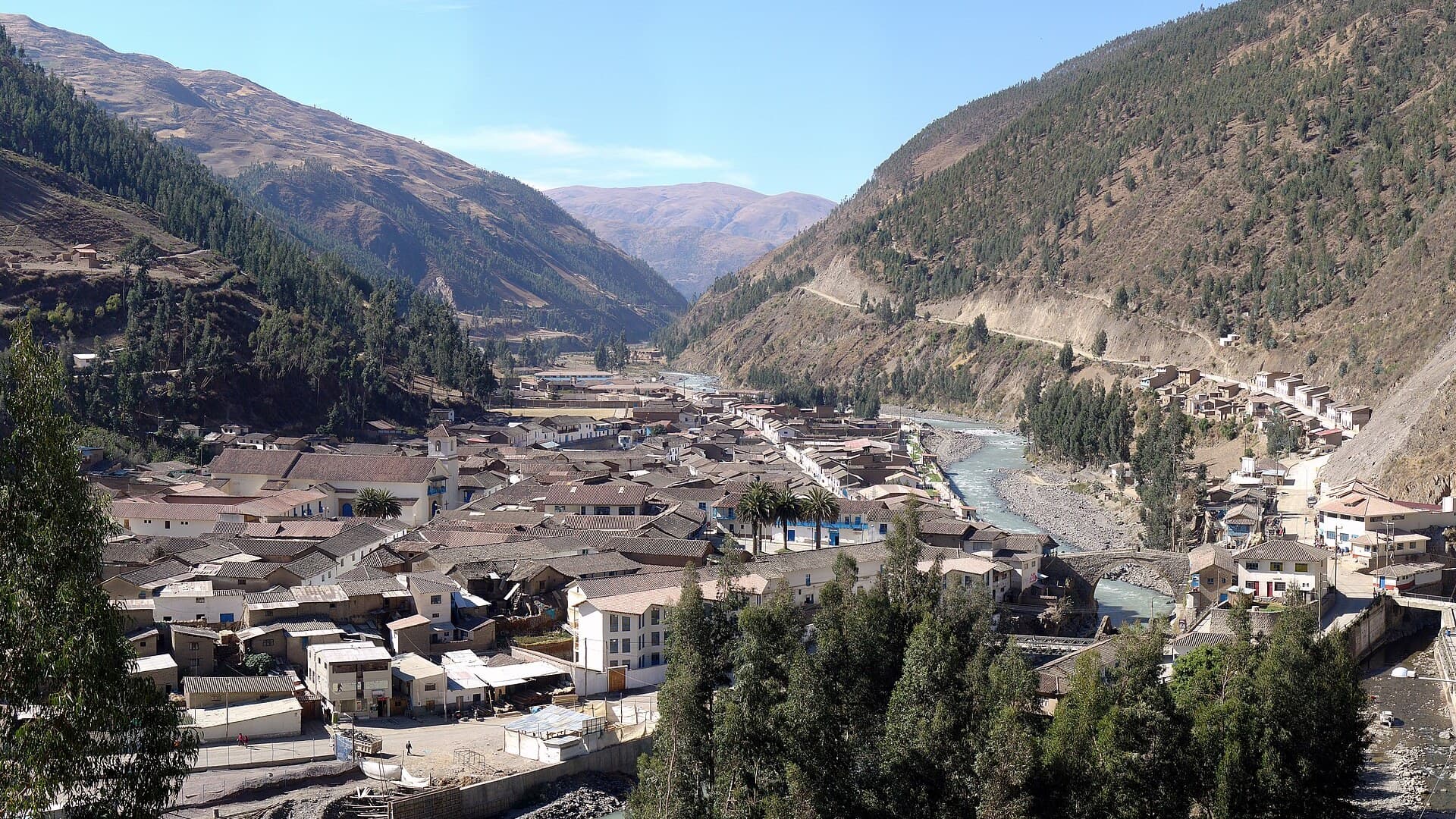
Paucartambo Guide
Cusco, Peru
Explore Paucartambo – the folklore capital east of Cusco, known for its vibrant festivals, historic churches and nearby trekking routes.
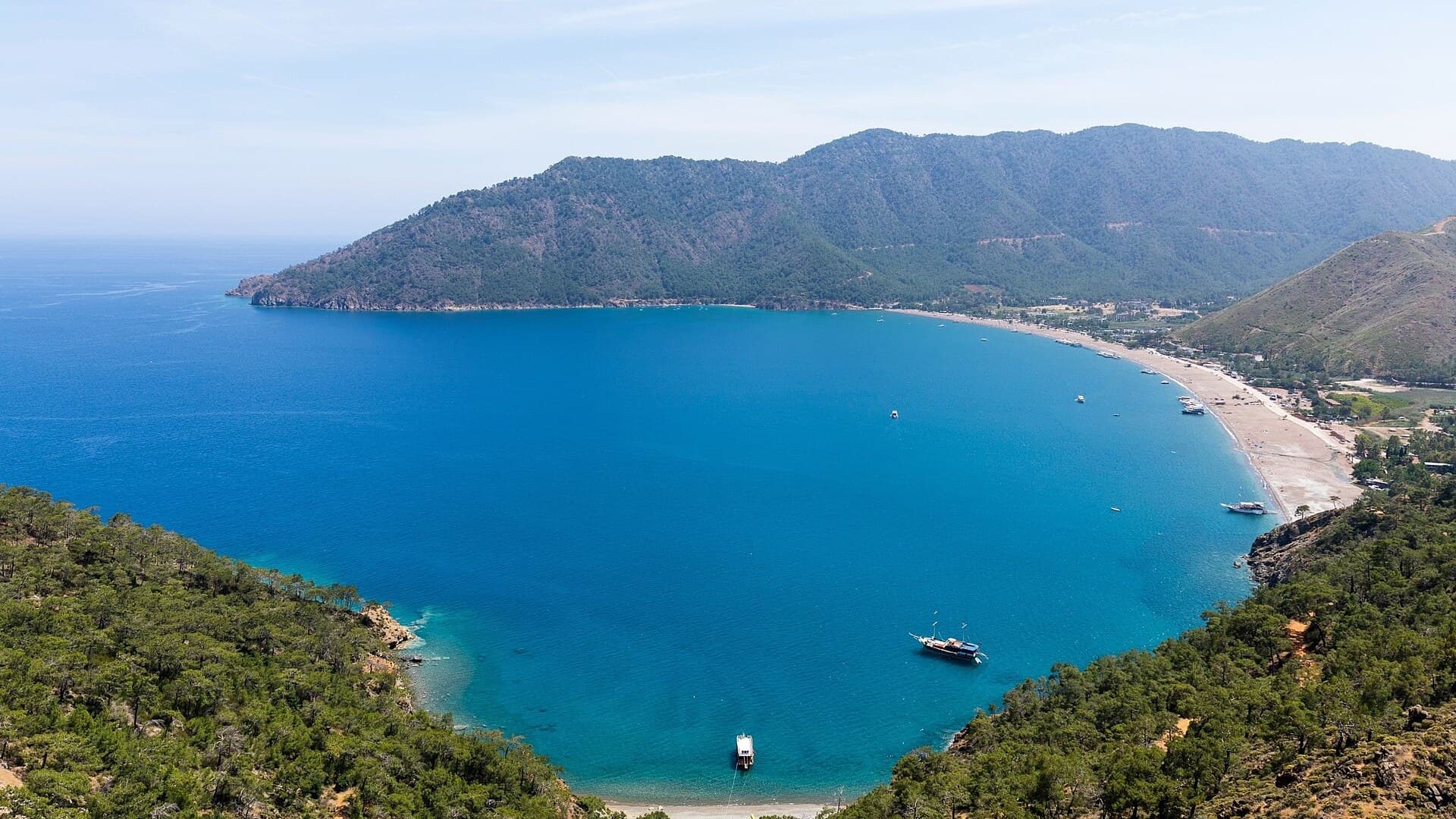
Adrasan
Antalya, TR
A long bay south of Antalya, quieter than the big resort towns
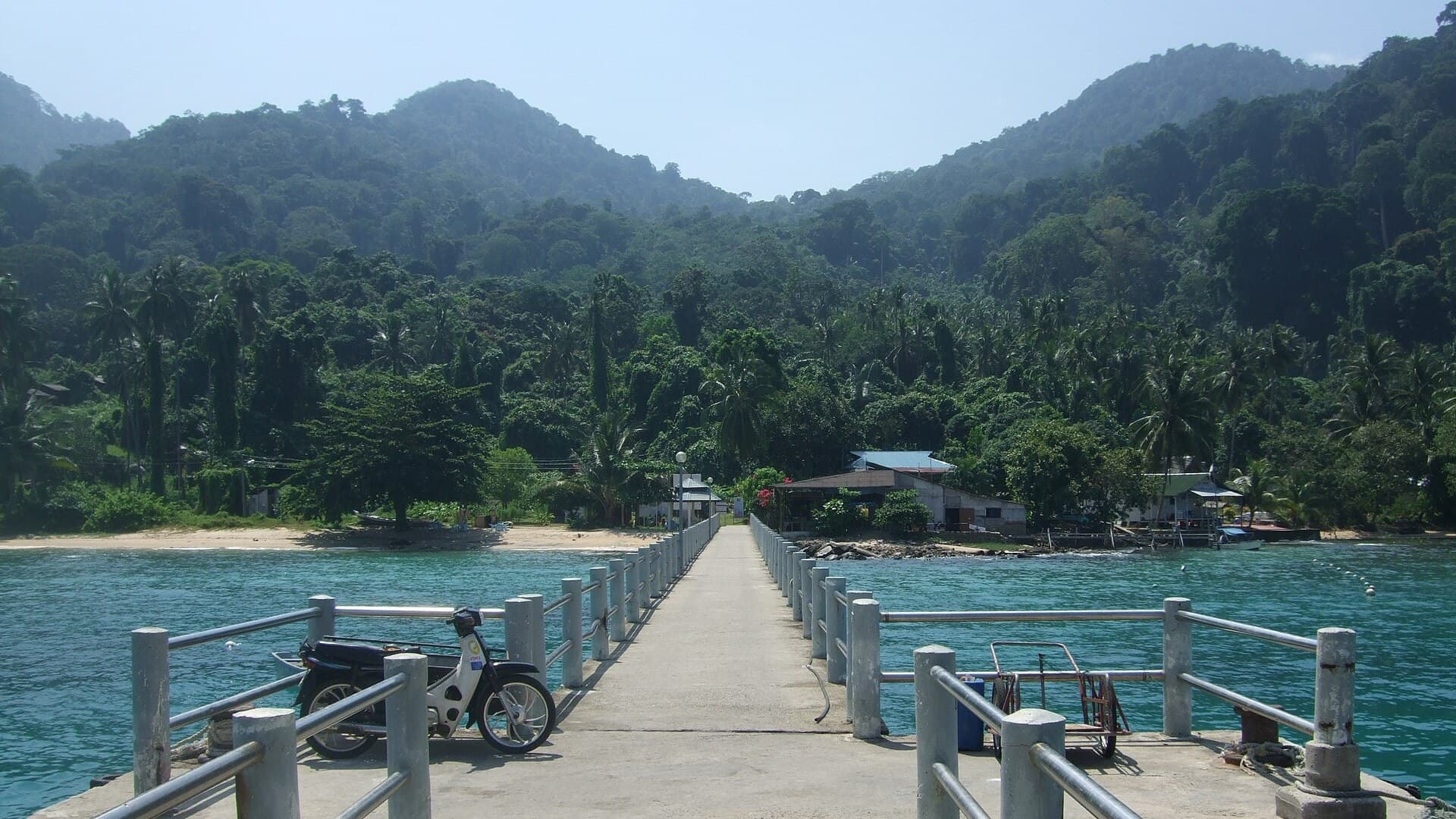
Air Batang
Pahang, Malaysia
A tranquil west‑coast village on Tioman Island, perfect for snorkeling, diving, and short beach stays.
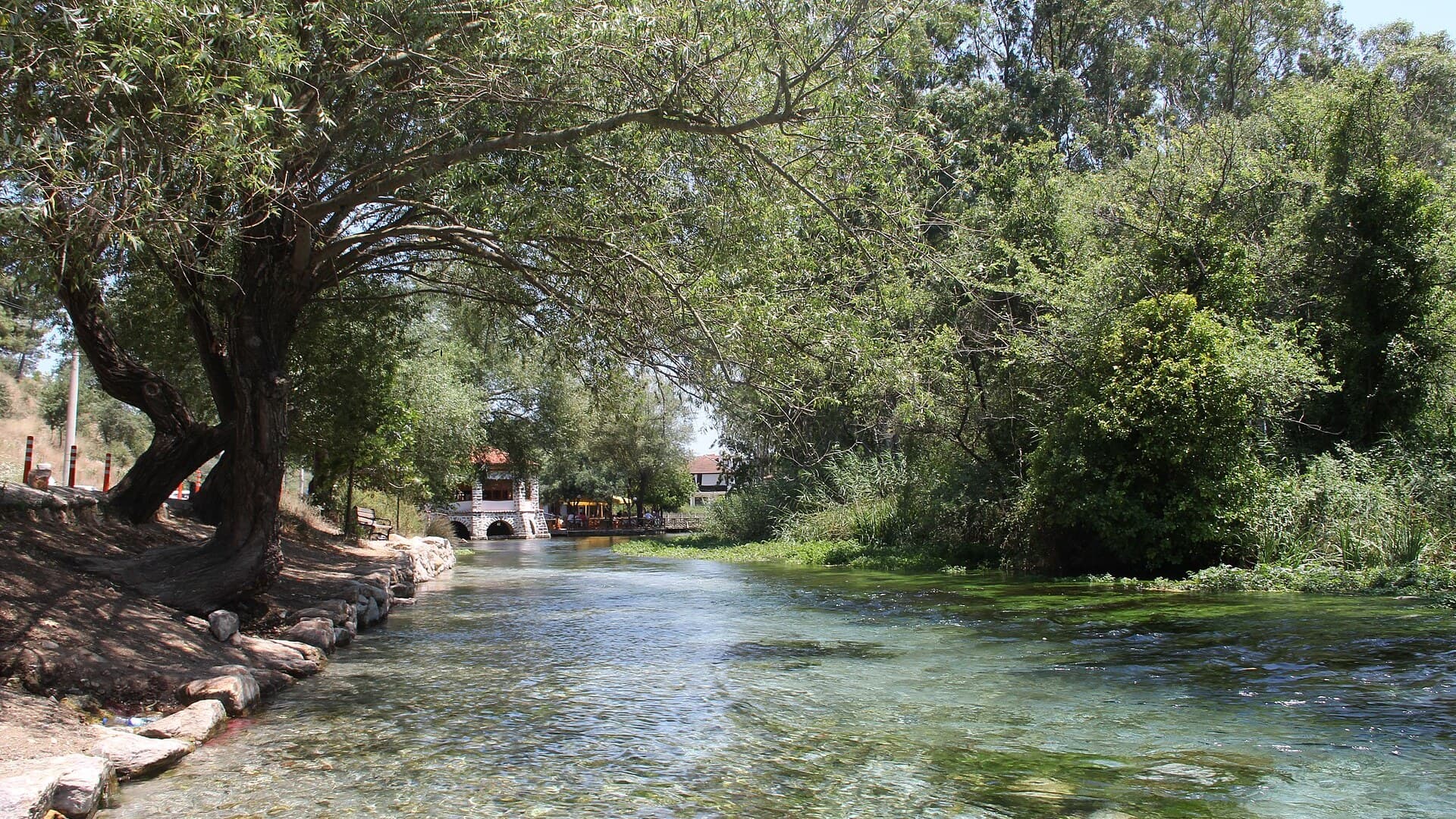
Akyaka
Muğla, Türkiye
A quiet riverside gem where boat rides, river swims and relaxed cafés make a perfect day or overnight stay.
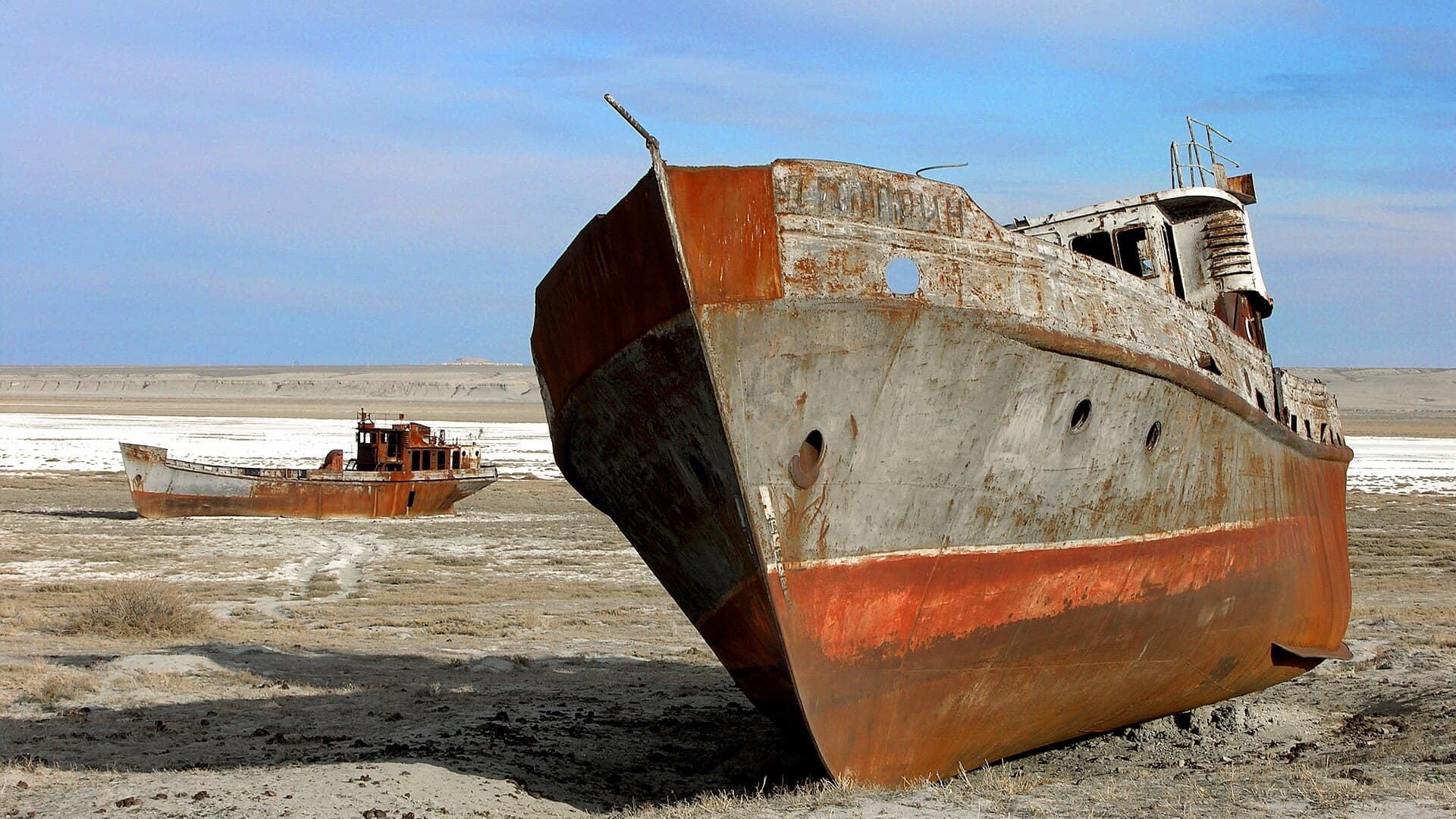
Aralsk Guide
Kyzylorda, Kazakhstan
The sea left, the ships stayed
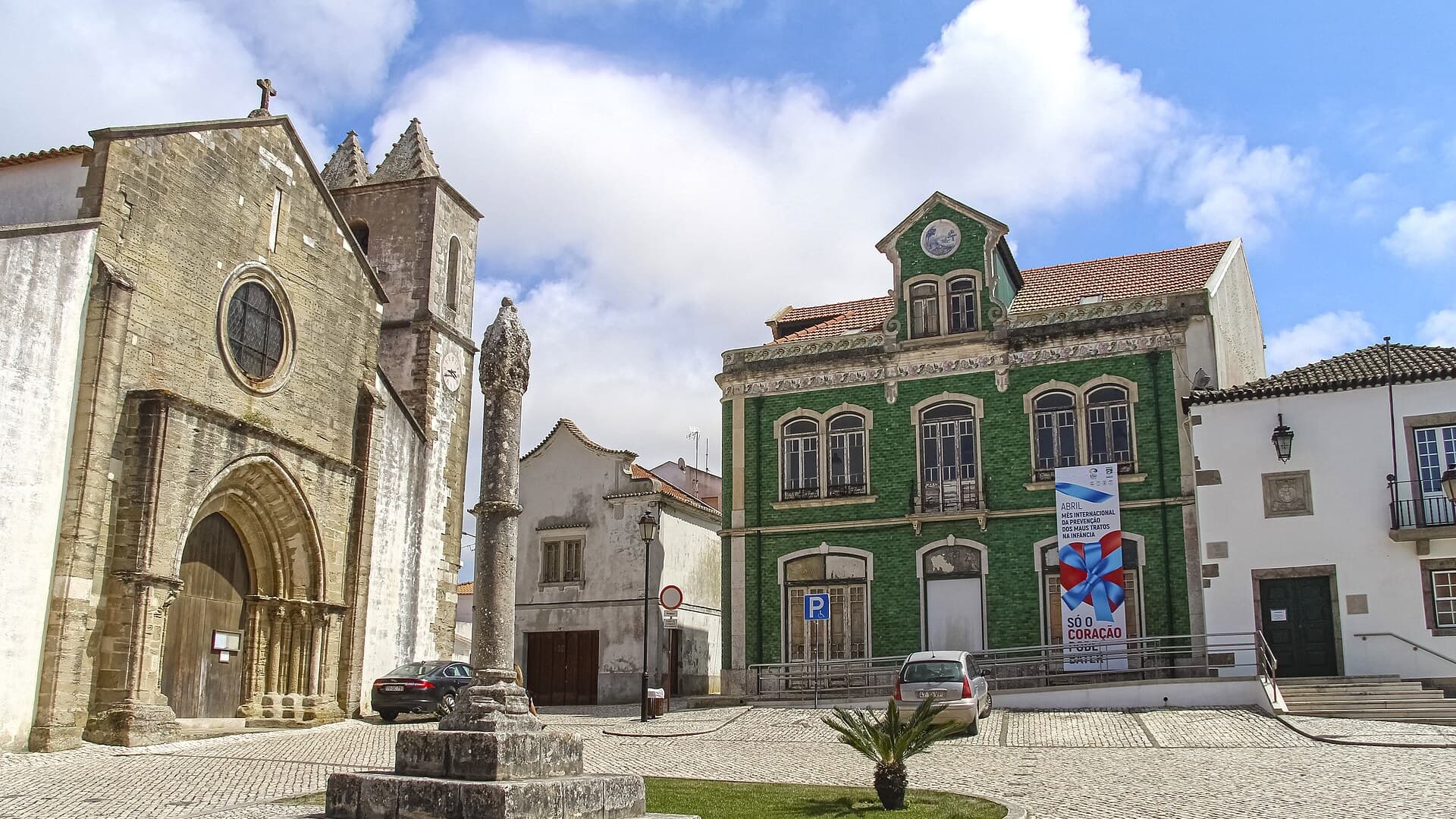
Atouguia da Baleia
Leiria, Portugal
A village named for whales, minutes from the Atlantic

Save these places to your list
Copy the spots you picked into your list — maps and notes included.