
Mar Lodj Guide
Car-free island village in the Saloum Delta
1 selected
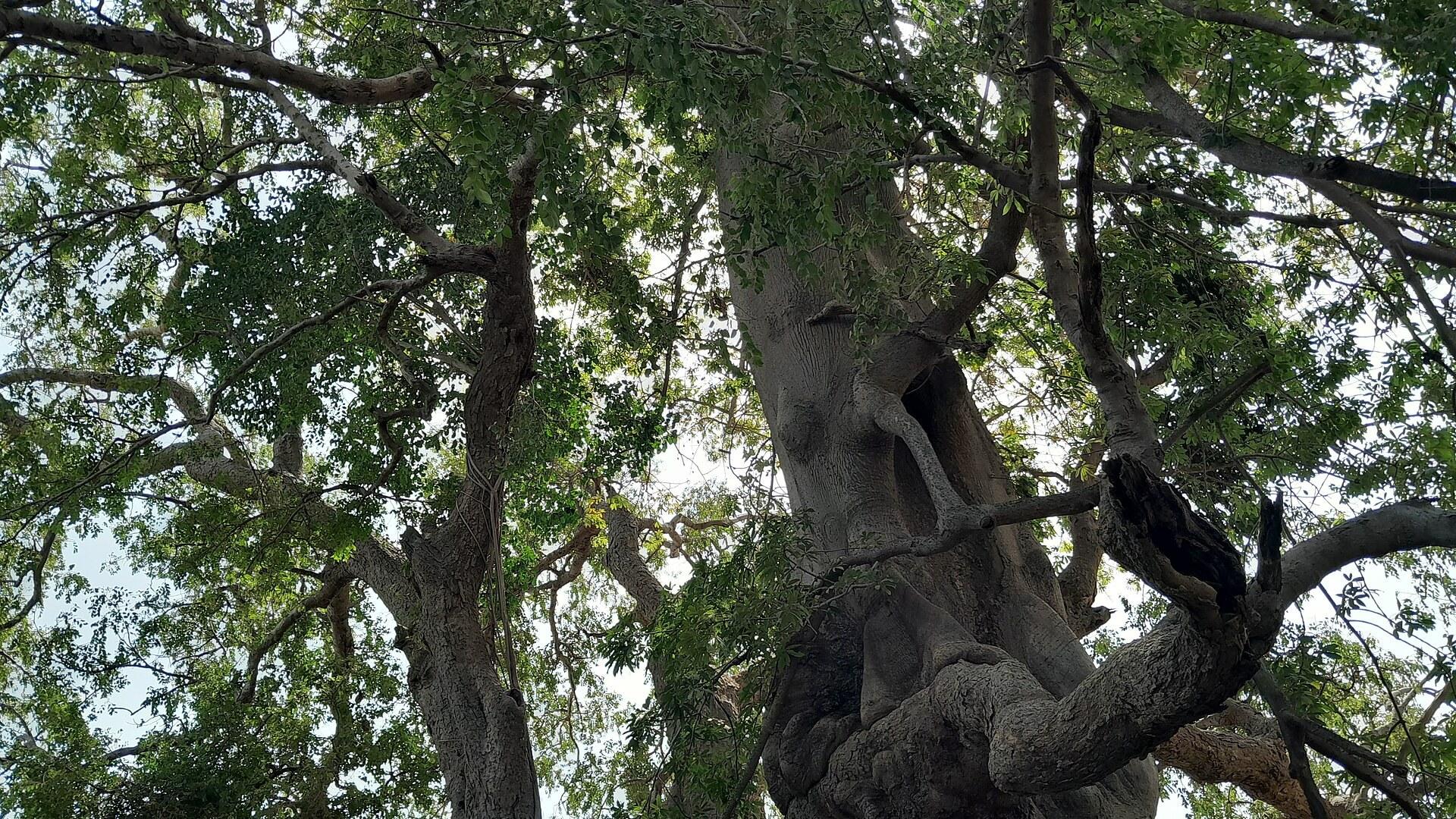
Mar Lodj sits in the Fatick region of Senegal, in the district of Fimela. The name, also spelled Mar Lothie, belongs to an island in the Saloum delta and to the largest village on that island. Cars do not run there. Near the mouth of the Sine-Saloum delta, the island is described as a calm sanctuary.
Three villages share the island: Mar Lodj, Mar Soulou and Mar Fafaco. A small island-within-an-island called Mar Wandié completes the group, and the island is home to the Sérères. Among the three villages, only Mar Lodj is predominantly Catholic. Some ten campements and lodges are spread along the beaches and offer a range of accommodation.
The village lies in the mangrove landscape of the Saloum Delta, on the right northern bank of the main Saloum stream, just below the point where the Sine joins it. Tourists on the island find mangrove forests and species-rich birdlife. Fishing among mangrove-lined channels is famous here, either from the banks or from a hired pirogue that slips into the hidden channels.
Many campements arrange kayak trips, charette or horse-back tours and nature walks. A pirogue tour arranged through Mar Lodj accommodations can reach the uninhabited islands Pointe de Sangomar and Isle aux Oiseaux. For the Sérères themselves, a local guide is the best teacher, found through your campement or at the sand-painting artisan ateliers in the village.
A tour of the village takes in the modern Catholic church, whose architecture is inspired by a traditional round hut and which has a black Madonna statue. The Mosque towers over the central square. The Women's Artisanal Market stands on the salt-flat between the village and the campements and sells cloth dolls, wooden crafts and bead necklaces.
Artists from the island are known for their sand paintings. Workshop-huts across the village sell tableaux made of un-dyed local sand glued with baobab sap. The island also has "floating" millet-storage huts, and Mar Wandié is known for its fishing culture. Traditional wrestling (Njom) competitions are held over a weekend in January, with each village holding its own 3-day competition.
Sacred trees, shell mounds and a mix of faiths
Residents of Mar Lodj practise traditional religions alongside Christianity and Islam, often blended with them, and leave offerings such as chickens or palm wine for the spirits at sacred trees. The Arbres Sacres in Mar Lodj are three intertwined trees believed to represent the peaceful coexistence of the village's three religions. The TamTam telephonique in Mar Lodj is a telephone drum traditionally used to announce weddings, deaths and emergencies to other villages on the island. The surrounding Saloum Delta contains 218 shell mounds, built up over a roughly 2,000 year-long process, and some are several hundred m long. Artefacts unearthed at about 28 of the burial grounds shed light on human occupation of the area. Some of the mounds include tumuli, which form funerary sites with baobab vegetation and undulating shapes. Fadiout near Joal, about 40 km from Mar Lodj, is an island made primarily of sea shells. It has a shell-covered cemetery where Muslims and Christians are buried near each other. The granaries between that cemetery and the town are now unused and are a World Heritage site.
Set meals, mud-oven bread and market days
Food in Mar Lodj centres on the campements, each of which has its own restaurant serving a variation of local fare, usually a set meal of the day without menus. Campements are only staffed and supplied when they expect guests, so call beforehand to check availability. Hotel restaurants sell a limited selection of wine, beer and spirits, as do a few general shops. The free-standing restaurant Black + White Chez Marie stands just off the salt flat north of the Women's Antiquary Market and is rarely open in the off-season. The central square hosts a small daily market. Mar Lodj also has a boulangerie where Mbaye uses a giant mud oven to bake traditional village bread, and visitors can ask to see it. Residents live mainly from farming and fishing. They grow rice, millet, peanuts, watermelons and vegetables, and keep cows, pigs, goats and chickens. Men mostly handle the fishing while women sell the fish, although prospects have worsened over time, partly due to overfishing. The Grouppe Sassang is an NGO-initiated group of three women's businesses. MarTex makes hand-dyed clothing, Mar Delices sells honey, juices and jams, and MarFoods deals in chickens and dried or pickled shellfish. Foundiougne holds a weekly market (Luma) every Tuesday next to the garage. From July to October shrimp fishing is in full swing there, with fishermen pulling nets at night at low tide.
From Dakar to Ndangane Sambou and across by pirogue
Reaching Mar Lodj usually means getting to the village of Ndangane Sambou first, from where the island is a short pirogue ride away on the public shuttle boat or a private one. The island is half a day's drive and a short pirogue ride from Dakar. Travel can be organized through lodging establishments, by private car or by public transit. By car from Dakar, take the N1 south through Mbour and continue south on the Joal route. In Samba Dia, follow the signs towards Fimela and pass Ndangane Campement to the docks. After Joal the road changes from asphalt to a red bush-road, and its quality is poor and can become impassable in the rainy season without a 4x4. Joal-Fadiouth lies on the Petite Côte 35 km south of Mbour, and the road from Dakar to Mbour and on to Joal is good. An alternative is the N1 towards Kaolack through Mbour to the Croisement Ndiosmone between Thiadiaye and Tattaguine, then the Route Ndiosmone-Djoffior-Ndangane south, which is potholed asphalt. In the dry season the red bush-road from Joal to Ndangane is preferable. By public transport, a Ndangane Sambou mini-bus runs from the Gare Routière des Beax Maraîchers in Dakar. Reach the garage in the morning to catch the afternoon public shuttle boat from Ndangane to Mar Lodj. If that mini-bus has left, take a sept-places to Kaolack and ask to be dropped at Ndiosmone on the N1 turnoff, then take a moto or passing taxi for the remaining 40-ish km to Ndangane. Mini-buses leave Ndangane-Sambou every morning for Dakar, departing when they fill up, so departure times are flexible. To catch them, arrange an early pirogue departure from your Mar Lodj campement. Travellers heading to places other than Dakar can get off at the Mbour garage and continue from there. Foundiougne's ferry crossing is at the end of the only road going south from Fatick on the N1 route from Dakar. From Dakar, a sept place runs from Garage Pompier to Fatick, followed by a large white car to the ferry crossing. Boat transfers are possible from Foundiougne to Djiffer, Mar Lodjie, Ndangane, Toubacouta and Missirah. In Dakar, Blaise Diagne International Airport opened in late 2017. The older Léopold Sédar Senghor International Airport still handles some flights to nearby countries.
On foot, by horse-drawn cart and by pirogue
Getting around Mar Lodj is simple because most lodgings sit fairly close to the village itself, so you can walk or rent a horse-drawn cart. The island is car-free. A horse-drawn cart is the best way to reach the other villages on the island, which are generally farther away. Horse-and-carriage visits to Mar Soulou, Mar Farfako and Mar Wandie give a broader understanding of life on Mar Lodj, with Mar Wandie reached by pirogue. Many pirogues leave for Saloum Delta tours from Ndangane-Campement but will pass through Mar Lodj if arranged in advance. Tours to the uninhabited islands of the Sine Saloum, such as Pointe de Sangomar and Isle aux Oiseaux, are arranged through Mar Lodj accommodations. Beyond the island, the main method of travel in Senegal is the sept places shared station wagon. Fares and luggage fees should be negotiated before setting off.
CFA francs, ATMs and carrying small bills
Money matters around Mar Lodj follow the rules of Senegal, which uses the West African CFA franc (XOF), fixed at 1 € = 655.957 CFA francs. Ecobank ATMs in Senegal accept MasterCard and Visa. Outside major cities, though, ATMs are non-existent and credit card transactions are unheard of. Break large 5,000 and 10,000 CFA notes into small bills of 2,000 CFA or less, since many people do not have change.
Seasons, visas and manners: your Mar Lodj questions
The travel season in Mar Lodj is the dry season, from mid-October to early June, with little rainfall, lower humidity and milder temperatures. When does it rain? Mar Lodj has a wet season from June to October. Rainfall and rising temperatures typically peak in August and September. Do I need a visa for Senegal? Senegal has open borders, and most nationalities can obtain a visa on arrival. Do I need a vaccination certificate? Senegal requires a yellow fever vaccination certificate to enter, although it is not checked regularly. What should I know about manners? Always ask permission before photographing locals in Senegal. Never use the left hand to shake hands or hand something over.
FAQ
What is covered in the Mar Lodj guide?
Explore Mar Lodj, a car-free island village in the Saloum Delta of Fatick, Senegal, with sand paintings, mangrove channels and a short pirogue ride. It includes 1 recommendations across 1 gallery.
Next →How many places are in the Mar Lodj guide?
The Mar Lodj guide lists 1 places: 1 gallery.
Next →Where is Mar Lodj?
Mar Lodj is in Mar Lodj, Fatick, Senegal (14.0430, -16.6789).
Next →How do you get to Mar Lodj?
Reaching Mar Lodj usually means getting to the village of Ndangane Sambou first, from where the island is a short pirogue ride away on the public shuttle boat or a private one. The island is half a day's drive and a short pirogue ride from Dakar. Travel can be organized through lodging establishments, by private car…
Next →What should you eat in Mar Lodj?
Food in Mar Lodj centres on the campements, each of which has its own restaurant serving a variation of local fare, usually a set meal of the day without menus. Campements are only staffed and supplied when they expect guests, so call beforehand to check availability. Hotel restaurants sell a limited selection of wi…
Next →Is there camping in Mar Lodj?
No camping listings in this pack yet — we do not invent venues. Entries will appear once verified.
Next →Can you rent a bike in Mar Lodj?
No bike rental listings in this pack yet. Verified shops will be added when available.
Next →What are recommended gallery in Mar Lodj?
Highlighted gallery in the Mar Lodj guide: Arbres Sacres.
Next →Highlighted places
- Arbres Sacres — The Arbres Sacres in Mar Lodj: three intertwined trees believed to represent the peaceful coexistence of the village's three religions.
Explore on the map
Tap a pin to highlight its place card
All
1 spots
Recommended places
Gallery
1 · 1 selected
Arbres Sacres
gallery
Related guides
Browse nearby destinations
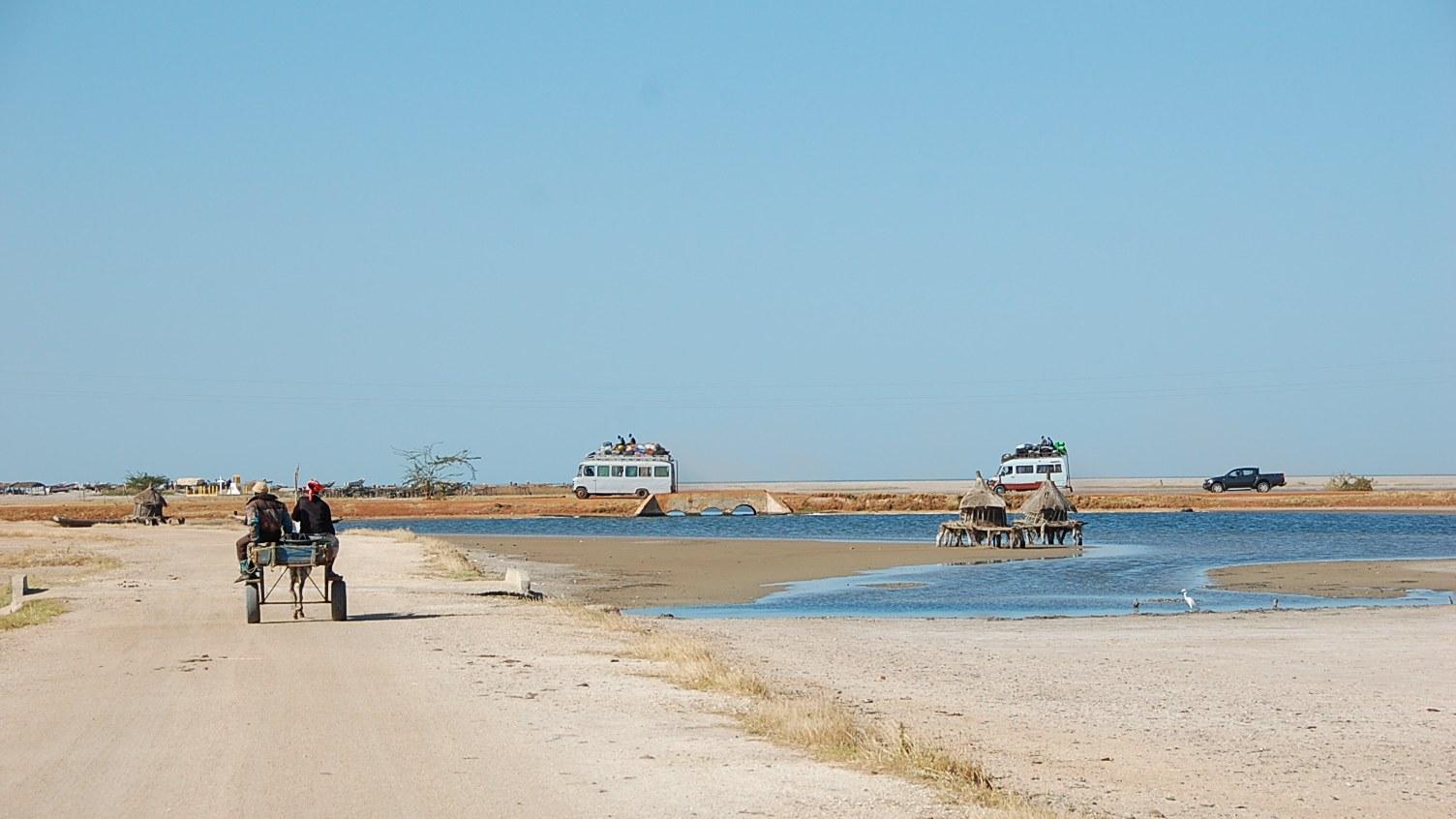
Palmarin Guide
Fatick, Senegal
Mangroves, salt pools and shell mounds on the Petite Côte
Adrasan
Antalya, TR
A pine-backed bay where the days move slowly
Air Batang
Pahang, Malaysia
A car-free Tioman village for divers and walkers
Akyaka
Muğla, Türkiye
Azmak boats, kitesurf wind and wooden balconies
Aneityum Guide
Tafea, Vanuatu
Beaches, reef and quiet in Vanuatu's far south
Angastaco Guide
Salta, Argentina
Torrontés wine and red hills in Salta's Calchaquí valley

Save these places to your list
Copy the spots you picked into your list — maps and notes included.