
Hărman Guide
Saxon fortified church village near Brașov
1 selected
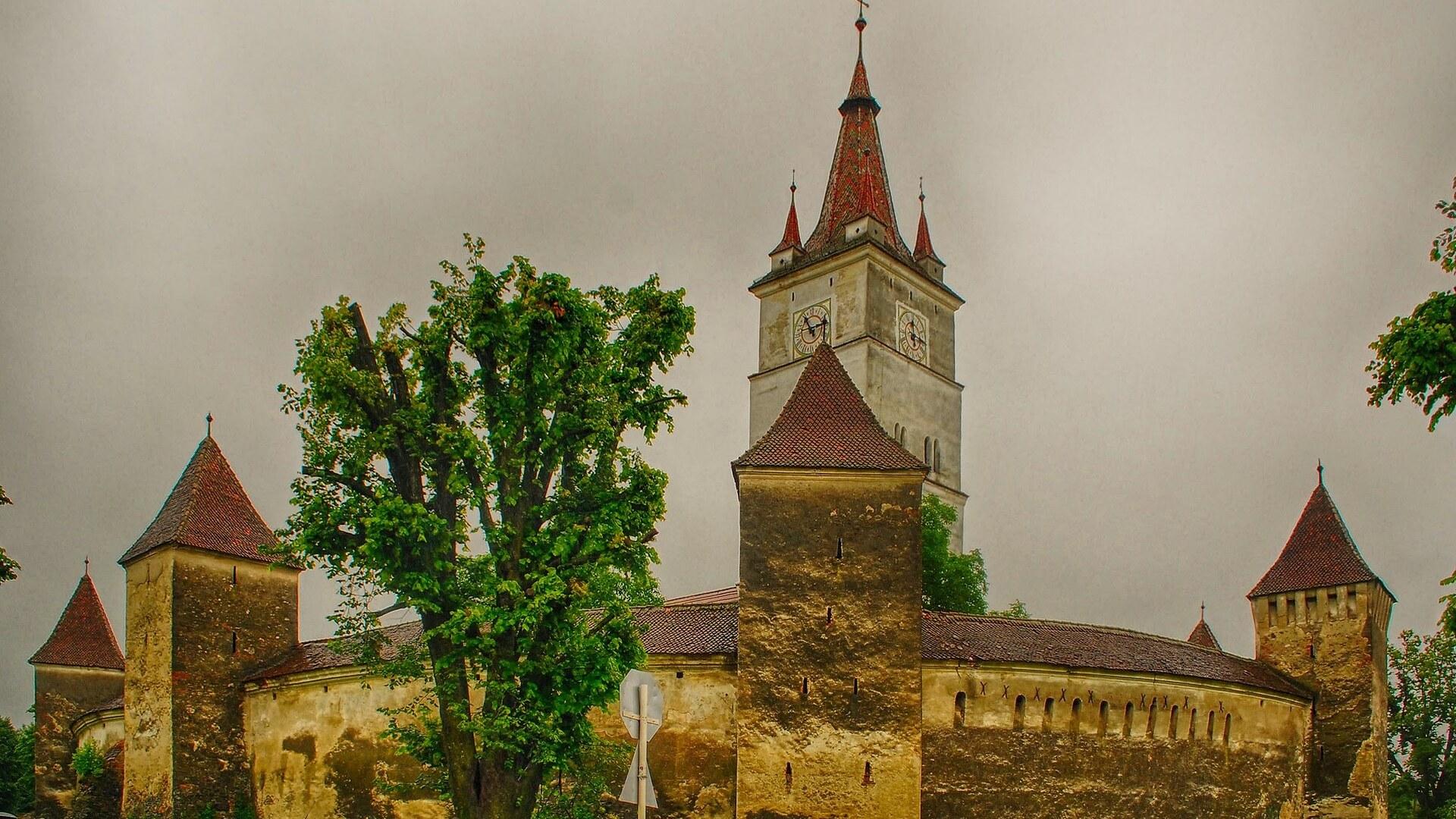
Hărman is a commune in Brașov County, Transylvania, Romania, made up of two villages, Hărman and Podu Oltului. Germans know the main village as Honigberg and Hungarians as Szászhermány, while the Transylvanian Saxon dialect calls it Hooentschprich. It belongs to the historic Burzenland, also called Țara Bârsei, in southeastern Transylvania, where Brașov is the most important city.
The Evangelical Fortified Church is the main landmark of Hărman. This Saxon church dates to the 13th century and stands inside a medieval fortification, about 10 km from Brașov. Visitors typically explore the inner courtyard and the exterior ramparts, and many come on a day trip from Brașov.
Inside the complex you can see the living chambers and storerooms, as well as the bell tower. An ethnographic museum is housed in the complex too, and the church holds a collection of oriental knotted carpets. You will also find an organ by Johannes Prause in the church.
Hărman, Prejmer, Cisnădioara, Viscri and Biertan are named among the smaller Saxon settlements of Transylvania worth exploring as quiet backwaters. Prejmer lies a short distance east of Hărman and has a similarly important fortified church. Both churches are examples of lowland fortified churches.
Southeastern Transylvania has one of the highest numbers of surviving fortified churches, built between the 13th and 16th centuries. More than 150 villages have some type of fortified church, and seven of them are UNESCO World Heritage Sites.
Near Hărman, the Dealul Cetății - Lempeș nature reserve has beech, hornbeam, oak and fir forests. Rare plants grow there, and animals such as dwarf eagles, deer and wild cats live in the reserve.
Brașov, the city nearest to Hărman, is set in the Carpathian Mountains in central Romania, and its well-preserved Old Town is the main reason to go. The main sights there include Piața Sfatului (Council Square), the Black Church, the Șchei and Catherine Gates, Weavers' Bastion, and the Black and White Towers. Poiana Brașov, Romania's premier ski resort, lies 12 km south of Brașov at 1000 m on Mount Postăvaru, with 23 km of pistes and a season that can run into late April.
Honigberg: Teutonic Knights, Saxon Settlers and Seven Towers
Hărman was founded and long inhabited mainly by Transylvanian Saxons, who called the village Honigberg. In 1211 King Andrew II of Hungary handed the Burzenland to the Teutonic Order, which settled there, built castles, brought in German settlers and founded villages, Honigberg among them. Documents mention the village for the first time in 1240, under the name Mons Mellis, meaning mountain of honey. The Teutonic Knights received the Burzenland to guard the southeastern border against the Cumans. They raised wood-and-earth forts and five castles, including Marienburg and Kronstadt, which is Brașov today. Their stay in Transylvania lasted from 1211 to 1225, and the history of Hărman is closely linked to the Teutonic Order and the Cistercians. A three-nave Romanesque basilica already stood in Hărman in 1240, and it was later expanded under Cistercian architectural influence. Around 1300 a massive bell tower went up on the western side of the church, built across the width of the main nave so that it merges with the side aisles. Mongol raiders and Ottoman attacks were a constant threat, so in the 15th century the people of Hărman began building a fortification around the church. The fortified church was not taken by the Moldavian prince Ștefan Rareș in 1552, by Michael the Brave in 1600 or by Gabriel Bethlen in 1612. The bell tower once watched over the Burzenland plain around it. The fortified church of Hărman has a circuit of 430 m and is among the largest fortified church complexes in Transylvania by area. A roughly circular triple ring of walls surrounds it, although the third ring can no longer be recognised. The inner ring is 12 m high and 4 m thick at its base. Seven four-storey towers stand in the ring wall, linked at their outer corners by walls 4 to 5 m high that form a Zwinger, an outer ward. The Fleischerturm, or Butchers' Tower, is the largest of the seven. The bell tower has eight storeys, rises in the western part of the central nave between the two side aisles, and is the highest in the Burzenland. Storage chambers cling like swallows' nests under the eaves of the central nave. The eastern tower is the only one with a lean-to roof, and it houses a chapel whose walls are covered with extensively restored murals. The Last Judgement mural in the chapel tower is described as one of the most valuable painted ensembles in Transylvanian places of worship. The chapel tower dates from 1300 and carries paintings from the 15th century. In Prejmer, east of Hărman, the Teutonic Knights began building the fortified church in 1218, and the Transylvanian Saxon community took it over afterwards. It was first Roman Catholic and became Lutheran after the Reformation. Its Greek cross plan is the only one of its kind in Transylvania, and after the Teutonic Knights were expelled in 1225 the Cistercians took over in 1240 and finished the work. The circular walls of the Prejmer church are up to 5 m thick and nearly 12 m high, with five towers, a battlement and over 270 rooms that could shelter some 1600 villagers in case of attack. Its triptych altarpiece dates to around 1450, is the oldest in the province and shows scenes from the Passion of Christ. Today the church is a museum where you can see some of the wall rooms, climb the stairs and walk the corridors along the wall up to the battlements. Transylvanian Saxons remained in the Burzenland until the 20th century, and from 1976 most of them began to emigrate to West Germany. The Hungarian monarchy had invited Saxon colonists in the thirteenth century to guard the mountain passes, and they settled the southeastern corner of Transylvania along the routes from Brașov to Sibiu and Sighișoara. Brașov, which the Saxons called Kronstadt, grew prosperous because they sited their largest settlements close to the Carpathian passes.
Where to Eat Around the Hărman Guest House Honigberg
Hărman has a bakery, a butcher, grocery shops, pharmacies and several restaurants around the Guest House Honigberg in the village centre. One of these restaurants is a local Saxon gastronomic point. The Burzenland, also called Țara Bârsei, holds the protected geographical indication 'Novac afumat din Țara Bârsei', a smoked bighead carp.
Reaching Hărman via Brașov: DN11, Trains and Airports
Hărman lies about 10 km northeast of Brașov on the DN11 national road, and from Brașov you take that road in the direction of Târgu Secuiesc. The village also sits on the railway lines Brașov–Târgu Secuiesc and Brașov–Întorsura Buzăului, and both leave Brașov towards the northeast. Train timetables are listed on the Romanian railway passenger website. At the fortified church, parking for cars and buses is free, but nobody attends it. Brașov Airport (GHV) opened in June 2023 and has Wizz Air flights from Dortmund and London-Luton, with no domestic flights. Bucharest Otopeni Airport is about 160 km south of Brașov. From Bucharest Gara de Nord, 13 direct trains run daily to Brașov and take about 2 h 40 min. Buses from Bucharest need about 3 h and also stop at Otopeni airport. Brașov's railway station is 3 km north of the old centre, and city buses #4 and #51 run from there to the old centre. Autogara 1, used by Bucharest buses, is next door to the station. Most inter-city buses in Brașov leave from Autogara 2, 4 km north of the old centre, and you reach it with buses 12, 15 and 28 from Livada Poștei or 23 and 23B from the railway station.
Bus 511, Ride-Hailing and Walking in Brașov
Hărman can be reached from Brașov railway station by bus line 511, and a ride with Bolt or Uber from Brașov to the village covers about 12 km. Brașov's old town and the Șchei district are compact, walkable and mostly pedestrianised. Uber is available in Brașov.
Practical Tips for Visiting the Hărman Fortified Church
The Hărman fortified church is open daily, and winter hours from November to March are shorter than summer hours from April to October. Can I visit during a service? Visits may not be allowed during certain events, for example when a religious service is held. What is there at the church itself? The Hărman fortified church has toilets and sells souvenirs and water. A free printed information guide is lent to visitors and must be handed back on exit, and a free guide can also be downloaded. Is information available in English? Information is available in Romanian, German and English, and guided tours are offered in the same three languages subject to availability. In Brașov, shop, restaurant and hotel staff often speak English and German. What should I know about weather and driving around Brașov? Brașov is often wet and cold, especially at night, because of its mountain setting, so warm clothing is advised. Parking is often difficult in Brașov. In winter, drivers in this hilly region must have winter tyres, with stiff fines for non-compliance. Where can I stay next to the church? The Guest House Honigberg stands right across the road from the fortified church and consists of two houses, a parish house and a preacher's house. The parish house has four rooms with 11 beds in total, a shared kitchen, bathrooms, a washing machine and a large terrace, while the preacher's house has four rooms with shower bathrooms and a modern fully equipped kitchen-living room. Every room has single beds and free WiFi but no TV, and free private parking in the courtyard is subject to availability. Can I hear the organ? Organ concerts can be arranged by appointment at the fortified church, depending on the organist's availability, so booking early is recommended.
FAQ
What is covered in the Hărman guide?
Plan a day around Hărman in Brașov County: explore the Evangelical Fortified Church with its seven towers, triple wall ring and a 10 km hop from Brașov. It includes 1 recommendations across 1 gallery.
Next →How many places are in the Hărman guide?
The Hărman guide lists 1 places: 1 gallery.
Next →Where is Hărman?
Hărman is in Hărman, Brașov County, Romania (45.7083, 25.6861).
Next →How do you get to Hărman?
Hărman lies about 10 km northeast of Brașov on the DN11 national road, and from Brașov you take that road in the direction of Târgu Secuiesc. The village also sits on the railway lines Brașov–Târgu Secuiesc and Brașov–Întorsura Buzăului, and both leave Brașov towards the northeast. Train timetables are listed on the…
Next →What should you eat in Hărman?
Hărman has a bakery, a butcher, grocery shops, pharmacies and several restaurants around the Guest House Honigberg in the village centre. One of these restaurants is a local Saxon gastronomic point. The Burzenland, also called Țara Bârsei, holds the protected geographical indication 'Novac afumat din Țara Bârsei',…
Next →Is there camping in Hărman?
No camping listings in this pack yet — we do not invent venues. Entries will appear once verified.
Next →Can you rent a bike in Hărman?
No bike rental listings in this pack yet. Verified shops will be added when available.
Next →What are recommended gallery in Hărman?
Highlighted gallery in the Hărman guide: The fortified church of Hărman.
Next →Highlighted places
- The fortified church of Hărman — The fortified Evangelical church of Hărman with its bell tower and the towers of its defensive wall.
Explore on the map
Tap a pin to highlight its place card
All
1 spots
Recommended places
Gallery
1 · 1 selected
The fortified church of Hărman
gallery
Related guides
Browse nearby destinations
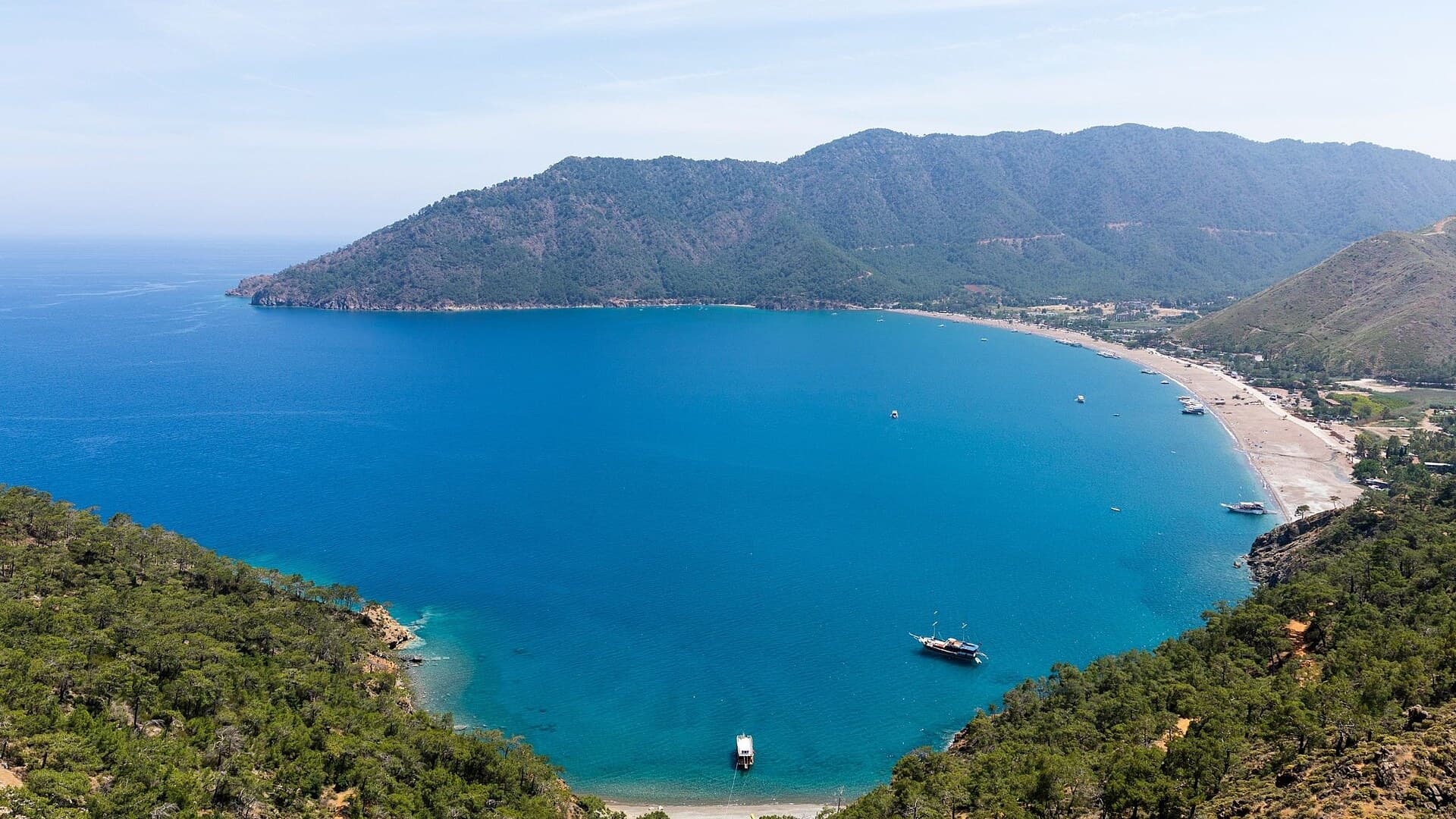
Adrasan
Antalya, TR
A pine-backed bay where the days move slowly
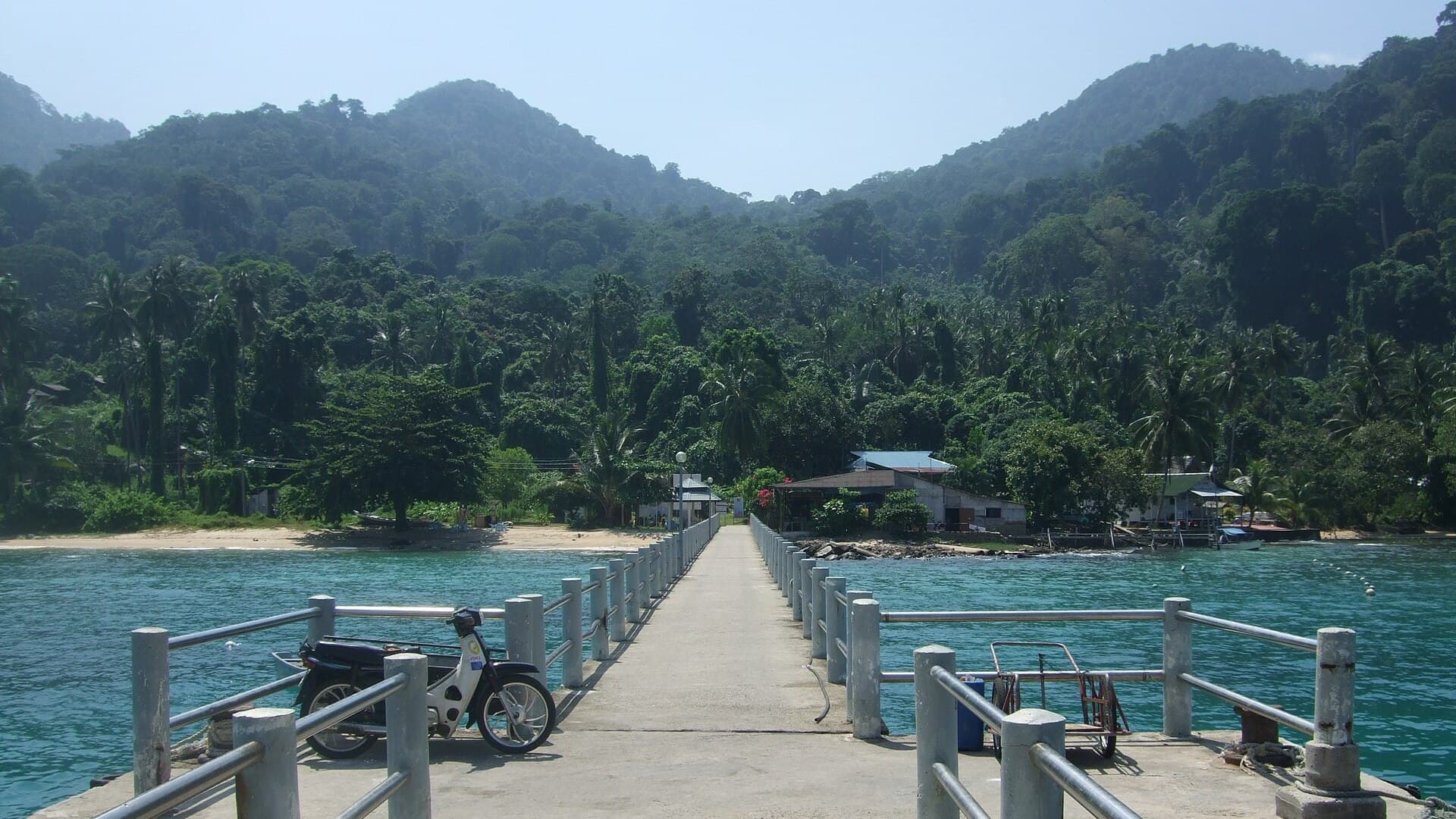
Air Batang
Pahang, Malaysia
A car-free Tioman village for divers and walkers
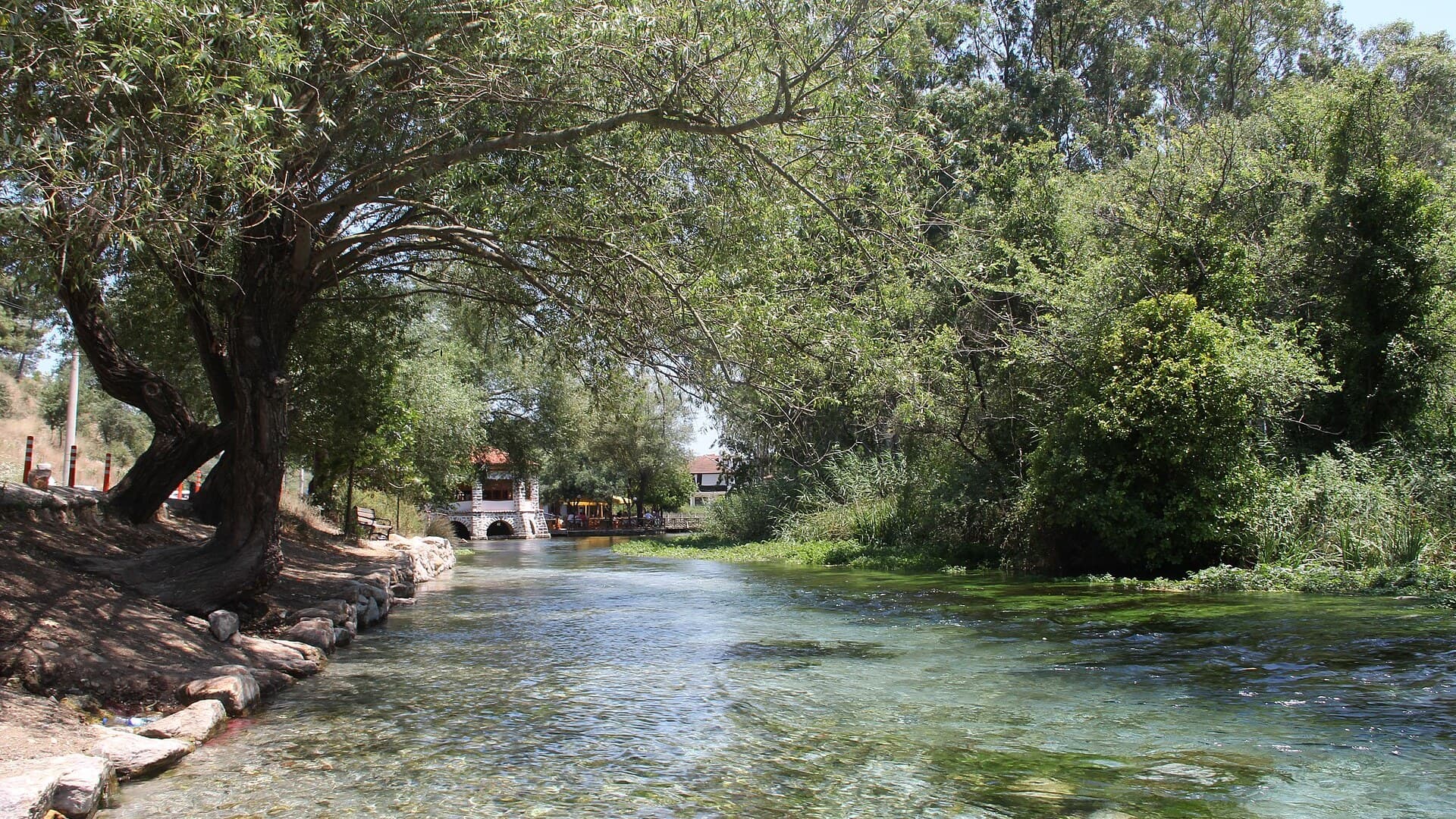
Akyaka
Muğla, Türkiye
Azmak boats, kitesurf wind and wooden balconies
Aneityum Guide
Tafea, Vanuatu
Beaches, reef and quiet in Vanuatu's far south
Angastaco Guide
Salta, Argentina
Torrontés wine and red hills in Salta's Calchaquí valley
Aralsk Guide
Kyzylorda, Kazakhstan
The sea left, the ships stayed

Save these places to your list
Copy the spots you picked into your list — maps and notes included.