
Dravuni Island Guide
Volcanic island with lagoon corals in Fiji's Kadavu Group
1 selected
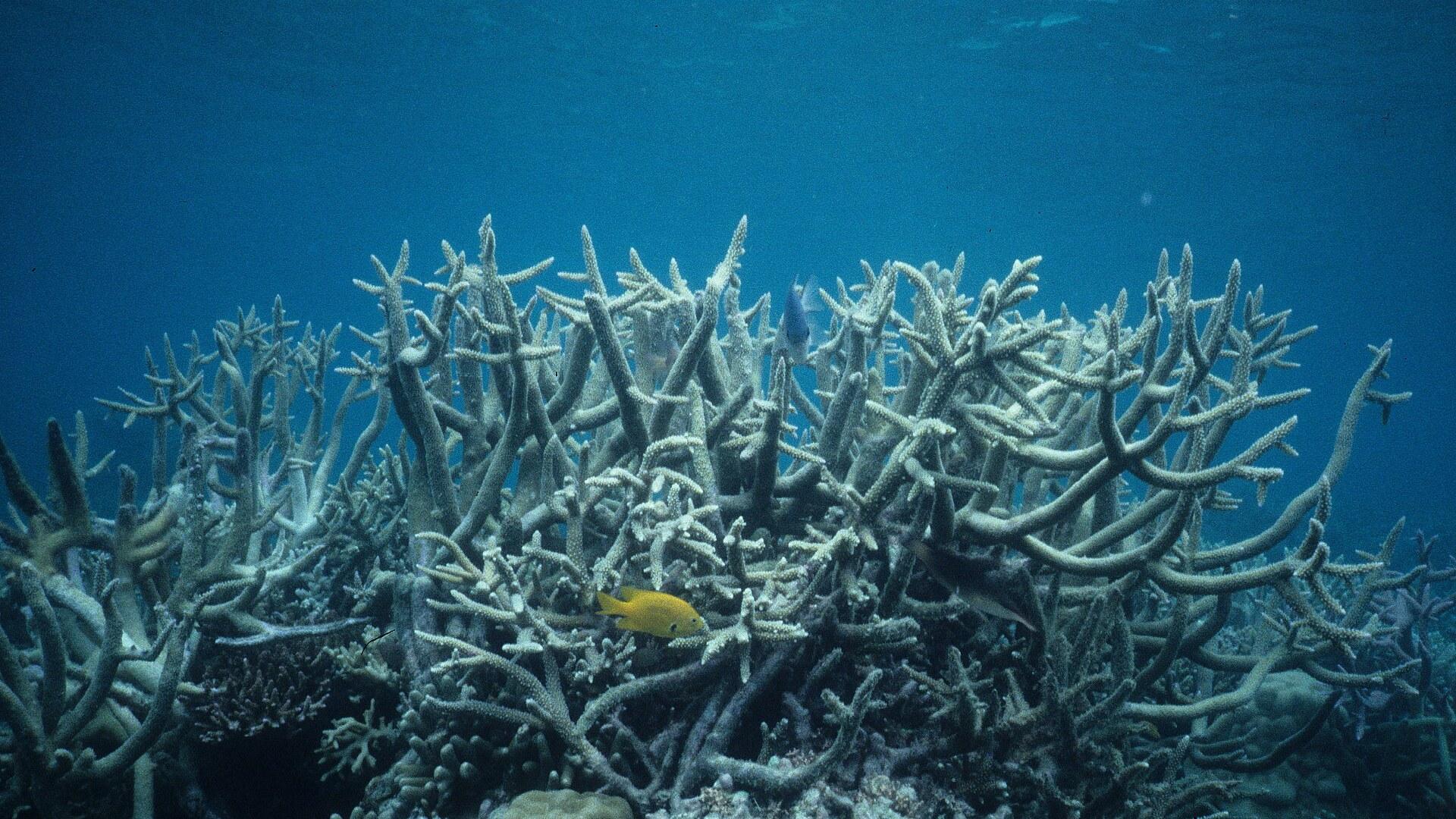
Dravuni Island is a volcanic island in the Kadavu Group, part of Fiji's Eastern Division, and it covers only 0.8 km2. Among the inhabited islands inside the Great Astrolabe Reef, it is the most northern one. Administratively it belongs to Kadavu Province, alongside Kadavu Island, Ono, Galoa, Matanuku, Buliya and Nagigia.
Corals can be seen in the lagoon at Dravuni Island. A University of the South Pacific research facility stands on the island, and Coral Cay Conservation treats it as its main base for reef surveys around the Great Astrolabe Reef.
Dravuni Island lies within the Great Astrolabe Reef, where the water runs between 25 and 32 °C. Average underwater visibility is 25 m, and on clear, windless days it can stretch to 40 m. Along Kadavu's southern coast the reef has more than 60 recognized dive sites, from coral gardens and steep drop-offs to passages and manta-ray areas. Soso Passage holds a large underwater coral garden, while Nacomoto Passage is where eagle rays and cabbage coral turn up. Manta Reef is another popular name on the Kadavu list.
Buliya sits at the northern arc of the Great Astrolabe Reef and is famous for manta ray snorkelling. Naiqoro Passage, one of the reef's main passages, is protected from fishing and charges entry fees. Two lighthouses mark the reef's edges: the Solo Light House near Ono Island and the Washington Lighthouse close to Nagigia Island.
Kadavu Island, the largest island in the group that includes Dravuni Island, carries the nickname Bird land. Its rare endemic birds include the Kadavu crimson shining-parrot, the Kadavu fantail and the honeyeater. The East Kadavu Important Bird Area covers 7,800 hectares of the interior in the eastern part of the island. Kadavu activities also include bird watching in the early morning, waterfall visits, whale and dolphin watching, trekking and surfing.
Kadavu, the group Dravuni Island belongs to, has a coast with many bays with beaches lined with coconut palms. Hiking trails link villages through rainforest and plantations to viewpoints, swimming holes and secluded beaches. Nagigia Island Resort, on Nagigia Island, has 10 separate bures at the water's edge with sea views. Snorkelling around Kadavu starts from beaches, resort boats and guided excursions to sheltered lagoons and outer-reef sites.
Solo Reef's sunken village and Kadavu's first sightings by sea
Dravuni Island has a legend of its own: Solo Reef, an atoll just north of the Great Astrolabe Reef near the island, is said to have once held a village that sank into the sea. Kaliopate Tavola, a former Foreign Minister of Fiji and a diplomat, is a native of Dravuni. The wider Kadavu Group entered European records in 1792, when William Bligh sighted Kadavu from HMS Providence as the first known European to do so. In 1827 the French commander Dumont d'Urville nearly shipwrecked the Astrolabe on a reef, and that reef now carries the ship's name. The Great Astrolabe Reef runs along Kadavu's southern coast and arcs north around Ono Island to Buliya. Galoa Harbour on Kadavu later became a regular port of call for vessels carrying mail between Sydney, San Francisco and Auckland. Kadavu Province today counts 75 villages, grouped into the four tikina of Tavuki, Naceva, Nabukelevu and Nakasaleka. Kadavu is one of the least developed areas of Fiji, with few roads and an economy built largely on subsistence farming.
Eating on Dravuni Island and across Kadavu
Dravuni Island belongs to Kadavu Province, where Vunisea has at least five supermarkets while standalone restaurants are few elsewhere, so most visitors eat at their resort, guesthouse or homestay. Many remote properties sell accommodation on a full-board basis. Meals on Kadavu lean on fresh fish and seafood, coconut milk, tropical fruit and locally grown root crops. You may run into kokoda, which is raw fish marinated with citrus and coconut milk. Rourou is taro leaves cooked in coconut milk. Curries, grilled fish and dishes from the traditional underground lovo oven round out the picture. Most Kadavu resorts keep ties with neighbouring villages. Guests can taste traditional Fijian food on village tours, hikes or Meke nights. If you plan to cook for yourself, buy essential supplies in Vunisea or before you fly or sail, since shops outside the main settlement have limited stock. Suva Municipal Market, south of Suva bus station, sells all kinds of tropical fruit and vegetables. Suva Fish Market has stalls with colourful varieties of fresh fish.
Flights and ferries toward Kadavu and Dravuni Island
Dravuni Island belongs to the Kadavu Group, and Kadavu is served by Vunisea Airport (KDV), where Fiji Airways flies under its Fiji Link banner from only two airports in Fiji, Nadi and Suva. Vunisea, Kadavu's administrative centre, has an airport, a hospital and a government station on the Namalata Isthmus. Patterson Brothers Shipping Company runs a ferry service between Kadavu and Viti Levu. Goundar Shipping (Lomaiviti Princess) and Liaona Shipping also serve Kadavu. The ferry takes guests from Suva to Vunisea, though ferries do not run all the time. Several ships a week connect Kadavu with Suva. Besides scheduled flights and ferries, Kadavu can be reached by seaplane, yacht transfer or big game boat transfer. Bad weather can make arriving at or leaving Kadavu impossible, a risk that weighs most on the small resorts on remote beaches that are mostly reachable only by boat. Suva's closest airport is Nausori International Airport, about 23 km (30 min by car) from the city. Nadi International Airport is Fiji's main international airport, with direct Fiji Airways flights from Los Angeles, San Francisco, Honolulu, Vancouver, Hong Kong, Singapore and Tokyo. Suva is also one of Fiji's major harbours, and cruise ships stop at its port.
Boats, longboats and walking around the Kadavu islands
Dravuni Island lies in Kadavu Province, where underdeveloped roads mean most visitors experience Kadavu Island on foot or by boat, usually with a guide from their resort. Most travel on Kadavu happens in fibreglass longboats with Yamaha motors. Fibreglass boats and motor vehicles carry people between the villages. Most excursions are arranged through the resorts, since transport between different parts of the island usually goes by boat rather than road. Many Kadavu villages, almost all of those on the north coast, can only be reached by boat, which makes boats the most important means of transport. Ono and Galoa are two islands right off Kadavu's coast and are easily accessible by boat. Sea kayaking and paddleboarding on Kadavu explore bays, beaches, mangroves and coastal villages. Local guides are strongly recommended for longer journeys, because of changing winds, currents and reef passages.
Money, power and phone signal around Kadavu
Dravuni Island is part of Kadavu Province, and Kadavu has some cell phones but only limited internet access. The volcanic island of Kadavu rises 3,000 m from the ocean floor and has few roads. Fiji uses the Fiji dollar. Standard electricity in Fiji is 240 volt / 50 hertz.
Practical tips for Dravuni Island and Kadavu: seasons, visas, villages
Dravuni Island lies in Fiji, where tropical cyclonic storms can occur from November to April, and temperature sensitive visitors may prefer the Southern Hemisphere winter. Villagers from Dravuni who fish at Solo Reef do not throw garbage overboard, out of respect for the legendary sunken village. Is the Kadavu area prone to natural disasters? The Kadavu archipelago lies on Fiji's earthquake belt and cyclone path, which makes it prone to natural disasters. Do I need a visa for Fiji? Citizens of over 100 countries, including Australia, Canada, China, EU countries, India, the United Kingdom and the US, do not need a tourist visa for Fiji. How long can I stay? Most visitors to Fiji are granted permits on arrival that last 4 months, extendable for up to 2 additional months. All visitors receive entry stamps but not exit stamps. How do I behave when visiting a village? On Kadavu, dress modestly, remove your hat when asked and ask permission before photographing residents or ceremonies. A village visit may include a sevusevu welcome ceremony, kava drinking, traditional dancing or crafts and a locally prepared meal. Arrange it through your accommodation provider or a guide rather than turning up unannounced. Greet people with bula, and learn a few Fijian phrases, since residents of some remote islands may not be fluent in English. How safe is it? On Kadavu, the resorts look after safety, and each bure has an information packet with safety tips under the island's Responsible Tourism Code of Conduct. Fiji has a national speed limit of 80 km/h, and travellers are advised to avoid road travel at night, especially outside urban areas. Suva has some pickpockets and thieves, so avoid people who approach you asking for your name and country. What should I bring to Kadavu? Bring specialty foods, infant supplies or medically necessary dietary products from Suva or Nadi. On longer outings on Kadavu, carry additional water and snacks.
FAQ
What is covered in the Dravuni Island guide?
Plan a trip to Dravuni Island, a small volcanic island in Fiji's Kadavu Group, with lagoon corals, the Great Astrolabe Reef and tips on flights and boats. It includes 1 recommendations across 1 gallery.
Next →How many places are in the Dravuni Island guide?
The Dravuni Island guide lists 1 places: 1 gallery.
Next →Where is Dravuni Island?
Dravuni Island is in Dravuni Island, Eastern, Fiji (-18.7622, 178.5222).
Next →How do you get to Dravuni Island?
Dravuni Island belongs to the Kadavu Group, and Kadavu is served by Vunisea Airport (KDV), where Fiji Airways flies under its Fiji Link banner from only two airports in Fiji, Nadi and Suva. Vunisea, Kadavu's administrative centre, has an airport, a hospital and a government station on the Namalata Isthmus. Patterso…
Next →What should you eat in Dravuni Island?
Dravuni Island belongs to Kadavu Province, where Vunisea has at least five supermarkets while standalone restaurants are few elsewhere, so most visitors eat at their resort, guesthouse or homestay. Many remote properties sell accommodation on a full-board basis. Meals on Kadavu lean on fresh fish and seafood, cocon…
Next →Is there camping in Dravuni Island?
No camping listings in this pack yet — we do not invent venues. Entries will appear once verified.
Next →Can you rent a bike in Dravuni Island?
No bike rental listings in this pack yet. Verified shops will be added when available.
Next →What are recommended gallery in Dravuni Island?
Highlighted gallery in the Dravuni Island guide: Corals in the lagoon.
Next →Highlighted places
- Corals in the lagoon — Delicate branching corals in the lagoon at Dravuni Island, with a small yellow fish.
Explore on the map
Tap a pin to highlight its place card
All
1 spots
Recommended places
Gallery
1 · 1 selected
Corals in the lagoon
gallery
Related guides
Browse nearby destinations
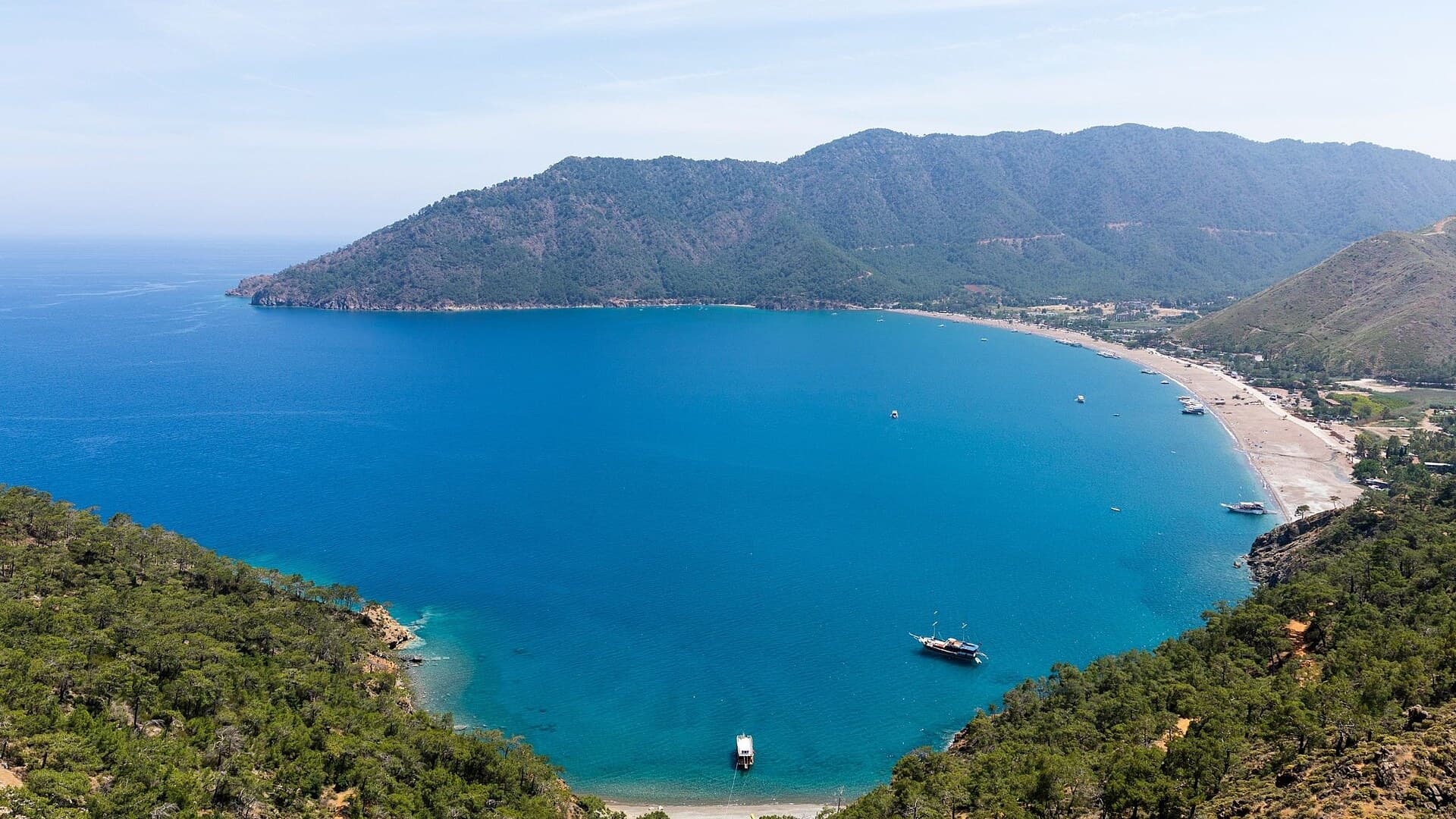
Adrasan
Antalya, TR
A pine-backed bay where the days move slowly
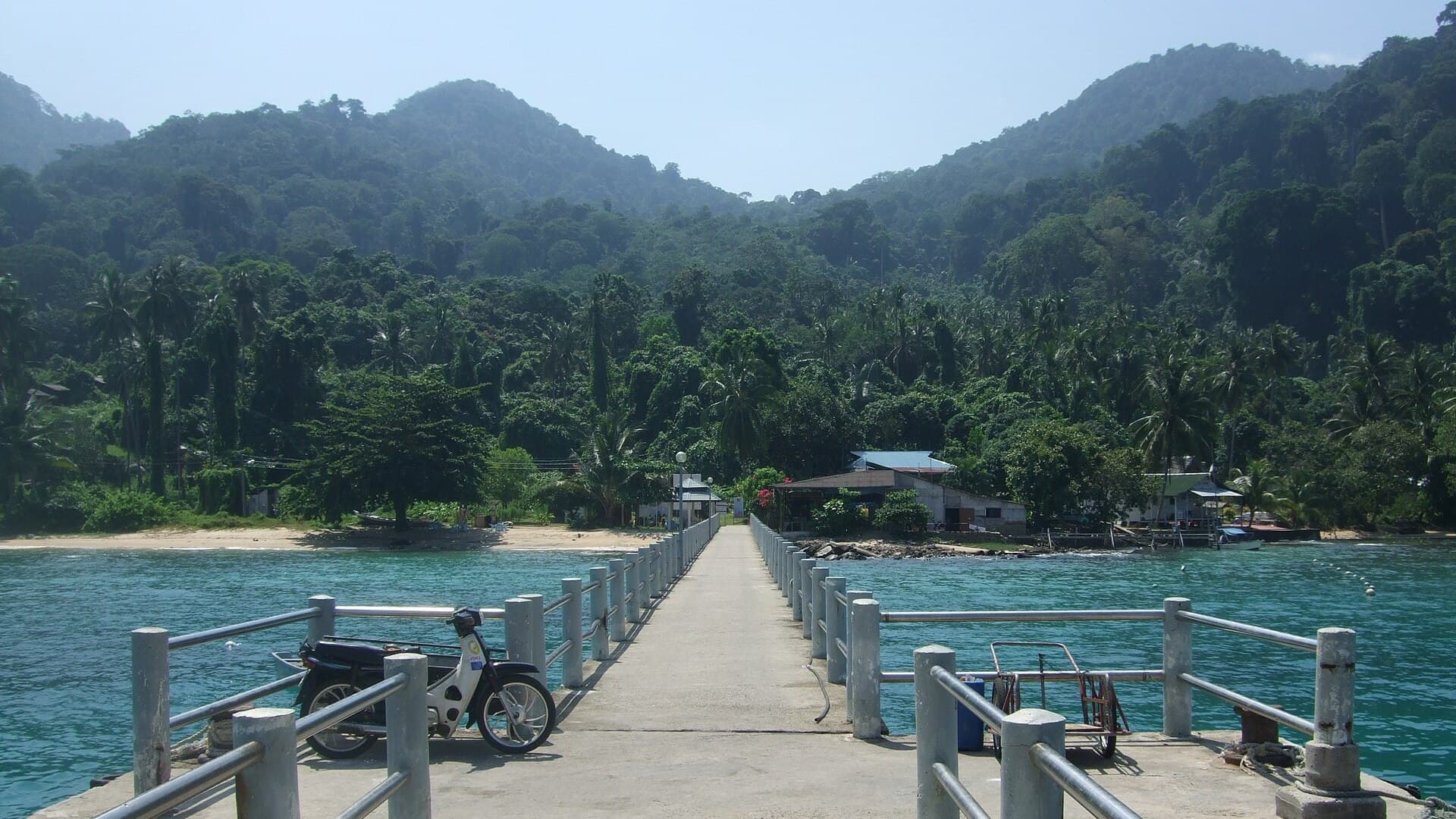
Air Batang
Pahang, Malaysia
A car-free Tioman village for divers and walkers
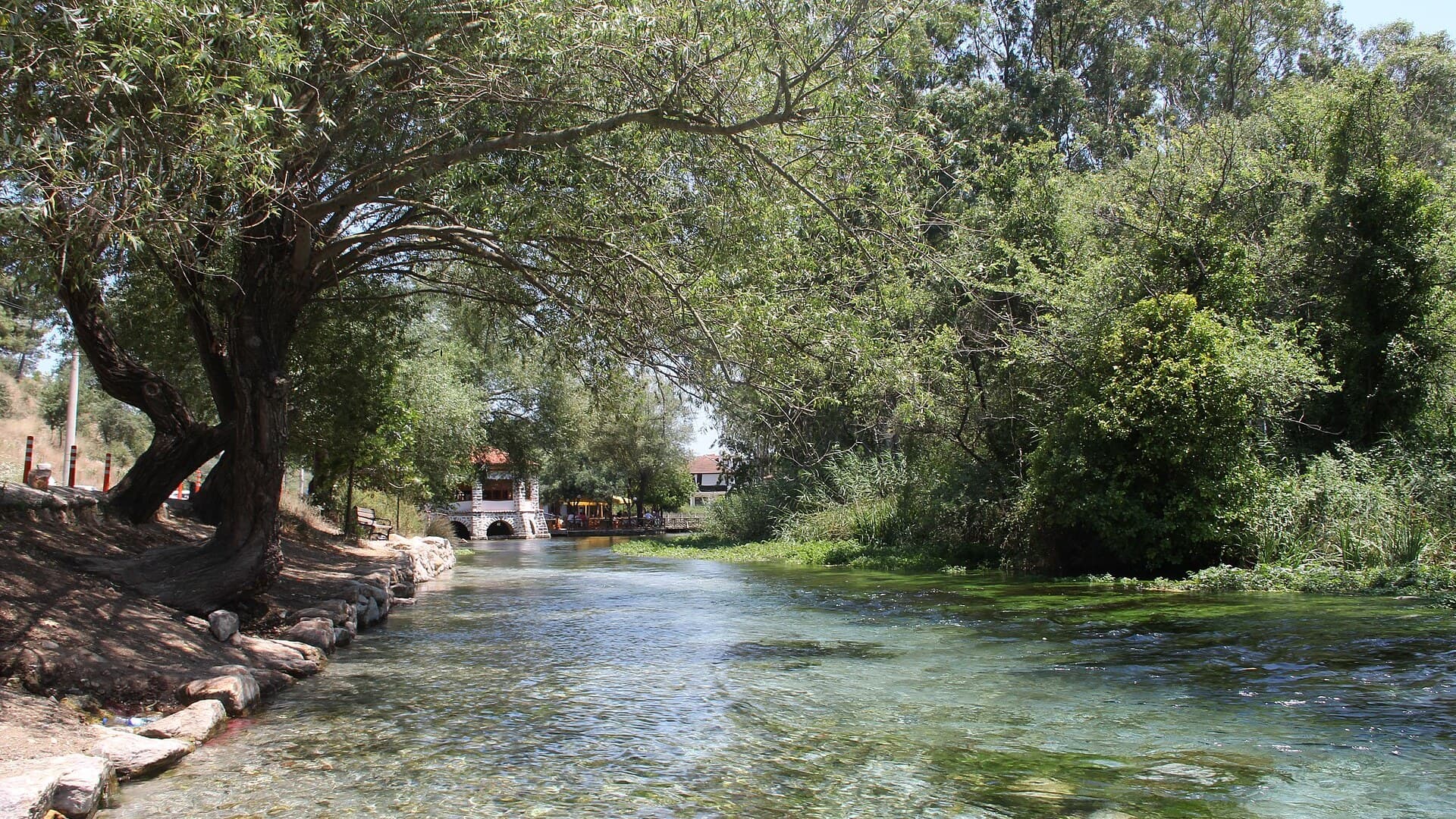
Akyaka
Muğla, Türkiye
Azmak boats, kitesurf wind and wooden balconies
Aneityum Guide
Tafea, Vanuatu
Beaches, reef and quiet in Vanuatu's far south
Angastaco Guide
Salta, Argentina
Torrontés wine and red hills in Salta's Calchaquí valley
Aralsk Guide
Kyzylorda, Kazakhstan
The sea left, the ships stayed

Save these places to your list
Copy the spots you picked into your list — maps and notes included.