
Demul Guide
A remote Spiti village near Komic, Langza and Hikkim
1 selected
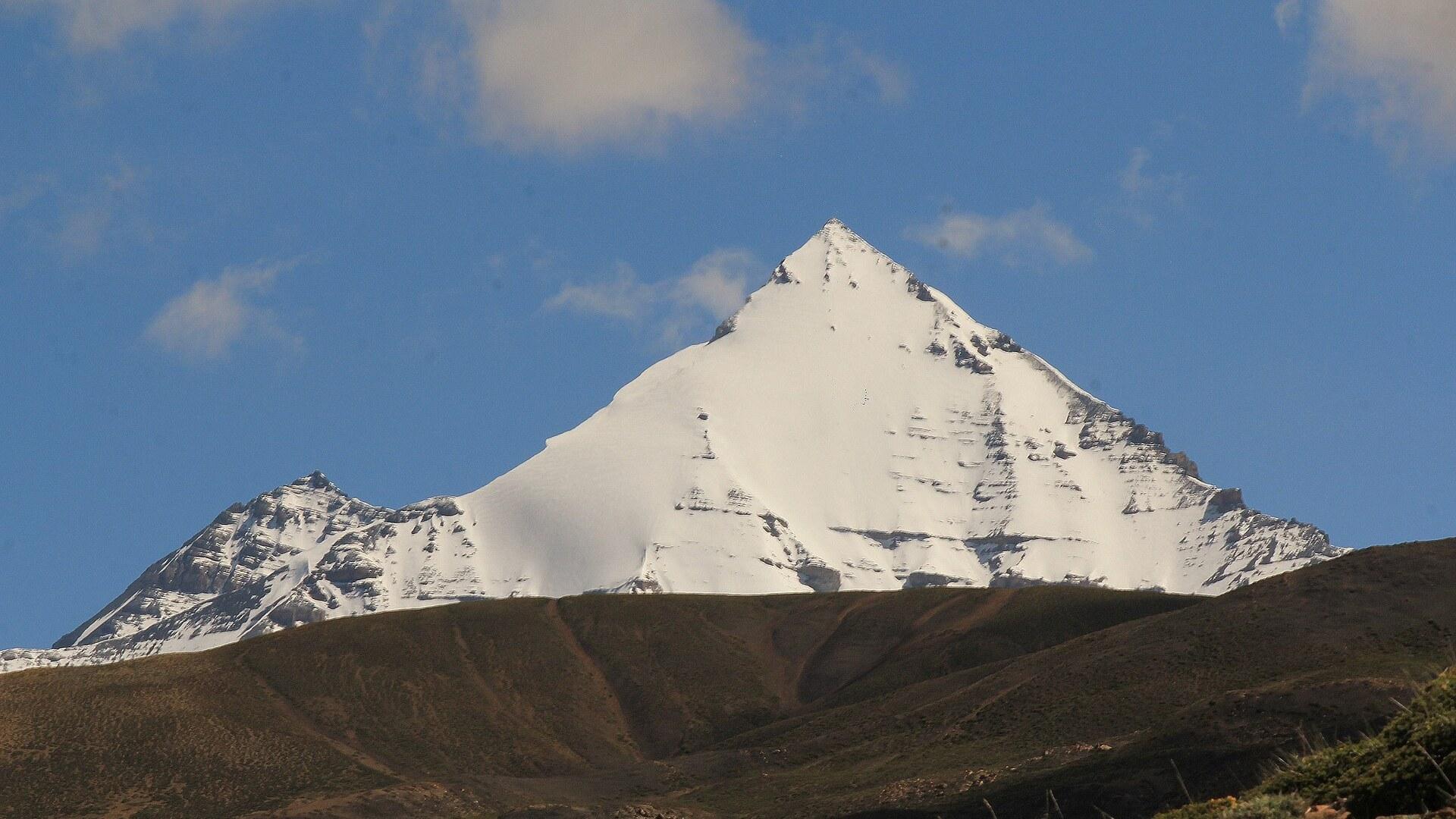
Demul is a remote village in the Lahaul and Spiti district of Himachal Pradesh, India. Most of its residents belong to the Bodh tribe and live from agriculture, with barley as the main crop. Tourism and handicrafts come on top of the fields.
The valley around Demul is called Spiti, which means the middle land, lying between Tibet and India. It is a high-altitude cold desert bordered by Tibet to the east and Ladakh to the north. Sitting in the Himalayan rain shadow, Spiti gets an average annual rainfall of about 50 mm.
The neighbouring villages give you plenty to look at. Komic is described as one of the world's highest motorable villages, and Komik lies at 4275 m with a small monastery where women are not allowed inside during prayers. Hikkim lies a few km before Komik and is known for the world's highest post office, a good place to post postcards.
Langza sits at the base of Chau Chau Kang Nilda mountain, also known as the Princess Mountain. It is known as the fossil village of Spiti Valley. Spiti wildlife includes the Himalayan ibex, snow leopard and Himalayan wolf.
Two protected areas lie in the region, the Pin Valley National Park and the Kibber Wildlife Sanctuary. Treks, jeep safaris, yak safaris and mountain biking around Kaza can be arranged through Ecosphere's office. Camping takes place at Chandra Taal, a high-altitude lake 3-4 h from Kaza.
Demul's villagers have benefited from rapid tourism development in recent years, though there are concerns about commercialization. Local NGOs near Demul have experimented with dams and artificial glaciers to freeze water before it can flow off the land.
Monasteries and old rulers around Demul in Spiti
Demul is a remote village in Lahaul and Spiti, and the dated history of its surroundings sits in the monasteries of Komic, Dhankar, Key and Tabo. Komic village in Spiti has the 500 year-old Lundup Tsemo Gompa Buddhist monastery. The Tangyud Gompa of Komic dates to the early 14th century and is built like a fortified castle with massive slanted mud walls and battlements, striped in red ochre and white. It sits on the edge of a deep canyon and overlooks Kaza. The ruins of the ancient Sakya Tangyud Monastery stand near Komic village, 14 km from Kaza. Dhankar in Spiti was the traditional capital of the Spiti Valley Kingdom in the 17th century and has features dating back to the 12th century. It served as the seat of the Nonos, the early rulers of Spiti. Dhankar Gompa was built as a fort monastery on the Central Tibetan pattern and was reported to have had 90 monks in 1855. The fort at Dhankar served as the official seat of the Nono of Spiti during the British period. In 2006 the World Monuments Fund selected Dhankar gompa as one of the 100 most endangered sites in the world, and the Dhangkar Initiative is trying to organize its conservation. A new Teaching Temple at Dhankar was inaugurated by the Fourteenth Dalai Lama on 12 July 2009. Sakya Kaza Monastery in Kaza was inaugurated by the Dalai Lama on July 9th, 2009. Key Monastery near Kaza was built by Dromton, a student of Atisha, in the eleventh century. Tabo monastery in Spiti was built in 996 CE. At Key Monastery, which lies about 20 km from Kaza, visitors are greeted with complimentary tea. Photography is not allowed inside the prayer rooms but is allowed outdoors.
Thukpa, barley roti and lemon tea around Demul
Around Demul the dishes are those eaten in Kaza and across Spiti: noodle soups, momos, barley roti and sweet lemon tea. Most restaurants in Kaza open in the summer tourist season and serve Himalayan and Indian food, with some offering Israeli, Mexican and Italian dishes. Chicken and mutton dishes are common. Well-reputed restaurants in Kaza include Cafe Piti, Himalayan Cafe and Hotel Deyzor. Typical dishes include the noodle soups Thukpa, Thenthuk and Skew/Kyue with steamed vegetables, and momos filled with vegetables, chicken or mutton. Spitian roti, eaten in Kaza and the villages, is made from barley or other millet flours with a little baking powder. It is soft and fluffy and is served with butter, jam or an omelette. The most popular drink in Kaza and Spiti is boiling-hot, sweet lemon tea made without milk, especially good after sunset. Seabuckthorn tea, juice and concentrate are local specialities of Kaza and Spiti. The Ecosphere shop near Kaza market sells them and refills drinking water to reduce plastic bottles. Local Spiti alcohol is Chang, a barley beer, and Arakh, a barley whiskey. They are not sold freely in Kaza shops, but the Zangchuk guest house owner can arrange a bottle. An English Wine & Beer Shop on Kaza's main street sells beer, Indian whisky and Old Monk rum.
Reaching Demul through Kaza: the Manali and Shimla roads
Demul is reached through Kaza, the usual base for villages such as Demul, Komic, Langza and Hikkim, and Kaza itself lies at the end of two long mountain roads. The Manali route to Kaza in Spiti is only open from May until October 15th and now avoids Rohtang Pass thanks to the Atal Tunnel. Getting from Manali to Kaza takes about 9 h by shared taxi, about 10 h by shared van, or about 12 h by the once-daily HRTC bus, as of 2024. The road is bumpy and dusty, never fully tarred, and crosses about a score of streams on State Highway No. 30 that can be a couple of feet deep. The road from Shimla via Rekong Peo is in theory open all season, with HRTC buses linking Kaza with Manali and Rekong Peo. A landslide area at Malling Nullah often forces passengers to cross on foot and switch to a bus on the other side. In summer, state buses run through both routes, while in winter only one bus runs between Reckongpeo and Kaza each way, leaving early in the morning. The Shimla-Tabo-Kaza road (NH 505) via Kinnaur is open the whole year, apart from short closures from landslides or heavy snowfall. The Manali-Kaza route closes for 7 winter months, and its Kunzum Pass lies at 4,550 m. The existing Shimla to Kaza route is 468 km long. The planned Kinnaur-Kaza road of 64 km would cut that to 318 km and save 4 h, but as of May 2026 construction had not begun. The Indian Military is building an airbase at Rangrik, 7 km northwest of Kaza, which will also serve civilian flights. A motorable road to Dhankar, good for small vehicles only, branches off the main Kaza-Samdu road about 24 km from Kaza and runs 8 km up to Dhankar. Dhankar is about 40 km from Kaza towards Peo.
Getting around from Kaza: on foot, by taxi and on trails
From Kaza, the base for Demul, Komic, Langza and Hikkim, you move around Spiti on foot, by shared taxi or in a hired jeep. Kaza town is small and can be walked from one end to the other in 30 min. From Kaza you can arrange a shared taxi through your accommodation or the taxi stand to visit local sights such as Key Monastery and Hikkim Village. The stand has jeeps for hire at fixed rates listed at the booth. In winter there are no buses from Kaza to the Spiti villages, so the only option is to hire a taxi. Hitchhiking is also common in the mountain terrain. The roads around Spiti are dangerous, so drivers without experience of Himalayan roads are advised not to drive themselves. Key Monastery lies about 20 km from Kaza, and Hikkim, with the highest post office in the world, is 46 km from Kaza. From the Shichling fork near Dhankar, you need to trek nearly 10 km to the monastery by the motorable road or by one of many steep mountain trails. The Dhankar Lake trek from Dhankar Monastery takes about an hour one way, or 90 min out and back, with an elevation gain of 250 m. It leads to a peaceful high-altitude lake.
Fuel, mobile data and services in Kaza near Demul
For Demul, the services that matter sit in Kaza, the largest township and commercial centre of the Spiti valley and the sub-divisional headquarters of Spiti. Kaza in Spiti has a petrol bunk, the only one in Spiti Valley as of 2022. Mobile internet in Kaza is provided by BSNL, Airtel 4G and Jio 4G. Kaza also has a Community Health Centre, a Police Station and a Government Gym said to be the world's highest, open to both locals and tourists.
Practical questions about Demul, Kaza and Spiti
Practical facts for Demul come mostly from Kaza and the higher Spiti villages around it. Glaciers around Demul have been retreating in recent years, leading to droughts and worries among villagers about water access and farm output. When is Kaza busy with visitors? Kaza is popular with tourists and adventure seekers in June, July, August and September because of its central location in Spiti. The Ladarcha fair, the largest annual event in Spiti, is held at Kaza in August, typically in its third week. Which other festivals does Kaza celebrate? Spiti Losar around November and Dachang around February are also celebrated in Kaza. How cold does it get? Kaza is one of the coldest towns in India, with January the coldest month at a minimum of -30°C, and July the hottest at an average of 15°C, though summer nights may still freeze. Spiti is a cold desert in the Himalayan rain shadow, with extreme temperatures of -25°C in winter and 15°C in summer. Can you find a room in Kaza in winter? In winter all hotels in Kaza are closed, so the only lodging option is a PWD rest house, which usually has no guests then. Kaza has many private hotels and guesthouses and a Himachal Tourism Guest House, and booking ahead is recommended in peak tourist season. Can you buy fossils at Komik? Fossils are found around Komik in Spiti, but the villagers who try to sell them are probably not legally allowed to sell them. Buying and transporting fossils is probably not allowed either. How do the high villages farm? Higher Spiti villages such as Komik, Kibber and Lhangza depend entirely on snowmelt from winter snows and glaciers. They have only one agricultural season.
FAQ
What is covered in the Demul guide?
Plan your trip to Demul, a remote village in Lahaul and Spiti, Himachal Pradesh: roads from Manali and Shimla, monasteries, treks and the Hikkim post office. It includes 1 recommendations across 1 gallery.
Next →How many places are in the Demul guide?
The Demul guide lists 1 places: 1 gallery.
Next →Where is Demul?
Demul is in Demul, Himachal Pradesh, India (32.1699, 78.1791).
Next →How do you get to Demul?
Demul is reached through Kaza, the usual base for villages such as Demul, Komic, Langza and Hikkim, and Kaza itself lies at the end of two long mountain roads. The Manali route to Kaza in Spiti is only open from May until October 15th and now avoids Rohtang Pass thanks to the Atal Tunnel. Getting from Manali to Kaz…
Next →What should you eat in Demul?
Around Demul the dishes are those eaten in Kaza and across Spiti: noodle soups, momos, barley roti and sweet lemon tea. Most restaurants in Kaza open in the summer tourist season and serve Himalayan and Indian food, with some offering Israeli, Mexican and Italian dishes. Chicken and mutton dishes are common. Well-r…
Next →Is there camping in Demul?
No camping listings in this pack yet — we do not invent venues. Entries will appear once verified.
Next →Can you rent a bike in Demul?
No bike rental listings in this pack yet. Verified shops will be added when available.
Next →What are recommended gallery in Demul?
Highlighted gallery in the Demul guide: Chau Chau Kang Nilda peak near Demul.
Next →Highlighted places
- Chau Chau Kang Nilda peak near Demul — The snow-covered Chau Chau Kang Nilda peak seen on the way from Komic village to Demul in Spiti.
Explore on the map
Tap a pin to highlight its place card
All
1 spots
Recommended places
Gallery
1 · 1 selected
Chau Chau Kang Nilda peak near Demul
gallery
Related guides
Browse nearby destinations
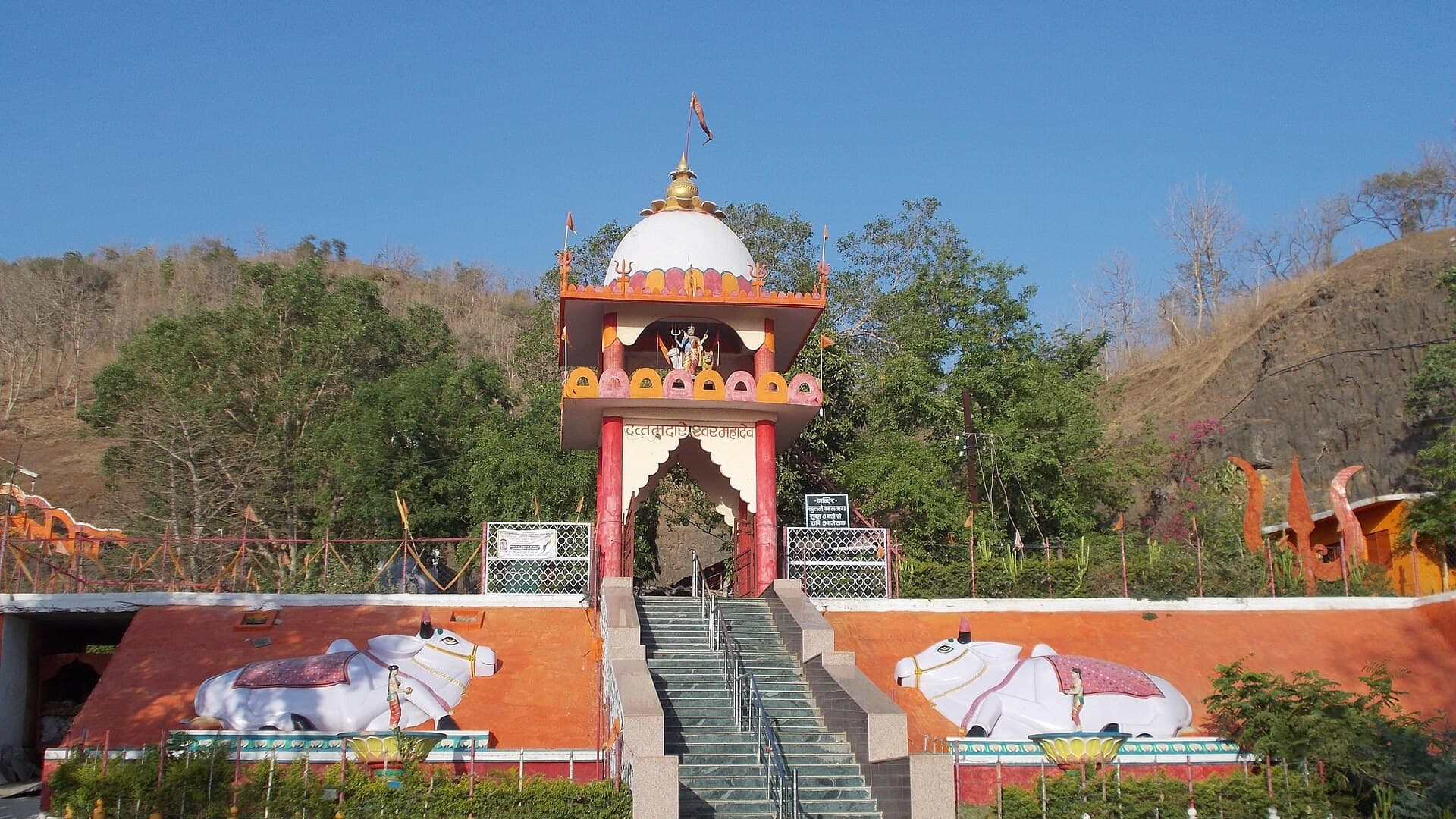
Banswara Guide
Rajasthan, India
Rajasthan, but green: islands, lakes and temple bells
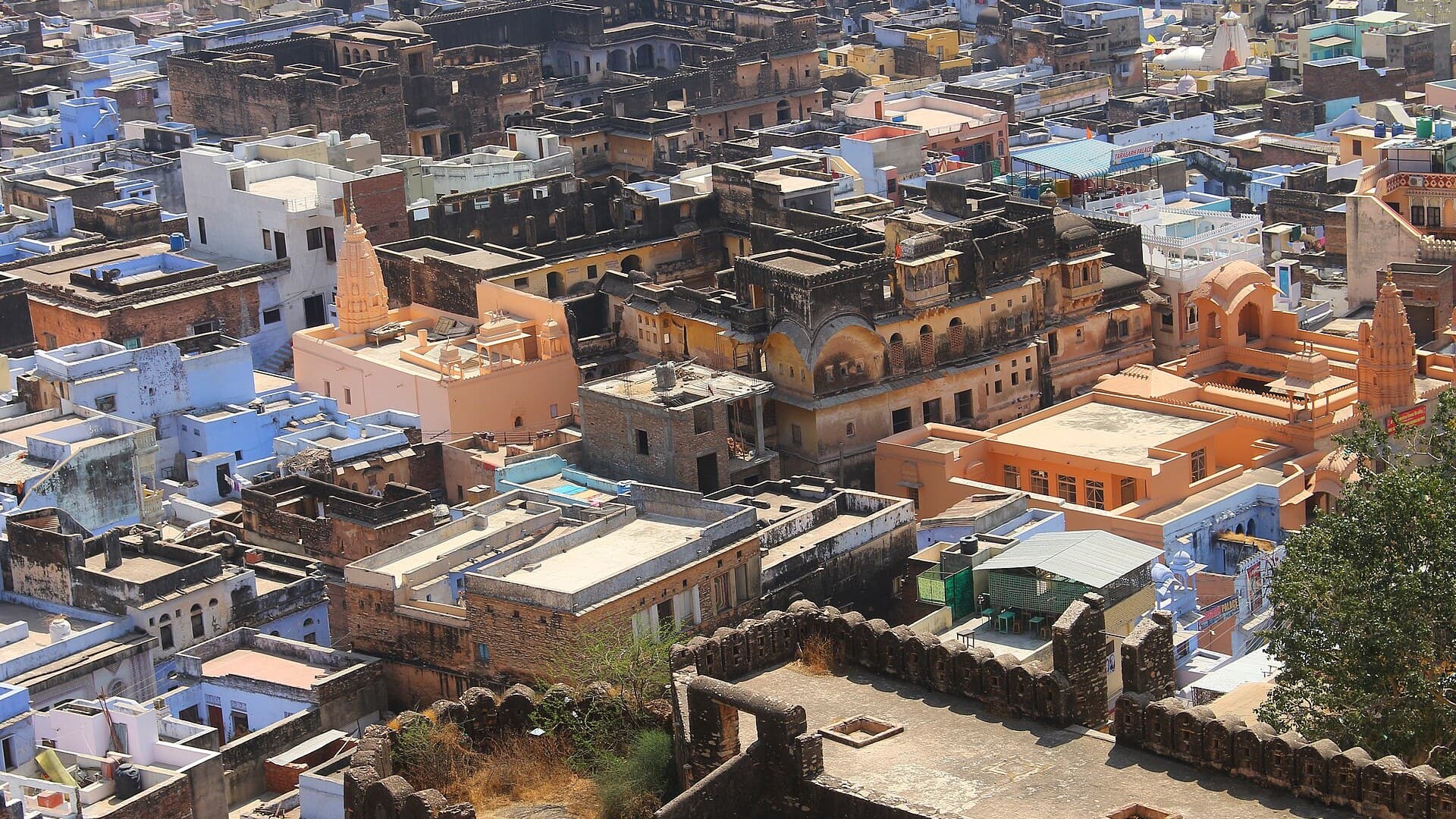
Bundi Guide
Rajasthan, India
A hilltop fort, a painted palace and a city of fifty stepwells
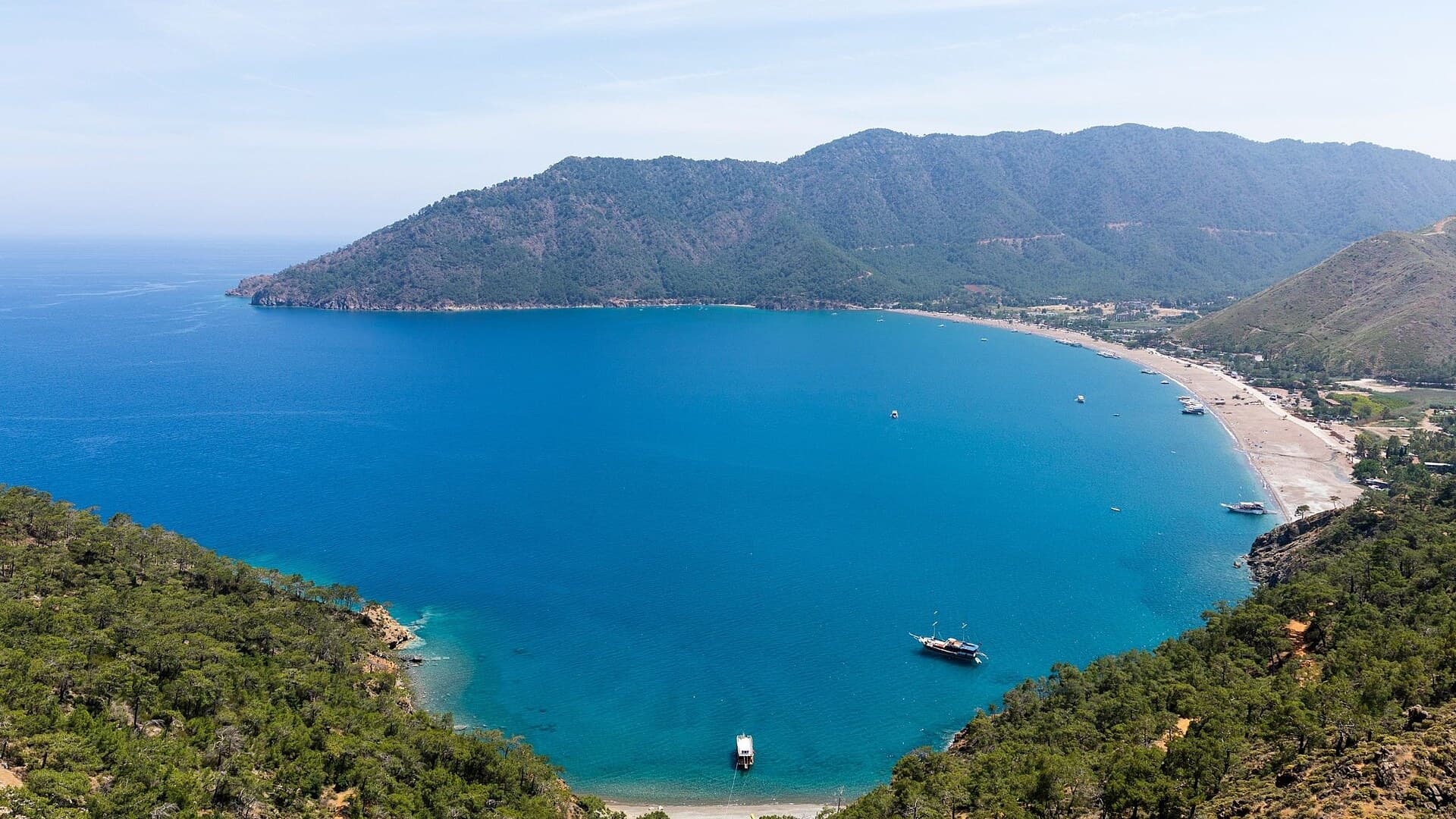
Adrasan
Antalya, TR
A pine-backed bay where the days move slowly
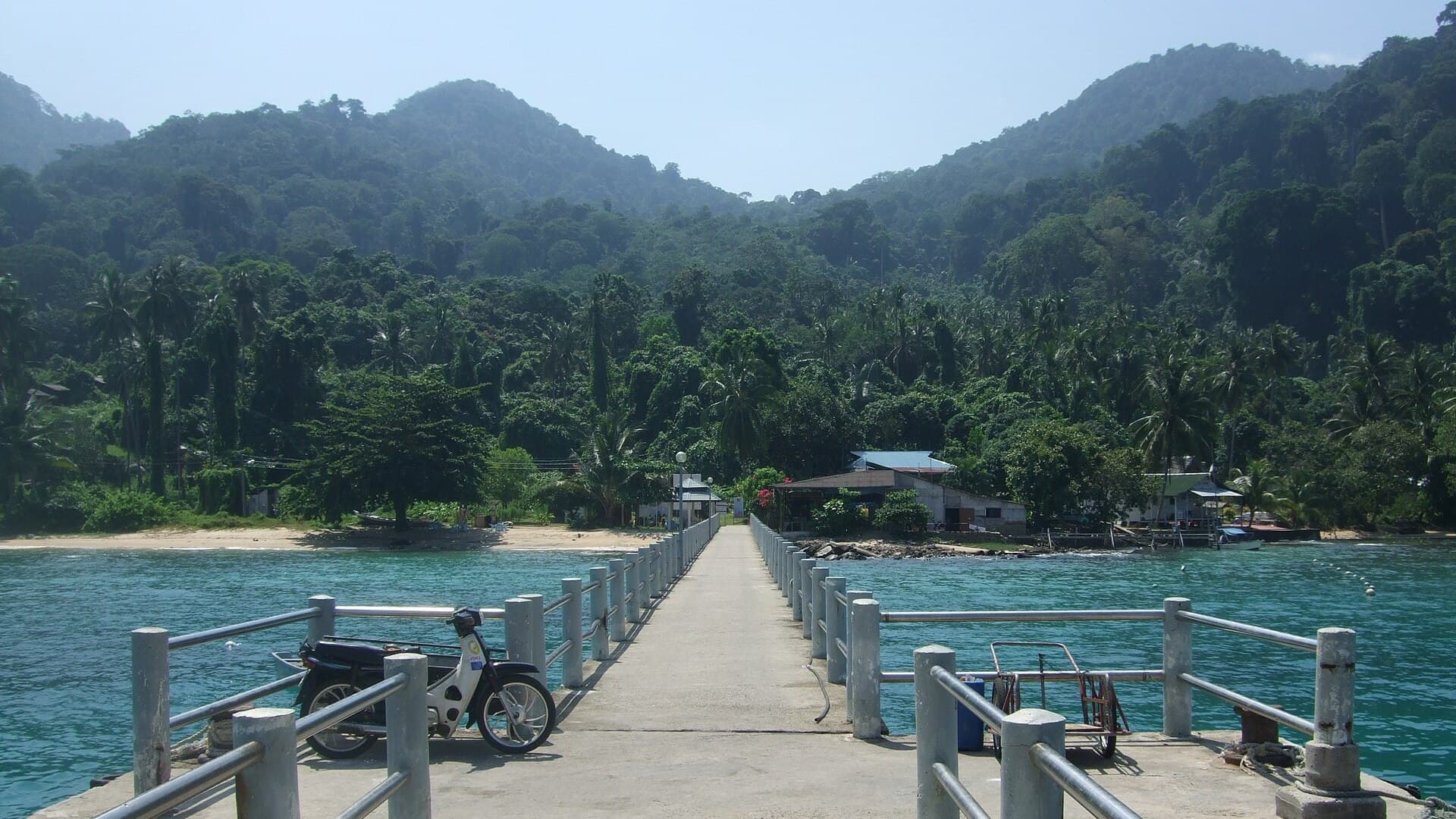
Air Batang
Pahang, Malaysia
A car-free Tioman village for divers and walkers
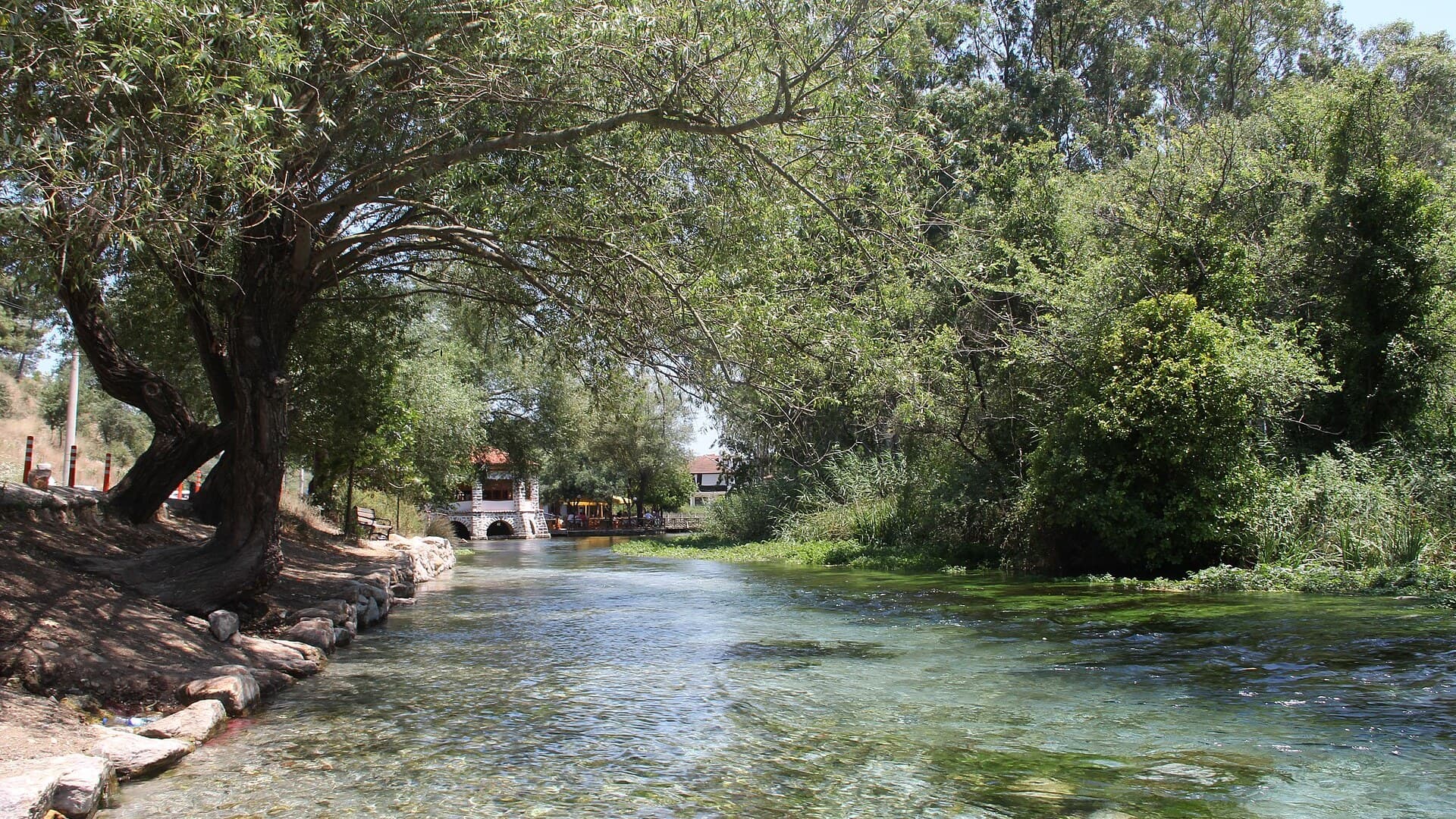
Akyaka
Muğla, Türkiye
Azmak boats, kitesurf wind and wooden balconies
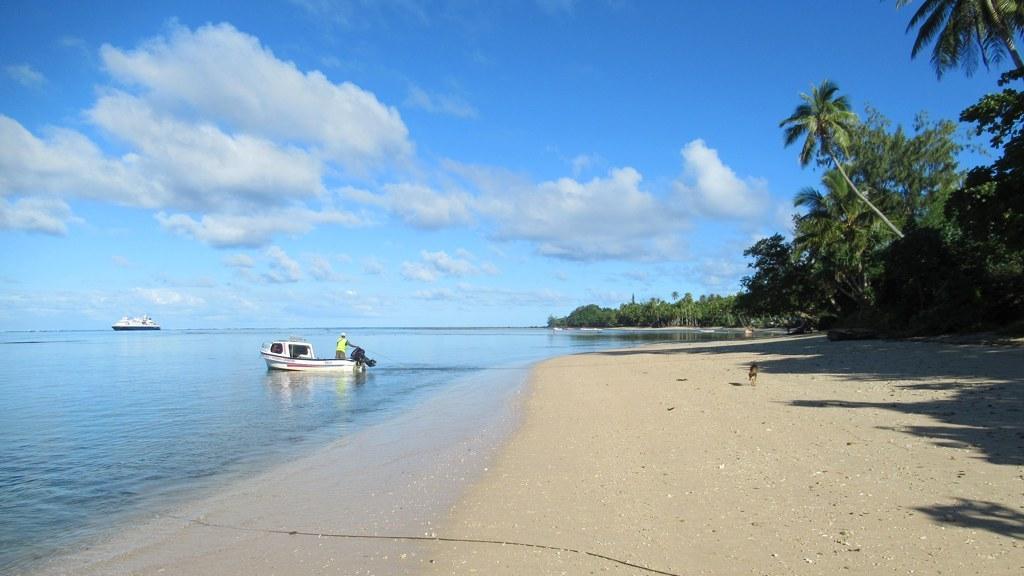
Aneityum Guide
Tafea, Vanuatu
Beaches, reef and quiet in Vanuatu's far south

Save these places to your list
Copy the spots you picked into your list — maps and notes included.