
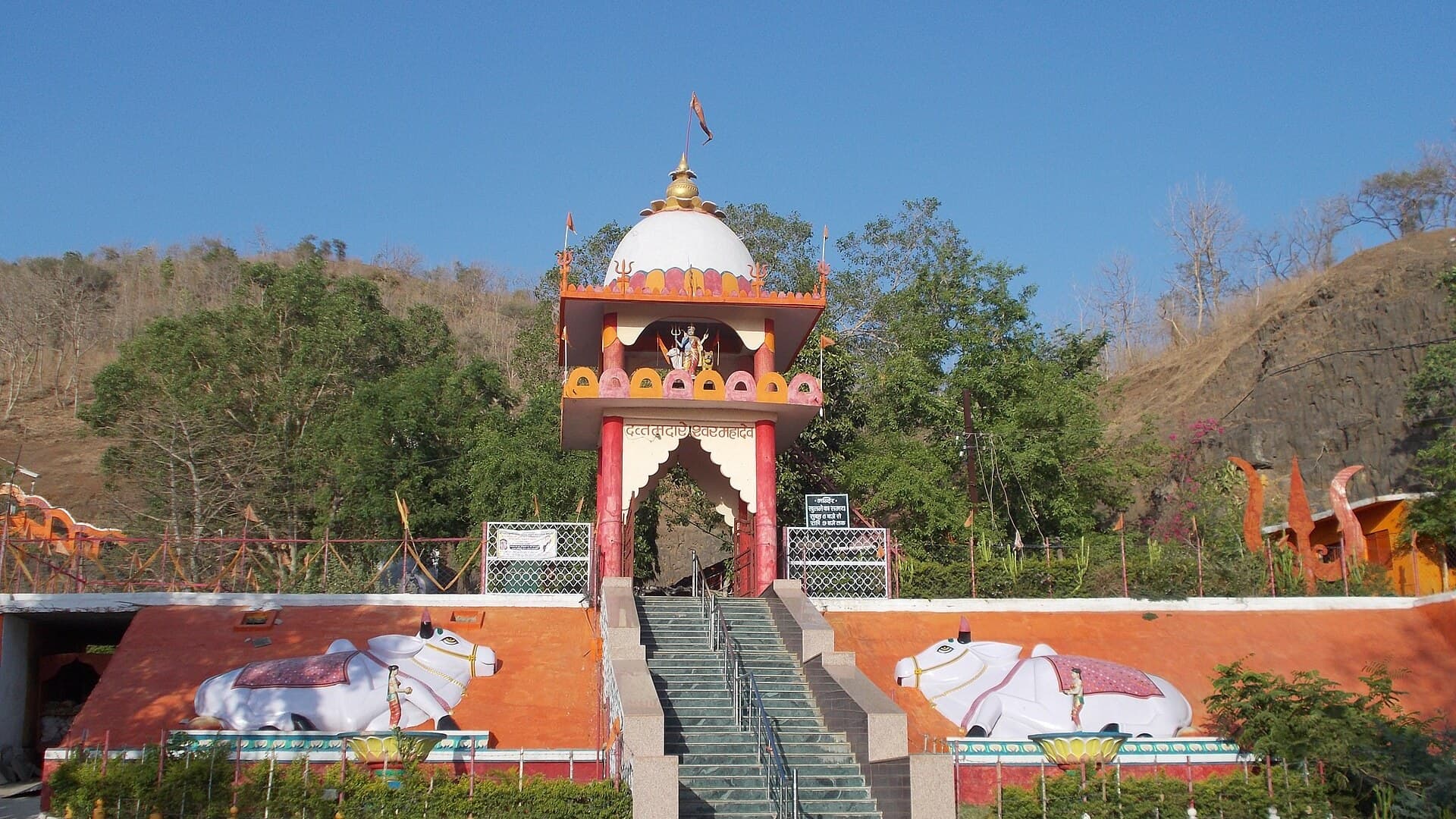
Banswara sits at the southern tip of Rajasthan, where the state folds into Gujarat and Madhya Pradesh. The town anchors the Vagad region alongside Dungarpur, a corner of the map that trades Thar dust for monsoon green. About 100,000 people live here, by the 2011 census count. The centre rests at roughly 23.55 degrees north, 74.45 degrees east, 302 metres above sea level. Postal code 327001. Telephone prefix 02962. Vehicle plates read RJ-03.
Locals and tourism brochures call Banswara the City of a Hundred Islands and the Green City, nicknames tied to the Mahi River, known in older texts as the Mahati. Small wooded rises break the water surface and give the town a softer profile than the desert north. Some guides also call the district the Cherrapunji of Rajasthan, not as science but as shorthand for how much more rain falls here than in Jaisalmer country. Sixteen kilometres out, the Mahi Bajaj Sagar dam holds back that water. Engineers built the project between 1972 and 1983 for hydroelectric power and irrigation. Udaipur is the nearest large city, about 165 kilometres away. Indore sits near 215 kilometres, Ahmedabad near 245. New Delhi and Mumbai are a full day's road.
Most visitors arrive for a lake day and a look at Vagad country, not a palace circuit. The district is Bhil heartland, where Wagdi sits beside Hindi at the market counter. There is no passenger railway into Banswara town. Plan on a hired car or state bus from Udaipur, or fly into Udaipur, Indore, or Ahmedabad and complete the last leg by road. For nightlife, museum weeks, or cafés with reliable power outlets, Udaipur remains the better base.
One long day from Udaipur covers the drive, Anand Sagar (also called Bai Talab), and a walk through the municipal centre. A second day makes sense if you have already arranged transport to the Mahi dam, Dailab Lake, or a site outside town such as Arthuna or Mangarh. A third night in the town core rarely adds much unless you are waiting on weather or a local festival. Stretching the stop into a week would be padding.
The centre is walkable. There is no metro and no tram. Taxis and local buses serve the dam road. You do not need a car inside the bazaar. You will need one, or a hired seat, for anything beyond the two town lakes.
Families who want a polished lakeside promenade should stay in Udaipur and come for the day if they come at all. Pre-monsoon heat, a thin tourist kitchen, and the long drive back are the practical constraints. Solo travel works if you can read a Hindi sign and accept that English guidebooks barely cover this district.
The lakes, the Mahi dam, and a Vagad day from Udaipur suit this town well. A substitute Udaipur week, a beach holiday, or a remote-work month do not. Keep the municipal town separate from the wider district on the map. Treat casualty figures from the Mangarh tragedy as contested, not settled. This guide covers the town itself, postal code 327001.
Bamboo country on the Mahi
Two origin stories share the name. One ties it to bamboo, bans in Hindi, and to a Bhil founder called Bansiya Bhil. Court records also credit Maharawal Jagmal Singh as the town's founder. The princely state was a Rajput feudatory in southern Rajputana, bounded by Dungarpur and Mewar to the north, and by Gujarat and what is now Madhya Pradesh. The Maharavals ruled it. In 1941 the state counted 258,760 people on an area of about 4,160 square kilometres. On 17 November 1913 British forces fired on tribals gathered at Mangarh, on the Rajasthan-Gujarat border, under the leadership of Govind Guru. Local accounts speak of between 1,500 and 2,500 dead. Historians treat the date and the place as firm. The death toll remains disputed, not a closed official number. Anand Sagar, also called Bai Talab, was built by Lanchi Bai, rani of a Maharaval. Cenotaphs of the rulers sit nearby. The Mahi project of 1972 to 1983 is the modern water work that reshaped the district. A Ratlam to Dungarpur railway via Banswara has been discussed for years. As of 2025 the town still has no railway of its own.
Eating in Banswara
Banswara is not a restaurant town. Vagad cooking sits between Rajasthani, Mewari, Malwi and Gujarati kitchens. The district grows maize, wheat, rice, cotton, soybean and gram. That is the larder behind the counter, not a printed menu. What opens is canteen food: bread, a dal, tea, maybe a sweet. Arrive late and you will eat what is still lit. Carry water from a sealed bottle. Do not build a day around a choice of rooms. If you leave town for the dam, take food with you. The reservoir shore has no established picnic culture for visitors.
How to get to Banswara
The road is the way in. Udaipur lies about 165 kilometres away, Indore about 215, Ahmedabad about 245. Udaipur has the nearest airport. Ahmedabad is the closer large international field. There is no passenger railway in town. A Ratlam to Dungarpur line via Banswara remains a long-discussed project, not a ticket you can buy today. A hired car or a state bus from Udaipur is the usual day-trip tool. Ratlam, about 80 kilometres from the district centre, is the nearest major rail junction if you insist on arriving by train and then road. Check the live bus schedule the week you travel. Do not treat a tourism brochure as a timetable. A landing strip near Talwara village, about 13 kilometres out, serves charter flights only. Do not plan a scheduled arrival around it.
Moving around Banswara
The municipal core is small enough to walk. Anand Sagar sits on the eastern side of town. Dailab Lake is on the Pratapgarh road, in the civil lines. You do not need a bus to cross those two. You do need a vehicle for Mahi Bajaj Sagar, about 16 kilometres out, and for anything in the tehsils. There is no metro and no tram. Local buses and hired cars cover the dam road. Hindi opens a ticket window. Wagdi is the language of the district. A printed English spelling from 2010 may not match the sign. If heat or a long return to Udaipur is a problem, keep the day inside town. The lakes are the flat ground. The rest is a district headquarters that happens to sit above a river of islands.
Money and staying connected
India pays in rupees (INR). Bring cash from Udaipur. A district town is a poor place to discover that the card terminal is theatre. Nobody publishes a Banswara daily budget. The line you cannot price from a European table is the hired car from Udaipur and back. Everything else is small-town southern Rajasthan: cheap if you eat where residents eat. Mobile coverage is generally usable in town. It thins toward the reservoir and the border hills. Café Wi-Fi is not an office. Download an offline map in Udaipur. Plugs are Type C, Type D and Type M, 230 V. Emergency number 112. PIN 327001. IST, UTC+5:30. Drink bottled water. The tap is not the plan.
Weather, manners, and what goes wrong
Banswara has a tropical savanna climate, Köppen Aw, less extreme than the Thar. Long-term weather records for 1981 to 2010 put the May mean daily maximum at 40.7 °C and the January mean daily minimum at 12.7 °C. The recorded high is 47.5 °C, the recorded low 2.8 °C. Annual rainfall in that period averages 933.2 millimetres, almost all of it in June to September. November to February is the stretch that hurts less on the road from Udaipur. May is a furnace with a long drive attached. People live here. It is a municipal council town with schools and a market, not a tribal theme park. Ask before you photograph ceremonies or faces. Hindi or Wagdi at counters. Shoes off in temples. Pay in rupees. The usual errors: treating Udaipur hotel photographs as a promise of this waterfront. Arriving by train and expecting a station. Pricing Mangarh from a blog as a day that fits after a late start. Drinking the tap. Assuming a railway that is still a line on a plan. Violent crime against visitors is not the story here. Heat, a missed last seat back to Udaipur, and a closed kitchen after a long dam road are. Check the return before you leave the city. Postal index 327001.
FAQ
What is covered in the Banswara guide?
Visit Banswara in southern Rajasthan: Anand Sagar, the Mahi dam, and the road from Udaipur. A practical guide to Vagad country. It includes 2 recommendations across 1 hotels, 1 gallery.
Next →How many places are in the Banswara guide?
The Banswara guide lists 2 places: 1 hotels, 1 gallery.
Next →Where is Banswara?
Banswara is in Rajasthan, India (23.5501, 74.4463).
Next →How do you get to Banswara?
The road is the way in. Udaipur lies about 165 kilometres away, Indore about 215, Ahmedabad about 245. Udaipur has the nearest airport. Ahmedabad is the closer large international field. There is no passenger railway in town. A Ratlam to Dungarpur line via Banswara remains a long-discussed project, not a ticket you…
Next →What should you eat in Banswara?
Banswara is not a restaurant town. Vagad cooking sits between Rajasthani, Mewari, Malwi and Gujarati kitchens. The district grows maize, wheat, rice, cotton, soybean and gram. That is the larder behind the counter, not a printed menu. What opens is canteen food: bread, a dal, tea, maybe a sweet. Arrive late and you…
Next →Is there camping in Banswara?
No camping listings in this pack yet — we do not invent venues. Entries will appear once verified.
Next →Can you rent a bike in Banswara?
No bike rental listings in this pack yet. Verified shops will be added when available.
Next →What are recommended hotels in Banswara?
Highlighted hotels in the Banswara guide: Hotel Nakshatra.
Next →Highlighted places
- Mahi Bajaj Sagar, Banswara — Dam on the Mahi about 16 kilometres from town.
- Hotel Nakshatra — The hotel features a lift and wheelchair-accessible facilities. Guests can stay connected with wireless internet access in public areas. A tour desk is available to assist with excursion…
Explore on the map
Tap a pin to highlight its place card
All
1 spots
Recommended places
Hotels
1 · 1 selected
- hotels
Hotel Nakshatra
Hotel Nakshatra welcomes guests in Banswara, offering essential services for a comfortable stay.
Gallery
1 · 1 selected
Mahi Bajaj Sagar, Banswara
gallery
Related guides
Browse nearby destinations
Bundi Guide
Rajasthan, India
Hadoti town of stepwells and a hillside palace, off the Golden Triangle
Adrasan
Antalya, TR
A long bay south of Antalya, quieter than the big resort towns
Air Batang
Pahang, Malaysia
A west-coast dive village on Tioman, not Tekek and not Juara
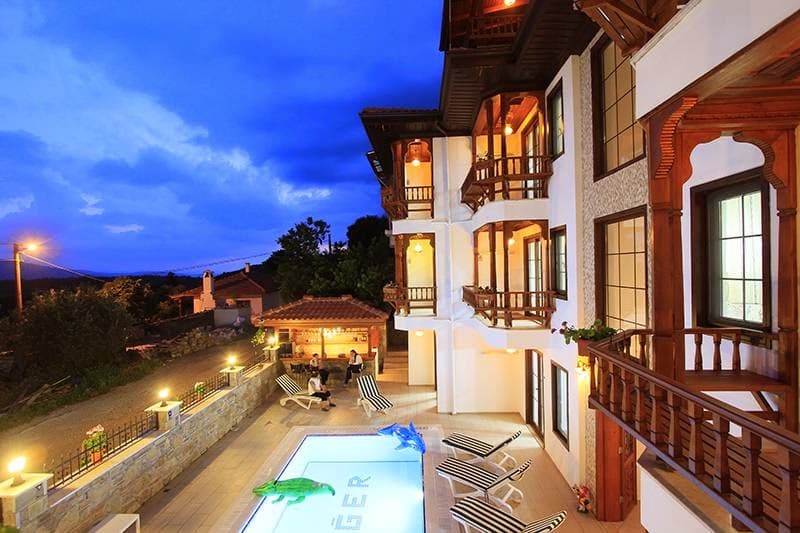
Akyaka
Muğla, Türkiye
A Cittaslow village at the eastern end of Gökova Bay
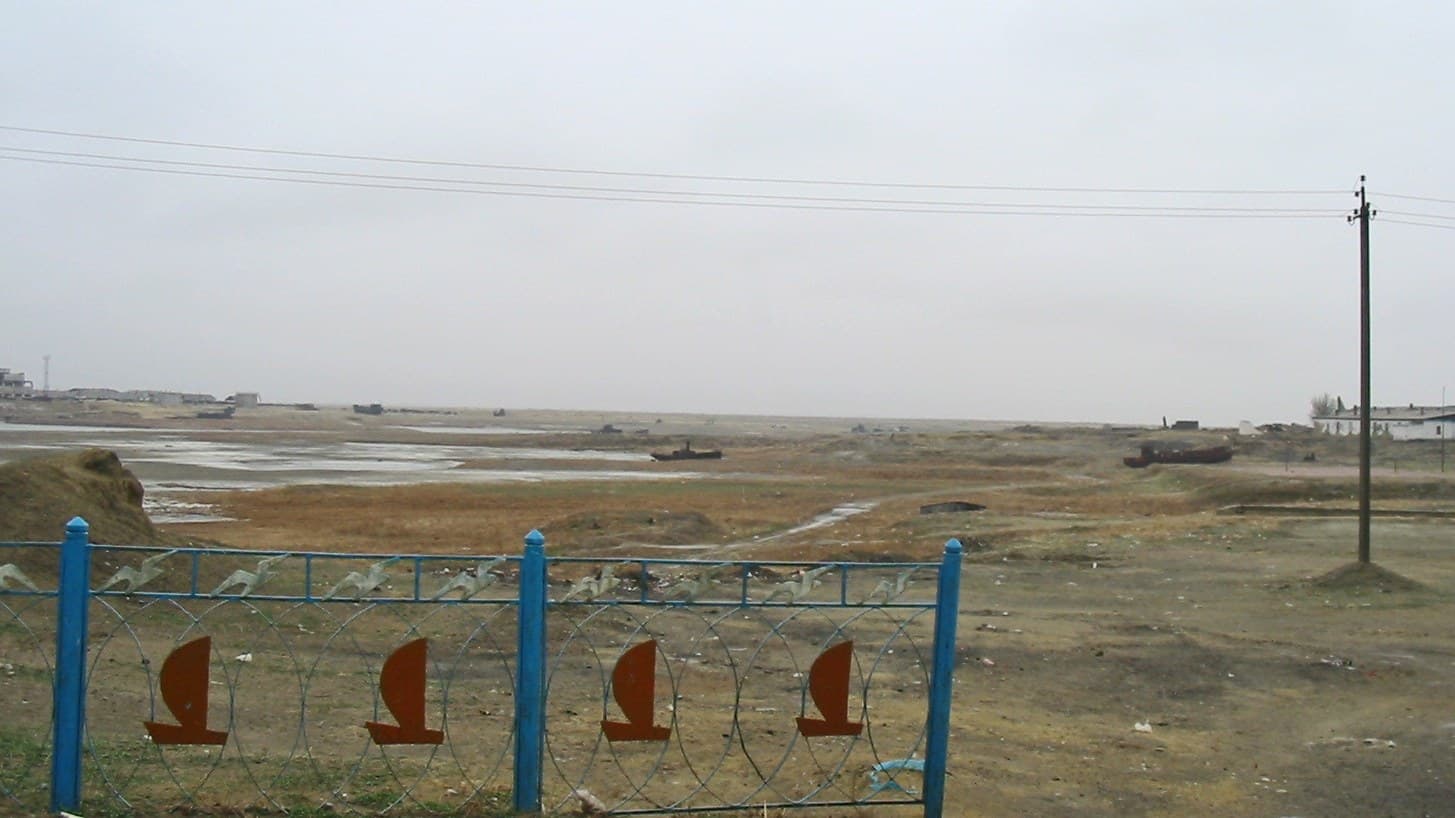
Aralsk Guide
Kyzylorda, Kazakhstan
Former Aral Sea port in Kyzylorda Region, now a rail stop on dry ground
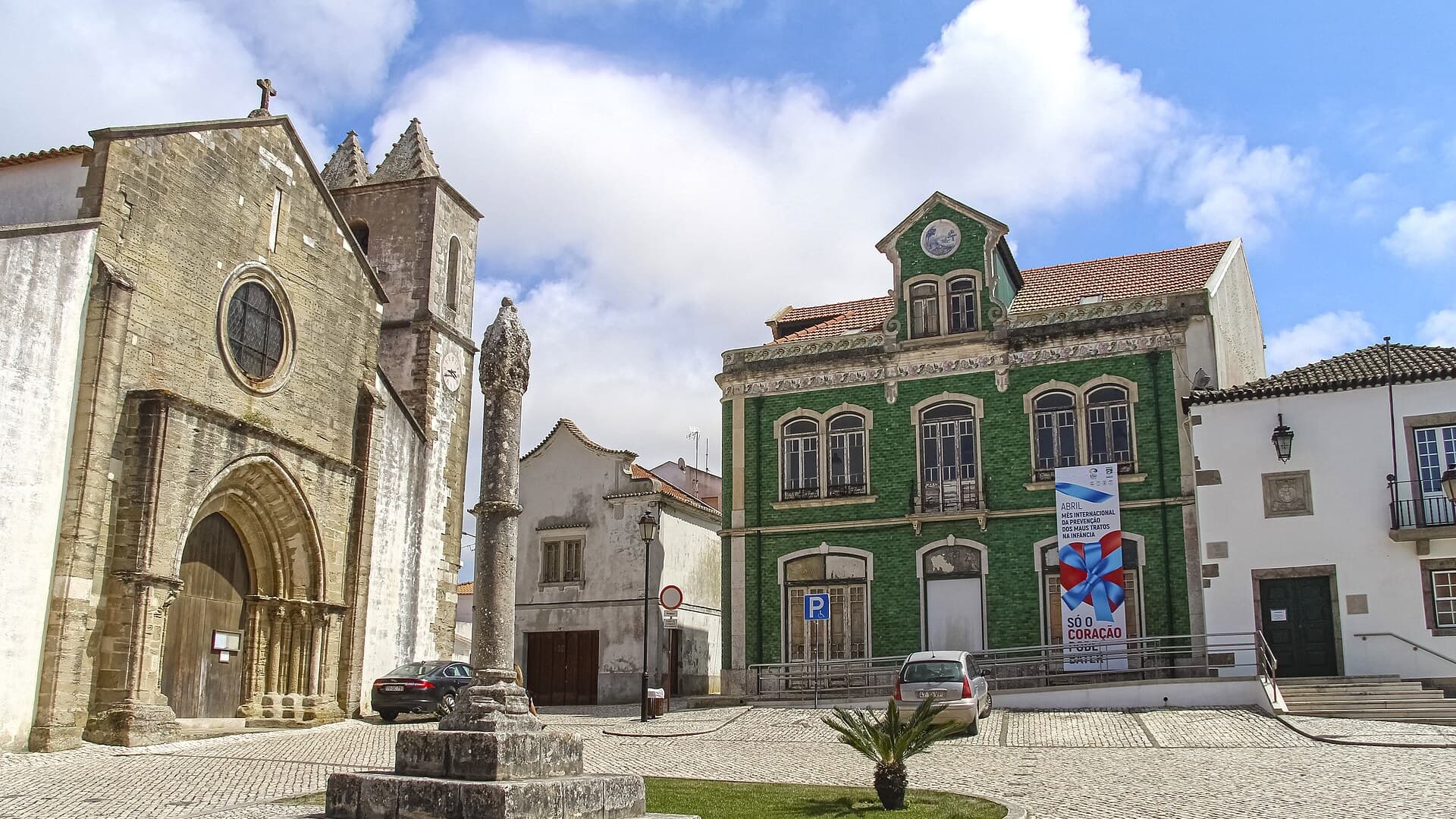
Atouguia da Baleia
Leiria, Portugal
Older Peniche parish: church, castle scraps, Consolação on the sand

Save these places to your list
Copy the spots you picked into your list — maps and notes included.