
Serifos Guide
Iron mountains, a white hilltop town and bays you walk to
11 selected
Serifos Guide · 11 spots · South Aegean, Greece
·Last updated:
·Curated by Shlau
Explore by category
Browse hotels, restaurants, and more in this guide
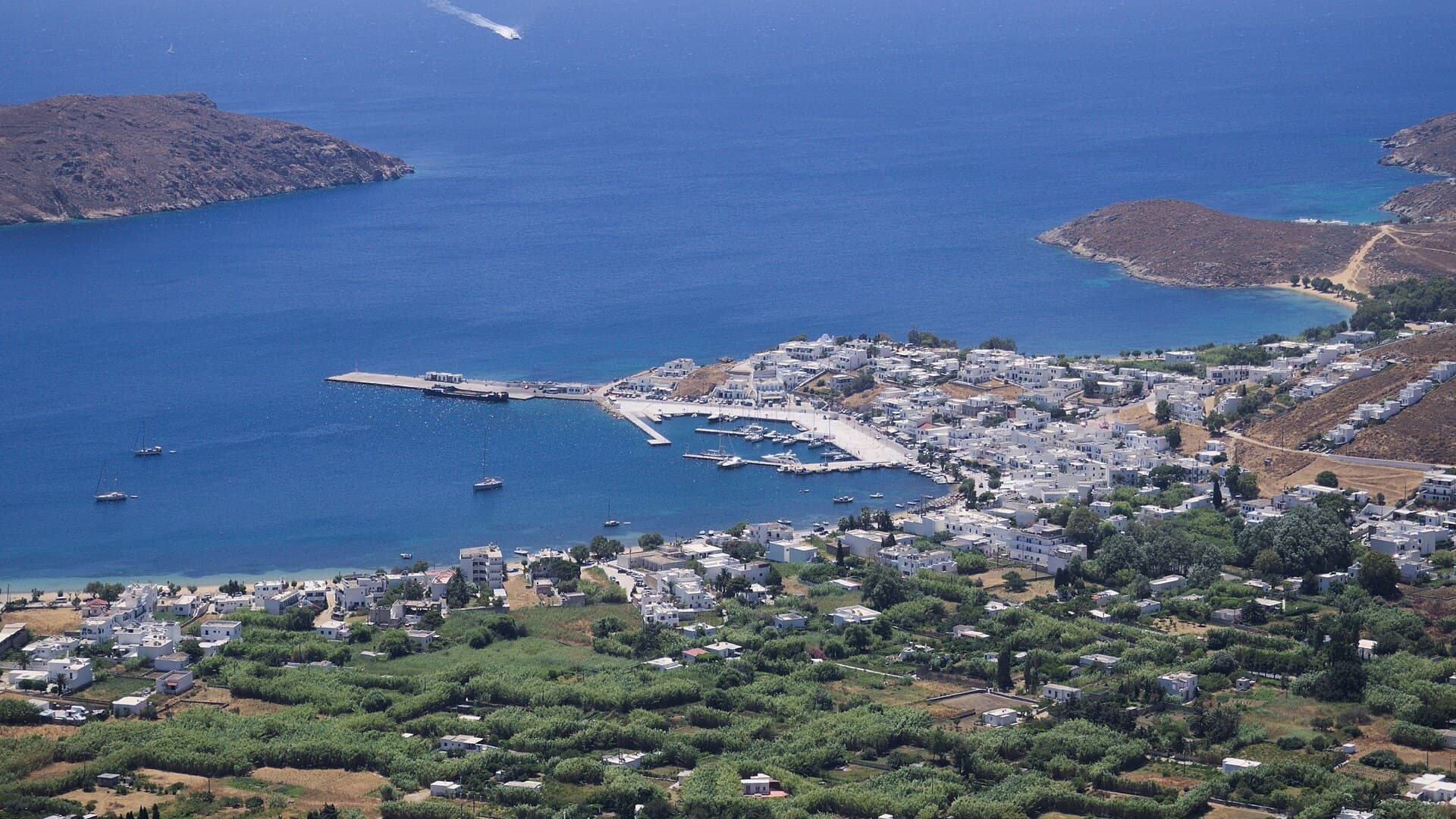
Serifos, an island in the South Aegean region of Greece, greets you with brown, iron-streaked mountains and bays so blue they look painted on. This is the raw Cycladic island, with a landscape built from iron and granite rather than soft green hills. Ferries dock at a long stone jetty in Livadi, where yacht crews mingle with locals and fishing boats bob at the harbor dock. You feel the island's Cycladic atmosphere the moment you step off the boat.
Above the port, Serifos Chora cascades down a rocky mountain like a whitewashed waterfall frozen mid-flow. Built amphitheatrically on its hill, it is one of the most elegant towns in the Cyclades, and its narrow, maze-like alleys lead you past small squares, blue-domed churches and viewpoints that stop you mid-step. Chora sits about a mile above Livadi, close enough to reach on foot if you have the legs for the climb. Livadi holds most of the island's beds and services, and together with Chora it makes up the only inhabited part of Serifos — everywhere else feels wonderfully empty. That emptiness is exactly what makes the beaches so good.
Beaches and that unspoiled Chora are what pull most visitors to Serifos in the first place. Livadi has its own serviceable town beach, and Livadakia lies just across the base of the Poundi peninsula, an easy stroll away. For something quieter, walk the 40 minutes northeast from Livadi to Agios Sostis, where two beaches share a narrow spit; swim on the calmer south side rather than the more exposed north one. Skip the car here, since parking is scarce and the walk is half the fun. Psili Ammos, a crescent of sand tucked below the main road with a couple of tavernas nearby, has even been named by international media among Europe's top twenty beaches.
South of Livadi, three large bays shape the coastline: Kalo Ambeli, Koutalas and Livadi itself, laced together with smaller coves you can have almost to yourself. Koutalas keeps a shady, pebble-strewn beach and one old-time taverna that has barely changed in decades. Ganema, fringed with tamarisk trees, offers golden sand and a beach bar with loungers if you want a lazier afternoon. Vagia's horseshoe of golden sand is often called the island's most beautiful beach, though facilities there are minimal, so bring your own water and shade. Across this stretch you will find rocky headlands, fine pebbles and the kind of deep-blue water that makes you want to stay until sunset.
The north coast asks for more patience but rewards it with a proper day trip. Partly paved roads run down from the village of Panagia to Sykamia and Platys Gialos, two beaches with very different personalities. Platys Gialos is the easier of the two to reach, with a parking area and a taverna close by for a late lunch. Sykamia takes more work, down a steep, winding road through terraced hillsides, but a good taverna set back from its grey-brown sand makes the detour worthwhile.
Serifos rewards anyone willing to look below the surface, too. Countless small coves along the coast are made for snorkeling, and a local scuba operator runs dives to around a dozen sites, including wrecks, plus day-long snorkeling trips through July and August. The same operator rents boats and arranges fly-board sessions if you want to try something new. Further out, boat trips reach the islets of Vous, just 2 km east, Serifopoula, 8 km northeast, and Piperi, 10.5 km north, while the caves and cliffs of the southern coast serve as a quiet habitat for Mediterranean monk seals.
Back on land, Serifos has a reputation as a genuinely good walking island, small enough to cross on foot and threaded with old footpaths that lead to half-forgotten hamlets. Trails climb to the summit of Troulos, the island's highest point, opening up panoramic views over Serifos and the surrounding Aegean. The lighthouse offers its own sweeping view of the sea, a good spot to catch your breath before heading back down. Once you have felt the shape of the island this way, the practical details of eating, moving around and settling in are easy to pick up as you go.
From Perseus to the 1916 miners' strike: Serifos through time
Serifos wears its past openly, from the rocks tied to the myth of Danaë and a Venetian castle above Chora to rusting ore tracks left by centuries of mining. Myth says Perseus turned King Polydeuktes to stone here to save his mother Danaë, said to have landed on the island in an ark. Serifos was a significant city-state that refused Xerxes I, and Rome later exiled citizens here. By 1207 Serifos became part of the Venetian state; the 15th-century kastro above Chora stands beside the Church of Agios Konstantinos, with views to distant Sifnos. In Panagia, the Church of the Koimisis, or Xilos Panagia, is a well-preserved 10th-century church. Outside Galani, the fortified Monastery of the Taxiarchs, built in 1572 against pirate raids, has an entrance four meters up, 18th-century frescoes and a tiny cemetery. Mining shaped Serifos long before tourism: copper was worked since Minoan times, and a late-19th-century iron ore boom briefly enriched it. Straight roads still carry rail-like ore-cart tracks, with rusting tracks and cranes scattered across the landscape. At Megalo Livadi and Koutalas, the old loading ramps and miners' housing are now a protected monument, and Megalo Livadi's beach carries a muddy, rocky trace of that past. That industry peaked in summer 1916, when 460 miners on Serifos struck against the mining company. A 30-man gendarmerie from Kea fired on workers at the Megalo Livadi dock, and the clash on 21 August 1916 left four dead and more than 30 injured. The company stopped in 1951, mines closed for good in 1965, and Serifos turned to tourism and small farming. Visit the Folk Museum in Kato Chora, founded in 1976, for ceramics, tools and textiles from residents, and the Archaeological Museum nearby for Hellenistic and Roman finds, including headless statues; both open Tuesday through Sunday. Near Megalo Livadi beach, a short walk off the main road leads to the Hellenistic White Tower, raised c. 300 BC.
Goat's cheese risotto, sea-edge mussels and Serifos' sherry-like wine
Eating on Serifos means simple shoreline tavernas in Livadi, a handful of cafés up in Chora, and menus that shift with each season. Most Livadi restaurants sit right along the shore and stay generally inexpensive, though fresh seafood can run surprisingly high, so ask the price before you order. Chora keeps things quieter, with a few cafés and a taverna or two tucked into its lanes. Hotels and family-run tavernas open through summer for the kind of unhurried lunches and dinners that make an afternoon disappear. For a proper dinner, Metalleio, just behind the waterfront, runs a short menu built around local products, including a goat's cheese risotto, and serves from 19:30 until midnight. Kalis, right at the water's edge, does mussels saganaki in a rich broth with feta and scampi over orzo. Aloni ranks among the island's best upmarket restaurants, plating roasted meat, rabbit in lemon sauce and fennel pie alongside splendid panoramas. Serifos also has its own wine tradition: some tavernas and shops sell a local wine with a distinctive, sherry-like character, worth tracking down for a bottle to take home. Up in the hills above Platys Gialos, Chrysoloras Winery pours tastings of organic white wines, a good stop to fold into a north-coast day out. What lands on your plate depends on the month: spring brings artichokes onto menus, summer fills them with watermelon, cherries and peaches, and by autumn it is nuts, figs, grapes and wild horta. Down in lower Chora, two grocery stores and a bakery let you stock up for a picnic before heading to a beach with no facilities of its own.
No airport, just the sea: reaching Serifos by ferry from Piraeus
Serifos has no airport, so every trip here ends the same way: on a ferry from Piraeus pulling into the harbor of Livadi. The crossing covers about 170 km from the Athenian port, and Livadi is the island's main harbor, handling most of the arrivals and departures. Several boat types make the run: fast hydrofoils and catamarans, plus slower conventional ferries, all on the Piraeus–Sifnos–Milos line that calls at Serifos along the way. The fast boats cover the distance in about two to two and a half hours, while the larger ferries take closer to four and a half to five hours. Fares run from €37 to €65 and sail daily through summer. Choose the fast boat if you get seasick easily, or the slow ferry if you would rather sit out on deck and pay a little less. Serifos also works well as a stepping stone between islands: it sits 14 km from Sifnos and 40 km from Milos, both reachable directly by ferry. In summer, boats run daily or almost daily from Livadi back to Piraeus and onward to Milos, so you can chain a longer Cyclades trip without much planning. Once you land, walk into Livadi and find one of the two travel agents there selling tickets to other Cyclades islands; booking your onward journey on arrival day saves you a scramble later.
Buses, rental scooters and car-free paths between Livadi and Chora
Getting around Serifos is easy once you base yourself in Livadi, since a frequent bus climbs to Chora and old footpaths link the two. A minibus usually waits at Livadakia beach to meet the ferries, and if you are staying in Livadi you generally will not need a car or motorbike for a short visit. You can walk to the beach and to the bus stop for Chora without much effort. The Livadi–Chora bus runs reliably and often, while buses to the rest of the island come less frequently. A circular route links Panagia, Galani, Kendarhos and Agios Ioannis Beach, running up to six times a day in high season, and a couple of daily buses also reach Megalo Livadi and Koutalas. For more freedom, rent a bike, car, scooter or quad in Livadi, including through Blue Bird; the island has no regular summer beach-boat service, so your own wheels matter for reaching the far-flung beaches. Drive the main road loop clockwise so you arrive in the north in the evening, in time for sunset. On foot, route 1A is a scenic 2.5 km car-free path winding down through Chora to Livadi, and a 5 km loop trail connects the two towns, with a 4.5 km path running from Chora to the tiny village of Kendarhos, also called Kallitsos. Walking from Chora to the Taxiarchs monastery takes about two hours over 3 km along the windy main road. Take the bus up to Chora and walk route 1A back down to Livadi for the easiest combination.
Euros, card payments and wifi in Chora: what to budget on Serifos
Serifos runs on the euro, and cards and wifi work easily in Chora, though you still want some cash for its quieter corners. ATMs are available in Chora for cash withdrawals, and restaurants, shops and hotels there widely accept credit cards, so you rarely need to carry large amounts. Withdraw what you need while you are in Chora before heading out to the more remote beaches and villages, since sources confirm cash machines there but not elsewhere on the island. Serifos still costs noticeably less than Mykonos or Santorini, though prices on the island have climbed sharply in recent years. In high season, a hostel dorm bed starts from €50, while a basic room for two runs from €110, prices worth comparing before you commit to a longer stay. Book early if you are traveling in July or August, when the best-value rooms disappear first. Wifi reaches most hotels and some restaurants in Chora, which covers the basics for checking ferry times, messaging home or sharing the day's photos. A few apartment stays list their own internet access too, among them Galazio Sea Side Apartments with wireless internet for guests. Download offline maps and save your ferry schedule before you head into the hills or out to the southern bays, since you should not count on a signal everywhere you go.
When to go to Serifos, what to pack and how to swim safely
The best time for Serifos is late spring or early autumn, when the weather turns mild, the trails stay pleasant and the beaches empty out. Summer still has its place, with warm, sunny days built for long stretches on the sand. How many days do you need on Serifos? Plan on a minimum of three to four days to see the beaches, Chora and the mining history properly. When is the island busiest, and are there festivals? From mid-July to the end of August the beaches get too crowded for nudism, and August itself is festival season, with live music and folklore events. On 15 August thousands of pilgrims also visit churches around the island for the Dormition of the Virgin Mary. Is Serifos open outside summer? Not really: the island largely shuts down between October and May, and some ferry services pause for the winter. What should you pack for hiking? Bring comfortable walking shoes for the rugged, largely shadeless terrain, along with plenty of water and a hat, and avoid setting out during the hottest hours of the day. Starting early in the morning makes the climbs far more comfortable. Is it safe to swim everywhere? Not quite: the sea at Sykamia and Platys Gialos on the north coast turns rough enough to make swimming dangerous, so head to the calmer south-facing beaches instead. Where should you stay, and what are the evenings like? The quietest hotels with the best views sit on the Poundi hillside between the ferry quay and the town, while Livadakia offers a campsite with a pool as the island's main accommodation hub. Nightlife stays low-key, limited to restaurants and a handful of Livadi sea-front bars that turn on music and dancing in season.
FAQ
What is covered in the Serifos guide?
Discover Serifos, a raw Cycladic island of iron-red mountains, cliff-top Chora and quiet bays reached by ferry from Piraeus — plan a slower island escape. It includes 11 recommendations across 10 hotels, 1 gallery.
Next →How many places are in the Serifos guide?
The Serifos guide lists 11 places: 10 hotels, 1 gallery.
Next →Where is Serifos?
Serifos is in South Aegean, Greece (37.1594, 24.4735).
Next →How do you get to Serifos?
Serifos has no airport, so every trip here ends the same way: on a ferry from Piraeus pulling into the harbor of Livadi. The crossing covers about 170 km from the Athenian port, and Livadi is the island's main harbor, handling most of the arrivals and departures. Several boat types make the run: fast hydrofoils and…
Next →What should you eat in Serifos?
Eating on Serifos means simple shoreline tavernas in Livadi, a handful of cafés up in Chora, and menus that shift with each season. Most Livadi restaurants sit right along the shore and stay generally inexpensive, though fresh seafood can run surprisingly high, so ask the price before you order. Chora keeps things q…
Next →Is there camping in Serifos?
No camping listings in this pack yet — we do not invent venues. Entries will appear once verified.
Next →Can you rent a bike in Serifos?
No bike rental listings in this pack yet. Verified shops will be added when available.
Next →What are recommended hotels in Serifos?
Highlighted hotels in the Serifos guide: Serifos Houses Diasella; Deep Blue Villas; Serifos Palace.
Next →Highlighted places
- Chora, Serifos — Hill town above Livadi bay, western Cyclades.
- Serifos Houses Diasella — The hotel offers amenities such as wireless internet access and a garden for guests to enjoy. Additionally, there is free parking available for those arriving by car. The…
- Deep Blue Villas — The hotel features air-conditioned rooms equipped with a kitchenette, refrigerator, and a safe to meet guests' needs. Additional services include laundry service, car hire, and wireless internet access.…
- Serifos Palace — The hotel features air-conditioned rooms, a restaurant, laundry service, and wireless internet access. Guests can relax in the garden or utilize the garage and outdoor parking facilities. The…
- Galazio Sea Side Apartments — Galazio Sea Side Apartments provides services with English-speaking staff to assist guests. There is a safe on-site for securely storing valuables. Wireless internet access in public areas allows…
Explore on the map
Tap a pin to highlight its place card
All
1 spots
Recommended places
Hotels
10 · 10 selected · View all Hotels
Serifos Houses Diasella
A no-frills hotel option for travelers staying on Serifos.
Deep Blue Villas
This property offers comfortable accommodation in Serifos with facilities suited to guests with disabilities.
Serifos Palace
A beachfront hotel with air-conditioned rooms and a range of amenities.
Galazio Sea Side Apartments
These apartments offer a garden and wireless internet for a relaxed stay on Serifos.
Pénde Natura Residences
An adults-only property in Serifos where guests can relax in the garden and enjoy the outdoors.
Maroussa's Apartments
These apartments offer free parking, internet access and a garden, handy if you're driving.
Serifos Blue
A hotel on Serifos that welcomes guests for a comfortable stay.
Avlomonas Beach
An adults-only hotel on Serifos with sun loungers and parasols right on the beach.
Almiriki Serifos
An air-conditioned hotel offering comfortable rooms on Serifos.
Windhouses
An adults-only hotel offering a comfortable holiday experience on Serifos.
Gallery
1 · 1 selected
Chora, Serifos
gallery
Related guides
Browse nearby destinations
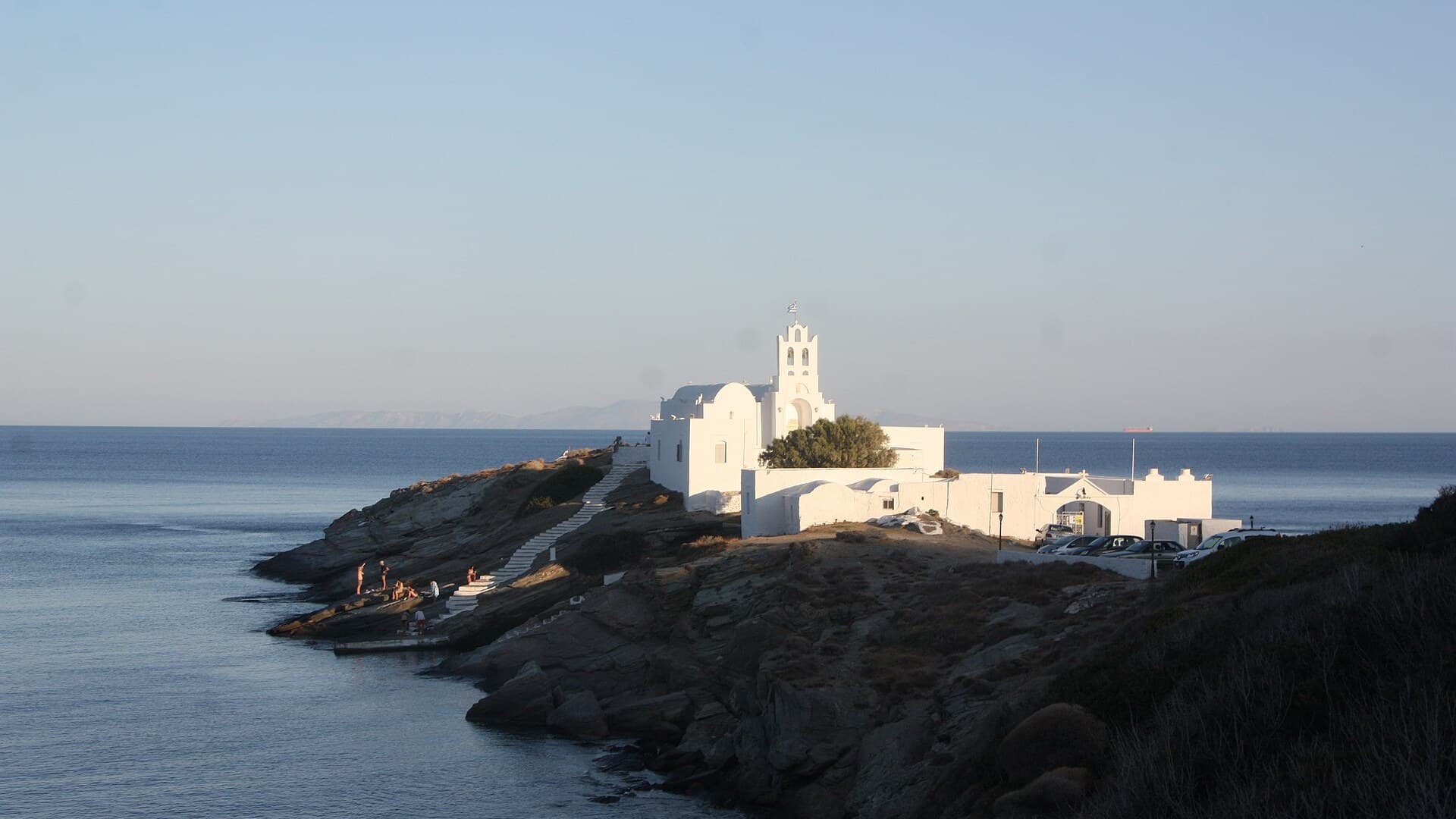
Sifnos Guide
South Aegean, Greece
Whitewashed villages, quiet coves and a cliff-top old capital

Litochoro Guide
Central Macedonia, Greece
The friendly doorway to Mount Olympus
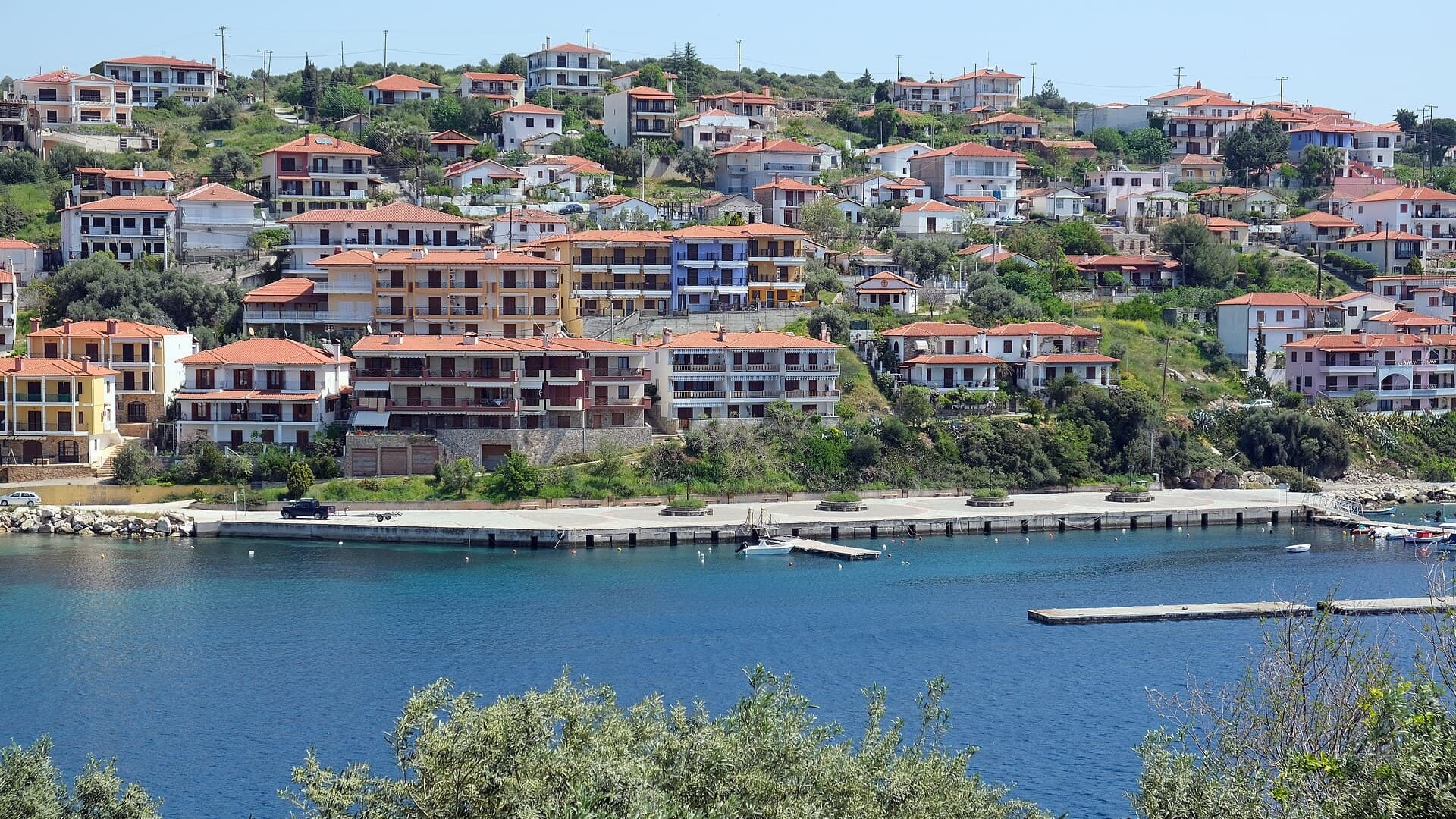
Pyrgadikia Guide
Central Macedonia, Greece
Pyrgadikia – a charming hilltop fishing town on the Singitic Gulf, offering scenic views of Mount Athos and authentic local cuisine.
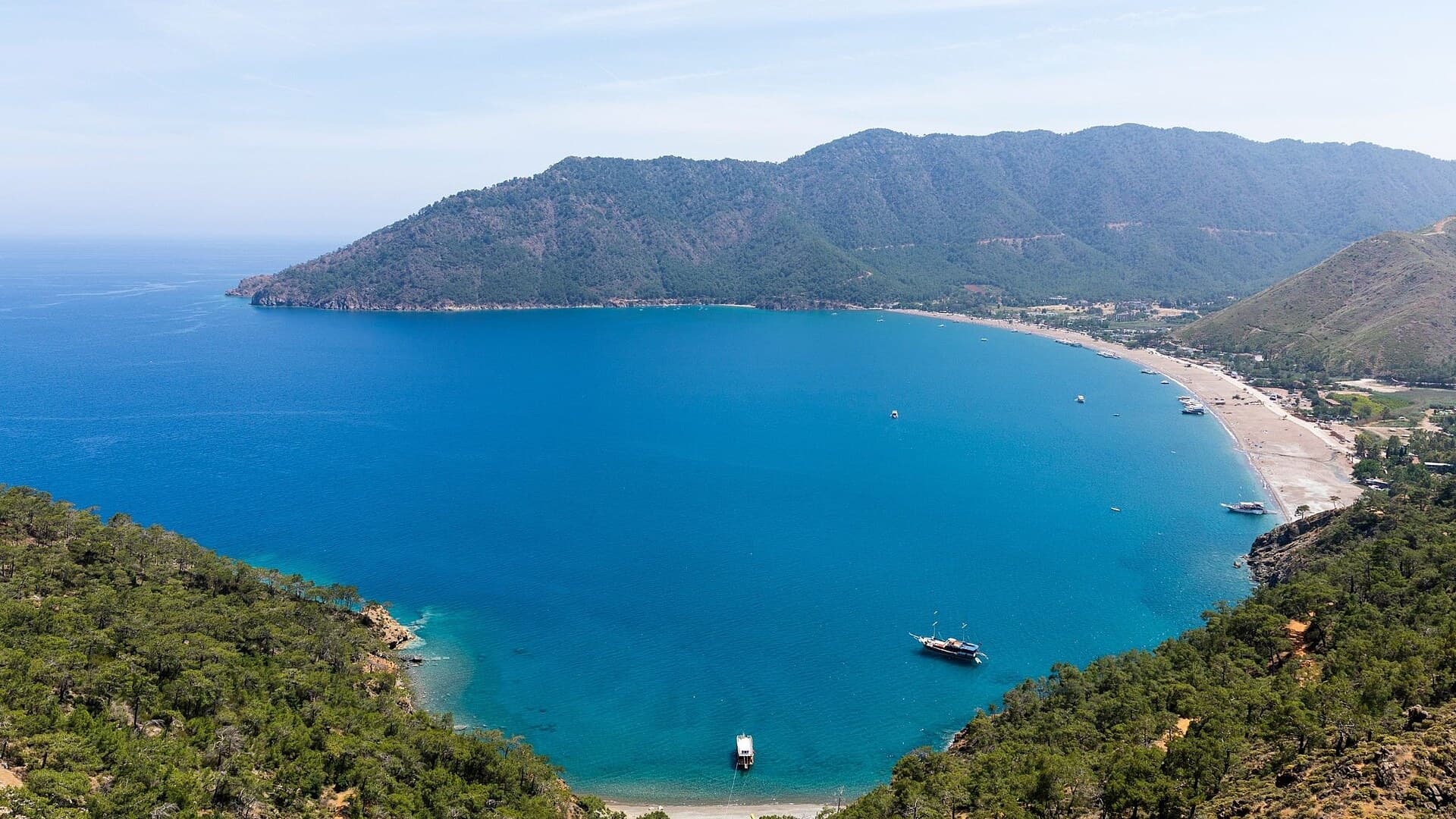
Adrasan
Antalya, TR
A pine-backed bay where the days move slowly
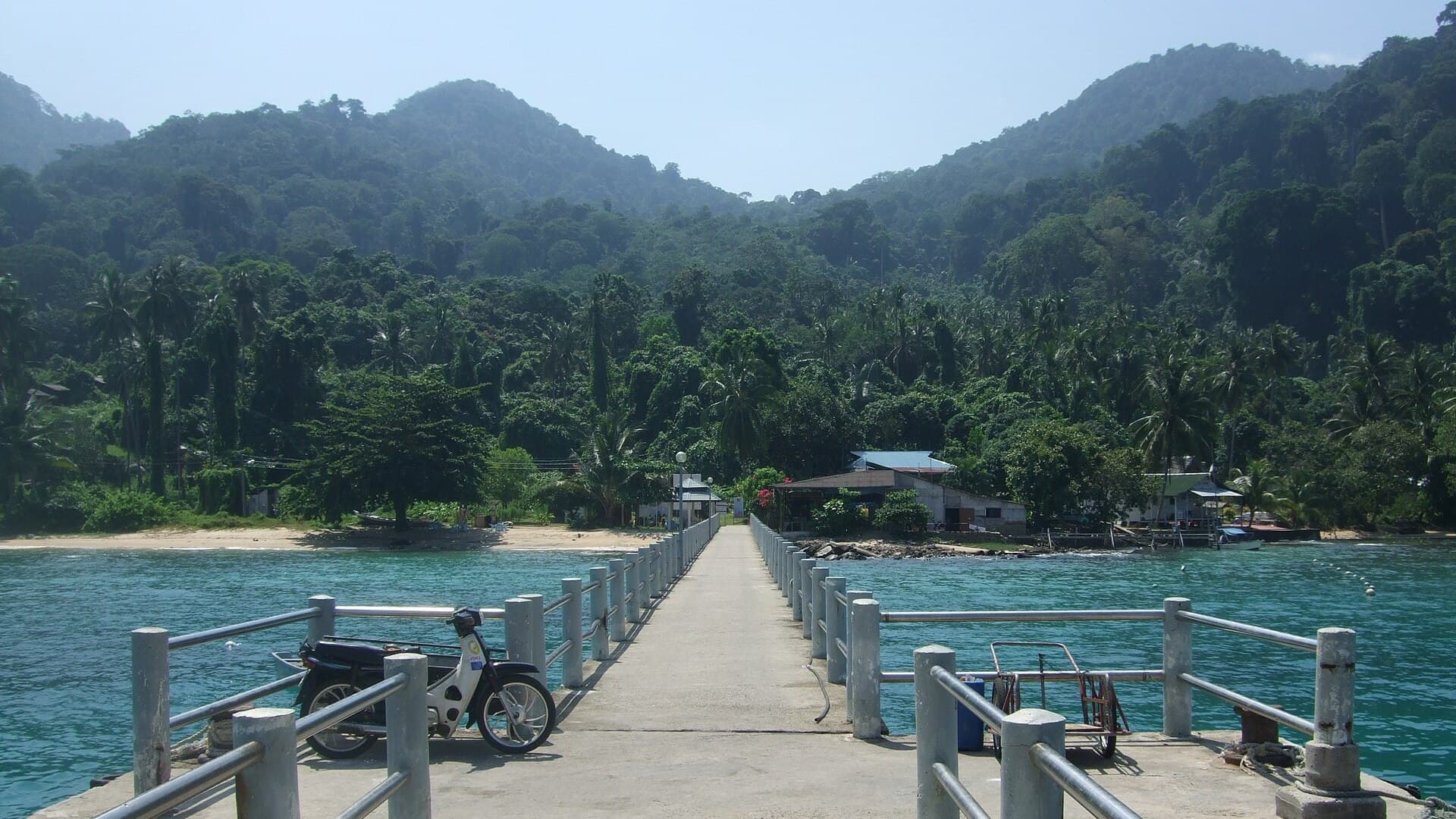
Air Batang
Pahang, Malaysia
A tranquil west‑coast village on Tioman Island, perfect for snorkeling, diving, and short beach stays.
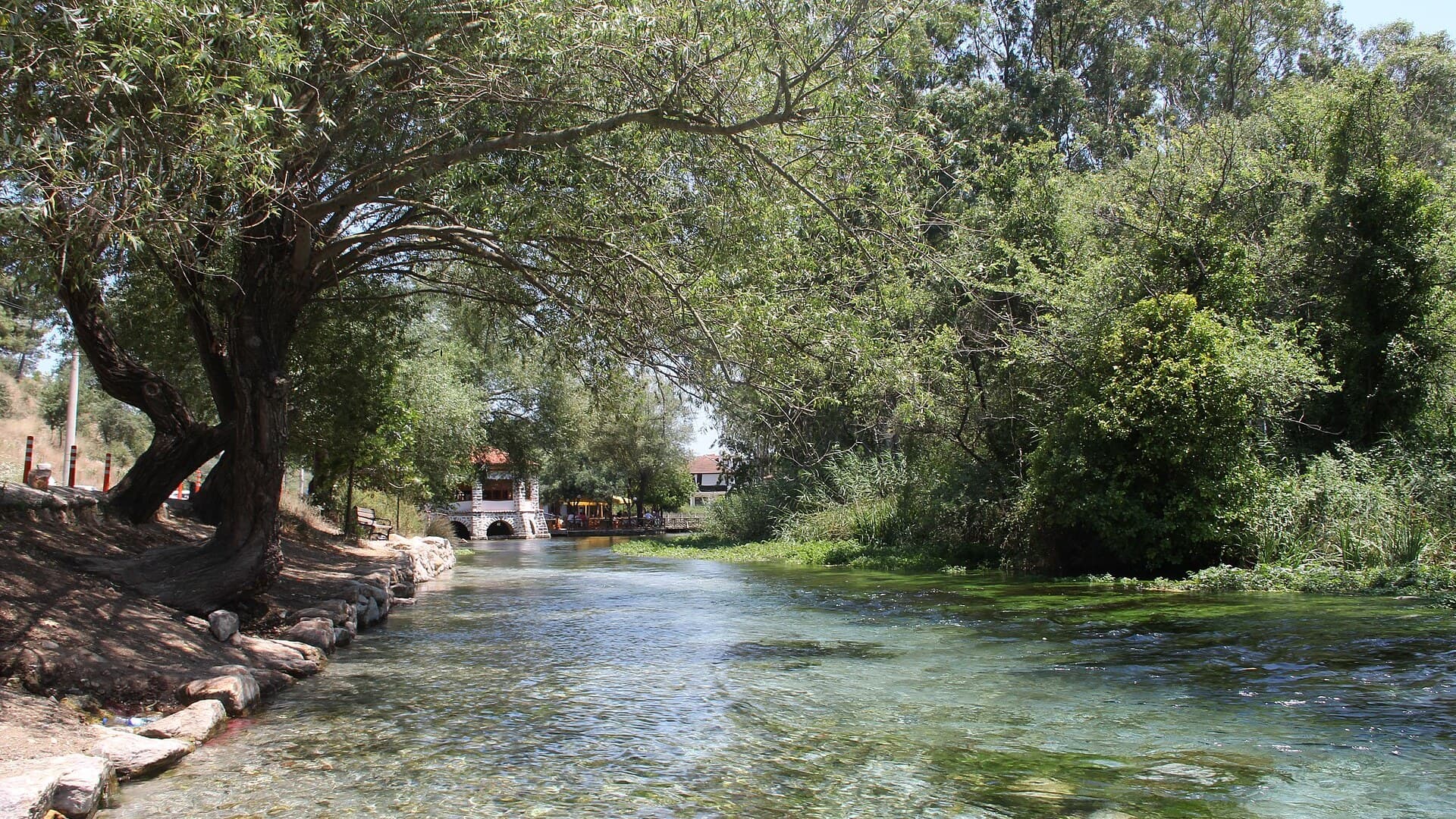
Akyaka
Muğla, Türkiye
A quiet riverside gem where boat rides, river swims and relaxed cafés make a perfect day or overnight stay.

Save these places to your list
Copy the spots you picked into your list — maps and notes included.