
Litochoro Guide
The friendly doorway to Mount Olympus
1 selected

Litochoro sits in Central Macedonia, Greece, right where the plain meets the eastern foothills of Mount Olympus. It is a small town with a clear layout, and you can walk from one end to the other without a map. Most people come for the mountain, and the town is happy to be the doorway.
The streets feel traditional and a little sleepy. You will find tavernas, cafés and modest hotels that cater to hikers rather than big resorts. Walkers in boots share the pavements with locals running errands. Behind the houses the vegetation turns thick and green, and the National Park begins almost where the road ends.
Hiking is the heart of everything here. The E4 trail enters the Enipeas Gorge from Myloi, only about 400 m outside Litochoro, and the classic crossing toward Prionia covers 12 km. Almost all Olympus climbing routes start southwest of town, so climbers and trekkers from around the world pass through. You will hear many languages in the cafés in the evening.
You do not have to climb to enjoy the place. A small, well-kept park lies just south of the centre, and a gorge north of the centre has marked, paved paths leading to a spring. The Digital Historical Museum of the Revolution of Mt Olympus sits in the restored Gudelia mansion and works with touch screens, 3D animation and virtual reality. It makes a good rainy-day stop.
When you want salt water, the sea is close. The nearest beach is 5 km to the east in the coastal area called Pláka, and Gritsa lies a little further north-east with sandy stretches and the small port of Litochoro. The beach bars in Pláka mostly run from June to September, so plan your swim for those months.
Litochoro also hosts a 1.5 h olive oil tasting and olive grove tour, a gentle break from the trails, and it is one of the venues of the Olympus Festival. Stay one night for the town and a short gorge start, or two nights if you want the full crossing toward Prionia. Either way, you will see why hikers keep coming back.
From Sailors and Skoutia to the Olympus Revolution
The story of Litochoro reaches back to the 14th century, when sailors on the Thermaic side and textile workshops called skoutia shaped daily life at the foot of Mount Olympus. The first written mention comes from an account of Saint Dionysius visiting the mountain in the 16th century. From the second half of the 14th century the town belonged to the Ottoman Empire, and in summer 1913 it became part of Greece through the Treaty of Bucharest. Some of the oldest traces lie outside town. The archaeological area of Ancient Dion is around 10 km north of the centre. It was a sacred site where Macedonians worshipped the gods of Olympus, and both Philip II and his son Alexander the Great celebrated victories there. Leivithra, with its acropolis and park, is about 9 km to the south. Back in the centre, the Digital Historical Museum of the Revolution of Mt Olympus tells the story of the 1878 revolution, the 1912 torpedoing of the Turkish battleship Fetih Bülend and the 1913 first ascent of Mytikas by Frederic Boissonas. The monastery of Saint Dionysios, tied to those early visits, sits northwest of town. A local, Christos Kakkalos, also made the first modern unaided ascent of Olympus in 1913. Later chapters were louder. An attack on the police station on the night of 30 to 31 March 1946 is considered the start of the Greek Civil War, and in 1999 allied naval forces landed on Gritsa beach in front of live television cameras. My tip is to begin at the museum in the morning, then take a taxi out to Dion in the afternoon, so the dates make sense on site.
Tavernas, the Monday Market and Mountain Lunches
Eating in Litochoro means tavernas around the centre and along the beach strips, and after a day on the trails that is exactly what you want. The town has several restaurants and cafeterias, so you will not struggle to find a table. The kitchens lean on typical Macedonian cooking. Expect Greek farmer salad, souvlaki, moussaka and other traditional dishes on the menus. The tavernas are lively in the evenings and pour Greek wine and ouzo. Order a few plates to share and let the meal run long, because nobody here is in a hurry once the sun goes down. For fresh produce, plan around Monday. Every Monday a farmers' market south of the centre sells vegetables, fruit, fish, nuts, legumes, fabrics and everyday goods. Go in the morning and buy nuts and fruit for the trail, then walk back through the centre with your bag a little heavier. Hikers can keep lunch simple. Pack a mountain lunch with water and snacks for the Enipeas Gorge, and save a longer fish plate for the beach strip after the climb day. If you prefer something slower, the 1.5 h olive oil tasting and olive grove tour in Litochoro is a pleasant way to taste the local produce between hikes.
By Bus, Motorway or Train to the Foot of Olympus
Reaching Litochoro is straightforward, because the town lies 22 km south of Katerini and about 420 km west-north-west of Athens. The nearest airport is the international Thessaloniki Airport, and from there the road and bus links are good. Bus travel is the common and reliable way to arrive. Intercity KTEL buses connect Litochoro with Thessaloniki, Katerini and Athens. The ride from Thessaloniki usually takes around 1.5 h. Routes from Athens are longer and may involve a change in Katerini, where a line bus leaves from the central bus station straight to Litochoro. If you drive, the A1 motorway is your friend. It is a 6-lane dual carriageway that connects Litochoro to Thessaloniki, 90 km to the north, and the town is served by exits 70A and 71. Coming from Athens you will find Litochoro marked on the exit sign, which makes the last stretch simple. The train is possible but less convenient. A local service runs roughly every two hours in each direction between Litochoro and Thessaloniki, yet the railway stop sits by the sea several kilometres from the town. A taxi will take you in, or you can walk about 500 m to the nearest bus stop and catch the bus that runs hourly. My advice is to book the bus unless you are carrying heavy gear.
On Foot, by Taxi and Out to the Beaches
Moving around Litochoro is easy because everything in town can be reached on foot. The layout is clear and compact, and you rarely need more than a short walk to find a café, the museum or the start of a trail. The Digital Historical Museum is in the centre, so you can reach it on foot from almost anywhere. If you arrive by car, you will be pleased with the parking. There is ample free parking along the main street and at a marked spot near the northern edge by the church and the Olympus entrance to Prionia. Leave the car there and explore on foot. For the coast, local buses and taxis cover the hop to the beaches at Plaka and Gritsa, a few kilometres east. Taxis are readily available in town, and many drivers wait in the centre. The seaside settlement of Skala lies about 5 km away and offers a large choice of hotels and campsites, while a regular bus connects Litochoro with Katerini. A rental car helps if you want to reach Prionia without doing the full gorge ascent. The Information Centre of Olympus National Park sits about 1 km above the town on the road toward the summit region. An easier option for the gorge is to drive or take a taxi to Prionia and walk downhill to Litochoro, so your knees get the gentle direction.
Cash Machines, Mobile Signal and Internet Cafés
Money and connectivity are simple in Litochoro, because the town covers the basics well. You will find several banks where you can withdraw cash, which is useful before a hiking trip. Plan to take out what you need while you are in town. Day to day, expect everyday goods at moderate prices. The small supermarkets in the centre stock what you need for a picnic or a trail snack, and the Monday market adds fresh produce. The town is not built around luxury, so budgets stretch comfortably for hikers and families alike. Staying in touch is just as easy. Mobile phones have network coverage throughout Litochoro, so you can call, message and check a map without any trouble. That coverage is for the town, though, so do not assume the same signal once you head up into the gorge toward Prionia. If you want a proper connection for planning or working, internet access is available at internet cafés. They are handy for checking bus times to Katerini or Thessaloniki, printing a booking or simply writing a postcard home online. Use a café in the evening, after the hike, and you will have your next day planned over a cold drink.
Good to Know Before You Walk Up Olympus
A few practical points will make your visit to Litochoro smoother, from the right season to what to do if you feel unwell. The questions below are the ones hikers ask most often. When is the best time to hike the higher routes? Peak season for higher Olympus routes is May to October. Winter is much colder, with an average daily maximum of 5 °C in January and a minimum of -0.5 °C. Can I swim inside Olympus National Park? No, swimming inside the park is not allowed. Take your swim at the beaches in Pláka or Gritsa instead, where the beach bars mostly run from June to September. How warm does it get in summer? The average daily maximum reaches 23.8 °C in August, with a minimum of 17.5 °C. That makes the town pleasant for walking and the evenings mild. What kind of hotels can I expect? The hotels cater to hikers and offer clean, modest accommodation. There are no large all-inclusive resorts here. Where do I go if I need a doctor? A pharmacy and local doctors cover basic needs. For serious medical issues you are advised to travel to Katerini, 22 km north. Is there a free guide to the area? Yes, a free guide about the Olympus region covers 23 attractions, including the Archaeological Park and Museum of Dion.
FAQ
What is covered in the Litochoro guide?
Discover Litochoro, the gateway town at the foot of Mount Olympus in Central Macedonia: gorge hikes, lively tavernas and sandy beaches just 5 km away. It includes 1 recommendations across 1 gallery.
Next →How many places are in the Litochoro guide?
The Litochoro guide lists 1 places: 1 gallery.
Next →Where is Litochoro?
Litochoro is in Central Macedonia, Greece (40.1024, 22.5018).
Next →How do you get to Litochoro?
Reaching Litochoro is straightforward, because the town lies 22 km south of Katerini and about 420 km west-north-west of Athens. The nearest airport is the international Thessaloniki Airport, and from there the road and bus links are good. Bus travel is the common and reliable way to arrive. Intercity KTEL buses co…
Next →What should you eat in Litochoro?
Eating in Litochoro means tavernas around the centre and along the beach strips, and after a day on the trails that is exactly what you want. The town has several restaurants and cafeterias, so you will not struggle to find a table. The kitchens lean on typical Macedonian cooking. Expect Greek farmer salad, souvlak…
Next →Is there camping in Litochoro?
No camping listings in this pack yet — we do not invent venues. Entries will appear once verified.
Next →Can you rent a bike in Litochoro?
No bike rental listings in this pack yet. Verified shops will be added when available.
Next →What are recommended gallery in Litochoro?
Highlighted gallery in the Litochoro guide: Mount Olympus above Litochoro.
Next →Highlighted places
- Mount Olympus above Litochoro — Litochoro, Pieria, Greece.
Explore on the map
Tap a pin to highlight its place card
All
1 spots
Recommended places
Gallery
1 · 1 selected
Mount Olympus above Litochoro
gallery
Related guides
Browse nearby destinations
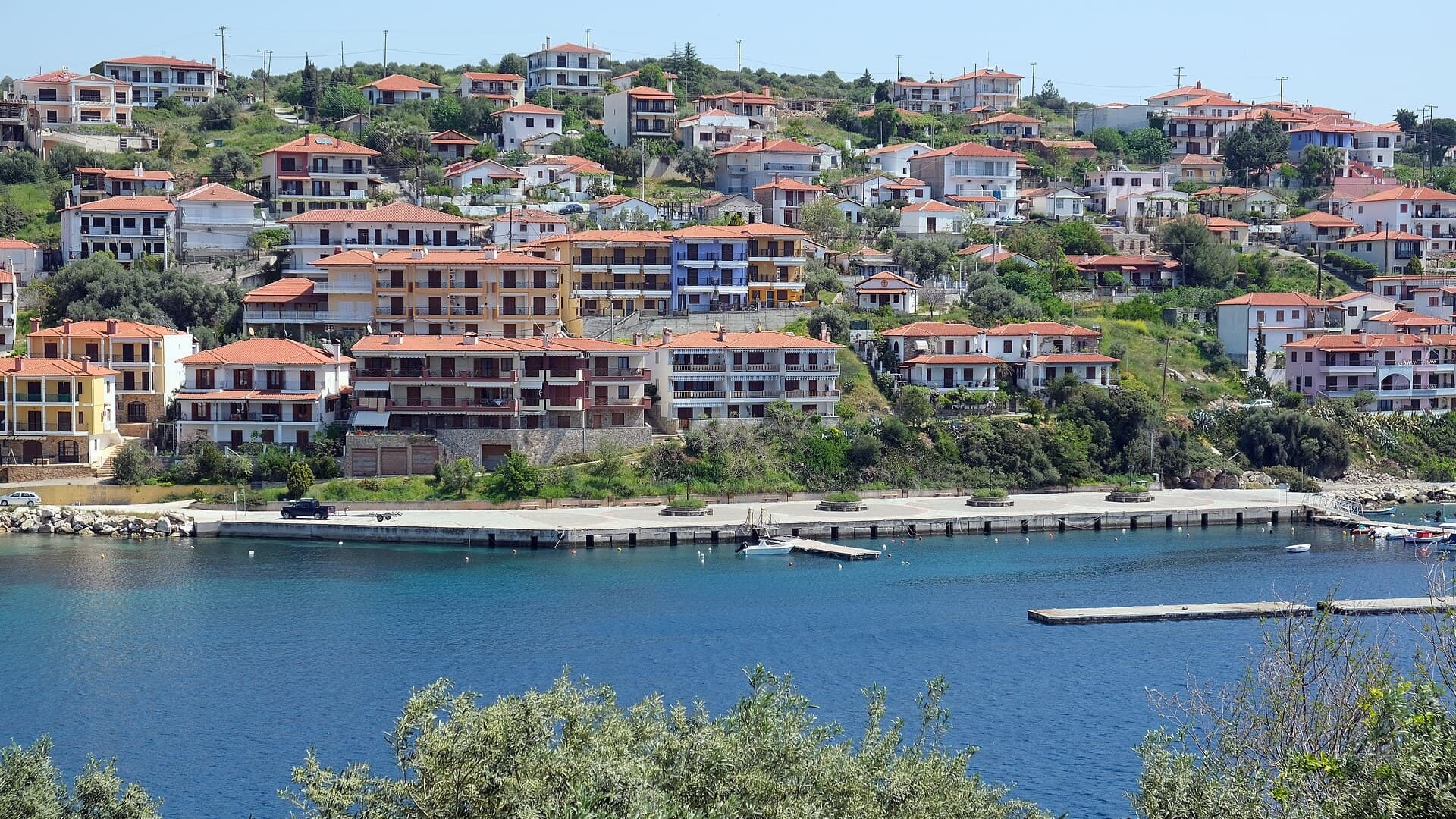
Pyrgadikia Guide
Central Macedonia, Greece
Pyrgadikia – a charming hilltop fishing town on the Singitic Gulf, offering scenic views of Mount Athos and authentic local cuisine.
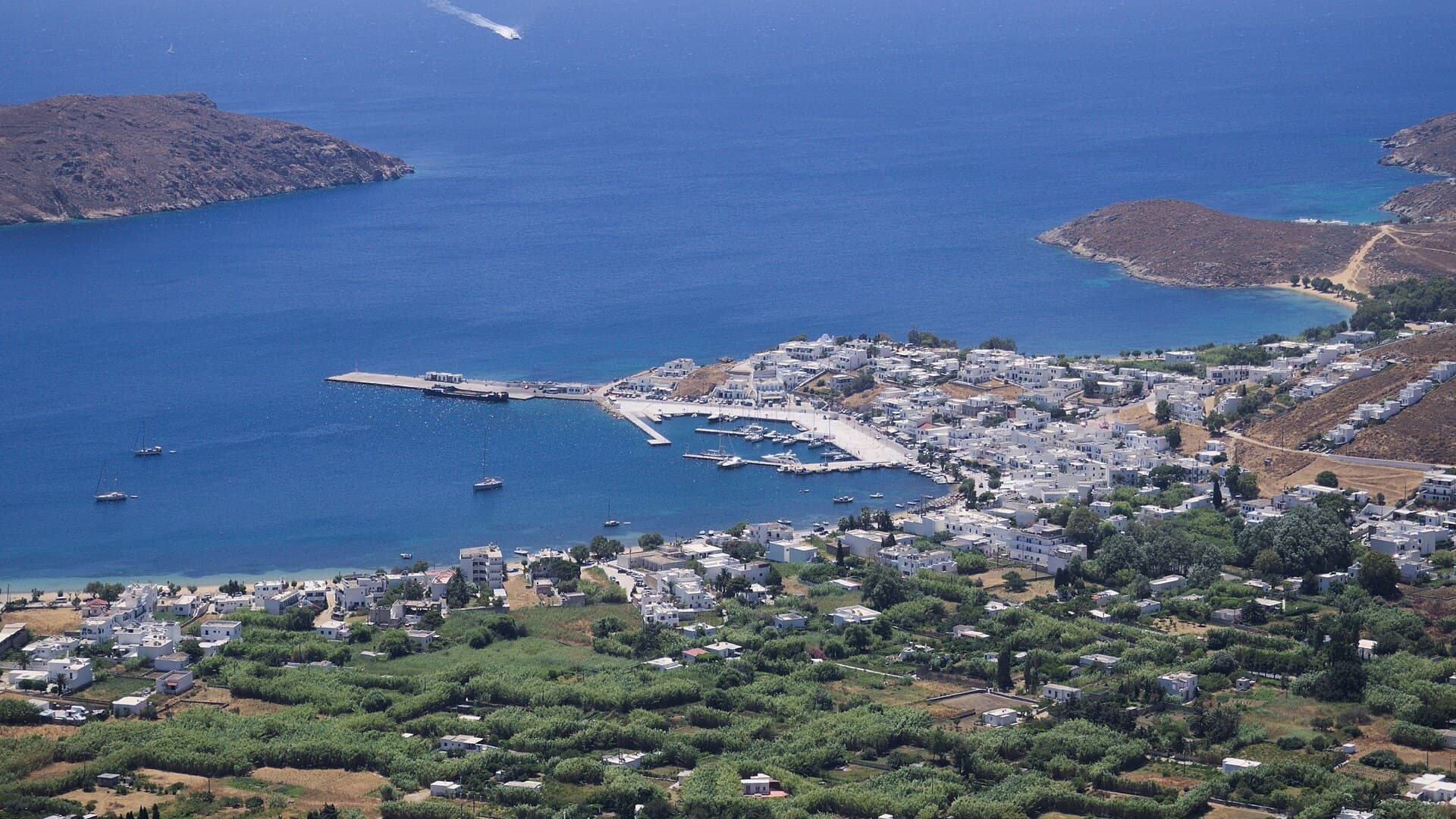
Serifos Guide
South Aegean, Greece
Iron mountains, a white hilltop town and bays you walk to
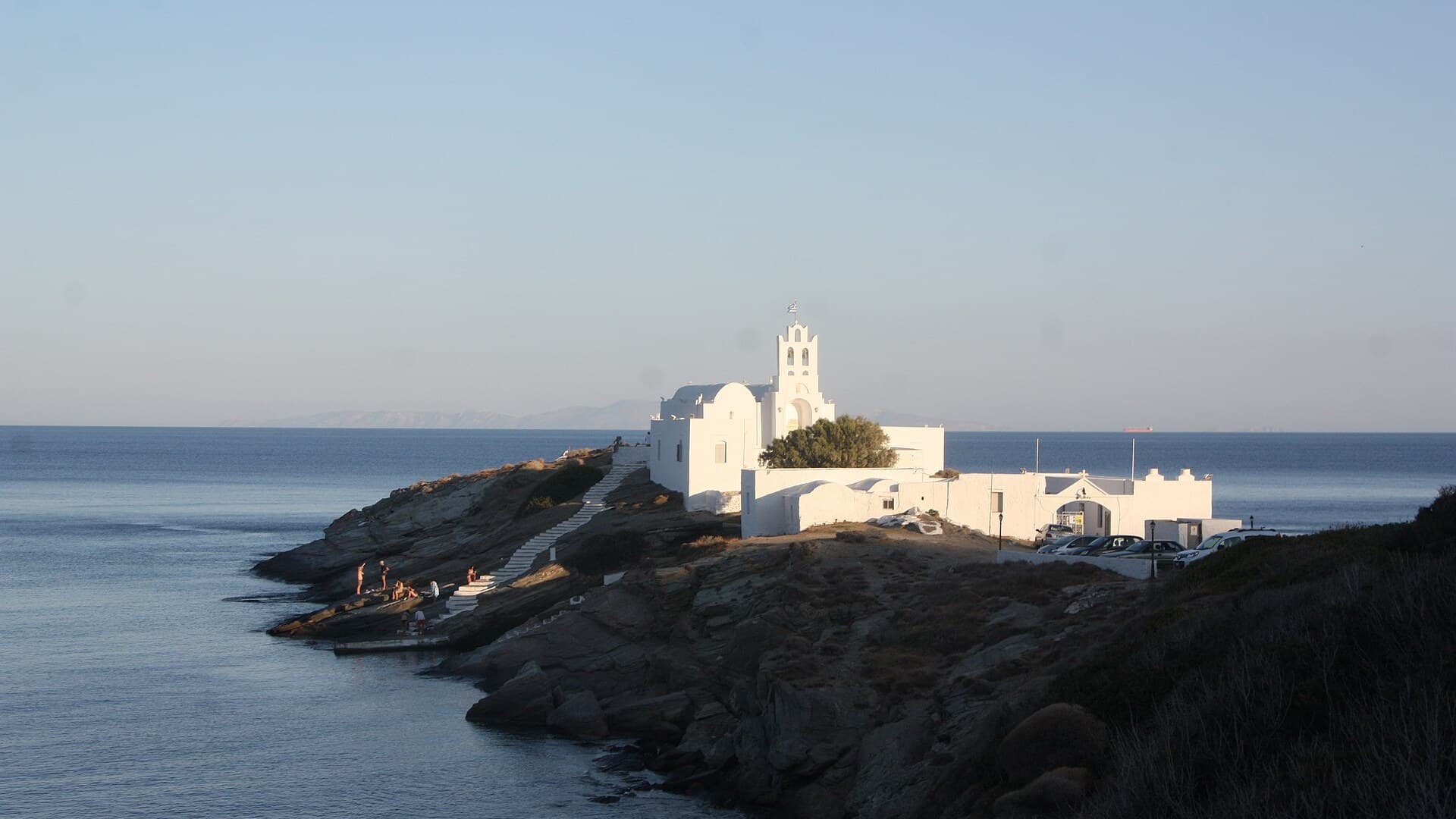
Sifnos Guide
South Aegean, Greece
Whitewashed villages, quiet coves and a cliff-top old capital
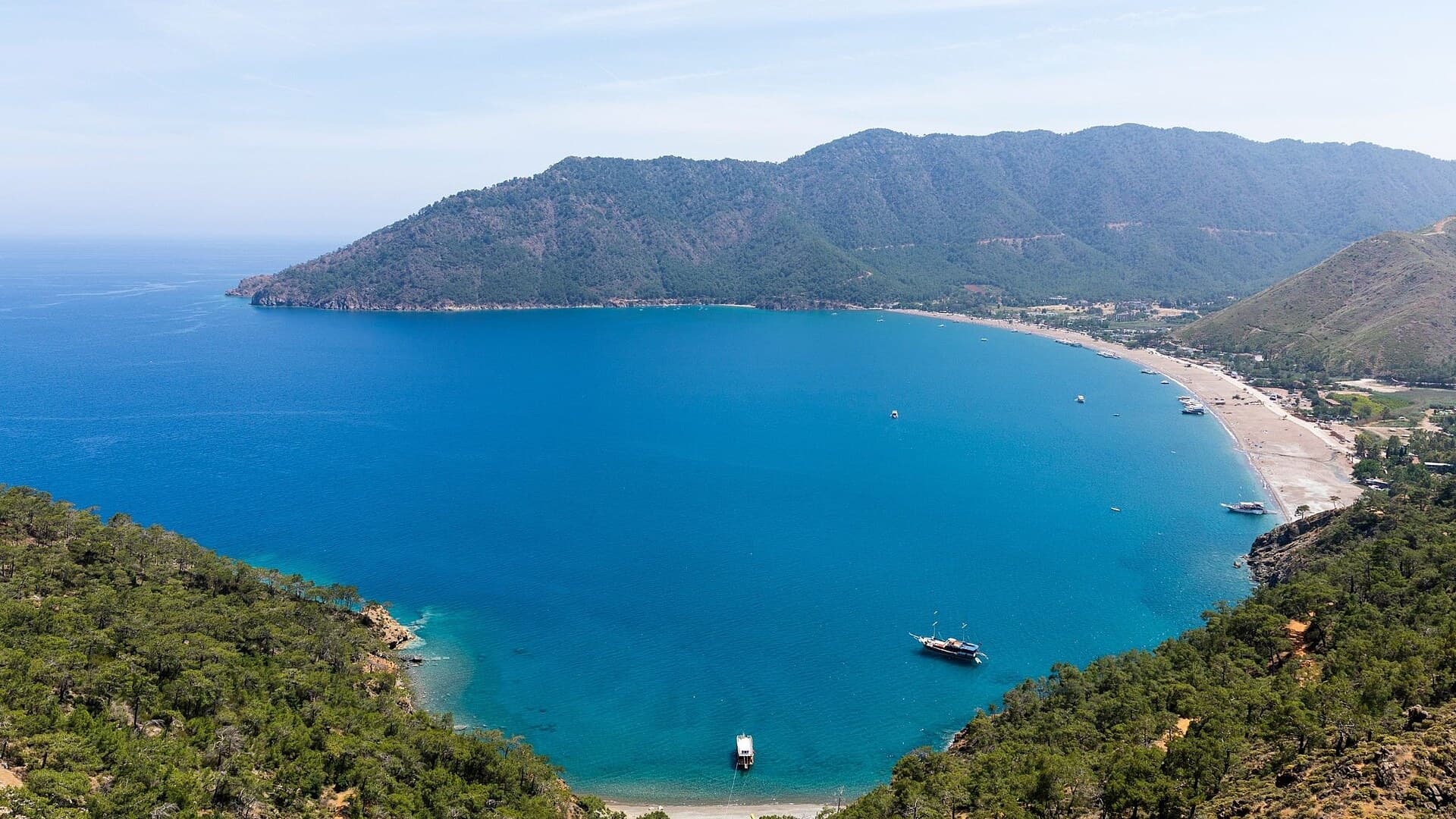
Adrasan
Antalya, TR
A pine-backed bay where the days move slowly
Air Batang
Pahang, Malaysia
A car-free Tioman village for divers and walkers
Akyaka
Muğla, Türkiye
Azmak boats, kitesurf wind and wooden balconies

Save these places to your list
Copy the spots you picked into your list — maps and notes included.