
Quin Guide
A ruined friary and two castles in east Clare
1 selected
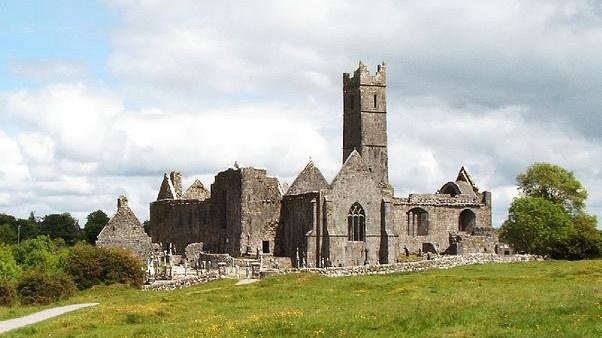
Quin sits in southeast County Clare, Ireland, on the River Rine, and the first thing you notice is how little there is to rush for. The village is 9 km from Ennis, yet the lanes around it feel like farm country, because eastern Clare is exactly that: fields, ruined abbeys and small market towns, a long way from the bare limestone and Atlantic cliffs of the west. The Irish name, Cuinche, is thought to come from either an arbutus, the strawberry tree, or a quince.
At the centre of everything is Quin Abbey, a roofless Franciscan friary that is intact enough to walk through. You can wander the cloister and the ambulatory around it, read the graves in the churchyard that is still in use, and climb the tower for a view over the surrounding countryside. Floodlighting means the walls look different after dark.
Quin Abbey costs nothing to enter, which makes it an easy first stop. A visitor centre stands near the building and a caretaker is based at the monument, so you are not left guessing what you are looking at. Take your time, because the foundations of the three corner towers of the earlier Norman castle are easy to walk past.
Two more stops sit within easy reach. Knappogue Castle is 3.3 km southeast of the village, a restored tower house with guided tours and a walled garden of climbing roses, grapevines and clematis. The garden itself dates from 1817.
Craggaunowen is 10 km east of Quin and works differently. It is an open-air museum built around reconstructions, among them a crannog, a ringfort and a dolmen, plus the currach boat from Tim Severin's voyage in the wake of St. Brendan. Shannon Heritage runs it and describes it as a Living Past Experience. It also has a fulacht fia, a Bronze Age cooking site, and an Ogham standing stone.
If you prefer to move under your own steam, Quin Historical Cycling and Walking Tours are listed as a way into the village's heritage, alongside the Mid Clare Way walking route. County Clare gets plenty of visitors, but you only have to turn up a quiet lane to leave the crowds behind. Archaeological sites such as Magh Adhair, a former place of worship, mark Quin as a medieval settlement.
From Norman castle to Franciscan friary at Quin
Quin owes its best-known ruin to a long run of rebuilds and takeovers that began with an abbey founded around 1250 and a Norman castle raised in 1280. That first abbey burned down in 1278, and Thomas de Clare built his castle on the same site two years later. The foundations of its three corner towers are still visible. Around 1350 the MacNamara clan turned the ruined castle into a church, and the abbey you see today was rebuilt between 1402 and 1433, using the south curtain wall of the old castle. Trouble kept coming. In 1541 Henry VIII confiscated the friary, the MacNamaras regained it around 1590, and the monastery was repaired by 1604. Around 1640 it became a college said to have had 800 students, and about ten years later Oliver Cromwell arrived, killing the friars and wrecking the friary. In 1740 Bishop Pococke still called it one of the finest and most entire monasteries he had seen in Ireland. The friars were expelled in 1760, though the last of them, John Hogan, stayed until his death in 1820. His burial place is inside the abbey and can be visited. The village has older layers too: some of the most important prehistoric gold works in Ireland were found in Quin, a lead mine at Ballyhickey sent its ore to Clarecastle for shipment to Wales, and news of the 1641 Rebellion was first announced in County Clare at the great fair of Quin. Two castles nearby extend the story. Knappogue Castle, 3.3 km from the village, was built in 1467 by Seán Mac Conmara, and Clare County Council met there during the War of Independence while the East Clare Flying Column stood guard. Craggaunowen, 10 km east, has a tower house from around 1550. A tip: start at Quin Abbey and find the corner-tower foundations first, so the dates make sense when you reach either castle.
Eating and drinking around Quin, from banquets to Ennis
Quin is a small village, so the food story here is short and local, with the medieval banquets at Knappogue Castle as the one dining event the area is known for. The castle lies 3.3 km southeast of the village and also offers guided tours, so you can fold a banquet into a day of sightseeing. It gives its name to a whiskey as well. Knappogue Castle whiskey is produced by the Castle Brands company, which bottles liquor made by Bushmills, so it is a souvenir with a castle on the label rather than a distillery in the village. For everyday meals, plan around the bigger town. Ennis lies 9 km from Quin, and both the Bus Éireann 317 and the Local Link 318 run there, so a morning at the abbey can be paired with lunch or dinner in town. The eastern half of County Clare is farmland dotted with ruined abbeys and small market towns, and that is the setting for eating here: you travel a little for a proper table. A tip for walkers and cyclists: if you head out to Craggaunowen, 10 km east of the village, pack something to eat before you leave. The lanes between are farmland rather than a row of cafés, and the day goes better when lunch is already in your bag. When the banquet is the point of your trip, ask the castle about dates and booking in advance, because it also serves as a venue for weddings. Otherwise, treat Quin as the place for sightseeing and Ennis as the place for dinner.
Getting to Quin from Shannon Airport, Ennis and Limerick
Quin is easy to reach from the Shannon side of County Clare, with Shannon Airport about 21 km away and Ennis 9 km down the road. Most visitors without a car will come through Ennis or Limerick, because Bus Éireann route 317 and Local Link route 318 both run between Quin and those two towns. Both routes also serve Limerick, so it works as your second gateway if Ennis does not suit your plans. If you are arriving by train, Ennis railway station is your hub. Trains link it with Galway and with Limerick, and from Limerick onward trains run to Dublin and to Cork via Limerick Junction. From Ennis you then take bus 317 or 318 for the last 9 km to Quin. Driving is simpler for the surrounding sights. From Quin Abbey, Knappogue Castle is 3.3 km to the southeast and Craggaunowen is 10 km to the east, so a car turns three stops into one loop. The abbey itself is a short run from Ennis, and you will pass farmland and small lanes on the way rather than a motorway. A tip for choosing your route: Shannon Airport at 21 km is the nearest gateway, while the rail line through Ennis and Limerick suits anyone coming from Dublin or Cork. Whichever you pick, finish the trip by bus 317 or 318 or by car, since those are the connections Quin has.
Getting around Quin by bus, bike and on foot
Quin works without a car only if you plan around two bus routes: Bus Éireann 317 and Local Link 318, which connect the village with both Ennis and Limerick. They are your link to the wider county, and the sensible way to arrive if you are not driving. Beyond those routes the picture thins out. Anywhere not on the Limerick, Bunratty, Shannon, Ennis and Galway bus corridor has a very sparse bus service in County Clare, so Craggaunowen, 10 km east of Quin, is realistically a car or bike trip. Knappogue Castle is much closer at 3.3 km southeast of the village. The walled garden there dates from 1817, so the short trip pays off. On foot you can cover Quin Abbey, its grounds, the cloister and the tower without ever needing a vehicle. For longer outings, Quin Historical Cycling and Walking Tours are listed as a way to discover the village's heritage, and the Mid Clare Way walking route is listed alongside them. The River Rine runs through the village, and the lanes beside it are a natural place to stretch your legs after a bus ride. A tip for car-free visitors: reach Quin by bus 317 or 318, do the 3.3 km to Knappogue Castle by bike or on foot, and keep Craggaunowen for a day when you have a car. That way each outing matches the transport you actually have.
Money, costs and staying connected around Quin
Money matters in Quin are simple, because the main sight costs nothing: admission to Quin Abbey is free, and its grounds can be visited free of charge as well. That leaves your budget for the places around it. Ireland uses the euro (€), and in a village this size it makes sense to treat Ennis, 9 km away, as the place for banking and bigger shopping. County Clare is very touristy, so visitor amenities are well developed across the county, and you rarely need to plan far ahead for the basics. If you want to see Knappogue from the inside, guided tours are the way in. The paid experiences are the ones nearby. Knappogue Castle, 3.3 km southeast of Quin, offers guided tours and hosts medieval banquets, and Craggaunowen, 10 km east, is operated by Shannon Heritage. Prices for these are set by the operators, so ask when you book and carry a card as well as some cash for small purchases. A day plan costs little: the abbey is free, the tower view is part of the visit, and a bus 317 or 318 fare is the main fixed cost. Before you set off, download maps and the timetables for bus 317 and 318, because the lanes around Quin are rural. Having your route saved on the phone saves you from standing at a junction guessing which way the abbey lies.
Practical tips for visiting Quin Abbey and its surroundings
Quin is a quiet stop, and a handful of practical points make the visit smoother. Most of what you need to know concerns the abbey, the buses and the lanes. Is Quin Abbey free to visit? Yes. Admission to Quin Abbey is free, and the grounds can be visited free of charge. A visitor centre stands near the building and a caretaker is permanently based at the monument. Can I see the abbey after dark? Floodlighting has been installed at Quin Abbey, so the walls are lit up once the light fades. The graveyard around the friary is still in use, so keep your voice down and stay respectful among the graves. Is there anything to climb? Yes, you can go up the tower at Quin Abbey for views of the surrounding countryside. The abbey is roofless but largely intact, so wear sturdy shoes for the stone floors and grounds. Do I need a car? Not for the village itself. Bus Éireann 317 and Local Link 318 link Quin with Ennis and Limerick, but buses elsewhere in County Clare are sparse, so a car helps for Craggaunowen, 10 km east. Where is Father Hogan buried? The last monk of Quin Abbey, Father Hogan, died in 1820, and his burial site is inside the abbey. You can visit it during your walk through the ruins. How do I escape the crowds? County Clare is very touristy, but you only have to turn up a quiet lane to leave other visitors behind. Knappogue Castle, 3.3 km from the village, is another option.
FAQ
What is covered in the Quin guide?
Quin in County Clare has a roofless Franciscan abbey, with Knappogue Castle and Craggaunowen close by, so plan a visit with bus links and distances. It includes 1 recommendations across 1 gallery.
Next →How many places are in the Quin guide?
The Quin guide lists 1 places: 1 gallery.
Next →Where is Quin?
Quin is in Quin, County Clare, Ireland (52.8183, -8.8654).
Next →How do you get to Quin?
Quin is easy to reach from the Shannon side of County Clare, with Shannon Airport about 21 km away and Ennis 9 km down the road. Most visitors without a car will come through Ennis or Limerick, because Bus Éireann route 317 and Local Link route 318 both run between Quin and those two towns. Both routes also serve Li…
Next →What should you eat in Quin?
Quin is a small village, so the food story here is short and local, with the medieval banquets at Knappogue Castle as the one dining event the area is known for. The castle lies 3.3 km southeast of the village and also offers guided tours, so you can fold a banquet into a day of sightseeing. It gives its name to a w…
Next →Is there camping in Quin?
No camping listings in this pack yet — we do not invent venues. Entries will appear once verified.
Next →Can you rent a bike in Quin?
No bike rental listings in this pack yet. Verified shops will be added when available.
Next →What are recommended gallery in Quin?
Highlighted gallery in the Quin guide: Quin Abbey.
Next →Highlighted places
- Quin Abbey — The ruined Franciscan friary of Quin Abbey with its tower, set in open fields near Quin.
Explore on the map
Tap a pin to highlight its place card
All
1 spots
Recommended places
Gallery
1 · 1 selected
Quin Abbey
gallery
Related guides
Browse nearby destinations

Spanish Point Guide
County Clare, Ireland
A sheltered Blue Flag beach with Atlantic surf and trad pubs
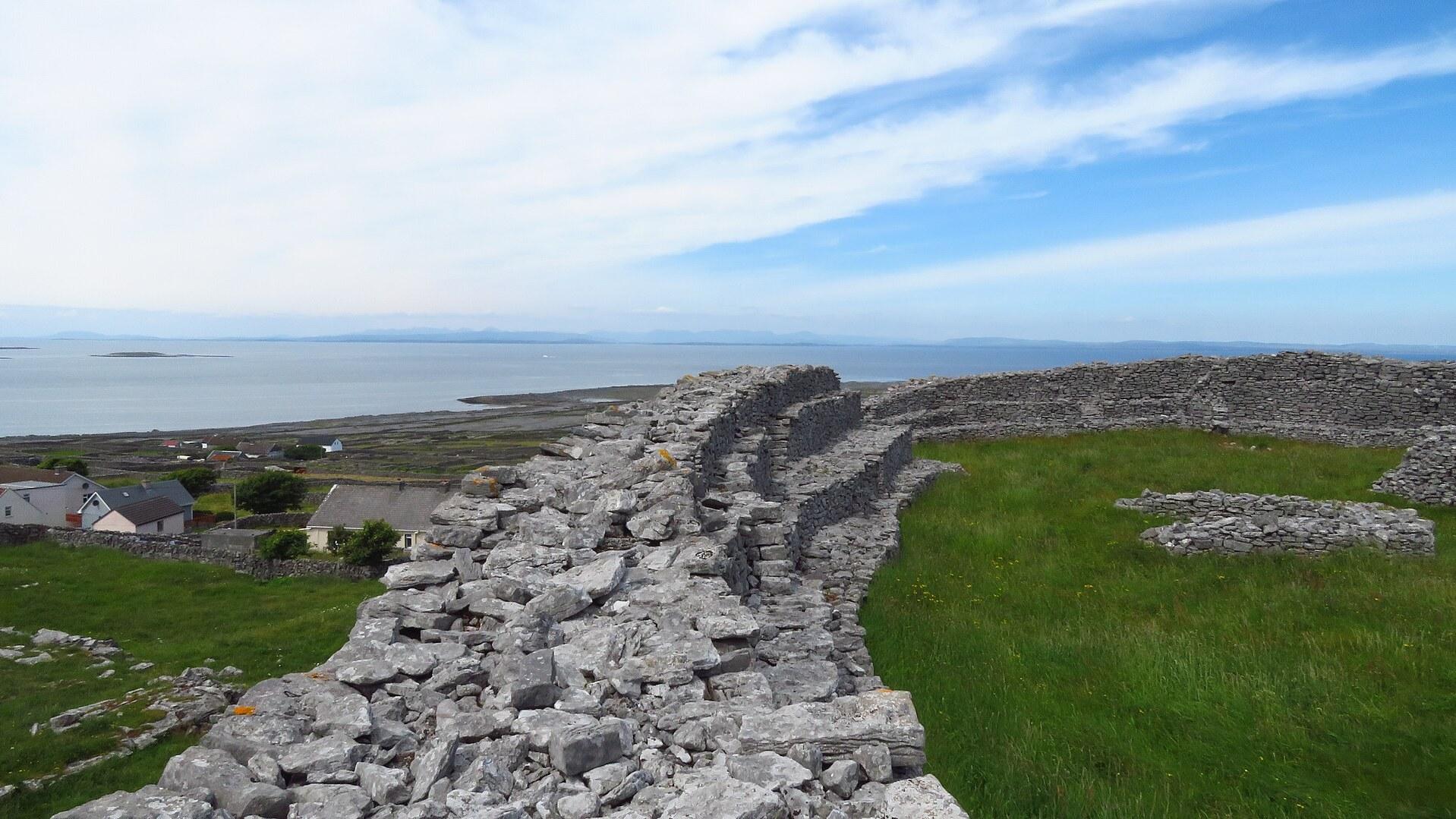
Inis Meáin Guide
County Galway, Ireland
Limestone, stone forts and Irish on the quiet Aran Island
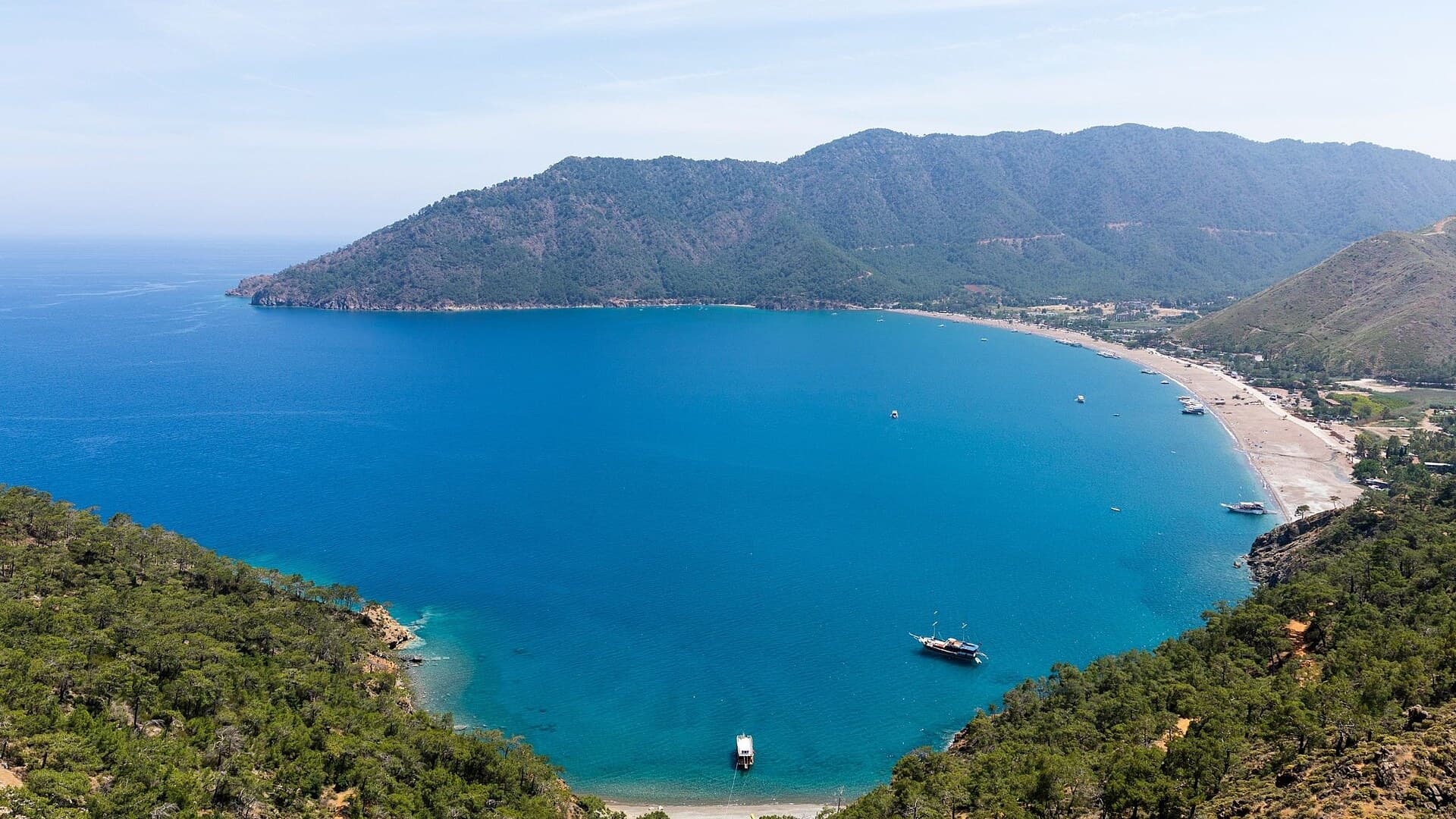
Adrasan
Antalya, TR
A pine-backed bay where the days move slowly
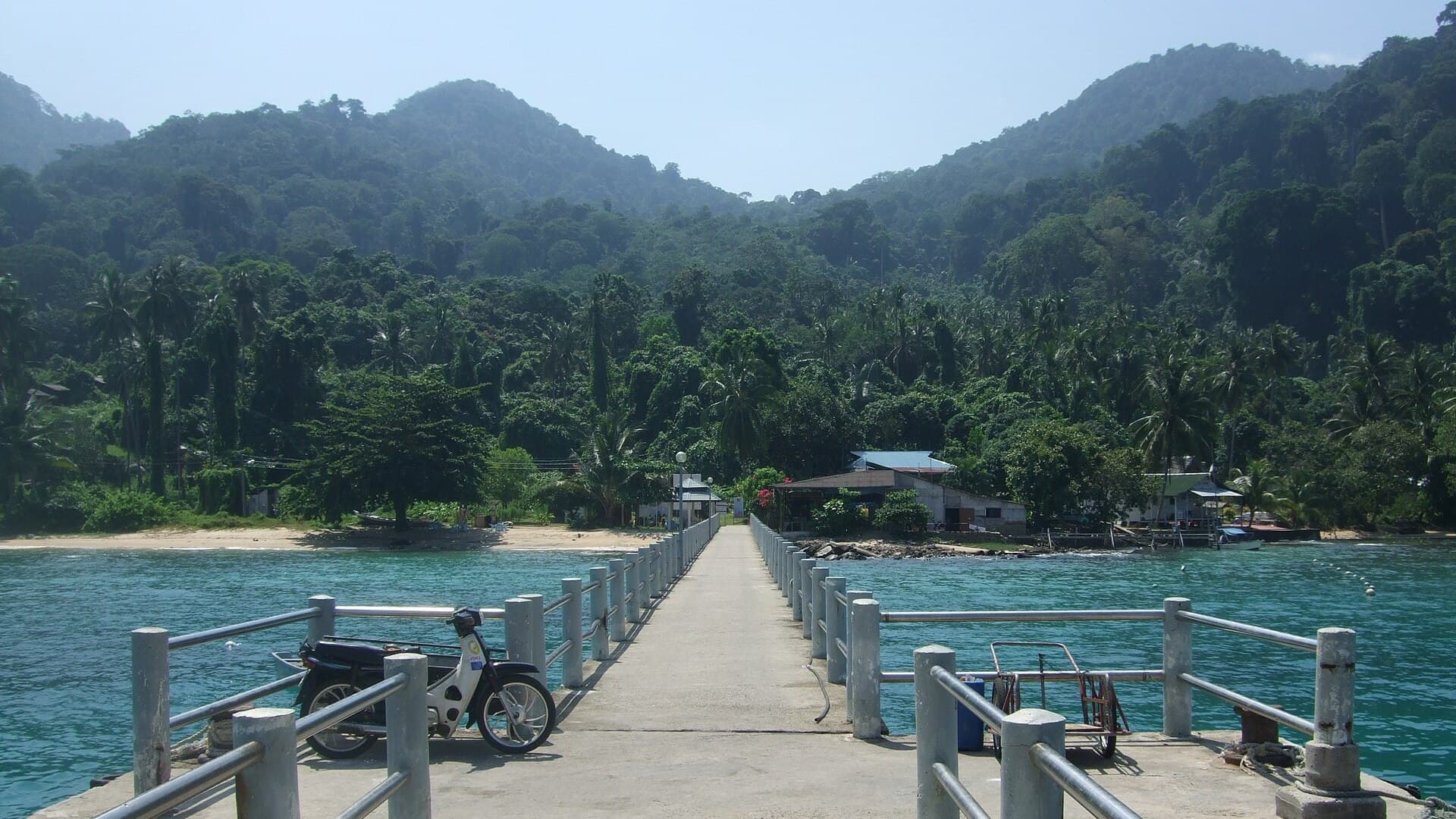
Air Batang
Pahang, Malaysia
A car-free Tioman village for divers and walkers
Akyaka
Muğla, Türkiye
Azmak boats, kitesurf wind and wooden balconies
Aralsk Guide
Kyzylorda, Kazakhstan
The sea left, the ships stayed

Save these places to your list
Copy the spots you picked into your list — maps and notes included.