
Nurota Guide
A desert oasis with a holy spring and Alexander's ruins
1 selected
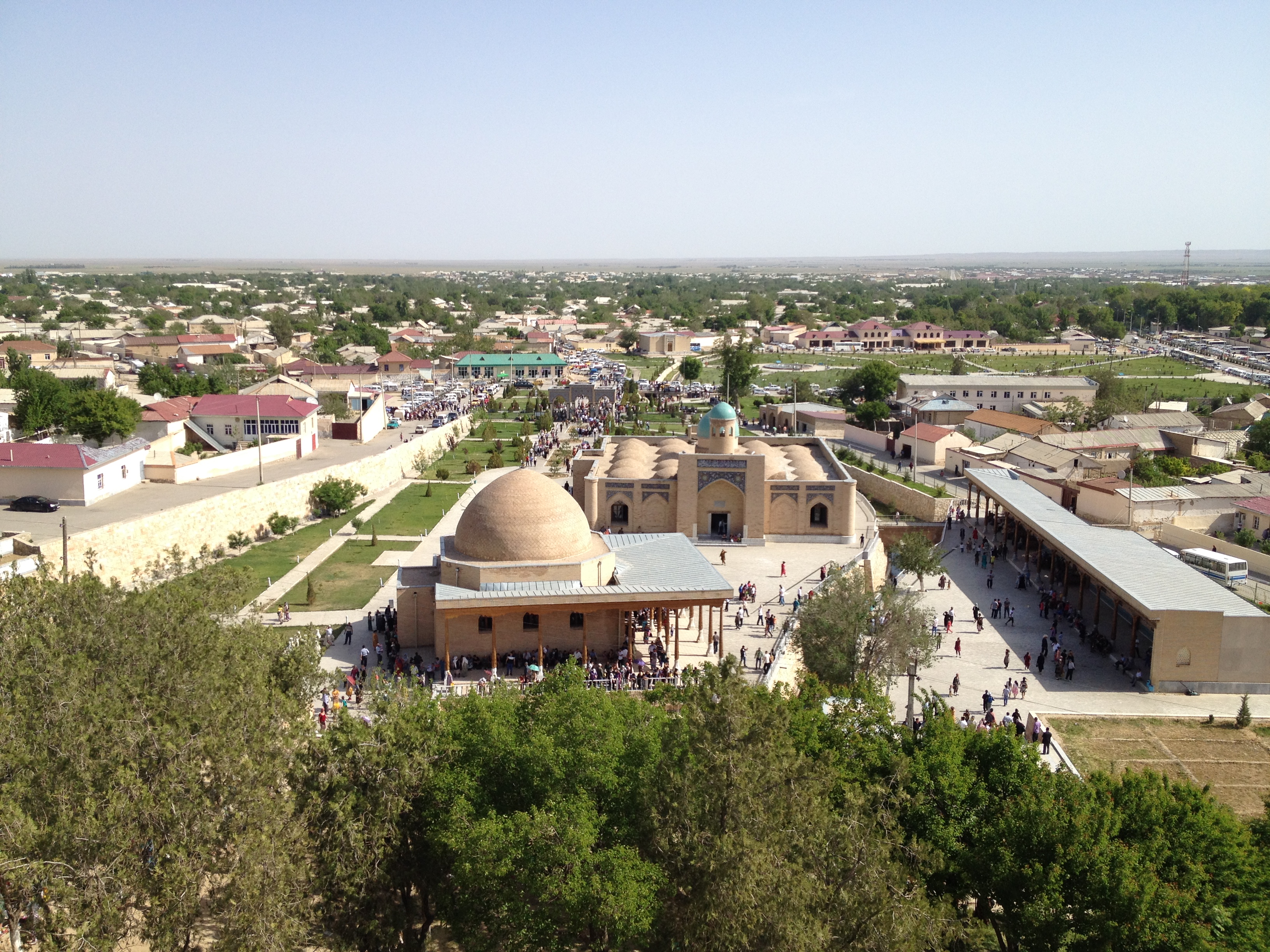
Nurota sits in the Navoiy region of Uzbekistan, a small oasis town where the Kyzylkum Desert suddenly turns green. You feel the change before you see it: dust gives way to poplar shade, and within the town limits the crumbling walls of an old fortress still rise from the ground. Nurota doesn't announce itself the way Samarkand does; it just quietly holds its ground at the edge of the sand.
Nothing in Nurota stays with you quite like the Chashma complex. The round Juma Mosque rises straight over the spring on forty columns, its dome sixteen metres across and one of the widest in Central Asia. Around it sit a quiet well and an old bathhouse, and if you time your visit for the early morning, you'll have the courtyard nearly to yourself, just the sound of water and pigeons.
Beyond the rooftops, the Nuratau Mountains pull hikers and horseback riders up into folded, sunburnt hills. Trails link one village to the next, passing petroglyphs pecked into rock faces and water mills that still turn on the same streams they always have. Keep an eye on the high slopes and you might spot the Severtsov argali, a wild mountain sheep found almost nowhere else on earth.
A short trip out of Nurota takes you to Sentob, a village tucked between the mountains and the desert that has barely modernised its adobe houses, narrow doorways and low ceilings. Locals here still sell what they grow at the roadside. From Sentob, excursions continue on to Sarmyshsay Gorge, where petroglyphs, hidden caves and a waterfall reward anyone willing to scramble off the main path.
For a proper night away from Nurota, head out to Aydarkul Lake, where a yurt camp waits under a sky with no competition from streetlights. Expect a campfire, folk music drifting across the sand, and stargazing that makes the whole desert feel enormous and still.
Nurota rewards travellers who slow down. Spend a couple of nights here, not just an afternoon, and the oasis starts to feel less like a stop on a route and more like a place you actually visited.
From Alexander's Fort to a Pilgrim Spring
Nurota grew up around a single spring, and its story runs from a fortress linked to Alexander the Great through centuries of pilgrims to water channels locals still rely on today. Local legend says the spring itself appeared when Ali ibn Abi Talib struck the ground with his staff, which is why people still treat the water as sacred. Archaeologists have traced a cultural layer here stretching back almost 40,000 years, long before any fortress stood here. Alexander the Great is said to have founded the town, then called Nur, in 327 BC as a forward base against Samarkand, and the name lives on in Nurota today. The settlement sat on the seam between farmland and open steppe, a natural gathering point whenever armies needed to muster. The Shahristan, or inner town, measured 500 by 500 metres, ringed by a wall and watchtowers, and traces of it, including the water-supply system, are still visible in the south of town. By 943, the chronicler Muhammad Narshakhi wrote that many of those buried in Nur had seen the Prophet Muhammad, and pilgrims from Bukhara were already visiting the holy graves beside the fortifications and mosques. What you can walk around today came later: the Panjvakta Mosque, the oldest surviving structure, dates from the first half of the 16th century, the Juma Mosque followed, and the spring's bathhouse is a newcomer from the early 20th century. The old kariz system, an underground channel that once ran several kilometres from its source, is easy to miss but worth seeking out; restored sections are still used by local people. Petroglyphs several thousand years old mark the rock faces in the surrounding hills, and since 1975 the Nurota State Mountain Reserve has protected both the wildlife and these traces. Tip: after the spring, walk to the southern edge of town to trace the fortress walls, then find the restored kariz channels still carrying water.
Tandyr Bread, Tea Beds and a Spring You Don't Fish
In and around Nurota, the best meals are home-cooked ones, served in guest houses and homestays where bread comes straight out of a tandyr oven and tea is taken lying back on a tapchan. Hiking holidays through this region run on exactly this kind of hospitality, so your host's table often doubles as the only restaurant you'll need for the night. Out in the villages, Sentob offers its own quiet version of a meal, ladled out among adobe houses with narrow doors and low ceilings, using whatever produce the household has grown that week. Treat it as part of the excursion rather than a stop you can plan around a menu, since nothing here runs on a fixed schedule and portions tend to be generous. Back at the Chashma spring, you'll notice fish moving slowly through the mineral-rich water, and locals consider them holy rather than dinner. Watch them, don't try to feed or catch them, and let that quiet reverence guide your own behaviour around the water. If you book a multi-day tour instead of arranging things yourself, food is usually taken care of: the three-day Nuratau Mountains, Aydarkul and yurt camp itinerary from Samarkand includes meals throughout, so you can leave the cooking to someone else entirely. Tip: if a homestay stop is on your route, ask your host the evening before about joining a bread-baking session the next morning, since the tandyr needs time to heat.
Getting to Nurota: Via Navoi or Samarkand
Nurota is easiest to reach from Navoi by bus, minibus or taxi, while Samarkand, a train ride from Tashkent, works as the gateway for drives and tours heading north into the Nuratau. A direct bus route covers the 71 kilometres from Navoi, and a second line runs on to Kattakurgan, a longer haul of 155 kilometres. Tip: signs and timetables in the area often use the Russian spelling, so look out for Nurata rather than Nurota when you're checking a departure board. Coming via Samarkand instead, the train from Tashkent gets you most of the way, and from there you simply drive north into the remote Nuratau Mountains rather than doubling back through Navoi. It's a quieter approach, and it puts you closer to the mountain trailheads from the start, which matters if you're heading straight into the hills. Plenty of visitors skip the logistics altogether and join a tour from Samarkand: a private three-day guided hiking and horseback trip that includes meals, or a private two-day version that bundles a yurt camp, the Sarmyshsay petroglyphs and the Nurota spring into one loop. Either way, someone else handles the driving, the permits and the pace. Tip: if your schedule is tight, the two-day option gets you the spring and the gorge without you having to arrange a single transfer yourself.
On Foot, on Horseback and with a Local Guide
Nurota itself is compact enough to explore on foot, but the mountains and villages beyond call for a local guide, a horse or a hired car. The Chashma spring sits right beneath the old fortress, so the two sights naturally make one short walk, and Bronze Age burial mounds lie just 4 kilometres further out if you want to extend the loop. Tip: set off early, before the midday heat settles over the walls. Head into the hills and the terrain turns to limestone, all dramatic cliffs and deep gorges, which is exactly why hiring a local guide pays off. Guides know the trails and can point out traditional crafts along the way that you'd otherwise walk straight past without noticing. Horseback is the classic way to take in the Nuratau's true scale, with routes that carry you past wildlife you won't see from a car window. Down in Sentob, the same freedom applies on a smaller scale: ride, walk or hike straight from a comfortable cottage without any real planning, and let the day shape itself. Further out, the desert camp near Aydarkul sits three to four hours by road from either Bukhara or Samarkand, which is why most travellers fold it into an organised tour or a hired car rather than trying to reach it independently on public transport.
Som, Cash and Staying Offline Near Nurota
Nurota runs on the Uzbekistani som, and because this corner of the country is remote, it pays to sort your cash and your offline maps before you leave the bigger cities. Don't count on cash machines or card readers once you're out here; bring enough som from Samarkand, Bukhara or Navoi to cover several days, just in case, and keep some smaller notes for tips and homestay meals. Most visitors end up budgeting through a tour rather than paying for things piecemeal, since every option bundles meals into the price. A small-group two-day desert safari combining a yurt stay with Aydarkul Lake spreads the cost across the group, while a private two-day Aydar Lake camping trip buys you more flexibility, and a similar two-day Aydarkul departure from Bukhara covers the same ground from the other direction. Tip: small-group tours are usually the better value, and private ones are worth it only if flexibility matters more to you than price, since you can set your own pace. Connectivity out here is thin at best, so treat any signal as a bonus rather than something to rely on. Download offline maps and save your guide's contact details before you head into the mountains or the desert, since you may not get another chance once you're moving, and a paper note of your homestay's name never hurts either.
Nurota Tips: Seasons, Packing and Pilgrim Etiquette
Nurota is a Muslim pilgrimage centre on the edge of the desert, so a little planning around the seasons and local customs goes a long way. None of it is complicated, but it's worth sorting out before you leave the bigger cities behind. Here's what actually matters before you go. When is the best time to visit? Aim for spring or autumn, when temperatures in the Nuratau area are moderate and the light is kinder for walking. Summer highs average 34.0 degrees Celsius in August, while winter days average around 6.1 degrees Celsius in January, so both extremes are worth avoiding if you can. What should I pack? The region is dry with little rainfall and genuinely remote, so bring more water and snacks than you think you'll need, plus a basic first-aid kit and sturdy shoes for uneven ground. How should I behave at the Chashma spring? Treat it as the religious site it is: the spring draws pilgrims year-round, so dress modestly, keep your voice down and move calmly around the mosque and the water. Can I take photos in the villages? Ask before you photograph anyone, and keep your clothing modest while you're in Sentob or any other village along the way. When do the mountains look their best? Spring brings wildflowers across the slopes, and by autumn the same hillsides turn gold, so either season rewards a hike. Can I visit the old water mills? Yes, the traditional mills in the area are still working, and visitors are welcome to stop and watch them in motion.
FAQ
What is covered in the Nurota guide?
Discover Nurota, a Kyzylkum oasis where Alexander's fortress ruins meet a sacred spring, then explore the Nuratau Mountains on foot or by yurt. It includes 1 recommendations across 1 gallery.
Next →How many places are in the Nurota guide?
The Nurota guide lists 1 places: 1 gallery.
Next →Where is Nurota?
Nurota is in Navoiy, Uzbekistan (40.5628, 65.6904).
Next →How do you get to Nurota?
Nurota is easiest to reach from Navoi by bus, minibus or taxi, while Samarkand, a train ride from Tashkent, works as the gateway for drives and tours heading north into the Nuratau. A direct bus route covers the 71 kilometres from Navoi, and a second line runs on to Kattakurgan, a longer haul of 155 kilometres. Tip:…
Next →What should you eat in Nurota?
In and around Nurota, the best meals are home-cooked ones, served in guest houses and homestays where bread comes straight out of a tandyr oven and tea is taken lying back on a tapchan. Hiking holidays through this region run on exactly this kind of hospitality, so your host's table often doubles as the only restaur…
Next →Is there camping in Nurota?
No camping listings in this pack yet — we do not invent venues. Entries will appear once verified.
Next →Can you rent a bike in Nurota?
No bike rental listings in this pack yet. Verified shops will be added when available.
Next →What are recommended gallery in Nurota?
Highlighted gallery in the Nurota guide: Nurota town view.
Next →Highlighted places
- Nurota town view — Nurota town view
Explore on the map
Tap a pin to highlight its place card
All
1 spots
Recommended places
Gallery
1 · 1 selected
Nurota town view
gallery
Related guides
Browse nearby destinations
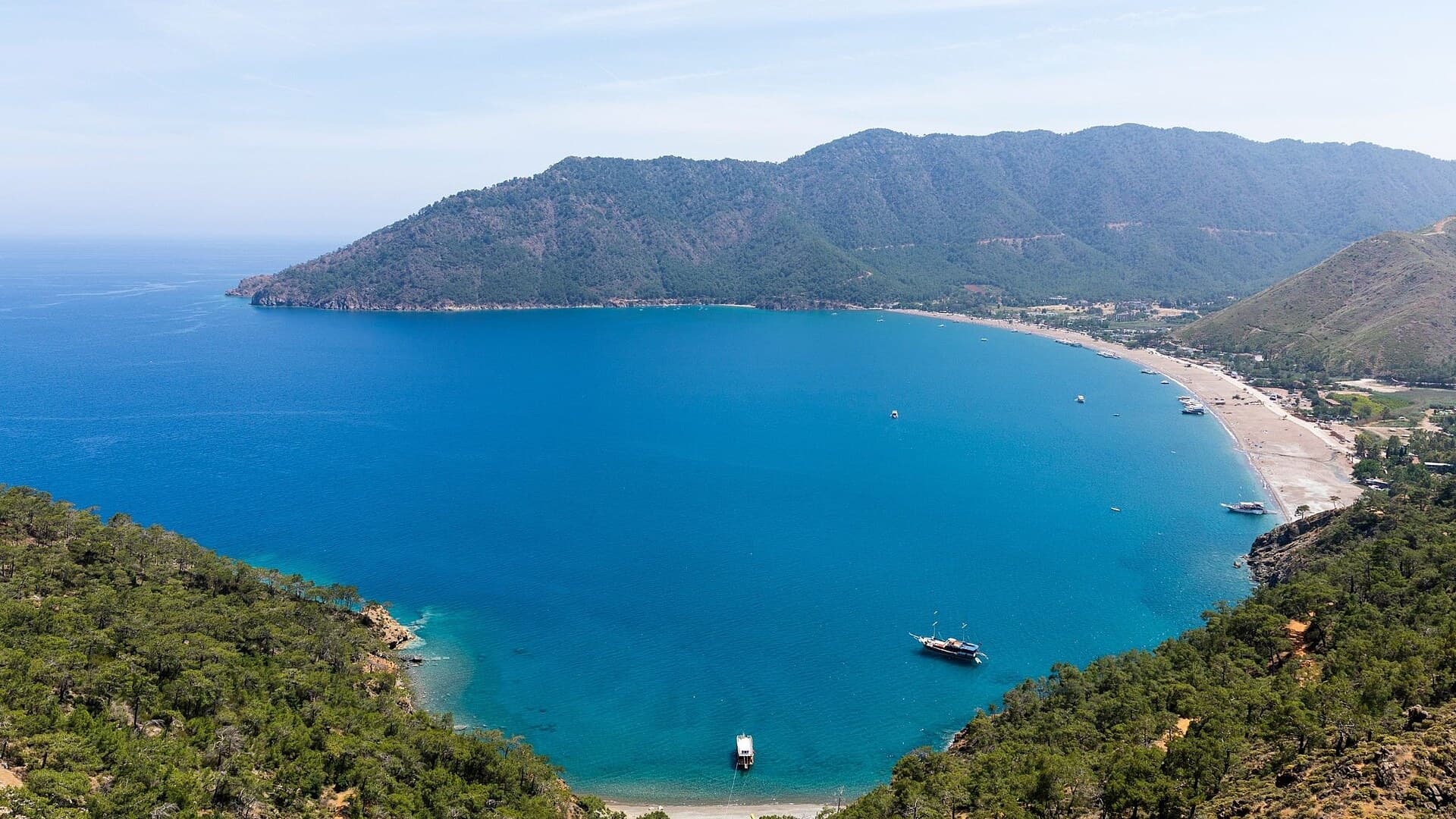
Adrasan
Antalya, TR
A pine-backed bay where the days move slowly
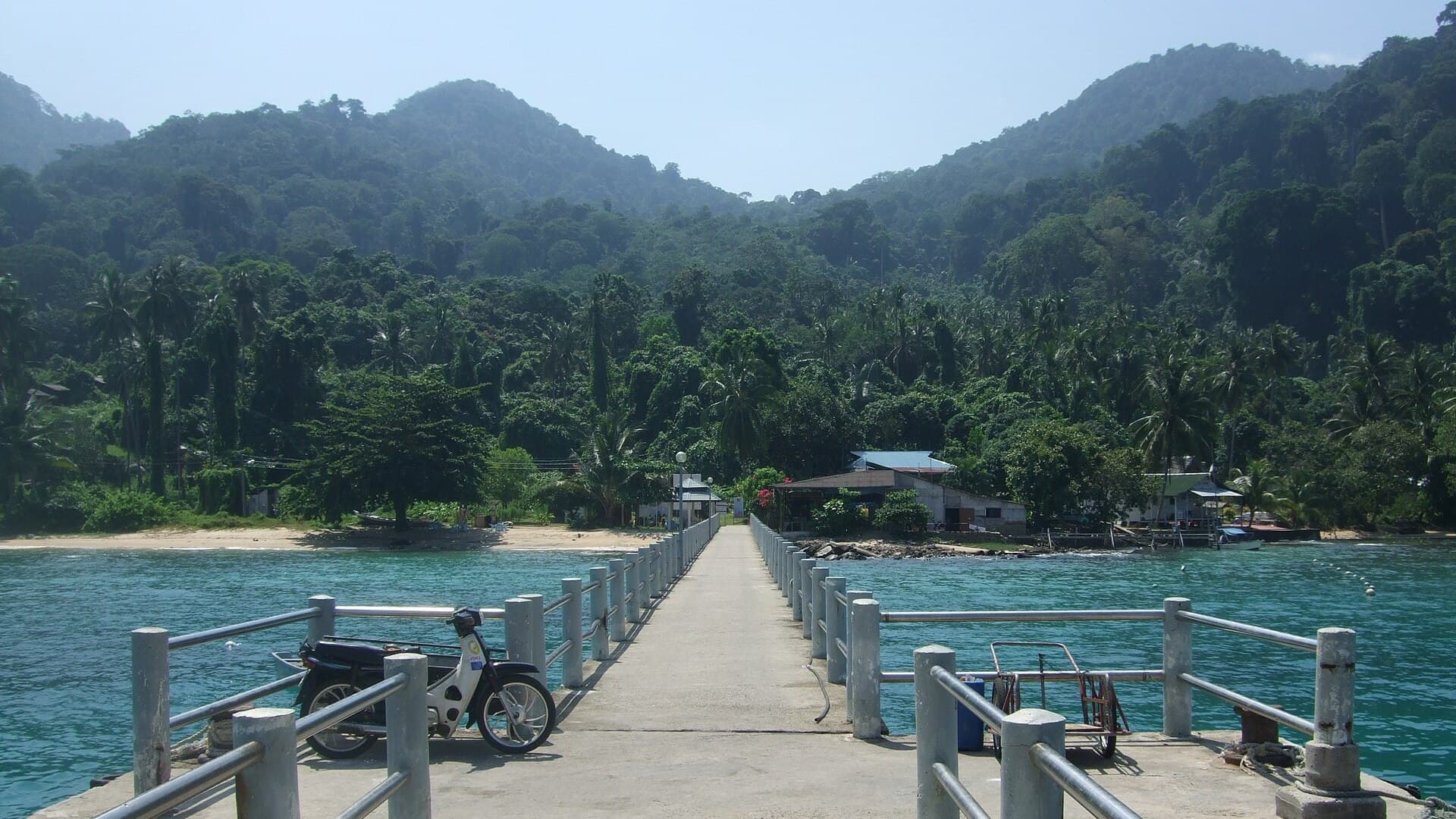
Air Batang
Pahang, Malaysia
A car-free Tioman village for divers and walkers
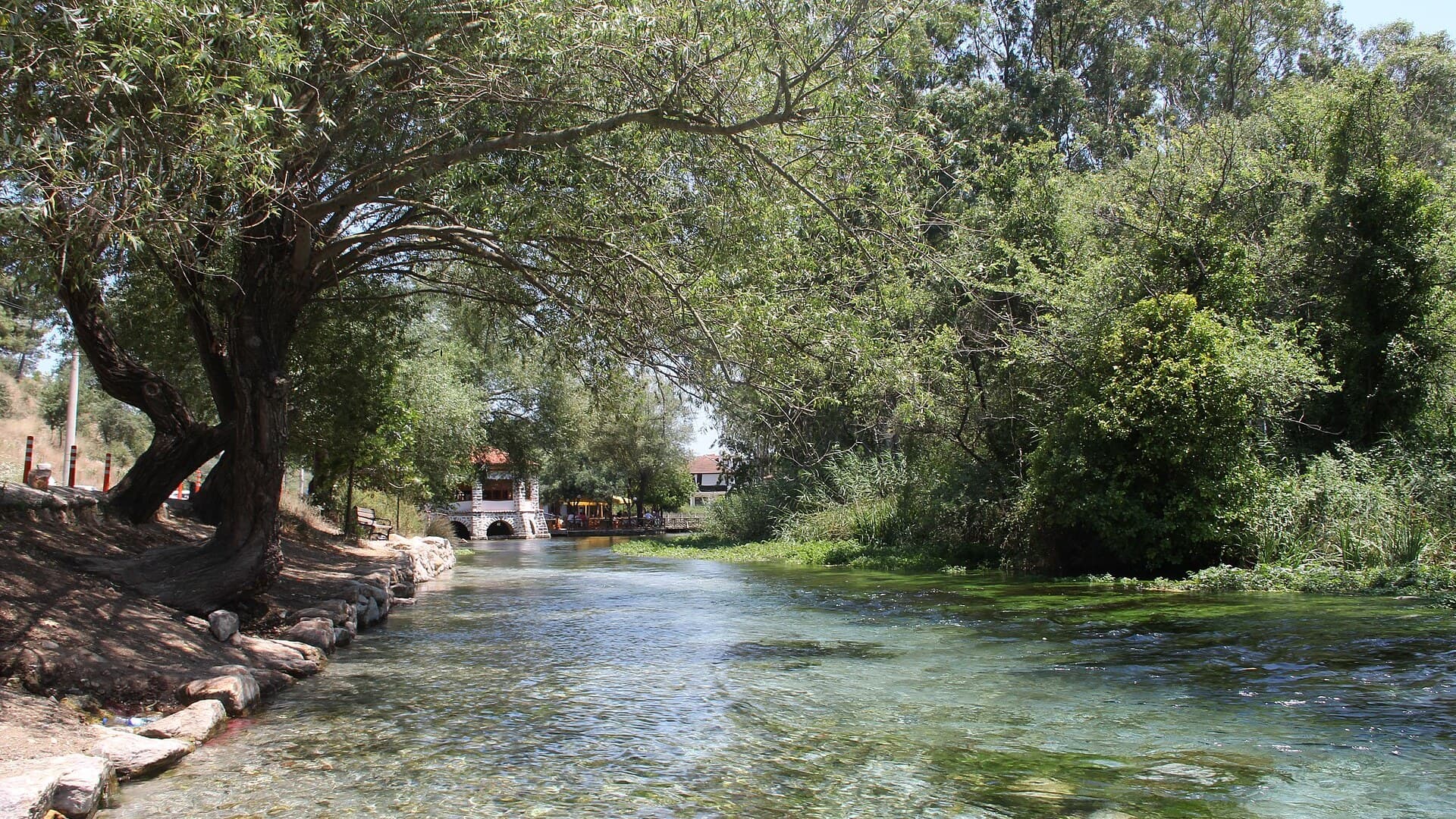
Akyaka
Muğla, Türkiye
Azmak boats, kitesurf wind and wooden balconies
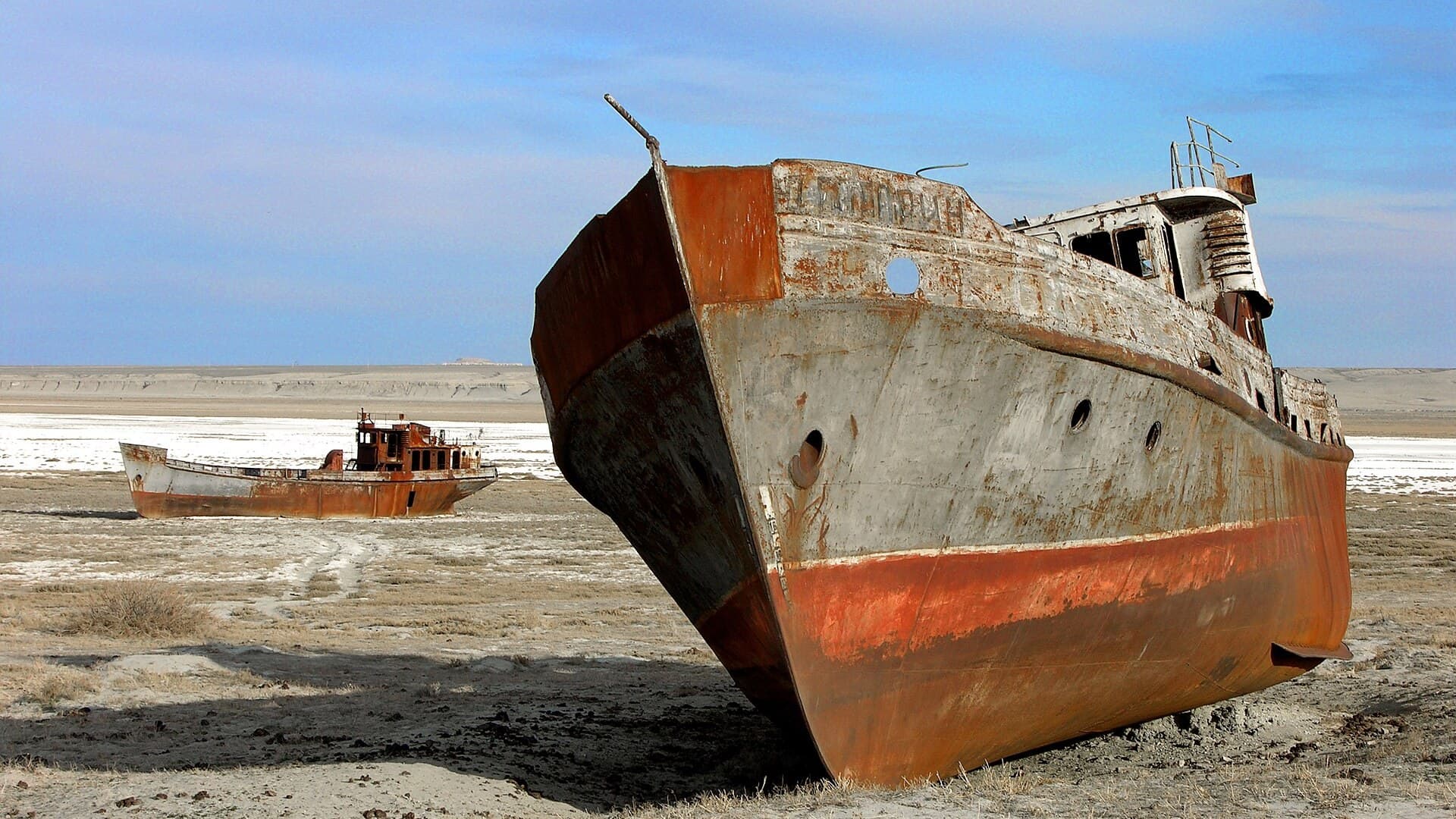
Aralsk Guide
Kyzylorda, Kazakhstan
The sea left, the ships stayed
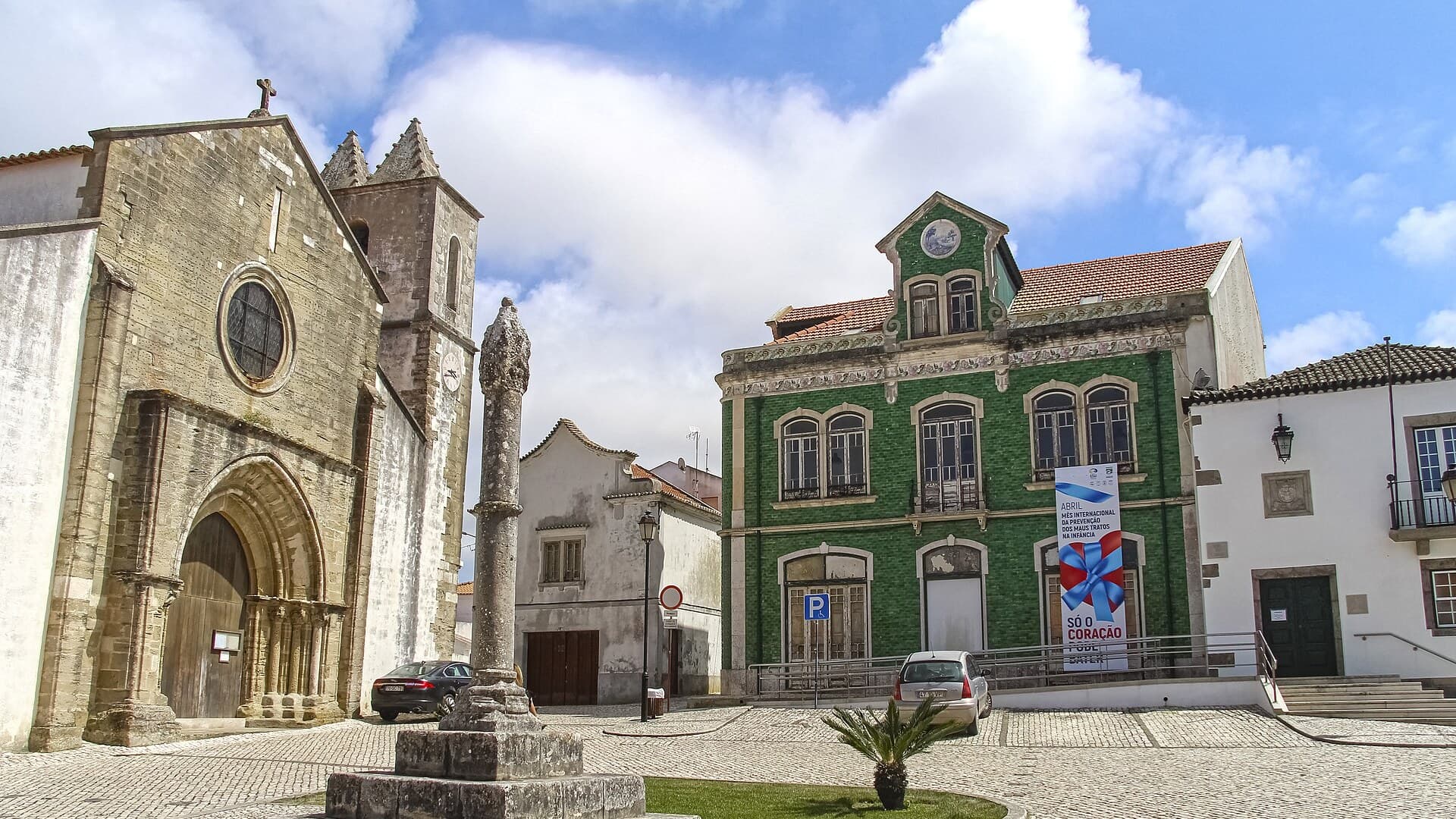
Atouguia da Baleia
Leiria, Portugal
A village named for whales, minutes from the Atlantic
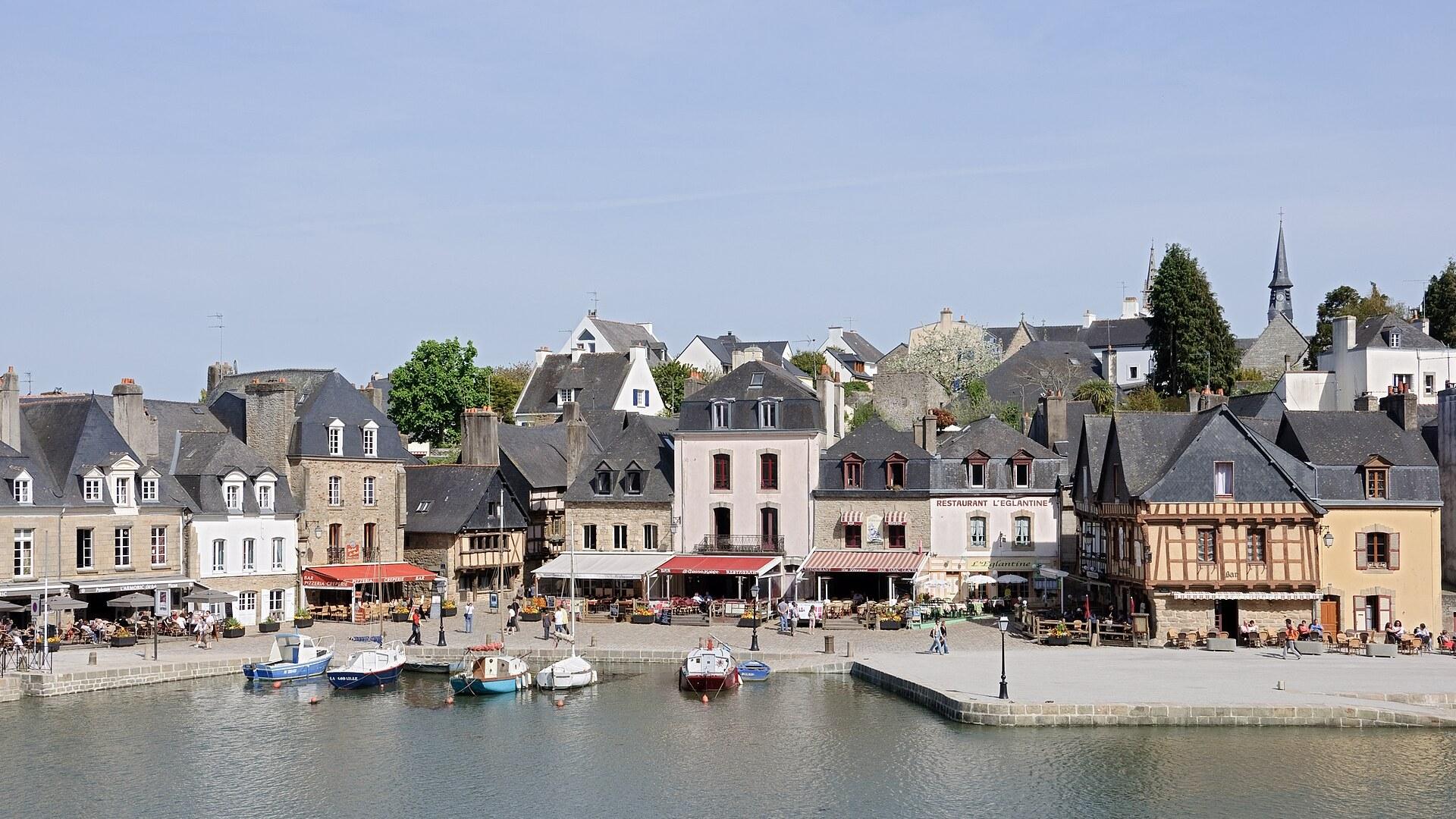
Auray Guide
Brittany, France
Two towns on one river, joined by a stone bridge

Save these places to your list
Copy the spots you picked into your list — maps and notes included.