
Muo Guide
A quiet village facing Kotor's walled Old Town across the bay
1 selected

Muo is a small village in Kotor Municipality on Montenegro's coast, set right on the edge of the Bay of Kotor. It has no grand sights of its own. That is part of its appeal: you get to enjoy the bay without the crowds. Its neighbor Prčanj lies about 5 km from Kotor along the same shore, which gives a fair sense of how close these bayside villages sit to each other.
Locals and guidebooks often call the Bay of Kotor the deepest natural fjord in the Mediterranean. Geologists actually classify it as a ria, a drowned river valley rather than a true fjord. Either label undersells the scale of the place. The bay runs about 28 km long, with a shoreline stretching 107.3 km, framed by the Orjen massif to the west and the Lovćen massif to the east. At its narrowest, the Verige Strait pinches the bay down to just 340 m across, over a stretch of 2,300 m. The water itself reaches a maximum depth of 60 m and averages 27.3 m.
Directly across the water from Muo sits Kotor's Old Town, fully encircled by stone walls. Those walls use the mountain behind them as a natural rear defense. Three gates lead inside: the Sea Gate, the River Gate and the Gurdić Gate. The whole ensemble has carried UNESCO World Heritage status since 1979. From Muo, it is simply the view you wake up to.
Don't expect sandy beaches on this side of the bay. Kotor's own shoreline has none, and the water near the Old Town isn't rated great for swimming either. The closest proper beaches, Jaz and Trsteno on the Budva Riviera, sit about 20 km away. Around Muo, the shore is more about the view across the water than about sunbathing.
A small Blue Line bus runs along this shore from Kotor to Tivat. It stops in Muo and Prčanj on its way, and it also reaches Perast, about 18 km from Kotor and famous for its two island churches. Tourist boats out to Sveti Đorđe and Gospa od Škrpjela cost around 15 euros from Kotor's Old Town gate. Or go cheaper: a 1 euro bus to Perast, followed by a 5 euro water taxi.
Put it together and Muo works best as a quiet base. Mountains press close on both sides, the water barely ripples most mornings, and Kotor's walls glow across the bay each evening. It's the kind of place where doing very little feels like exactly the right amount.
Muo's Place on a Storied Bay
Muo has no separately recorded history of its own, but it sits on a shoreline shaped by centuries of maritime life in neighboring Kotor and Prčanj. Across the water, Kotor's Old Town has carried its walls since medieval times. Those ramparts use the mountain behind them as a rear wall, with the Sea Gate, River Gate and Gurdić Gate as the only way in. That fortified core has held UNESCO World Heritage status since 1979. It remains the visual anchor for everyone living around this stretch of the bay, Muo included. Just along the shore, the village of Prčanj built a very different kind of legacy. By the early 1600s, Venice had noticed that Prčanj's sailors could outrun its own government ships. In 1625 the republic handed the port formal responsibility for its permanent mail service. Prčanj's fortunes grew further in 1704, when it was granted its own municipal district within Albania Veneta. It was later freed from a string of tariffs that had held back local shipping. By the end of the 18th century, Prčanj's harbor held more than 30 tall-ships. That was part of a wider Bay of Kotor merchant fleet that peaked at around 300 vessels that same century, rivaling Dubrovnik and Venice at sea. The village's Church of the Nativity of the Blessed Virgin Mary took 120 years to complete, from 1789 to 1909. It was designed by the Venetian architect Bernardino Maccaruzzi, finished with a baroque facade, Corinthian and Doric columns, and paintings attributed to artists including Piazzetta and Tiepolo. One Prčanj-born captain, Ivan Visin, lived from 1806 to 1868 and sailed all the way around the globe aboard his own ship, the Splendido. If you're looking for the nearest tangible history to Muo, it's worth the short walk or drive over to Prčanj. Go see that church and the old sea captains' villas along its waterfront.
Eating Around Muo and the Bay
Muo itself has no documented dining scene, so most of what you eat on this stretch of the bay follows the same coastal Montenegrin style found all around Kotor. Expect grilled or baked fish, shellfish taken straight from the bay, and simple Mediterranean sides like olive oil, good bread and seasonal vegetables, rather than an elaborate tasting menu. It's cooking built around what the water gives up on a given day rather than around trends, and that keeps menus honest even if they don't vary much from one place to the next. Kotor, just across the water, is the natural place to look for a proper meal. Nothing specific is documented about where to eat in Muo itself. Wander into the Old Town's stone streets and squares and you'll find konobas and cafes tucked into just about every corner, all an easy trip from the Muo shore. Markets and small grocers around Kotor are useful too, especially if you'd rather put together a simple lunch and eat it looking back across the bay toward Muo. With no fixed dining strip confirmed for Muo, the best approach is to ask locally once you've arrived. Don't chase a list of names instead. Whoever runs your room or apartment will usually know which konoba is quiet that week and which one has good fish that day. Treat mealtimes here as flexible and let the bay set the pace, rather than building your day around a reservation.
Reaching Muo on the Bay of Kotor
Getting to Muo means getting to Kotor first, since the village sits right on the bay a short stretch from Montenegro's main coastal gateway. The closest airport is Tivat, just 8 km from Kotor. Podgorica Airport lies further out at 90 km from Kotor. Travelers coming from Croatia often fly into Dubrovnik instead, about 73 km from Kotor, with connections from many European cities. A taxi ride onward from there runs around 80 euros. If you're already in Dubrovnik, a direct fast ferry runs daily to Kotor or Budva in high season. It takes about 3 hours door to door. Drivers coming that way by road can also use the Kamenari ferry, which crosses the narrow mouth of the bay. It costs 5 euros per car, more for larger vehicles. Buses between Budva and Herceg Novi pass through Kotor roughly every 30 minutes, running from 07:00 to 23:00, for 2.50 euros. Buses to Podgorica run hourly for 7.50 euros. Kotor to Bar or Ulcinj runs 6 to 8 times a day for around 5 euros. The longer haul to Dubrovnik or Mostar goes 3 times daily, taking about 3 hours, for 24 euros. Drivers heading in from Budva can shorten the trip through the Vrmac tunnel. An alternative is the older, winding road over Trojica hill above Kotor, slower but scenic. Whichever way you arrive, remember that all of these routes get you to Kotor itself, not Muo directly. The last short stretch along the shore is its own small hop, covered in getting around.
Getting Between Muo and Kotor
Once you're on this stretch of the bay, moving between Muo, Kotor and the neighboring villages is simple and inexpensive. A small white bus with a blue sign, known locally as the Blue Line, runs along the coast from Kotor to Tivat. It stops in both Muo and Prčanj on the way, before continuing on to Perast. There's no fixed fare quoted for this route. Instead, what you pay depends on how far along the coast you're actually travelling, so a short hop within Muo costs less than riding all the way to Tivat. Taxis are easy enough to find. A fair fare for a short ride within Kotor or Muo should come to under 3 euros. It's worth agreeing the price with the driver before you get in, since meters aren't always used on this stretch of coast. Having a rough figure in mind saves any awkward haggling later. For a longer day out, Perast sits about 18 km from Kotor and works as the departure point for boat trips to the islet churches of Sveti Đorđe and Gospa od Škrpjela. Tourist boats leaving from just outside Kotor's Old Town gate charge around 15 euros for the trip out and back. Or manage it for less: a bus to Perast costs 1 euro, then a water taxi across to the islands costs 5 euros. Either route makes for an easy half-day trip from Muo, without needing a rental car at any point.
Money and Getting Online Near Muo
Money matters around Muo work the same way as everywhere else on this stretch of the coast: euros, cards in the bigger towns, and reliable enough connectivity. The currency is the euro. Kotor's Old Town has plenty of banks and ATMs if you need cash, though banks close on Sundays and public holidays. Not every restaurant or small shop takes a card, so it's worth carrying some cash for smaller purchases, especially once you're away from the main streets. Larger hotels and shops in Kotor tend to accept cards without any trouble, but market stalls and smaller cafes are more likely to want cash. Connectivity is solid. All of Montenegro's mobile carriers offer 4G coverage here, and wifi is widely available in hotels, guesthouses and cafes around Kotor and the bay. You shouldn't have trouble staying connected, whether you're checking a map or just posting a photo of the view from Muo. It's one less thing to worry about arranging in advance. As for everyday costs, a short taxi ride within Kotor or Muo should run under 3 euros. A bus fare along the bay starts from around 2.50 euros, depending on distance. A boat trip out to the island churches near Perast costs about 15 euros. Go cheaper by taking the 1 euro bus to Perast and then a 5 euro water taxi across to the islands.
Before You Go: Timing and Tips for Muo
Muo itself stays quiet almost all year, but its busy neighbor across the water sets the mood for the whole bay. A little planning around Kotor's rhythms goes a long way toward making your stay in Muo easier. Think of Muo as the calm side of the bay and Kotor as the livelier one, and plan your days around that contrast. Is Muo busy with tourists? Muo itself isn't documented as a particularly crowded spot, but just across the water, Kotor's Old Town gets genuinely busy in high season, filling up with cruise-ship arrivals and day-trippers. Expect Muo to feel noticeably calmer than that view across the bay might suggest, especially once the day-trip crowds head back to their ships in the evening. Will people understand me? After Serbian, English is the most common language spoken around Kotor, and most waitstaff and hotel staff handle it comfortably. You shouldn't have any trouble getting by with English alone, even away from the main tourist streets. What's the weather like? The mountains ringing the bay make this one of the wettest regions in Europe, and the nearby Crkvice weather station records around 4,774 mm of rain in an average year. Pack a proper rain layer no matter which season you're visiting in, since a clear morning here can turn showery fast. How do I get from Muo into Kotor? A short taxi ride should cost under 3 euros, or you can hop on the small Blue Line bus that runs along the coast, stopping in Muo on its route between Kotor and Tivat. Either option is simple, cheap, and doesn't need to be booked ahead of time. Is there a beach right in Muo? No verified information describes Muo's own shoreline, and Kotor itself is confirmed to have no sandy beach, with water that isn't rated great for swimming either. The nearest proper beaches, Jaz and Trsteno on the Budva Riviera, sit about 20 km away, so plan on a short trip if a beach day matters to you.
FAQ
What is covered in the Muo guide?
Discover Muo, a quiet village on the Bay of Kotor, and explore Kotor's walled Old Town across the water, with dramatic mountains all around it. It includes 1 recommendations across 1 gallery.
Next →How many places are in the Muo guide?
The Muo guide lists 1 places: 1 gallery.
Next →Where is Muo?
Muo is in Kotor, Montenegro (42.4305, 18.7577).
Next →How do you get to Muo?
Getting to Muo means getting to Kotor first, since the village sits right on the bay a short stretch from Montenegro's main coastal gateway. The closest airport is Tivat, just 8 km from Kotor. Podgorica Airport lies further out at 90 km from Kotor. Travelers coming from Croatia often fly into Dubrovnik instead, abou…
Next →What should you eat in Muo?
Muo itself has no documented dining scene, so most of what you eat on this stretch of the bay follows the same coastal Montenegrin style found all around Kotor. Expect grilled or baked fish, shellfish taken straight from the bay, and simple Mediterranean sides like olive oil, good bread and seasonal vegetables, rath…
Next →Is there camping in Muo?
No camping listings in this pack yet — we do not invent venues. Entries will appear once verified.
Next →Can you rent a bike in Muo?
No bike rental listings in this pack yet. Verified shops will be added when available.
Next →What are recommended gallery in Muo?
Highlighted gallery in the Muo guide: Muo on the Bay of Kotor.
Next →Highlighted places
- Muo on the Bay of Kotor — Muo on the Bay of Kotor
Explore on the map
Tap a pin to highlight its place card
All
1 spots
Recommended places
Gallery
1 · 1 selected
Muo on the Bay of Kotor
gallery
Related guides
Browse nearby destinations
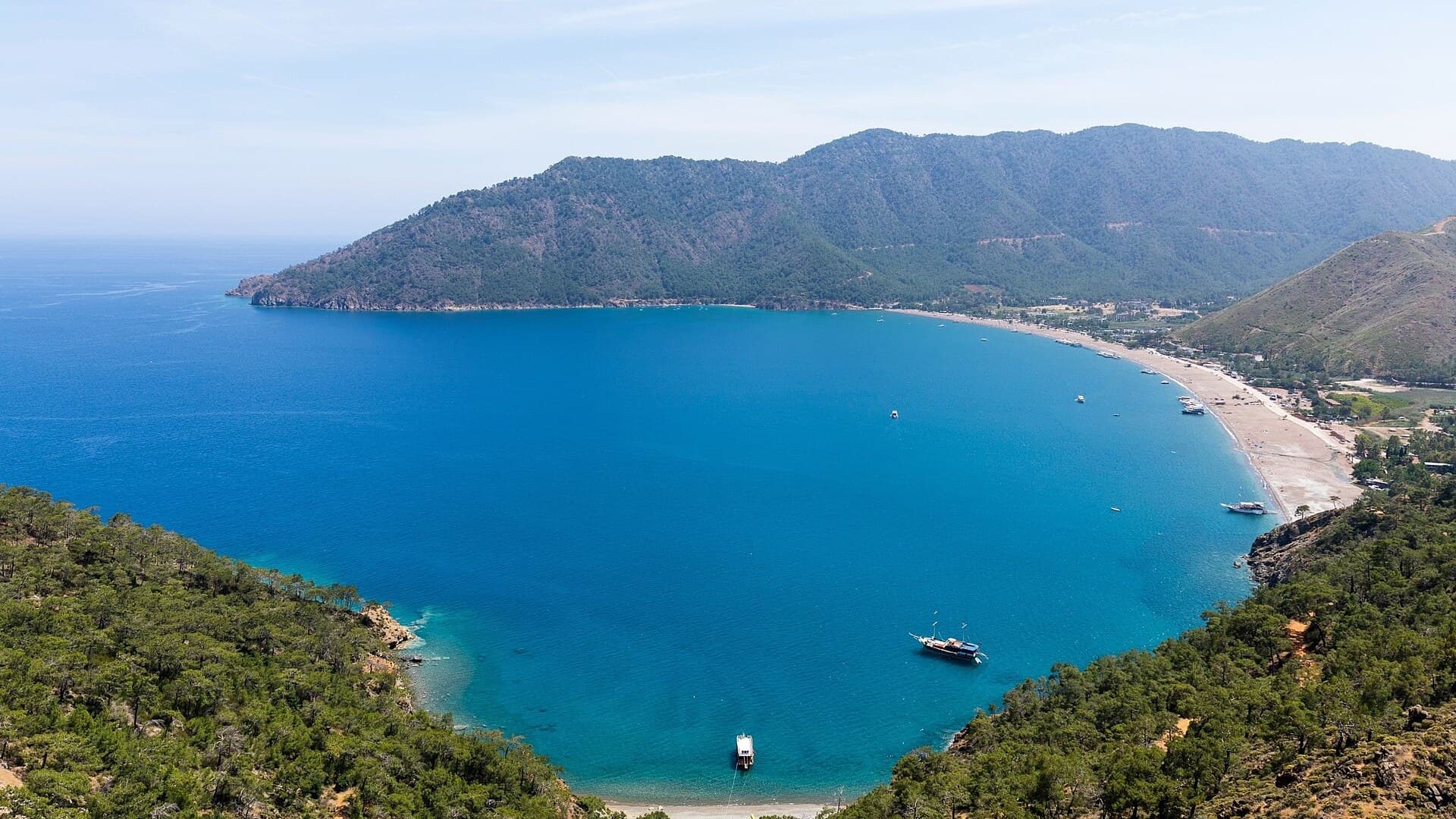
Adrasan
Antalya, TR
A long bay south of Antalya, quieter than the big resort towns
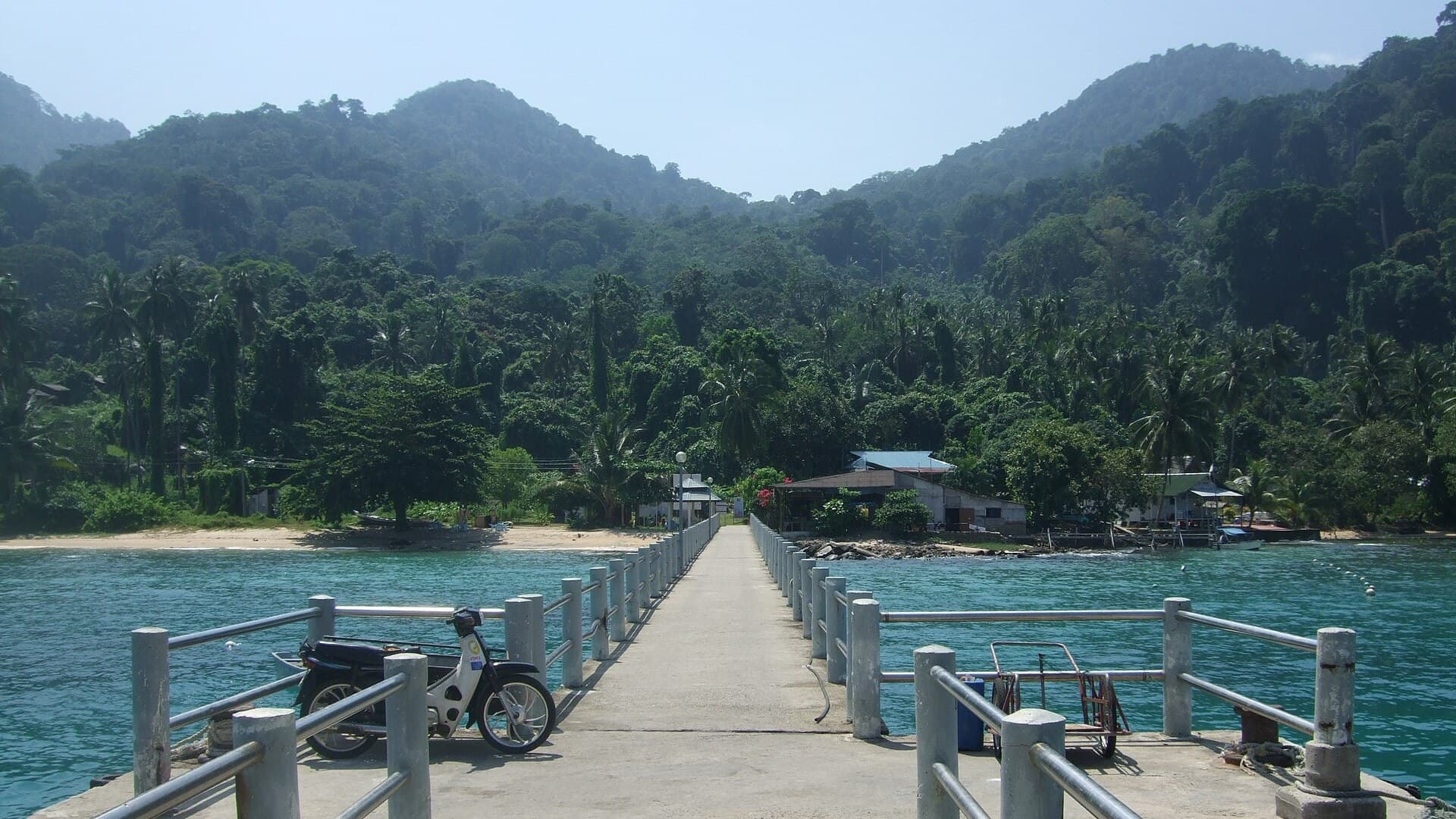
Air Batang
Pahang, Malaysia
A tranquil west‑coast village on Tioman Island, perfect for snorkeling, diving, and short beach stays.
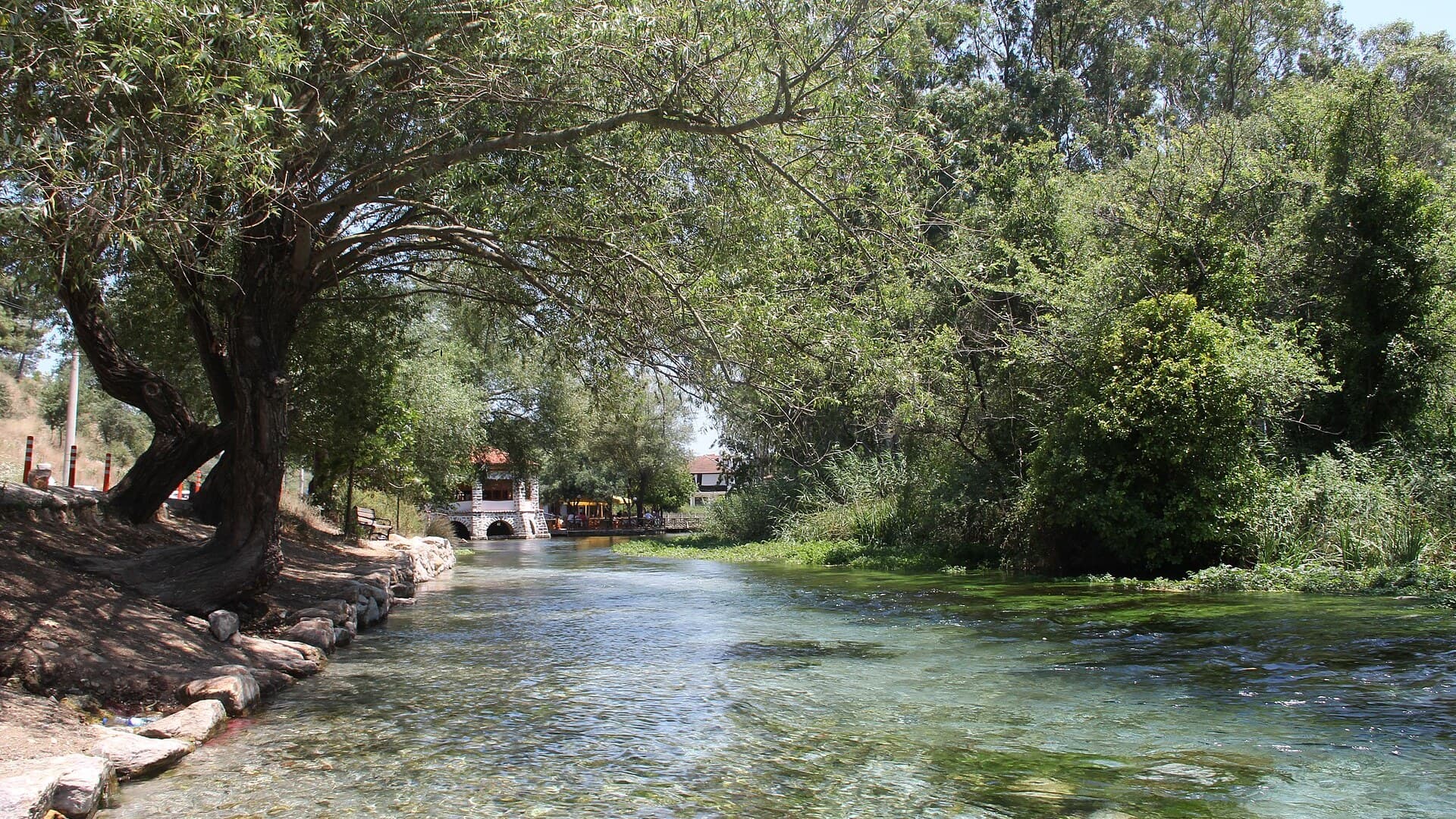
Akyaka
Muğla, Türkiye
A quiet riverside gem where boat rides, river swims and relaxed cafés make a perfect day or overnight stay.
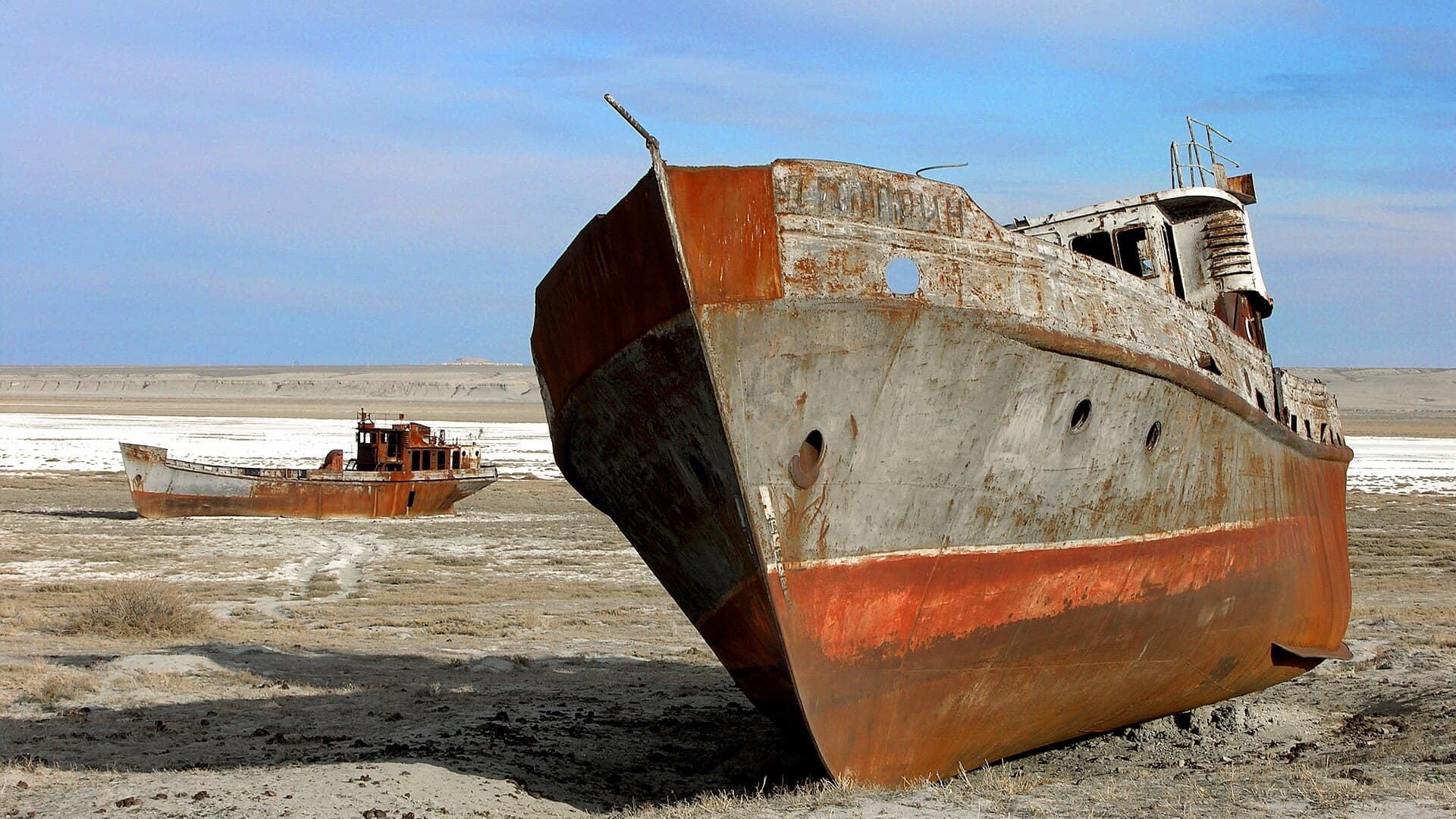
Aralsk Guide
Kyzylorda, Kazakhstan
The sea left, the ships stayed
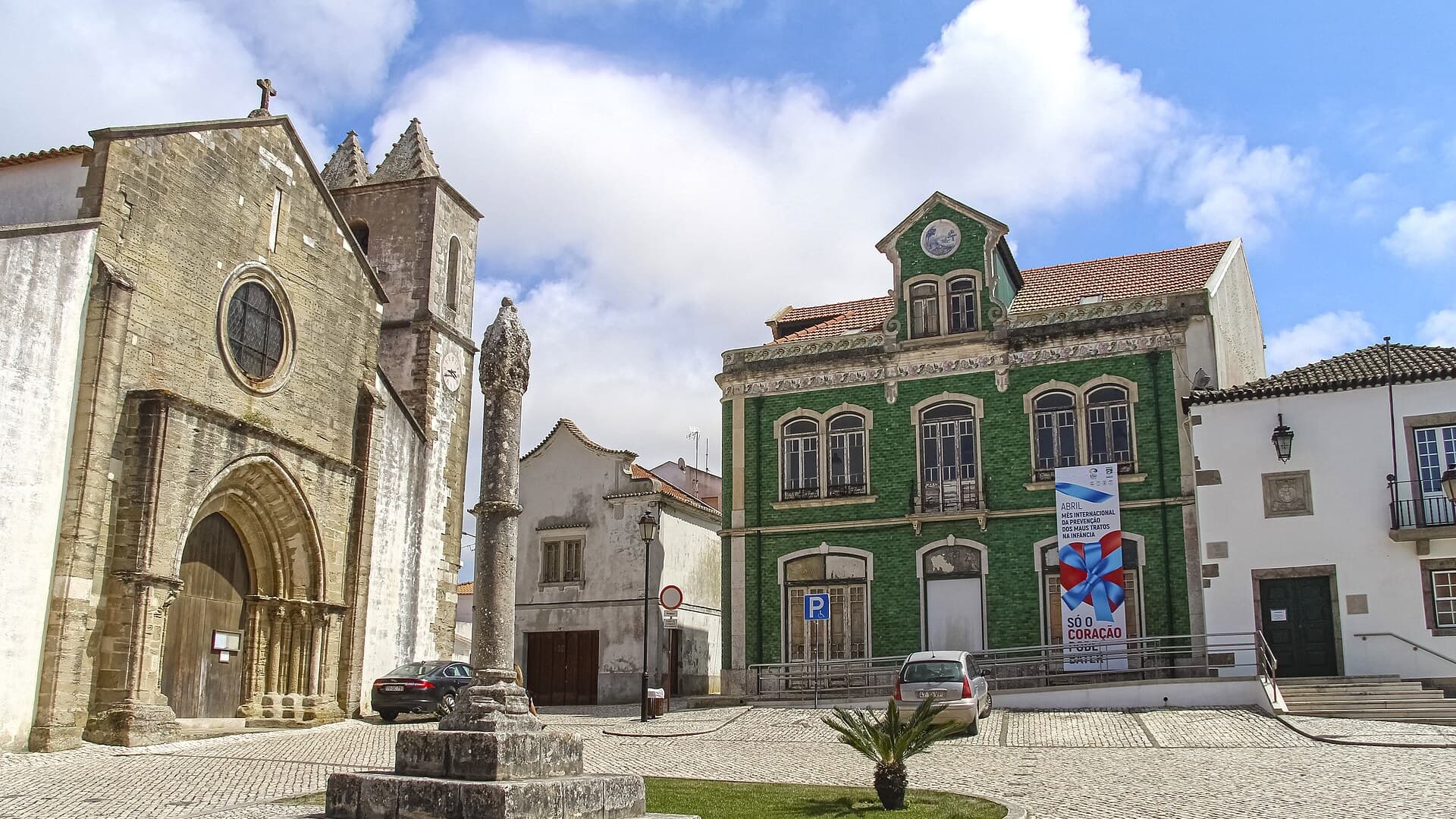
Atouguia da Baleia
Leiria, Portugal
A village named for whales, minutes from the Atlantic

Baisha
Yunnan, China
Explore Baisha’s quiet Naxi murals, historic streets and nearby waterfalls – a perfect 3‑day detour from Lijiang.

Save these places to your list
Copy the spots you picked into your list — maps and notes included.