
Lost River Guide
Trails, a Lee cabin and a river that goes underground
1 selected
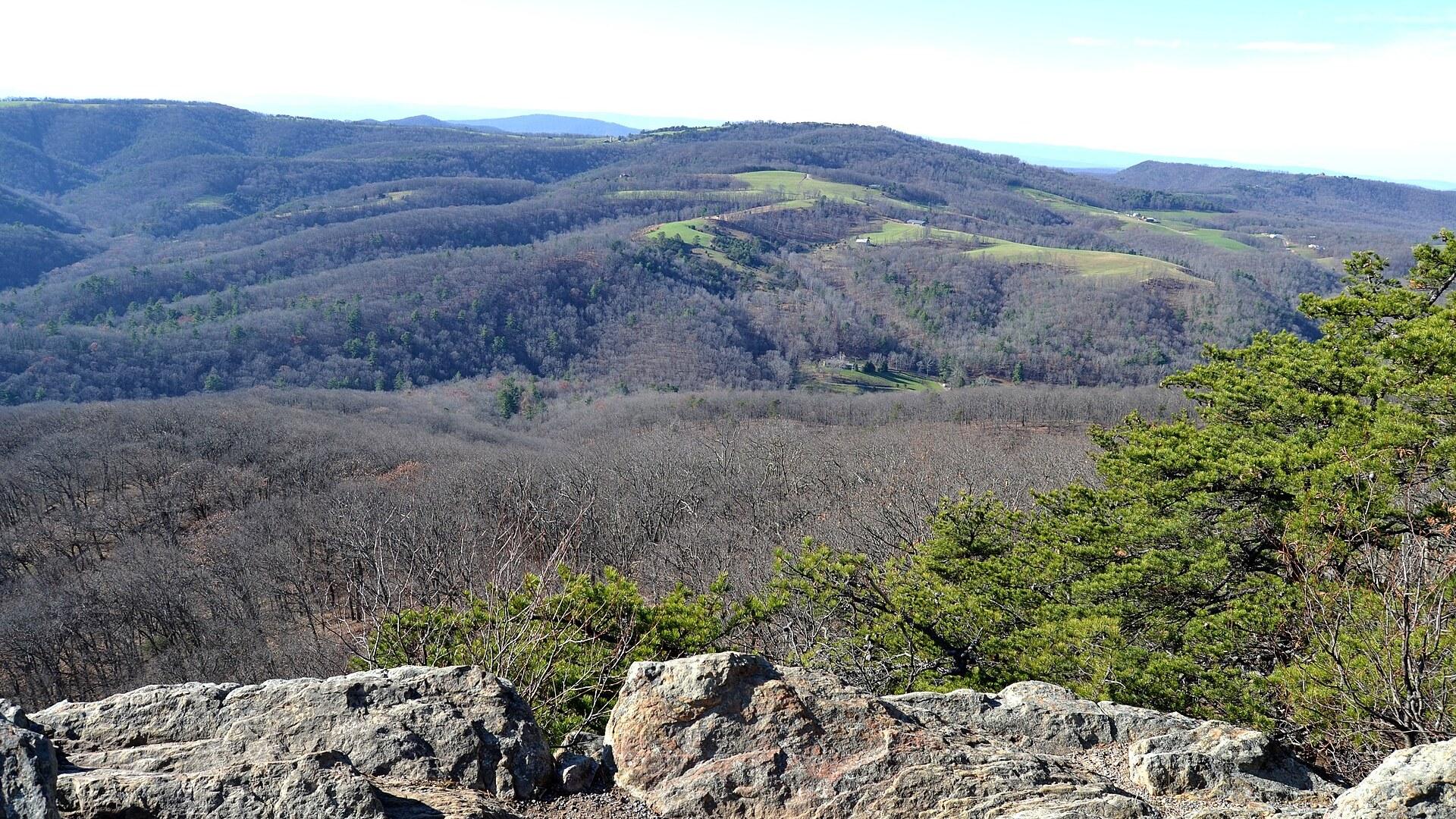
Lost River is an unincorporated community on the Lost River in eastern Hardy County, West Virginia, United States. Lost River State Park sits in the wooded mountains of the Eastern Panhandle near Mathias and is promoted as a place to get lost in nature, with mountain views and many recreational activities.
Start with the trails. The park has 23 miles of them, and there is no fee to hike the trail system. The trail from the White Oak trailhead by the horse stables leads to the Cranny Crow overlook at 3,200 feet, with a panorama of five counties. The Millers Rock trail also ends at Cranny Crow and offers sweeping panoramic views.
Off the trails, the park has an outdoor swimming pool, tennis courts, a volleyball court, an archery range, badminton, horseshoes and a playground for children. Geocaching is offered as modern-day treasure hunting, and it needs a team and a smartphone with GPS. Guided horseback rides are led by expert guides from Hidden Trails Stables.
Lee Sulphur Spring is known for its sulfuric smell and rumored healing properties. The river itself is the other oddity. The Lost River was named because it is a losing stream, one that disappears underground. Northeast of McCauley, along West Virginia Route 259, it flows into an underground channel at a place called the Sinks and reappears near Wardensville as the Cacapon River.
The wildlife around the park includes deer, bear, other woodland creatures, multiple songbirds and raptors. In the Monongahela National Forest near Lost River you can hike to the top of Seneca Rocks, climb the lookout tower at Spruce Knob and see the wind-swept plains and rock formations of the Dolly Sods Wilderness. Guided cave tours run at Smoke Hole or Seneca Caverns, and NROCKS offers a via ferrata rock climbing experience. The Potomac Eagle scenic train ride is known for bald eagle sightings along the South Branch of the Potomac River.
From Lighthorse Harry Lee to the Civilian Conservation Corps
Lost River State Park holds a Revolutionary War general's summer house and New Deal stonework, and it lies near the site of a French and Indian War battle in Hardy County. The park is located near the site of the Battle of Lost River, fought during the French and Indian War. It also lies near the site of the Battle of the Trough, a skirmish between Virginia militia and a band of French and Indian warriors. After the Revolutionary War, part of the land that is now the park was awarded to Henry Lee III for his war service, and he built a summer house there. In his time the land was called Lee Sulphur Springs, and his house still stands as the Lee Cabin Museum. The Lee Cabin is the summer retreat of Henry Lee, known as Lighthorse Harry, a Revolutionary War general and the father of Civil War General Robert E. Lee. The restored cabin is fully furnished and run as a museum depicting life in the early 1800s. Henry Lee once ran a resort hotel nearby at a sulfur spring. The hotel is long gone, but you can still draw water from the spigot at Lee Sulphur Springs. The Civilian Conservation Corps developed the park under the technical supervision of the National Park Service, in cooperation with the West Virginia State Conservation Commission. The stone shelter at Cranny Crow was built by the Corps as part of President Franklin Roosevelt's New Deal, and the Legacy cabins show the same architecture. The Corps structures and the Lighthorse Harry Lee Cabin are listed on the National Register of Historic Places, and so is the Lost River General Store on WV 259 in the community. James Ward Wood, founder of the Kappa Alpha Order, was born near Lost River.
Farmers market in Lost River, visitor bureau in Mathias
Visitors to Lost River State Park are pointed to the Lost River Farmers Market in Lost River, WV. The Hardy County Convention & Visitors Bureau in Mathias is the other address on that list. Mathias is the community near Lost River State Park.
Reaching Lost River along West Virginia Route 259
Lost River lies in eastern Hardy County, in West Virginia's Eastern Panhandle, and Lost River State Park sits near the community of Mathias. Despite its name, the park does not abut the Lost River. It lies about 2.3 miles west of the river. The source of the Lost River is south of Mathias, near the West Virginia and Virginia border. Lost River State Park is one of West Virginia's more remote state parks and a favorite quiet mountain getaway for travelers from the D.C.-Baltimore metro area. Seneca Caverns, Smoke Hole Caverns, Spruce Knob, Seneca Rocks and the Dolly Sods Wilderness all lie within an hour or two's drive of Lost River.
Moving around Lost River State Park on foot, bike or horse
Getting around Lost River State Park means trails: hiking costs nothing, and several trails also take mountain bikers and horse riders. The Lee Sulphur Spring Trail is 0.25 miles long and runs from the spring along the creek to the athletic ballfield and the Shelter #2 area. The Shingle Mill Lane Trail is a 1-mile horse trail from the stables to the lower picnic area. The Lighthorse Harry Lee Trail is a 1.25-mile horse trail from the playground across from the administration building to the junction of East Ridge Trail and Red Fox Trail. The backcountry campsites on top of Big Ridge Mountain start with a 1.5-mile hike. Mountain bikers are welcome on the trail from the end of Cabin Run Road to Light Horse Harry Lee Trail and on to Piney Ridge Road, and on the one from Howard's Lick Run near the east entrance toward Red Fox Trail. If you bring your own horse, you can ride privately year-round after registering at the park office.
Fees, reservations and signal around Lost River State Park
Lost River State Park charges nothing to hike its trail system, while camping there is fee-based. A reservation is required for the ball field campsites, which have parking in the adjacent ball field lot and can also be rented as a group camp area. Hunting is not allowed in the park, but the Monongahela National Forest nearby offers hunting for turkey, bear, deer, grouse and woodcock, and a current hunting license is required. Part of Hardy County lies in the United States National Radio Quiet Zone. If you plan to go geocaching, the activity needs a team and a smartphone with GPS.
Hours, cabins and camping at Lost River State Park
Lost River State Park runs its pool and stables on seasonal hours, and it has 26 cabins and Out & West glamping tents for overnight stays. When is the swimming pool open? From Memorial Day to Labor Day, Wednesday through Sunday. Weekday hours are 12:15 to 17:45 and weekend hours are 10:30 to 17:45; late-August days and hours may vary. When can you ride at Hidden Trails Stables? The stables are open Memorial Day through Labor Day, and on Saturdays and Sundays in April, May, September and October, from 9:00 to 17:00. Riders are encouraged to book guided rides in advance. What are the cabins like? The cabins have water and electricity, fully equipped kitchens, bathrooms and showers, heating and air conditioning. Two of them are wheelchair accessible, and Cabins 1, 2, 5-7, 16-18 and 25 are pet-friendly. Where can you stay besides the cabins? Out & West runs 8 canvas glamping tents in the new campground, for 2 or 4 people, from April to November, with check-in from 15:00 and check-out by 11:00. The sites are a short walk from the bathhouse, water fill station and camp store. The Primitive Outpost Hike-in Cabin on Big Ridge Mountain has a bunk bed with two queen size mattresses and sleeps four. Can you camp in a tent? Three campsites near the ballpark can be rented as a group area, with a fire ring, picnic table and public shelter. Restrooms and showers nearby are available during swimming pool hours. Is the river clean? The state of West Virginia lists the Lost River in Hardy County as impaired due to pathogens, likely from livestock and poultry raising in the valley.
FAQ
What is covered in the Lost River guide?
Plan a trip to Lost River, West Virginia: 23 miles of trails, the Lee Cabin museum, Cranny Crow overlook, cabins and glamping tents in Lost River State Park. It includes 1 recommendations across 1 gallery.
Next →How many places are in the Lost River guide?
The Lost River guide lists 1 places: 1 gallery.
Next →Where is Lost River?
Lost River is in Lost River, West Virginia, United States (38.9536, -78.8039).
Next →How do you get to Lost River?
Lost River lies in eastern Hardy County, in West Virginia's Eastern Panhandle, and Lost River State Park sits near the community of Mathias. Despite its name, the park does not abut the Lost River. It lies about 2.3 miles west of the river. The source of the Lost River is south of Mathias, near the West Virginia an…
Next →What should you eat in Lost River?
Visitors to Lost River State Park are pointed to the Lost River Farmers Market in Lost River, WV. The Hardy County Convention & Visitors Bureau in Mathias is the other address on that list. Mathias is the community near Lost River State Park.
Next →Is there camping in Lost River?
No camping listings in this pack yet — we do not invent venues. Entries will appear once verified.
Next →Can you rent a bike in Lost River?
No bike rental listings in this pack yet. Verified shops will be added when available.
Next →What are recommended gallery in Lost River?
Highlighted gallery in the Lost River guide: View from Cranny Crow overlook.
Next →Highlighted places
- View from Cranny Crow overlook — A view over forested ridges and valley fields from the Cranny Crow overlook in Lost River State Park.
Explore on the map
Tap a pin to highlight its place card
All
1 spots
Recommended places
Gallery
1 · 1 selected
View from Cranny Crow overlook
gallery
Related guides
Browse nearby destinations
Arnaudville Guide
Louisiana, United States
La Jonction, where two bayous meet in Cajun Country
Confluence Guide
Pennsylvania, United States
Where three waters meet on the Great Allegheny Passage
Crozet Guide
Virginia, United States
Vineyards, orchards and a railroad tunnel under the Blue Ridge
Hubbell Guide
Michigan, United States
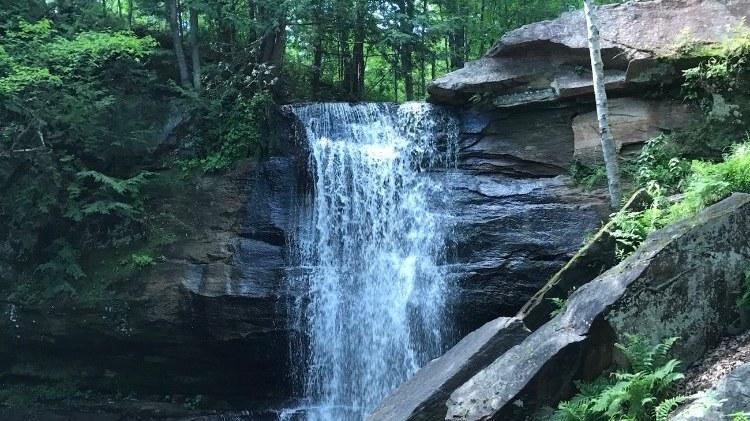
Hungarian Falls and the Torch Lake mining ruins
Ligonier Guide
Pennsylvania, United States
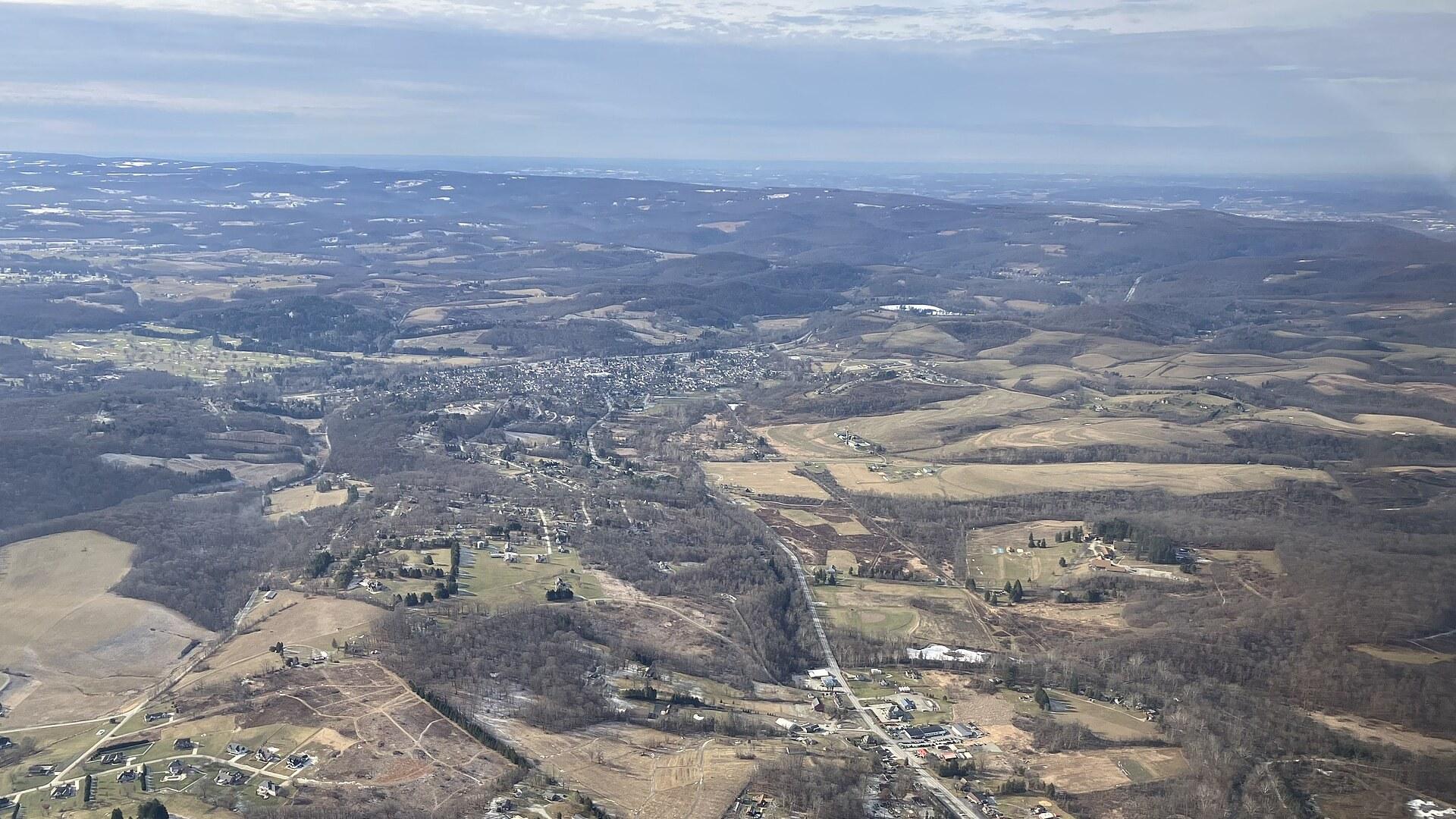
A frontier fort, a village green and the Laurel Highlands
Mazomanie Guide
Wisconsin, United States
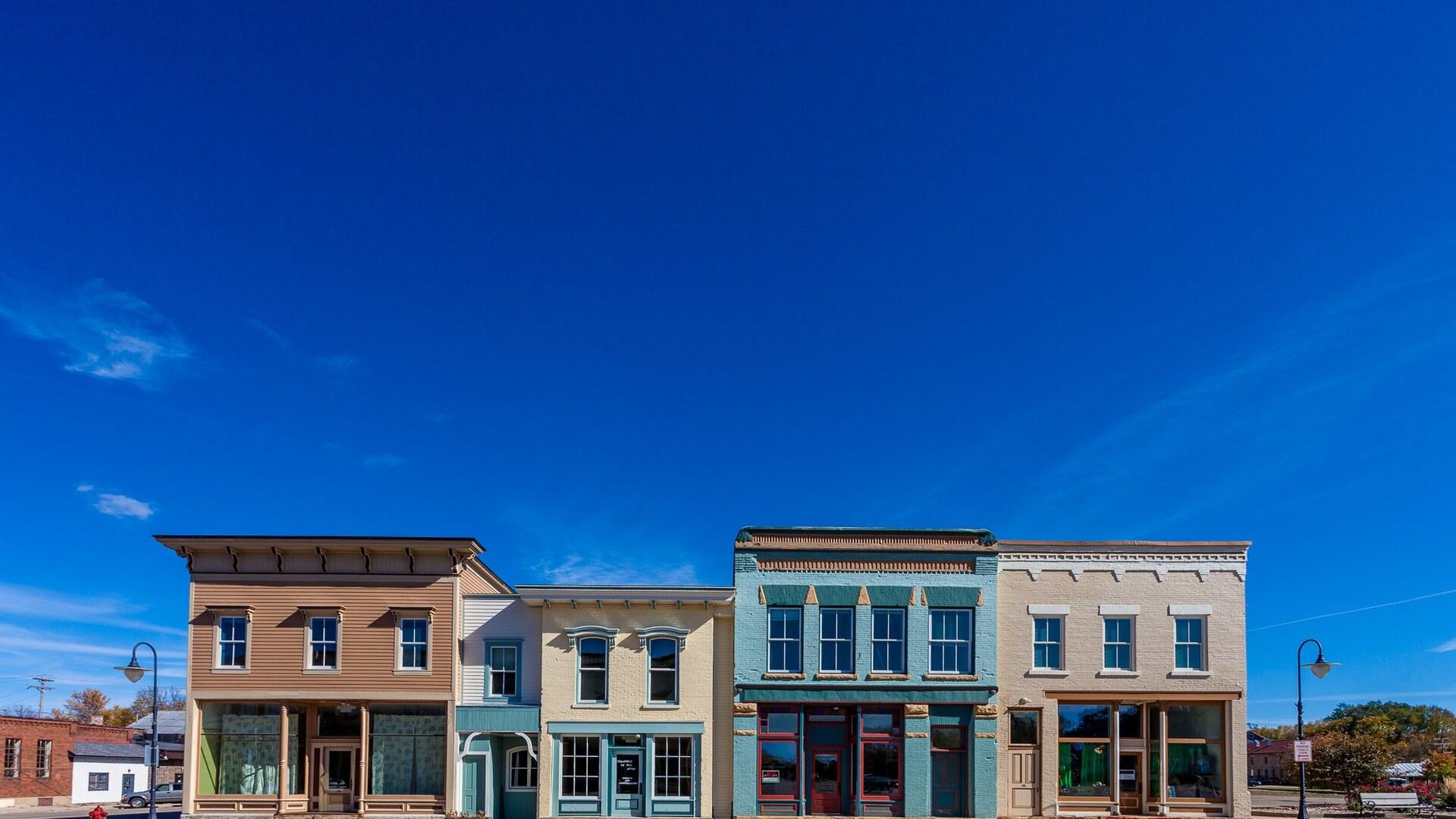
Railroad depot, microcars and canoes on the Wisconsin River

Save these places to your list
Copy the spots you picked into your list — maps and notes included.