
Katon-Karagay Guide
Far eastern Altai: park, glaciers and horse country
1 selected
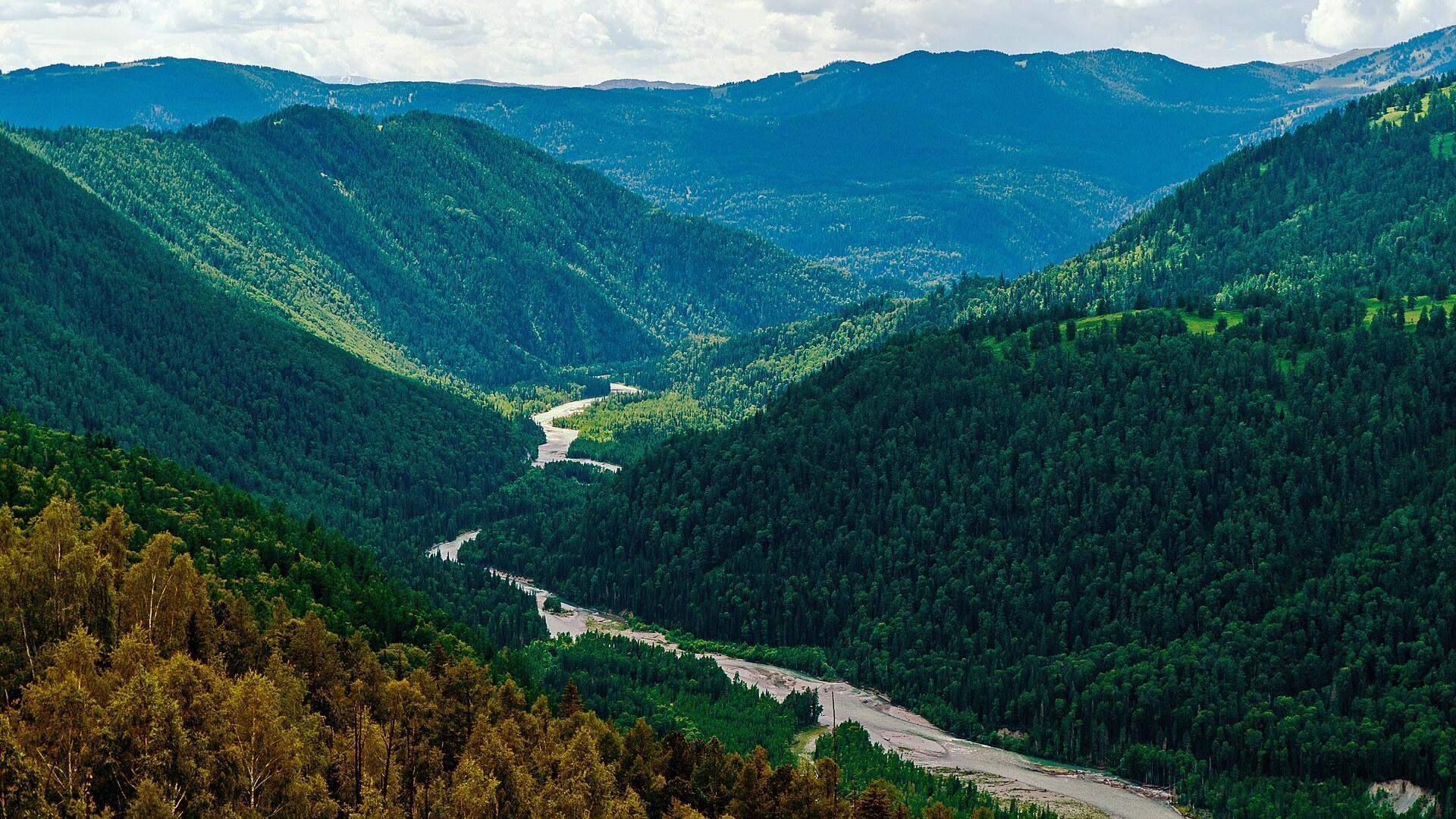
Katon-Karagay is a village in East Kazakhstan, Kazakhstan, and the administrative centre of Katonkaragay District, the easternmost district in the country. Horses are the local signature: the district has more of them than any other in East Kazakhstan Region, a point the road route makes at the village of Belkaragai.
The big draw next door is Katon-Karagay National Park, the largest national park in Kazakhstan. It runs along the eastern edge of the country in the Southern Altai Mountains, right where the borders of Kazakhstan, Russia, China and Mongolia meet. Mountains and glaciers define it, and 34% of the park is forested, with meadow, rocky slopes and ice making up the rest.
Kokkol Falls drops 80 m inside the park and is described as the largest waterfall in the Altai Mountains. Further north, along the Kazakhstan-Russia border, rises Belukha Mountain, also called Uc-Sumer, the three peaks. Belukha is the highest summit of the Altai, a multi-peaked massif with several small glaciers, Belukha Glacier among them, and it forms part of the Golden Mountains of Altai World Heritage Site.
Lake Markakol is the largest lake in the district. Its water is clear and blue, and gulfs cut into the shore. The Kalzhyr, a tributary of the Irtysh, carries its water away. Fish in the lake include uskuch (lenok) and Thymallus, while 258 bird species, loons, grebes, ducks and gulls among them, nest on the coastal meadows. Botanists have recorded more than 700 higher plant species around the lake, which draws plenty of tourists.
Elsewhere in the district, the Berel burial mounds lie 7 km from Berel on a flat mountain plateau between the Bukhtarma and Kandysu rivers. The burial ground covers 1 000x4 000 m2, and its barrows fall into four groups. A museum has been opened in the valley.
On the way in, Rakhmanovskiye Klyuchi has a sanatorium on the shore of Big Rakhmanov Lake. The Bukhtarma Reservoir, one of the five largest artificial reservoirs in the world, follows the road to Katon-Karagay, and Goluboy Zaliv on its shore has a recreation centre.
The park counts 363 vertebrate species, 284 birds and 65 mammals, among them wolf, fox, roe deer and brown bear. In January 2021 a snow leopard was filmed there.
Berel mounds, first ascents and early expeditions
Katon-Karagay District holds the Berel burial mounds, where a joint Kazakh-French expedition began excavating the second largest barrow of the complex in 1998. The Berel barrows belong to the Pazyryk culture of the Altai, dated to the sixth to third centuries BC. Permafrost preserved mummified remains and organic objects there. Radlov studied the Great Berel Barrow back in 1865, and in 1959 an expedition under S.S. Sorokin carried on the research. The 1998 team was led by Z. Samashev. Barrow 11 measures 33.5x22.8 m and stands just over 2 m high, with a grave pit of 4.9x4.0 m that goes 5.0 m deep. Inside it, a larch log cabin of 3.65x2.15x1.40 m was found, and behind its northern wall lay 13 horses in two tiers. Dating gives 267 B.C. for barrow 1 and 363 B.C. for barrow 11. Barrow 9 held five horses in a chamber 3.5 m deep. Barrow 10 yielded saddles decorated with eight sphinxes and eight eagle griffins, and barrow 36 had a horse harness of 66 deer horn elements. Digs near Berel have pushed scholars to rethink the nomadic cultures of the 3rd and 4th centuries BC. Lake Markakol was first studied in 1863 by K.V. Struve and G.N. Potanin and joined the new Markakol Nature Reserve in 1976. The Tronov brothers made the first ascent of Belukha in 1914. In Shyngystai, the school-museum named after Abdykerim dates from 1907.
Roadside fish, honey fairs and cafes on the way in
Food around Katon-Karagay is found along the road in, starting with the roadside market at Oktyabrsky, which sells dried and smoked fish. Oktyabrsky also has a gas station, cafes and shops. Turgusun, further along the road toward Katon-Karagay, has two cafes, Kamila and Karatai. The eastern oblast around Oskemen is known for honey, and a local honey fair takes place in September. Oskemen also has Pizza Blues (Pizza Dostavka), a chain with four locations that serves pizza and beer. On Kazakhstan trains, restaurant car provision is sporadic, so most people bring supplies. At stations, sellers offer food and drink on the platform during stops of 15-20 min.
From Almaty and Astana to Oskemen and onward
Katon-Karagay National Park lies in Katonkaragay District, 1,000 km southeast of the capital Astana, on the eastern edge of Kazakhstan, and Oskemen (Ust-Kamenogorsk) is the gateway city. Air Astana and SCAT airways fly to Oskemen from Almaty several times a week. Daily trains connect Almaty and Astana with Oskemen. The ride takes around 19-24 h, with third-class seats and sleeper berths on offer. Buses also run daily from both cities, and the trip is overnight. In Almaty they leave from the Sairan bus station and arrive at the main Ust bus station. From Oskemen the route toward Katon-Karagay passes Serebryansk, Goluboy Zaliv on the Bukhtarma Reservoir, Oktyabrsky, Turgusun, Altai, Ulken Naryn and Belkaragai. Only after Belkaragai do you reach Katon-Karagay National Park. The road to Rakhmanovskiye Klyuchi starts in Ust-Kamenogorsk and goes through Altai. The stretch via Osinovsky Pass is famous for its serpentine bends. A renovated section of the road to Rakhmanov Springs has opened. A new road and the highest bridge in Kazakhstan have also opened in East Kazakhstan Region, and a mountain bridge was nearing completion. The Old Austrian Road runs close to the Markakol Nature Reserve and Lake Markakol.
Taxi apps, marshrutkas and long-distance buses
Getting around Katon-Karagay starts with knowing which taxi apps work in Kazakhstan: Yandex Go, inDrive and Maxim do, while Uber and Bolt do not. Yandex Maps and 2GIS work better than Google Maps there. The Yandex Raspisaniya service lets you search train, bus and plane connections. BusGo.kz lists bus routes, timetables, departure stations and electronic tickets for the whole country. Marshrutkas are cheap vans that run between towns in Kazakhstan. They carry a destination sign in Russian, and the driver usually calls out where the van is going. Long-distance bus tickets have to be bought in advance, with a seat number. On toilet stops, drivers often leave without checking that all passengers are aboard. Unofficial hand-waved taxis are not advised for long distances or remote areas, since robberies of foreigners are frequent. In Oskemen (Ust-Kamenogorsk), an old but pleasant tram system runs, and buses move easily around the city.
Tenge, exact change and mobile signal on the road
Katon-Karagay visitors will be dealing in tenge, the currency in which prices across Kazakhstan are quoted, and the advice is to carry the exact cash amount for taxi rides. Drivers usually do not give change. A news item has listed the current entrance fees of the national parks and nature reserves of East Kazakhstan Region for 2026, and Katon-Karagay National Park is among them. As of September 2024, Oskemen has 4G from all Kazakh carriers. On the approach highways the signal is patchy. In Kazakhstan the emergency number is 112. The fire department answers on 101, the police on 102 and emergency medical services on 103.
Border zone, permits, weather and visa basics
Katon-Karagay, Kurchum and Zaisan districts and the administrative territory of Ridder city are border areas of Kazakhstan with China and Russia, where a border regime applies. Visitors to Katon-Karagay National Park, Markakol Nature Reserve and West-Altai Nature Reserve enter the Katon-Karagay and Kurchum districts and Ridder city, which lie in the border zone. Who can enter the border zone? Citizens of Kazakhstan may enter with an identity document. Foreigners and stateless persons need identity documents plus a border-zone entry pass issued by the Ministry of Internal Affairs. Anyone in the zone without identification faces a fine of 5 MCI under Article 510 of the Administrative Code of Kazakhstan. Is there a checkpoint on the way? There is a border post at the entrance to Uryl village in Katon-Karagay District, so prepare your documents in advance. In mountain areas, heed the warning signs, and tour operators should check the limits of the border area with the Border Guard Service. What about Belukha? Since 2008, independent travellers need a special border zone permit, and foreigners should apply to their regional FSB border guard office two months before the planned date. The Altai is very remote, and the approach to Belukha takes much time and planning. How cold does it get? At mid altitudes the national park has a humid continental climate, with average temperatures from -26 C in January to 9.5 C in July. Lake Markakol sees winter air down to -55 C and summer highs up to 29 C. Its ice begins forming in mid-October and is complete by November 20, 60-120 cm thick, so winter visits need cold-weather gear. Do I need a visa? Visitors to Kazakhstan from the United Kingdom, United States, Germany, France, Canada, Australia and many other countries need no visa for up to 30 days, while those from Russia, Kyrgyzstan and Mongolia get 90 days. Citizens of mainland China, Hong Kong, India and Iran may enter without a visa for 14 days. The registration card was discontinued in 2020, and you only get an entry and an exit stamp. Which language helps? Russian is still widely spoken in Kazakhstan. Ust-Kamenogorsk (Oskemen) is a primarily Russian-speaking mining city in the Altai mountains, and mud baths along the Irtysh River nearby are not recommended because of heavy metal pollution.
FAQ
What is covered in the Katon-Karagay guide?
Plan a trip to Katon-Karagay in East Kazakhstan: explore the national park, Kokkol Falls, Lake Markakol, Berel mounds and the border-zone rules. It includes 1 recommendations across 1 gallery.
Next →How many places are in the Katon-Karagay guide?
The Katon-Karagay guide lists 1 places: 1 gallery.
Next →Where is Katon-Karagay?
Katon-Karagay is in Katon-Karagay, East Kazakhstan, Kazakhstan (49.1776, 85.6064).
Next →How do you get to Katon-Karagay?
Katon-Karagay National Park lies in Katonkaragay District, 1,000 km southeast of the capital Astana, on the eastern edge of Kazakhstan, and Oskemen (Ust-Kamenogorsk) is the gateway city. Air Astana and SCAT airways fly to Oskemen from Almaty several times a week. Daily trains connect Almaty and Astana with Oskemen.…
Next →What should you eat in Katon-Karagay?
Food around Katon-Karagay is found along the road in, starting with the roadside market at Oktyabrsky, which sells dried and smoked fish. Oktyabrsky also has a gas station, cafes and shops. Turgusun, further along the road toward Katon-Karagay, has two cafes, Kamila and Karatai. The eastern oblast around Oskemen i…
Next →Is there camping in Katon-Karagay?
No camping listings in this pack yet — we do not invent venues. Entries will appear once verified.
Next →Can you rent a bike in Katon-Karagay?
No bike rental listings in this pack yet. Verified shops will be added when available.
Next →What are recommended gallery in Katon-Karagay?
Highlighted gallery in the Katon-Karagay guide: Forested valley in the Altai.
Next →Highlighted places
- Forested valley in the Altai — A river winding through a forested valley in the Katon-Karagay area of the Kazakh Altai.
Explore on the map
Tap a pin to highlight its place card
All
1 spots
Recommended places
Gallery
1 · 1 selected
Forested valley in the Altai
gallery
Related guides
Browse nearby destinations
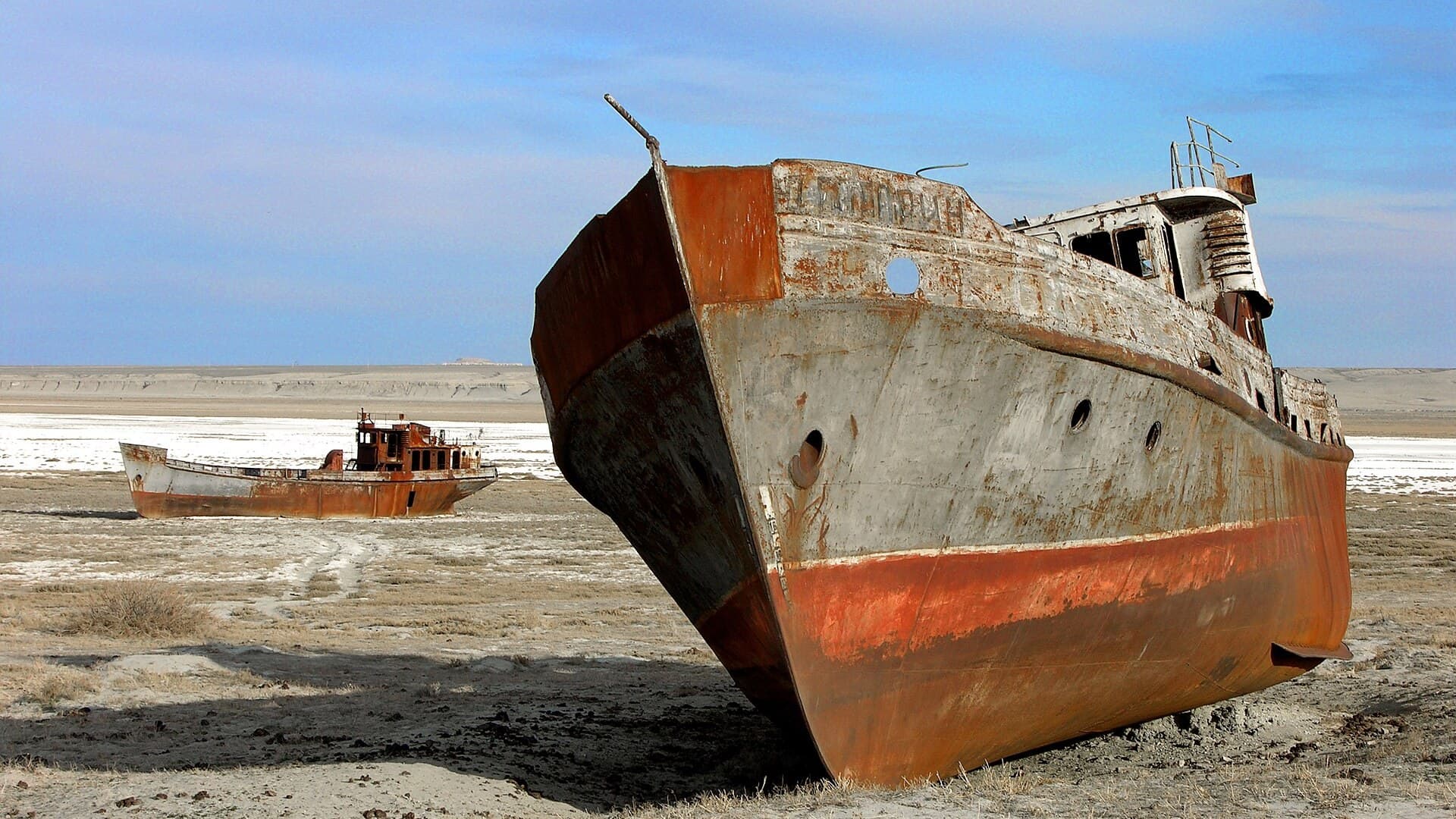
Aralsk Guide
Kyzylorda, Kazakhstan
The sea left, the ships stayed
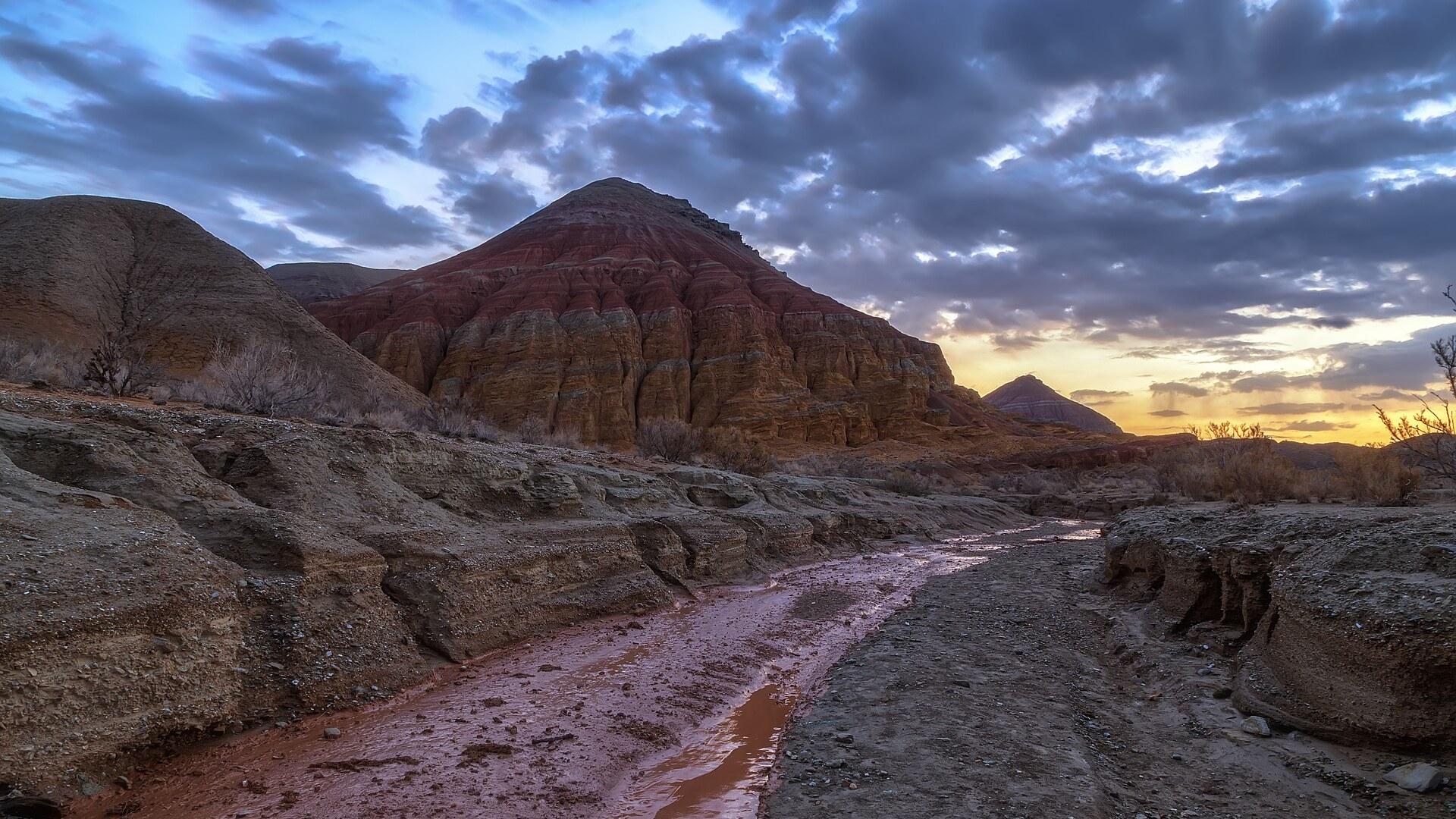
Basshi Guide
Jetisu, Kazakhstan
Gateway village to Altyn-Emel National Park
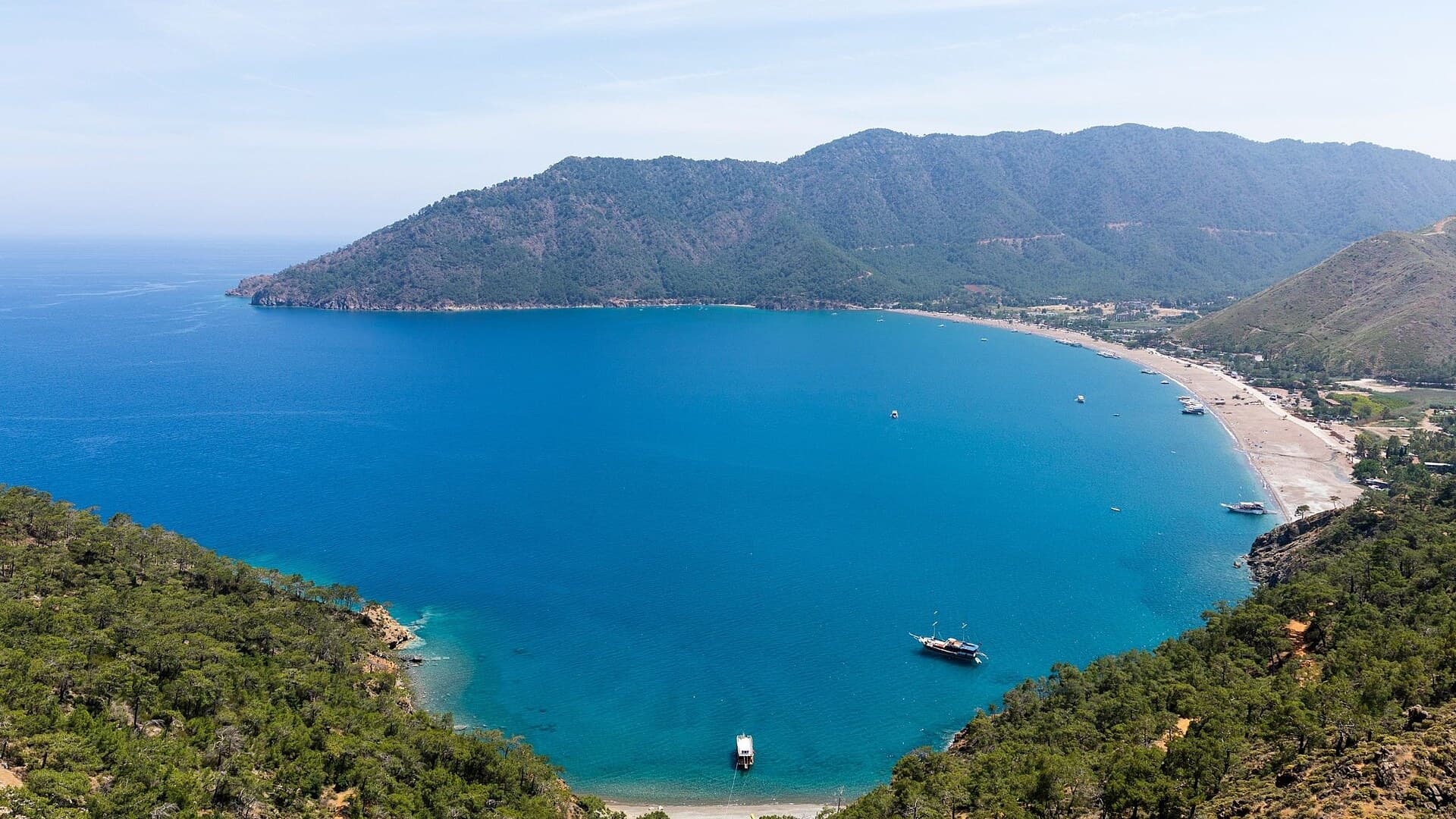
Adrasan
Antalya, TR
A pine-backed bay where the days move slowly
Air Batang
Pahang, Malaysia
A car-free Tioman village for divers and walkers
Akyaka
Muğla, Türkiye
Azmak boats, kitesurf wind and wooden balconies
Aneityum Guide
Tafea, Vanuatu
Beaches, reef and quiet in Vanuatu's far south

Save these places to your list
Copy the spots you picked into your list — maps and notes included.