
Geel Guide
Gothic churches and a town that fosters its patients
1 selected
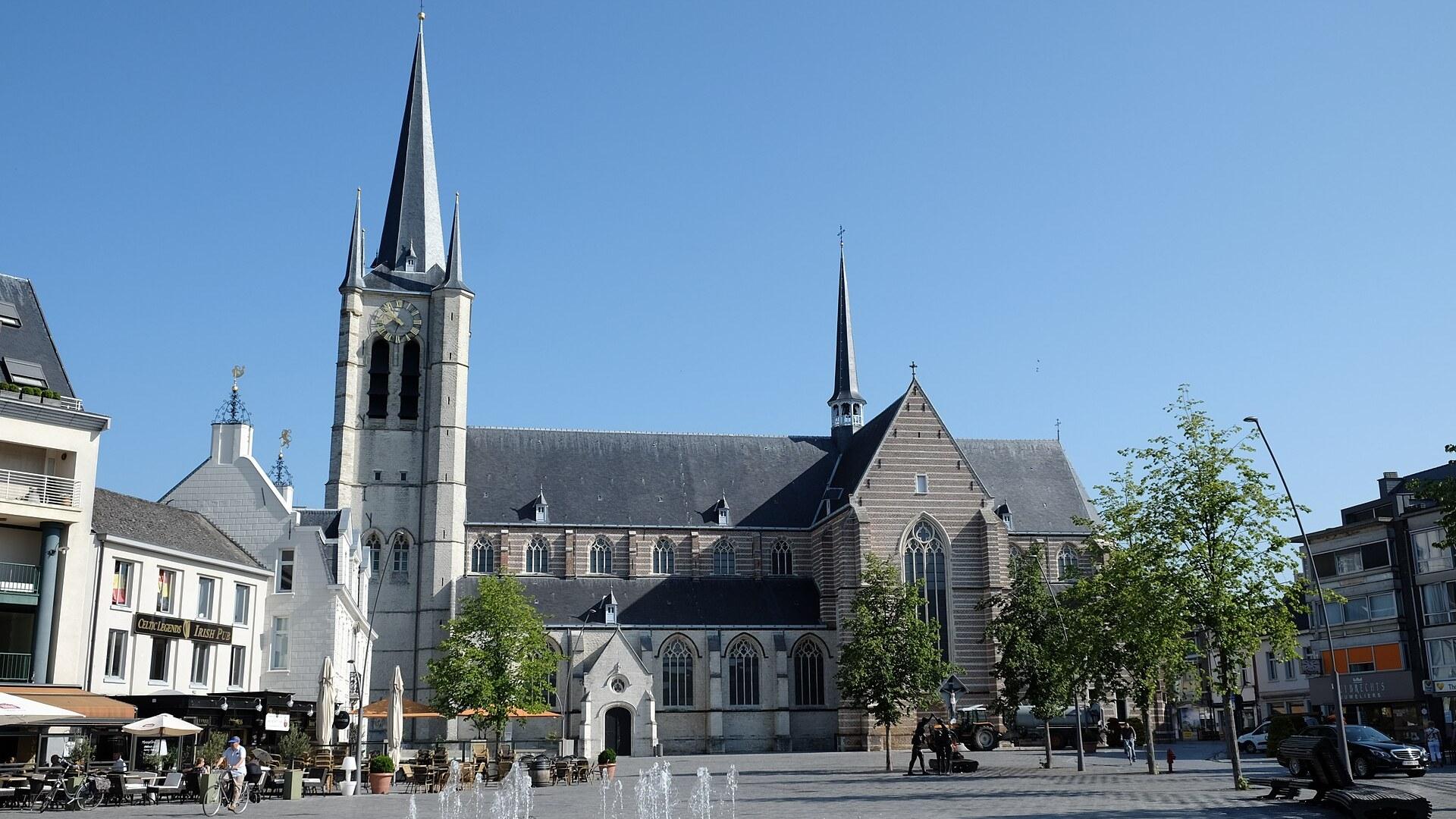
Geel sits in Flanders, Belgium, on the river Nete in the Campine region, where forests and dunes shape the landscape. It is a working town in the province of Antwerp rather than a postcard, and its calm has a particular reason that you pick up quickly.
Start on the Markt, the market square facing the Sint-Amands church. Café terraces line it, and the rest of the town turns around this spot. Grab a table before you go anywhere else and watch the day go by.
The reason for Geel's reputation is its foster-care model. People with mental illness or intellectual disability live with host families. By day they work in places such as a bicycle workshop, a market garden or a bookbindery, or attend occupational therapy at the hospital. The town has lived with this arrangement for centuries, and daily life here simply absorbs it.
The two big Gothic churches are the obvious sights: the Sint-Dimpnakerk and the Sint-Amanduskerk. Inside the Sint-Dimpnakerk, look for the monumental altarpiece with more than 200 carved oak figures. Guided climbs lead up the unfinished tower and into a small treasure room with paintings and relics.
Smaller finds reward a slow wander. The Saint-Alexis college is decorated with Art Nouveau sgraffiti by Gabriel Van Dievoet. A clock museum, a lamp museum and an old bakery cover the rainy hours. The post windmill Molen van t'Veld is still standing, and the town also keeps a field of orchids, a centenary linden tree, a military cemetery and two more windmills.
For green space, head to De Zegge, a nature reserve near Geel that belongs to the society that owns the Antwerp Zoo. If your trip falls in early August, Reggae Geel takes over a site just outside the centre. It counts as one of the larger reggae festivals in Europe, so expect the whole town to feel different for those days.
From Saint Dymphna's relics to a UNESCO-listed care model
Geel owes its fame to the Irish Saint Dymphna, whose cult drew people with mental problems here and led to a pioneering method of placing patients with host families. Her feast day is 30 May, and she is the patron saint of mental health. The tradition is old. The earliest Geel infirmary and the habit of patients walking into town by day and sleeping at the infirmary at night go back to the 13th century. A chapter of canons attached to the Sint-Dimpnakerk originally organised the placements. Work on that church began in 1349, and by 1480 so many pilgrims arrived from across Europe that the housing for them had to be expanded. In 2023 UNESCO added Geel's foster-care heritage to its register of good safeguarding practices. The town's other income came from sheep for the cloth industry and flax for linen. The oldest part of the city hall dates from the 17th century, and the building began as a cloth hall at the start of the 15th century. A Latin School prepared students for the Catholic University of Leuven. In 1880 Vincent van Gogh's father considered sending his son to Geel, drawn by the gentle care patients received. The war left its mark too. The battle of Geel, also called the Gheel bridgehead, in September 1944 was among the bloodiest fights of the liberation of Belgium, and the town was finally freed on 23 September. To see the past in one visit, go into the Sint-Dimpnakerk. It dates from the 14th to 16th centuries, is built in Demer Gothic style and holds the Renaissance mausoleum of the de Merode family.
Terraces on the Markt and festival weekends in Geel
Eating in Geel starts on the Markt, the market square facing the Sint-Amands church, where café terraces line the edges. Choose a table here after a church visit and let the square do the entertaining. Timing matters more than any one dish. In early August the Reggae Geel festival, usually held just outside the centre, fills the town with visitors. If you want quiet terraces, plan around it. If you want music and a crowd, that is your week. In June the Graspop Metal Meeting takes place in neighbouring Dessel, so book early if you need a table or bed nearby.
Reaching Geel by motorway or Belgian rail
Reaching Geel is straightforward by road or rail, since the town lies in the middle of Flanders' dense network of motorways and train lines. Both options are simple to plan from your phone. By car, the E19 motorway runs through Flanders and the E40 also crosses the region. The maximum motorway speed is 120 km/h, and speeds drop once you leave the motorway for local roads. Official signs and schedules are very often only in Dutch, so look up the Dutch name of your destination before you set off. By train, the Belgian national company is NMBS (SNCB), marked by a blue B in an ellipse. Its smartphone app lets you plan journeys and buy tickets in English, which saves queuing at a counter. From the nearest station you can continue by De Lijn bus, covered in the next section.
Walking, cycling and De Lijn buses around Geel
Geel is easiest to explore on foot, by bike and, for longer hops, on De Lijn buses. Walking covers the centre, and the cobblestoned streets mean comfortable shoes are a good idea. Cycling suits the surroundings even better. Flanders has a vast network of cycle paths and a cycle node network where each crossing carries a node number. Write the numbers of a route on a piece of paper and tape it to your handlebars. Bicycle rental is available at some train stations. If a bicycle lane exists you must use it, or you can be fined. De Lijn runs the buses. A ticket is valid for 90 min within one zone. Multi-ride Lijnkaart tickets are cheaper than single tickets, and tickets bought in advance cost less than those from the driver. The De Lijn app offers journey planning, real-time information and tickets in English, and you can also buy a single ticket by holding a credit or debit card near the white card readers. Outside the town, driving is a good option: the roads are well maintained and straight, cyclists normally have separate lanes and the default limit outside built-up areas is 70 km/h.
Paying for buses, tickets and day-to-day costs in Geel
Paying in Geel is simple because Belgium uses the euro, and public transport already accepts cards. Your debit or credit card covers most of what you will need. On De Lijn buses you can tap a card on the white readers for a single ticket, which saves hunting for coins. Buying ahead with a Lijnkaart is cheaper per ride than paying the driver, so if you plan several trips in a day, load up before you board. The NMBS app and the De Lijn app both work in English, and you can buy tickets in them. Having them on your phone before you arrive spares you from reading Dutch timetables at the stop.
Weather, language and road rules for visiting Geel
Geel rewards a trip in late spring or summer, but you should know the weather and the road rules before you arrive. When is the best time to go? The sunniest months are May to July, with around 214 to 220 h of sunshine a month. July has a mean daily maximum of 24.0 °C. December gets only 50 h of sun, and January averages 6.5 °C by day. How wet does it get? About 820.7 mm of rain falls over 134.2 days a year. April is the driest month with 42.9 mm, while December is the wettest with 88.4 mm, so pack a rain jacket outside the spring. What should I know about cyclists? In Flemish towns the speed limit is normally 50 km/h and often cut to 30 km/h. Drivers are held fully responsible in accidents with bikes or pedestrians, so watch for fast cyclists when you cross a lane. Will I manage in English? Dutch is the only official language in the province of Antwerp. Most people know English at least moderately, and people under 30 understand it properly. Above age 50 your chances drop quickly, so a few Dutch words help. Are there events to plan around? The Graspop Metal Meeting is held in neighbouring Dessel in June. Reggae Geel takes place in early August.
FAQ
What is covered in the Geel guide?
Discover Geel in Flanders: the Markt, the Sint-Dimpnakerk, a centuries-old foster-care tradition, Reggae Geel and practical tips to plan your trip. It includes 1 recommendations across 1 gallery.
Next →How many places are in the Geel guide?
The Geel guide lists 1 places: 1 gallery.
Next →Where is Geel?
Geel is in Geel, Flanders, Belgium (51.1619, 4.9914).
Next →How do you get to Geel?
Reaching Geel is straightforward by road or rail, since the town lies in the middle of Flanders' dense network of motorways and train lines. Both options are simple to plan from your phone. By car, the E19 motorway runs through Flanders and the E40 also crosses the region. The maximum motorway speed is 120 km/h, an…
Next →What should you eat in Geel?
Eating in Geel starts on the Markt, the market square facing the Sint-Amands church, where café terraces line the edges. Choose a table here after a church visit and let the square do the entertaining. Timing matters more than any one dish. In early August the Reggae Geel festival, usually held just outside the cen…
Next →Is there camping in Geel?
No camping listings in this pack yet — we do not invent venues. Entries will appear once verified.
Next →Can you rent a bike in Geel?
No bike rental listings in this pack yet. Verified shops will be added when available.
Next →What are recommended gallery in Geel?
Highlighted gallery in the Geel guide: Markt and Sint-Amandskerk.
Next →Highlighted places
- Markt and Sint-Amandskerk — The Markt square in Geel with the Sint-Amandskerk and its fountains on a sunny day.
Explore on the map
Tap a pin to highlight its place card
All
1 spots
Recommended places
Gallery
1 · 1 selected
Markt and Sint-Amandskerk
gallery
Related guides
Browse nearby destinations
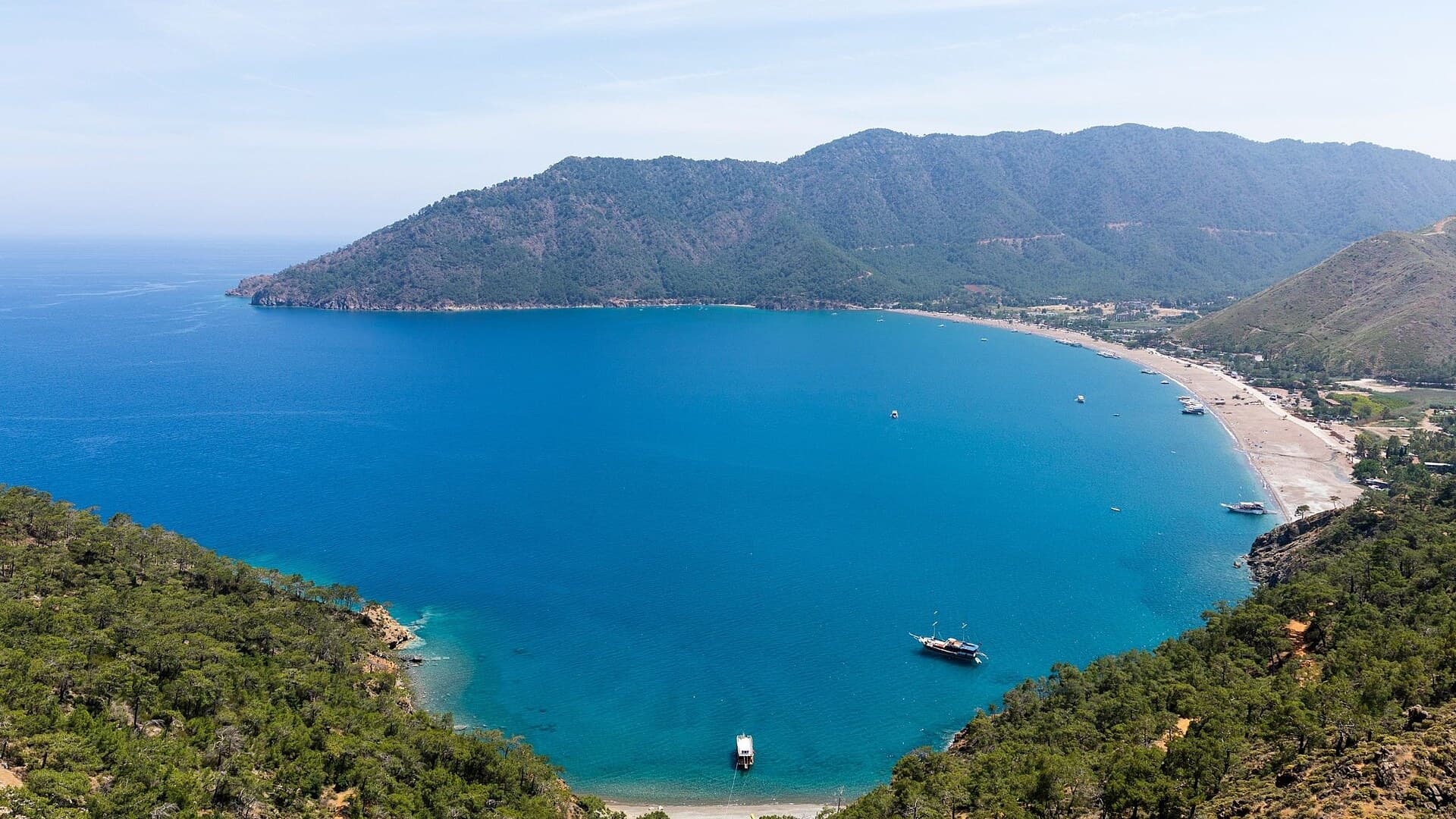
Adrasan
Antalya, TR
A pine-backed bay where the days move slowly
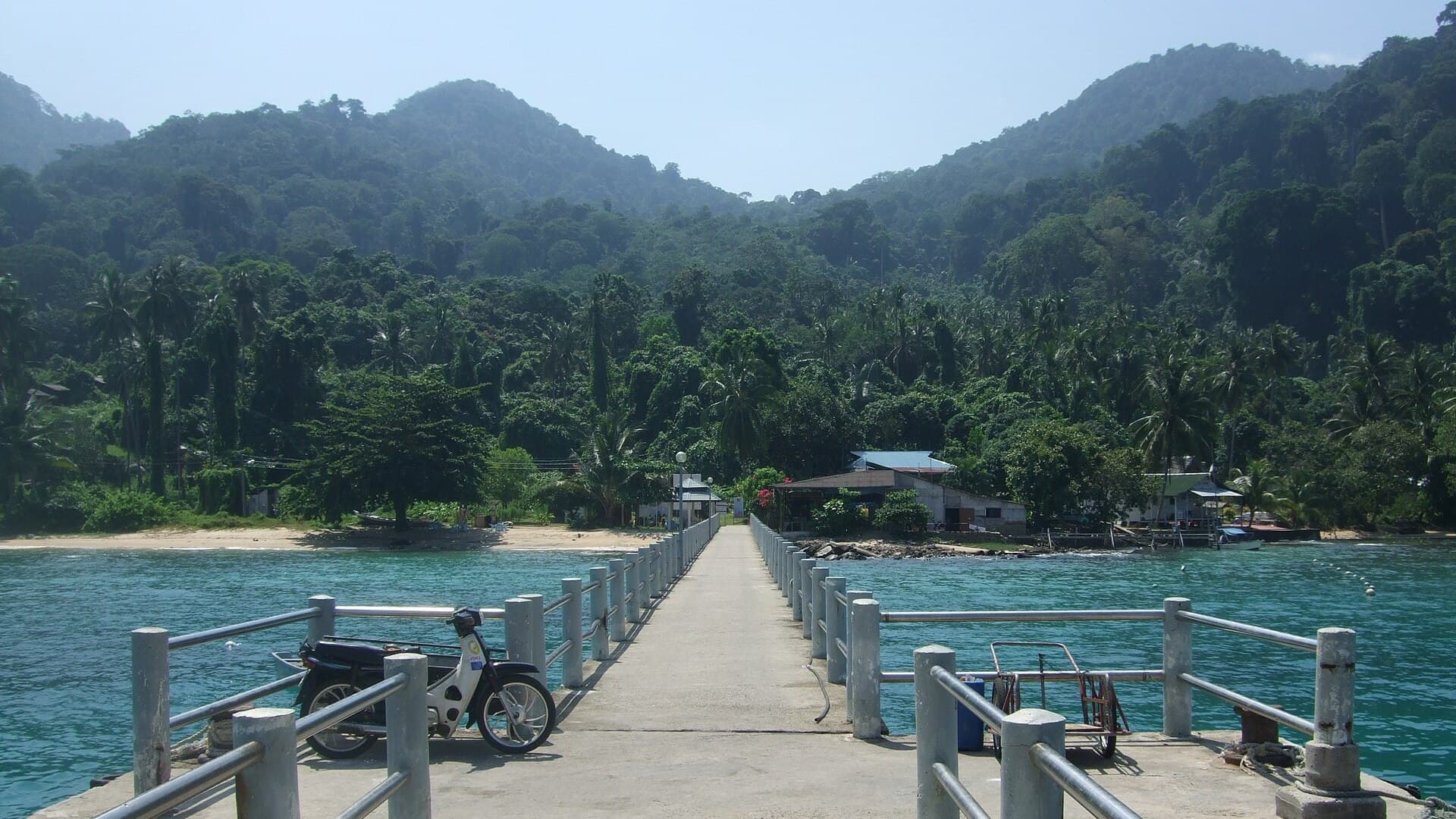
Air Batang
Pahang, Malaysia
A car-free Tioman village for divers and walkers
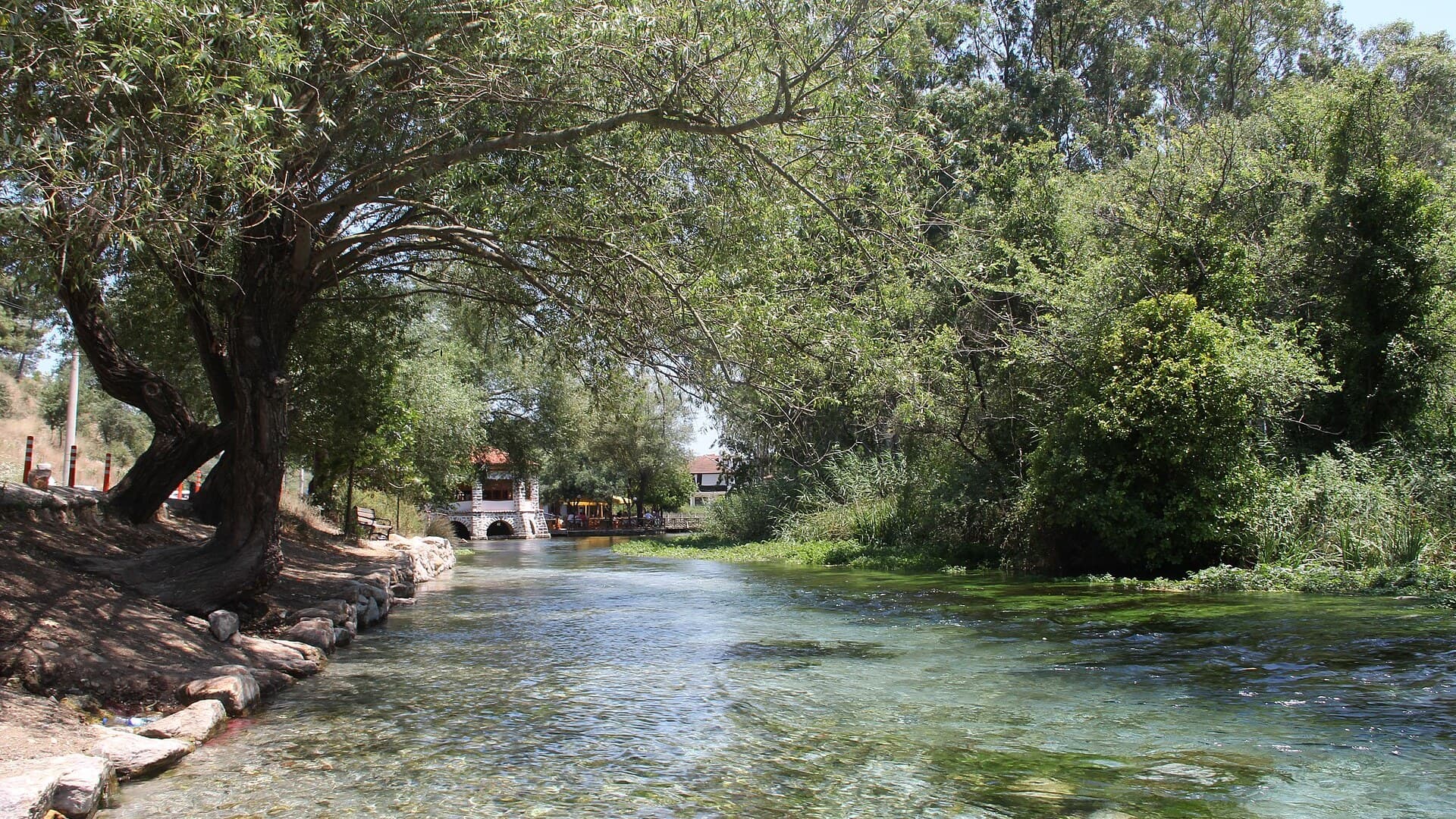
Akyaka
Muğla, Türkiye
Azmak boats, kitesurf wind and wooden balconies
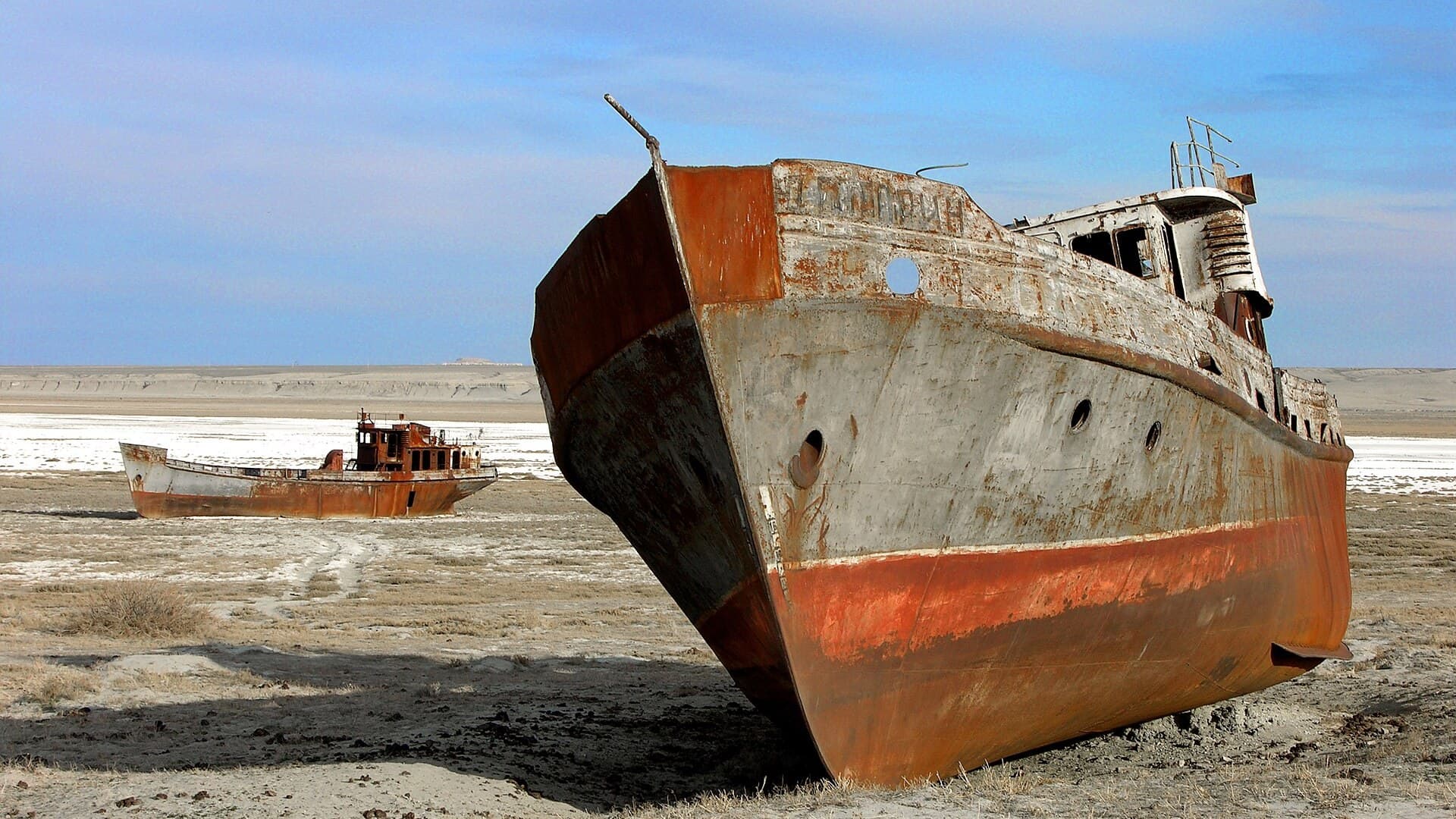
Aralsk Guide
Kyzylorda, Kazakhstan
The sea left, the ships stayed
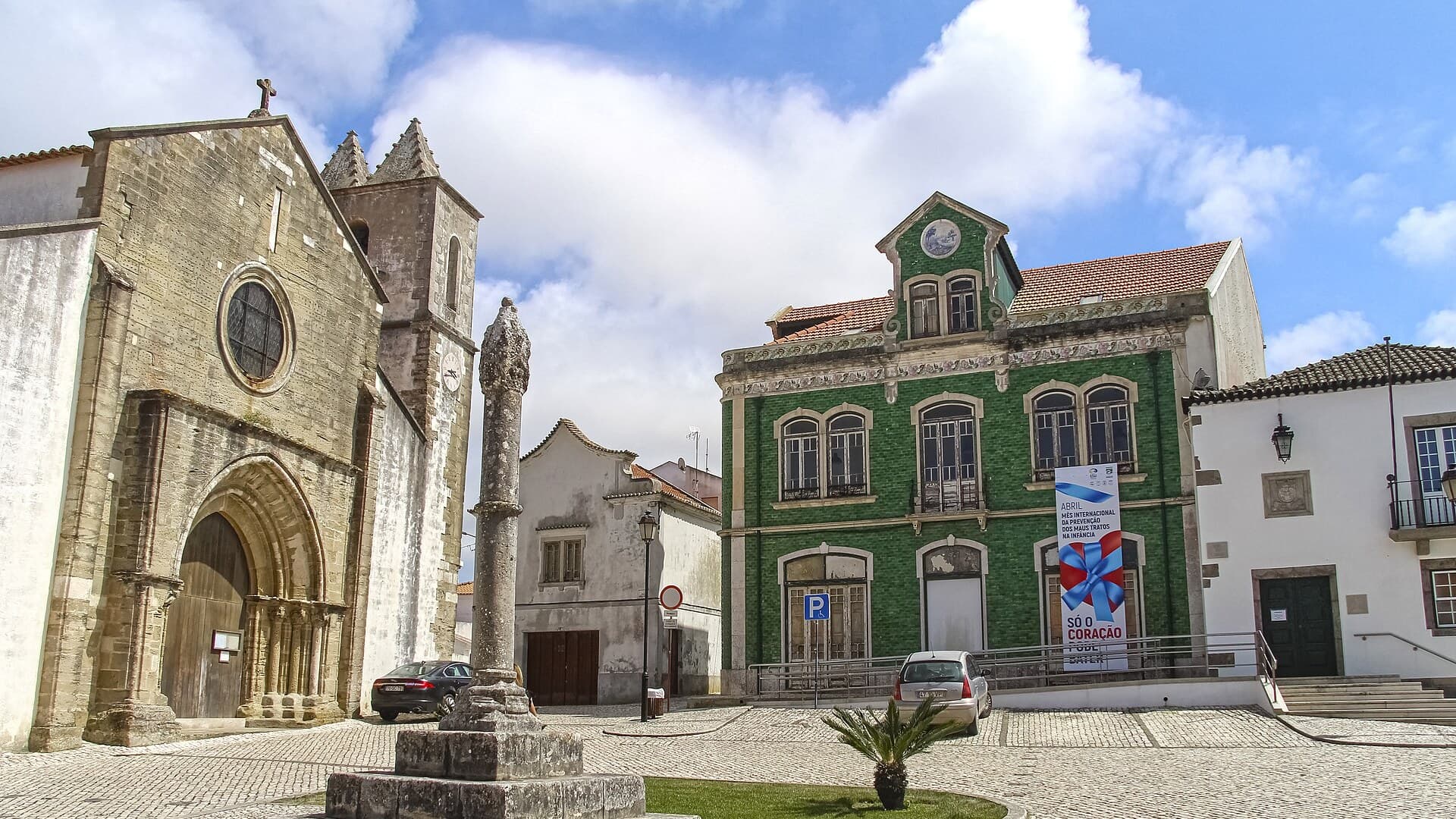
Atouguia da Baleia
Leiria, Portugal
A village named for whales, minutes from the Atlantic
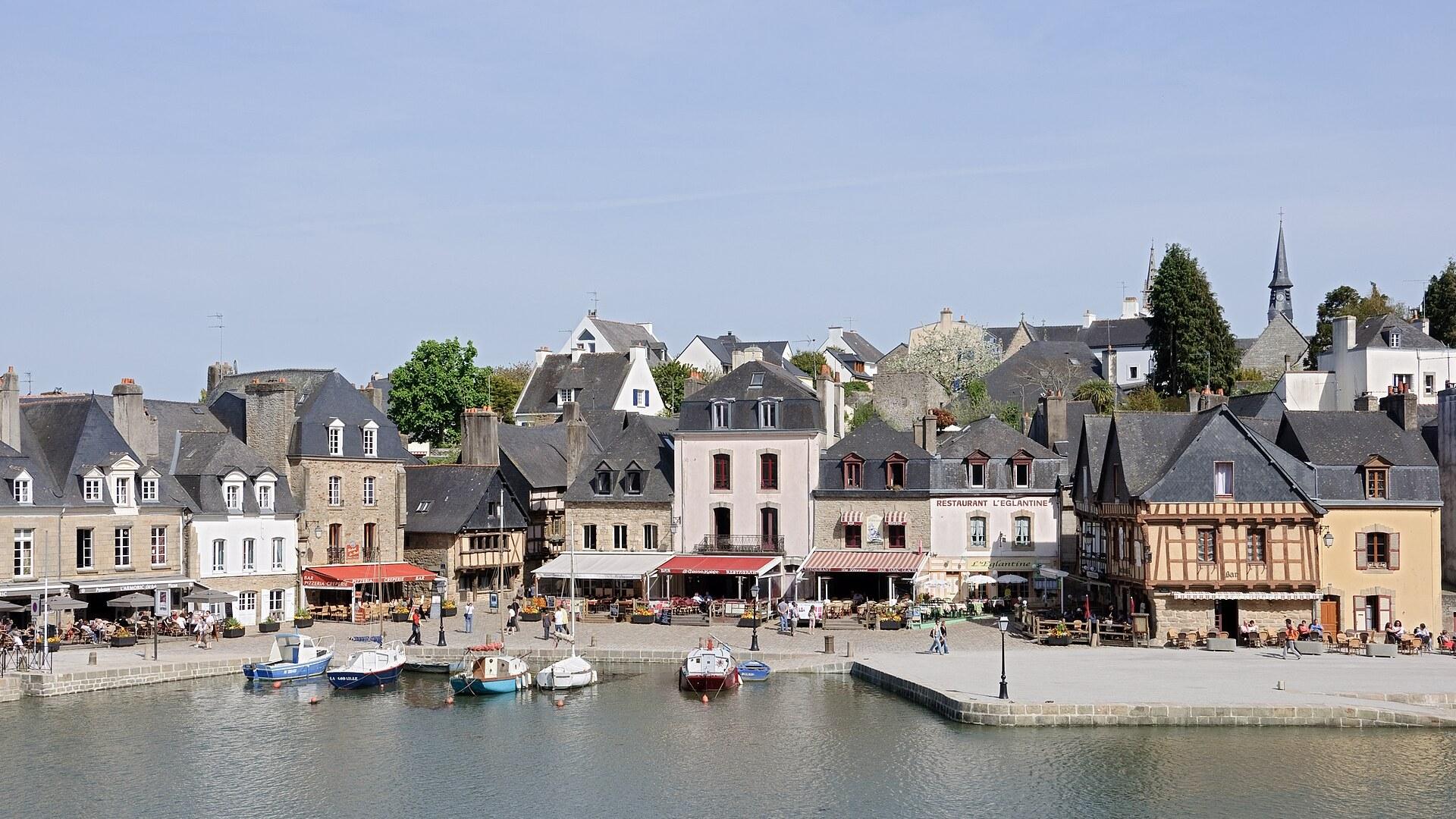
Auray Guide
Brittany, France
Two towns on one river, joined by a stone bridge

Save these places to your list
Copy the spots you picked into your list — maps and notes included.