
Sant'Agata de' Goti Guide
Medieval houses on a tuff cliff above the Taburno vineyards
1 selected
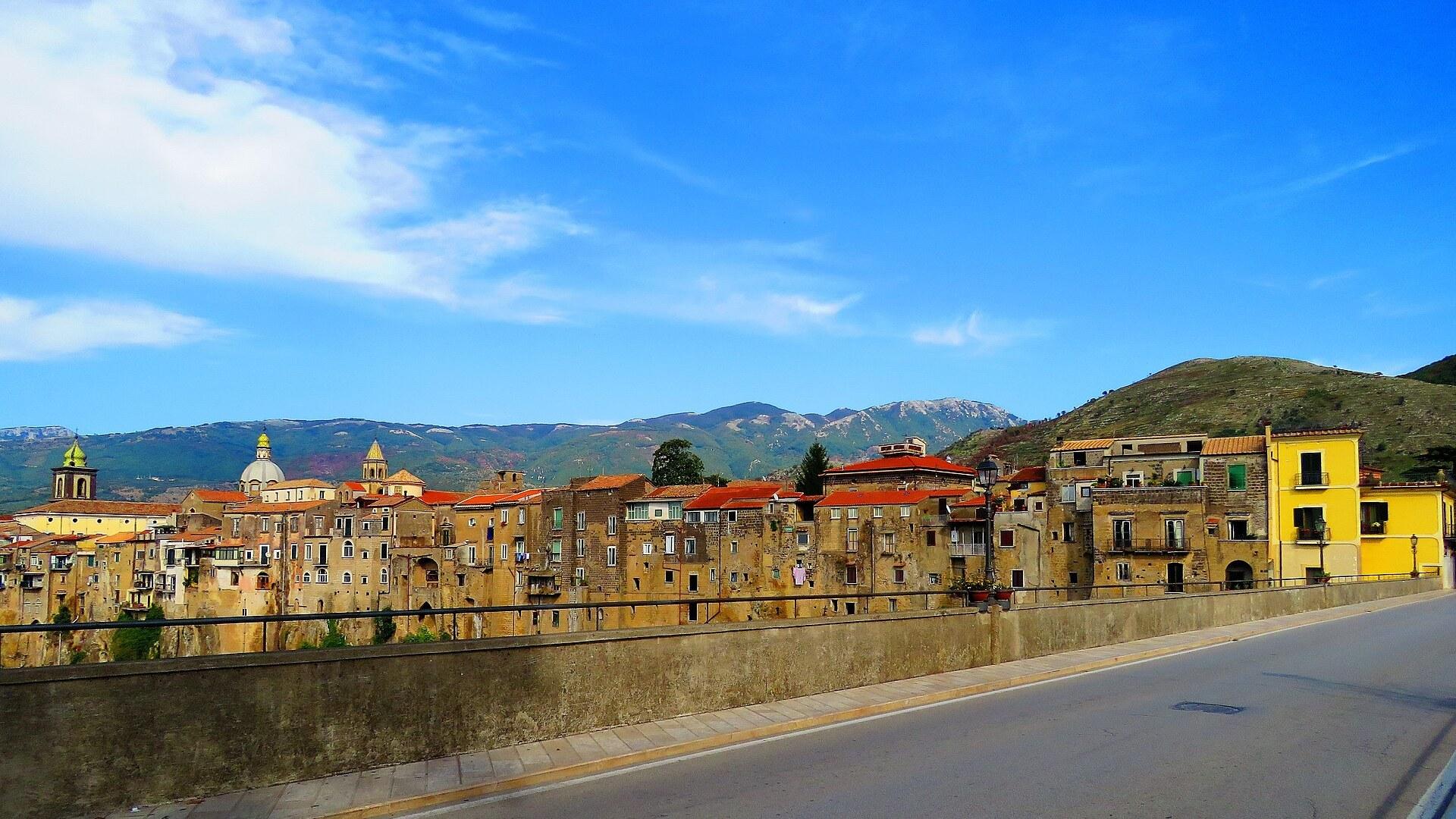
Sant'Agata de' Goti sits in the province of Benevento in Campania, Italy, on a tuff spur on the slopes of Monte Taburno. Houses overhang the edge of the cliff, and below them cellars have been cut straight into the rock, so the town looks as if it grew out of the stone rather than onto it. Naples is about 35 km to the southwest, yet the landscape here is all hills, vineyards and olive groves.
The Centro Storico is the main reason to come. Lanes follow the shape of the spur, and every so often the buildings give way to a drop and a view across the valley. A bridge just outside the old city is a very short stop, but it is the spot where the whole town shows up at once, stacked along the cliff. Walk out to it at the start or the end of your visit to see how the houses sit on the rock.
Churches give the visit its backbone. The Duomo, the Chiesa di San Francesco, the Gothic Santissima Annunziata and the Chiesa di San Menna are all on the list of places to visit, and the Mila - Museo Itinerante dei Luoghi Alfonsiani strings together a route from San Menna, with its mosaic floor, to the Cathedral. Two smaller stops fill the gaps: the Lavatoio Reullo di Sant'Agata de' Goti and Le Segrete Di Palazzo Parisi.
Beyond the stone lanes, the town works as a base for countryside days. Cellars around Sant'Agata de' Goti offer wine tastings and visits, and a tasting can be combined with a cooking class. Horseback riding in the surrounding countryside is another option, and an e-bike tour runs from Caserta to the town for anyone who would rather arrive on two wheels. The Associazione Turistica Pro Loco Sant'Agata is the local tourist association and a sensible first stop for questions.
The surroundings explain the mood. Olives, wine and fruit keep the local economy going alongside tourism, so the slopes beyond the old center are working farmland rather than scenery. The town belongs to I borghi più belli d'Italia, the association of the most beautiful towns of Italy, and according to one account the Touring Club awarded it the orange flag, the Bandiera Arancione, in 2004.
Because the old town is built on a spur, the lanes rise and fall. Shoes with grip matter more here than a long itinerary, and half a day is enough for the main churches, which leaves the rest of the time for the cellars and the countryside.
From Saticula to San Menna: the layers of Sant'Agata de' Goti
Sant'Agata de' Goti stands over the ancient city of Saticula, and its story runs from Samnite and Roman times through Norman rule to Bourbon reforms. Samnite artefacts have been found in its territory, and in 343 BC the Roman general Aulus Cornelius Cossus built a castra here, a winter base for his soldiers. The Middle Ages gave the town its shape. The diocese was created in 970, and in the 11th century the Normans raised a powerful wall that used quarries already cut into the tuff. Roger II of Sicily took definitive control in 1139, after the Norman period under the Drengot family. In 1566 the diocese nominated Felice Peretti, the future Pope Sixtus V, as bishop, and he led the modernisation of the town. From 1696 the Carafa della Stadera di Maddaloni held the fiefdom and turned the castle into their home. In the second half of the 18th century the Bourbons added the Ferriera Nova along the Isclero River, a municipal villa in Piazza della Torricella and public wash houses. The Chiesa di San Menna is where the past is easiest to read, though accounts differ on its age: one gives the 10th century, another says Pope Paschal II dedicated it on 4 September 1100, when it was still San Pietro. It holds the oldest opus sectile floor of its kind, modeled on the basilica of Montecassino. Restoration between 1955 and 1957 removed Baroque additions, the 1980 earthquake brought down the roof of the left aisle, and repairs ran from 1990 to 1992. The Duomo, founded in the 10th century, keeps a Romanesque crypt, while the Gothic Annunziata holds 15th-century frescoes and a diptych of the Annunciation. Start at San Menna, then follow the Mila route to the Duomo and finish at the Annunziata.
Falanghina, pane cotto and farm lunches around Sant'Agata de' Goti
Eating in Sant'Agata de' Goti mostly means agriturismi and wine cellars, with Falanghina and Aglianico del Taburno as the local wines and Campanian dishes on most menus. Olives, wine and fruit are what the local economy lives on, and you taste that on the table. Start with the wine. The Mustilli Wineries produce both Falanghina and Aglianico del Taburno, and cellar visits with tasting are on offer around the village. Agriturismo Antico Pozzo degli Ulivi sits among olive trees with countryside views and serves a multi-course lunch built on produce from the farm; visitors praise the porcini pasta, the truffle pasta, the large appetizer platter and the house Aglianico. In town, Antica Osteria Zi' Paoluccio is known for Campanian dishes, and its pane cotto stands out. Agriturismo L'Ape Regina cooks seasonal dishes of the local territory in generous portions. La Rosa Dei Venti is the place for fresh fish and a good digestif list. At La Cantina dei Briganti the lunch is good but the service is slow, so go when you have no train to catch. Families do well at La Fattoria di Biancaneve e i Sette Nani, an agriturismo with playgrounds, farm animals and a fixed menu with a view of the village. One restaurant in a medieval castle puts tables under a pergola in summer and keeps its traditional menu short, with a modern twist. For coffee or gelato, Il Ritrovo Dei Golosi Cafè Gelateria Artigianale stands on the edge of the Centro Storico, still within walking distance. If you like cheese, look for caciocavallo, the durable cow's milk cheese renowned across Irpinia and Samnium, the area around Benevento. Neighbouring Avellino province adds DOC wines, olive oil and salumi to the same regional table. Order a glass of Aglianico del Taburno alongside it and the plate stays within what these hills grow.
Reaching Sant'Agata de' Goti from Naples, Benevento and Caserta
Sant'Agata de' Goti lies about 35 km northeast of Naples and about 25 km west of Benevento, so it works as a day trip from either city or as a base of its own. It belongs to the Comunità Montana del Taburno and sits in the hills on the east side of Monte Taburno, not on the plain. That position shapes the journey. The 35 km from Naples look short on a map, but the last part of any route climbs into hill country, so leave more time than the distance suggests and do not plan a tight connection afterwards. From Benevento, the 25 km run to the west is the more direct approach and fits neatly into a trip that also takes in the Roman archaeological sites of the provincial capital. Cyclists have a third option. An e-bike tour links Caserta with Sant'Agata de' Goti, which means the town can be the destination of a day on two wheels rather than a stop on a car route. Caserta province is known for the Royal Palace, and Benevento province for its Roman sites and many medieval old towns on green hills, so the two provinces combine well. Pick your arrival time with the lunch table in mind. Restaurants such as Antica Osteria Zi' Paoluccio and Agriturismo L'Ape Regina cook seasonal, generous plates, and La Cantina dei Briganti is slow, so arriving around the middle of the day gives you the old town first and a relaxed meal afterwards. Ask the Associazione Turistica Pro Loco Sant'Agata once you arrive if you want help planning the return.
Walking the old center and the roads around Sant'Agata de' Goti
Sant'Agata de' Goti is a place for walking: the Centro Storico sits on a tuff spur, and its lanes, churches and viewpoints are all reached on foot. Plan a route that goes down and back up rather than one long straight line. The most logical order follows the Mila - Museo Itinerante dei Luoghi Alfonsiani, which runs from the Chiesa di San Menna, with its mosaic pavement, to the Duomo. Along the way you can add the Chiesa di San Francesco, Santissima Annunziata and the Lavatoio Reullo di Sant'Agata de' Goti, and Le Segrete Di Palazzo Parisi is another stop on the list. Two places reward a short extra walk. The Ponte sul Martorano and a bridge just outside the old city give the view back at the town, and it is a quick detour that costs very little time. In the other direction, Il Ritrovo Dei Golosi Cafè Gelateria Artigianale lies on the outskirts of the Centro Storico but is still within walking distance, which makes it a good place to rest at the end of the loop. The farms and cellars are a different matter. Agriturismo Antico Pozzo degli Ulivi and La Fattoria di Biancaneve e i Sette Nani look over the village from the countryside, and horseback riding and the e-bike tour from Caserta also start from the surrounding land. Work out how you will reach them before you book, and ask the Associazione Turistica Pro Loco Sant'Agata for directions or contacts.
Euros, tastings and farm menus: money in Sant'Agata de' Goti
In Sant'Agata de' Goti you pay in euros, and most of what you spend goes on food, wine and the experiences organised around the cellars and farms. Because the local economy lives on agriculture and tourism, a lot of those purchases are small, family-run affairs rather than big venues. Fixed menus make budgeting easy in some places. La Fattoria di Biancaneve e i Sette Nani serves a fixed menu, and Agriturismo Antico Pozzo degli Ulivi offers a multi-course lunch with ingredients from the farm, so you know what the meal will include before you order. Agriturismo L'Ape Regina is praised for generous portions, which means sharing a starter can be enough, and La Rosa Dei Venti is known for generous wine pours. Experiences are a separate cost. A wine tasting with a cellar visit, a wine tasting with a cooking class, horseback riding in the countryside and the e-bike tour from Caserta are all organised by operators, so ask what is included before you commit. The Mustilli Wineries are worth a call ahead if you want to taste Falanghina and Aglianico del Taburno at the source. Not every small place may take cards, so ask before you sit down, especially at a farm or an osteria such as Antica Osteria Zi' Paoluccio. The Associazione Turistica Pro Loco Sant'Agata is the easiest place to ask about local contacts and opening times. Whatever you save on lunch can go towards a tasting at the cellars.
Practical questions about visiting Sant'Agata de' Goti
Sant'Agata de' Goti is easy to enjoy if you plan around the slopes, the lunch tables and the opening hours of its churches. The answers below cover the questions that come up most before a visit, from timing to shoes. When is the best time to go? Summer suits the restaurant in the medieval castle, which sets tables under a pergola outdoors. Spring and autumn are good for walking the lanes without the heat, and the cellars and farms can be visited in any season, so the town does not close down when the weather turns. How long do I need? A day is comfortable. Take the Mila route from San Menna to the Duomo in the morning, then have a long lunch at Agriturismo Antico Pozzo degli Ulivi or Antica Osteria Zi' Paoluccio and keep the afternoon free for a cellar visit. What should I wear? Shoes with grip, because the town is built on a tuff spur and the lanes rise and fall. A light layer helps when you step into a cellar or a church, where the rock keeps the air cooler than the street outside. Is it suitable for children? La Fattoria di Biancaneve e i Sette Nani has playgrounds and farm animals, which keeps children busy while adults finish a fixed menu with a view of the village. The bridge outside the old city is a short, easy stop for everyone. Where can I ask for local information? The Associazione Turistica Pro Loco Sant'Agata is the local tourist association. It is a good place to ask about tastings, tours and opening times, and to find out which cellars are open on the day you arrive.
FAQ
What is covered in the Sant'Agata de' Goti guide?
Discover Sant'Agata de' Goti, a medieval town on a tuff cliff in Campania, with Romanesque churches, cellars cut into rock and Taburno wines and farm lunches. It includes 1 recommendations across 1 gallery.
Next →How many places are in the Sant'Agata de' Goti guide?
The Sant'Agata de' Goti guide lists 1 places: 1 gallery.
Next →Where is Sant'Agata de' Goti?
Sant'Agata de' Goti is in Sant'Agata de' Goti, Campania, Italy (41.0833, 14.5000).
Next →How do you get to Sant'Agata de' Goti?
Sant'Agata de' Goti lies about 35 km northeast of Naples and about 25 km west of Benevento, so it works as a day trip from either city or as a base of its own. It belongs to the Comunità Montana del Taburno and sits in the hills on the east side of Monte Taburno, not on the plain. That position shapes the journey.…
Next →What should you eat in Sant'Agata de' Goti?
Eating in Sant'Agata de' Goti mostly means agriturismi and wine cellars, with Falanghina and Aglianico del Taburno as the local wines and Campanian dishes on most menus. Olives, wine and fruit are what the local economy lives on, and you taste that on the table. Start with the wine. The Mustilli Wineries produce bo…
Next →Is there camping in Sant'Agata de' Goti?
No camping listings in this pack yet — we do not invent venues. Entries will appear once verified.
Next →Can you rent a bike in Sant'Agata de' Goti?
No bike rental listings in this pack yet. Verified shops will be added when available.
Next →What are recommended gallery in Sant'Agata de' Goti?
Highlighted gallery in the Sant'Agata de' Goti guide: The old town seen from the bridge.
Next →Highlighted places
- The old town seen from the bridge — The old town of Sant'Agata de' Goti on its tuff cliff, seen from the bridge, with the mountains of Taburno behind.
Explore on the map
Tap a pin to highlight its place card
All
1 spots
Recommended places
Gallery
1 · 1 selected
The old town seen from the bridge
gallery
Related guides
Browse nearby destinations
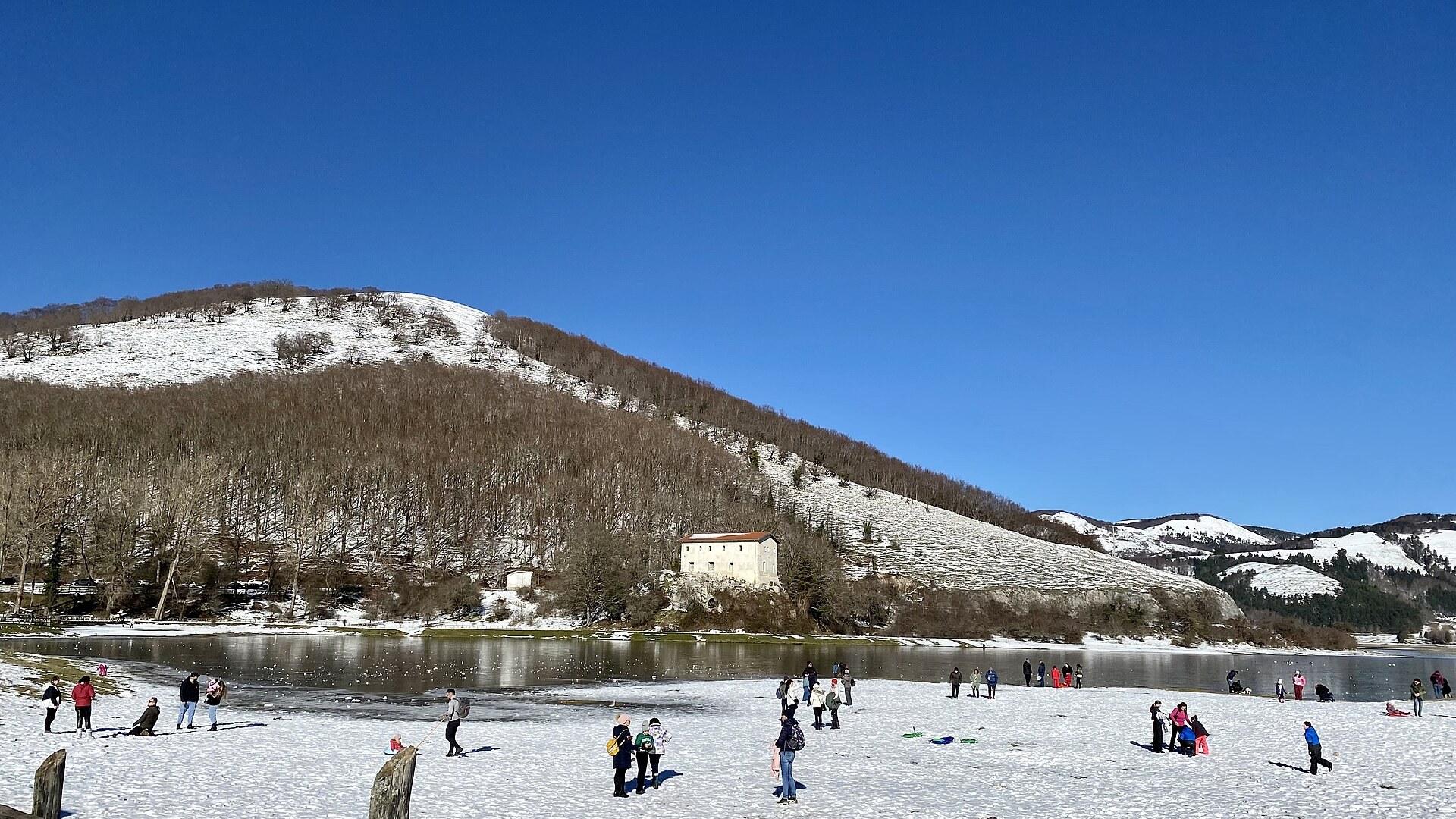
Bagnoli Irpino Guide
Campania, Italy
Chestnut woods, Lago Laceno and Irpinia's wolf land
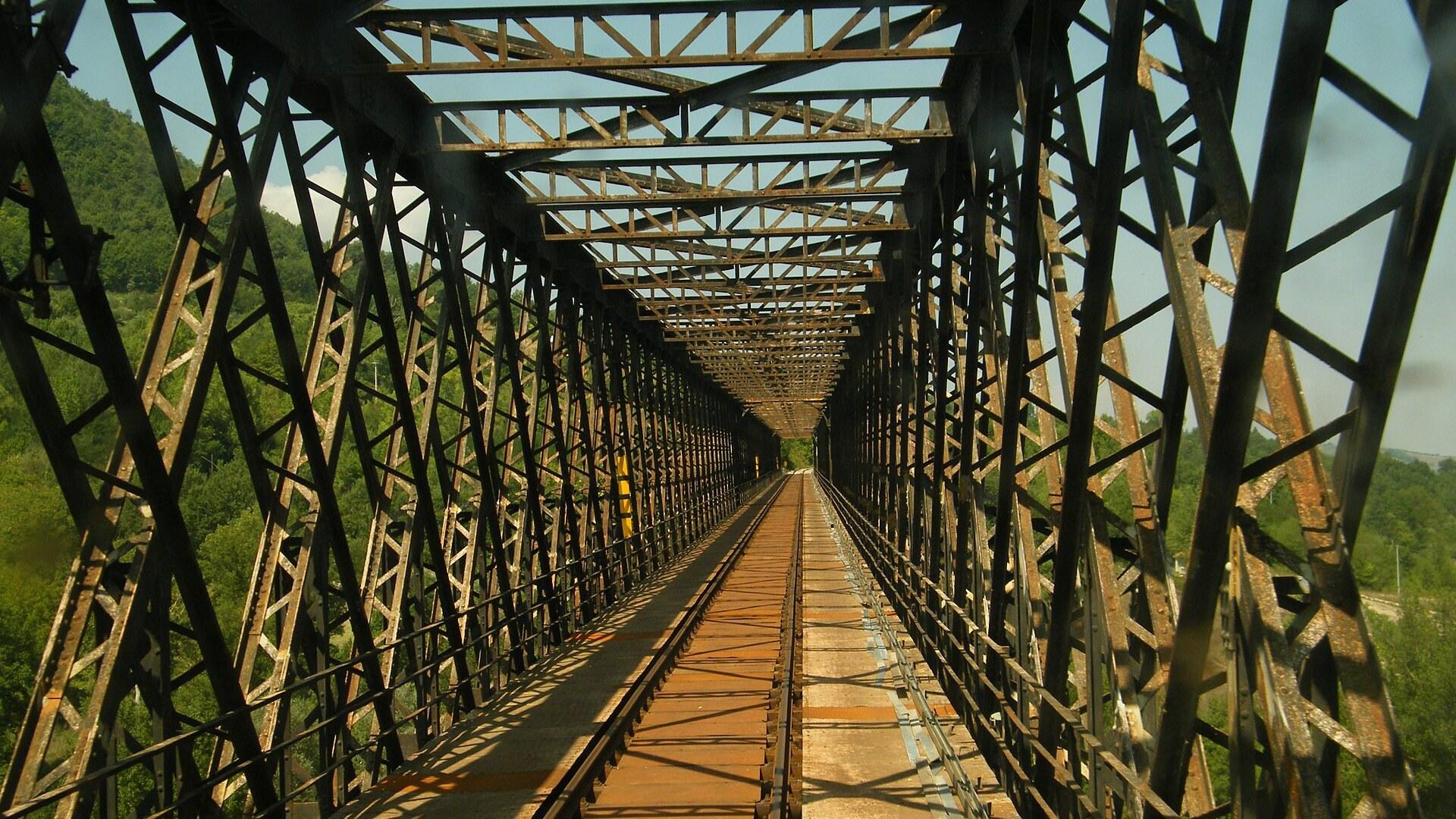
Lapio Guide
Campania, Italy
Fiano vines, bees and green Irpinia hills
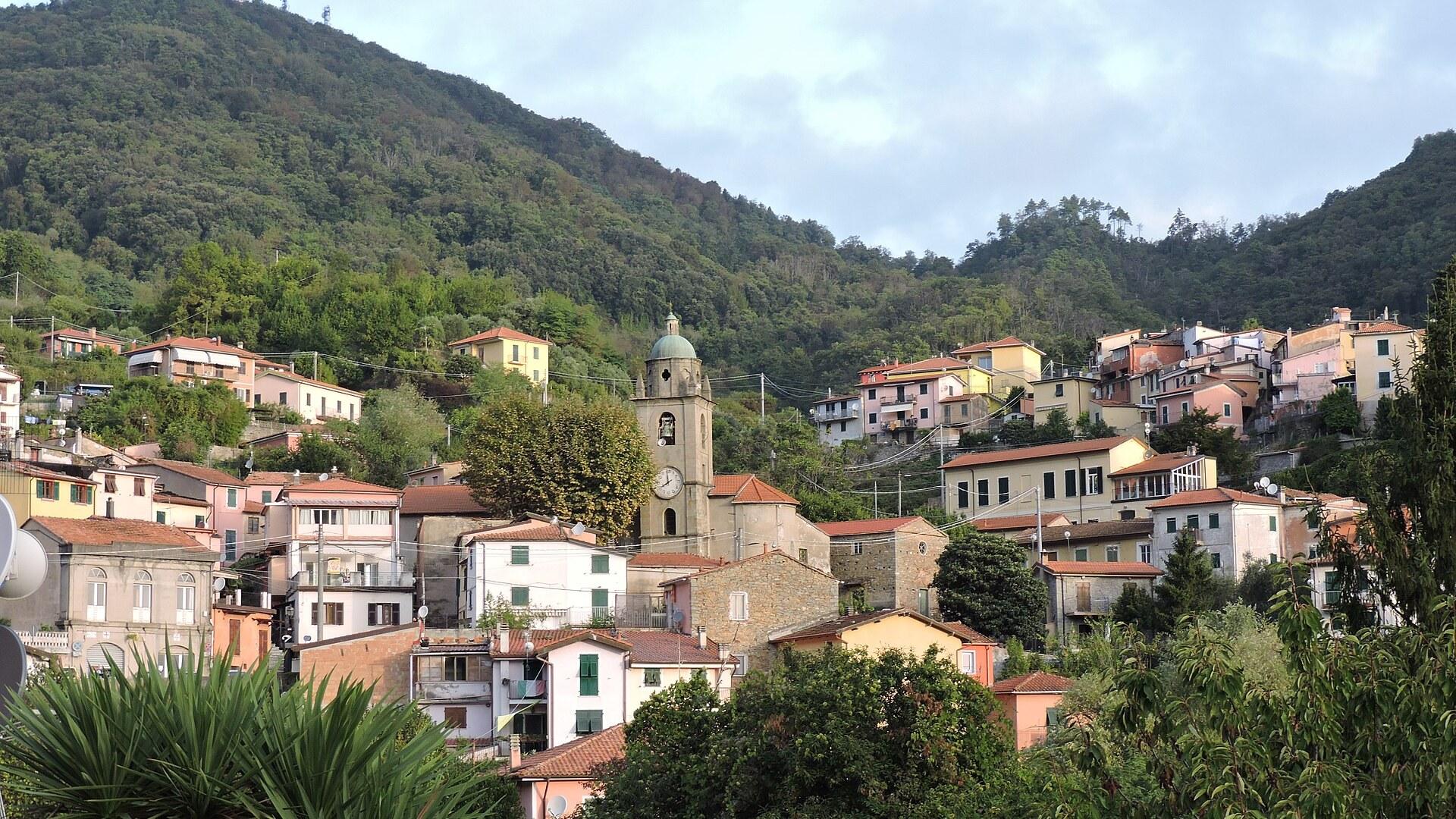
Biassa Guide
Liguria, Italy
A quiet hill village above La Spezia
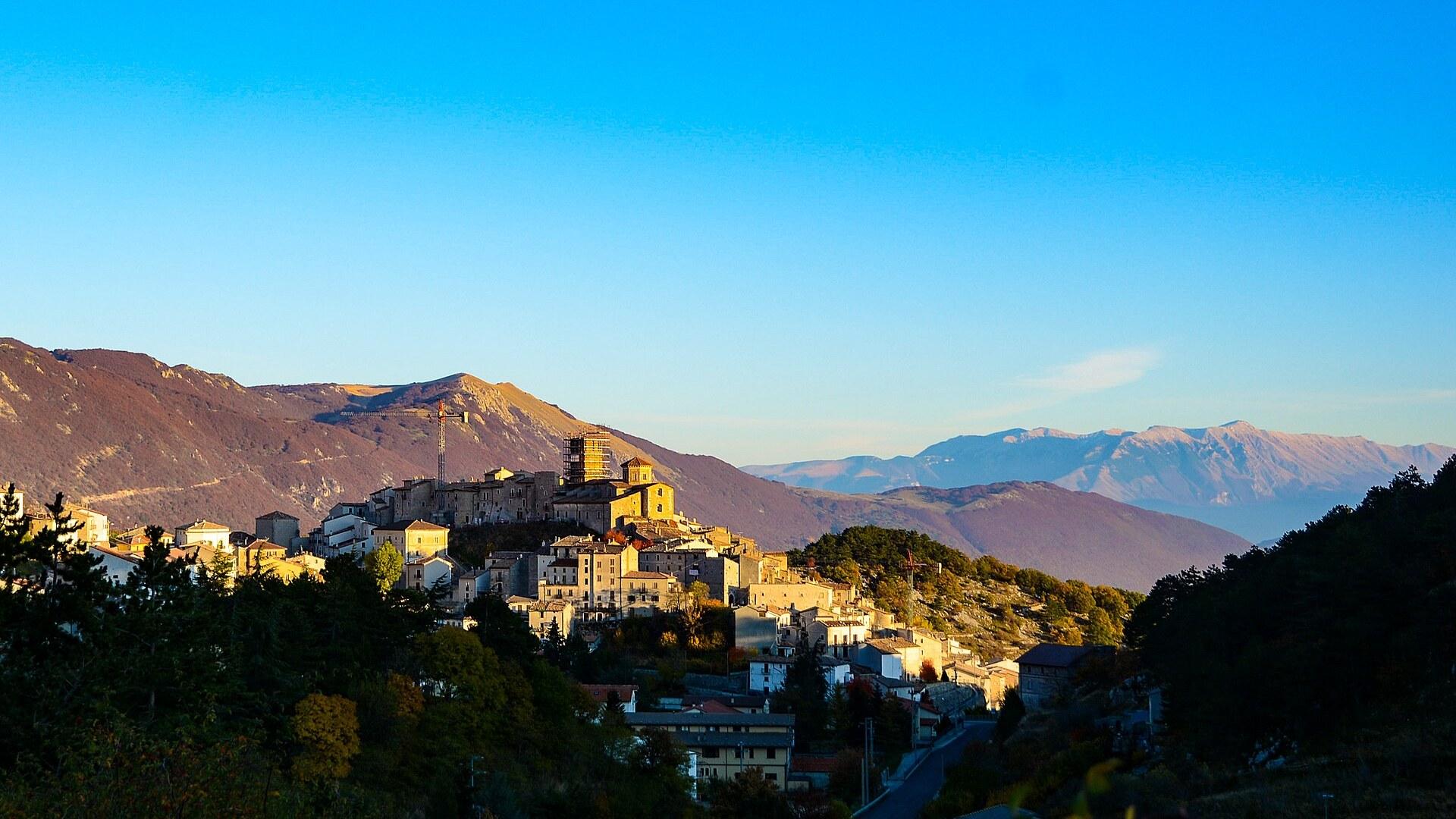
Castel del Monte (Abruzzo) Guide
Abruzzo, Italy
Stone village under the Campo Imperatore plateau
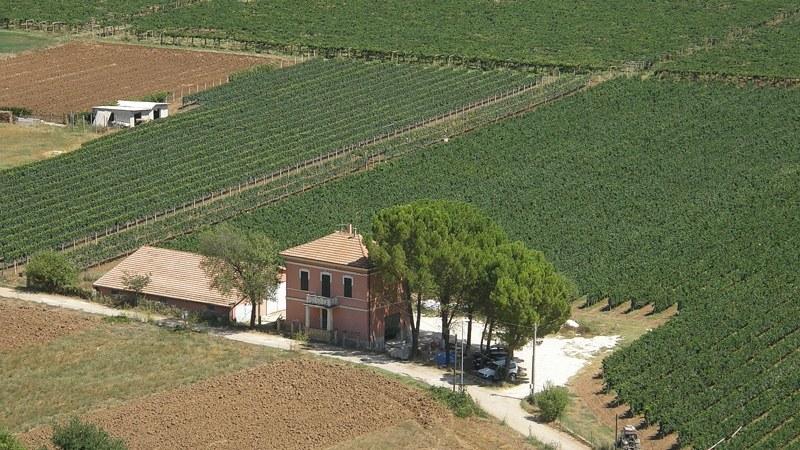
Ofena Guide
Abruzzo, Italy
Arches, a drowned village and the Gran Sasso park
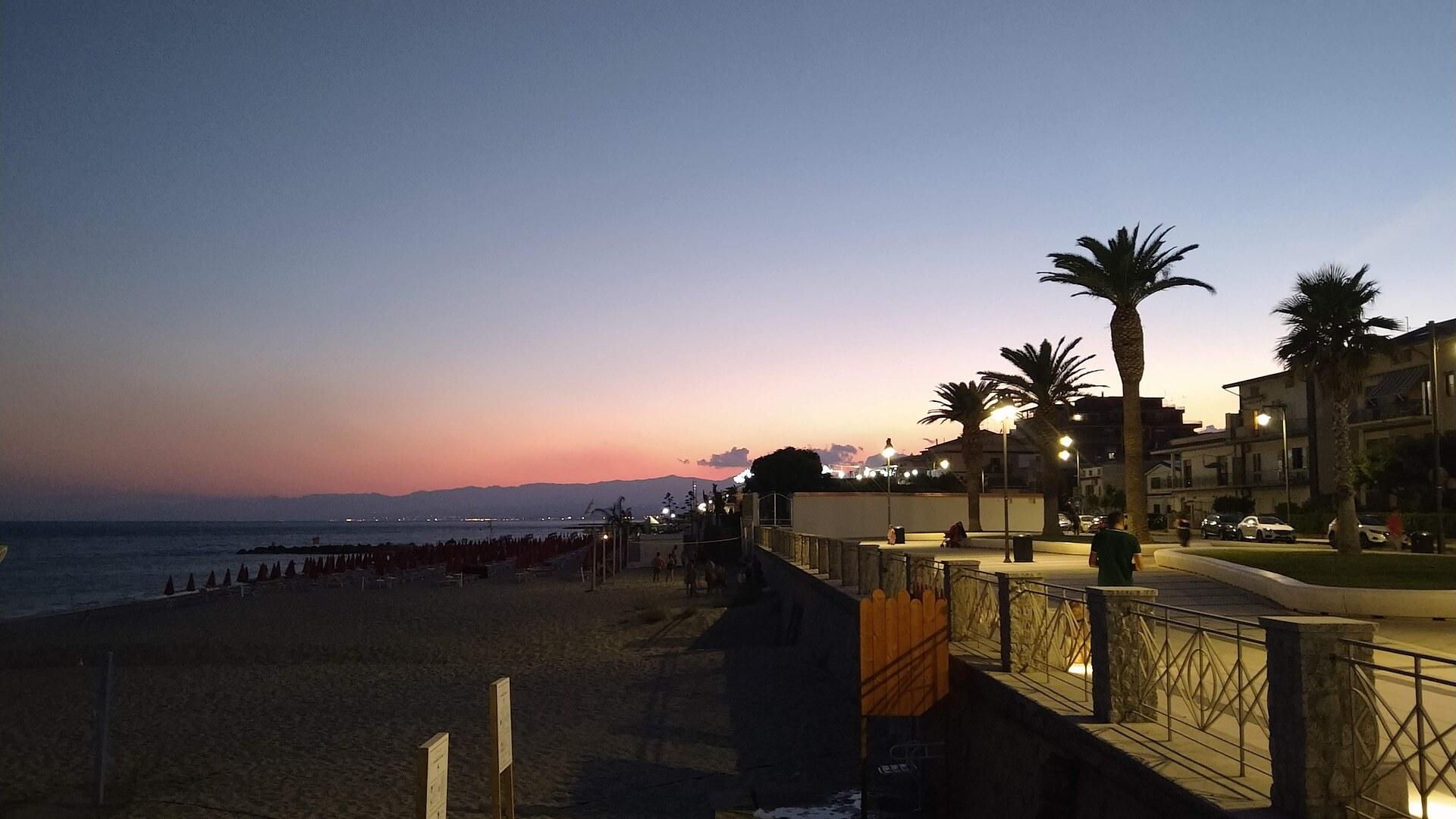
Roccella Ionica Guide
Calabria, Italy
Blue Flag beach under a Carafa castle on Calabria's coast

Save these places to your list
Copy the spots you picked into your list — maps and notes included.