
Lapio Guide
Fiano vines, bees and green Irpinia hills
1 selected
Lapio is a small town in the province of Avellino, in Campania, southern Italy, and it sits among the green, largely mountainous hills of Irpinia. Nobody comes here for a long list of sights. You come for the vineyards, the quiet, and the feeling of standing in the middle of working wine country.
The first thing you notice around Lapio is the bees. They are a common sight in the Fiano vineyards, drawn by the sugary pulp of the grapes, so a walk between the rows is rarely a solitary one. Some of the best-known Fiano plantings around Avellino stand among hazelnut trees, which means the view is a patchwork of vines and orchards rather than one uniform field.
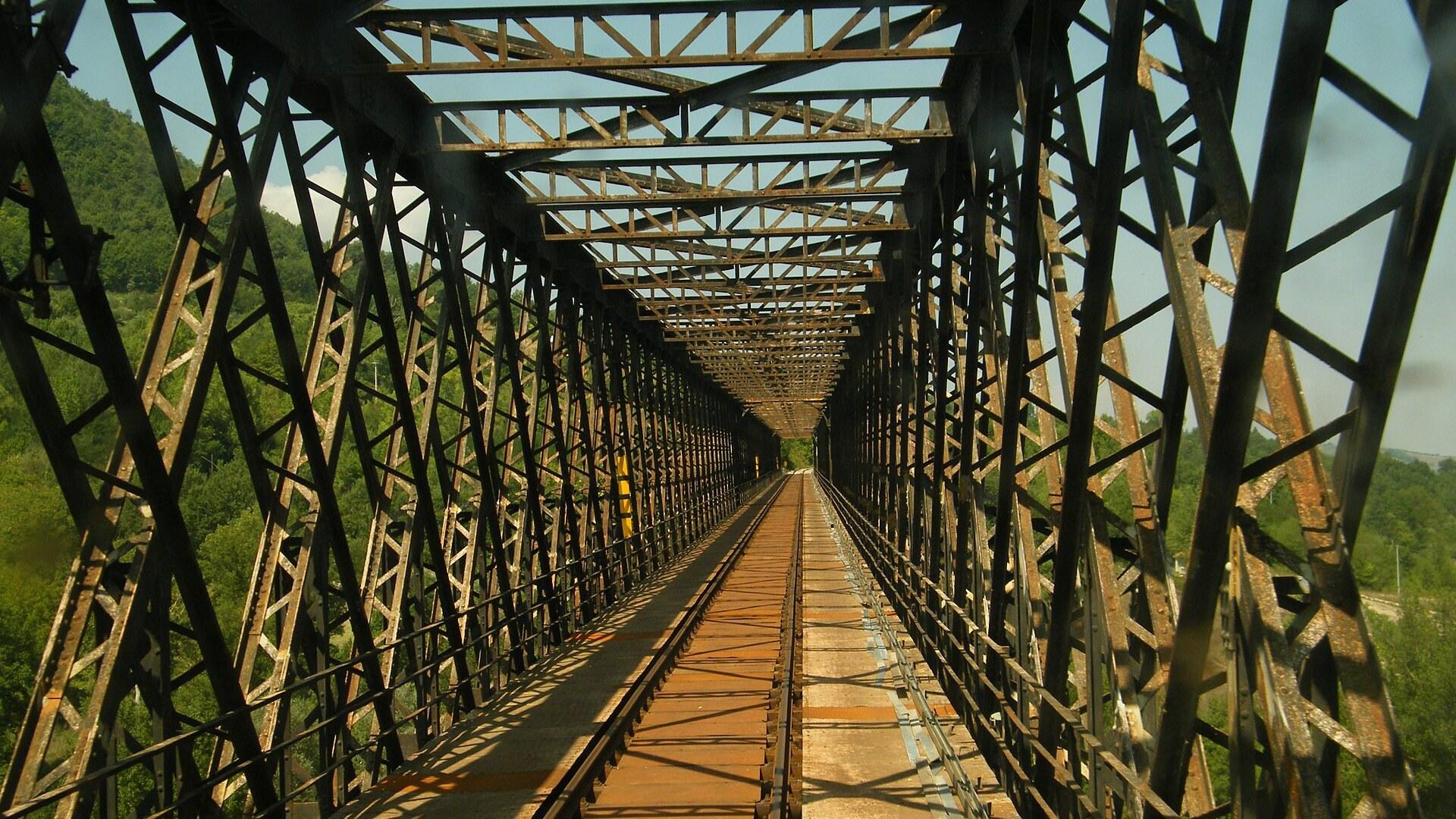
The one landmark that Lapio is pictured with is the Ponte Principe bridge. Give it a short stop and a few photographs, but treat it as a pin on your wander rather than a destination in its own right. The village itself is compact and calm, and you will spend more time looking out over the hills than looking at monuments.
Lapio is ringed by other comuni: Candida, Chiusano di San Domenico, Luogosano, Montefalcione, Montemiletto, Parolise, San Mango sul Calore and Taurasi. Taurasi gives its name to one of the DOCG wines of the area, so the names around you start to sound familiar once you open the local bottles.
Go a little further and Irpinia opens up. Its name comes from the Oscan word hirpus, wolf, and the wolf is still the symbol of the district. Sant'Angelo dei Lombardi is a medieval small town among the green hills, Calitri in Upper Irpinia is known for its characteristic cuisine, and Ariano Irpino, the largest town of the area, is known for its ancient majolica.
Water runs through this country as well. The Calore Irpino rises at Colle Finestra in the Monti Picentini, flows through the province of Avellino and then Benevento, and finally joins the Volturno. San Mango sul Calore, a neighbour of Lapio, carries the river's name, so you are never far from that valley while you drift between villages.
Fiano, Apianum and the earthquake behind Lapio
The story of Lapio runs through its vines, because Fiano, the grape grown on these hills, is considered a classical vine of southern Italy with roots that likely reach back to ancient Roman viticulture. It may even have been cultivated by the ancient Greeks before that. The Romans seem to have known the grape as vitis apiana, a name linked to the Latin word for bees, which swarm to the sugary pulp of Fiano. It is believed to stand behind Apianum, the Roman wine made in the hills above Avellino, and the name Apianum is still permitted on Fiano di Avellino DOCG labels. Historians do not all agree on the link, so take it as a likely story rather than a proven one. The grape then went through a rough stretch. Across most of the 19th and 20th centuries its low yields led growers to uproot it for Trebbiano and Sangiovese, and it nearly went extinct in the later half of the 20th century. Producers such as Mastroberardino spearheaded a renaissance of planting around Avellino, and interest has recovered in recent years. The ground carries a harder memory too. On 23 November 1980 a 6.9 Mw earthquake struck Irpinia, with a maximum Mercalli intensity of X. Lapio also gave the Church a notable figure: Cardinal Giuseppe Caprio, a Vatican diplomat and Curia cardinal, was born here on 15 November 1914. When you taste Fiano in the area, look at the label for the name Apianum. It ties the glass in front of you to that Roman past, and it is a good question to put to whoever pours the wine.
Fiano di Avellino and the tables of Irpinia
Eating and drinking around Lapio starts with Fiano di Avellino, a white wine whose area received DOCG status in 2003, and it is the reason most visitors come to these vineyards in the first place. The rules are specific. A bottle of Fiano di Avellino DOCG must be at least 85% Fiano, and Greco, Coda di Volpe and Trebbiano may make up the rest. The harvest is capped at 10 tonnes per hectare, which helps explain why the wine has weight. Some of the most notable plantings stand among hazelnut trees, and tasters often pick up a slight hazelnut flavour. In the glass, expect a pale straw colour with strong spice and floral aromas, and honey and nutty hazelnut on the palate. Young bottles are intense and aromatic. If you get the chance, open an older one, because over time the honey turns spicy and nutty. Wine is only half of the table. Irpinia also gives you Greco di Tufo and Taurasi, along with scamorza and caciocavallo, a durable cow's milk mountain cheese. Sopressata salami and sausages are popular, as are chestnuts, hazelnuts and the black truffles of Bagnoli Irpino. The similar caciocchiato comes only from Ariano Irpino, which makes a good reason for a detour. For timing, 17 October is International Fiano Day, a sensible date to build a trip around if you want the wine at the centre of your days. Ask for a Fiano from the area first and then compare it with a Greco di Tufo.
Reaching Lapio by road through Avellino
Lapio lies in the province of Avellino, so your journey is really a journey into Irpinia, and the road is the way in. Do not plan around the train. The Lapio railway halt lies northeast of the village on the Avellino-Rocchetta Sant'Antonio line, but that line no longer carries regular passenger trains. The halt belongs to the landscape now, not to your itinerary. What does work is the Ofantina superhighway, which connects Avellino to numerous towns in the Irpinia area. Use Avellino as your base for the approach and let the Ofantina carry you towards the wine villages. Keep the neighbouring comuni of Taurasi, Montemiletto and Luogosano in mind as landmarks on the way, because they sit right around Lapio. Since the rail line is closed to regular passengers, a car gives you the most freedom here, and the vineyards are not arranged around a bus timetable. Download an offline map before you set off, and aim to arrive in daylight so you can find the right turning without hurry. If you are coming from further away, treat Avellino as the first stop and Lapio as the second. That way the last stretch is a short drive through hills rather than a long push after a tiring day.
Moving around Lapio and the Irpinia hills
Getting around Lapio is a mix of short walks in the village and the regional network that Campania ties together with the Unico Campania ticket. That ticket system is organised in zones, and tickets must be stamped before use. If you do ride a regional service, stamp the ticket at the start of the ride rather than later, and keep it until you get off. Between villages, the ring of neighbouring comuni makes a natural loop. You can drive from Lapio to Taurasi for the wine that carries its name, then turn towards Montemiletto or Luogosano, and finish by following the river valley towards San Mango sul Calore. Each stop is small, so one or two villages per day is plenty. In Lapio itself, park once and walk. The Ponte Principe bridge and the surrounding vineyards are best seen on foot, and a slow loop at your own pace tells you more about the village than a quick drive-through ever will. If you plan a tasting, remember that the same hills that make the views also make the roads winding. Decide in advance who drives, or build your tastings around a single village so you do not have to travel far afterwards.
Euros, small purchases and staying connected near Lapio
Money around Lapio is simple, because Italy uses the euro (€), and in a small wine town you will mostly be buying coffee, bottles and local food products. In a place this size, do not assume every counter takes a card, so keep some cash in your pocket for small purchases. A bottle of Fiano di Avellino DOCG, which must be at least 85% Fiano, is the kind of souvenir worth carrying home, and it is easy to pack if you wrap it in clothes. Cheese and salumi make good gifts too. Caciocavallo is a durable cow's milk mountain cheese, and sopressata salami is popular across Irpinia. Both travel better than fresh produce, so they suit the end of a trip. For mobile data, plan before you arrive: check your roaming terms or get a local SIM at your starting point, because you will want a working phone for maps once you leave the main roads. Save the route to Lapio offline in case the connection drops in the hills. Wifi is something to ask about when you book rather than assume. If you need to work or upload photos, confirm it with your host first and keep your offline maps on the phone as a backup.
Practical answers before you go to Lapio
A few straight answers will save you time before you head to the hills around Lapio. When is the best time to visit Lapio? The vineyards are the draw, and you will notice bees among the Fiano vines, drawn by the sugary grapes. International Fiano Day falls on 17 October, so that date is worth knowing if wine is the point of your trip. Can I get there by train? Not in any practical way. The Lapio railway halt lies northeast of the village on the Avellino-Rocchetta Sant'Antonio line, which no longer carries regular passenger trains. Plan to arrive by road, using the Ofantina superhighway from Avellino. What should I taste first? Start with Fiano di Avellino, which must be at least 85% Fiano. Then try caciocavallo, a durable cow's milk mountain cheese, and sopressata salami. Why do locals still mention 1980? On 23 November 1980 a 6.9 Mw earthquake struck Irpinia, and it remains part of the region's story. It is a reason to be respectful when the subject comes up in conversation. How do I use regional tickets? Campania uses the Unico Campania ticket system, organised in zones. Stamp your ticket before you board.
FAQ
What is covered in the Lapio guide?
Plan a trip to Lapio, a wine town in Irpinia, Campania. Discover Fiano di Avellino vines, the Ponte Principe bridge and how to reach the hills. It includes 1 recommendations across 1 gallery.
Next →How many places are in the Lapio guide?
The Lapio guide lists 1 places: 1 gallery.
Next →Where is Lapio?
Lapio is in Lapio, Campania, Italy (40.9822, 14.9472).
Next →How do you get to Lapio?
Lapio lies in the province of Avellino, so your journey is really a journey into Irpinia, and the road is the way in. Do not plan around the train. The Lapio railway halt lies northeast of the village on the Avellino-Rocchetta Sant'Antonio line, but that line no longer carries regular passenger trains. The halt bel…
Next →What should you eat in Lapio?
Eating and drinking around Lapio starts with Fiano di Avellino, a white wine whose area received DOCG status in 2003, and it is the reason most visitors come to these vineyards in the first place. The rules are specific. A bottle of Fiano di Avellino DOCG must be at least 85% Fiano, and Greco, Coda di Volpe and Tre…
Next →Is there camping in Lapio?
No camping listings in this pack yet — we do not invent venues. Entries will appear once verified.
Next →Can you rent a bike in Lapio?
No bike rental listings in this pack yet. Verified shops will be added when available.
Next →What are recommended gallery in Lapio?
Highlighted gallery in the Lapio guide: Ponte Principe railway bridge.
Next →Highlighted places
- Ponte Principe railway bridge — The iron truss railway bridge Ponte Principe, seen from the track near Lapio.
Explore on the map
Tap a pin to highlight its place card
All
1 spots
Recommended places
Gallery
1 · 1 selected
Ponte Principe railway bridge
gallery
Related guides
Browse nearby destinations
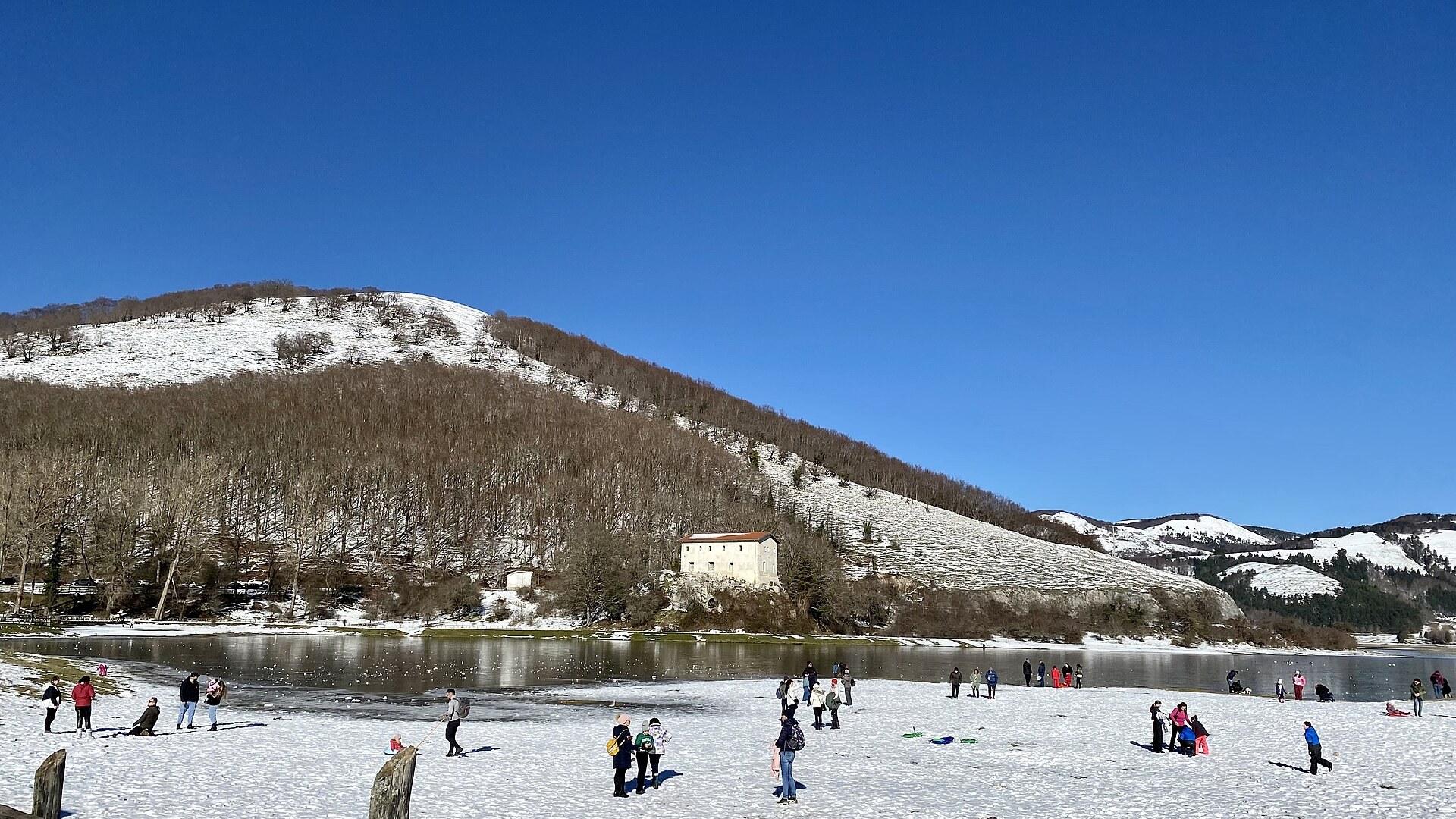
Bagnoli Irpino Guide
Campania, Italy
Chestnut woods, Lago Laceno and Irpinia's wolf land
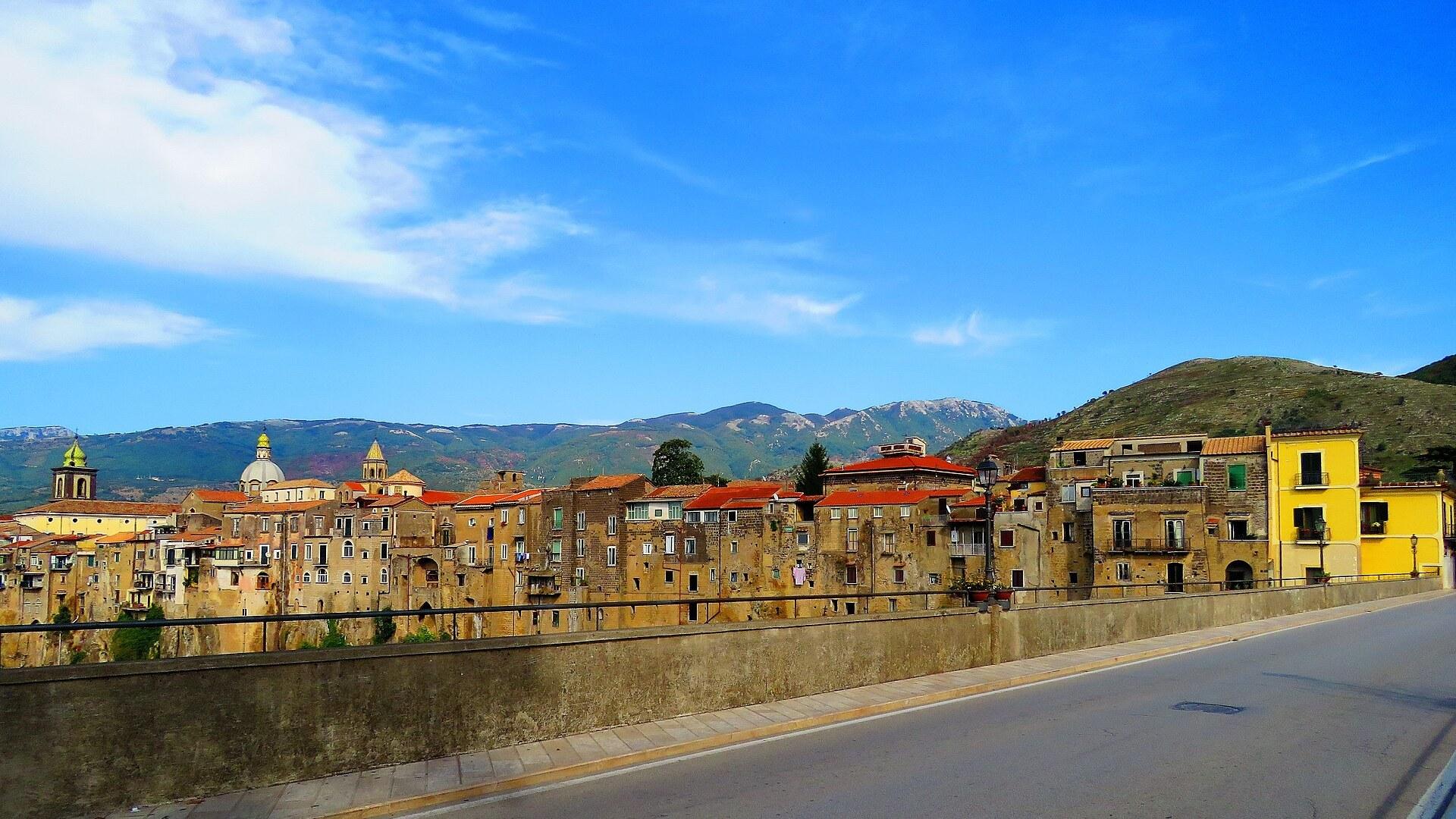
Sant'Agata de' Goti Guide
Campania, Italy
Medieval houses on a tuff cliff above the Taburno vineyards
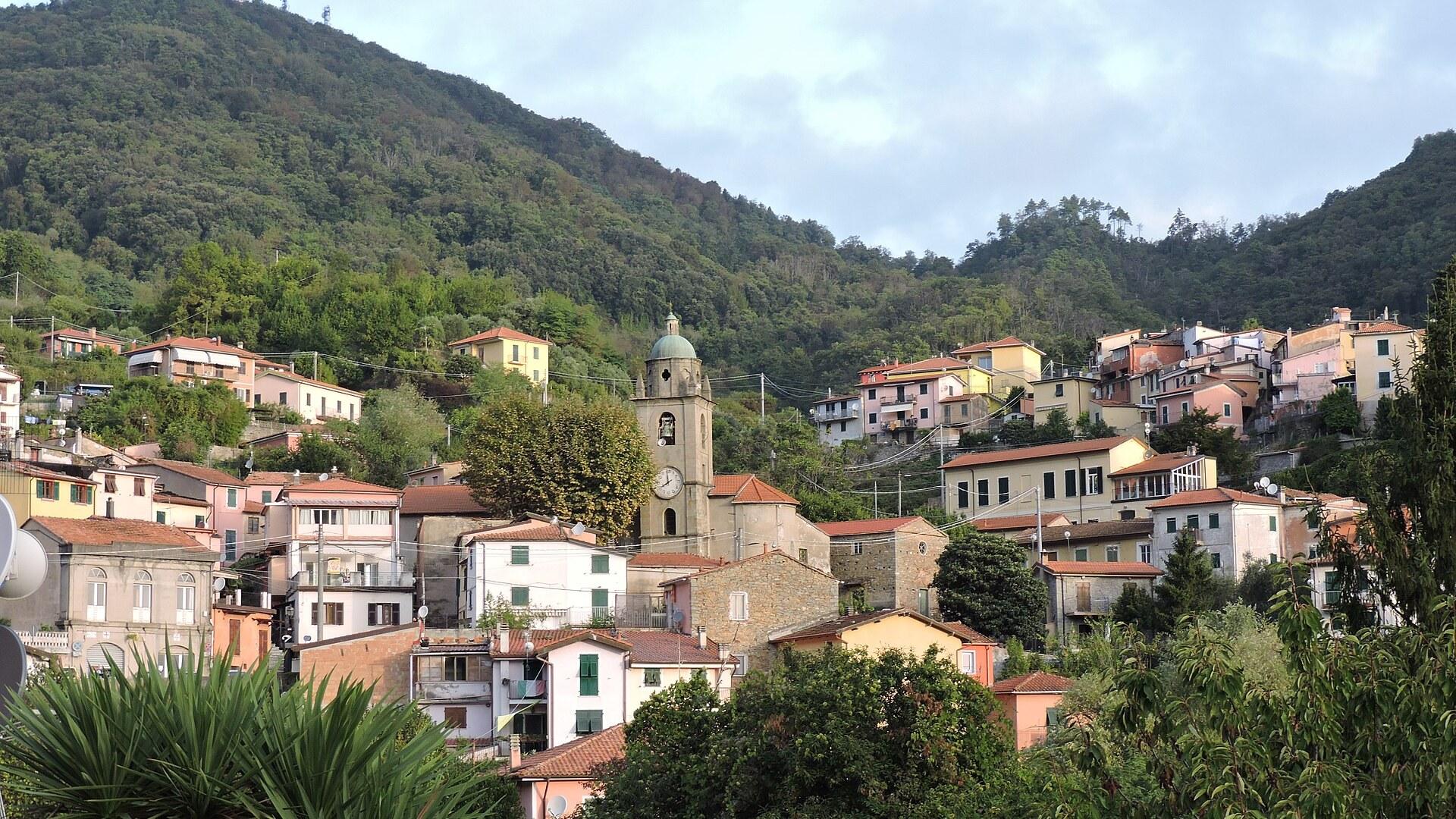
Biassa Guide
Liguria, Italy
A quiet hill village above La Spezia
Castel del Monte (Abruzzo) Guide
Abruzzo, Italy
Stone village under the Campo Imperatore plateau
Ofena Guide
Abruzzo, Italy
Arches, a drowned village and the Gran Sasso park
Roccella Ionica Guide
Calabria, Italy
Blue Flag beach under a Carafa castle on Calabria's coast

Save these places to your list
Copy the spots you picked into your list — maps and notes included.