Kayu Aro is a highland district in Kerinci Regency, Jambi, on the skirts of Mount Kerinci. The visitor overnight cluster sits in Kersik Tuo, the last village before the popular Kerinci climb gate. Wonderful Indonesia treats the Kayu Aro tea plantation as the reason to stop: Dutch-era factories from 1925, long green rows, cool air. Indonesian coverage places management under PT Perkebunan Nusantara VI. This guide is that tea-and-trailhead base. It is not a Lake Toba mega-guide. It is not Bukittinggi.
One night covers the plantation walk and a quiet highland evening. Two nights fit if Gunung Tujuh is the next morning from Pelompek, about eight kilometres down from Kersik Tuo on climbing pages. Kerinci summit days need their own permit window inside Kerinci Seblat National Park; do not squeeze a summit into a tea stroll. Homestays and warungs cluster on the Kersik Tuo strip. Do not invent a second dining street in the rows.
There is no airport in the tea. Wonderful Indonesia sends you through Padang (under 300 kilometres, about five to six hours to Sungai Penuh) or Jambi (about 500 kilometres, about ten hours), then about one hour up to Kayu Aro. Confirm the road week you travel; Tripadvisor soft notes call the Padang approach long and winding. Once in, you walk the plantation or hire a short ride to Pelompek and the national-park gates.
Tea rows under Sumatra's roof
Wonderful Indonesia dates the Kayu Aro factories to 1925 and still shows visitors the leaf-to-leaf process. Indonesian tourism writing calls the estate one of the country's oldest working tea landscapes and places today's operator as PT Perkebunan Nusantara VI. Public tourism opening around the late 1990s is a press figure; treat plant hours as soft and confirm at the gate.
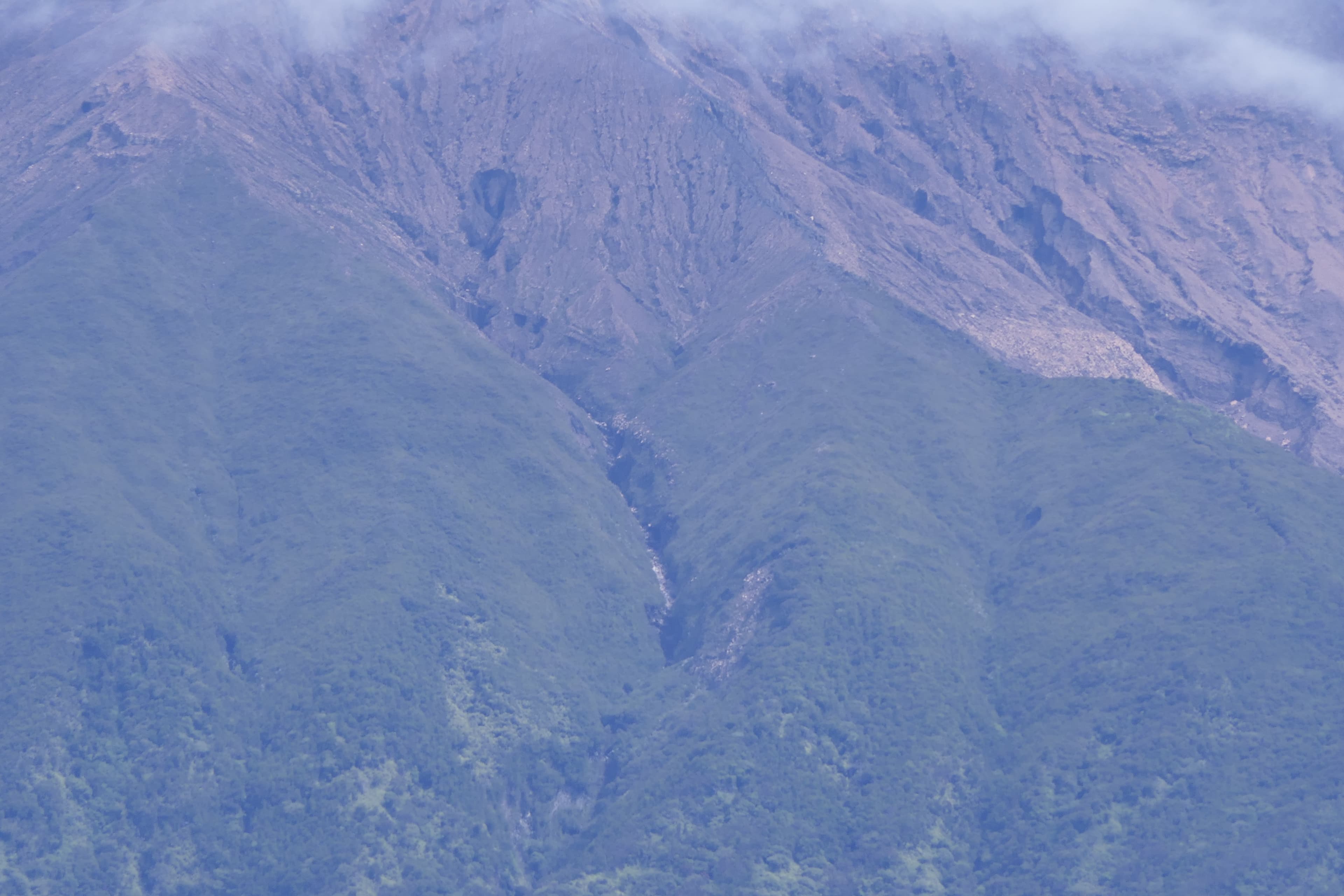
The kecamatan itself is newer on paper: Peraturan Pemerintah No. 47/1996 carved Kayu Aro out of Kecamatan Gunung Kerinci on 12 June 1996. The administrative seat sits at Desa Tanjung Bungo. Travellers overnight in Kersik Tuo because that is where the Kerinci gate and the tea strip meet, not because it is the kabupaten capital. Mount Kerinci rises to 3,805 metres above sea level as Sumatra's highest peak, inside Kerinci Seblat National Park.