
Tumpat Guide
Where the line ends and the sea begins
3 selected
Tumpat Guide · 3 spots · Kelantan, Malaysia
·Last updated:
·Curated by Shlau
Explore by category
Browse hotels, restaurants, and more in this guide
Tumpat sits in the state of Kelantan, on Malaysia's northeastern coast, where the KTM East Coast Line finally reaches salt water after crossing three states inland. You step off the train here, at the mouth of the Kelantan River, in a town that has long worked as Kelantan's transport hub. There's no pretending Tumpat is glamorous, but that end-of-the-line feeling, with river traffic and rail yards mingling, is exactly the point.
What struck me most was how mixed Tumpat feels for such a small place. Thailand lies just to the east and Pasir Mas to the south, so the town has absorbed a bit of both worlds. Tumpat is also home to most of Kelantan's Indian community, and if you time your visit around Ponggal, Thaipusam or Deepavali, you'll find real community celebrations rather than staged ones.
The coast is never far in Tumpat; locals will tell you the East Coast beach is only a stone's throw from town, and I liked wandering down there in the late afternoon. If you want to stay right in the mix, D'Geting Beach Resort makes a relaxed base for a night or two. For proper sand and batik shopping, though, save an afternoon for PCB Beach near Kota Bharu, where shops like Citra Batik sit about 500 metres from the water.
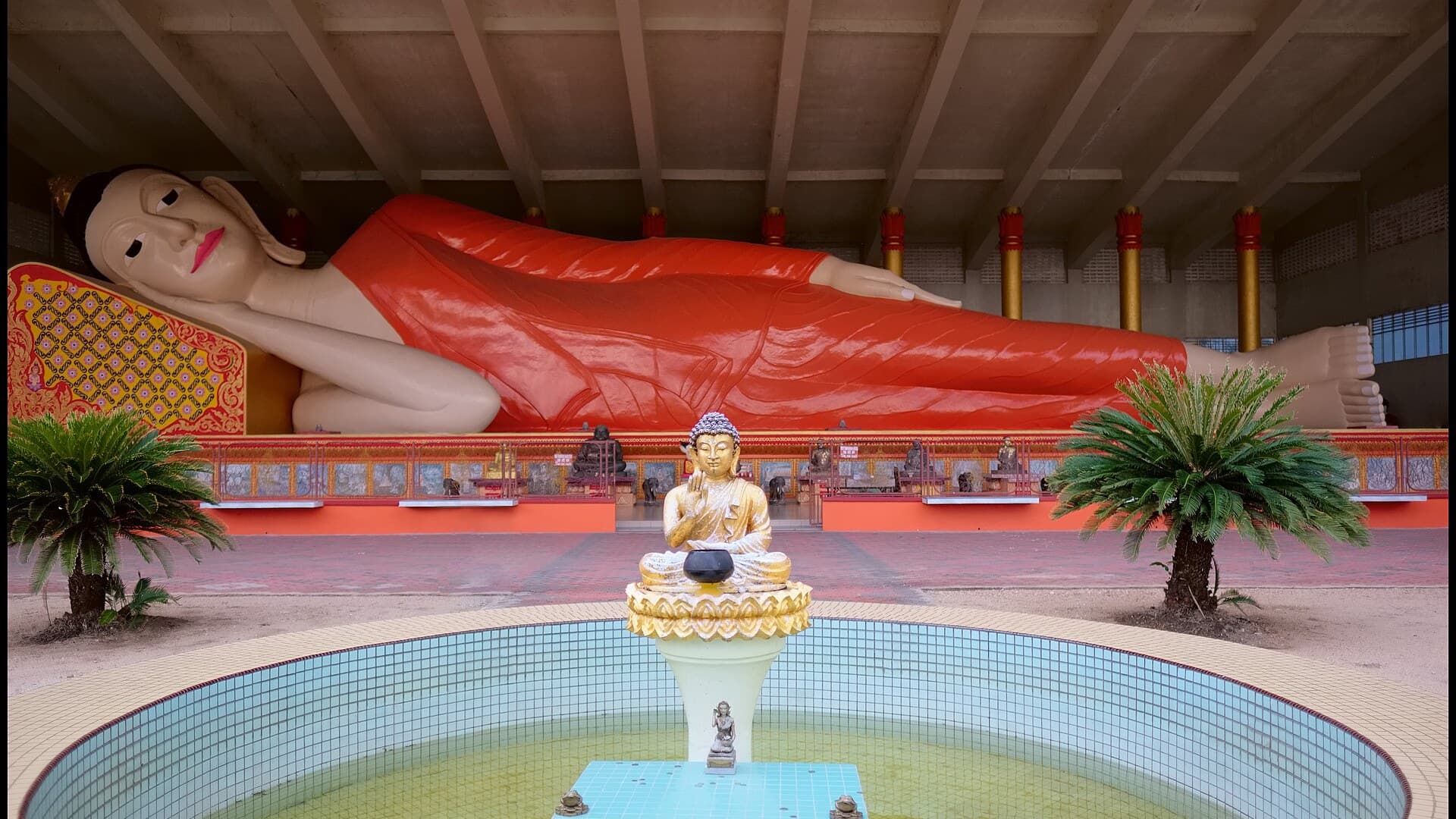
No visit feels complete without Wat Phothikyan, home to what's said to be the tallest standing Buddha statue in Southeast Asia, a 108-foot figure that opened to visitors in June 2009. It sits in Kampung Balai, about 35 minutes from Kota Bharu, and the temple grounds throw in a surprise: a T-Rex statue guards the right side of the entrance, while a pair of carved dragons decorates the temple wall. It's the kind of oddball detail that makes the trip worthwhile.
If you have a spare day, ride the rails themselves. The Lambaian Timur day train lets you watch Peninsular Malaysia's jungle scroll past in daylight, giving a real sense of hinterland life away from the coast. You don't need to commit to the whole route either; you can join or leave the Jungle Railway at several points along the way, making Tumpat a natural bookend for a shorter ride.
Most travelers use Tumpat as a quiet base and treat Kota Bharu, the state capital, as their day out. There you'll find the Istana Balai Besar royal palace and Cultural Centre performances, plus the Songket Bazaar in Kampung Penambang for handwoven cloth and Kelantan's famous batik. When you're ready to slow back down, Wan Guesthouse in Tumpat offers an easy, unfussy place to return to after a busy day of sightseeing.
The Railway Town Built From 1914 Tracks and 1949 Borders
Tumpat's story is written in steel rails, from the first tracks laid here in 1914 to the district founded in 1949, with wartime scars and a centuries-old mosque along the way. The first stretch of track out of Tumpat was completed in 1914, though the whole line wasn't finished until 1931. It came later than Malaysia's West Coast trunk line simply because there was less economic activity on this side of the peninsula, so investment lagged behind. That slow start is part of why the Jungle Railway still feels like a journey into the quieter half of the country. World War II left its mark on the line. Japanese forces tore up roughly 240 km of track from this stretch and reused it to build the infamous Death Railway between Thailand and Burma. Further down the line, trains cross the Kelantan River at Kusial on the Guillemard Bridge, built by the British in 1925, destroyed during the war, and rebuilt in 1948. Tumpat itself only became its own administrative district on 1 January 1949, splitting off from the wider Kota Bharu area. Faith has an older footprint here too: the Kampung Laut Mosque, a centuries-old wooden structure in Tumpat district, was enlarged in the second half of the 19th century and remains one of the region's most distinctive traditional buildings. For more of that history, Kota Bharu is worth the detour. Wayang kulit shadow puppetry, a traditional Malay art form, still lives on in Kelantan, and the city's museums showcase the state's cultural heritage in detail. The Bank Kerapu Second World War Memorial, set inside a former bank the Japanese used as a secret police station during the occupation, ties the region's wartime story together.
Kelantan on a Plate: From Laksam to Nasi Kerabu
Eating your way through Tumpat means eating Kelantanese food, rich in coconut and herbs, with Kota Bharu's bigger markets just a short trip away. Kelantanese cooking leans heavily on coconut, and three dishes turn up everywhere. Laksam is a noodle soup of rolled-up flat white noodles in a rich white fish and coconut gravy, topped with fresh herbs. Nasi dagang mixes white and brown glutinous rice cooked in coconut milk, served alongside various curries. Then there's ayam percik, spicy grilled chicken basted in coconut milk and peanut sauce, which might be the dish I missed most after leaving. For something to take with you, look for keropok, Kelantan's fish crackers, sold either raw for frying at home or ready to eat straight from the packet. They make an easy snack for the train ride out of Tumpat. Kota Bharu's Pasar Besar Siti Khadijah is worth building a morning around. It's housed in a distinctive octagonal building and runs as a colourful day market daily, open from 08:30 to 16:45 except on Fridays, when it closes. Head up to the first floor food court for nasi kerabu, a fragrant rice dish piled with herbs and shoots that's become one of Kelantan's signature plates. In the evening, Kota Bharu's Pasar Malam night market is the place for ayam percik and other street food cooked right in front of you. If you want a sit-down version, Yati Ayam Percik is about 2 km from the city centre. Thai- and Indian-influenced cooking also shows up around town, a reminder of how many cultures meet in this corner of Kelantan.
Last Stop, Tumpat: Arriving by Train, Plane or Border Crossing
Tumpat is the northern end of the KTM East Coast Line, so the classic way in is an overnight sleeper train, while flights land near Kota Bharu about 15 km away. Tumpat sits at the terminus of the line linking Kelantan to southern and western Peninsular Malaysia, which makes the train the most atmospheric way to arrive. The sleeper Ekspres Wau connects Tumpat directly with Kuala Lumpur, while the Ekspres Rakyat Timuran runs daily from Johor Bahru, reaching nearby Wakaf Bharu at 12:39. Both services are air-conditioned and carry a restaurant car, so the ride itself is comfortable. Tumpat marks the end of two jungle trains, which makes it a genuinely convenient place to start or finish a journey. Flying in, you'll land at Sultan Ismail Petra Airport (KBR), about 15 km from Tumpat near Kota Bharu. Malaysia Airlines, AirAsia, Firefly and Scoot all operate routes there. A taxi from the airport into Kota Bharu takes about 20 minutes, or you can catch bus D12, which departs every hour between 07:00 and 19:00. From there, local transport covers the short final stretch to Tumpat. Long-distance buses from Kota Bharu are another budget option. Coaches to Butterworth cost around RM30 and take five to six hours. Buses to Penang cost around RM34.70 and take six hours and 15 minutes, including a 60 to 75 minute stop at Gerik. Either route works well if you're combining Tumpat with a longer loop around the peninsula. Coming from Thailand, passenger boats cross the Golok River between Pengkalan Kubur and Ban Taba, near Tak Bai. Overland, buses run from the Thai railhead at Sungai Kolok across the border to Rantau Panjang, and from there another bus connects on to Tumpat station itself.
Buses, Local Trains and Short Hops Around Tumpat
Getting around Tumpat mixes SKMK buses, slow local trains and the odd taxi, with Kota Bharu and Wakaf Bharu station serving as your nearest hubs. If you're driving, state route D174 runs straight through downtown Tumpat, while Federal Route 134 connects from downtown Kota Bharu, crosses the Kelantan River, and ends at Pengkalan Kubur in Tumpat. Having your own car makes exploring the wider district much easier. Wan Guesthouse offers free parking, which is handy if you've rented a car for the trip. Local buses are run by Syarikat Kenderaan Melayu Kelantan, better known as SKMK, part of the wider Transnasional Group. If you're coming from Kota Bharu, services leave from both the central bus station and the Langgar bus station, so check which one covers your route before you head out. Local trains on the East Coast line stop at almost every station, and they're a genuine lifeline for people living inland from Tumpat. Wakaf Bharu railway station, about 6.5 km from Kota Bharu's centre, is a useful transfer point if you're mixing rail and road on the same trip. Once you're in Tumpat itself, the town is small enough to cover a lot of it on foot. For anything further, official taxis operate on a published rate sheet, so it's worth checking the posted fares before you get in, rather than negotiating on the spot.
Ringgit, Bus Fares and Staying Online in Tumpat
Money in Tumpat means Malaysian ringgit, and getting around by bus stays cheap, with long-distance coach tickets from Kota Bharu costing roughly RM33 to RM35. The ringgit (RM) is the currency you'll use everywhere in and around Tumpat. As a rough benchmark, a long-distance bus from Kota Bharu to Kuala Terengganu costs around RM33, while the same kind of coach to Kuala Lumpur runs about RM35. Both give you a sense of how far a modest budget stretches here. Detailed information on ATMs and card acceptance in Tumpat itself is hard to come by, so play it safe and carry some cash, especially for markets, small eateries and roadside stalls where cards are unlikely to be an option. If you're spending on souvenirs, Kota Bharu is the better hunting ground. Bamboo Fort Bazaar has a good spread of local crafts, and the Handicrafts Museum runs its own gift shop worth browsing. Be wary of the duty-free zones at Pengkalan Kubur and Rantau Panjang, though; the goods on offer there are usually made in Thailand and often counterfeit, whatever the label says. Mobile data and Wi-Fi are widely available across public areas and hotels in Kota Bharu, though coverage right in Tumpat is less documented, so it's worth checking with your accommodation directly. Whether you're staying at D'Geting Beach Resort or Wan Guesthouse, ask about connectivity when you book so you're not caught out.
Tumpat Practicalities: Weather, Manners and Border Tips
Tumpat rewards a little preparation, from timing your trip around the drier months to respecting the rhythm of prayer times in conservative Kelantan. Daily life here follows strict religious observance, and cinemas have been essentially banned across the state since the 1990s, so evenings are quiet rather than flashy. The district also borders Thailand to the east, so it's worth checking current border crossing rules before you plan any side trip. When is the best time to visit Tumpat? Aim for February to April, when rainfall is moderate rather than heavy. The rest of the year brings heavier rain, and December tends to be the wettest month of all. How hot does it get? July is the warmest month, with a mean daily maximum around 31.6 degrees. January is milder, with mean daily lows near 22.6 degrees, so temperatures stay fairly stable year-round. What should I pack? Bring light, breathable clothing along with rain gear, especially if you're visiting during the heavier rainfall months. Layers help for cooler evenings too. What should I know about prayer times? The azan sounds from mosques five times a day, and many businesses pause briefly around these times. Expect short breaks at markets like the Pasar Malam. Will I get by with the language? Standard Malay works well; locals will reply in it even though they speak the Kelantanese dialect among themselves. Street signs appear in both romanised Malay and Jawi script. Do the trains run on time? The East Coast line is single track, so delays happen when the mail train has to wait in a loop for an express to pass. Build in some buffer time.
FAQ
What is covered in the Tumpat guide?
Tumpat sits where Malaysia's Jungle Railway meets the sea. Discover this border town's giant Buddha, coastline and markets, then plan your own visit. It includes 3 recommendations across 2 hotels, 1 gallery.
Next →How many places are in the Tumpat guide?
The Tumpat guide lists 3 places: 2 hotels, 1 gallery.
Next →Where is Tumpat?
Tumpat is in Kelantan, Malaysia (6.2003, 102.1707).
Next →How do you get to Tumpat?
Tumpat is the northern end of the KTM East Coast Line, so the classic way in is an overnight sleeper train, while flights land near Kota Bharu about 15 km away. Tumpat sits at the terminus of the line linking Kelantan to southern and western Peninsular Malaysia, which makes the train the most atmospheric way to arr…
Next →What should you eat in Tumpat?
Eating your way through Tumpat means eating Kelantanese food, rich in coconut and herbs, with Kota Bharu's bigger markets just a short trip away. Kelantanese cooking leans heavily on coconut, and three dishes turn up everywhere. Laksam is a noodle soup of rolled-up flat white noodles in a rich white fish and coconu…
Next →Is there camping in Tumpat?
No camping listings in this pack yet — we do not invent venues. Entries will appear once verified.
Next →Can you rent a bike in Tumpat?
No bike rental listings in this pack yet. Verified shops will be added when available.
Next →What are recommended hotels in Tumpat?
Highlighted hotels in the Tumpat guide: D'Geting Beach Resort; Wan Guesthouse.
Next →Highlighted places
- Wat Phothivihan gateway, Tumpat — Entrance signboard at the Thai wat in Tumpat District, Kelantan.
- D'Geting Beach Resort — This resort hotel is equipped with amenities such as a lift, wireless internet, and room service. Guests can shop for daily necessities at the on-site supermarket and enjoy…
- Wan Guesthouse — Wan Guesthouse offers comfortable accommodation in Tumpat. The hotel is equipped with wheelchair-accessible facilities for guests with disabilities. Guests can also park their vehicles for free in the…
Explore on the map
Tap a pin to highlight its place card
All
1 spots
Recommended places
Hotels
2 · 2 selected · View all Hotels
D'Geting Beach Resort
Set in Tumpat, this resort offers a range of amenities designed for a comfortable, relaxing stay close to the coast.
Wan Guesthouse
This B&B in Tumpat provides accessible facilities for guests with disabilities and free parking for those arriving by car.
Gallery
1 · 1 selected
Wat Phothivihan gateway, Tumpat
gallery
Related guides
Browse nearby destinations
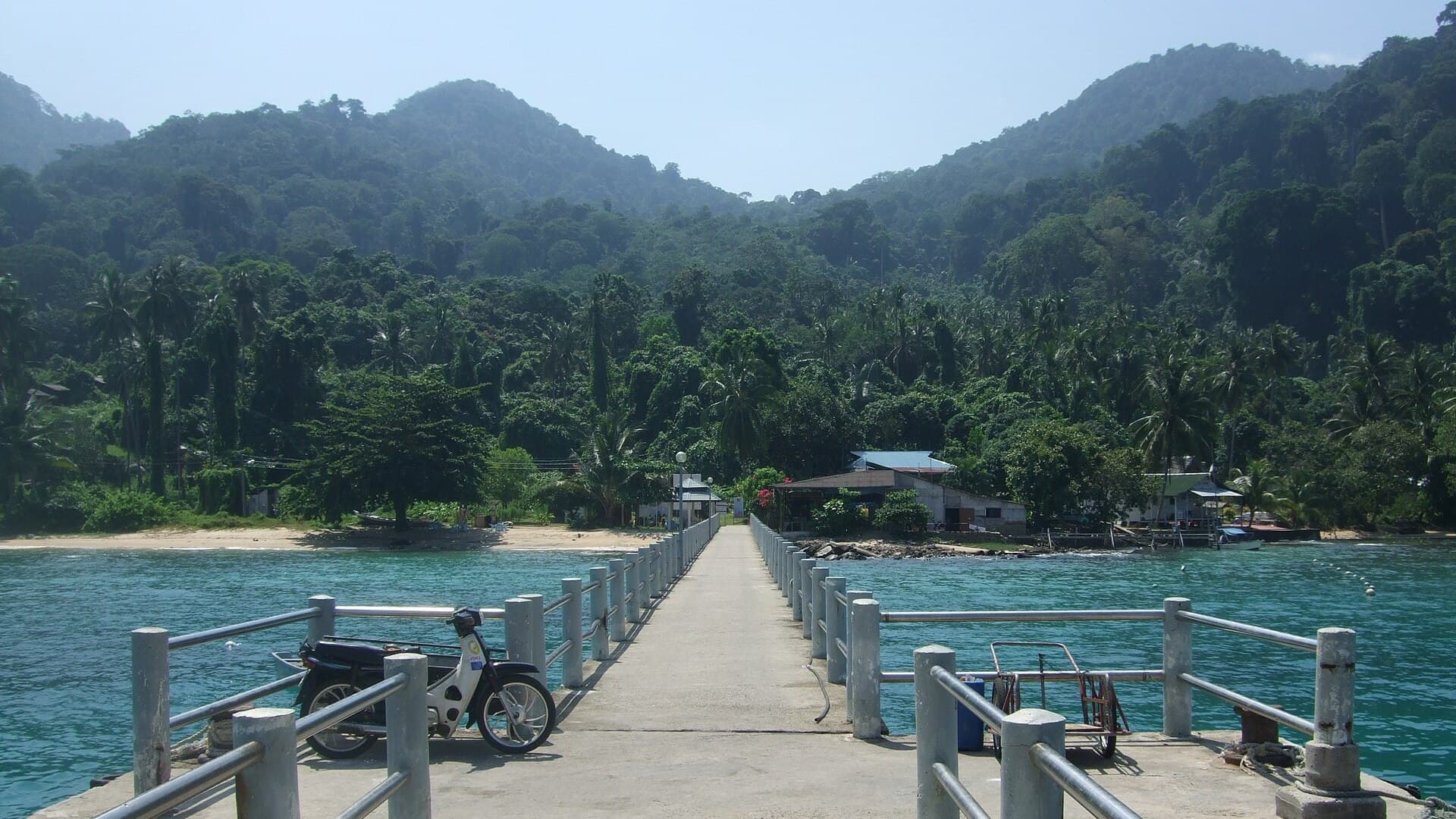
Air Batang
Pahang, Malaysia
A tranquil west‑coast village on Tioman Island, perfect for snorkeling, diving, and short beach stays.
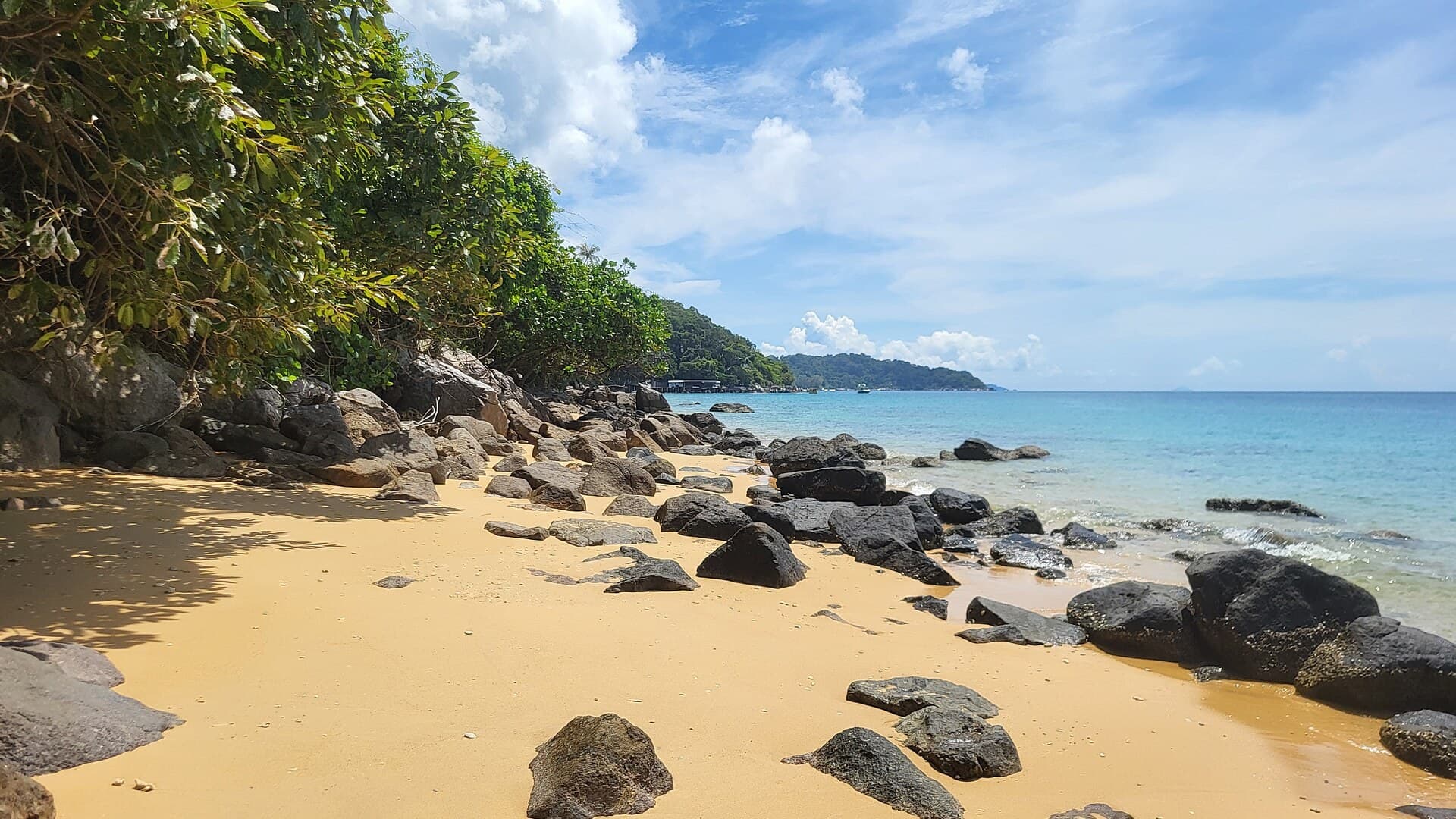
Fisherman Village Guide
Terengganu, Malaysia
Explore the charming fishing village of Kampung Pasir Hantu on Perhentian Kecil – a laid‑back escape with fresh seafood, clear waters and easy access from Kuala Terengganu.
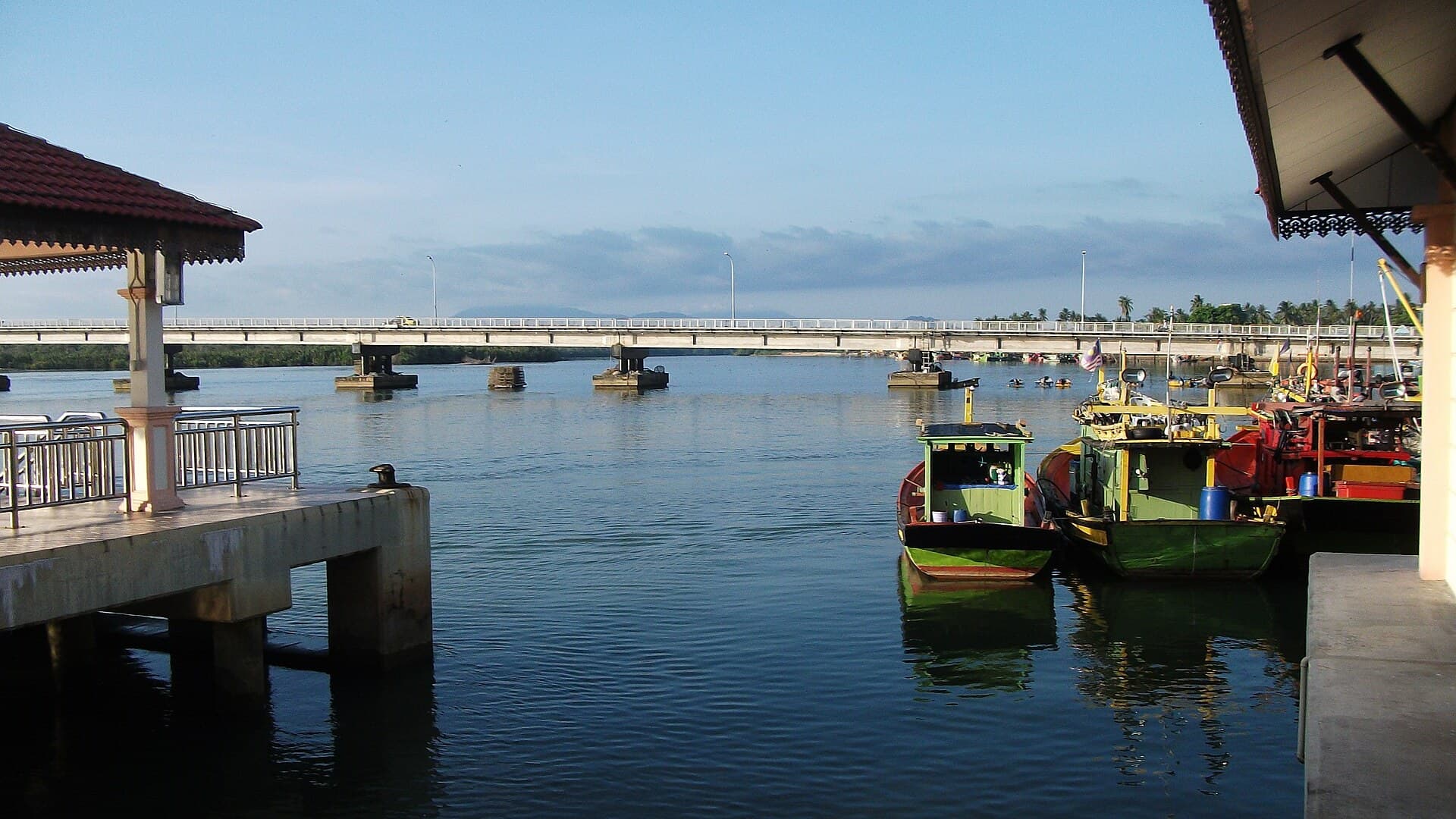
Kuala Besut Guide
Terengganu, Malaysia
Discover Kuala Besut’s coastal charm, from beachside markets to nearby Perhentian islands, ideal for a 3‑day escape in Malaysia’s East Coast.
Mersing Guide
Johor, Malaysia
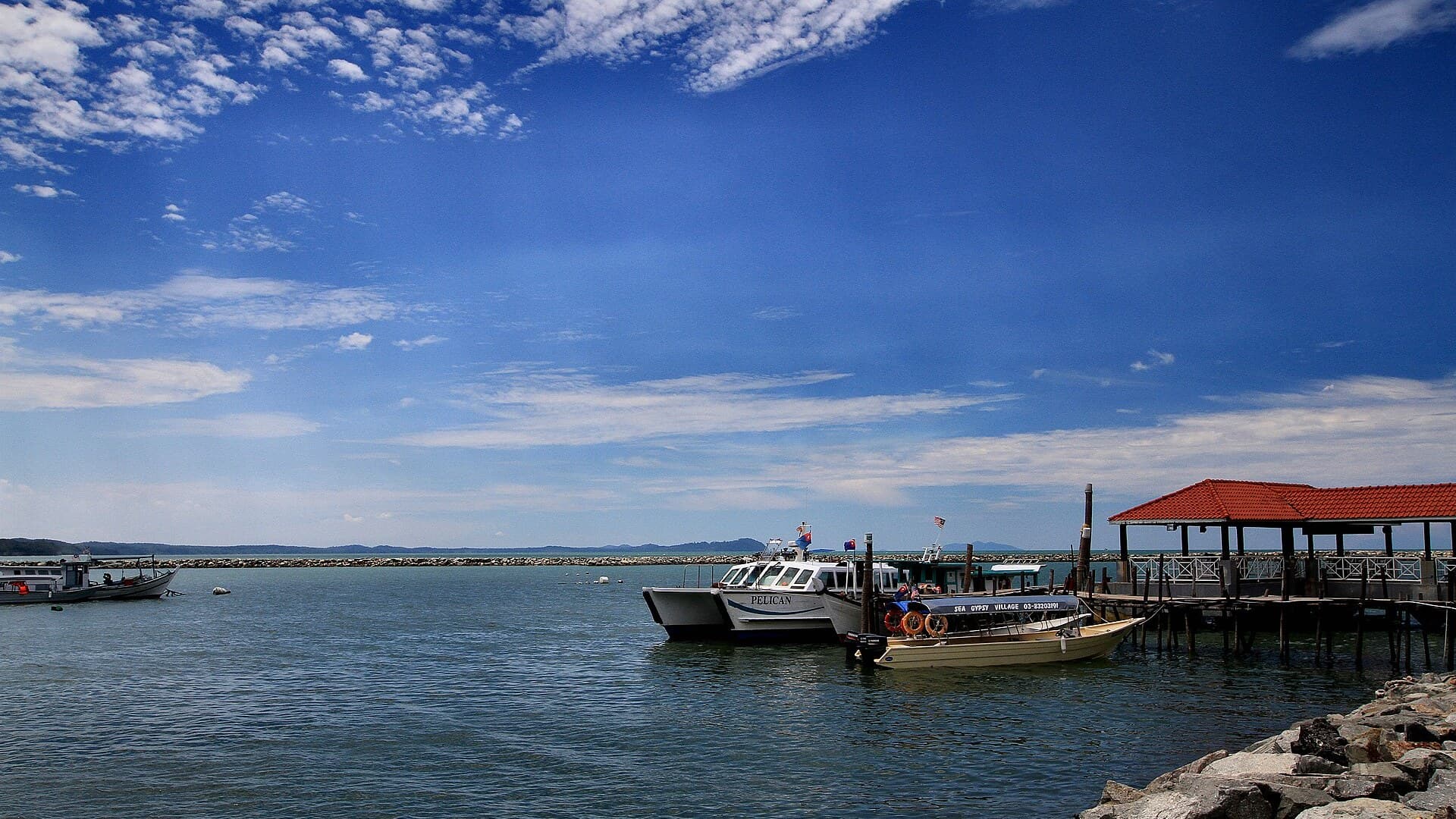
Explore Mersing’s pristine beaches, fresh seafood and nearby islands in 2‑3 days from Johor Bahru.
Adrasan
Antalya, TR
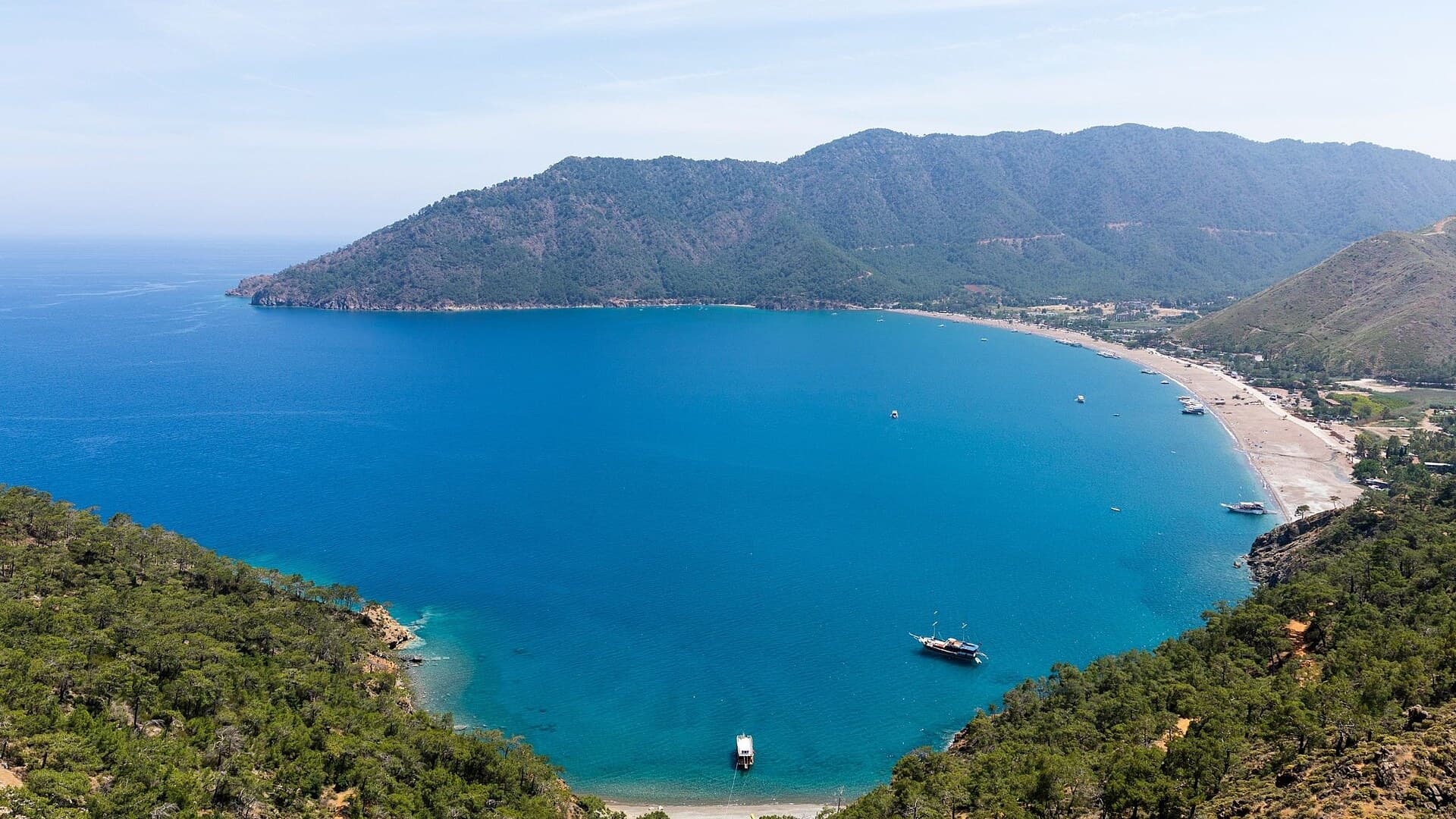
A pine-backed bay where the days move slowly
Akyaka
Muğla, Türkiye
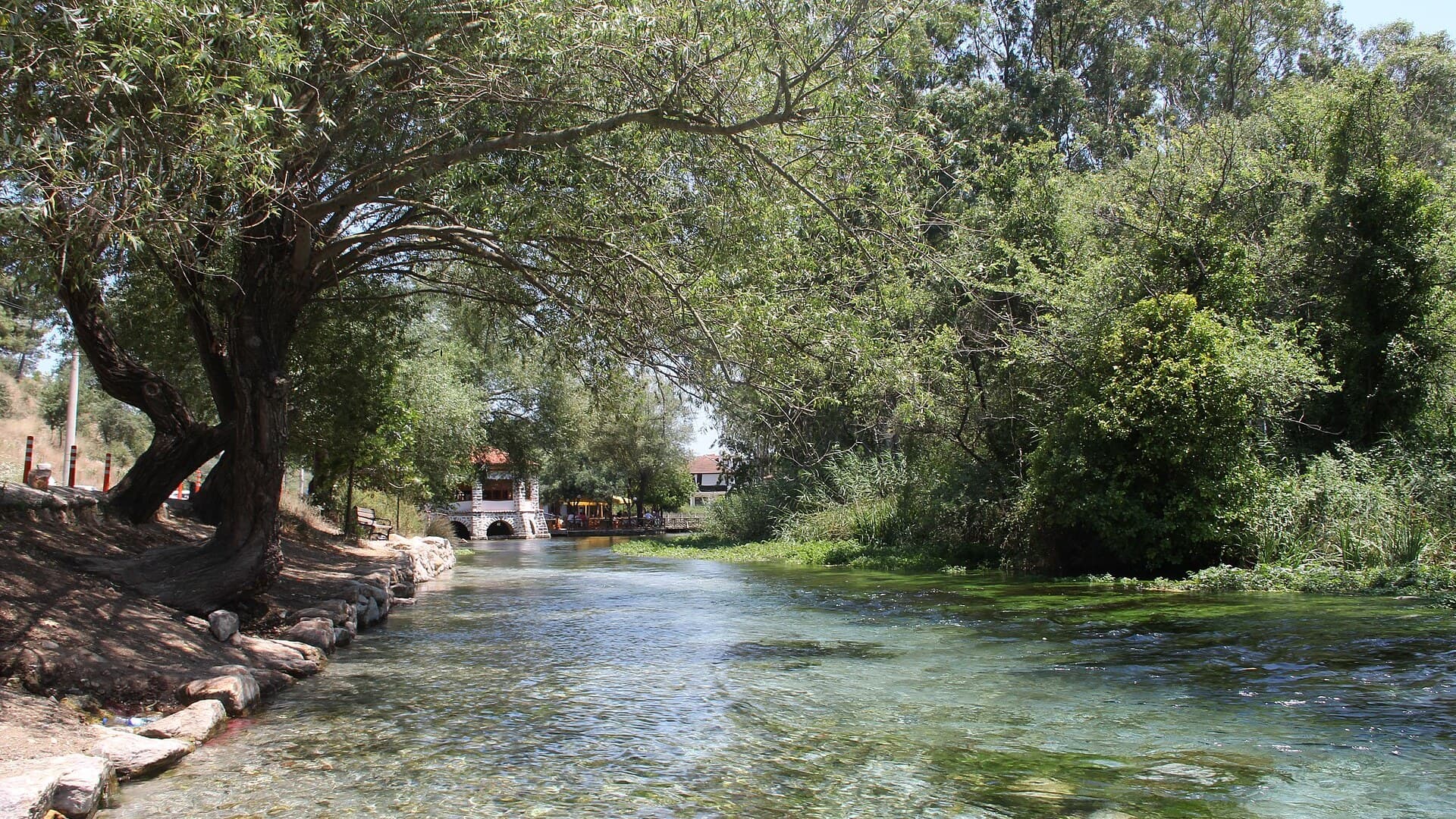
A quiet riverside gem where boat rides, river swims and relaxed cafés make a perfect day or overnight stay.

Save these places to your list
Copy the spots you picked into your list — maps and notes included.